L
Lucas Fernandez
Madrid, Spain
Aug 2, 2025

This trek was a perfect blend of adventure and natural beauty. The Manaslu region is less crowded and feels untouched. Crossing the Larkya La Pass was a highlight — truly mesmerizing views!
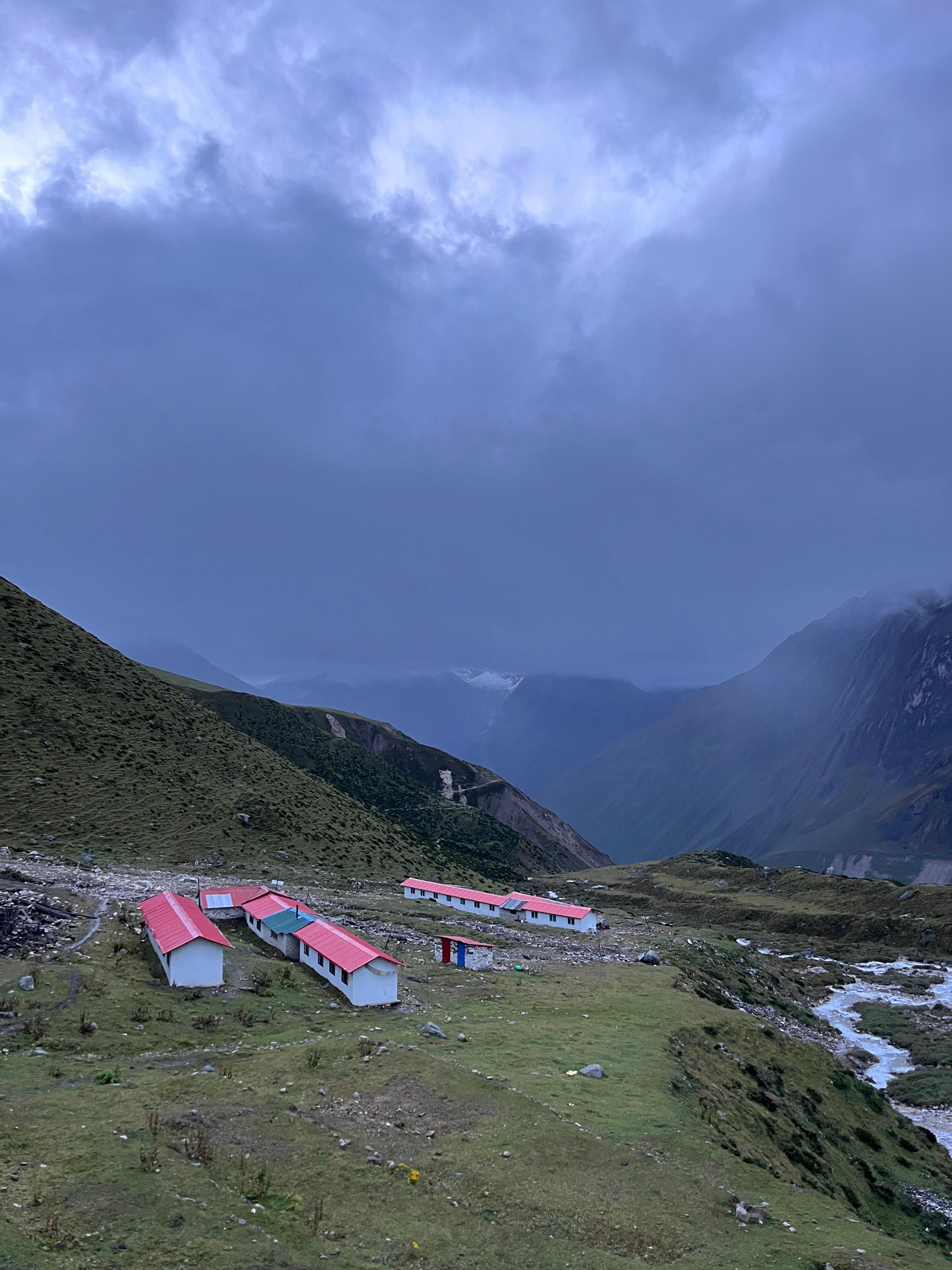
Destination
Nepal
Duration
9 Days
Best Weather
March, April, May, September, October & November
Max Altitude
5160m
Accommodation
Hotel and Guesthouse
Meals
Breakfast, Lunch, Dinner
Transportation
Private vehicle / Flights
Group
Min 1 pax
Difficulty
Easy
Activities
Trekking
The Manaslu Circuit Trek is a Himalayan trekking adventure in Nepal that reaches 5,106 m (16,752 ft) at Larkya La Pass, with the trek package available from $1,099. The best seasons for trekking are March–May and September–November. Trekkers require the Manaslu Restricted Area Permit (RAP), Manaslu Conservation Area Permit (MCAP), and Annapurna Conservation Area Permit (ACAP). The journey leads through remote mountain villages, the scenic Budhi Gandaki Valley, Tibetan-influenced communities, and breathtaking views of Mount Manaslu (8,163 m).
The Manaslu Circuit Trek takes you around Mount Manaslu (8,163 m), the eighth-highest mountain in the world. As you ascend through the valley, the landscape gradually changes from subtropical forests to rugged Himalayan terrain, with spectacular views of Manaslu and surrounding peaks. The trail also passes through villages influenced by Tibetan Buddhist culture, with mani walls, prayer flags, monasteries, and traditional mountain communities.
One of the major highlights of the Manaslu Trek is crossing Larkya La Pass at 5,106m, the highest point of the journey. The pass offers panoramic views of Himlung Himal, Cheo Himal, Kang Guru, and the Annapurna range on clear days. From the pass, the trail descends toward Bimthang and continues to Dharapani, where the Manaslu Circuit connects with the Annapurna region.
The 9-day Manaslu Circuit Trek is suitable for trekkers with limited time who want to complete the classic Manaslu route without extending the trip to a longer itinerary. Since the itinerary has no separate acclimatization day at Samagaon, it is better suited to people with a strong fitness base and some previous trekking or high-altitude experience. The trek involves several consecutive walking days, steep ascents and descents, and a demanding crossing of Larkya La Pass. If you have never trekked above 3,000–4,000 m before, a longer Manaslu itinerary with an additional acclimatization day may be more appropriate.
The 9-day Manaslu Circuit Trek includes seven days of walking and two main travel days. The first day is spent driving from Kathmandu to Machha Khola, while the final day involves travelling from Dharapani back toward Kathmandu. Most walking days take around 5 to 7 hours, depending on the trail and pace. The Larkya La Pass crossing is the longest and most demanding day, taking approximately 8 to 9 hours.
The itinerary moves relatively quickly through the upper valley. You spend a night at Samagaon before continuing to Dharamsala, also known as Larkya Phedi. From there, you cross the Larkya La Pass and descend toward Bimthang.
The Manaslu Circuit Trek 9 Days is a strenuous trekking adventure. You do not need technical climbing skills, but you need good physical fitness and endurance to handle long walking days, steep sections, rocky trails, and high-altitude terrain. The trail passes through narrow gorges and follows the Budhi Gandaki River before climbing toward the high mountains. The repeated ascents and descents can be demanding, while the altitude becomes more challenging as you approach Dharamsala and Larkya La Pass.
We recommend preparing for at least several weeks before the trek with regular walking, hill hiking, stair climbing, and cardiovascular exercise. Training with a backpack can also help your body adjust to the demands of carrying a daypack during the trek.
The best seasons for the Manaslu Circuit Trek are spring and autumn.
Spring brings warmer temperatures, clearer mountain views, and blooming rhododendrons in the lower sections of the trail. The weather generally becomes more comfortable for trekking as the season progresses.
Autumn is one of the most popular periods for the Manaslu Trek. The skies are generally clear, the weather is stable, and the mountain views are excellent. The trails can also be busier during this period.
Winter brings very cold temperatures and snow at higher elevations. Heavy snowfall can make the Larkya La Pass difficult or temporarily inaccessible.
The monsoon season brings rain, muddy trails, cloud cover, and possible landslides, particularly along the road sections. The shorter 9-day itinerary has little flexibility for weather delays, so stable weather is especially important.
Weather conditions change significantly throughout the Manaslu Circuit Trek. The lower sections of the Budhi Gandaki Valley are generally warmer, while temperatures drop as you gain altitude. At higher elevations, nights can fall below freezing, especially around Samagaon, Dharamsala, and Larkya La. Strong winds and snow are possible around the pass, particularly during winter and periods of unsettled weather.
Pack clothing in layers so you can adjust to changing conditions. A warm down jacket, waterproof shell, insulated gloves, and a warm hat are important for the higher sections of the Manaslu Circuit.
The Manaslu region is a restricted trekking area, so trekkers need the required permits and must trek with a licensed guide.
The permits required for the Manaslu Circuit Trek include:
Manaslu Restricted Area Permit
Manaslu Conservation Area Permit
Annapurna Conservation Area Permit
The required permits are arranged as part of the trekking service. You should provide your passport and visa details in advance so the necessary arrangements can be completed.
Independent trekking is not permitted in the restricted Manaslu area.
Altitude sickness can occur when the body does not adjust properly to increasing elevation. Common symptoms include headache, nausea, dizziness, loss of appetite, tiredness, and difficulty sleeping. The risk becomes more important as the Manaslu Circuit Trek reaches higher elevations, particularly between Samagaon, Dharamsala, and Larkya La Pass.
Inform your guide immediately if you experience symptoms. Do not continue ascending if symptoms are getting worse. Your guide can assess your condition and recommend stopping, descending, or seeking further assistance when necessary.
Travel insurance should include coverage for high-altitude trekking and emergency helicopter evacuation.
Accommodation during the Manaslu Trek is mainly provided in local teahouses and lodges. Rooms are generally simple and usually have twin beds with mattresses and blankets. Bathrooms are commonly shared, and facilities become more basic as you reach higher elevations. Meals include a mixture of local and commonly available trekking foods. Dal bhat, noodles, fried rice, momos, soup, eggs, porridge, tea, and coffee are commonly available along the route.
Boiled or treated drinking water can be obtained from lodges and villages. We recommend carrying water purification tablets or a suitable filtration system.
A licensed English-speaking guide accompanies you throughout the Manaslu Circuit Trek. The guide helps with permits, accommodation arrangements, route navigation, and general trekking support. A porter can carry the main luggage, allowing you to walk with a lighter daypack. Generally, one porter carries the luggage of two trekkers.
We recommend keeping your daypack around 5–8 kg and your main duffel within the weight limit arranged with the trekking team.
The Manaslu Circuit Trek 9 Days begins with a road journey from Kathmandu to Machha Khola. The drive takes approximately 7–8 hours, depending on road and traffic conditions. After completing the trek at Dharapani, you travel by shared jeep toward Besisahar before continuing to Kathmandu. The return journey takes approximately 8–9 hours, depending on road conditions.
Private jeep upgrades can also be arranged for travelers who prefer more flexibility and comfort.
The journey starts with a scenic drive from Kathmandu to Machha Khola, passing through the towns of Dhading Beshi and Arughat. The road is mostly paved up to Dhading, but it becomes rougher and bumpier as you continue toward Arughat, with unpaved roads making for a challenging ride. Once you pass Arughat, the trail begins to narrow, and the views become more scenic as you drive along the Budhi Gandaki River. Expect occasional stops for photos and rest breaks along the way. Upon arrival in Machha Khola, a small village along the river, you will check into a local guesthouse for the night. The surrounding mountainous scenery offers a beautiful introduction to the trek ahead.
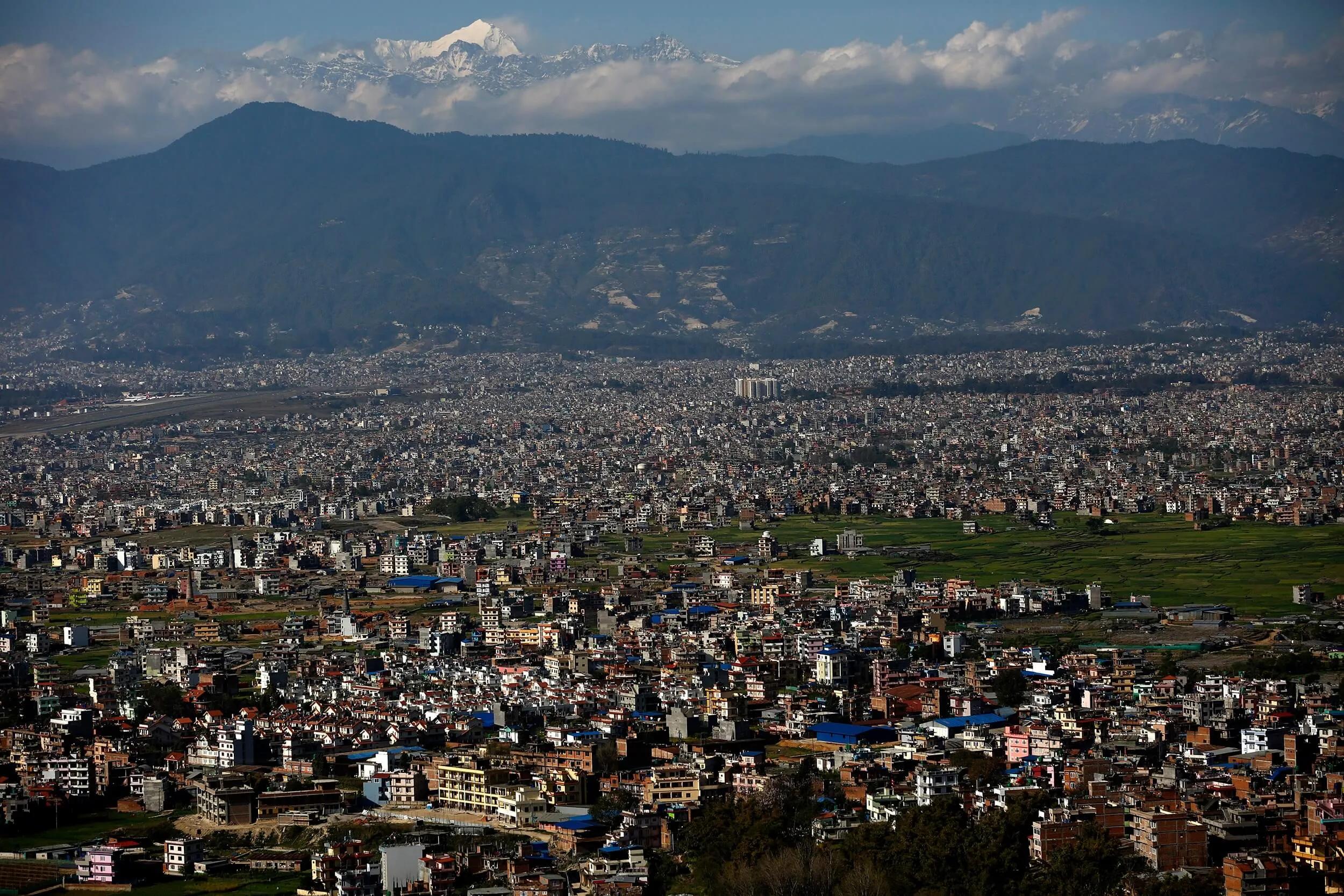
Max. Elevation
1400m
Duration
7-8 hours
Accommodation
Guesthouse
Meals
Lunch and dinner
Pickup and drop off services with private vehicle transfer to your hotel.
Travel from Kathmandu to Machha Khola and Dharapani to Beshisahar in a sharing jeep and Beshisahar to Kathmandu via public bus.
Full board meals (breakfast, lunch, and dinner) during the trek, served in local lodges along the trail.
Comfortable stay in local lodges/teahouses along the trekking route as per the itinerary.
Necessary permits including ACAP (Annapurna Conservation Area Permit), MCAP (Manaslu Conservation Area Permit), and Manaslu Restricted Area Permits.
Sleeping bag, down jacket, and duffel bag (provided for your use, to be returned at the end of the trek).
Seasonal fresh fruit during the trek when available.
An experienced, English-speaking trekking guide and porter (1 porter per 2 trekkers) to assist with carrying your gear.
A comprehensive full-body massage in Kathmandu after completing the trek to help you recover.
An oxygen meter to check your pulse, oxygen saturation, and heart rate twice daily. This is a helpful tool to monitor Altitude Mountain Sickness (AMS) symptoms and ensure your health throughout the trek.
An assistant guide for groups of 10 or more people to ensure a safe and smooth trekking experience.
A certificate of completion of the trek and a company T-shirt.
Insurance coverage for your guide (including meals, accommodations, equipment, and transportation).
A farewell dinner in Kathmandu to celebrate the completion of your trek.
Emergency rescue operation in case of an emergency (only if you have travel insurance).
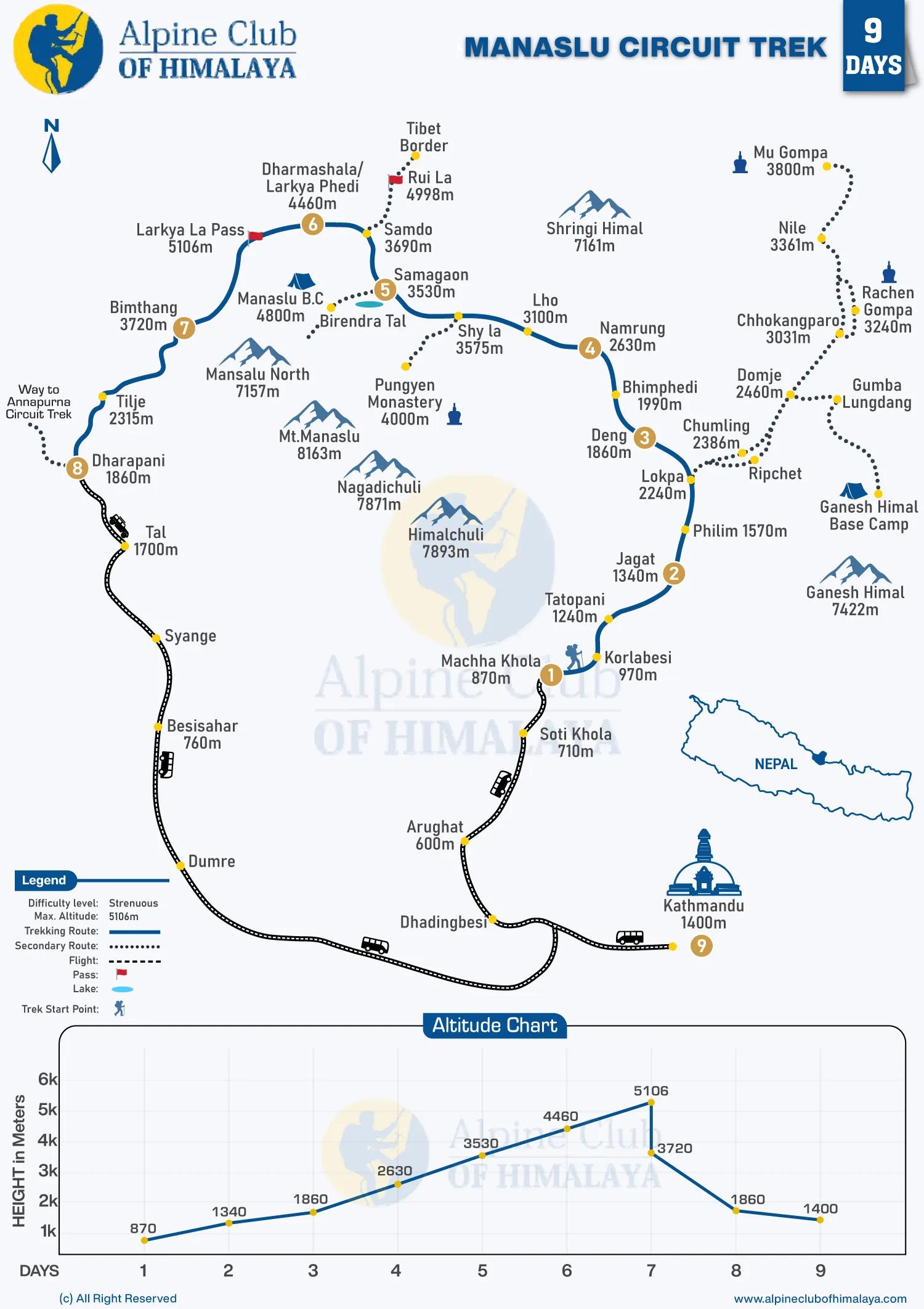
Click on map to view in fullscreen
Essential Trekking Gear:
Clothing:
Footwear:
Health & Safety:
Electronics & Documents:
Food & Hydration:
Optional Extras:
Note: Please note that our guide will carry medications and first aid kits during the trek. However, we recommend bringing your own personal first aid kit for additional peace of mind.
L
Lucas Fernandez
Madrid, Spain
Aug 2, 2025
H
Hannah Kim
Seoul, South Korea
Mar 9, 2025

S
Sarah Thompson
Bristol, United Kingdom
May 5, 2021

24/7 Support
Need help? we're at your service
Associated With


We Accept Cards

Office of the company registrar License: 66813/066/067 || Tourism Industry Division License:1142
All content and photography within our website is copyright & may not be reproduced without our permission.
Develop By: IT Sansaar