A
Aurelio Fontana
Verona, Italy
Nov 13, 2025

Between the long trek to Base Camp and two demanding summit pushes afterward, this expedition asked a lot physically, but delivered even more in return.
Destination
Nepal
Duration
19 Days
Best Weather
March, April, may, September, October & November
Max Altitude
6189
Accommodation
Hotel and Guesthouse
Meals
Breakfast, Lunch, Dinner
Transportation
Private vehicle / Flights
Group
Min. 1 Pax
Difficulty
Strenuous
Activities
Peak Climbing
The Lobuche East and Island Peak Climbing – 19 Days expedition offers an extraordinary opportunity to summit two iconic Himalayan peaks in the Everest region, combining challenging mountaineering with breathtaking natural beauty. Organized by Alpine Club of Himalaya, this expedition is designed for experienced climbers and adventurous trekkers seeking to push their limits while immersing themselves in the unique Sherpa culture and spectacular landscapes of Nepal’s Khumbu Valley.
Starting with scenic flights into Lukla, the journey takes you through traditional Sherpa villages, lush forests, and dramatic alpine terrain, with essential acclimatization stops at Namche Bazaar, Dingboche, and other key points along the route. The trek provides panoramic views of Everest, Lhotse, Nuptse, and Ama Dablam, setting a stunning backdrop for your climb.
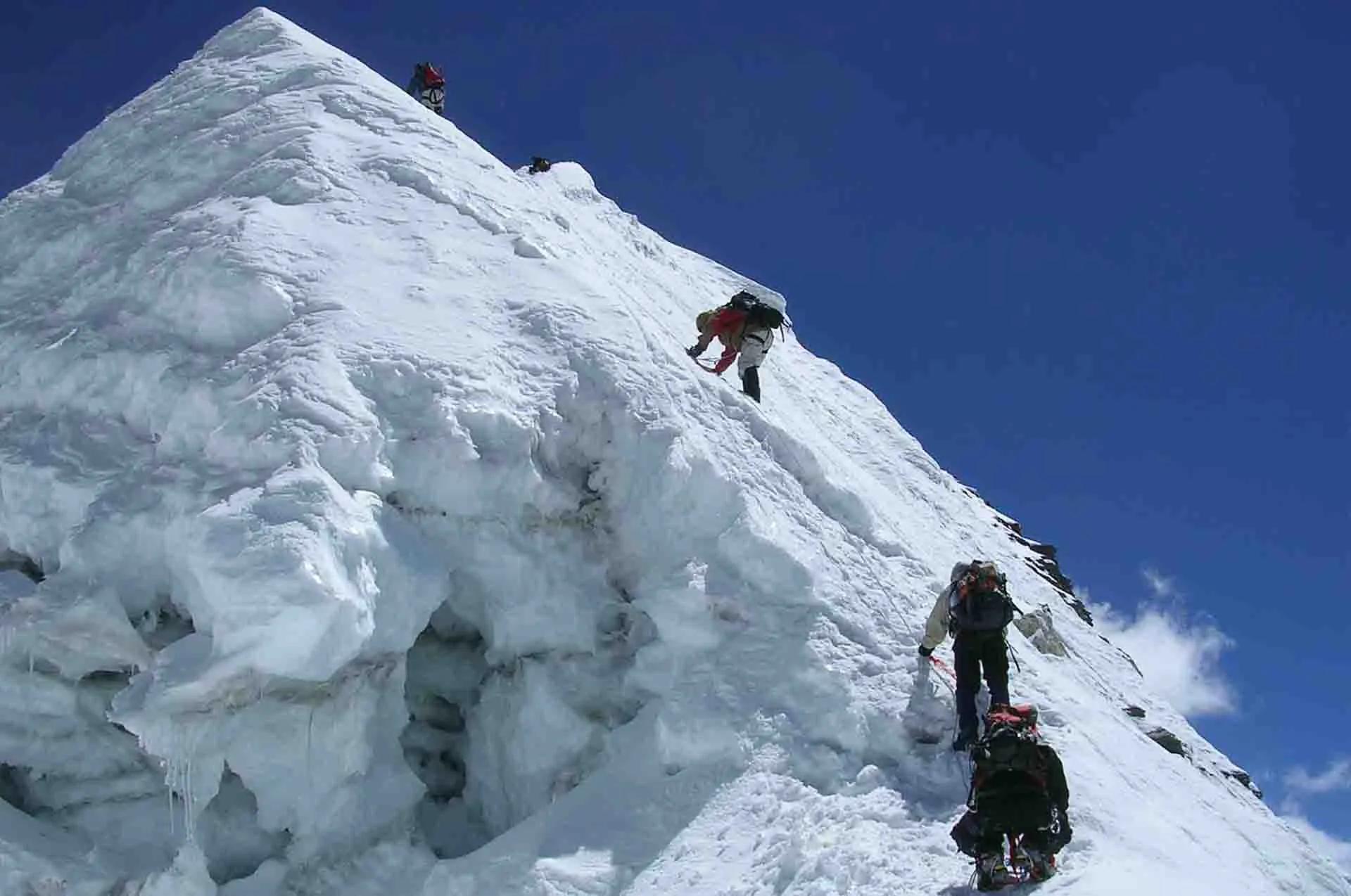
Lobuche East (6,119 meters) is a technically demanding peak, often considered a perfect introduction to high-altitude mountaineering. It offers a thrilling climb over mixed snow and rock terrain, testing your skills and endurance. Island Peak (6,189 meters), known locally as Imja Tse, is one of the most popular trekking peaks in Nepal and provides a challenging but accessible ascent featuring glacier travel, crevasse navigation, and steep snow slopes.
Throughout the expedition, Alpine Club of Himalaya ensures professional support with certified guides, experienced Sherpa climbing teams, and well-coordinated logistics including equipment, meals, and accommodations at comfortable teahouses or base camps. Safety and success are paramount, with thorough preparation, acclimatization, and technical training integrated into the itinerary.
This 19-day adventure is not only a climb but a profound experience that showcases the grandeur of the Himalayas and the resilience of those who live among these majestic peaks. Choosing Alpine Club of Himalaya for your Lobuche East and Island Peak expedition guarantees expert guidance, local insight, and a commitment to making your high-altitude mountaineering dreams a reality.
The ideal seasons for climbing Lobuche East and Island Peak are spring (March to May) and autumn (late September to November). During these months, the weather is generally stable with clear skies, moderate temperatures, and minimal snowfall, providing optimal climbing conditions. Spring offers blossoming rhododendrons and warmer days, while autumn features crisp air and spectacular mountain views. Avoid the monsoon season (June to August) due to heavy rains, landslides, and increased avalanche risk. Winter climbs are possible but are much colder and technically more demanding.
Both Lobuche East and Island Peak are classified as challenging high-altitude climbs that require a good mix of trekking endurance and technical mountaineering skills. Lobuche East involves steep snow and rock-climbing sections, glacier travel, and exposure to crevasses, requiring climbers to be comfortable with fixed ropes and ice axe usage. Island Peak is a popular trekking peak but still demands glacier navigation, crampon use, and steep snow slope climbing. Climbers should have prior experience with mountaineering or undertake technical training before attempting these peaks. The altitude and physical exertion make these climbs suitable for well-prepared and acclimatized individuals.
Successful climbing of Lobuche East and Island Peak requires excellent physical fitness and mental resilience. Trekkers should have strong cardiovascular endurance, leg strength, and stamina for long days of trekking and climbing at high altitudes (above 5,000 meters). Prior experience in trekking or mountaineering at altitude is highly recommended. Training should include aerobic exercises (running, cycling, swimming), strength training (especially legs and core), and practice with climbing equipment if possible. Proper acclimatization during the expedition is crucial to reduce the risk of altitude sickness. Alpine Club of Himalaya recommends thorough preparation and consultation with your guide to tailor fitness plans before your departure.
Alpine Club of Himalaya provides expert comprehensive guiding services throughout the Lobuche East and Island Peak expedition to ensure safety, success, and an enriching experience. Our team consists of certified, government-licensed guides with extensive mountaineering experience in the Everest region. Each guide is skilled in high-altitude navigation, rope techniques, glacier travel, crevasse rescue, and emergency response. To support trekkers effectively, we assign one assistant guide for every ten participants, maintaining personalized attention and group management.
Additionally, our Sherpa climbing teams are highly trained and familiar with the terrain, providing invaluable support during technical climbs. Guides are responsible for route planning, acclimatization monitoring, weather updates, and liaising with rescue services if needed. They also facilitate cultural interaction by sharing knowledge about local customs, traditions, and history. With Alpine Club of Himalaya’s guiding services, climbers receive continuous assistance from arrival to departure, ensuring a safe and memorable mountaineering journey.
The Everest region experiences a high-altitude mountain climate characterized by wide temperature fluctuations and seasonal variation. During the trekking and climbing seasons, daytime temperatures can range from 10°C to 20°C (50°F to 68°F) in lower villages but can drop well below freezing at higher elevations and at night. The region sees two primary seasons suitable for climbing: spring and autumn, marked by clear skies and moderate temperatures.
Snowfall is common at higher altitudes, particularly during winter months and occasionally in spring or autumn. The dry season (October to May) provides stable weather with less precipitation, whereas the monsoon season (June to September) brings heavy rains and increased risk of avalanches and landslides. Temperatures decrease sharply with altitude, so climbers should be prepared for sub-zero conditions, especially above 5,000 meters.
Weather in the Everest region can change rapidly, posing challenges that require careful planning and flexibility. Sudden snowstorms, strong winds, and low visibility are common hazards at high altitude, especially on technical climbing sections of Lobuche East and Island Peak. The risk of avalanches increases during and after heavy snowfall, and crevasse conditions on glaciers may worsen with melting or freezing cycles.
Altitude also affects weather perception, as cold temperatures and intense UV radiation demand proper clothing and sun protection. Delays caused by poor weather can impact flight schedules to and from Lukla, necessitating contingency plans. Alpine Club of Himalaya closely monitors weather patterns and provides timely updates to ensure climbers’ safety. Climbers must be prepared for possible itinerary adjustments and follow guides’ instructions during adverse weather.
Before and during your expedition, it is essential to obtain accurate and up-to-date weather forecasts for the Everest region. Reliable sources include Nepal’s Department of Meteorology, Himalayan weather websites, and local meteorological services. These forecasts provide information on temperature, precipitation, wind speed, and avalanche risk.
Alpine Club of Himalaya uses professional weather forecasting tools and local weather reports to assess conditions daily, advising clients accordingly. Morning briefings typically include weather updates and advice for the day’s trekking or climbing activities. Checking the forecast helps climbers decide on appropriate clothing, timing of summit attempts, and safety measures.
It is highly recommended to keep a weather-aware mindset throughout the expedition and prepare for sudden changes, ensuring a safer and more enjoyable climb.
Monitoring weather conditions is crucial for a safe and successful climb in the Everest region. Always check reliable local and online weather forecasts before and during your trek. Pay close attention to changes in temperature, precipitation, wind speed, and visibility. Early mornings often have clearer skies, making them the best time for summit attempts or long treks. Be prepared for sudden weather shifts, including snowstorms or strong winds, which are common in high-altitude environments. Keep communication devices charged to receive updates from your guides or local weather services. Dressing in layers and carrying waterproof gear helps you adapt quickly to changing weather.
The Everest region is a fragile and pristine mountain environment with unique flora, fauna, and cultural heritage. Trekkers and climbers must respect the natural surroundings by minimizing waste, avoiding plastic, and practicing “Leave No Trace” principles. Water sources should be protected from contamination, and wildlife disturbances should be avoided. Alpine Club of Himalaya promotes responsible tourism to help preserve this ecosystem for future generations. Support local communities by purchasing locally made goods and respecting traditional customs. Environmental conservation is a shared responsibility that enhances the trekking experience while protecting the Himalayas.
Your safety and security are the top priorities during the expedition. Travel with experienced, certified guides who are trained in emergency response and first aid. Follow all safety instructions, especially during technical climbs and glacier crossings. Stay well-hydrated and nourished, and communicate any symptoms of illness immediately. Carry comprehensive travel insurance that covers high-altitude trekking and helicopter evacuation. Be cautious with altitude sickness, weather conditions, and trail hazards such as slippery paths or loose rocks. Avoid trekking alone and keep your belongings secure. Respect local laws and customs to ensure a positive and safe interaction with the communities.
Physical and technical preparation is essential for tackling the challenges of Lobuche East and Island Peak. Begin training several months before your departure with cardiovascular exercises like running, swimming, or cycling to build stamina. Include strength training focusing on legs, core, and balance, and practice hiking with a loaded backpack. If possible, undertake mountaineering courses or technical training in ice axe use, crampons, rope techniques, and crevasse rescue. Mental preparedness is equally important to face the altitude and physical demands. Alpine Club of Himalaya provides guidance on training plans and pre-trek briefings to help you prepare thoroughly.
Altitude sickness occurs due to reduced oxygen levels at high elevations and can range from mild symptoms to serious health issues. Common symptoms include headaches, nausea, dizziness, fatigue, and shortness of breath. To minimize risks, ascend gradually and allow your body time to adjust. Stay hydrated, avoid alcohol and heavy meals, and communicate any discomfort to your guide immediately. Carry medication such as Diamox if prescribed by your doctor. In severe cases, descent to lower altitude is necessary. Recognizing and responding to altitude sickness symptoms early is critical for a safe trek.
Acclimatization is the process by which your body adapts to lower oxygen levels at high altitude. It involves taking rest days or shorter hikes at intermediate elevations to allow physiological adjustments such as increased breathing rate and red blood cell production. The itinerary includes planned acclimatization days at key locations like Namche Bazaar and Dingboche to reduce the risk of altitude sickness. During acclimatization, avoid overexertion, stay well-hydrated, and eat nutritious meals. Following your guide’s advice on pacing and rest is vital. Proper acclimatization enhances your energy levels, mental clarity, and overall success on the climb.
During the Lobuche East and Island Peak expedition, accommodations and camp setups are carefully arranged to provide comfort and support throughout the journey. Trekking days are spent in well-maintained teahouses offering clean rooms, warm meals, and basic amenities such as hot showers where available. At higher elevations and base camps, tents are used, equipped with sleeping mats and shared dining facilities to ensure warmth and rest after strenuous climbs. Alpine Club of Himalaya ensures all campsites follow strict hygiene and environmental standards. Equipment such as down jackets and sleeping bags are provided to protect against cold nights. The camp setup includes organized kitchen and communication tents, medical kits, and oxygen supplies for emergencies, offering a safe and supportive environment for climbers.
The trek begins with a scenic flight from Kathmandu (or Ramechhap) to Lukla, which is the gateway to the Everest region. However, due to air traffic congestion at Kathmandu airport, especially during peak trekking seasons (spring and autumn), flights to Lukla are often rerouted to depart from Ramechhap Airport (Manthali), about a 4–5-hour drive from Kathmandu.
Key Points:
Alternatives to Lukla Flights:
Choosing the flight option or its alternatives depends on your schedule, budget, and flexibility. Alpine Club of Himalaya will always assist in selecting the safest and most efficient route to begin your trek.
To climb Island Peak, trekkers and climbers are required to obtain the following permits:
1. Fee: NPR 3,000 for foreign nationals / NPR 1,500 for SAARC citizens
2. Required: Passport or copy
1. Fee: NPR 2,000 per person
1. Spring (March–May): USD 250
2. Autumn (September–November): USD 125
3. Off-season (December–February, June–August): USD 70
If starting your trek from Jiri, an additional Gaurishankar Conservation Area Project (GCAP) permit (NPR 2,000) is required. This can be arranged at the Nepal Tourism Board office in Kathmandu.
For Lobuche East Peak Climbing, climbers must secure the following official permits:
· Fee: NPR 3,000 for foreign nationals / NPR 1,500 for SAARC citizens
· Required: Passport or photocopy
1. Fee: NPR 2,000 per person
1. Spring (March–May): USD 250
2. Autumn (September–November): USD 125
3. Off-season (December–February, June–August): USD 70
Just like for Island Peak, if you're trekking from Jiri, a GCAP Permit (NPR 3,000) is also required.
Note: Permit rates are subject to change. All permit arrangements will be handled by the Alpine Club of Himalaya, ensuring a hassle-free experience.
WiFi connectivity along the Lobuche East and Island Peak climbing route is limited but available at some teahouses and lodges in larger villages like Namche Bazaar and Dingboche. However, the signal strength can be weak and intermittent due to the remote location and high altitude. Electricity is generally available for charging devices, but it may come with a nominal fee, and power outages can occur. Alpine Club of Himalaya recommends carrying a portable power bank or solar charger to keep your essential devices powered during the trek and climbs.
Alpine Club of Himalaya provides experienced, certified guides who are well-versed in high-altitude climbing techniques and safety procedures. For every ten trekkers, there is an assistant guide to ensure personalized attention and effective group management.
Porter services are also available, with the standard ratio of one porter for every two trekkers to carry heavy luggage and climbing equipment. This support allows climbers to focus on their ascent and acclimatization without unnecessary physical strain. Our guides also provide technical training, monitor health and acclimatization, and coordinate logistics for a smooth expedition experience.
Strict adherence to local rules and regulations is essential to preserve the fragile environment of the Everest region and ensure the safety of all climbers. All climbers must obtain the necessary permits such as the Sagarmatha National Park Permit and TIMS card before entering the area. One critical regulation is the proper management of waste: climbers are required to carry all their personal trash back down the mountain. Leaving waste behind is prohibited to protect the pristine Himalayan environment. Alpine Club of Himalaya promotes responsible trekking by educating clients on respecting local customs, minimizing environmental impact, and supporting conservation efforts throughout the expedition.
Before beginning your climbing, ensure all your gear is thoroughly tested and fits comfortably. Properly fitting equipment and reliable functionality are essential for your safety and success at high altitudes. While most personal gear will need to be brought by you, some technical climbing equipment may be provided as part of the expedition package. We recommend confirming with Alpine Club of Himalaya beforehand which items are included to avoid any last-minute surprises.
If you decide to cancel your climbing please notify Alpine Club of Himalaya as early as possible to minimize penalties. The cancellation charges are as follows:
· Cancellations made 60 days or more prior to the scheduled departure will incur a 20% cancellation fee of the total trip cost.
· Cancellations made between 30 and 59 days before departure will result in a 50% cancellation fee.
· Cancellations made less than 30 days before the trip departure date will result in forfeiture of the entire payment.
In rare cases where Alpine Club of Himalaya must cancel the Island Peak expedition—due to extreme weather conditions, natural disasters, political instability, or safety concerns—participants will be offered either a full refund or the option to reschedule their climb for a later date without penalty.
Alpine Club of Himalaya cannot be held responsible for any additional expenses or losses incurred as a result of force majeure events. These include natural disasters (such as earthquakes or floods), political unrest, health emergencies, or other unforeseeable circumstances beyond the control of the organizer.
Upon arrival at Tribhuvan International Airport in Kathmandu, you will be greeted by a representative from Alpine Club of Himalaya. After completing airport formalities, you'll be transferred to your hotel in the city. Later in the day, you will meet your guide for a comprehensive briefing covering the upcoming Lobuche and Island Peak climbing expedition. The session will detail your trekking route, daily schedule, safety considerations, gear requirements, and guidelines to ensure a safe and enjoyable adventure in the Himalayas.
Max. Elevation
1,300m
Meals
Welcome Dinner
All airport and hotel pick-ups and drop-offs will be provided in a private vehicle.
2 nights of comfortable lodging in Kathmandu at a 3- star hotel under a BB plan
A round-trip flight for Kathmandu Lukla and Lukla Kathmandu along with all departure taxes.
Experienced English-Speaking Trekking Guide and porter (2 trekkers-1 Porter) throughout the trekking
Three times meals at comfortable lodging in tea houses or lodges throughout the trek, offering a cozy retreat after your daily hikes.
All required permits for the trek, including Sagarmatha National Park entry permit and TIMS permits, ensuring compliance with regulations.
Experienced, government-authorized (licensed) high-altitude trekking/climbing Sherpa guide throughout the trekking and climbing period.
Clean, nutritious breakfast, lunch, and dinner with tea/coffee from the tea house menu during the trek.
Twin-sharing tents for climbing member at advanced base camp
Emergency oxygen mask and regulator available (charges may apply)
Helicopter rescue insurance for climbing staff.
Medical consultation services available at the base camp through the HRA clinic.
First aid medical kits provided for both the group and staff.
Allowance of up to 40 kg of personal climbing equipment per person, carried by porter/yak/mules during the flight and trekking.
Lobuche East and Island Peak Permit charged by the Nepal government (issued by the Nepal Mountaineering Association).
Wages, clinical, equipment, and accidental insurance for all staff involved in the climbing
First aid medical kits for the group and staff, ensuring health safety during the trek.
Clean, nutritious food at the advanced base camp, including high-altitude nutritional packages for those requiring high camps.
Medical, helicopter evacuation, and treatment insurance for all involved staff with a reputable insurance company.
Maps related to trekking and peak climbing.
Assistance with departure information, flight ticket reconfirmation, and visa extension procedures at no extra charge.
Farewell dinner in a typical Nepali restaurant with a cultural show in Kathmandu
Appreciation certificate from the Nepal Mountaineering Association for each participant.
T-shirt and appreciation certificate from Alpine Club of Himalaya
Essential Climbing Equipment and Gear List
Clothing and Layering System
A proper layering system is essential for staying warm, dry, and protected throughout the Island Peak expedition. Weather conditions can vary greatly between the lower trekking sections and the high-altitude summit.
Base Layers (Moisture-Wicking)
Mid Layers (Insulation)
Outer Layers (Waterproof and Windproof)
Climbing Layers for Summit Push
Footwear
Proper footwear is critical for both trekking and the technical climbing section of Island Peak.
Headwear and Hand Protection
Protecting your head, hands, and face from cold, sun, and wind is essential at altitude.
Technical Climbing Equipment
Technical gear is required for the glacier crossing and final ascent on fixed ropes. Most of this can be rented from Alpine Club of Himalaya in Kathmandu.
Backpacks and Storage
Your gear will be split between what you carry and what is transported by porters or yaks.
Sleeping Gear
Proper sleeping equipment ensures comfort and warmth at high-altitude camps.
Hydration and Nutrition
Staying hydrated and fueled is key to performance and acclimatization.
Personal Hygiene
Cleanliness and hygiene are essential for maintaining health during long expeditions.
First Aid and Medication
Always carry personal medical supplies in addition to the group kit provided by your guides.
Important Documents and Travel Essentials
Carry all required documentation and items needed for travel and permits.
Optional but Recommended Items
These items are not essential but can greatly enhance your comfort and safety.
If you prefer to travel light, Alpine Club of Himalaya offers high-quality climbing gear for rent, including mountaineering boots, crampons, ice axes, harnesses, and helmets. Renting is a practical and cost-effective option for many climbers.
A
Aurelio Fontana
Verona, Italy
Nov 13, 2025
M
Marco Rossi
Italy
Oct 22, 2025
G
Genevieve Lachance
Montreal, Canada
Jun 11, 2025
E
Emma Wilson
Australia
May 16, 2025
24/7 Support
Need help? we're at your service
Associated With


We Accept Cards

Office of the company registrar License: 66813/066/067 || Tourism Industry Division License:1142
All content and photography within our website is copyright & may not be reproduced without our permission.
Develop By: IT Sansaar