Lobuche East Peak Climbing is a renowned adventure destination located in the breathtaking Khumbu Region of Nepal, known for its challenging yet rewarding climbing experiences in the iconic Everest region. This area is part of the greater Himalayan range and lies within the Mahalangur range, protected as a UNESCO World Heritage Site in Sagarmatha National Park. The park is not only famous for its stunning landscapes but also for its rich biodiversity and ancient cultural heritage.
Lobuche Peak is comprised of two distinct summits: Lobuche East and Lobuche West, with the latter being the more technical and demanding climb. Rising to an elevation of 6,119 meters (20,062 feet), Lobuche East requires climbers to possess a high level of physical endurance and mental resilience. The ascent involves navigating through rugged terrain, glaciers, steep slopes, and crevasses, necessitating the use of fixed ropes, ladders, and crampons to ensure safety and stability.
The journey begins with a scenic flight from Kathmandu to Lukla, the gateway to the Everest region. From Lukla, the trek follows the picturesque Dudh Koshi river valley, passing through the vibrant economic hub of Namche Bazaar. Along the way, trekkers can visit ancient monasteries in Syangboche and Khumjung, where the rich cultural history of the Sherpa people comes to life. The trail offers breathtaking views of legendary peaks such as Mount Everest, Thamserku, Khumbila, Konde Ri, and Tawache, captivating climbers at every turn.
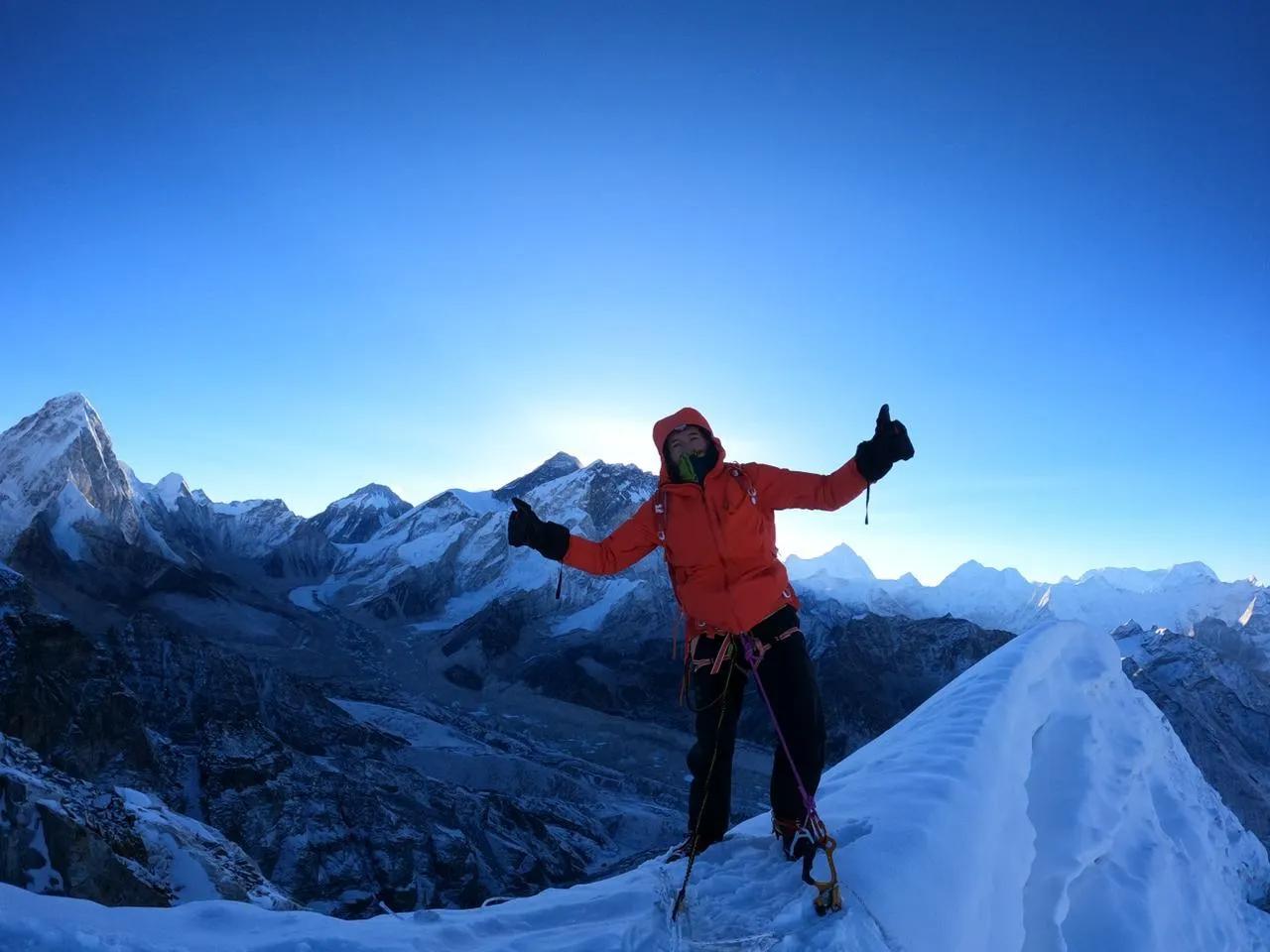
As the trek progresses, climbers make their way through various charming settlements, each adding to the cultural tapestry of the journey, before arriving at the High Camp. Here, climbers undergo essential pre-climbing training to prepare for the ascent. The summit of Lobuche East offers climbers an exhilarating reward: panoramic views of the majestic surrounding peaks, including Mount Everest, Lhotse, Makalu, Cho Oyu, and Ama Dablam.
The descent follows the same route, guiding trekkers back through Pheriche, Namche Bazaar, and Lukla, ultimately returning to Kathmandu. Lobuche East Peak Climbing provides a unique opportunity for adventurers to push their limits while immersing themselves in the stunning beauty and rich cultural heritage of the Everest region. With careful planning, thorough preparation, and expert guidance, this climb can become a truly unforgettable experience for both mountaineers and trekkers alike. Join the Alpine Club of Himalaya for this exciting expedition and create lasting memories in one of the world’s most spectacular landscapes.
Expedition Highlights
- Conquer the Lobuche East Peak, reaching an impressive elevation of 6,119 meters (20,062 feet).
- Experience the awe of walking beneath some of the highest mountains in the world, including the legendary Mount Everest.
- Explore the breathtaking landscapes of Sagarmatha National Park, a UNESCO World Heritage Site rich in natural beauty and biodiversity.
- Immerse yourself in the local culture by visiting ancient monasteries and learning about the legends and traditional lifestyles of the Sherpa people.
- Traverse through a variety of stunning landscapes, from lush valleys to rugged peaks, each offering its own unique charm and beauty.
- Experience an exciting and challenging expedition that will push your limits and create unforgettable memories in the heart of the Himalayas.
Meals
During the Lobuche East Peak climbing expedition, meals are thoughtfully prepared to ensure climbers receive the necessary nutrition and energy for their journey. The dining experience typically includes a mix of local and international cuisines, with an emphasis on hearty, warming dishes. Breakfast often features items like porridge, eggs, and bread, while lunch may consist of rice, lentils, vegetables, and meat options. Dinner usually includes a variety of options, such as pasta, stews, or traditional Nepali fare, accompanied by fresh vegetables when available. Special dietary needs can often be accommodated with prior notice. Each meal is designed to be both nutritious and satisfying, providing climbers with the fuel needed to tackle the challenging terrain ahead.
Drinking Water
Staying hydrated is crucial during the expedition, and fresh drinking water is provided throughout the journey. Water is typically sourced from safe local streams or treated to ensure it is clean and safe for consumption. In higher altitudes, where water sources may be scarce, climbers are equipped with water purification tablets or filters to treat water from natural sources. Additionally, it is common for guides to boil water, especially at tea houses or base camps, to eliminate any potential contaminants. Climbers are encouraged to drink plenty of water throughout the day to maintain hydration and combat altitude sickness, with regular reminders to refill their water bottles during breaks.
Comprehensive Guiding Services and Equipment
The Lobuche East Peak climbing expedition offers comprehensive guiding services to ensure a safe and enjoyable experience for climbers of all levels. Experienced guides, often certified and knowledgeable about the region, lead the group, providing invaluable insights into the terrain, weather conditions, and cultural significance of the area. They prioritize climbers’ safety, offering essential support during the ascent, including navigation, first aid, and advice on acclimatization strategies. Additionally, porters are typically employed to carry personal gear and supplies, allowing climbers to focus on the journey ahead.
In terms of equipment, the expedition includes all necessary climbing gear, such as helmets, harnesses, crampons, and ropes, to ensure climbers are well-prepared for the challenges of the ascent. Climbers are often provided with high-quality tents and sleeping bags designed for cold weather to ensure a comfortable night’s rest at higher altitudes. Prior to the climb, a detailed equipment list is shared, allowing participants to understand what personal gear they should bring and what will be supplied. This level of preparation and support not only enhances the climbing experience but also helps foster a sense of confidence among climbers as they tackle the majestic Lobuche East Peak.
Weather and Climate
The weather and climate in the Lobuche East Peak region are influenced by its high altitude and proximity to the Himalayas, creating a unique and often unpredictable environment. Generally, the best time for climbing is during the pre-monsoon season from late March to May and the post-monsoon season from late September to November. During these periods, temperatures are relatively mild, and the weather tends to be more stable, with clearer skies ideal for climbing.
In the pre-monsoon season, daytime temperatures can range from 10°C to 15°C (50°F to 59°F) in lower elevations, while nights can drop to around -5°C (23°F) or lower at higher altitudes. As climbers ascend, temperatures will continue to decrease, particularly in the evenings and at the summit. Conversely, during the post-monsoon months, temperatures are slightly cooler, but the skies are often clearer, providing breathtaking views of the surrounding peaks.
Climbers should be prepared for rapid weather changes, as conditions can shift from sunny to cloudy or stormy in a matter of hours. Wind chill at high altitudes can also make temperatures feel much colder, so proper clothing and gear are essential. Understanding the local climate patterns helps climbers to better prepare for their expedition, ensuring they are equipped to handle the challenges posed by the region’s dynamic weather conditions.
Weather Challenges
Climbing Lobuche East Peak presents several weather-related challenges that climbers must be prepared to face. One of the primary concerns is the unpredictable nature of the Himalayan weather, which can change rapidly. Clear skies can quickly turn into storms, bringing heavy snowfall or rain, which can obscure visibility and make climbing conditions hazardous. This unpredictability means climbers must remain flexible with their plans and be ready to adapt to changing conditions.
Temperature fluctuations are another significant challenge. While days may be relatively mild, nights can drop to freezing or below, especially at higher altitudes. This drastic temperature variation can lead to frostbite or hypothermia if climbers are not adequately prepared with proper gear and clothing. Additionally, wind can be a formidable factor; high winds can create wind chill effects, making it feel much colder than the actual temperature and increasing the risk of cold-related injuries.
Altitude also plays a crucial role in weather challenges. As climbers ascend, the thinning air can lead to altitude sickness, which may be exacerbated by rapid weather changes. This makes acclimatization a critical component of the journey. Climbers must remain vigilant, listening to their bodies and heeding any signs of distress.
Overall, understanding these weather challenges and preparing accordingly is essential for a safe and successful ascent of Lobuche East Peak. Climbers are encouraged to maintain a positive attitude and rely on their guides’ expertise to navigate these conditions effectively.
Weather Forecast
Understanding the weather is crucial for a successful Lobuche East Peak climbing expedition. The weather in the Khumbu region can be unpredictable, with conditions changing rapidly. Climbers can expect cold temperatures, especially at higher altitudes, and the possibility of snowfall or rain during the trekking and climbing period.
Typically, the best times for climbing are pre-monsoon (March to May) and post-monsoon (late September to November). During these periods, you can expect clearer skies and more stable weather. Daily weather updates will be provided by your guides, who will closely monitor conditions to ensure safety throughout the expedition. The team will adapt the itinerary if necessary, prioritizing the safety and well-being of all participants.
Environment
The environment surrounding Lobuche East Peak is a stunning showcase of the natural beauty and ecological diversity of the Khumbu region. Nestled within Sagarmatha National Park, a UNESCO World Heritage Site, this area is characterized by dramatic landscapes, including towering peaks, deep valleys, glaciers, and glacial lakes. The park is home to some of the world’s highest mountains, including Mount Everest, which not only define the skyline but also create unique microclimates.
The region’s biodiversity is rich, with various flora and fauna adapted to the harsh high-altitude conditions. You may encounter vibrant rhododendron forests at lower elevations, while as you ascend, the landscape shifts to alpine meadows dotted with hardy shrubs and grasses. Wildlife such as Himalayan tahr, snow leopards, and a variety of bird species can also be spotted, adding to the ecological richness of the area.
However, this pristine environment faces challenges, particularly due to the increasing number of trekkers and climbers. Issues such as waste management, deforestation, and climate change pose threats to the delicate ecosystem. Efforts are being made by local organizations and conservation groups to promote sustainable tourism practices, ensuring that the natural beauty of the region is preserved for future generations.
Climbers and trekkers are encouraged to respect the environment by following established trails, minimizing waste, and embracing Leave No Trace principles. By doing so, they can help maintain the integrity of this breathtaking landscape while enjoying an adventure in one of the world’s most spectacular settings.
Difficulty Level
The difficulty level of climbing Lobuche East Peak is classified as moderate to challenging, making it suitable for climbers with a reasonable level of experience and fitness. Reaching an elevation of 6,119 meters (20,062 feet) requires not only physical stamina but also mental resilience and proper acclimatization to prevent altitude sickness.
The trek to the base camp involves navigating rugged terrain, steep ascents, and varying weather conditions, which can pose additional challenges. Climbers must be comfortable using technical equipment, including crampons and harnesses, especially when navigating icy sections and fixed ropes during the final ascent.
Acclimatization plays a crucial role in successfully summiting Lobuche East. Climbers typically spend several days ascending and descending to higher altitudes, allowing their bodies to adjust to the reduced oxygen levels. Those with previous high-altitude trekking experience will find this climb more manageable, while less experienced climbers may need to prepare thoroughly in advance.
While the summit day can be particularly demanding, with long hours of climbing and potentially harsh weather, the breathtaking views and sense of accomplishment at the top make the effort worthwhile. Proper preparation, training, and guidance are essential for tackling the challenges presented by Lobuche East Peak, ensuring a rewarding and successful climbing experience.
Safety and Security
Safety and security are paramount considerations during the Lobuche East Peak climbing expedition. The unpredictable nature of the high-altitude environment requires climbers to be vigilant and well-prepared. Experienced guides lead the expedition, equipped with extensive knowledge of the region and its potential hazards, including altitude sickness, weather changes, and challenging terrain. They monitor climbers closely, ensuring proper acclimatization and providing immediate assistance if any symptoms of altitude-related illnesses arise.
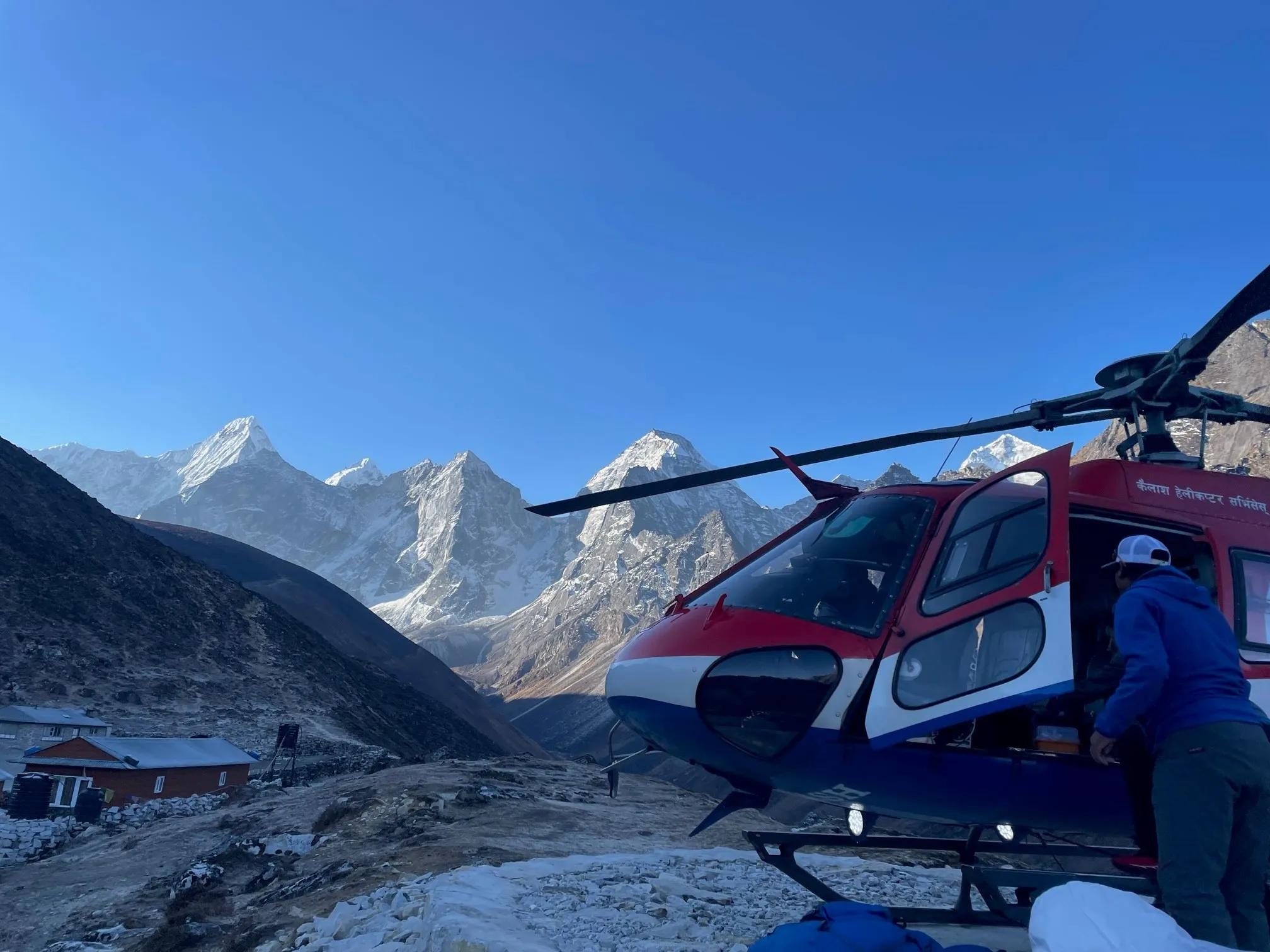
Communication is also a key component of safety. Many expeditions are equipped with satellite phones or other communication devices to maintain contact with support teams and emergency services, especially in remote areas where traditional communication methods may be unreliable. In the event of an emergency, having reliable means of communication can be crucial for coordinating rescue efforts or medical assistance.
In addition to the guides’ expertise, climbers are encouraged to adhere to established safety protocols, such as using appropriate gear, following instructions, and being aware of their surroundings. Regular safety briefings before ascents and throughout the journey help reinforce these practices.
Moreover, climbers should be aware of the importance of personal safety measures, including proper training in climbing techniques and the use of equipment. This proactive approach to safety not only enhances individual well-being but also contributes to the overall security of the group.
By prioritizing safety and security, climbers can focus on the adventure ahead while minimizing risks associated with high-altitude trekking and climbing.
Best Time for Climbing
The ideal times for climbing Lobuche East Peak are during the pre-monsoon and post-monsoon seasons, specifically from late March to May and from late September to November. These periods offer the most stable weather conditions and the best opportunities for clear skies and good visibility.
Pre-Monsoon Season (Late March to May): This is the most popular time for climbing in the Everest region. Temperatures begin to rise, making daytime conditions more comfortable. As the snow melts, trails become more accessible, and the chances of encountering clear views of the surrounding peaks are high. However, climbers should be prepared for occasional snowfall, especially at higher altitudes, as weather patterns can still be unpredictable.
Post-Monsoon Season (Late September to November): This season is also favorable for climbing, with cooler temperatures and clearer skies after the monsoon rains have subsided. The trails are often less crowded than during the pre-monsoon season, providing a more serene climbing experience. While temperatures can drop significantly at night, the stunning autumn scenery and the chance to witness vibrant fall colors in the lower elevations add to the allure of this time.
Climbers should avoid the monsoon season (June to August), as heavy rainfall can lead to slippery trails, increased risk of landslides, and poor visibility. Additionally, winter months (December to February) present extreme cold and challenging conditions that are generally not recommended for climbing.
Travel Insurance
Travel insurance is an essential consideration for anyone planning to climb Lobuche East Peak. Given the inherent risks associated with high-altitude trekking and climbing, comprehensive travel insurance can provide crucial protection against unforeseen events. It typically covers medical emergencies, trip cancellations, lost or delayed baggage, and evacuation expenses, which can be particularly important in remote areas where access to medical facilities may be limited.
When selecting travel insurance, climbers should ensure that their policy includes coverage for high-altitude trekking, as not all standard travel insurance policies do. It’s advisable to look for policies that specifically mention coverage for climbing activities at elevations over 6,000 meters, including emergency evacuation and medical treatment for altitude-related illnesses.
Additionally, reviewing the policy’s fine print for any exclusions is crucial. Some policies may not cover pre-existing medical conditions or certain high-risk activities. As such, it’s beneficial to compare different options and consult with the insurance provider to confirm that the coverage meets the specific needs of the expedition.
Having adequate travel insurance not only provides peace of mind but also ensures that climbers are protected in the event of unexpected challenges during their adventure. This level of preparation is vital for a safe and enjoyable climbing experience in the Himalayas.
Passport and Visa
When planning to climb Lobuche East Peak, it’s essential to ensure that your passport and visa arrangements are in order. Travelers to Nepal must hold a valid passport with at least six months of validity remaining from their date of entry. It’s advisable to keep a photocopy of your passport in a safe place, separate from the original, in case it gets lost or stolen.
For entry into Nepal, most travelers require a visa. Nepal offers a tourist visa that can be obtained upon arrival at Tribhuvan International Airport in Kathmandu or in advance through a Nepalese embassy or consulate. The visa is typically issued for 15, 30, or 90 days, with fees varying based on the length of stay. It’s important to have a passport-sized photo and the visa fee in cash (USD or Nepalese Rupees) for the visa application process.
In addition to the visa, climbers should obtain a Trekkers’ Information Management System (TIMS) card and a special climbing permit for Lobuche East Peak. These permits are usually arranged through your trekking agency, and it’s essential to ensure they are secured before beginning your climb.
It is advisable to double-check visa requirements and any recent changes in regulations well ahead of your trip. Proper documentation will help ensure a smooth entry into Nepal, allowing you to focus on the adventure ahead.
Physical Fitness and Requirements
Climbing Lobuche East Peak demands a high level of physical fitness and preparation. It is essential for climbers to engage in a comprehensive training regimen that includes cardiovascular conditioning, strength training, and flexibility exercises. Activities such as hiking, running, cycling, and swimming can enhance cardiovascular endurance, which is critical for long days of trekking and climbing at high altitudes.
In addition to aerobic fitness, strength training is important for building the muscles needed for climbing and navigating rugged terrain. Focus on exercises that target the legs, core, and upper body, as these will help with stability, balance, and overall climbing efficiency. Incorporating activities like weightlifting, rock climbing, and bodyweight exercises can be beneficial.
Flexibility and balance are equally important, as climbers will encounter uneven surfaces and steep ascents. Regular stretching and yoga can help improve flexibility and reduce the risk of injuries.
Before the expedition, climbers should also acclimatize properly to the altitude. This involves spending time at higher elevations to allow the body to adjust to the reduced oxygen levels. It’s recommended to schedule a few days of acclimatization during the trek, following the guidance of experienced guides.
Mental preparation is another key aspect. High-altitude climbing can be mentally challenging, and developing mental resilience is important for handling stress, fatigue, and the unpredictable nature of the environment.
Overall, a well-rounded fitness plan, coupled with proper acclimatization and mental preparation, will significantly enhance the chances of a successful and enjoyable climb of Lobuche East Peak.
Preparations and Training
Preparing for the climb of Lobuche East Peak involves both physical training and logistical arrangements to ensure a safe and successful experience. Here’s a breakdown of key preparations and training recommendations:
1. Physical Training:
- Cardiovascular Fitness: Aim for a strong aerobic base through activities such as running, hiking, cycling, or swimming. Aim for at least 3-5 sessions per week, gradually increasing intensity and duration to build endurance for long trekking days.
- Strength Training: Focus on exercises that enhance leg strength, core stability, and upper body strength. Incorporate squats, lunges, deadlifts, and core exercises, as well as activities like rock climbing to develop the necessary muscle groups.
- Flexibility and Balance: Regular stretching and practices such as yoga can improve flexibility and balance, which are essential for navigating uneven terrain and preventing injuries.
2. Acclimatization:
- Plan for gradual ascent and include acclimatization days in your itinerary. Spend time at intermediate altitudes before pushing higher, allowing your body to adjust to reduced oxygen levels.
3. High-Altitude Experience:
- If possible, gain experience in high-altitude environments prior to the climb. This could involve shorter treks or climbs at elevations similar to or higher than Lobuche East Peak.
4. Logistics and Gear Preparation:
- Research and procure necessary climbing gear, such as crampons, harnesses, helmets, and appropriate clothing for varying weather conditions. Ensure all equipment is in good condition and familiar to you.
- Prepare a detailed packing list, including essential items for the climb, personal gear, and safety equipment.
5. Mental Preparation:
- Mental resilience is key for high-altitude climbing. Engage in activities that build focus and mental toughness, such as meditation or visualization techniques.
- Familiarize yourself with the climbing route, challenges you may face, and emergency procedures to enhance your confidence and preparedness.
6. Health Check:
- Schedule a medical check-up before the trip, particularly if you have pre-existing health conditions. Discuss any concerns with your doctor, especially related to high-altitude health.
By investing time in comprehensive training and preparation, climbers can significantly enhance their chances of a successful and enjoyable ascent of Lobuche East Peak, while ensuring their safety throughout the expedition.
Altitude Sickness and the Role of Alpine Club of Himalaya
Altitude Sickness
Altitude sickness, also known as acute mountain sickness (AMS), is a common concern for climbers at high elevations, such as those encountered on Lobuche East Peak. It occurs when the body struggles to acclimatize to reduced oxygen levels at higher altitudes, typically above 2,500 meters (8,200 feet). Symptoms can range from mild to severe and may include headache, nausea, dizziness, fatigue, and difficulty sleeping. In more serious cases, altitude sickness can progress to high-altitude pulmonary edema (HAPE) or high-altitude cerebral edema (HACE), both of which require immediate medical attention.
To minimize the risk of altitude sickness, climbers are encouraged to ascend gradually, allowing adequate time for acclimatization. Staying well-hydrated, maintaining a balanced diet, and recognizing early symptoms are also crucial. If symptoms worsen, it’s vital to descend to a lower altitude promptly.
Role of Alpine Club of Himalaya
The Alpine Club of Himalaya plays a significant role in supporting climbers throughout their journey, particularly regarding altitude sickness management. With experienced guides who are well-trained in high-altitude trekking and climbing, the club prioritizes the safety and well-being of its participants. They implement acclimatization schedules and monitor climbers for any signs of altitude sickness, providing advice and support when needed.
Additionally, the Alpine Club of Himalaya equips climbers with essential information about altitude sickness before the expedition begins, ensuring that all participants are aware of the risks and how to manage them. They foster a supportive environment, encouraging climbers to communicate openly about any discomfort they experience.
By focusing on education, preparation, and experienced guidance, the Alpine Club of Himalaya enhances the overall safety of the expedition, helping climbers to enjoy a successful ascent of Lobuche East Peak while minimizing the risks associated with altitude sickness.
Acclimatization
Acclimatization is a crucial aspect of preparing for a successful climb of Lobuche East Peak, as it helps the body adjust to the reduced oxygen levels at high altitudes. Proper acclimatization can significantly reduce the risk of altitude sickness, which is a common concern for climbers in the Himalayas.
Key Principles of Acclimatization:
- Gradual Ascent: It is essential to ascend slowly, allowing your body time to adapt. A common guideline is to increase your sleeping altitude by no more than 300-500 meters (1,000-1,600 feet) per day once you reach altitudes above 3,000 meters (9,800 feet).
- Acclimatization Days: Incorporating rest days at key points in your itinerary, especially at higher elevations, allows for further adaptation. During these days, climbers can hike to higher altitudes during the day and return to lower elevations to sleep, promoting acclimatization without the added stress of continuous ascent.
- Hydration and Nutrition: Staying well-hydrated is vital, as dehydration can exacerbate the symptoms of altitude sickness. Aim to drink plenty of water and consume a balanced diet rich in carbohydrates, which provide the necessary energy for your body at high altitudes.
- Listening to Your Body: Pay close attention to how you feel as you ascend. Early symptoms of altitude sickness include headache, nausea, dizziness, and fatigue. If these symptoms arise, it’s crucial to communicate with your guide and consider descending to a lower altitude if symptoms persist.
- Education and Awareness: Understanding the signs of altitude sickness and being educated about acclimatization techniques empowers climbers to make informed decisions during their expedition. Guides from organizations like the Alpine Club of Himalaya will provide guidance and support throughout the acclimatization process.
By prioritizing acclimatization, climbers can enhance their overall experience and safety, making the ascent of Lobuche East Peak more manageable and enjoyable.
Importance of Acclimatization
Acclimatization is vital for climbers preparing to tackle high-altitude peaks like Lobuche East, and its significance cannot be overstated. Here are several key reasons why acclimatization is essential:
- Prevention of Altitude Sickness: The primary benefit of acclimatization is its role in reducing the risk of altitude sickness. As climbers ascend to higher elevations, the decrease in oxygen levels can lead to symptoms ranging from mild headaches and nausea to severe conditions like high-altitude pulmonary edema (HAPE) and high-altitude cerebral edema (HACE). Proper acclimatization allows the body to adjust and function effectively in low-oxygen environments.
- Physiological Adaptation: Acclimatization triggers physiological changes in the body, such as increased production of red blood cells, improved oxygen delivery to tissues, and enhanced respiratory function. These adaptations enable climbers to perform better and endure the physical demands of high-altitude climbing.
- Enhanced Performance: Climbers who acclimatize effectively tend to experience improved physical performance. As their bodies adapt to lower oxygen levels, they are better equipped to handle strenuous activities, reducing fatigue and increasing endurance during long climbs.
- Safety and Decision-Making: A well-planned acclimatization schedule allows climbers to monitor their health and make informed decisions. By recognizing early symptoms of altitude sickness, climbers can take appropriate action—whether that means resting, adjusting their ascent rate, or descending to a lower altitude—ultimately prioritizing their safety.
- Mental Resilience: Acclimatization isn’t just physical; it also helps build mental resilience. As climbers adapt to the challenges of high altitude, they gain confidence in their ability to cope with difficult conditions, leading to a more positive climbing experience.
- Optimizing the Climb: Successful acclimatization can lead to a more enjoyable ascent, allowing climbers to fully appreciate the stunning landscapes and achieve their summit goals without the hindrance of altitude-related issues.
In summary, acclimatization is crucial for ensuring the safety, health, and overall success of climbers in high-altitude environments. By allowing the body to adjust properly, climbers can enhance their performance and enjoy a more rewarding adventure on Lobuche East Peak.
Team Composition
A successful ascent of Lobuche East Peak relies on a well-structured team composition, which typically includes experienced guides, support staff, and climbers. The guides are usually highly trained and knowledgeable about high-altitude climbing, ensuring that safety protocols are followed and that climbers receive expert advice throughout the journey. They play a critical role in navigation, acclimatization, and managing emergencies. Support staff, including porters, assist with carrying gear and supplies, allowing climbers to focus on their physical performance and acclimatization. The climbers themselves should come with varying levels of experience, ideally having some previous high-altitude trekking or climbing experience. This diverse team dynamic fosters camaraderie and mutual support, enhancing both the safety and enjoyment of the expedition. Ultimately, effective communication and teamwork are key to overcoming the challenges of the climb and achieving the summit together.
Facilities and Camp Setup
The facilities and camp setup for the Lobuche East Peak climbing expedition are designed to provide climbers with comfort, safety, and adequate resources during their journey. Camps are strategically established along the climbing route, typically at key points such as base camp and high camp.
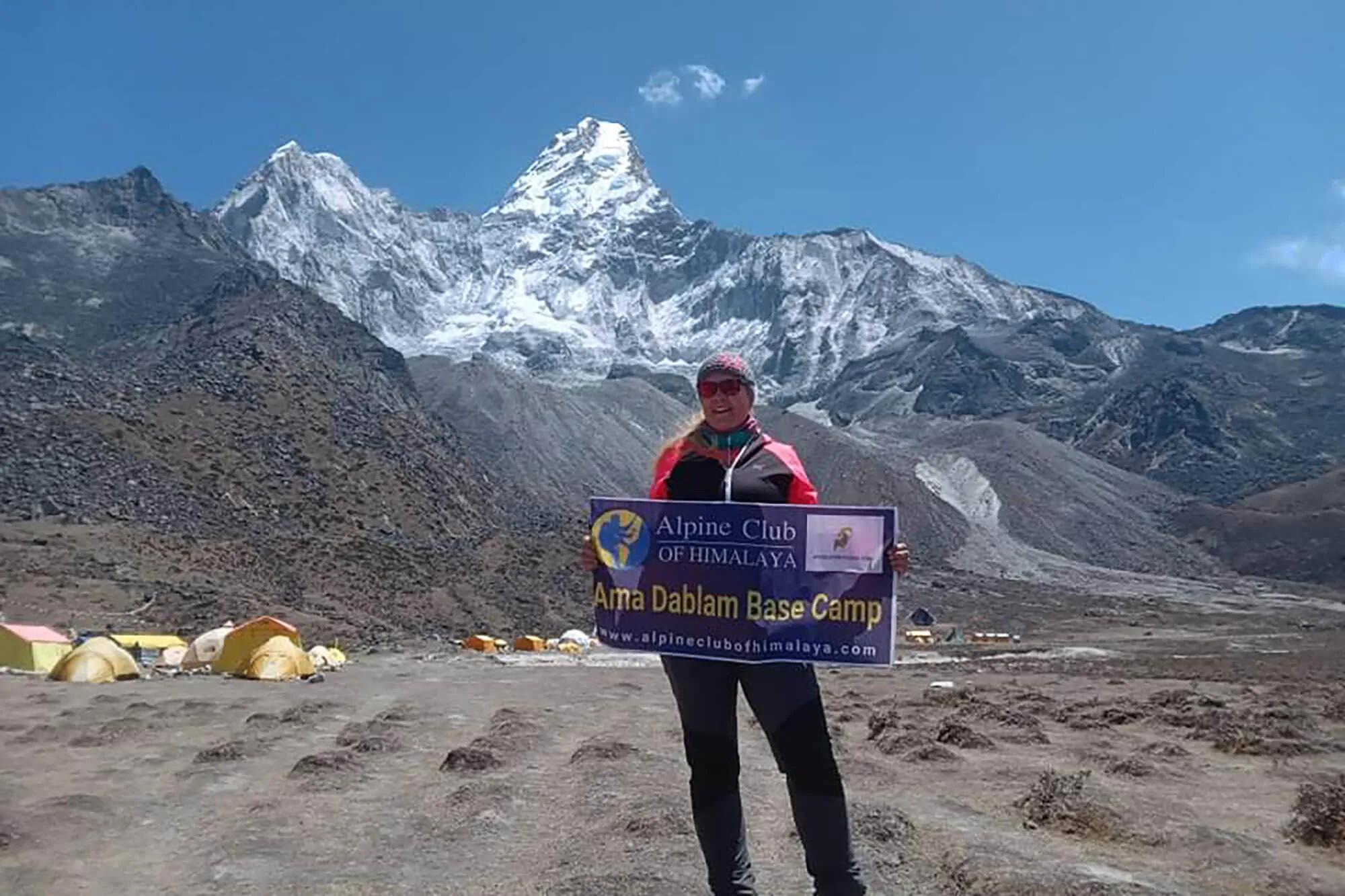
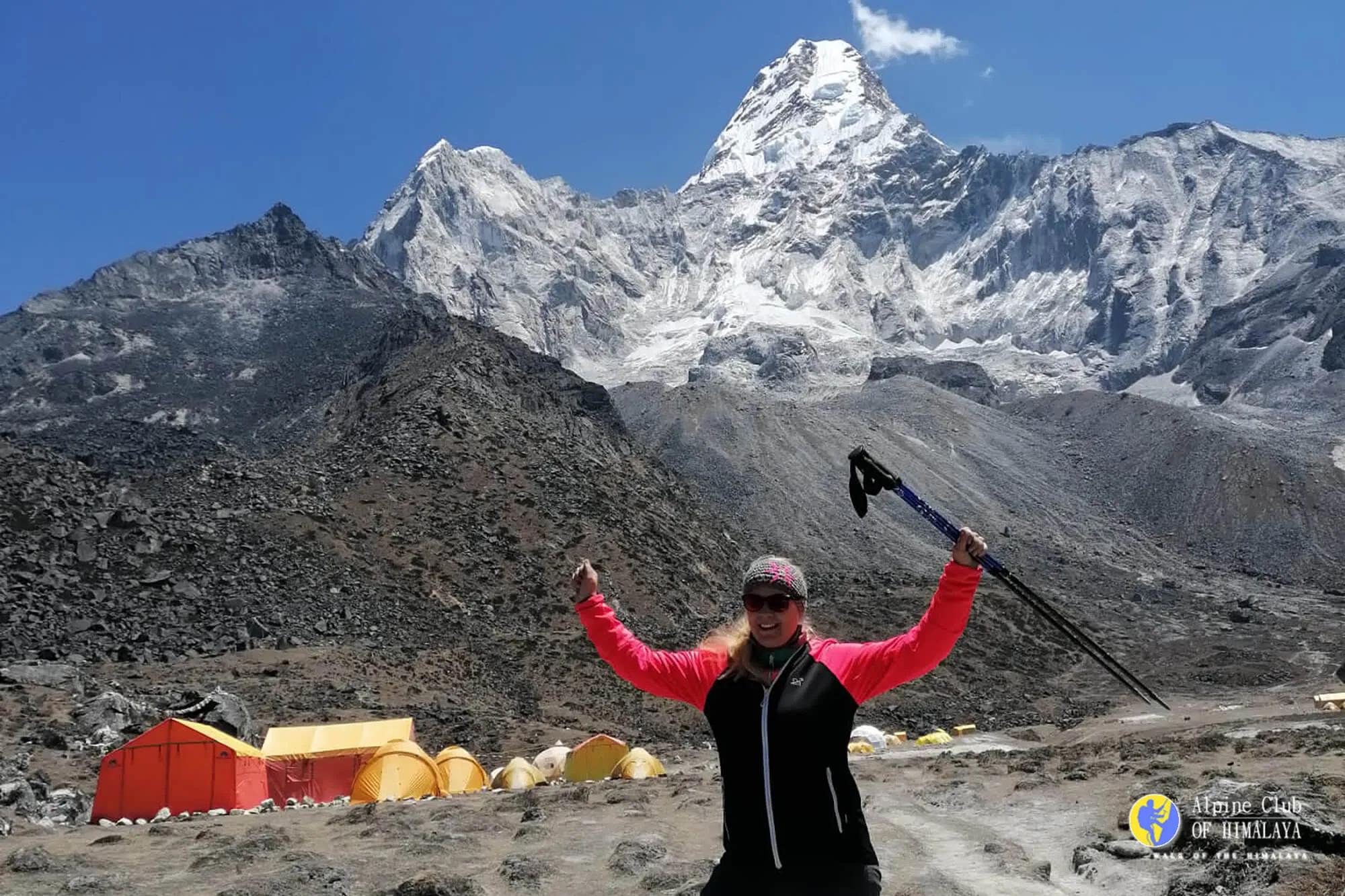
At the base camp, climbers can expect shared tents equipped with sleeping mats and high-quality sleeping bags to ensure warmth during the cold nights. This area serves as a gathering spot for meals and briefings, with designated spaces for cooking and dining. A communal dining tent provides shelter from the elements, where climbers enjoy nutritious meals prepared by skilled cooks, helping to maintain energy levels throughout the expedition.
As climbers ascend, the setup at high camp is more basic but still functional. Tents are pitched on stable ground, often with fixed lines to aid in climbing. The high camp is crucial for acclimatization, where climbers rest and prepare for summit attempts. Facilities may include a separate toilet tent to maintain hygiene in the remote environment, and guides ensure that waste management practices are followed to minimize environmental impact.
Safety is a top priority, with the camp setup designed to withstand changing weather conditions. This includes securing tents against high winds and ensuring adequate supplies of food, water, and first-aid equipment. Overall, the well-organized facilities and camp setup contribute to a positive climbing experience, allowing climbers to focus on the ascent while enjoying essential comforts in the heart of the Himalayas.
Important Note
At the Alpine Club of Himalaya, your safety is our highest priority. We reserve the right to cancel the trip or alter the itinerary whenever necessary to ensure the well-being of all participants. Given the unpredictable nature of remote mountainous regions, various factors—such as adverse weather conditions, the health of group members, and natural disasters—can necessitate these changes. In such situations, we ask for your understanding and full cooperation with the designated group leader appointed by our team. Rest assured, we will strive to adhere to the planned itinerary as closely as possible while prioritizing your safety and comfort. Your trust and collaboration are vital as we navigate the challenges of high-altitude expeditions together.
Lukla Flight and Costs
Flying to Lukla is a crucial step for your Ama Dablam expedition, as it serves as the primary gateway to the Everest region. The flights from Kathmandu to Lukla are known for their stunning aerial views of the Himalayas, making them a memorable part of your journey.
Cost
The cost for a one-way flight from Kathmandu to Lukla is approximately $215 USD per person. This fare may vary slightly based on the airline and the time of booking, so it’s advisable to book in advance to secure the best rates.
Operating Airlines
Several airlines operate flights between Kathmandu and Lukla, each offering unique services and schedules:
- Sita Air: Known for its reliability, Sita Air offers regular flights with experienced pilots familiar with the challenging terrain.
- Tara Air: Another popular choice, Tara Air provides frequent flights and is recognized for its commitment to safety and customer service.
- Summit Air: Summit Air is also a reputable airline, offering flights that cater to trekkers and climbers heading to the Himalayas.
- Yeti Airlines: With a strong track record in domestic flights, Yeti Airlines also operates routes to Lukla, ensuring a comfortable travel experience.
Given the short flight duration—typically around 30 to 40 minutes—this journey is not only practical but also offers breathtaking views of the mountains, making it a highlight of your expedition. It’s important to note that flights can be subject to delays or cancellations due to weather conditions, so flexibility in your travel plans is recommended.ya. However, we assure you that we will make every effort to keep to the above itinerary.
Cancellations Policy
In the event of cancellations, the following policies will apply:
Cancellation by the Participant:
- If a participant decides to cancel their trip, they must notify the Alpine Club of Himalaya as soon as possible.
- Cancellations made 60 days or more before the trip will incur a fee of 20% of the total cost.
- Cancellations made between 30 to 59 days before the trip will incur a fee of 50% of the total cost.
- Cancellations made less than 30 days prior to departure will result in a forfeiture of the entire payment.
Cancellation by the Organizer:
If the Alpine Club of Himalaya cancels the expedition due to unforeseen circumstances, such as extreme weather conditions, natural disasters, or safety concerns, participants will receive a full refund or the option to reschedule for a later date.
Force Majeure:
The Alpine Club of Himalaya is not liable for any additional costs incurred due to cancellations resulting from force majeure events (e.g., natural disasters, political unrest, or health emergencies).
Insurance:
It is highly recommended that participants obtain travel insurance that covers trip cancellations, interruptions, and medical emergencies to safeguard against potential financial loss.
Participants are encouraged to read the cancellation policy carefully and consider purchasing travel insurance to protect their investment in this once-in-a-lifetime adventure.