R
Ravi Chandran
Delhi, India
Nov 25, 2025

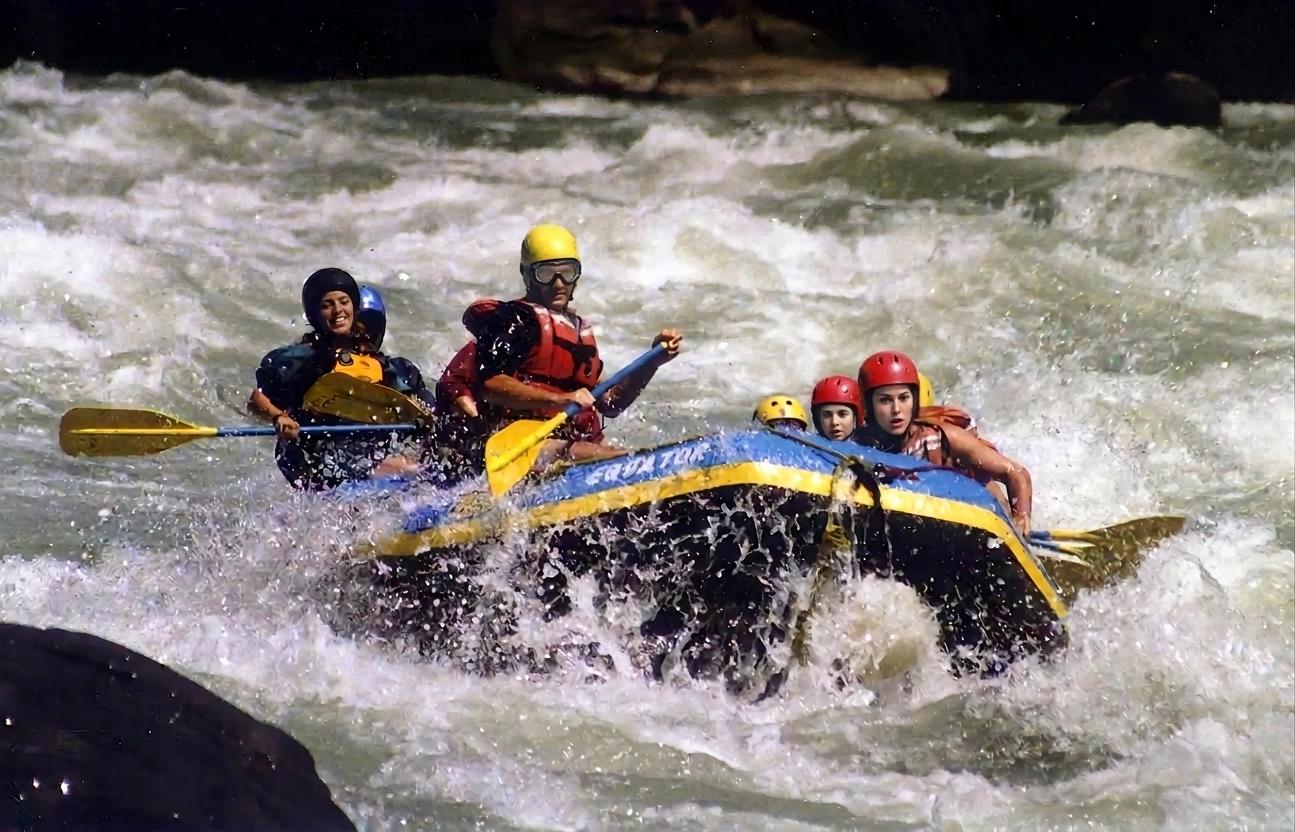
Those technical sections demanded real teamwork and paddling discipline, but our guide's calm instructions got us through safely and exhilarated.
Destination
Nepal
Duration
8 Days / 7 Nights
Best Weather
Spring (March–May) and Autumn (September–November)
Max Altitude
640 m
Accommodation
Riverside Camping
Meals
Breakfast, Lunch, and Dinner
Transportation
Private/ Tourist Vehicle and Flight Option
Group
1-20
Difficulty
Easy
Activities
Rafting
Sunkoshi River rafting is an 8-day, 7-night trip through eastern Nepal. The river's name means "river of gold," and it runs about 270 km from Dolalghat to Chatara, passing through gorges, forested valleys, and villages along the way.
The rapids range from Class II-III on the calmer stretches to Class IV and IV+ on the harder sections, depending on the water level at the time. Along the route you'll pass Chamere Bhir, known locally as Bat Cliffs, and see the valley change character as you move downstream.
The trip starts at Dolalghat and follows the river down to Chatara, where the Sunkoshi meets the Arun and Tamor rivers. It combines rafting with riverside camping, away from Nepal's more heavily traveled routes. Each night, the crew sets up camp along the riverbank and cooks breakfast, lunch, and dinner, so you can focus on the river itself. After a day of rafting, evenings are free to rest at camp and eat before the next day's stretch.
The Sunkoshi River, meaning “River of Gold,” is one of Nepal’s most renowned rivers for multi-day rafting expeditions. Named for its golden sands and beautiful landscapes, the river flows through remote valleys, traditional villages, dense forests, and dramatic gorges in eastern Nepal.
Meaning: “River of Gold” (named after the golden sands and its beauty)
Location: Eastern Nepal, starting from Dolalghat (near Kathmandu) and ending at Chatara (Terai plains)
Length: About 270 km (Nepal’s longest commercial rafting trip)
Duration: Typically 8–10 days on the water (our Sunkoshi River rafting itinerary is 8 days long)
Rafting route: Multi-day expedition through remote valleys, villages, and forested gorges
The river mixes Class II to Class IV+ rapids, and how hard a given stretch feels depends on the section and the water level at the time. The early sections are calmer and let rafters get used to the boat before the harder water downstream. The stretches around Harkapur and Rai Ghat are more technical and require real teamwork and paddling discipline, along with close attention to the guide.
You don't need prior rafting experience to join, though it helps on the tougher sections. Our guides run the safety briefing and lead the group through each day.
Autumn and spring give the most reliable conditions. September to November tends to bring clear skies, comfortable temperatures, and manageable river levels. March to May is also good, with warmer weather. During the monsoon, June to August, heavy rain raises the water level and makes the rapids considerably harder. Conditions shift from year to year, so the operator checks the river and weather before each departure.
This is a multi-day camping trip, not a hotel-based tour. Each evening, the crew sets up tents at a spot along the riverbank, so you sleep out in the Sunkoshi valley rather than at a lodge. Exact camp locations move depending on the day's progress, water conditions, weather, and safety, and the crew handles the setup.
Breakfast, lunch, and dinner are included for the whole trip. Breakfast is served before the day's rafting starts, lunch is taken during a stop along the river, and dinner is cooked back at camp in the evening. Drinking water and any other drinks you want should be arranged separately, depending on your package.
The operator supplies rafts, helmets, life jackets, and paddles. You're responsible for your own clothing and personal kit:
Quick-drying clothes and T-shirts
Lightweight shorts or trousers
A rain jacket
Footwear you don't mind getting wet
Sunglasses with a strap
Sunscreen and lip balm
Toiletries and any personal medication
A headlamp or flashlight
A reusable water bottle
A sleeping bag, if it's not part of your package
A small dry bag for anything you don't want to get wet
Leave valuables and non-essential electronics at home. You'll be in and out of the water often.
Before you get on the river, guides run through paddling commands, what to do if you fall out, and basic swimming technique. Certified guides lead the trip, backed up by safety kayakers, and the group carries a first-aid kit and life jackets for everyone.
Water levels change with rain and weather, so the crew decides each day's route and stretches based on current conditions rather than a fixed plan. Wearing your gear properly and following the guide's calls matters more here than on a short trip.
If something goes wrong, evacuation depends on where you are, road access, and weather at the time. Once the trip reaches Chatara, travel on to Biratnagar or Kathmandu can be arranged from there.
Start your Sunkoshi River rafting adventure with a scenic drive from Kathmandu to Dolalghat, which takes around 3 hours. At approximately 640 m, Dolalghat is the put-in point for the rafting expedition. After a safety briefing, begin rafting through gentle Class II–III rapids as a warm-up before continuing toward Pacharghat or near Tamang Gaon for an overnight riverside camp.
Max. Elevation
640 m
Duration
6–7 hours
Accommodation
Tented Camp
Meals
Breakfast, Lunch, Dinner
All Travels and Transportation Option to River and Back to City
Accommodation: Camping
Meals: Breakfast, lunch, dinner included
All Rafting equipment Provided: Helmets, life jackets, paddles, and rafts
Certified rafting guides and safety kayakers
Safety: Basic first aid kit
Chatara to Biratnagar transportation if flights are required
R
Ravi Chandran
Delhi, India
Nov 25, 2025
M
Marco Ferretti
Milan, Italy
May 31, 2025
P
Percival Ashdown
Cheltenham, UK
Oct 19, 2024
P
Priya Nair
Bengaluru, India
Sep 10, 2024
24/7 Support
Need help? we're at your service
Associated With


We Accept Cards

Office of the company registrar License: 66813/066/067 || Tourism Industry Division License:1142
All content and photography within our website is copyright & may not be reproduced without our permission.
Develop By: IT Sansaar