S
Sunita Rao
Hyderabad, India
Nov 10, 2025

Watching the ceremony along the Bagmati River on our first evening in Kathmandu set a beautifully spiritual tone for the whole pilgrimage.
Destination
Nepal
Duration
6 Days
Best Weather
Spring (March–May) and Autumn (September–November)
Max Altitude
(3,800 m / 12,467 ft)
Accommodation
3-Star Hotels and Guest House
Meals
Breakfast, Welcome Dinner & Farewell Dinner
Transportation
Flight and Private Jeep
Group
1-20
Difficulty
Easy
Activities
Sightseeing
The Pashupatinath Muktinath Pilgrimage is a sacred journey to two of Nepal’s most revered Hindu pilgrimage sites, Pashupatinath Temple in Kathmandu and Muktinath Temple in Mustang. The word Mukti means salvation or liberation, while Nath means God or Master. For Hindu devotees, Muktinath holds deep spiritual significance as a place associated with attaining Moksha, or freedom from the cycle of birth and rebirth. Known as Muktichhetra, meaning the “place of salvation,” Muktinath is also famous for its 108 water spouts and the naturally occurring flames at Jwala Mai Temple. The sacred Shaligrams, considered manifestations of Lord Vishnu, further add to the religious importance of the site. Along with Muktinath, the journey to Pashupatinath Temple allows devotees to worship Lord Shiva at one of the most important Hindu temples in Nepal. This Pashupatinath Muktinath Yatra combines spiritual devotion, ancient Hindu traditions, and beautiful Himalayan scenery, making it a meaningful Muktinath Yatra Nepal experience for pilgrims seeking blessings, peace, and spiritual fulfillment.
People choose the Pashupatinath Muktinath Pilgrimage for its deep spiritual significance and the opportunity to visit two of Nepal’s most sacred Hindu pilgrimage sites in one journey. The pilgrimage allows devotees to seek blessings at Pashupatinath Temple, dedicated to Lord Shiva, and Muktinath Temple, a sacred site associated with salvation and Moksha. Along the way, pilgrims can experience traditional prayers and rituals, the 108 sacred water spouts, Jwala Mai Temple, and the spiritual importance of Shaligrams. Combined with the breathtaking Himalayan scenery of Mustang, this Pashupatinath Muktinath Yatra offers a meaningful journey of faith, culture, and spiritual reflection.
The best time for the Pashupatinath Muktinath Pilgrimage is during spring (March to May) and autumn (September to November). These months generally offer pleasant weather, clearer skies, and better road and flight conditions, making them ideal for visiting both Pashupatinath and Muktinath.
Spring brings mild temperatures and beautiful mountain scenery, while autumn offers clear Himalayan views and comfortable conditions for pilgrimage. The summer monsoon months can bring heavy rainfall, especially around Pokhara and lower Mustang, which may cause road delays and flight disruptions. Winter (December to February) is colder in Muktinath, but the pilgrimage remains possible with proper preparation.
For devotees interested in religious festivals, Ram Navami, Rishitarpani, and Bijaya Dashami are also significant times to visit, when many pilgrims gather at Muktinath.
The Pashupatinath Muktinath Pilgrimage is a meaningful spiritual journey that connects two of Nepal’s most important Hindu pilgrimage sites. Pashupatinath is dedicated to Lord Shiva, while Muktinath is revered as a sacred place of salvation and Moksha. Visiting both temples in a single journey allows devotees to participate in prayers, rituals, and traditional worship while experiencing Nepal’s rich religious heritage. The journey also takes pilgrims from the cultural heart of Kathmandu to the peaceful Himalayan landscapes of Mustang. The combination of spirituality, ancient traditions, sacred sites, and mountain scenery makes this pilgrimage a memorable experience for devotees.
Both Pashupatinath and Muktinath hold a special place in Hindu religious tradition. Pashupatinath is one of the most sacred temples dedicated to Lord Shiva, while Muktinath is associated with Lord Vishnu and the attainment of liberation from the cycle of birth and rebirth. A Pashupatinath Muktinath Yatra gives devotees the opportunity to visit these revered sites, offer prayers, perform rituals, and seek spiritual blessings. The pilgrimage is not only about visiting temples but also about connecting with faith, tradition, and inner peace.
Located beside the holy Bagmati River in Kathmandu, Pashupatinath Temple is one of the most important Hindu temples in Nepal. The temple is dedicated to Lord Shiva in his form as Pashupati, meaning “Lord of Animals.” The temple complex is filled with shrines, statues, and sacred spaces where devotees gather for prayers and religious ceremonies. The Bagmati River and the evening Aarti ceremony add to the spiritual atmosphere. For many pilgrims undertaking Pashupatinath Yatra Nepal, visiting this sacred temple is an essential part of their spiritual journey.
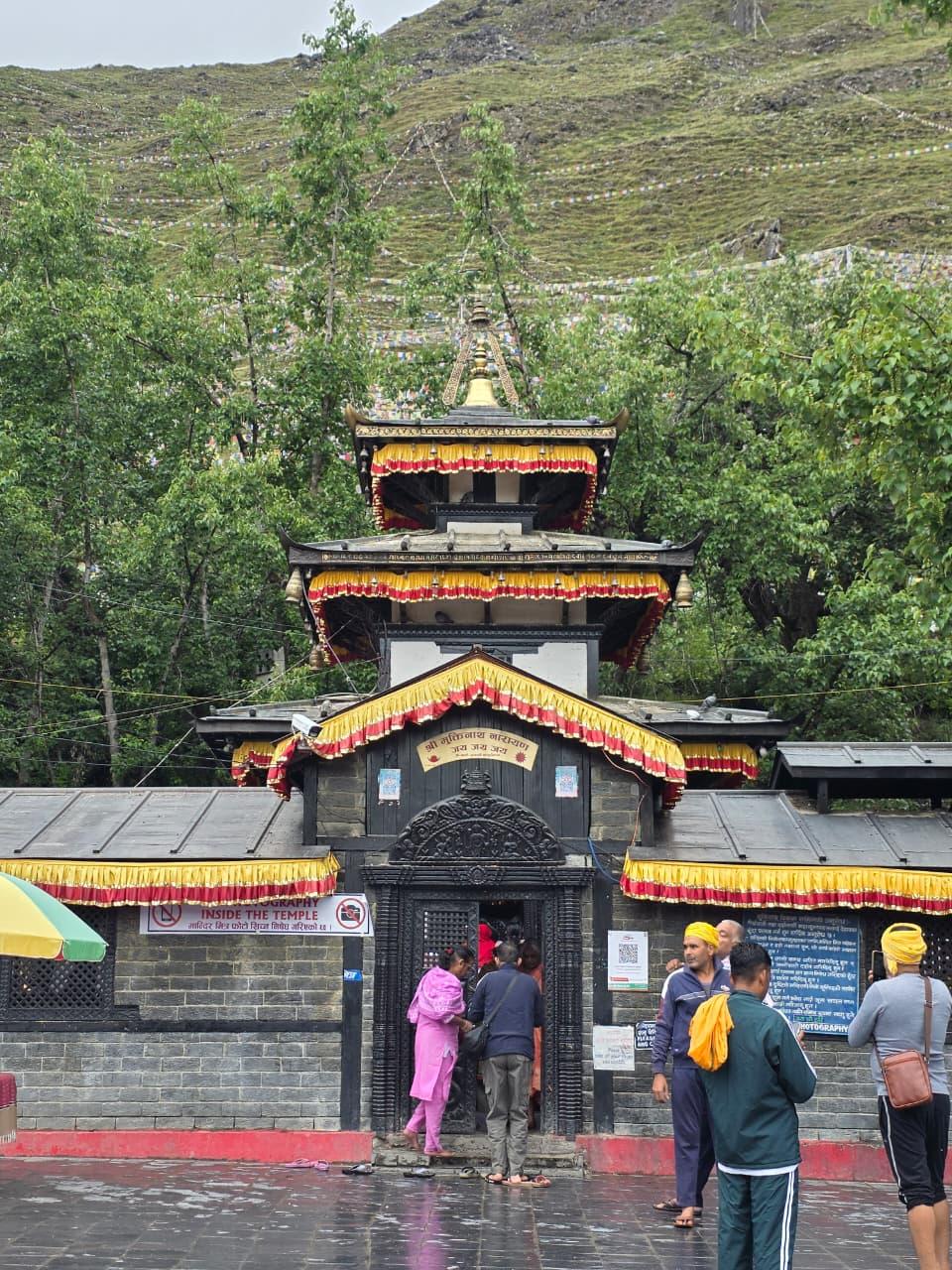
Situated at around 3,800 meters in the Mustang region, Muktinath Temple is one of the most revered pilgrimage destinations in Nepal. Hindus know the site as Muktichhetra, meaning the “place of liberation,” and believe that visiting Muktinath can help devotees attain spiritual purification and Moksha. The temple complex is famous for its 108 sacred water spouts and the naturally burning flame at Jwala Mai Temple. Devotees also worship Shaligrams, sacred fossils associated with Lord Vishnu. For many pilgrims, reaching Muktinath is the most significant part of the Muktinath Yatra Nepal, combining religious devotion with the peaceful beauty of the Himalayas.
The Muktinath Yatra Nepal offers a combination of spiritual experiences, ancient traditions, and beautiful Himalayan scenery. Pilgrims can visit the sacred Muktinath Temple, offer prayers, and participate in traditional rituals while surrounded by the dramatic landscapes of Mustang. The journey also provides an opportunity to experience the peaceful atmosphere of the temple complex, visit nearby monasteries, and observe the unique religious traditions followed by both Hindu and Buddhist communities. The journey through the Himalayan region adds a memorable natural dimension to this sacred pilgrimage.
The 108 water spouts are among the most important attractions at Muktinath Temple. Traditionally, pilgrims pass beneath the spouts and receive the sacred water as part of their religious practice. The number 108 holds deep significance in Hindu and Buddhist traditions and is considered sacred. Another important site is Jwala Mai Temple, where a naturally occurring flame burns alongside a water source. The combination of fire and water is considered highly sacred and adds to the spiritual importance of the Muktinath pilgrimage.
Shaligrams are sacred ammonite fossils commonly found in the rivers of the Mustang region, particularly around the Kali Gandaki River. In Hindu tradition, they are regarded as manifestations or sacred representations of Lord Vishnu and are worshipped in homes and temples. For devotees undertaking the Pashupatinath Muktinath Pilgrimage, Shaligrams hold special religious importance. Their presence in the Muktinath region connects the pilgrimage with ancient Hindu beliefs and makes the journey even more meaningful for devotees of Lord Vishnu.
The Muktinath Yatra can be completed using a combination of private vehicles, domestic flights, and road transportation. Pilgrims usually travel from Kathmandu to Pokhara and continue toward the Mustang region. From Pokhara, a flight to Jomsom offers a scenic and convenient option, followed by a drive toward Muktinath. Road travel is also available for those who prefer to enjoy the changing landscapes and villages along the journey. For a comfortable Pashupatinath Muktinath Pilgrimage, transportation can be arranged according to the itinerary, allowing pilgrims to travel between major destinations with ease while enjoying views of the Himalayan landscape.
Accommodation during the Pashupatinath Muktinath Pilgrimage is arranged in comfortable hotels and lodges according to the destination. In Kathmandu and other major stops, pilgrims can stay in well-maintained hotels, while accommodation around the Muktinath and Mustang region is generally provided in local lodges or guesthouses. Meals are provided throughout the journey, with options including traditional Nepali dishes and other simple meals suitable for pilgrims. Vegetarian meals can also be arranged upon request, making the Muktinath Yatra Nepal comfortable for devotees following religious dietary preferences.
The Pashupatinath & Muktinath Pilgrimage – 6 Days is a meaningful spiritual journey to two of Nepal’s most sacred Hindu pilgrimage sites. From the divine atmosphere of Pashupatinath Temple to the peaceful Himalayan surroundings of Muktinath, the journey combines spirituality, culture, and breathtaking mountain landscapes. With Alpine Club of Himalaya, you can enjoy a well-organized pilgrimage with experienced guides, comfortable transportation, and reliable travel arrangements, allowing you to focus on your prayers and spiritual experience.
Welcome to Nepal! Upon arrival at Tribhuvan International Airport, a representative from Alpine Club of Himalaya will warmly welcome you and transfer you to your hotel in Kathmandu. After check-in, you can relax or explore the nearby streets at your own pace. In the evening, attend a tour briefing where you will meet your guide and receive an overview of the upcoming pilgrimage. Later, enjoy a traditional Nepali welcome dinner before spending the night at the hotel.
Max. Elevation
(1,400 m / 4,593 ft)
Duration
30–45 Minutes
Accommodation
3-Star Hotel
Meals
Welcome Dinner
Airport pick-up and drop-off services in Kathmandu.
3 nights accommodation in Kathmandu, 3* Twin Sharing.
1 night accommodation in Pokhara, 3* Twin Sharing.
1 night accommodation in Jomsom, 3* Twin Sharing.
Breakfast in Kathmandu, Pokhara, and Jomsom.
Welcome or Farewell Dinner in Kathmandu.
Kathmandu to Pokhara and return to Kathmandu by flight.
All ground transportation by private tourist vehicle as per the itinerary.
Experienced, licensed English-speaking tour guide.
Guided sightseeing tours in Kathmandu and Pokhara as per the itinerary.
All necessary permits and entrance fees required for Muktinath.
First aid kit carried by the guide.
Fuel, road taxes, and parking fees.
All government taxes, VAT, and service charges.
S
Sunita Rao
Hyderabad, India
Nov 10, 2025
A
Anjali Desai
Ahmedabad, India
Sep 8, 2025
A
Arun Mehta
Mumbai, India
May 15, 2025
P
Priya Krishnan
Chennai, India
Apr 24, 2025
24/7 Support
Need help? we're at your service
Associated With


We Accept Cards

Office of the company registrar License: 66813/066/067 || Tourism Industry Division License:1142
All content and photography within our website is copyright & may not be reproduced without our permission.
Develop By: IT Sansaar