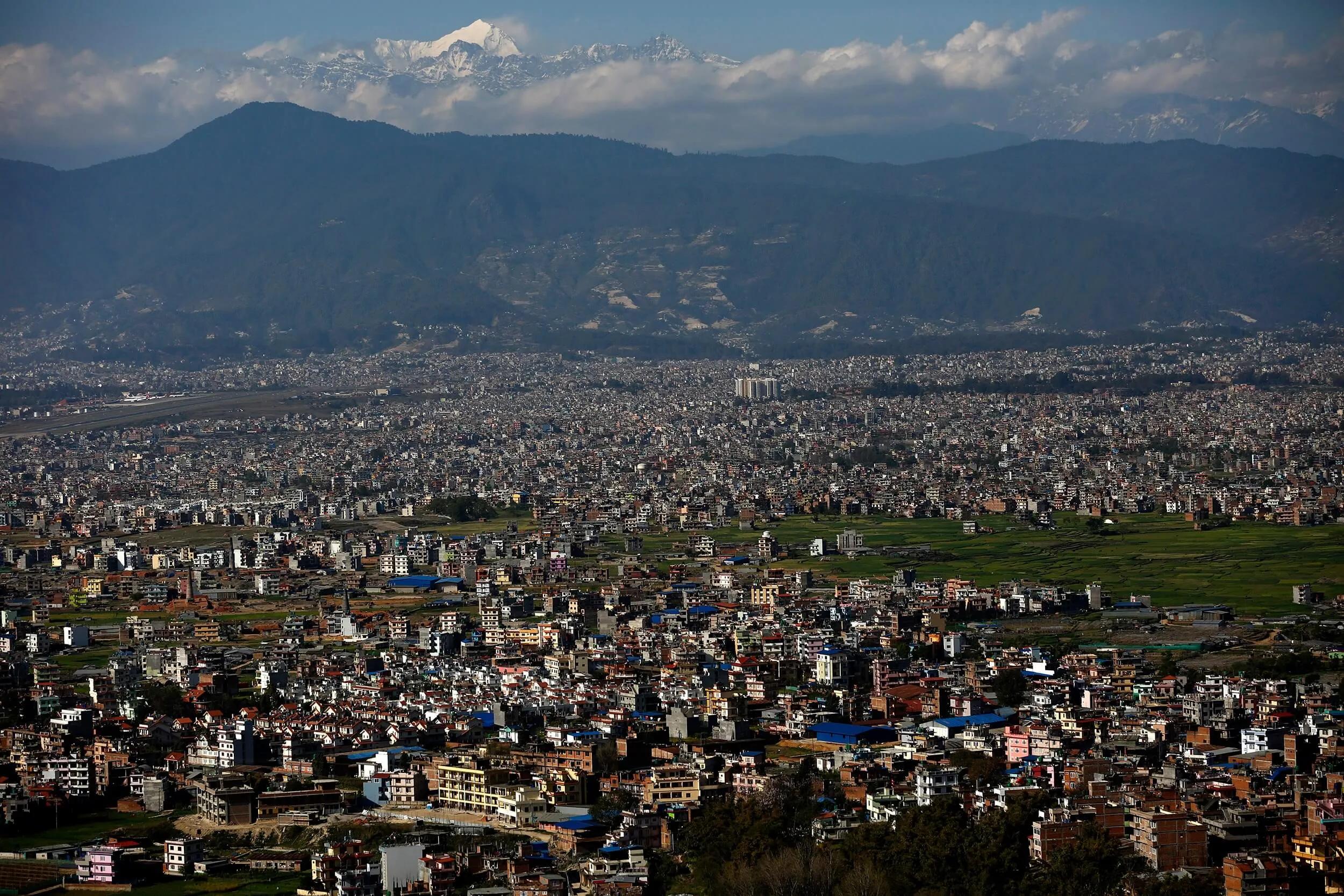
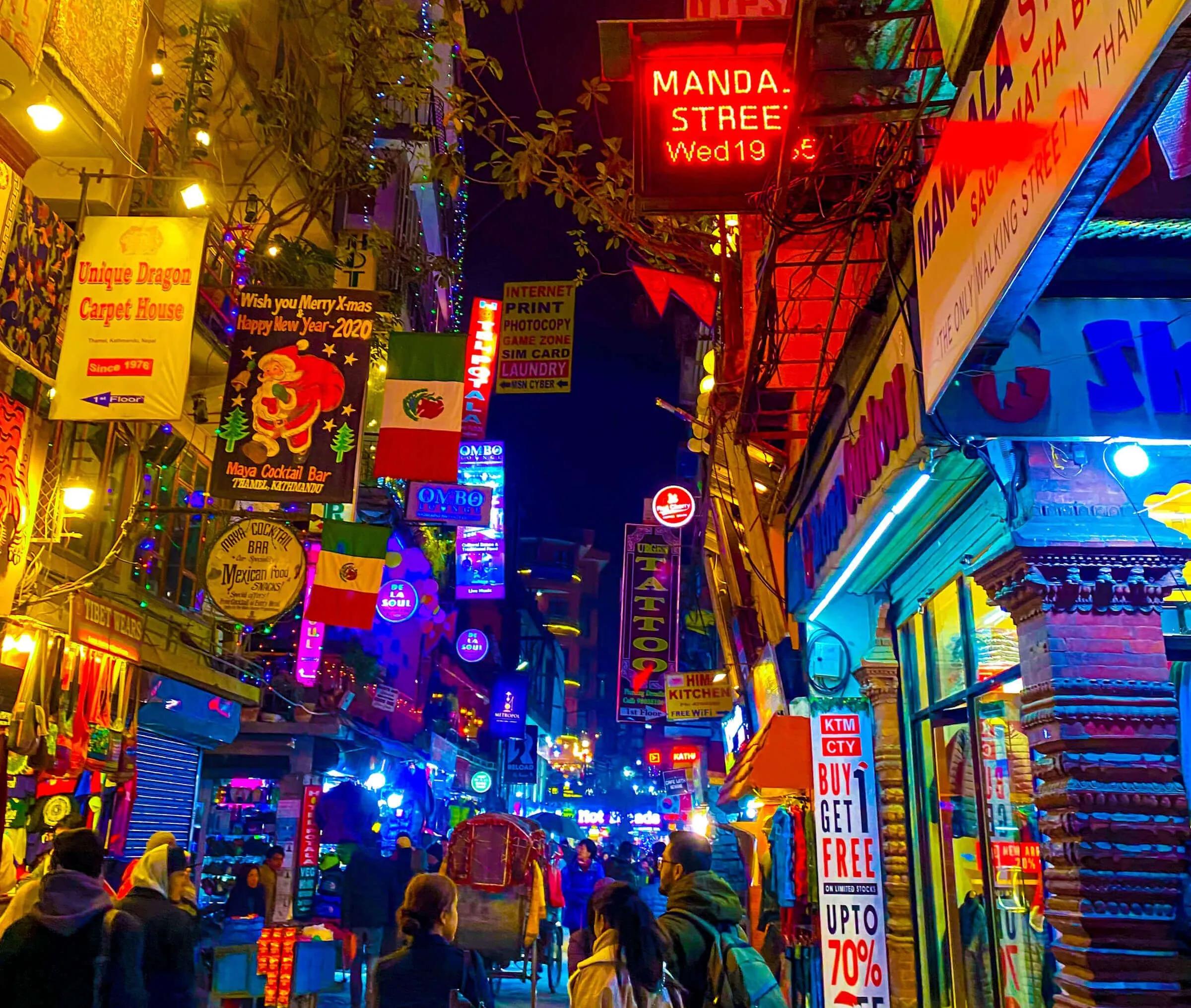
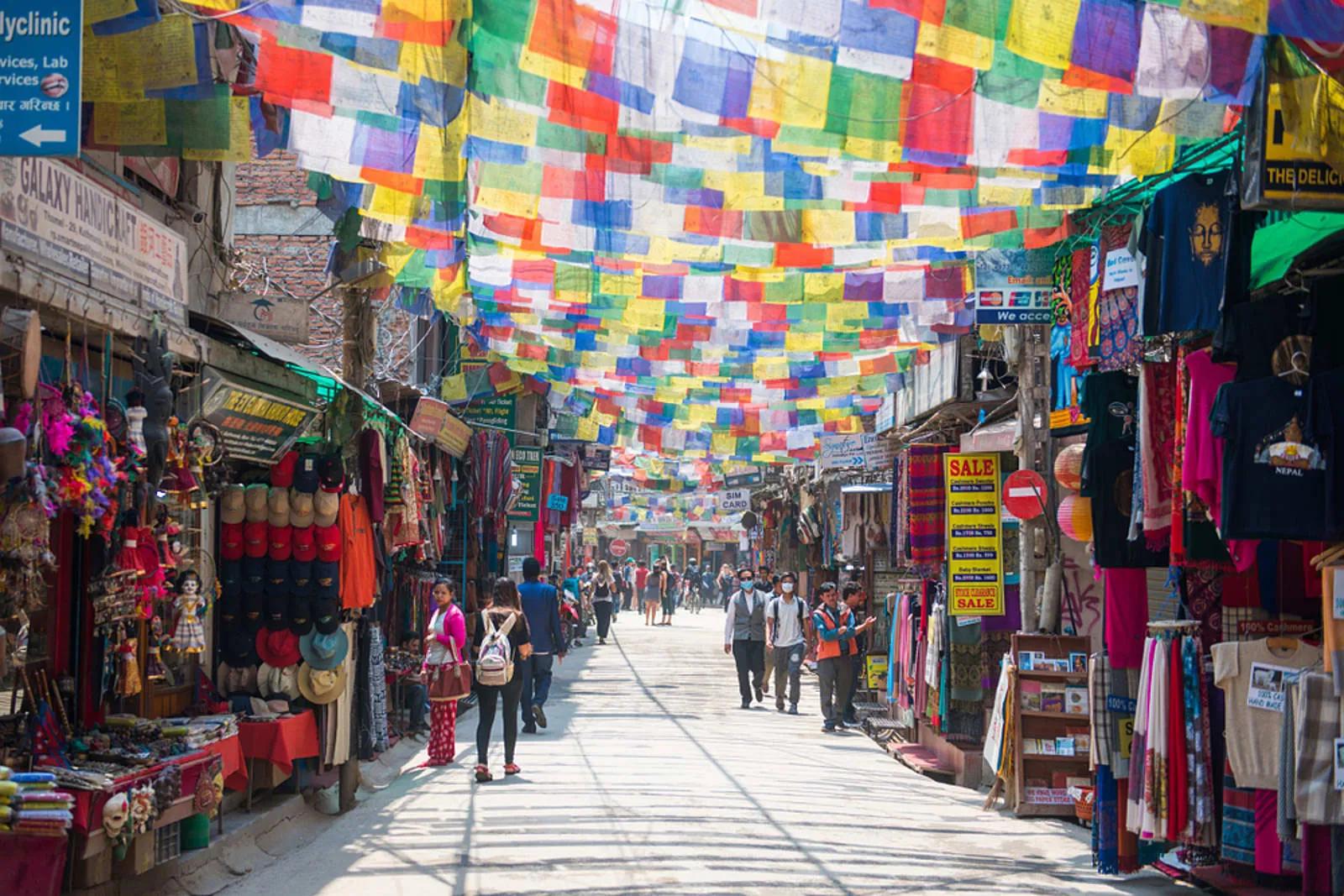
The Kathmandu Valley Tour is one of the best ways to discover Nepal’s fascinating history, ancient architecture, spiritual traditions, and vibrant local culture. Located in the foothills of the Himalayas, Kathmandu Valley is the cultural heart of Nepal and a destination where centuries of history remain visible in everyday life. From magnificent royal palaces and intricately carved temples to peaceful Buddhist stupas and traditional Newari settlements, the valley offers an unforgettable journey through Nepal’s past.
The history of Kathmandu Valley reflects the rise and fall of ancient kingdoms, the development of Hinduism and Buddhism, and the remarkable achievements of Nepali artists, architects, and craftsmen. The valley’s historic cities—Kathmandu, Patan, and Bhaktapur—each preserve distinctive traditions, monuments, and cultural identities that continue to attract travelers from around the world.
Recognized by UNESCO for its outstanding cultural heritage, Kathmandu Valley contains seven monument zones that represent its extraordinary architectural and religious legacy. These include the Durbar Squares of Kathmandu, Patan, and Bhaktapur, along with Swayambhunath Stupa, Boudhanath Stupa, Pashupatinath Temple, and Changu Narayan Temple.
With The Alpine Club of Himalaya, visitors can explore these historic landmarks, learn about Nepal’s ancient civilizations, and experience the living traditions that make Kathmandu Valley so special. Whether you are visiting Nepal for the first time, interested in history, or seeking a meaningful cultural experience, a guided Kathmandu Valley Tour offers an excellent introduction to the country.
History of Kathmandu Valley: A Journey Through Ancient Nepal
The history of Kathmandu Valley stretches back many centuries, shaped by its fertile landscape, strategic location, flourishing trade routes, and rich religious traditions. The valley developed into an important center of settlement, commerce, art, and spirituality in the Himalayan region.
According to a popular local legend, Kathmandu Valley was once a vast lake surrounded by green hills. The Buddhist figure Manjushree is believed to have cut an opening at Chobhar Gorge, allowing the water to drain and leaving behind fertile land suitable for human settlement. Although this account belongs to local religious tradition rather than established historical evidence, it remains an important part of the valley’s cultural identity.
Over time, the valley became home to thriving communities, including the Newars, whose cultural contributions continue to define its traditional architecture, festivals, crafts, cuisine, and urban life. Historical inscriptions and archaeological remains provide evidence of early settlements and religious activity, including important records dating back to the fifth century CE.
During the medieval period, Kathmandu Valley experienced significant developments in architecture, sculpture, trade, and religious life. The Malla kings supported the construction of temples, palaces, courtyards, and public squares, transforming Kathmandu, Patan, and Bhaktapur into remarkable centers of artistic achievement.
Between approximately the 16th and 18th centuries, many of the valley’s celebrated architectural masterpieces took shape. Traditional pagoda temples, stone sculptures, bronze images, and intricately carved wooden windows became defining features of the region.
In 1768, Prithvi Narayan Shah of Gorkha conquered Kathmandu Valley as part of the unification of Nepal. The three historic cities subsequently became part of a unified kingdom, although each retained much of its distinctive cultural character.
Today, the history of Kathmandu Valley can be discovered through its historic streets, religious monuments, traditional neighborhoods, and centuries-old artistic traditions. Exploring the valley with a knowledgeable guide helps visitors understand not only when these landmarks were built, but also the people, beliefs, and historical events that shaped them.
Why Take a Kathmandu Valley Tour?
A Kathmandu Valley Tour offers much more than sightseeing. It introduces travelers to the cultural diversity, spiritual traditions, and historical achievements that have shaped Nepal over generations.
The valley brings together Hindu temples, Buddhist monasteries, sacred stupas, royal courtyards, traditional markets, and historic residential neighborhoods. Many of these places remain active centers of worship and community life rather than simply preserved historical attractions.
Visitors can observe daily rituals, explore centuries-old architecture, discover traditional handicrafts, and experience the welcoming atmosphere of local communities. The coexistence of Hindu and Buddhist traditions is particularly significant, as the two faiths have influenced the valley’s art, architecture, festivals, and spiritual practices over many centuries.
A guided Kathmandu Valley Tour also makes it easier to understand the differences between the three historic cities. Kathmandu offers a dynamic combination of royal heritage and urban life, Patan is celebrated for its artistic traditions and metalwork, while Bhaktapur preserves a distinctive medieval atmosphere and traditional Newari architecture.
For travelers interested in cultural tourism, photography, architecture, religion, and history, Kathmandu Valley is an essential destination on any Nepal itinerary.
Major UNESCO World Heritage Sites in Kathmandu Valley
UNESCO recognizes Kathmandu Valley as a World Heritage property comprising seven monument zones. These sites represent the region’s outstanding cultural traditions, artistic craftsmanship, and historic religious architecture.
1. Kathmandu Durbar Square
Kathmandu Durbar Square is one of the most important historical attractions in Nepal and a highlight of every Kathmandu Valley Tour. Situated in the historic center of the capital, the square was once the political and ceremonial heart of the Kathmandu Kingdom.
The complex contains traditional palaces, temples, courtyards, shrines, and examples of exquisite Newari craftsmanship. Hanuman Dhoka Palace, Kumari Ghar, and numerous pagoda-style temples provide insight into the royal history and religious traditions of the valley.
Visitors can admire carved wooden doors, traditional roof structures, stone sculptures, and architectural details that reveal the extraordinary skills of Nepali artisans.
The square also reflects the continuing relationship between heritage and contemporary life. Local residents, worshippers, craftspeople, and visitors move through its historic spaces every day, making it a living part of Kathmandu’s cultural landscape.
Exploring Kathmandu Durbar Square with a guide provides valuable context about the Malla kings, the former royal court, traditional festivals, and the evolution of the capital.
2. Swayambhunath Stupa
Swayambhunath Stupa, commonly known as the Monkey Temple, is among the most recognizable Buddhist landmarks in Kathmandu Valley. Located on a hill west of central Kathmandu, the sacred complex offers panoramic views of the city and surrounding hills.
The stupa is associated with ancient Buddhist traditions and has long served as an important pilgrimage destination. Its white dome, gilded spire, symbolic Buddha eyes, prayer wheels, shrines, and monasteries create a distinctive spiritual atmosphere.
Swayambhunath is especially meaningful because it reflects the close relationship between Hindu and Buddhist traditions in Nepal. Visitors can observe worshippers performing circumambulations, spinning prayer wheels, lighting butter lamps, and offering prayers.
The hilltop location also makes this stop an excellent opportunity for photography and views across Kathmandu Valley.
During a Kathmandu Valley Tour, a visit to Swayambhunath offers insight into Nepal’s religious history, traditional Buddhist symbolism, and the enduring importance of pilgrimage.
3. Pashupatinath Temple
Pashupatinath Temple is one of the most sacred Hindu pilgrimage destinations in Nepal. Dedicated to Lord Shiva, the temple complex lies along the banks of the holy Bagmati River and has been an important center of worship for centuries.
The main temple is renowned for its pagoda-style architecture, richly decorated roofs, and intricate craftsmanship. The surrounding complex contains numerous smaller shrines, religious structures, traditional ashrams, and historic monuments.
The Bagmati River adds profound spiritual significance to the site. Hindu rituals associated with life, death, remembrance, and religious devotion take place along its banks.
Although the main temple sanctum is generally restricted to Hindu visitors, non-Hindu travelers can explore designated areas of the wider complex and observe its religious atmosphere respectfully.
Visitors should dress modestly, follow local instructions, and ask permission before photographing worshippers or ceremonies.
A guided visit to Pashupatinath helps travelers appreciate the importance of Hindu traditions in Nepal and understand the temple’s place in the broader history of Kathmandu Valley.
4. Boudhanath Stupa
Boudhanath Stupa is one of the largest Buddhist stupas in Nepal and a major center of Tibetan Buddhist culture. Located in the eastern part of Kathmandu, it is an essential stop on a Kathmandu Valley Tour.
The monumental white dome, golden tower, colorful prayer flags, and all-seeing Buddha eyes create one of the valley’s most distinctive landmarks.
Boudhanath has long been associated with trade routes connecting Nepal and Tibet. Merchants and pilgrims historically visited the stupa to offer prayers, and the surrounding area developed into an important center of Buddhist religious life.
Today, monasteries, traditional shops, cafes, and Tibetan cultural institutions surround the stupa. Visitors can walk around the monument with pilgrims, observe devotional practices, and explore the neighborhood’s unique atmosphere.
The site is particularly beautiful in the morning and late afternoon, when the area fills with worshippers and the surrounding streets become active with daily religious activity.
Boudhanath provides an opportunity to learn about Buddhist philosophy, Himalayan trade connections, and the cultural relationships that have influenced Nepal for centuries.
5. Patan Durbar Square
Patan Durbar Square, located in Lalitpur, is celebrated for its refined architecture, artistic heritage, and remarkable concentration of traditional monuments.
Historically, Patan developed as an important center of Newari craftsmanship. Its temples, palace courtyards, stone sculptures, bronze images, and decorative woodwork demonstrate the extraordinary artistic traditions of the valley.
The square includes the former royal palace complex and several important temples, including Krishna Mandir, a celebrated stone temple known for its distinctive architectural design.
Visitors can explore the surrounding streets to discover metal workshops, traditional handicraft stores, local eateries, and historic courtyards. The area is especially attractive to travelers interested in art, photography, architecture, and Nepal’s traditional craftsmanship.
A visit to Patan reveals another dimension of the history of Kathmandu Valley and illustrates how artistic traditions developed differently across its historic cities.
6. Bhaktapur Durbar Square
Bhaktapur Durbar Square is one of the most impressive examples of traditional Newari urban architecture in Nepal. The historic city of Bhaktapur preserves an extraordinary collection of temples, palace buildings, courtyards, and traditional streets.
Important landmarks include the Golden Gate, the Palace of Fifty-Five Windows, and the famous Nyatapola Temple. Together, these structures illustrate the artistic and architectural achievements associated with the Malla period.
Bhaktapur is also known for its pottery, traditional woodcarving, local festivals, and distinctive Newari cuisine. Visitors may explore pottery-making areas, sample local specialties, and observe the daily activities that continue to shape the historic city.
Compared with the busier streets of central Kathmandu, parts of Bhaktapur offer a more traditional atmosphere, making it an excellent destination for cultural exploration.
The city is an essential part of a comprehensive Kathmandu Valley Tour because it demonstrates how each historic kingdom developed its own artistic identity while sharing broader religious and cultural traditions.
7. Changu Narayan Temple
Changu Narayan Temple is an important Hindu heritage site located on a hill east of Kathmandu, near the village of Changu Narayan.
Dedicated to Lord Vishnu, the temple is particularly significant for its ancient inscriptions, traditional architecture, and historical importance. An inscription dating to the fifth century CE provides valuable evidence of early political and religious history in the valley.
The temple complex features carved stone sculptures, traditional wooden elements, and religious monuments that reflect the artistic development of the region.
Compared with the major urban squares, Changu Narayan offers a quieter setting where visitors can explore Nepal’s heritage in a more peaceful environment.
For travelers with an interest in archaeology and early Nepalese history, this site provides a valuable complement to the better-known landmarks in Kathmandu, Patan, and Bhaktapur.
Kathmandu Valley Tour Through a Reliable Trekking Agency
Choosing a Kathmandu Valley Tour through a reliable trekking agency can make your cultural experience more organized, informative, and enjoyable.
Although Kathmandu Valley sightseeing does not require trekking experience, working with a travel company experienced in Nepal tourism can help simplify transportation, itinerary planning, guide arrangements, and visits to major attractions.
The Alpine Club of Himalaya offers a starting point for travelers seeking to explore Nepal’s cultural heritage alongside its broader trekking and adventure opportunities.
When choosing an agency, consider the following factors:
Experienced local guides: A knowledgeable guide can explain historical events, architectural features, religious customs, and local traditions that visitors might otherwise overlook.
Well-organized itineraries: A carefully planned route helps minimize unnecessary travel and allows sufficient time at each attraction.
Clear communication: Confirm what is included in the tour, such as transportation, guide services, entrance fees, meals, and other arrangements.
Safety and visitor support: A professional operator should provide clear meeting instructions, relevant travel guidance, and support if unexpected circumstances affect the itinerary.
Respect for local culture: A responsible tour should encourage appropriate clothing, respectful photography, and consideration for religious ceremonies and local communities.
Flexible arrangements: Travelers may prefer a historical sightseeing tour, a photography-focused visit, or a more comprehensive itinerary covering Kathmandu, Patan, and Bhaktapur.
Before booking, discuss your expectations and verify the itinerary, inclusions, current prices, and availability with the agency.
Best Time for a Kathmandu Valley Tour
Kathmandu Valley can be explored throughout the year, although some seasons offer more comfortable sightseeing conditions.
Autumn (September to November): This is generally a popular period for visiting Nepal because the weather often becomes clearer after the monsoon. Major festivals, including Dashain and Tihar, may also provide opportunities to experience local traditions, depending on the calendar.
Spring (March to May): Spring generally brings pleasant conditions for walking through historic squares, temple complexes, and traditional neighborhoods.
Winter (December to February): Winter can be a good time for cultural sightseeing, although mornings and evenings may be cold.
Monsoon (June to August): Rainfall can make walking more challenging and affect visibility, but the valley remains culturally rewarding. Visitors should prepare for wet weather and allow extra time for transportation.
Regardless of the season, it is advisable to check local conditions and festival schedules before traveling.
Responsible Tourism and Cultural Etiquette
Kathmandu Valley is not simply a collection of historic monuments. Its temples, stupas, courtyards, and traditional neighborhoods remain important parts of community life.
Visitors can help preserve this heritage by following a few simple practices.
Dress respectfully when visiting religious sites, remove footwear wherever requested, and follow photography restrictions. Ask permission before taking close-up photographs of people, religious ceremonies, or private spaces.
Avoid touching sacred objects without permission, keep public spaces clean, and follow instructions from site authorities. Where entrance fees or conservation contributions apply, use the official payment arrangements.
Consider supporting local businesses, traditional craftspeople, and community-based services during your visit. Responsible travel helps ensure that tourism benefits local communities while encouraging the preservation of cultural traditions.
Book Your Kathmandu Valley Tour with The Alpine Club of Himalaya
The history of Kathmandu Valley offers a remarkable introduction to Nepal’s cultural identity. From the royal courtyards of Kathmandu Durbar Square and the artistic heritage of Patan to the traditional streets of Bhaktapur, the valley presents a rich collection of historical experiences.
Its sacred landmarks—including Swayambhunath, Boudhanath, Pashupatinath, and Changu Narayan—also reveal the enduring importance of Hindu and Buddhist traditions in Nepal.
Whether you are interested in ancient architecture, religious heritage, traditional arts, local culture, or historical photography, a Kathmandu Valley Tour provides an opportunity to discover the country beyond its famous mountain landscapes.
With The Alpine Club of Himalaya, you can explore possibilities for a guided cultural journey, discuss your preferred attractions, and plan an itinerary suited to your travel schedule.
Choose a Kathmandu Valley Tour through a reliable trekking agency to make your visit more organized and informative. Contact The Alpine Club of Himalaya to discuss your preferred travel dates, sightseeing interests, guide arrangements, and available tour options.
Discover the history, experience the culture, and explore the heritage of Kathmandu Valley on your next visit to Nepal.