Chitwan National Park sits on the flat, hot Terai plains of southern Nepal. It covers about 952 sq. km of sal forest, grassland and river. It was Nepal's first national park, established in 1973, and became a UNESCO World Heritage Site in 1984.
In 2027, you can explore this remarkable wildlife destination with our carefully planned 4-day Chitwan National Park Tour. You leave the hills and spend two full days in the park. You paddle down the Rapti River in a canoe, walk through the forest with a naturalist, and ride a jeep out into the grassland. You also spend an afternoon and evening with Tharu villagers, who live along the park's edge. Nothing on the trip is strenuous, so families and older travelers can enjoy it, and it works well after a trek when your legs need a rest.
What to do in Chitwan National Park
Jeep Safari in Chitwan National Park
A jeep safari is one of the best ways to explore the forests, grasslands and wetlands of Chitwan National Park. Accompanied by an experienced naturalist, you can look for one-horned rhinoceroses, spotted deer, wild boars, monkeys and various bird species. Early morning and late afternoon are particularly rewarding times for wildlife observation.
Canoeing Along the Rapti River
Enjoy a peaceful canoe ride along the Rapti River, where you can observe gharial crocodiles, mugger crocodiles and different species of waterbirds. The slow-moving canoe offers an excellent opportunity to appreciate the river ecosystem and surrounding natural scenery.
Guided Jungle Walk
Explore the forest on foot with an experienced naturalist who can explain animal tracks, plants, insects and the behavior of wildlife. A jungle walk provides a closer understanding of the park's ecosystem and conservation environment.
Bird Watching
Chitwan is home to a remarkable variety of resident and migratory birds. During a guided bird-watching excursion, you may spot kingfishers, peacocks, egrets, herons, storks and other fascinating species.
Tharu Village and Cultural Experience
Visit a traditional Tharu village to learn about the indigenous community's lifestyle, architecture, traditions and connection with the surrounding forest. You can also enjoy a traditional Tharu cultural dance performance.
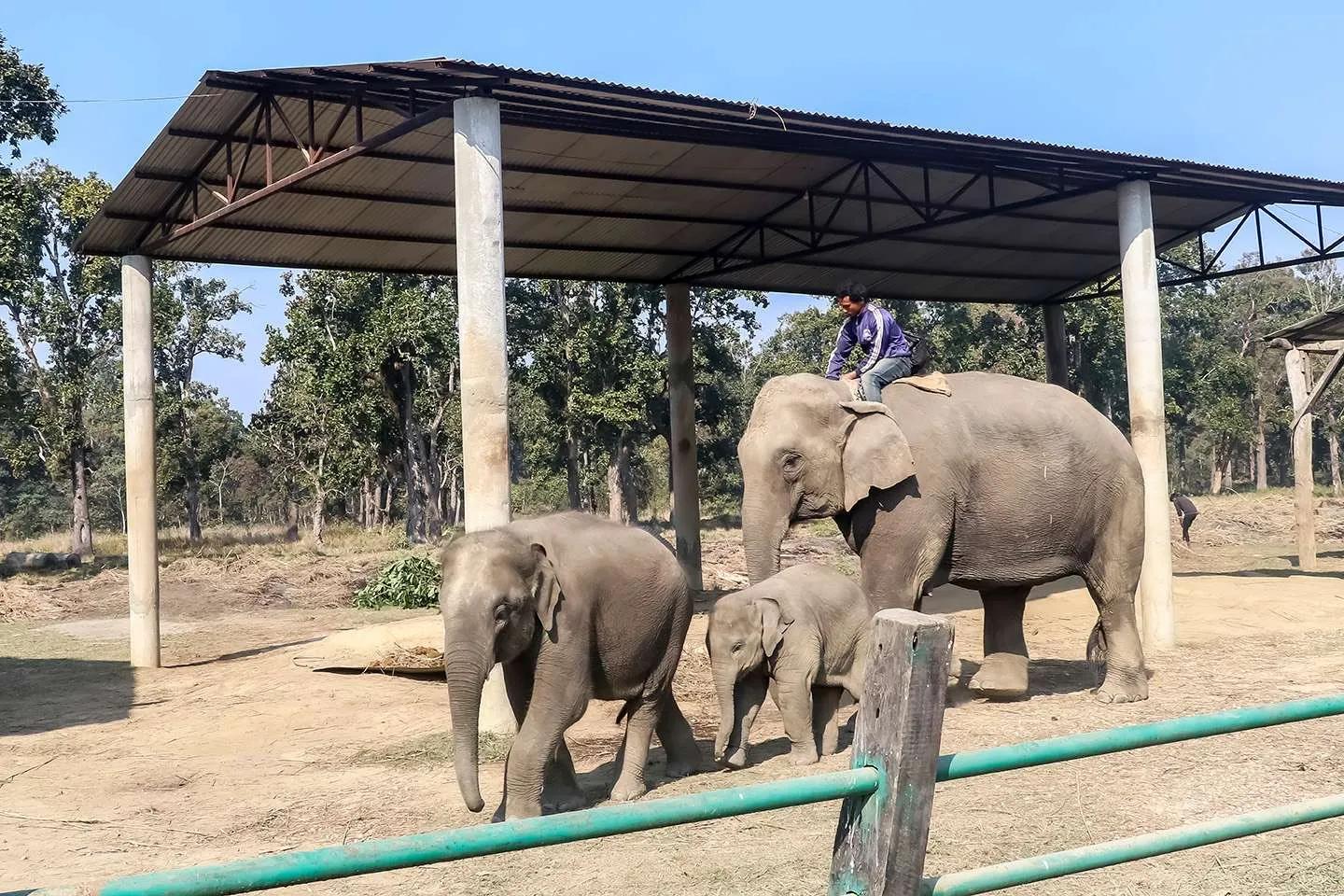
Breeding centers and visitor center: The gharial and elephant breeding centers show how the park raises young animals. The visitor center covers the park's history and wildlife.
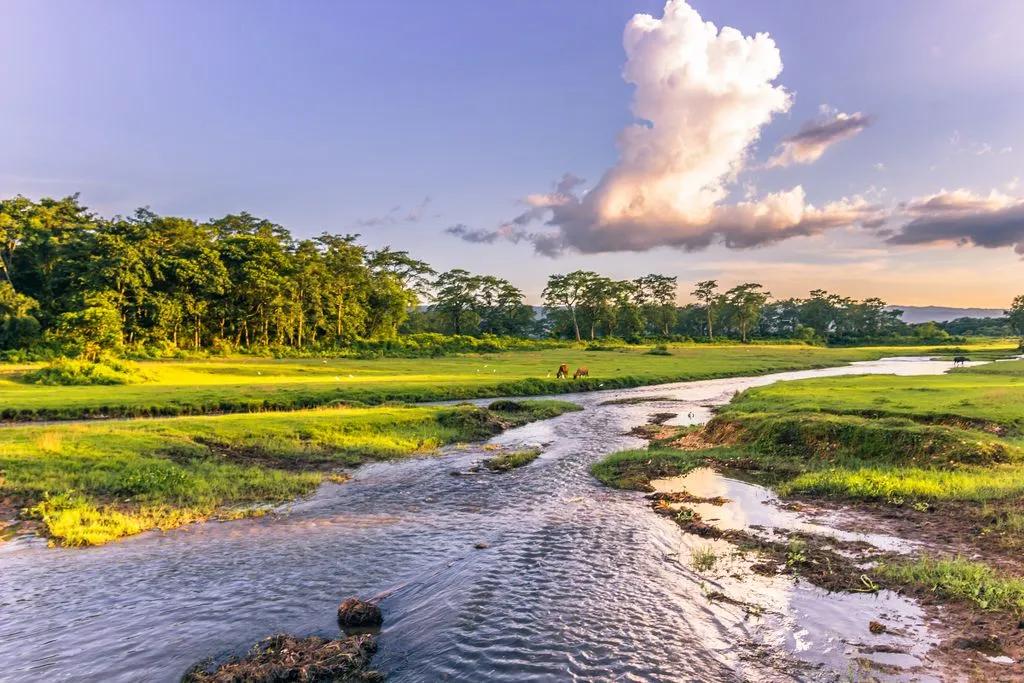
Sunset on the Rapti: Most evenings end on the riverbank watching the light go orange over the water.
Wildlife You Can See in Chitwan National Park
Chitwan National Park is one of Nepal's most important wildlife conservation areas, offering a natural habitat for a diverse range of mammals, reptiles and bird species. Its combination of dense sal forests, open grasslands, wetlands and river ecosystems supports an impressive variety of wildlife.
During your jungle safari, you may encounter the endangered one-horned rhinoceros, spotted deer, wild boars, monkeys, crocodiles and numerous bird species. Bengal tigers also inhabit the park, although spotting one in the wild requires considerable luck.
The park's biodiversity makes it an excellent destination for wildlife enthusiasts, nature photographers, birdwatchers and families interested in exploring Nepal's natural environment.
Mammals
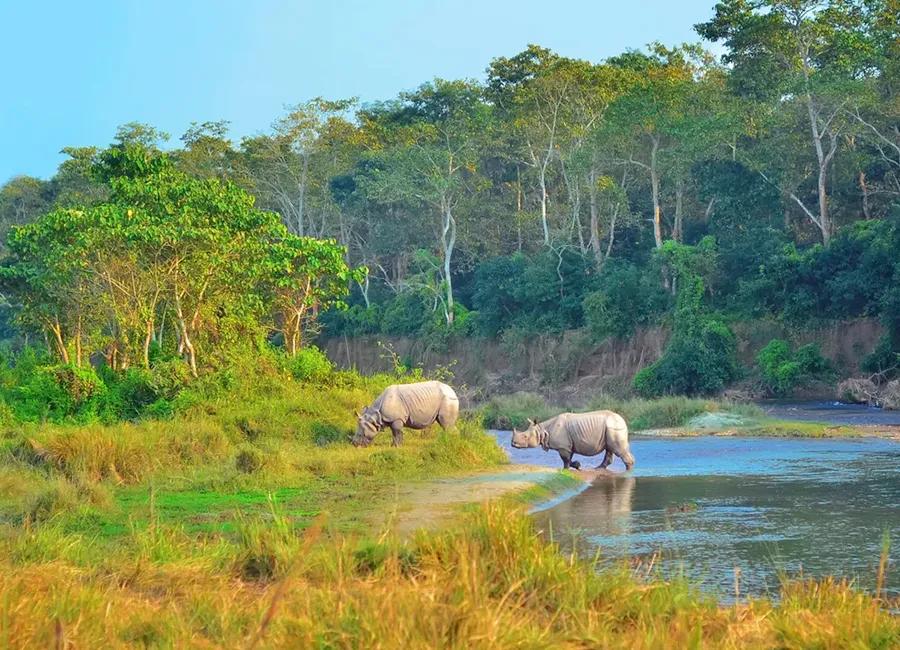
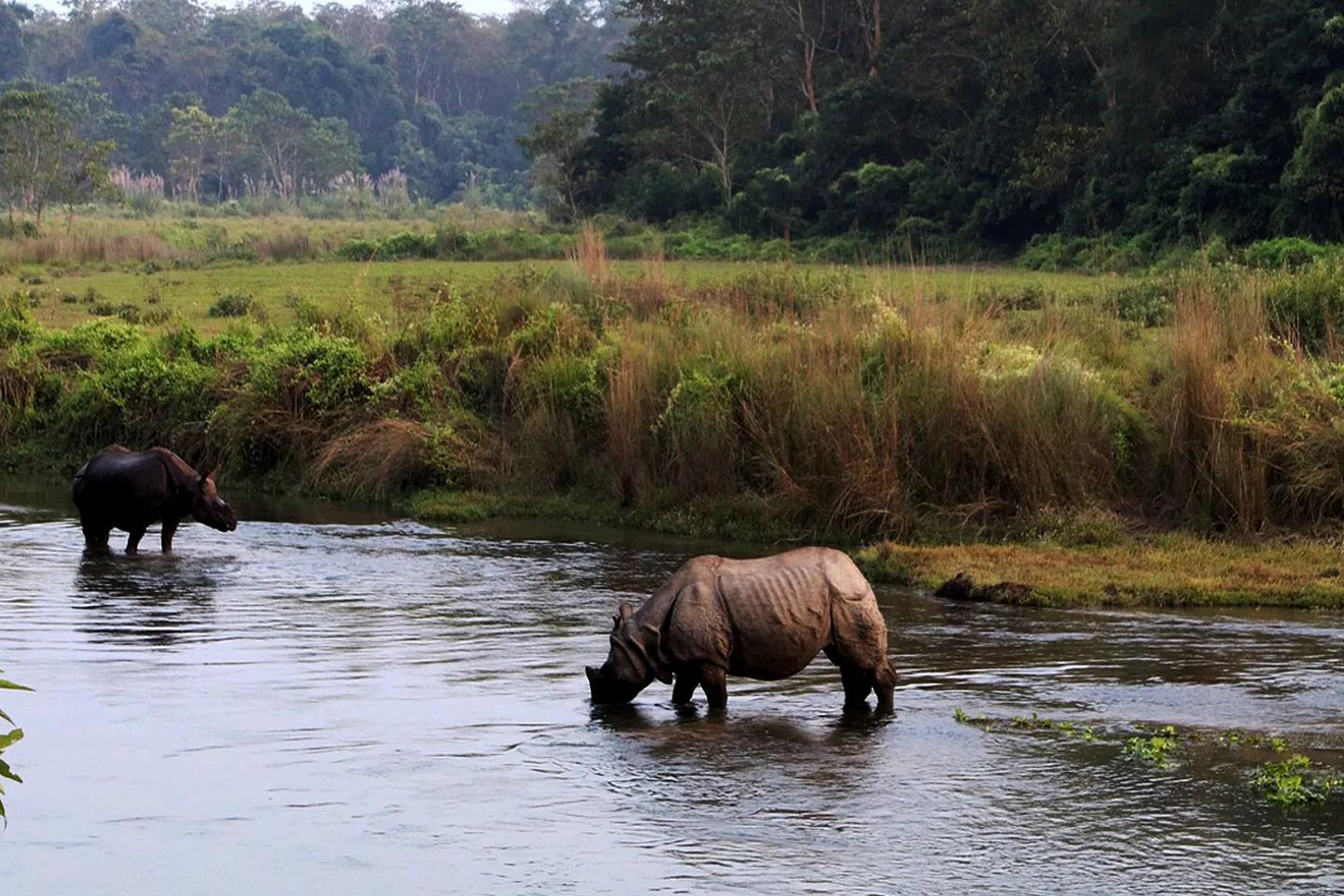
Chitwan has one of the largest populations of greater one-horned rhinoceros anywhere, about 750 in the 2021 count. They graze in the tall grass and cool off in mud and river shallows. Sightings on jeep drives are common.
Tigers live in the park, but they are shy and mostly active at night. Seeing one is unusual. You are more likely to find pugmarks or hear a call at dusk. Leopards are rarer still. Sloth bears, shaggy black bears that eat termites, fruit and honey, are sometimes seen at dawn or dusk.
Spotted deer (chital) are the animal you will see most. Hog deer, barking deer and sambar also live here. Wild boar, rhesus macaques and langurs are common. Gaur, the largest wild cattle in the world, graze in herds near the forest edge. Wild elephants pass through the grasslands, and with luck you may see smooth-coated otters near the water.
Reptiles
Two crocodile species live in the Rapti. The gharial has a long, thin snout, eats fish, and is critically endangered. You will usually find them lying on sandbars. The mugger has a broader snout and is common along the river, so canoe passengers see it often.
The park has more than 40 snake species, including the Indian rock python, which is the largest snake in Nepal. Monitor lizards turn up on riverbanks and forest paths.
Birds
Peacocks are common at the forest edge. Several kingfisher species work the river, and storks, egrets and herons wade in the shallows. In the canopy you may see parakeets, woodpeckers and the great pied hornbill, a big bird with a heavy yellow bill. The Bengal florican, a critically endangered grassland bird, also lives in the park. Many migrants arrive in winter, so December to February is the best time for birders.
What's Included in the Chitwan National Park Tour Package?
Accommodation and Meals
-
Three nights of accommodation in a comfortable 3-star hotel in Chitwan on a twin-sharing basis.
-
Daily breakfast, lunch and dinner during your stay in Chitwan.
Transportation
-
Round-trip transportation between Kathmandu and Chitwan by your selected transport option.
-
Airport transfers and local transportation for scheduled activities, where applicable.
-
Experienced driver, vehicle expenses and applicable road taxes for the road transportation option.
Safari Activities and Guides
-
Shared or private jeep safari, as specified in your booking.
-
Guided jungle walk with an experienced naturalist.
-
Canoe ride along the Rapti River.
-
Bird-watching activities.
-
Tharu village and cultural experience.
-
Tharu cultural dance performance.
-
Visits to designated wildlife conservation and visitor centers, where included in the confirmed itinerary.
Permits and Government Fees
-
Chitwan National Park entrance fees.
-
Applicable jungle activity permits.
-
Government taxes and administrative service charges
What's Not Included in the Chitwan National Park Tour Package?
-
International airfare to and from Nepal.
-
Nepal entry visa fees.
-
Accommodation and meals in Kathmandu unless specified in the package.
-
Personal expenses, including laundry, drinks, snacks and additional purchases.
-
Travel insurance covering medical emergencies and evacuation.
-
Tips for the guide, driver and hotel staff.
-
Additional activities not mentioned in the confirmed itinerary.
-
Expenses resulting from delays, itinerary changes or unforeseen circumstances.
How to Prepare for Your Chitwan National Park Tour
Preparing properly for your Chitwan National Park tour will help you enjoy the wildlife activities comfortably and safely.
Clothing and Comfortable Footwear
Pack lightweight, breathable clothing suitable for the warm Terai climate. Neutral-colored clothes are useful for wildlife observation. Comfortable walking shoes are recommended for jungle walks and village visits.
Mosquito and Insect Protection
Chitwan is a tropical region where mosquitoes and other insects are common, particularly around forests and wetlands. Carry suitable insect repellent, wear long sleeves when appropriate and follow local health advice regarding malaria prevention.
Camera and Binoculars
Bring a camera to capture the wildlife and natural landscapes. Binoculars can also be helpful for observing distant animals and identifying birds during nature walks.
Sun Protection and Hydration
Carry sunscreen, sunglasses, a hat and a reusable water bottle. Staying hydrated is particularly important during outdoor activities in warmer months.
Safety During Jungle Activities
Always follow your naturalist guide's instructions during jeep safaris, canoe rides and jungle walks. Maintain a safe distance from wildlife and never attempt to feed, touch or approach wild animals.
Our Commitment to Responsible Wildlife Tourism
At Alpine Club of Himalaya, we believe wildlife tourism should support conservation and respect the natural behavior of animals. Our Chitwan National Park tour focuses on observing wildlife in its natural habitat through responsible activities led by experienced naturalist guides.
We encourage visitors to maintain a safe distance from wild animals, avoid feeding or touching wildlife and follow park conservation guidelines throughout the journey.
We aim to promote meaningful wildlife experiences while respecting the environment, local communities and biodiversity of Chitwan National Park.
Chitwan National Park Tour Cost and Group Discounts
The cost of our Chitwan National Park Tour depends on the number of travelers, transportation arrangements and accommodation preferences. Alpine Club of Himalaya offers competitive group discounts, making the four-day wildlife experience more affordable for families, couples and larger groups.
Our package starts at US$449 per person for solo travelers, with discounted rates available for groups. Larger groups benefit from lower per-person costs while enjoying the same carefully planned itinerary and wildlife activities.
The package includes three nights of accommodation in Chitwan, meals, scheduled safari activities, applicable permits and transportation as specified in the selected package.
Secure Booking and Flexible Travel Arrangements
Booking your Chitwan National Park Tour with Alpine Club of Himalaya is designed to be straightforward and secure. Our team provides booking assistance, clear package information and support throughout your travel arrangements.
Before confirming your reservation, you can discuss your preferred travel dates, group size, transportation options and accommodation requirements with our team.
For information about deposits, cancellations, refunds and booking changes, please review our official Booking and Cancellation Policy or contact our travel specialists.
Guest Experiences on Our Chitwan National Park Tour
Discover what travelers say about their experiences with Alpine Club of Himalaya. From wildlife encounters and scenic canoe rides to comfortable accommodation and cultural experiences, our guest reviews provide insights into what you can expect during your Chitwan journey.
We value every traveler's feedback and continuously work to improve our services, guide experiences and overall travel arrangements.