D
Daniel Fischer
Germany
Nov 5, 2024

This trek was demanding, but the Himalayan scenery made every step worthwhile. I especially enjoyed the quiet trails, local villages, and incredible mountain views.
Destination
Nepal
Duration
20 Days
Best Weather
Spring (March–May) and Autumn (September–November)
Max Altitude
18,881 ft (5,755 m)
Accommodation
3-star hotel in Kathmandu, teahouses, and tented camps during the trek
Meals
Breakfast, Lunch, Dinner
Transportation
Private vehicle / Flights
Group
Min 1 pax
Difficulty
Strenuous
Activities
Trekking
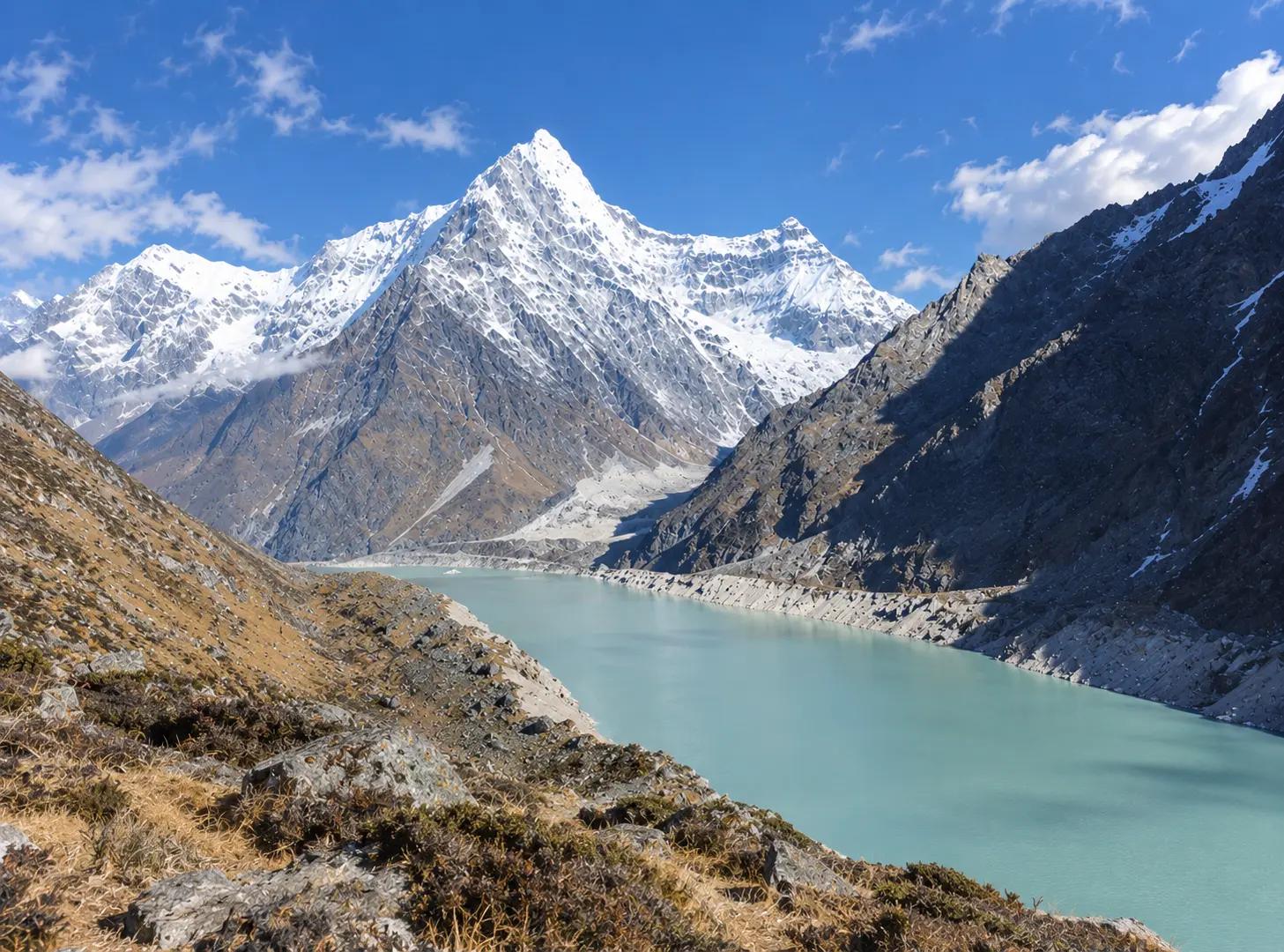
Tashi Lapcha Pass sits at about 5,755 m and links the Rolwaling Valley with the Khumbu region. The trek starts in Rolwaling, where the trail runs through villages, forest and river valleys below Gauri Shankar and Melungtse. It then climbs onto glacier terrain, crosses the pass and descends into Khumbu, with Pachermo among the peaks you see on the way. Some itineraries add a few days around Namche and the Everest viewpoints.
This is not a standard teahouse trek. Depending on snow and the state of the glacier, the crossing can mean steep snow slopes, crevassed ice and short technical sections that need ropes, crampons and an ice axe. Lodges are scarce on the Rolwaling side, so most groups camp. The route suits people who have trekked at altitude before and are comfortable on ice.
Rolwaling gets far fewer trekkers than Khumbu, and the first week is mostly empty trail, with villages, rivers and forest. The pass is the main reason to come. Above 5,000 m you are walking on rock, snow and glacier, and the climb is hard enough that the summit day is usually the longest of the trip. You also pass through two Sherpa-influenced regions in one trip. Prayer flags and monasteries become more common as you cross from Rolwaling into Khumbu.
Spring (March to May) and autumn (late September to November) are the usual choices. In practice that means April, May, October and early November. Even then, the crossing depends on snow, the forecast and your guide’s judgment on the day, so confirm dates with a local operator who knows current glacier conditions.
Lower elevations are warmer and the rhododendrons bloom. Mornings are often clear. Snow and ice can still cover the pass early in the season, so crossing conditions need a close look.
The air is clearest after the monsoon, and the weather tends to be steady. October is the busiest month for Himalayan trekking. Cold nights and sudden snowfall at altitude are still possible.
Rain makes trails slippery and brings landslides and swollen rivers. Cloud hides the mountains and can delay flights. Conditions on the glacier are hard to predict, which makes a difficult crossing harder.
It is extremely cold, and heavy snow can close the route altogether. Only experienced teams with specialist gear, reliable weather information and strong logistical support should consider it.
Mount Everest (8,848.86 m)
Gauri Shankar (7,134 m)
Melungtse (7,181 m)
Pachermo Peak (6,273 m)
Teng Kangpoche (6,500 m)
Tengi Ragi Tau (6,938 m)
Cho Oyu (8,188 m)
Kongde Ri (6,187 m)
The trek is very demanding and can include technical mountaineering. The pass is high enough that even moderate effort leaves you short of breath, and the days are long. Expect steep climbs and descents, loose rock, snow, glacier travel, cold and wind. Depending on conditions, you may need ropes, crampons, ice axes and helmets.
You need good cardio fitness, strong legs and the stamina to walk for several hours a day, day after day. Previous high-altitude trekking is strongly recommended. Depending on conditions and the support on offer, you may also need glacier or basic mountaineering experience. Altitude sickness is a real risk. A sound itinerary has acclimatization days built in and some slack in the schedule. Headaches, nausea, dizziness and unusual tiredness should be taken seriously, and if the symptoms are severe, you go down. Phone signal, accommodation and evacuation options are all limited in places, and weather can delay the crossing or force a change of plan. Bring a licensed guide, the right equipment and travel insurance that covers high-altitude trekking and evacuation.
Beginners should not attempt this trek. Safety comes before reaching the pass, and the crossing goes ahead only if the guide judges conditions safe.
In Kathmandu, you will stay in a 3-star hotel. During the trek, accommodation will be arranged in local teahouses and lodges along the route. Facilities are generally more comfortable in lower regions but become basic as you gain altitude. In remote areas, rooms may have limited facilities, and attached bathrooms or hot showers may not always be available. These mountain lodges offer a simple and authentic Himalayan experience.
Breakfast will be provided at your hotel in Kathmandu, while breakfast, lunch, and dinner will be served during the trekking days. Meals generally include Nepali dal bhat, noodles, rice, soups, potatoes, Tibetan bread, porridge, and other locally available dishes. Food choices may become limited at higher elevations due to the remote location. Eating nutritious meals and drinking sufficient water will help you maintain your energy throughout the long trekking days and the demanding Tashi Lapcha Pass crossing.
We arrange airport transfers and private vehicle transportation for sightseeing in Kathmandu. Flights between Kathmandu and Lukla will be arranged according to the itinerary. Road transportation may also be required to reach the trekking starting point in the Rolwaling region, depending on the selected route. Flights to and from Lukla are subject to weather conditions, so we recommend allowing some flexibility in your travel schedule to accommodate possible delays.
The Tashi Lapcha Pass Trek requires the necessary trekking permits for the regions you visit. Depending on your itinerary, these may include the Gaurishankar Conservation Area Permit (GCAP), the Sagarmatha National Park entry permit, and applicable local or restricted-area permits. The exact requirements depend on your chosen route and current regulations. Alpine Club of Himalaya will assist you in arranging the required permits and explaining the documentation needed before the trek begins.
The Tashi Lapcha Pass Trek is a challenging high-altitude adventure that requires good physical fitness, endurance, and previous trekking experience. You should be prepared to walk for approximately 6–8 hours a day over rugged trails, steep ascents, and demanding mountain terrain. Crossing the pass can be especially challenging due to the high altitude, snow, and glacial conditions. Regular hiking, cardiovascular exercise, and strength training before your trip can help improve your stamina. Proper acclimatization and following your guide's instructions are essential throughout the journey.
Upon your arrival at Tribhuvan International Airport in Kathmandu, our representative will welcome you and transfer you to your hotel. After checking in, you can rest from your journey and prepare for the adventure ahead. If you arrive early and feel comfortable, you may explore the nearby streets, shops, and restaurants around Thamel, a popular area for trekkers and travelers.
Kathmandu is the cultural and historical heart of Nepal, offering a fascinating introduction to the country before you head into the mountains. Your trekking guide will help you understand the general plan for the Tashi Lapcha Pass Trek and explain the preparations required for this challenging journey. Overnight at your hotel in Kathmandu.
Max. Elevation
(1,350 m / 4,429 ft)
Duration
30–45 Minutes
Accommodation
3-Star Hotel
Meals
Welcome Dinner
Private airport transfers on arrival and departure.
Three-star hotel accommodation in Kathmandu on a twin-sharing basis, including breakfast. The number of included nights should be confirmed, as the itinerary mentions both three and four nights.
Breakfast, lunch, and dinner during the trek, with meals prepared by the expedition cook during camping.
One licensed English-speaking trekking guide, including their meals, flights, insurance, accommodation, and equipment.
Porters at a ratio of one porter for every two trekkers, including their wages, meals, accommodation, insurance, and safety equipment.
One assistant guide for groups of eight or more trekkers.
Sagarmatha National Park entry fees, TIMS card, and all government and local taxes.
Teahouse or lodge accommodation and tented camping throughout the trek.
Sleeping bag, down jacket, duffel bag, and trekking poles on loan, to be returned after the trip.
Guided Kathmandu sightseeing tour with a vehicle and guide.
Flight from Lukla to Kathmandu, including departure tax.
Assistance with emergency rescue arrangements, with rescue costs covered by your travel insurance.
Certificate of appreciation and a complimentary hiking T-shirt.
D
Daniel Fischer
Germany
Nov 5, 2024
A
Alex Morgan
Australia
Oct 18, 2024
S
Sophie Bennett
London, UK
Oct 5, 2024
24/7 Support
Need help? we're at your service
Associated With


We Accept Cards

Office of the company registrar License: 66813/066/067 || Tourism Industry Division License:1142
All content and photography within our website is copyright & may not be reproduced without our permission.
Develop By: IT Sansaar