Experience on an unforgettable journey to the world’s highest peak with the Mt. Everest Expedition South in Spring 2024. Renowned as one of the classic trekking trails in Nepal, this expedition offers adventurers a chance to explore the breathtaking landscapes of the Everest region. From lush, dense forests to remote alpine areas, mountain ranges, glacier moraines, and pristine lakes, every step of this trek is filled with awe and discovery.
Why Choose Mt. Everest Expedition South?
The Mt. Everest Expedition South is not just a trek; it’s a transformative experience. The ascent from the southern face of Mount Everest presents numerous challenges, both anticipated and unforeseen. For those with a passion for exploration and a desire to push their physical and mental limits, this expedition is a perfect fit. The blend of stunning natural beauty and the thrill of overcoming obstacles creates an unparalleled adventure that will leave you inspired.
Experience the Pinnacle of Adventure: Climbing Mount Everest is a feat that goes beyond mere achievement; it offers a profound sense of accomplishment. Standing atop the highest point on Earth provides breathtaking panoramic views of Nepal’s stunning landscapes and an unparalleled connection with nature. However, it’s important to understand that Mount Everest is not an easy peak to conquer. It requires meticulous training, unwavering determination, and a strong support system.
What We Offer: At the Alpine Club of Himalaya, we are dedicated to making your dream of summiting Everest a reality. Our expert team provides comprehensive guidance, high-quality equipment, and unwavering support throughout your journey. We go above and beyond to ensure that your experience is safe, enjoyable, and memorable. Join us for an adventure of a lifetime and experience the majestic Himalayas like never before.
Expedition Highlights:
- Summit the World’s Highest Peak: Reach the top of Mt. Everest and achieve your lifelong dream.
- Explore the Majestic Himalayas: Discover the stunning landscapes along the border Himalayan Range, filled with unique terrains and vistas.
- Diverse Terrains: Traverse a variety of environments, from lush green forests to stark high alpine landscapes.
- Cultural Immersion: Learn about the rich traditions, culture, and lifestyle of the local mountain communities.
- Biodiversity Wonders: Witness the incredible biodiversity of the Everest region, home to various flora and fauna.
- Hike to Kala Patthar: Ascend to this famous vantage point for breathtaking views of Everest and the surrounding peaks.
- Scenic Flight: Enjoy a spectacular flight to the Everest region, offering stunning aerial views of the majestic mountains.
Join Us in Spring 2024: If you’re ready to take on the challenge and create memories that will last a lifetime, the Mt. Everest Expedition South is the adventure you’ve been waiting for. Don’t miss out on this opportunity to chase horizons and push the limits of your imagination. Book your spot today and join us for an incredible journey through the heart of the Himalayas with the Alpine Club of Himalaya!
Climbing Mount Everest from the South Face
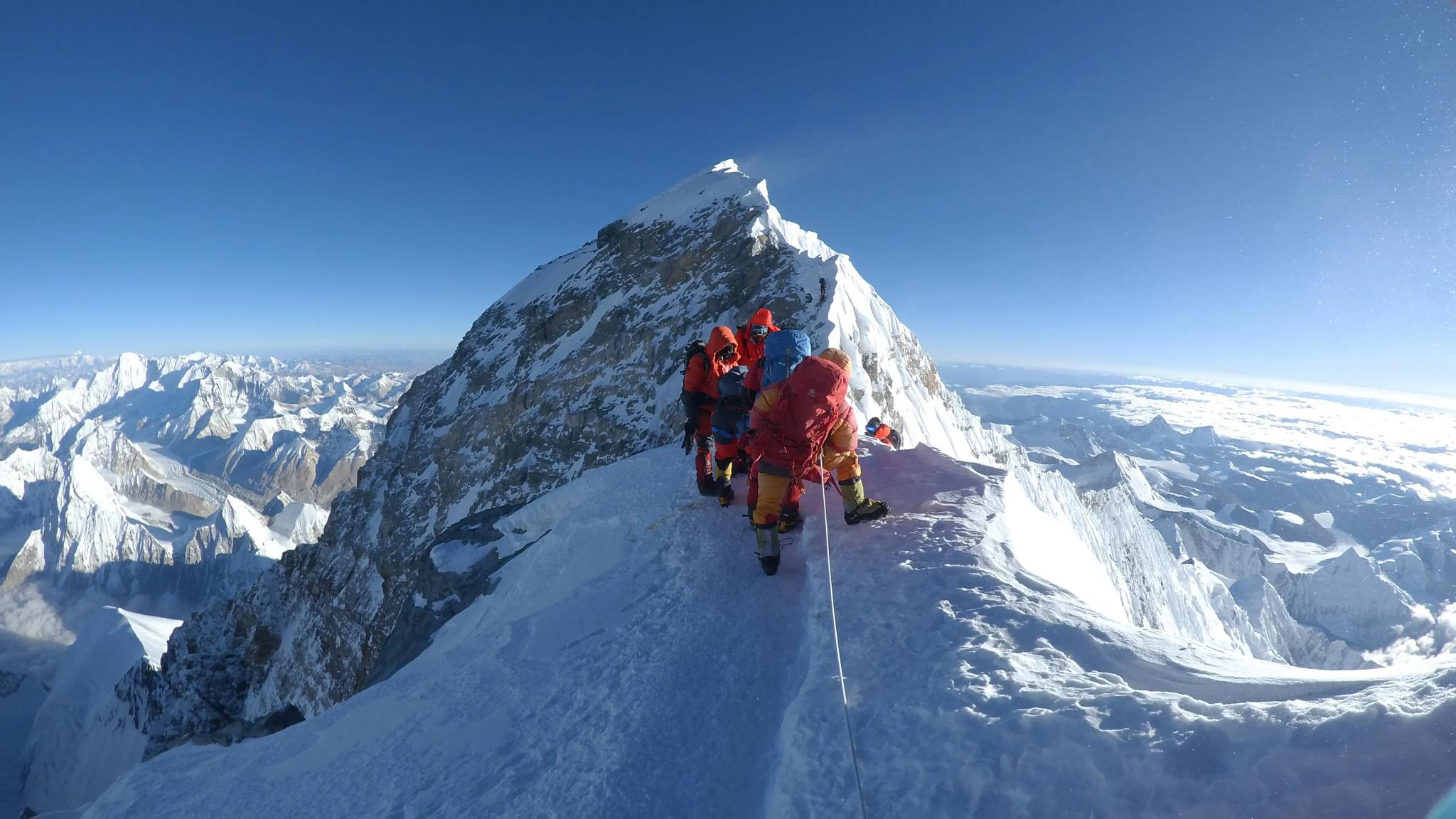
Climbing Mount Everest from the South Face is an exhilarating and challenging adventure that offers climbers the opportunity to tackle one of the most iconic peaks in the world. This ascent is characterized by the traversal of two significant sections: the Khumbu Icefall and the Lhotse Face. Both present unique challenges, including crevasses and seracs, making this expedition not just a physical test, but also a mental one.
Comprehensive Guiding Services and Equipment
To ensure the success of your expedition, our team provides comprehensive guiding services and high-quality equipment tailored for the harsh conditions of Everest. We understand the unpredictable weather and extreme environment climbers face, and we continuously refine our ascent strategies and safety protocols. As part of our expedition package, we equip climbers with essential tools such as ladders, carrying ropes, and other climbing gear necessary for safely navigating crevasses and obstacles. Our innovative techniques focus on minimizing risks and maximizing the chances of success for each climber on this demanding journey.
South Col Route Camps
Base Camp: 5,200 Meters (17,060 Feet)
The Everest Base Camp is the starting point of your ascent and is situated at an elevation of 5,200 meters above sea level. This unique environment presents both challenges and stunning scenery, surrounded by iconic peaks like Pumori and Nuptse. Climbers at base camp must be prepared for fluctuating conditions, as the glacier shifts and melts can affect both equipment and routes. Despite the demanding landscape, the base camp buzzes with activity from various expeditions, creating a vibrant atmosphere. Climbers will experience warm mornings that can quickly transition into snow squalls, setting the stage for a thrilling adventure ahead.
Camp 1: 5,900 Meters (19,357 Feet)
Reaching Camp 1 is a critical milestone in the Southside ascent, requiring climbers to navigate the treacherous Khumbu Icefall. This challenging section spans 2,000 feet and is notorious for its deep crevasses, towering ice formations, and potential avalanches. Climbers typically spend only two nights at Camp 1 to acclimatize before moving on to Camp 2. However, with proper acclimatization, it is possible to progress directly to Camp 2 for those well-prepared for the challenges ahead.
Camp 2: 6,400 Meters (20,998 Feet)
Located on a lateral moraine on the lower western flank, Camp 2 serves as the primary base for most expeditions. This sheltered location offers breathtaking panoramic views of Lhotse and includes individual tents for climbers alongside communal tents for dining and cooking. Camp 2 plays a crucial role in acclimatization, providing a comfortable environment where climbers can rest and prepare for the ascent to Camp 3. It is the camp where climbers typically spend the most time before proceeding upward.
Camp 3: 7,100 Meters (23,294 Feet)
The climb from Camp 2 to Camp 3 involves tackling the steep Lhotse Face, where climbers often begin to feel the effects of high altitude. Most climbers will not yet be using supplemental oxygen, making this section particularly challenging. The steep, hard-iced Lhotse Face requires rope-assisted climbing, with inclines ranging from 30 to 45 degrees. While this ascent is strenuous, it is a vital part of the acclimatization process. Climbers usually spend two nights at Camp 3 to adapt to the altitude before making the final push toward the summit.
South Col: 8,000 Meters (26,300 Feet)
The South Col, positioned between Mount Everest and Lhotse, marks the final camp for climbers before their summit attempt. Characterized by loose rock, this camp can often be reached without supplemental oxygen. The ascent to the South Col involves navigating two rocky sections: the Yellow Band and the Geneva Spur. Both areas have fixed ropes in place to aid climbers. The Yellow Band consists of interbedded layers of marble, phyllite, and semi-schist, while the Geneva Spur is a distinctive black rock formation resembling an anvil.
Summit Everest: 8,849 Meters (29,032 Feet)
The final ascent from the South Col to the summit of Mount Everest takes between 9 and 13 hours. This portion of the climb includes several significant landmarks, such as the Balcony, the Hillary Step, and the South Summit, before reaching the summit plateau. The route features a moderate snow slope that can be tiring, but the excitement of nearing the summit often energizes climbers, pushing them to achieve their dream. The summit of Everest offers a breathtaking view and a profound sense of accomplishment that is unmatched anywhere else on Earth.
Climbing Mount Everest from the South Face is a monumental challenge that combines technical skill, physical endurance, and mental resilience. With expert guidance, high-quality equipment, and well-established climbing camps, our expedition is designed to help you achieve this incredible feat. Prepare yourself for an unforgettable experience and the opportunity to stand atop the world. For more information on our climbing expeditions and to start your journey, visit our website today!
Entry Permits and Requirements for the Everest Expedition South Peak
When preparing for your Everest Expedition South Peak, it’s essential to secure the necessary permits to ensure a smooth and legal journey. Here’s a breakdown of the permits you will need and the process for obtaining them:
1. Sagarmatha National Park Entry Permit
- NRS 3,000 for all foreign visitors.
- NRS 1,500 for citizens of SAARC nations.
- You can acquire this permit either from the Nepal Tourism Board office in Kathmandu or directly at the park’s entrance gate in Monjo.
- You must complete a permission application and present your passport or a copy of your passport.
2. Khumbu Pasang Lhamu Rural Municipality Entrance Permit
- Cost: NRS 2,000.
- This permit is available at the rural municipality counter located on the outskirts of Lukla.
- Ensure you are physically in Lukla to obtain this permit, as it is specific to the Khumbu region.
3. Everest Expedition South Peak Climbing Fee
The climbing fee varies depending on the season:
- Spring: $11,000
- Autumn: $5,500
- Winter/Summer: $2,750
Additional Information
You won’t have to worry about the logistics of obtaining these permits, as the Alpine Club of Himalaya or your guides will handle everything for you. This ensures that you can focus on your preparation and the adventure ahead without the hassle of paperwork. Be sure to have all necessary documents ready, and communicate with your guides for any specific requirements or updates related to your expedition.
Meals
During the Everest Expedition, meals are a vital aspect of maintaining energy and nutrition for trekkers and climbers. You’ll enjoy a mix of local and international cuisine, with meals prepared to cater to various dietary preferences. In tea houses along the trekking route, typical offerings include hearty breakfast options like porridge, eggs, and bread, while lunch and dinner may feature dishes such as dal bhat (lentil soup with rice), noodles, and a variety of vegetable curries. As you ascend to higher altitudes, the menu may become simpler, focusing on calorie-dense foods that are easy to prepare. Special dietary requirements can usually be accommodated with prior notice, ensuring that all participants are well-fed and energized for the challenges ahead.
Drinking Water
Staying hydrated is crucial during your expedition, especially at high altitudes where dehydration can occur more rapidly. Throughout the trek, you will have access to drinking water from various sources, including boiled water provided at tea houses and bottled water available for purchase in villages. It is recommended to drink at least 3-4 liters of water daily to maintain optimal hydration. For those who prefer, water purification tablets can be used to treat water from streams or other natural sources, ensuring it’s safe to drink. Your guides will assist in providing guidance on the best practices for water consumption, helping you stay hydrated as you navigate the stunning landscapes of the Everest region.
Weather and Climate
The weather and climate in the Everest region are characterized by significant variations, heavily influenced by altitude and seasonal changes. Generally, the trekking and climbing season spans from late September to early June, with the most favorable conditions occurring during the spring (March to May) and autumn (late September to November). In spring, temperatures at Base Camp range from -6°C to 5°C (21°F to 41°F) during the day, while nighttime temperatures can drop below freezing. The skies are typically clear, offering stunning views of the mountains. Conversely, autumn brings milder weather but can also introduce pre-winter chill, with temperatures hovering between -2°C to 10°C (28°F to 50°F) during the day. The winter months (December to February) are characterized by extreme cold, with temperatures often plummeting to -20°C (-4°F) or lower at higher elevations, along with heavy snowfall that can restrict access. The summer monsoon (June to August) brings increased rainfall and cloud cover, making it less ideal for trekking. Therefore, planning your expedition during the spring or autumn months is crucial for optimal weather conditions and safety on your journey to Everest.
Weather Challenges
Weather conditions on Everest are notoriously unpredictable and present significant challenges for climbers. The region is characterized by extreme temperatures, strong winds, and sudden weather changes that can impact visibility and safety. During the climbing season, which peaks in spring, temperatures can plummet to well below freezing at high altitudes, creating harsh conditions. Moreover, fierce winds can reach speeds of over 100 mph, making it difficult to maintain stability and safety on the slopes. Sudden snowstorms can also occur, obscuring paths and increasing the risk of avalanches. These weather challenges necessitate careful planning and flexibility in expedition schedules, as climbers must be prepared to adapt their strategies based on real-time conditions. Understanding and respecting the weather patterns is crucial for ensuring a safe and successful ascent of the world’s highest peak.
Environment
The Everest region boasts a unique and fragile environment, characterized by its breathtaking landscapes and diverse ecosystems. Home to the Sagarmatha National Park, a UNESCO World Heritage Site, the area features a variety of habitats, from lush subtropical forests at lower elevations to alpine tundra and glacial terrain at higher altitudes. The flora includes vibrant rhododendron forests, various herbs, and resilient shrubs that thrive in harsh conditions. Wildlife in the region includes iconic species such as the Himalayan tahr, snow leopard, and numerous birds, contributing to the ecological richness of the area. However, this pristine environment faces significant challenges, including the impact of climate change, increased tourism, and waste management issues. As visitors tread through this majestic landscape, it’s essential to practice responsible trekking and climbing, ensuring that efforts are made to minimize ecological footprints and preserve the natural beauty for future generations. Emphasizing sustainability and conservation is crucial in maintaining the delicate balance of this remarkable ecosystem.
Safety and Security
Safety and security are paramount when embarking on an expedition to Everest and its surrounding regions. The challenging terrain and high altitudes present various risks, including altitude sickness, extreme weather conditions, and potential accidents during trekking and climbing. To mitigate these risks, it’s essential to be well-prepared and to follow established safety protocols. Participants should undergo thorough pre-trip training, carry appropriate gear, and be aware of their physical limits.
During the expedition, maintaining clear communication with guides and team members is crucial. Guides, trained in first aid and emergency response, play a vital role in monitoring the group’s health and ensuring safety throughout the journey. Moreover, adhering to weather forecasts and being prepared to alter plans in response to changing conditions can help prevent dangerous situations.
In addition to personal safety, securing valuable belongings is important, especially in busy towns like Namche Bazaar and Kathmandu. Travelers should utilize hotel safes, avoid displaying expensive gear, and remain vigilant in crowded areas. Overall, a combination of preparation, awareness, and teamwork contributes to a safer and more enjoyable experience in this stunning but challenging environment.
Best Time for Climbing
The best time for climbing Mount Everest typically falls between late April and early June, with May being the most popular month. This period coincides with the pre-monsoon season, which brings relatively stable weather patterns and clearer skies. During this time, temperatures gradually rise, allowing for better climbing conditions as the snow and ice begin to melt.
In late April, climbers can take advantage of the “weather window,” which usually occurs in early to mid-May. This window often presents optimal conditions for reaching the summit, with reduced winds and clearer visibility. The warmer temperatures also help in the acclimatization process, making it easier for climbers to adjust to the high altitude.
While the spring months are favored, the autumn season (late September to early November) can also be considered for climbing. However, the weather during this period is generally less predictable, with increased chances of storms and colder temperatures. Therefore, spring remains the preferred choice for those aiming to summit Everest, offering the best combination of weather stability and climbing conditions.
Travel Insurance
Travel insurance is an essential aspect of planning your Everest expedition. Given the remote and challenging nature of high-altitude climbing, having comprehensive travel insurance can provide peace of mind and financial protection against unforeseen circumstances. This includes coverage for trip cancellations, medical emergencies, evacuation services, and potential accidents that may occur during your trek or climb.
When selecting a travel insurance policy, ensure that it specifically covers high-altitude trekking and mountaineering, as not all policies include these activities. Look for coverage that includes emergency medical evacuation, which can be crucial in the event of an injury or altitude sickness. It’s also wise to check if your policy covers cancellation due to adverse weather conditions, personal emergencies, or other unexpected events that might affect your travel plans.
Before your journey, carry a copy of your insurance policy and emergency contact numbers, and inform your insurance provider about your specific itinerary and activities. Having the right travel insurance will help ensure that you are adequately protected throughout your Everest adventure, allowing you to focus on the climb ahead.
Passport and Visa
Traveling to Nepal for your Everest expedition requires a valid passport and a visa. Your passport should be valid for at least six months beyond your intended date of entry into Nepal.
Visa requirements vary depending on your nationality. Most travelers can obtain a visa on arrival at Tribhuvan International Airport in Kathmandu. The visa fees are as follows:
- 15-day Tourist Visa: $30
- 30-day Tourist Visa: $50
- 90-day Tourist Visa: $125
If you plan to stay longer than 90 days, you will need to apply for a visa extension through the Department of Immigration in Kathmandu. Extensions can be granted for an additional fee, typically around $3 per day, with a maximum stay of up to 150 days within a single visa year.
It’s important to have cash (in USD or Nepalese Rupees) available for visa fees upon arrival, as credit cards are often not accepted for this purpose. Make sure to check the latest visa regulations and requirements before your trip, as policies can change.
Difficulty Level
Climbing Mount Everest is an incredibly challenging endeavor, requiring a combination of physical fitness, mental resilience, and technical skill. The difficulty level is categorized as extreme, primarily due to several factors:
Altitude: The high altitude presents significant challenges, including decreased oxygen levels and the risk of altitude sickness. Climbers must acclimatize properly to mitigate these risks.
Weather Conditions: Everest is notorious for unpredictable weather, with rapid changes that can lead to dangerous conditions such as high winds, snowstorms, and extreme temperatures. Climbers must be prepared to adapt to these changing circumstances.
Technical Skills: While the standard routes may not require advanced technical climbing skills, climbers still need to navigate icefalls, crevasses, and steep ascents. Proficiency in using climbing gear, such as crampons and ice axes, is essential.
Physical Fitness and Requirements
Climbing Mount Everest demands exceptional physical fitness and preparation, as the challenges of high-altitude trekking and mountaineering can be overwhelming. To successfully reach the summit, climbers should adhere to the following physical fitness guidelines and requirements:
- Cardiovascular Endurance: A strong cardiovascular system is essential for handling the prolonged physical exertion of high-altitude hiking and climbing. Activities such as running, cycling, and swimming can help build this endurance. Aim for at least 30-60 minutes of cardiovascular training several times a week.
- Strength Training: Building muscle strength is crucial, particularly in the legs, core, and upper body. Exercises like squats, lunges, deadlifts, and pull-ups can enhance overall strength. Additionally, focus on exercises that mimic climbing movements, such as step-ups and weighted carries.
- Flexibility and Balance: Incorporating yoga or stretching routines can improve flexibility and balance, which are vital for navigating uneven terrain and maintaining stability while climbing. Regular stretching helps prevent injuries and enhances overall mobility.
- Altitude Training: Experience at high altitudes can be beneficial. If possible, engage in training sessions at higher elevations to acclimatize your body to reduced oxygen levels. This experience can help you understand how your body reacts to altitude and improve your overall adaptation.
- Specific Climbing Skills: Familiarity with mountaineering techniques, such as using crampons, ice axes, and ropes, is essential. Consider taking climbing courses to learn the necessary skills and gain hands-on experience in a controlled environment.
- Mental Preparation: Physical fitness is only part of the equation; mental toughness is equally important. Prepare yourself for the psychological challenges of the climb, including dealing with fatigue, fear, and the potential for isolation. Techniques like visualization, mindfulness, and breathing exercises can enhance mental resilience.
- By adhering to these fitness guidelines and maintaining a rigorous training regimen, climbers can significantly improve their chances of successfully summiting Everest while minimizing the risks associated with this extreme adventure.
- Physical Demands: The physical toll of high-altitude trekking and climbing cannot be understated. Climbers must be in excellent shape, able to endure long hours of strenuous activity while carrying heavy loads.
- Mental Fortitude: The mental challenges can be just as daunting as the physical ones. Climbers must remain focused, motivated, and resilient in the face of fatigue and potentially life-threatening situations.
Due to these factors, it is crucial for aspiring climbers to undergo proper training and preparation, including prior high-altitude experience and physical conditioning. Only those who are fully prepared, both physically and mentally, should attempt this formidable challenge.
Preparations and Training
Preparing for an Everest expedition is a multifaceted process that requires careful planning, training, and logistics. Here are the key aspects to consider when gearing up for this monumental adventure:
- Physical Training: Start a comprehensive fitness program at least six months prior to your expedition. Focus on cardiovascular endurance, strength training, flexibility, and altitude acclimatization. Regular hikes in mountainous terrain will simulate conditions you’ll encounter on Everest.
- Climbing Skills: Gain proficiency in essential mountaineering techniques, including the use of crampons and ice axes, navigation skills, and understanding crevasse rescue protocols. Participating in guided climbs or mountaineering courses can provide invaluable experience.
- Gear and Equipment: Invest in high-quality gear suitable for extreme conditions. This includes insulated clothing, technical climbing equipment, sleeping bags rated for sub-zero temperatures, and reliable tents. Make a checklist of all necessary gear and ensure it’s thoroughly tested before your expedition.
- Mental Preparation: Mental toughness is crucial for enduring the challenges of high-altitude climbing. Engage in practices such as visualization, meditation, and breathing exercises to bolster your mental resilience and focus. Familiarize yourself with the potential psychological stressors you may face.
- Logistics and Permits: Coordinate with a reputable expedition company, such as the Alpine Club of Himalaya, to handle permits and logistical arrangements. This includes obtaining the necessary climbing permits, securing transportation to and from Lukla, and arranging accommodation and meals along the route.
- Nutrition and Hydration: Plan a diet that supports your training regimen and enhances your performance during the climb. Focus on high-calorie, nutrient-dense foods that are easy to digest. Understand the importance of hydration, especially at high altitudes, and consider portable water purification systems.
- Health and Safety: Schedule a medical check-up to assess your health and fitness for high-altitude climbing. Ensure you have a robust travel insurance policy that covers mountaineering activities. Familiarize yourself with the signs of altitude sickness and emergency procedures.
- Team Coordination: Build strong relationships with your team members and guides. Clear communication and teamwork are vital for safety and morale during the expedition. Participate in pre-expedition meetings to establish roles and share expectations.
By addressing these preparations systematically, you’ll equip yourself for a successful and rewarding expedition to Everest, enhancing both your physical readiness and overall experience in the Himalayas.
Acclimatization on Everest
Acclimatization is a critical component of any successful expedition to Mount Everest. As climbers ascend to higher altitudes, the body must adapt to decreasing oxygen levels and changes in atmospheric pressure. This process is essential to prevent altitude sickness, which can severely impact performance and health at high elevations.
Understanding Acclimatization
At sea level, the air contains about 21% oxygen. As climbers ascend to Everest Base Camp, located at approximately 5,364 meters (17,598 feet), the oxygen levels drop significantly, leading to symptoms like headaches, nausea, and fatigue. Acclimatization allows the body to produce more red blood cells, improving oxygen transport to vital organs. This process typically takes several days to weeks, depending on individual physiology and the altitude reached.
Acclimatization Strategy
- Gradual Ascent: The key to effective acclimatization is ascending slowly. Climbers generally follow the principle of “climb high, sleep low.” This means that after reaching higher camps, they return to lower altitudes to sleep, allowing their bodies to adjust without the stress of sustained high elevation.
- Rest Days: Taking rest days at various elevations is crucial. For instance, after reaching Base Camp, climbers may spend several days acclimatizing before moving to higher camps. Each elevation gain often includes a few days dedicated to rest and recovery.
- Hydration and Nutrition: Staying well-hydrated and maintaining a nutritious diet are vital during acclimatization. Proper hydration helps the body function optimally, while a balanced diet provides the necessary energy for climbing. High-calorie foods rich in carbohydrates and proteins are recommended.
- Monitoring Health: Regular health check-ups are essential during the acclimatization phase. Climbers should monitor for symptoms of altitude sickness, such as headaches, dizziness, and difficulty sleeping. Recognizing these signs early can prevent severe complications.
Importance of Acclimatization
Effective acclimatization not only enhances physical performance but also boosts mental resilience. Climbers who take the time to acclimatize properly often experience fewer health issues, enabling them to focus on their ultimate goal: reaching the summit of Mount Everest. Furthermore, acclimatization helps climbers adjust to the rigors of high-altitude environments, reducing the risk of exhaustion and injury.
In summary, acclimatization is a fundamental aspect of climbing Mount Everest. By following a structured acclimatization strategy that includes gradual ascent, adequate rest, proper nutrition, and health monitoring, climbers can significantly improve their chances of success while minimizing the risks associated with high-altitude climbing. Whether you are a seasoned mountaineer or a first-time climber, understanding and prioritizing acclimatization will play a crucial role in your Everest expedition experience.
Team Composition
A well-structured team composition is essential for the success of any Everest expedition. Typically, a successful climbing team consists of a diverse group of individuals, each bringing unique skills and experiences to the table. At the core of the team is the expedition leader, an experienced mountaineer responsible for making critical decisions and ensuring safety. Supporting the leader are experienced guides, often Sherpas, who possess invaluable local knowledge and expertise in navigating the challenging terrain. Additionally, the team may include climbers of varying skill levels, each contributing to the overall dynamic. Essential support staff, such as cooks and porters, play a vital role in maintaining morale and providing logistical support throughout the journey. This multifaceted approach fosters collaboration, enhances safety, and improves the overall experience for everyone involved, making team composition a pivotal factor in the success of climbing Mount Everest.
Facilities and Camp Setup
Everest Base Camp (EBC) is the crucial starting point for climbers aiming to conquer Mount Everest, providing a well-equipped environment to facilitate both comfort and safety. This unique base serves as a bustling hub where trekkers and climbers gather, allowing them to prepare physically and mentally for the demanding ascent ahead. The camp is meticulously organized to cater to the diverse needs of climbers, ensuring an efficient and supportive atmosphere.
Sleeping Arrangements
At EBC, climbers are accommodated in spacious and robust tents specifically designed for insulation against the harsh mountain climate. Each tent typically houses several climbers, fostering a sense of community while still allowing for individual space. The sleeping quarters are arranged thoughtfully to provide adequate ventilation and warmth, essential for restful nights at high altitudes. Some setups even include shared amenities like sleeping pads and blankets to enhance comfort.
Dining Facilities
Nutrition plays a pivotal role in preparing climbers for the rigors of high-altitude expeditions. The dedicated dining tent at EBC serves a variety of nutritious meals, carefully crafted by experienced cooks. The menu often features a mix of local delicacies and international cuisine, ensuring climbers receive the necessary energy and sustenance. Meals are enjoyed in a communal setting, promoting camaraderie and shared experiences among team members, which can be vital for morale in such challenging environments.
Communication
Staying connected is essential for both safety and morale. EBC is equipped with satellite phones and, in some cases, internet access. This enables climbers to communicate with their families, friends, and support teams back home, providing a vital lifeline during the expedition. The ability to share updates or receive encouragement can significantly enhance the climbing experience.
Medical Facilities
Health and safety are paramount in high-altitude climbing. At Base Camp, a well-stocked first-aid station is available to address any medical concerns or emergencies that may arise. Medical supplies, including oxygen tanks and altitude sickness medication, are on hand. Additionally, experienced guides trained in basic medical care are present, ensuring that climbers receive immediate attention if needed. This focus on health is crucial for a successful expedition, as altitude-related issues can pose serious risks.
Sanitation
Maintaining hygiene is essential in the rugged conditions of EBC. Proper sanitation facilities are in place, including portable toilets and handwashing stations, designed to uphold cleanliness and comfort. Regular maintenance ensures these facilities remain functional, allowing climbers to focus on their goals without worrying about hygiene issues.
Logistical Support
EBC acts as the central hub for logistical operations, crucial for the smooth running of any climbing expedition. This includes equipment storage, gear maintenance, and hydration stations stocked with vital resources. The organized setup allows climbers to concentrate on their training and acclimatization without the stress of logistical concerns, making it easier to prepare for the ascent.
Overall, the facilities at Everest Base Camp are thoughtfully designed to provide a supportive and efficient environment for climbers. With careful attention to sleeping arrangements, dining, communication, medical care, sanitation, and logistical support, EBC ensures that climbers are well-equipped to face the formidable challenges of ascending the world’s highest peak.
Cancellations Policy
In the event of cancellations, the following policies will apply:
Cancellation by the Participant:
- If a participant decides to cancel their trip, they must notify the Alpine Club of Himalaya as soon as possible.
- Cancellations made 60 days or more before the trip will incur a fee of 20% of the total cost.
- Cancellations made between 30 to 59 days before the trip will incur a fee of 50% of the total cost.
- Cancellations made less than 30 days prior to departure will result in a forfeiture of the entire payment.
Cancellation by the Organizer:
If the Alpine Club of Himalaya cancels the expedition due to unforeseen circumstances, such as extreme weather conditions, natural disasters, or safety concerns, participants will receive a full refund or the option to reschedule for a later date.
Force Majeure:
The Alpine Club of Himalaya is not liable for any additional costs incurred due to cancellations resulting from force majeure events (e.g., natural disasters, political unrest, or health emergencies).
Insurance:
It is highly recommended that participants obtain travel insurance that covers trip cancellations, interruptions, and medical emergencies to safeguard against potential financial loss.
Participants are encouraged to read the cancellation policy carefully and consider purchasing travel insurance to protect their investment in this once-in-a-lifetime adventure.