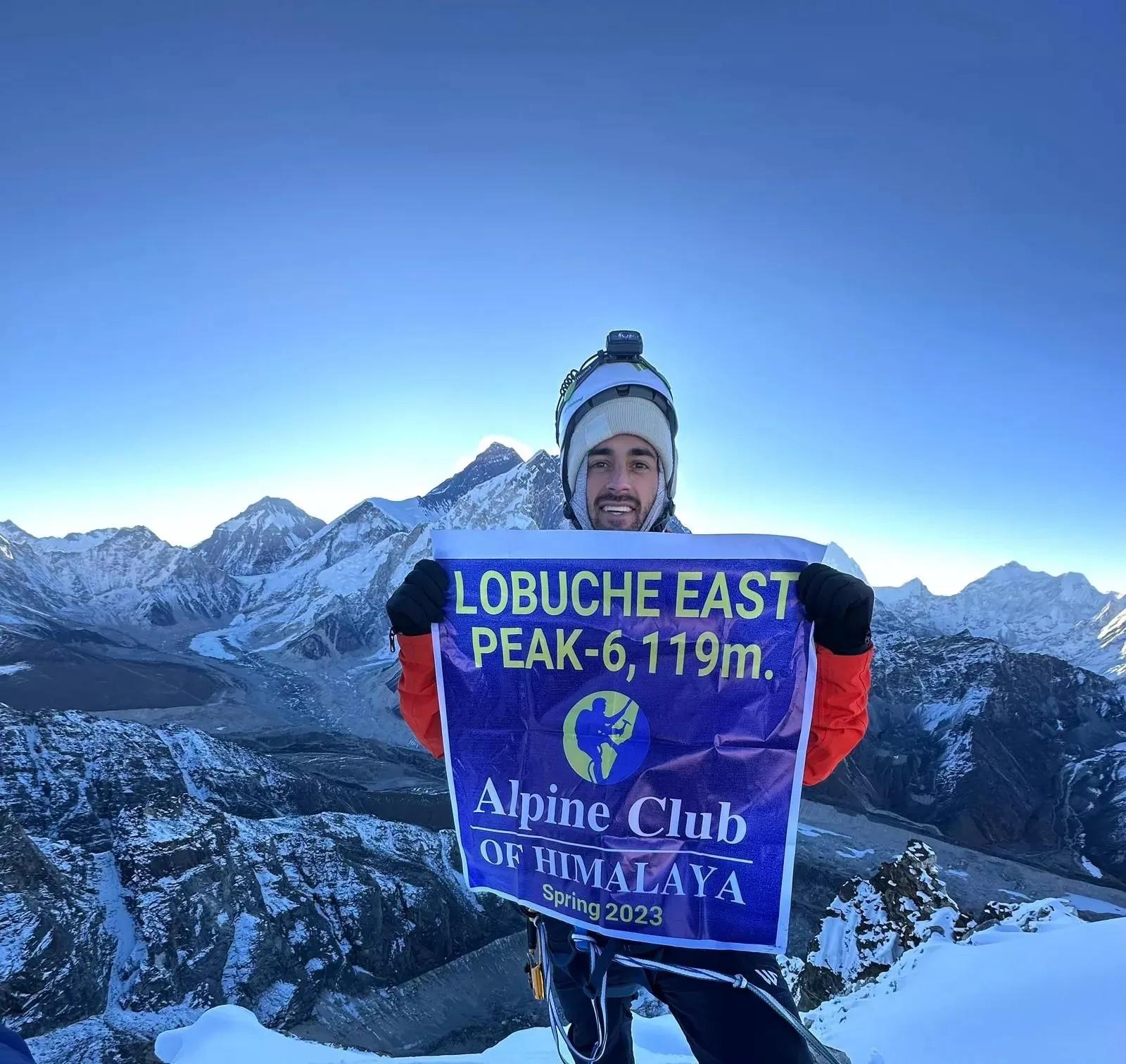
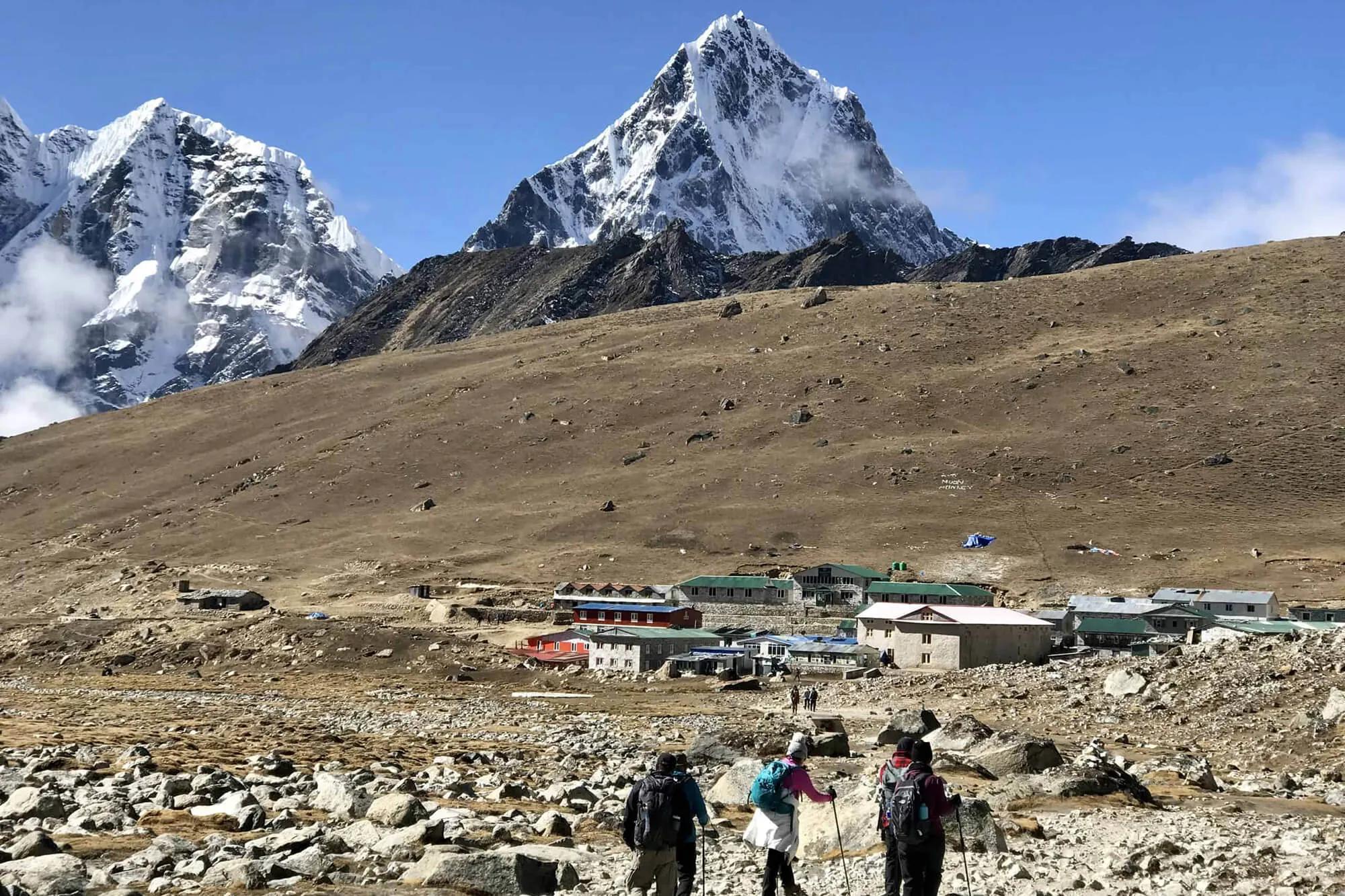
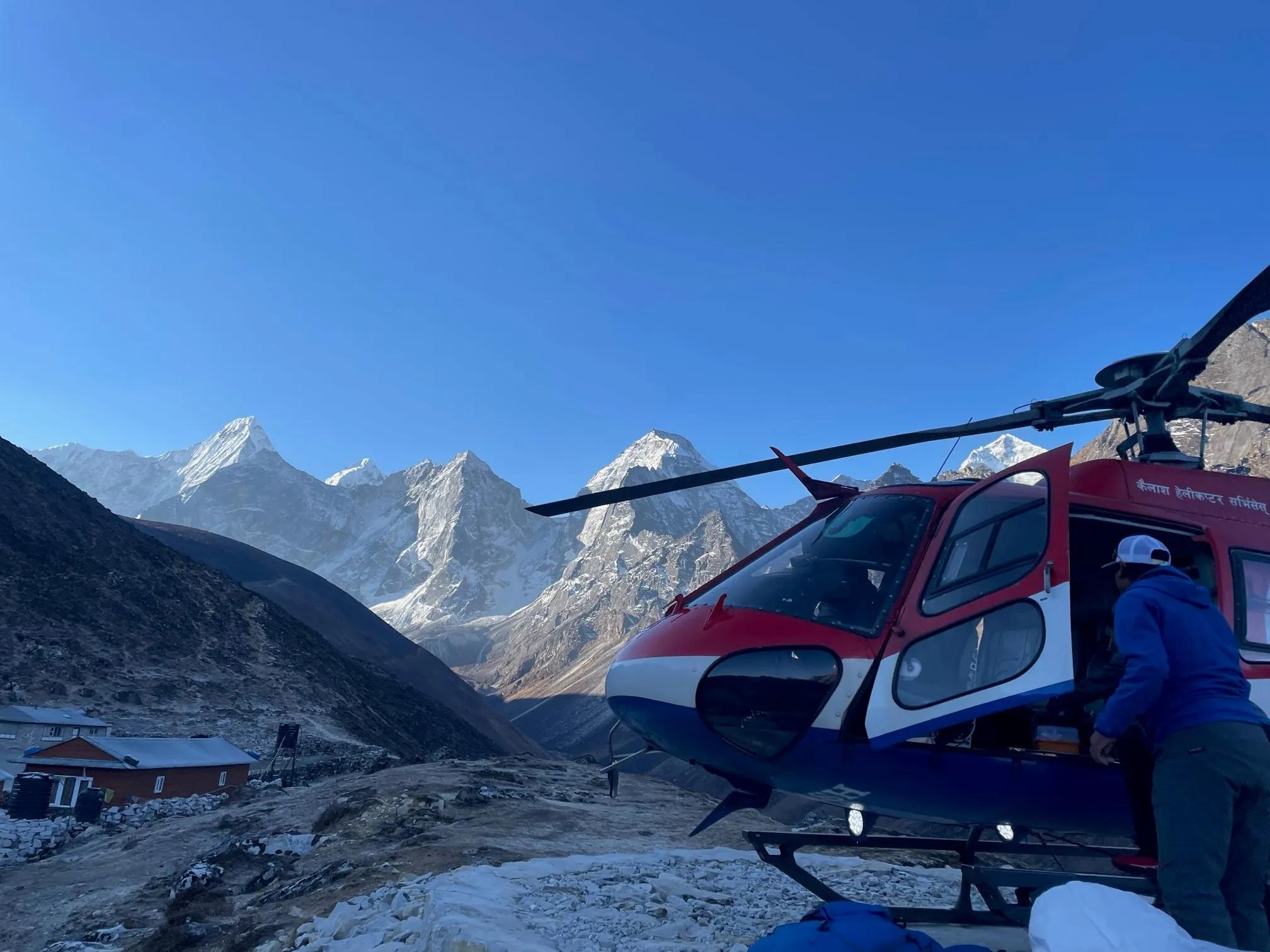
Lobuche East Peak Climbing from Lobuche is gaining popularity among trekkers visiting Nepal. As more adventurers are realizing that the Nepali Himalayas offer more than just the towering eight-thousanders, Lobuche East Peak has become an attractive option.
This climb is part of the Everest Base Camp Trek, starting from Lobuche and concluding at Thukla. It’s an ideal choice for those seeking a shorter yet thrilling peak climbing experience in the Khumbu region. Offering a taste of the Everest Base Camp trek with an added challenge, Lobuche East Peak presents an exciting option without the time commitment required for larger peaks.
At 6119 meters, Lobuche East Peak lies just after Dingboche along the Everest Base Camp route. It is perfect for those looking for a side peak adventure while trekking to Everest Base Camp. Even trekkers with less experience can enjoy the climb, as it offers stunning views and a manageable challenge. Lobuche East is an excellent choice for anyone seeking a less technical peak.
If you’re looking for a way to build your stamina and acclimatize to high altitudes, Lobuche East Peak is a great option. This trek helps prepare your body for higher peaks, improving your endurance and motivation.
Best Time for Climbing
The best times to climb Lobuche East Peak are during the pre-monsoon (spring) and post-monsoon (autumn) seasons. These periods offer the most favorable weather and optimal climbing conditions for a successful expedition.
Spring (March to May):
Spring is considered the peak season for climbing in the Himalayas. During this time, the weather is generally stable, with clear skies and mild temperatures, making it perfect for high-altitude climbing. The trails are more accessible, and the risk of snowstorms is low. This season is ideal for climbers seeking excellent visibility, as the air is usually crisp and clean, offering breathtaking views of the surrounding peaks. Snow conditions are also usually good, which means you’ll encounter the perfect blend of solid snow and clear trails.
Why Spring is Ideal:
- Stable weather with clear skies.
- Mild temperatures suitable for climbing.
- Excellent snow conditions and visibility.
- One of the busiest seasons, meaning the routes and services are well-established.
Autumn (September to November):
Autumn is another highly favorable season for climbing Lobuche East Peak. The weather during this time is crisp and clear, with minimal rainfall, making it another excellent window for trekking and peak climbing. The temperatures are moderate, neither too cold nor too hot, which helps maintain energy levels and keeps climbers comfortable. Fewer clouds in the sky mean exceptional views of the mountains and surrounding landscapes. Additionally, the autumn season sees fewer trekkers compared to spring, so you’ll experience quieter trails and campsites.
Why Autumn is Ideal:
- Crisp, clear weather with low humidity.
- Moderate temperatures that are more comfortable for long treks.
- Less crowded compared to the spring season, offering a more peaceful experience.
- Stunning views and ideal conditions for peak climbing.
Seasons to Avoid:
- Monsoon (June to August):
The monsoon season brings heavy rains, which can make trails slippery, increase the risk of landslides, and obscure the views. The trails can become muddy and dangerous, and the weather is generally unpredictable. It’s best to avoid this season for safety reasons.
- Winter (December to February):
While winter offers clear skies, it comes with extremely cold temperatures, particularly at higher altitudes. The snow accumulation can be heavy, making the climb more challenging and requiring more advanced mountaineering skills. The cold can also cause discomfort and increase the risk of frostbite or altitude sickness. For these reasons, winter is not the best time for Lobuche East Peak climbing unless you’re experienced with cold-weather climbing.
Cost of Lobuche East Peak Climbing from Lobuche
The cost of Lobuche East Peak Climbing from Lobuche typically ranges between USD 600 and USD 1000. While this may vary depending on factors like permits, gear rental, and services, the price is considered reasonable for the experience it offers. The following sections will detail what’s included in the package.
Why Choose Lobuche East Peak Climbing from Lobuche?
Lobuche East Peak Climbing from Lobuche is quickly becoming one of the top choices for adventurers visiting Nepal, especially those looking for a thrilling yet manageable Himalayan climb. Located in the heart of the Khumbu region, Lobuche East Peak stands at 6119 meters and offers a unique blend of excitement, stunning views, and a sense of accomplishment—all without the extensive time commitment required for higher peaks like Everest.
1. Ideal for Trekkers Seeking a Shorter Peak Climbing Experience
If you’re trekking to Everest Base Camp, Lobuche East Peak Climbing is the perfect side adventure. Starting from Lobuche and ending at Thukla, this climb adds an extra layer of excitement to your Everest Base Camp trek without diverting from your journey. It provides an excellent opportunity for trekkers to experience peak climbing while enjoying the breathtaking landscapes and views of the Khumbu region.
2. Less Technical and Accessible for Beginner Climbers
Unlike the more demanding technical climbs in the region, Lobuche East Peak offers a less challenging route, making it accessible for trekkers with limited mountaineering experience. The climb is designed to be a manageable challenge, making it a great choice for those who want to step up their climbing game without overwhelming themselves.
3. Perfect for Altitude Acclimatization
Climbing Lobuche East is an excellent way to help your body acclimatize to the high altitudes of the Everest region. The trek allows you to gradually adjust to higher elevations, building your stamina and endurance. This makes it an ideal option for those preparing to tackle higher peaks in the Himalayas, such as Island Peak or even Mount Everest.
4. Stunning Views of the Khumbu Region
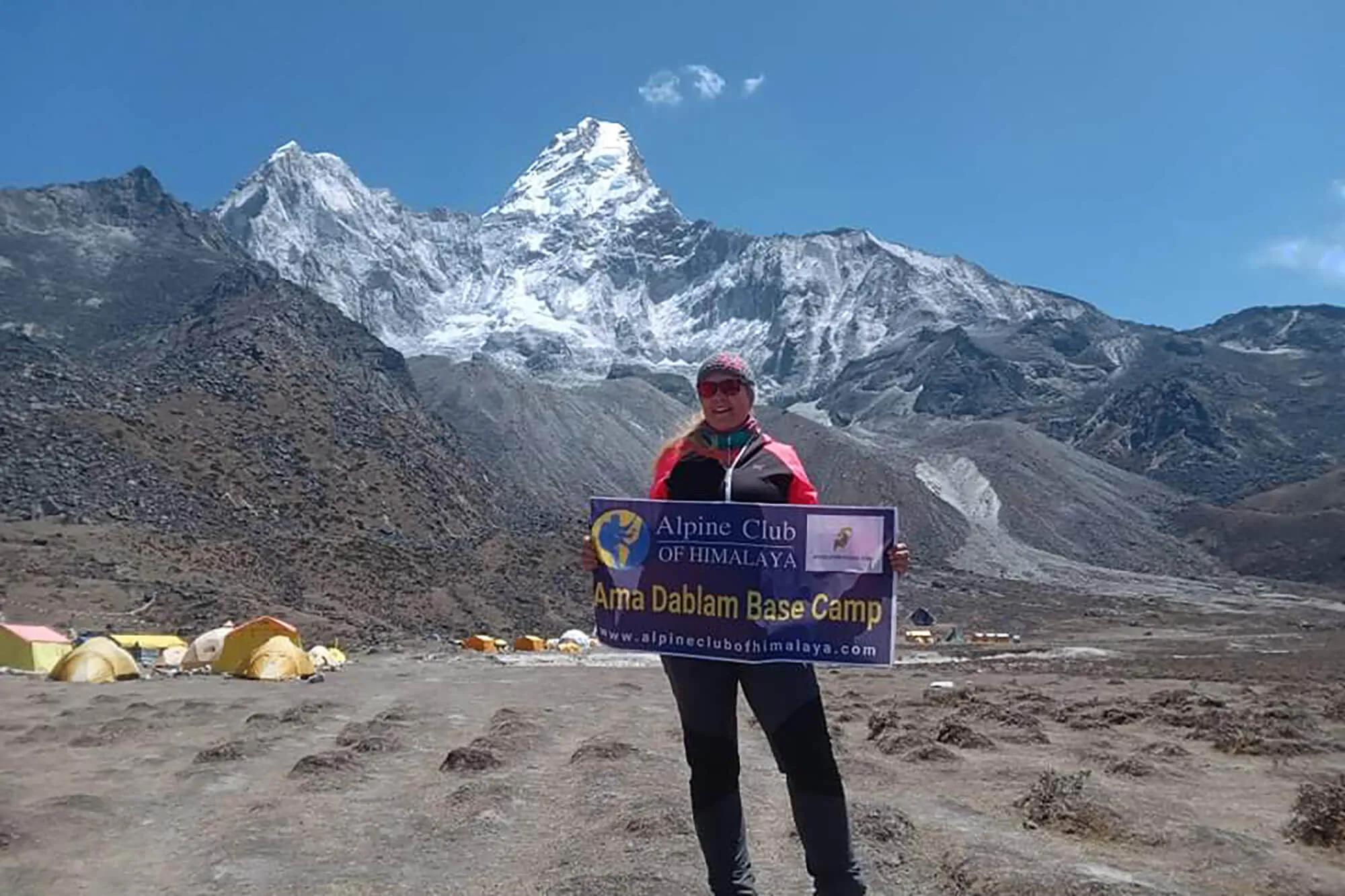
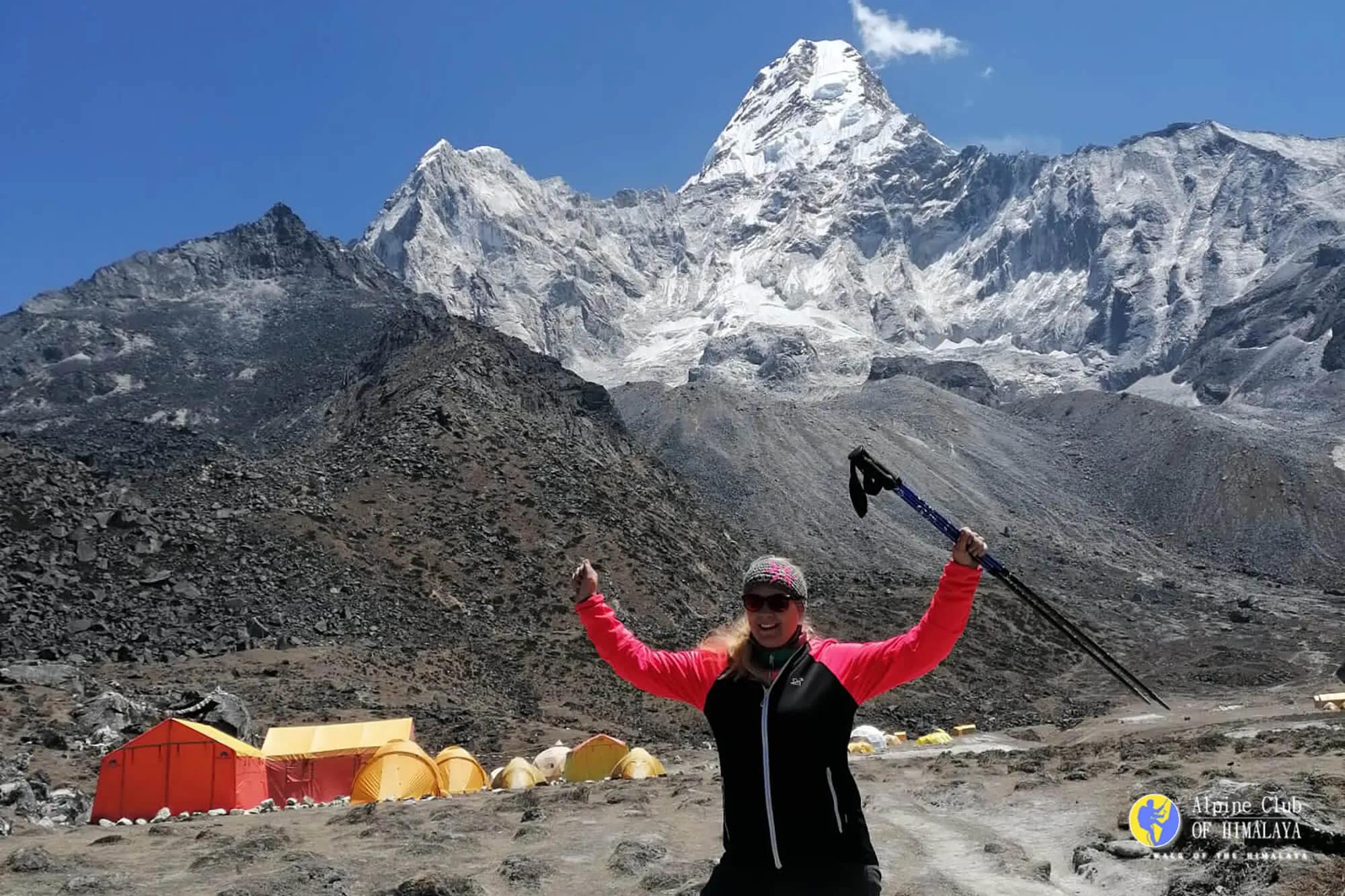
Throughout your Lobuche East Peak Climbing journey, you’ll be treated to some of the most spectacular views in the Himalayas. With panoramic vistas of Everest, Lhotse, Nuptse, and Ama Dablam, the climb offers incredible photographic opportunities and an unforgettable adventure. The striking landscapes will leave you in awe, adding to the richness of your trekking experience.
5. A Unique Adventure for Everest Base Camp Trekkers
For those already trekking to Everest Base Camp, adding Lobuche East Peak to your itinerary is the perfect way to enhance your adventure. It offers a taste of peak climbing and the thrill of reaching the summit while still being part of the legendary Everest Base Camp trek. The combination of trekking and climbing will provide a deeper connection to the majestic Himalayas.
6. Build Your Endurance for Higher Himalayan Peaks
Lobuche East Peak Climbing from Lobuche is a great way to prepare for more technical and higher peaks in the Himalayas. Not only does it help improve your physical endurance, but it also boosts your mental strength, which is essential for tackling more challenging climbs in the future.
What to Expect During the Lobuche East Peak Climb
Lobuche East Peak Climbing from Lobuche is an exciting expedition offering stunning views of the Everest region. Here’s what you can expect along the way:
- Your journey begins in Lobuche, a charming village located in the heart of the Himalayas. As you trek, you’ll pass through beautiful alpine forests, glacial rivers, and remote Sherpa settlements, all offering breathtaking views.
- Alpine Club of Himalaya will provide full logistical support for your climb, including experienced guides, necessary permits, accommodation, meals, and equipment rentals to ensure a safe and smooth experience.
- The route follows the classic Everest Base Camp trail, so you will share sections of the trail with trekkers heading to Everest Base Camp.
- While Lobuche East Peak is considered a non-technical climb compared to other peaks in the region, it still presents a challenge that requires good physical conditioning and some climbing skills.
- On the summit day, you will climb for about 8-10 hours, with daily trekking typically lasting 5-7 hours.
- Some sections of the climb require moderate technical climbing, such as traversing fixed ropes and negotiating a steep snow wall before reaching the summit ridge.
- Once you reach the summit, you’ll be rewarded with breathtaking panoramic views of Mount Everest, Lhotse, Nuptse, Ama Dablam, and Pumori, along with other stunning peaks in the region.
Is Lobuche East Peak Climbing Suitable for You?
Lobuche East Peak Climbing is a challenging journey that requires strong physical preparation and a solid mindset. Reaching an altitude of 6119 meters is no easy feat, and proper preparation is key. Here’s who should consider taking on this challenge:
- Those who are trekking to Everest Base Camp or returning from it. This is a perfect side peak adventure for EBC trekkers.
- Individuals who are new to peak climbing but looking for a manageable, lower-altitude climb to gain experience.
- Anyone training for higher-altitude climbs will find this trek beneficial for acclimatization and fitness.
- If you want to experience spectacular views of snow-covered peaks, rugged terrain, and high-altitude trails, this climb is for you.
- If you suffer from serious health conditions like heart disease, high blood pressure, or other chronic illnesses, this climb may not be suitable for you.
Preparation for Lobuche East Peak Climbing from Lobuche
To succeed in this peak climbing expedition, preparation is crucial. The trek may only last a few days, but you’ll be ascending to an altitude of over 6000 meters, which requires readiness. Here are some key preparation tips:
- Begin mountaineering training a couple of months in advance to build the necessary strength and stamina.
- Focus on low-intensity, high-volume training to improve endurance for long days of trekking and climbing.
- Research Lobuche East Peak and watch videos or read guides to familiarize yourself with the climb.
- Mental preparation is important, as you will be climbing to a significant altitude, so a strong mindset is necessary.
- Stay hydrated and keep your body warm and active throughout the journey.
- Ensure that your gear is tested and functioning properly before the trip.
- Finally, listen to your guide’s instructions at every step to ensure safety and success throughout the climb.
With the right preparation and mindset, the Lobuche East Peak Climb from Lobuche is an unforgettable and rewarding adventure in the heart of the Himalayas.
Meals During Lobuche East Peak Climbing
When embarking on Lobuche East Peak Climbing from Lobuche, you’ll enjoy a range of delicious meals that cater to both local and international tastes. In the lower regions, expect traditional Nepali food such as dal bhat (lentils and rice), momos (dumplings), and a variety of vegetable or meat curries. As you ascend higher, the variety of food may decrease, but you’ll still have access to simple meals like pasta, soup, and noodles. Most teahouses provide nutritious meals designed to keep you energized during your trek. Always choose hot, freshly cooked meals to avoid any risk of stomach problems in higher altitudes.
Drinking Water During Lobuche East Peak Climbing
Staying hydrated is essential for any high-altitude trek, and Lobuche East Peak Climbing is no exception. Drinking water is available along the route, either through boiled water provided by teahouses or bottled water. However, it’s recommended to carry a water purifier or purification tablets to ensure safe drinking water, especially at higher altitudes. This will help reduce the risk of waterborne illnesses and ensure you stay healthy throughout the climb. Always carry sufficient water to avoid dehydration, which is common in the mountains.
Accommodation
Accommodation during the Lobuche East Peak Climb is typically in local teahouses and lodges, where trekkers will enjoy simple yet comfortable rooms. As you ascend, accommodations become more basic, but they still offer warmth and a place to rest after a long day’s journey. At lower altitudes, you’ll find private rooms with cozy beds, while at higher elevations, expect shared rooms with basic facilities. The teahouses also provide a welcoming atmosphere, where you can interact with fellow trekkers, enjoy hot meals, and plan your next day’s adventure.
Difficulty Level of Lobuche East Peak Climbing
Lobuche East Peak Climbing is considered a moderate to difficult climb. While it doesn’t require advanced mountaineering skills, it does demand a good level of physical fitness and some basic climbing experience. The climb involves steep sections, scrambling over rocks, and some technical ascent on ice and snow, especially during the summit push. However, the route is generally non-technical, making it accessible for trekkers who have prior experience with high-altitude trekking or basic climbing skills. Those with limited experience can also attempt the climb with proper preparation and guidance from experienced guides.
Physical Fitness Requirement
To successfully complete Lobuche East Peak Climbing, trekkers must be in good physical condition. Cardiovascular endurance is essential due to the long, strenuous days of trekking, particularly at higher altitudes. Regular aerobic exercises like running, cycling, or swimming will help you build stamina. Strength training for your legs and core is also beneficial to manage the climb’s physical demands. Additionally, flexibility exercises will aid in minimizing muscle strain. Prior preparation and consistent physical training several months before the trek are strongly recommended to ensure a safe and enjoyable experience.
Acclimatization
Acclimatization is a crucial part of any high-altitude trek, and it plays an important role in Lobuche East Peak Climbing. As you ascend towards higher elevations, your body needs time to adjust to lower oxygen levels. To minimize the risks of altitude sickness, the climb incorporates several acclimatization days at strategic points such as Dingboche. It’s essential to follow the slow pace of the trek, hydrate adequately, and rest when necessary. This will allow your body to adapt and reduce the chances of altitude-related issues, ensuring a safer and more enjoyable climb.
Passport and Visa for Nepal
A valid passport and a visa are required for travelers wishing to trek in Nepal, including for Lobuche East Peak Climbing. Most visitors can obtain a tourist visa upon arrival at Kathmandu’s Tribhuvan International Airport or at land border entry points. You will need to provide a passport with at least six months of validity, passport-sized photos, and the visa fee. It’s advisable to apply for the visa in advance or consult with the Nepalese embassy for the latest regulations. Additionally, make sure you carry a photocopy of your passport and visa, as they may be needed during the trekking process or for permits.
Safety and Security
Safety is a top priority when climbing Lobuche East Peak, and precautions should always be taken. Hiring a professional guide or joining a reputable trekking company ensures you have expert support throughout the journey. These guides are familiar with the terrain, weather conditions, and emergency protocols, ensuring a safe experience. Proper gear, including appropriate clothing, climbing equipment, and safety devices (such as helmets and harnesses), is essential. Additionally, ensure you have travel insurance that covers high-altitude trekking and evacuation in case of emergencies. Maintaining communication with your team and following safety guidelines is crucial for a secure journey.
Weather Forecast
The weather in the Everest region can change quickly, so it’s important to stay updated on the weather forecast during your Lobuche East Peak climb. The best time for the climb is during the pre-monsoon (spring) season from late March to May and post-monsoon (autumn) season from September to November. During these periods, you can expect clear skies and moderate temperatures, with daytime temperatures ranging from 10°C to 15°C at lower altitudes, and colder conditions at higher elevations. However, be prepared for sudden weather changes, including snow, wind, and freezing temperatures, especially above 5000 meters. Always check the weather forecast regularly and adjust your plans accordingly to ensure your safety and comfort.
Comprehensive Guiding Services
When undertaking the Lobuche East Peak Climb, having comprehensive guiding services and the right equipment is crucial for ensuring a safe, enjoyable, and successful ascent. Below is a breakdown of the essential guiding services and equipment you’ll need for this adventure.
Guiding Services for Lobuche East Peak Climbing
1. Professional Guides: Hiring an experienced, certified guide is highly recommended when climbing Lobuche East Peak. A local guide brings valuable knowledge of the terrain, altitude, weather conditions, and cultural aspects of the region. They will not only assist you with navigation but also ensure your safety, monitor your acclimatization, and provide valuable tips on how to handle altitude sickness and other challenges along the way. Experienced guides are also well-versed in emergency protocols, which is crucial for mitigating risks during your climb.
2. Support Staff and Porters: Alongside the guides, porters are essential for carrying your heavy gear, allowing you to focus on the climb. Porters will carry your personal items, such as clothes, sleeping bags, and trekking equipment. This service ensures you travel more comfortably and can concentrate on the trekking and climbing itself. A professional trekking company will arrange for both guides and porters, ensuring that they are well-trained, friendly, and equipped to handle the demands of the trek.
3. Climbing Sherpas: For the climbing section of Lobuche East, a trained climbing Sherpa is invaluable. Sherpas are expert mountaineers who have experience with technical climbing, ice, and snow conditions. They will help set up ropes, guide you through tricky sections, and provide additional safety and support when tackling the steeper sections of the peak. Having a climbing Sherpa ensures that you have expert assistance on the more technical aspects of the climb, making it safer and more manageable.
4. Permits and Logistics Support: Your trekking company will handle all the necessary permits and paperwork required for Lobuche East Peak Climbing, including the Sagarmatha National Park Permit and the peak climbing permit. They will also coordinate your transport from Kathmandu to the trailhead and back, allowing you to focus solely on the climb. This logistical support is essential for a smooth journey and ensures you’re complying with Nepalese regulations.
Team Composition for Lobuche East Peak Climbing
A successful and safe Lobuche East Peak climb requires a well-coordinated team. The composition of the team plays a crucial role in ensuring that all aspects of the trek and climb are handled efficiently, safely, and with the right expertise. Below is a breakdown of the typical team structure for Lobuche East Peak Climbing.
1. Lead Guide
The Lead Guide is the primary point of contact for the trekking group. They are highly experienced and certified in high-altitude trekking and climbing. The Lead Guide will:
- Plan and manage the itinerary: Ensuring the team follows a safe acclimatization schedule and adheres to the route.
- Monitor the health and well-being: The guide will assess the physical condition of the team members and help manage any altitude sickness issues.
- Provide leadership and decision-making: They are responsible for making critical decisions in case of weather changes, medical emergencies, or any other unforeseen circumstances.
A Lead Guide for Lobuche East Peak typically has several years of experience in the Himalayas and is trained in first aid, altitude sickness management, and mountain rescue.
2. Assistant Guide(s)
Depending on the group size, there may be one or more Assistant Guides. They assist the Lead Guide in the overall management of the trek and provide support to climbers. Their responsibilities include:
- Supporting the guide on the route: Leading smaller groups, ensuring safety during tricky sections, and helping less experienced climbers.
- Offering encouragement and support: Especially for climbers struggling with altitude or the physical demands of the trek.
- Handling logistics and communication: Ensuring that the daily trek goes smoothly and that all group members are accounted for.
Assistant Guides are usually experienced climbers who can also take over in case of emergencies or when the Lead Guide is unavailable.
3. Climbing Sherpas
The Climbing Sherpas are critical to the success of any peak-climbing endeavor in Nepal, including Lobuche East. Sherpas are highly skilled and experienced mountaineers who assist with the technical aspects of the climb. Their role includes:
- Setting up climbing routes: Sherpas are responsible for fixing ropes, setting anchors, and making sure the climb is safe.
- Carrying climbing gear: Sherpas will typically carry most of the heavier climbing equipment, such as ropes, ice axes, crampons, and safety gear.
- Providing technical support: On the technical sections of the climb, they will guide and assist with the use of climbing tools and ensure that the team follows the correct safety procedures.
Sherpas are integral to the success of the climb due to their immense knowledge of the terrain and high-altitude expertise. They help climbers tackle steep and technical sections safely.
4. Porters
The Porters are responsible for carrying trekkers’ personal belongings, including sleeping bags, extra clothing, and other gear that is not required immediately during the trek. They help:
- Ease the physical burden: Trekkers can focus on the climb without the added weight, which is especially crucial on the long trek to higher altitudes.
- Maintain pace and stamina: With the help of porters, trekkers don’t need to carry heavy loads and can conserve energy for the actual climb.
Porters are typically local workers who are familiar with the trekking paths and provide an essential service to ensure a smooth journey.
5. Kitchen Staff (Optional, But Often Included)
Depending on the trekking company, there may also be a Kitchen Staff that accompanies the team on longer treks. These staff members are responsible for preparing meals for the group at each teahouse or campsite. Their tasks include:
- Preparing nutritious meals: Ensuring that the team is well-fed with meals that help maintain energy levels, especially during the more physically demanding parts of the trek.
- Handling kitchen logistics: Managing food preparation, dishwashing, and making sure all meals are hygienic and well-cooked.
In some cases, porters or assistant guides may double as part of the kitchen staff, depending on the team size and the services offered by the trekking company.
6. Support Staff (Optional)
For larger groups or more luxurious trekking packages, there may be additional support staff members, such as:
- Medical Personnel: A trained medic or nurse who can handle basic health issues or altitude sickness concerns.
- Guest Relations/Logistics Coordinator: In charge of any client-specific requests, ensuring that the trek runs smoothly, and helping with communication.
While not always included, these staff members can provide additional assistance and ensure an even higher level of comfort and safety for trekkers.
7. The Trekking Group (You!)
The final and most important part of the team is, of course, the Trekking Group—the climbers themselves. Each member of the group should:
- Be prepared and physically fit: Climbers should train before the trek to ensure they have the stamina and fitness needed for the climb.
- Follow the guidance and instructions: It’s essential to follow the advice of the guides and Sherpas regarding pace, altitude, and acclimatization to ensure safety throughout the trek.
- Maintain a positive and cooperative attitude: A successful climb depends on the collective effort of the team, and maintaining camaraderie and communication within the group is crucial for morale and safety.
A successful Lobuche East Peak Climb is a team effort, and the team composition is designed to maximize safety, efficiency, and enjoyment. With professional guides, experienced climbing Sherpas, capable porters, and support staff, trekkers are assured expert support every step of the way. Whether you’re a seasoned climber or a first-time trekker, having a well-organized and well-prepared team is key to achieving your goal of summiting Lobuche East Peak and experiencing the majestic beauty of the Himalayas.
Facilities and Camp Setup for Lobuche East Peak Climbing
When embarking on the Lobuche East Peak Climb, proper facilities and an efficient camp setup are essential to ensure safety, comfort, and a smooth experience. Since Lobuche East is a high-altitude climb, the trek involves staying in various teahouses, lodges, and camps throughout the journey, with specific considerations for the camp setups at higher elevations.
1. Teahouses and Lodging (Lower Elevations)
At the beginning of the trek, accommodation is provided in teahouses or lodges that cater to trekkers. These teahouses offer a comfortable place to rest, eat, and socialize after a day of trekking. The facilities typically include:
- Basic Rooms: At lower elevations (e.g., Lobuche, Dingboche), rooms are basic but provide a warm place to sleep. Most rooms are shared, with simple bedding (pillows and blankets). Higher-end lodges might offer private rooms with additional comfort.
- Dining Areas: Teahouses have communal dining areas where trekkers gather to enjoy hot meals and interact with fellow climbers. The dining rooms are often heated by a stove or fire, creating a cozy environment.
- Bathrooms: Most teahouses offer basic shared bathroom facilities, usually located outside the main lodge. In higher regions, some teahouses may have more basic or even non-functional bathrooms due to freezing temperatures.
- Wi-Fi and Charging Facilities: Some teahouses provide internet access (for a fee) and charging points for electronic devices, although electricity can be limited at higher altitudes.
As you ascend to higher elevations, the quality of the accommodation becomes more basic, but the teahouses are generally warm and welcoming.
2. Camp Setup (Higher Elevations and Summit Push)
At higher altitudes, where teahouses are no longer available (above 4,500 meters), the camp setup becomes a vital part of the trek. This is where the professional trekking company plays an important role in arranging comfortable and safe camps for climbers. The campsites are typically located in designated areas, providing shelter from harsh weather conditions. Key components of the camp setup at higher elevations include:
A. Base Camp (Around Lobuche East Peak)
- Tents: The team will set up spacious mountain tents to provide shelter from wind, cold, and snow. These tents are designed to withstand the extreme conditions of high-altitude environments, offering protection from the elements. Depending on the group size, climbers may share tents or have their own private tents for more comfort.
- Sleeping Gear: Climbers are provided with high-quality sleeping bags rated for extremely low temperatures (usually -20°C or lower). Insulated sleeping pads are also provided for added comfort and warmth, especially as the ground can get very cold at night.
- Dining Tent: A dining tent is set up where the group can eat and relax. These tents are usually spacious enough to accommodate the entire team and the supporting staff. They may be equipped with a stove or heating system to keep the interior warm and comfortable. This is where climbers will gather for meals and briefings before and after the summit attempt.
- Toilet Facilities: In higher camps, portable toilets may be set up due to the lack of permanent facilities. These toilets are kept clean and hygienic, with regular disposal of waste. In some cases, trekkers may need to use a “toilet bag” (a sealed waste bag) if no toilet facilities are available.
- Cooking Equipment: A kitchen tent is set up for preparing meals. A trained cook and kitchen staff will be responsible for providing nutritious meals at base camp. The kitchen is equipped with portable stoves, cooking utensils, and supplies to prepare hot meals that are essential for maintaining energy and health at high altitudes.
B. Higher Camps (Camp I and Camp II)
At higher elevations (especially during the summit push), additional camps may be set up at strategic locations, such as Camp I and Camp II, to break up the climb into manageable stages. These camps are located on the mountain and are typically more minimalist compared to the base camp, as the primary purpose is to rest and prepare for the summit attempt.
- High-Altitude Tents: At these camps, climbers are provided with high-quality four-season tents that are designed to withstand severe weather conditions, such as snow, wind, and freezing temperatures.
- Summit Gear: Essential gear for the summit push, including ice axes, crampons, ropes, and harnesses, will be prepared and stored at these camps. Climbers will be briefed on how to use this gear safely for the technical portions of the climb.
- Cooking and Water: Since water is often scarce at higher altitudes, boiled water is provided by the guides or Sherpas. Meals will be simple and high-energy, such as pasta, rice, soup, and energy snacks, which are easy to prepare at high altitudes and keep climbers nourished.
3. Safety and Communication Facilities
Safety is paramount when climbing at high altitudes, and the facilities provided reflect that:
- Satellite Phones or Radios: Communication devices like satellite phones and two-way radios are available to maintain contact with the outside world and coordinate with base camp or rescue teams in case of emergencies.
- Emergency Medical Kits: First-aid kits are available at all camps to manage minor injuries or altitude-related issues. The guides and climbing Sherpas are trained to handle medical emergencies and can provide basic treatment or evacuation if necessary.
- Oxygen Systems (if necessary): Depending on conditions and altitude, oxygen tanks and masks may be provided in higher camps to assist with breathing during the final push to the summit, especially when reaching altitudes above 6,000 meters.
4. Food and Nutrition Facilities
- High-Energy Meals: Given the strenuous nature of the climb, climbers are provided with high-energy meals at each camp. These meals are designed to help maintain stamina and prevent fatigue during the climb. Expect nutritious options such as porridge, rice, soup, pasta, and snacks like energy bars and nuts.
- Hot Drinks: Hot drinks such as tea, coffee, and soup are essential for hydration and warmth at higher elevations. These will be provided regularly to help maintain body temperature.
The facilities and camp setup during Lobuche East Peak Climbing are designed to ensure safety, comfort, and proper acclimatization in the challenging conditions of the Himalayas. From cozy teahouses at lower elevations to well-equipped base camps and higher-altitude camps, everything is organized to support climbers in their journey to the summit. With high-quality gear, expert guidance, and essential facilities, you’ll be able to focus on enjoying the adventure and achieving your goal of summiting Lobuche East Peak.
TIMS and Permits for Lobuche East Peak Climbing
When planning to climb Lobuche East Peak in Nepal, obtaining the necessary TIMS (Trekkers’ Information Management System) card and permits is an essential part of the process. These permits ensure that your trek is legally recognized and that the appropriate authorities are aware of your presence in the region, which is crucial for both safety and environmental protection. Here’s a detailed guide to the TIMS card and permits you’ll need for the Lobuche East Peak Climb.
1. TIMS Card (Trekkers’ Information Management System)
The TIMS card is required for all trekkers in Nepal, and it helps the government track the number of visitors in the trekking regions. It ensures that trekkers are registered and have access to necessary services in case of an emergency. There are two types of TIMS cards:
- Individual Trekker Card: For independent trekkers who are not part of an organized group.
- Group Trekker Card: For trekkers who are traveling as part of an organized group with a licensed guide.
The TIMS card provides crucial information about the trekker’s identity and route, which helps the authorities in case of an emergency or in tracking the location of trekkers. It’s issued by the Nepal Tourism Board (NTB) or authorized trekking agencies, and it is valid throughout the duration of the trek.
2. Sagarmatha National Park Permit
Since Lobuche East Peak is located in the Everest region, it falls under the jurisdiction of the Sagarmatha National Park (also known as the Everest National Park). Therefore, a Sagarmatha National Park Permit is mandatory for trekkers. The permit allows trekkers to access the park and explore the region surrounding Everest, including the route to Lobuche East.
This permit ensures that trekkers are contributing to the conservation of the park, which is a UNESCO World Heritage Site, by maintaining the park’s ecological balance and supporting local conservation efforts.
3. Lobuche East Peak Climbing Permit
To attempt the Lobuche East Peak climb, trekkers must obtain a special peak climbing permit issued by the Department of Tourism (DoT) in Nepal. This permit is specifically for peak climbing and is required to legally attempt Lobuche East. The permit is valid for the duration of the climb and is typically arranged through your trekking agency, which will coordinate with the necessary authorities for approval.
The peak climbing permit ensures that your climb is recognized by the government and that you have the necessary support, such as climbing guides and Sherpas, to assist with the technical aspects of the ascent. The permit is also used to regulate the number of climbers attempting peaks, helping to manage the impact on the environment and local communities.
4. Khumbu Rural Municipality Permit
For climbers heading toward Lobuche East, the Khumbu Rural Municipality Permit is also required. This permit is issued by the local government in the Khumbu region, and it is aimed at regulating tourism in this specific area. It helps to manage the local economy by ensuring that revenue generated from trekkers and climbers goes back to the local community to support infrastructure, healthcare, and education initiatives.
5. Other Permits (if applicable)
While the aforementioned permits are typically the main requirements for the Lobuche East Peak Climb, some specific routes or areas may require additional permits, depending on the trekking agency’s arrangements or recent regulatory changes. It’s important to consult with your trekking company to confirm the exact permit requirements and ensure that you have everything in place before embarking on the climb.
Permit Application Process
The process of obtaining these permits generally involves the following steps:
- Booking Through a Trekking Agency: Most trekkers arrange their permits through a licensed trekking agency. This helps streamline the application process, as the agency will handle the permit submissions and ensure all documentation is correct.
- Submitting Documentation: In addition to the necessary forms, trekkers may be required to provide a copy of their passport, photographs, and proof of travel insurance for processing the permits.
- Permit Collection: After the application is processed, the permits will either be handed over to the trekker or made available at specific locations for pickup.
It is important to note that while the TIMS card and Sagarmatha National Park permit can be arranged in Kathmandu, the Lobuche East Peak Climbing Permit must be obtained at the Department of Tourism office in Kathmandu or through your trekking agency before reaching the Everest region.