Lobuche East Peak Climbing: The Lobuche East Peak Climbing expedition is a renowned destination in the Khumbu Region of Nepal, offering a challenging yet rewarding experience in the heart of the iconic Everest area. Nestled within the greater Himalayan range and part of the Mahalangur range, this region is protected by the UNESCO World Heritage Site, Sagarmatha National Park, which is known for its rich biodiversity and ancient cultural heritage.
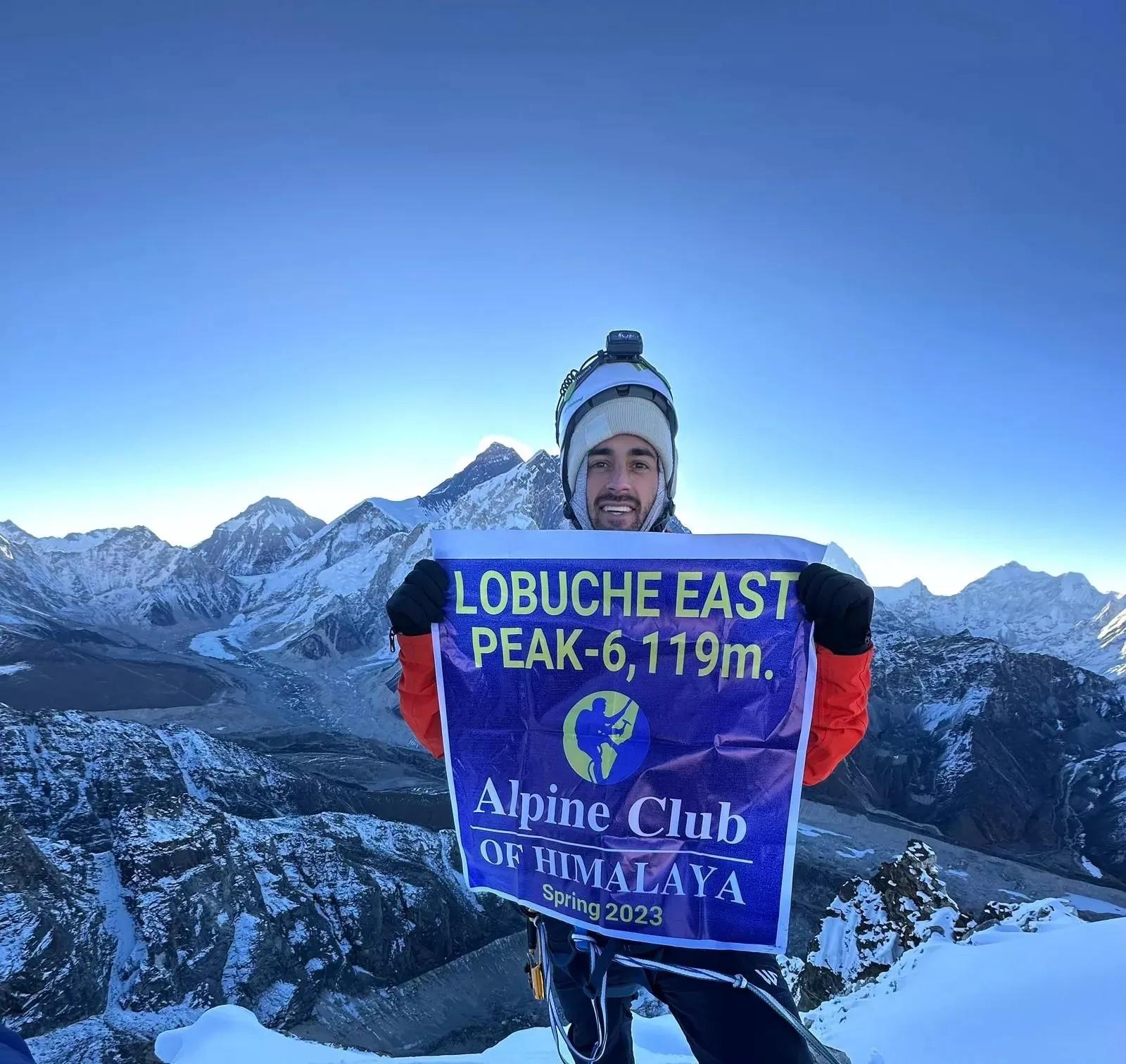
Lobuche Peak comprises two summits: Lobuche East and Lobuche West, with the latter being the more technically demanding climb. The East peak reaches an elevation of 6,119 meters (20,062 feet) and requires a high level of physical and mental fitness. The ascent involves navigating rugged terrain, glaciers, steep slopes, and crevasses, utilizing fixed ropes, ladders, and crampons.
The journey begins with a flight from Kathmandu to Lukla and continues through the scenic Dudh Koshi river valley. Key highlights along the route include the bustling Namche Bazaar and the ancient monasteries in Syangboche and Khumjung. The trail offers breathtaking views of iconic peaks such as Mount Everest, Thamserku, Khumbila, Konde Ri, and Tawache.
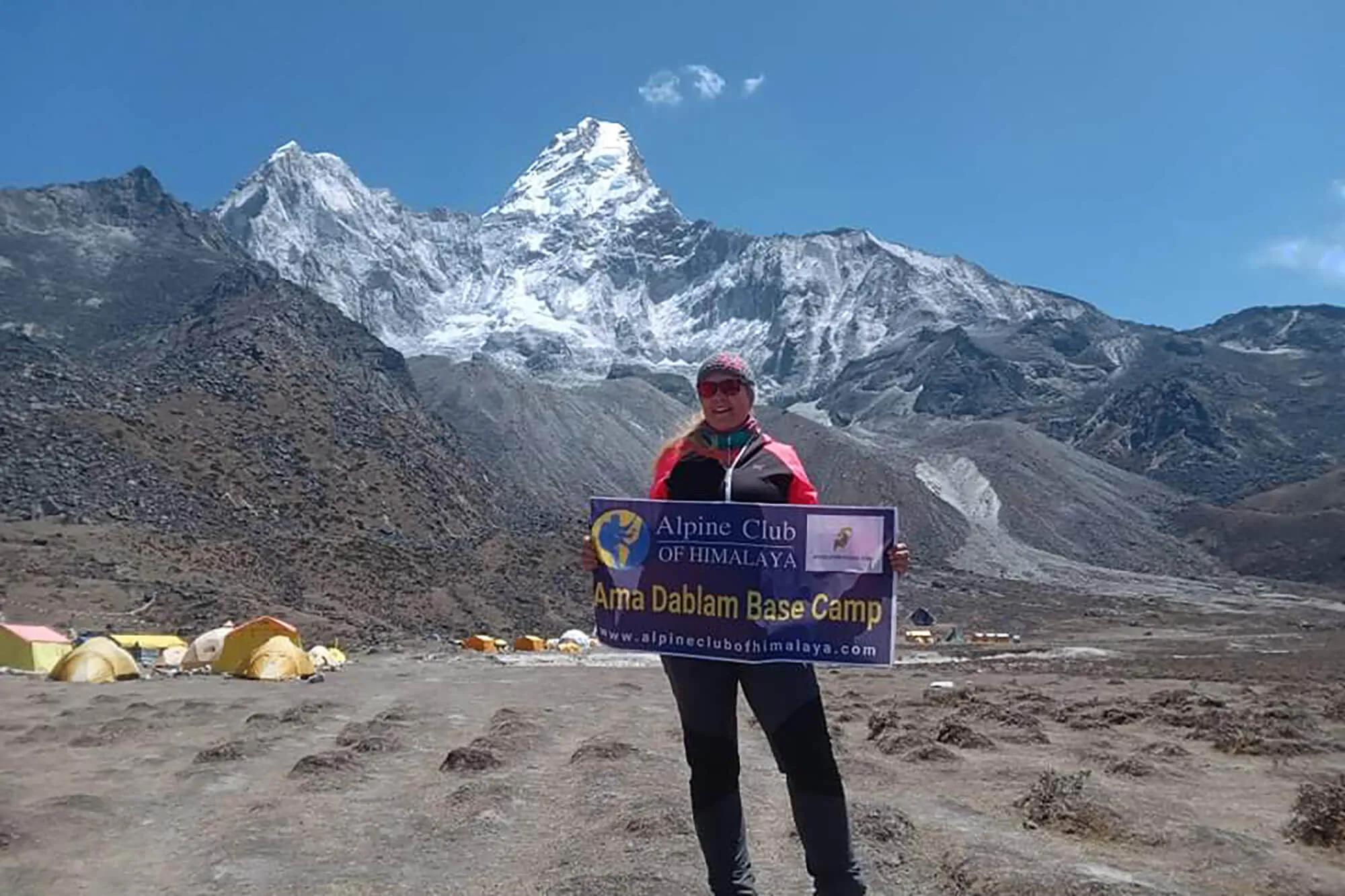
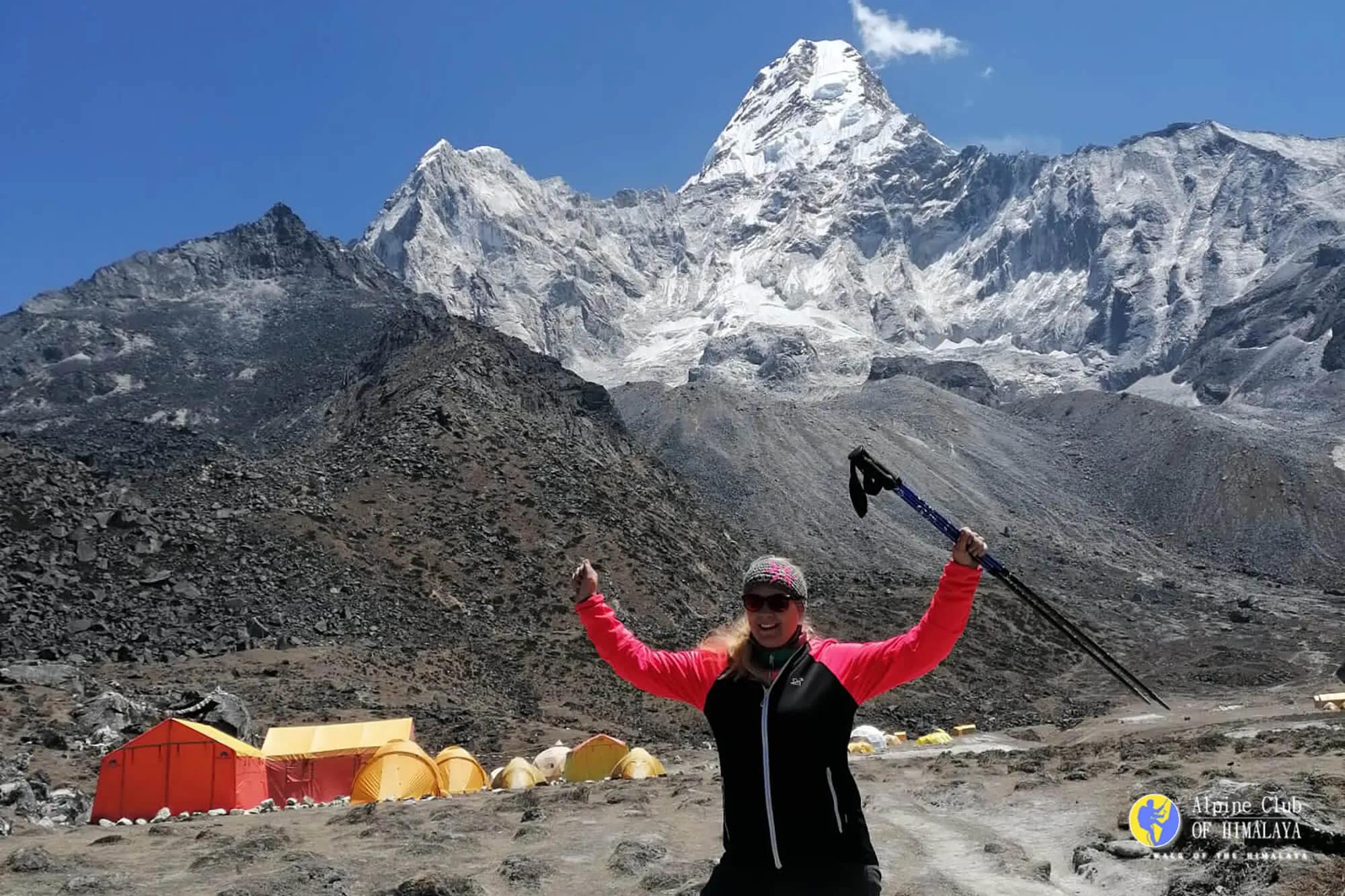
As you progress, you’ll pass through various settlements before reaching High Camp for pre-climbing training. From the summit, climbers can enjoy stunning panoramic views of the surrounding mountains, including Everest, Lhotse, Makalu, Cho Oyu, and Ama Dablam. The descent will take you back through Pheriche, Namche Bazaar, and Lukla before returning to Kathmandu.
The Lobuche East Peak Climbing expedition provides a unique opportunity to push your limits while immersing yourself in the stunning beauty and cultural richness of the Everest region. With careful planning, preparation, and expert guidance, this climb promises to be a once-in-a-lifetime adventure for both mountaineers and trekkers. Join the Alpine Club of Himalaya for this exhilarating journey!
Best Time for Lobuche East Climbing
The best times for climbing Lobuche East Peak are during the spring (March to May) and autumn (September to November). Spring offers stable weather, warmer temperatures, and vibrant landscapes filled with blooming rhododendrons, making it a popular choice among climbers. Autumn features clear skies and cooler conditions, providing excellent visibility and a more tranquil atmosphere as it tends to be less crowded. Both seasons avoid the heavy rainfall of the monsoon period (June to August), which can create challenging climbing conditions and increased risks of landslides. Overall, spring and autumn present the most favorable conditions for a successful and enjoyable Lobuche East Peak climbing experience.
Accommodation
During the Lobuche East Peak climbing expedition, accommodation typically includes a mix of teahouses and tented camps. In larger villages like Namche Bazaar, Pheriche, and Dingboche, climbers stay in teahouses that offer basic amenities such as beds, meals, and communal spaces for relaxation, allowing for a chance to experience local culture and connect with fellow trekkers. As the ascent progresses, particularly at High Camp, climbers transition to tented camps for closer access to climbing routes, with tents usually provided by the expedition team, complete with sleeping bags and mats for comfort. While teahouses generally have shared bathrooms and dining areas with hot water available for a fee, facilities at High Camp are more basic, requiring climbers to be prepared for simpler living conditions. Overall, the accommodations are designed to ensure a comfortable and safe experience amidst the breathtaking beauty of the Everest region.
Meals
During the Lobuche East Peak climbing expedition, meals are an essential part of the experience, typically consisting of a mix of local Nepali and international cuisine. In teahouses, climbers can enjoy hearty dishes such as dal bhat (lentil soup with rice), momo (dumplings), and various vegetable curries, providing the necessary energy for the demanding trek. Breakfast often includes porridge, eggs, and toast, while dinner features a range of options to cater to diverse palates. At High Camp, meals are usually prepared by the expedition team, focusing on nutritious, high-calorie options to sustain climbers during the ascent. Fresh fruits, snacks, and plenty of tea and coffee are also provided throughout the journey to keep everyone energized and hydrated. Overall, the meals are designed to support climbers physically while also offering a taste of the local culture.
Drinking Water
During the Lobuche East Peak climbing expedition, ensuring proper hydration is crucial, and climbers typically have access to safe drinking water through various methods. In teahouses, filtered or boiled water is usually available for purchase, while some trekkers opt to use water purification tablets or filters to treat natural water sources along the trail. At higher altitudes, particularly at High Camp, climbers are often advised to melt snow for drinking water, with the expedition team providing equipment for this process. It’s essential for climbers to stay hydrated, especially during strenuous activities, so they are encouraged to drink regularly throughout the day. Overall, careful attention to water management helps ensure a safe and enjoyable climbing experience while minimizing the risk of altitude sickness.
Weather Challenges During Lobuche East Peak Climbing
Climbing Lobuche East Peak presents several weather challenges that climbers must be prepared to face.
Rapid Weather Changes: The weather in the Himalayas can shift unexpectedly, with conditions changing from clear skies to storms in a matter of hours. This unpredictability can complicate climbing schedules and safety.
High Winds: At higher altitudes, strong winds can significantly lower temperatures and create dangerous wind chill factors, making it essential for climbers to have appropriate gear.
Cold Temperatures: Nights can be extremely cold, particularly at High Camp and on the summit, increasing the risk of frostbite and hypothermia if climbers are not adequately equipped.
Altitude Sickness: While not directly a weather issue, the cold and thinner air at high elevations can exacerbate symptoms of altitude sickness, making acclimatization crucial.
Precipitation: During the spring and autumn seasons, climbers may encounter snow or rain, which can lead to slippery conditions on the trails and glaciers, increasing the risk of accidents.
Reduced Visibility: Fog and cloud cover can limit visibility, making navigation challenging and potentially leading to disorientation in unfamiliar terrain.
Weather Forecast
When planning an expedition to Lobuche East Peak, it’s essential to monitor the weather forecast, as conditions can significantly impact the climbing experience. In spring (March to May), daytime temperatures range from 10°C to 15°C (50°F to 59°F) at lower altitudes, while nights can drop to -10°C (14°F) or lower at higher elevations. This season generally offers stable weather with plenty of sunny days, though occasional snow showers may occur. In autumn (September to November), temperatures are similar, with daytime highs ranging from 10°C to 15°C and cooler nights, particularly at higher altitudes. Clear skies and dry conditions are typical, especially in October, making it a prime time for climbing, though temperatures drop more sharply by late November. Conversely, the monsoon season (June to August) brings warm daytime temperatures but also heavy rainfall, especially in lower regions, leading to muddy trails and potential landslides, making it an undesirable time for climbing. Always check local weather forecasts as your departure date approaches for the most accurate information, and be prepared for variable conditions by packing appropriate gear, including cold weather clothing and rain protection.
General Tips for Tracking Weather
- Local Weather Services: Use reliable local weather services or apps to get accurate and up-to-date forecasts for the Churen Himal region.
- Satellite Imagery: Check satellite images for real-time weather patterns that can affect visibility and conditions in the mountains.
- Consult Guides: Rely on your expedition guides for insights and updates on weather conditions, as they often have the latest information on the ground.
Environment
The environment surrounding Lobuche East Peak is characterized by its stunning natural beauty and rich biodiversity, nestled within the Sagarmatha National Park, a UNESCO World Heritage Site. This region features dramatic landscapes, including towering peaks, deep valleys, and glacial formations. The trail to Lobuche East passes through lush forests of rhododendron and pine at lower altitudes, transitioning to rocky terrain and high-altitude alpine meadows as climbers ascend.
The area is home to diverse wildlife, including species such as the snow leopard, Himalayan tahr, and various birds like the pheasant and lammergeier. The ecosystem is fragile, with unique flora and fauna adapted to harsh mountain conditions. Climbers may also encounter traditional Sherpa culture, with small villages offering a glimpse into the rich heritage and customs of the local people.
As climbers navigate the rugged terrain, they face the challenges posed by altitude, cold temperatures, and the need for sustainable practices to protect this pristine environment. Maintaining a low impact on the ecosystem is crucial, ensuring that the beauty and biodiversity of the region are preserved for future generations. Overall, the environment of Lobuche East Peak provides not only a breathtaking backdrop for the climbing adventure but also a vital ecosystem that deserves respect and care.
Difficulty Level
The difficulty level of climbing Lobuche East Peak is considered moderate to challenging, making it suitable for trekkers with a solid fitness level and some prior mountaineering experience. Climbers face the challenges of high altitude at 6,119 meters (20,062 feet), which increases the risk of altitude sickness, making proper acclimatization crucial. The ascent involves navigating rugged terrain, glaciers, and steep slopes, requiring proficiency in using technical equipment such as crampons, harnesses, and fixed ropes. Additionally, climbers must be prepared for rapidly changing weather conditions, including snow and wind, which can complicate the climb. A good level of physical fitness is essential, as the journey demands endurance and stamina, necessitating preparation through cardio and strength training. Finally, effective navigation skills are vital, particularly in adverse weather where visibility may be compromised. Overall, while accessible to determined trekkers, Lobuche East Peak requires respect for the mountain environment and thorough preparation, with expert guidance enhancing safety throughout the expedition.
Safety and Security
Safety and security are paramount during the Lobuche East Peak climbing expedition, and several measures are crucial for ensuring a safe experience. First and foremost, proper acclimatization is essential to prevent altitude sickness, which can be life-threatening; climbers should ascend gradually and recognize the symptoms. It’s important to maintain communication with experienced guides who are trained in mountain safety and first aid.
Climbers should also be equipped with high-quality gear, including appropriate clothing for extreme weather conditions, technical equipment like crampons and harnesses, and a first aid kit. Regular checks of weather conditions help climbers anticipate changes that could affect the ascent.
Additionally, it’s vital to stay hydrated and well-nourished to maintain physical strength and mental alertness. Group cohesion and teamwork can enhance safety; climbers should look out for one another and adhere to the planned itinerary.
Emergency evacuation plans should be established before the expedition, ensuring that all team members are aware of procedures in case of an emergency. Overall, a focus on preparation, awareness, and communication can significantly enhance safety and security during the challenging climb to Lobuche East Peak.
Travel Insurance
Travel insurance is an essential consideration for anyone planning to climb Lobuche East Peak, as it provides vital coverage for potential risks associated with high-altitude trekking and climbing. When selecting a policy, it’s crucial to ensure it includes coverage for medical emergencies, trip cancellations, and evacuation expenses, particularly because high-altitude rescue can be costly and challenging.
Look for insurance that specifically covers mountaineering or trekking above a certain altitude, as not all standard travel insurance policies provide this coverage. It’s also advisable to include coverage for personal belongings, trip interruptions, and any adventure activities planned during the expedition.
Before purchasing a policy, read the terms carefully to understand the exclusions and limitations. Some policies may require a medical examination or certification to cover high-risk activities. Additionally, keeping a copy of the insurance policy, emergency contact numbers, and any relevant medical information handy during the climb is a good practice.
Passport and Visa
When planning a climbing expedition to Lobuche East Peak, having the appropriate passport and visa is essential. Travelers must ensure that their passport is valid for at least six months beyond their intended date of departure from Nepal, with at least one blank page for visa stamps.
For entry into Nepal, most travelers require a tourist visa, which can be obtained upon arrival at Tribhuvan International Airport in Kathmandu or through a Nepali embassy or consulate prior to travel. The tourist visa is typically issued for 15, 30, or 90 days, and it’s important to choose the duration that aligns with your trekking schedule.
Additionally, a trekking permit is required to enter Sagarmatha National Park, where Lobuche East Peak is located. This permit can usually be obtained through a registered trekking agency or directly at the park entrance, often in conjunction with your climbing package.
To ensure a smooth journey, it’s advisable to check the latest visa regulations and requirements before travel, as they can change. Having all necessary documentation in order will help prevent any delays or complications during your expedition.
Physical Fitness and Requirements
Climbing Lobuche East Peak demands a good level of physical fitness and preparation to handle the challenges of high-altitude trekking and mountaineering. Prospective climbers should engage in a training regimen that includes cardiovascular exercises, such as running, cycling, and hiking, to build endurance. Strength training, particularly for the legs, core, and upper body, is also crucial for navigating rugged terrain and carrying a backpack.
Prior to the expedition, climbers should aim to complete several multi-day treks at high altitudes to acclimatize and gain experience with altitude-related challenges. This helps in understanding how your body responds to thinner air and prepares you for the demands of climbing.
Flexibility and balance exercises, such as yoga or stretching routines, can improve overall agility and reduce the risk of injury. Additionally, practicing with technical gear like crampons and harnesses before the climb is beneficial for building confidence and familiarity.
Ultimately, a combination of endurance training, strength conditioning, and practical experience at altitude will significantly enhance your ability to tackle the ascent of Lobuche East Peak successfully and safely. Being well-prepared physically not only improves your performance but also contributes to a safer and more enjoyable climbing experience.
Preparations and Training
Successful climbing of Lobuche East Peak requires thorough preparations and dedicated training to ensure climbers are physically fit and mentally ready for the challenges ahead.
- Physical Training: Start a training regimen at least 3 to 6 months before the expedition. Focus on cardiovascular exercises such as running, cycling, or swimming to build endurance. Incorporate strength training, particularly for your legs, core, and upper body, to enhance your ability to navigate rough terrain and carry a heavy pack.
- Altitude Acclimatization: Prior to the climb, undertake several multi-day treks at high altitudes to help your body acclimatize. This will prepare you for the reduced oxygen levels you’ll encounter while climbing Lobuche East Peak. Aim for treks in the Himalayas or similar high-altitude environments.
- Technical Skills: Familiarize yourself with the use of climbing equipment such as crampons, harnesses, and ice axes. Consider taking a mountaineering course to learn essential skills like rope handling, belaying, and navigating crevasses.
- Mental Preparation: Mental toughness is just as important as physical fitness. Practice visualization techniques, set realistic goals, and develop strategies for coping with discomfort and fatigue during the climb.
- Gear and Equipment: Invest in high-quality gear suitable for extreme weather conditions, including a sturdy climbing harness, crampons, sleeping bag, and layered clothing. Ensure all equipment is properly fitted and tested before the climb.
- Planning and Logistics: Arrange all necessary permits, travel insurance, and logistics well in advance. Research the climbing route, weather patterns, and potential challenges to better prepare yourself.
Altitude Sickness
Altitude sickness, or acute mountain sickness (AMS), is a significant concern for climbers on Lobuche East Peak due to the elevation of 6,119 meters (20,062 feet). As climbers ascend, the reduced oxygen levels can lead to various symptoms, making acclimatization essential for safety and success.
- Symptoms: Common signs of altitude sickness include headaches, dizziness, nausea, fatigue, and difficulty sleeping. In more severe cases, symptoms may progress to high-altitude pulmonary edema (HAPE) or high-altitude cerebral edema (HACE), which can be life-threatening and require immediate descent.
- Prevention: To mitigate the risk of altitude sickness, climbers should adhere to a gradual ascent, allowing the body time to acclimatize. It’s recommended to ascend no more than 300 to 500 meters (1,000 to 1,600 feet) per day above 3,000 meters (9,800 feet) and to include rest days during the trek. Staying well-hydrated, consuming a high-carbohydrate diet, and avoiding alcohol and smoking can also help reduce risks.
- Response: If symptoms of altitude sickness arise, it’s crucial to communicate with your guide and take them seriously. The best treatment is to descend to a lower altitude until symptoms improve. In cases of severe AMS, HAPE, or HACE, immediate evacuation may be necessary.
Role of the Alpine Club of Himalaya
The Alpine Club of Himalaya plays a pivotal role in promoting safe trekking practices and climbing expeditions in the Himalayan region. Established to support mountaineers and trekkers, the club provides essential resources, including safety guidelines, training programs, and access to experienced guides. They advocate for responsible trekking and environmental conservation while fostering a sense of community among outdoor enthusiasts. The club also conducts workshops on altitude sickness prevention and management, ensuring that trekkers are well-equipped to handle the challenges of high-altitude environments. By engaging with the Alpine Club of Himalaya, trekkers can enhance their knowledge, safety, and overall experience in the breathtaking Himalayas.
Acclimatization
Acclimatization is crucial for climbers tackling Lobuche East Peak, as it helps the body adjust to the reduced oxygen levels at high altitudes, minimizing the risk of altitude sickness. To acclimatize effectively, climbers should ascend gradually, ideally increasing their altitude by no more than 300 to 500 meters (1,000 to 1,600 feet) per day once above 3,000 meters (9,800 feet). Incorporating rest days into the itinerary is vital; after reaching higher camps, spending an extra day at that elevation allows the body to adapt before moving higher. Staying well-hydrated is essential, as dehydration can worsen altitude sickness symptoms, and a diet rich in carbohydrates can provide necessary energy. Additionally, climbers should be vigilant in monitoring for symptoms like headaches, nausea, and fatigue, taking immediate action by descending if any signs of altitude sickness arise. By following these acclimatization practices, climbers can enhance their chances of successfully summiting Lobuche East Peak while prioritizing their safety during the expedition.
Facilities and Camp Setup
During the Lobuche East Peak climbing expedition, the facilities and camp setup play a crucial role in ensuring climbers’ comfort and safety. The journey typically involves a combination of teahouse stays and tented camps, each offering different amenities.
- Teahouse Accommodation: In lower-altitude villages such as Namche Bazaar and Pheriche, climbers often stay in teahouses, which provide basic amenities, including comfortable beds, meals, and communal areas for relaxation and socializing. These teahouses usually have shared bathrooms and may offer hot showers for an additional fee.
- Tented Camps: As climbers ascend and reach higher altitudes, particularly at High Camp, the accommodation shifts to tented setups. Climbers typically stay in two-person tents, provided by the expedition team, equipped with sleeping bags and mats to ensure warmth and comfort. Tented camps are essential for allowing climbers to be closer to the climbing routes.
- Camp Facilities: At the camps, a cooking team prepares nutritious meals to sustain climbers, and dining tents are often set up for communal dining. Basic toilet facilities are established, usually involving portable options to minimize environmental impact.
- Safety and Gear Storage: The camp setup includes designated areas for storing climbing gear and personal belongings securely. Guides and support staff help maintain organization and safety within the camps.
Overall, the facilities and camp setup during the Lobuche East Peak expedition are designed to provide climbers with the necessary comforts and support while fostering a sense of community and shared experience amidst the stunning backdrop of the Himalayas.
Entry Permits and Requirements
Climbing Lobuche East Peak requires obtaining the following permits:
Sagarmatha National Park Entry Permit: This permit can be obtained at the Nepal Tourism Board’s office in Kathmandu or at the park’s entrance gate in Monjo. The cost is NRS 3,000, while citizens of SAARC nations pay NRS 1,500. To apply, you need to fill out a form and present your passport or a copy of it.
Khumbu Pasang Lhamu Rural Municipality Entrance Permit: This permit must be obtained in Lukla. The fee is NRS 2,000, and it can be acquired at the rural municipality counter on the outskirts of the settlement.
Lobuche East Peak Climbing Fee:
- From June to August: $70 per person
- From September to November: $125 per person
- From December to February: $125 per person
Note: You won’t have to worry about waiting for permits, as the Alpine Club of Himalaya and our guides will handle all the arrangements for you.
Lukla Flight and Weather Conditions and Alternatives
Lukla serves as the primary gateway to the Everest region, accessible mainly through short flights from Kathmandu to Tenzing-Hillary Airport. This airport is famous for its challenging conditions, perched at 2,846 meters (9,335 feet) and surrounded by steep mountains. Flights to Lukla are typically scheduled in the early morning when weather conditions are usually more stable. However, due to its high-altitude location, flights can be frequently delayed or canceled due to poor visibility, strong winds, or rain, particularly during the monsoon season (June to August).
Given these unpredictable weather patterns, it’s wise for travelers to build flexibility into their itineraries. Many trekking agencies recommend allowing an extra day or two in Kathmandu to accommodate potential flight delays. Additionally, keeping an eye on weather forecasts before your trip can help you make informed decisions about travel plans.
If flights to Lukla are canceled, there are several alternative options for reaching the Everest region. One option is to take a scenic overland journey from Kathmandu to Ramechhap, where you can catch a flight to Lukla. This route can sometimes offer more reliable flight conditions.
Alternatives to Flying
If weather conditions prevent a flight to Lukla, there are alternative options:
- Trekking from Jiri: Trekkers can opt to start their journey from Jiri, which is accessible by road from Kathmandu. This adds several days to the trek but allows climbers to acclimatize gradually while enjoying the beautiful landscapes of the lower Khumbu region.
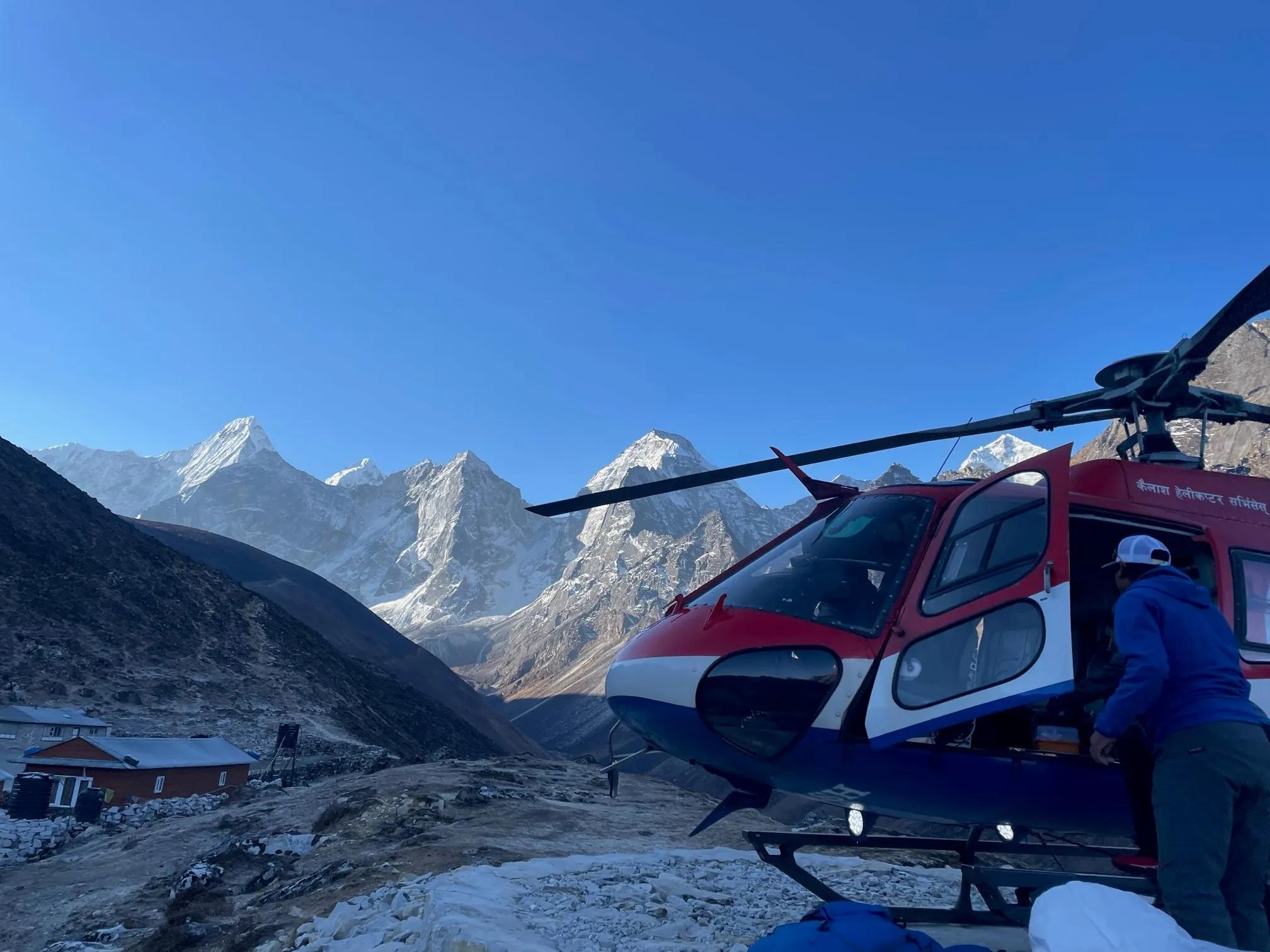
- Helicopter Services: In some cases, private helicopter services may be available for transport to Lukla, especially in emergencies or when flights are canceled. This can be a more expensive option but provides a quick and reliable alternative.
- Road Access to Phaplu: Another option is to take a vehicle to Phaplu, which is further south than Lukla. From there, trekkers can start their journey to Lukla on foot, although this also extends the trek duration.
- Wait for Weather Improvement: Sometimes, it may be best to wait in Kathmandu for the weather to improve. This can provide an opportunity to explore the city or rest before the trek.
Cancellations Policy
In the event of cancellations, the following policies will apply:
Cancellation by the Participant:
- If a participant decides to cancel their trip, they must notify the Alpine Club of Himalaya as soon as possible.
- Cancellations made 60 days or more before the trip will incur a fee of 20% of the total cost.
- Cancellations made between 30 to 59 days before the trip will incur a fee of 50% of the total cost.
- Cancellations made less than 30 days prior to departure will result in a forfeiture of the entire payment.
Cancellation by the Organizer
If the Alpine Club of Himalaya cancels the expedition due to unforeseen circumstances, such as extreme weather conditions, natural disasters, or safety concerns, participants will receive a full refund or the option to reschedule for a later date.
Force Majeure:
The Alpine Club of Himalaya is not liable for any additional costs incurred due to cancellations resulting from force majeure events (e.g., natural disasters, political unrest, or health emergencies).