E
Ethan Miller
Boston, USA
Apr 15, 2025

Loved how this trek combined the quiet beauty of Gokyo with the excitement of EBC. The aerial views on the return flight were breathtaking.
Destination
Nepal
Duration
16 Days
Best Weather
March, April, may, September, October & November
Max Altitude
5483 (Gokyo Ri)
Accommodation
Hotel and Guesthouse
Meals
Full Board
Transportation
Private vehicle / Flights
Group
Min 1 pax
Difficulty
Easy
Activities
Trekking, Helicopter Tour
The Gokyo Valley, Everest Base Camp and Helicopter Return to Lukla is one of the best Everest trekking packages, combining the stunning Gokyo Lakes, the legendary Everest Base Camp, and a scenic helicopter return. This adventure is ideal for trekkers seeking breathtaking Himalayan landscapes, authentic Sherpa culture, and a comfortable return from the mountains.
The journey begins with a scenic flight to Lukla and follows the classic Everest trail through Namche Bazaar, Tengboche, Dingboche, Gokyo Valley, and Everest Base Camp. Along the way, you'll explore Sagarmatha National Park, a UNESCO World Heritage Site, while enjoying spectacular views of Mount Everest, Lhotse, Ama Dablam, Cho Oyu, and other iconic Himalayan peaks.
Highlights include hiking to Gokyo Ri (5,357 m) for panoramic mountain views, reaching Everest Base Camp (5,364 m), and witnessing an unforgettable sunrise from Kala Patthar (5,545 m). The adventure concludes with a breathtaking helicopter flight from Gorakshep to Lukla, offering incredible aerial views of glaciers, valleys, and the world's highest mountains.
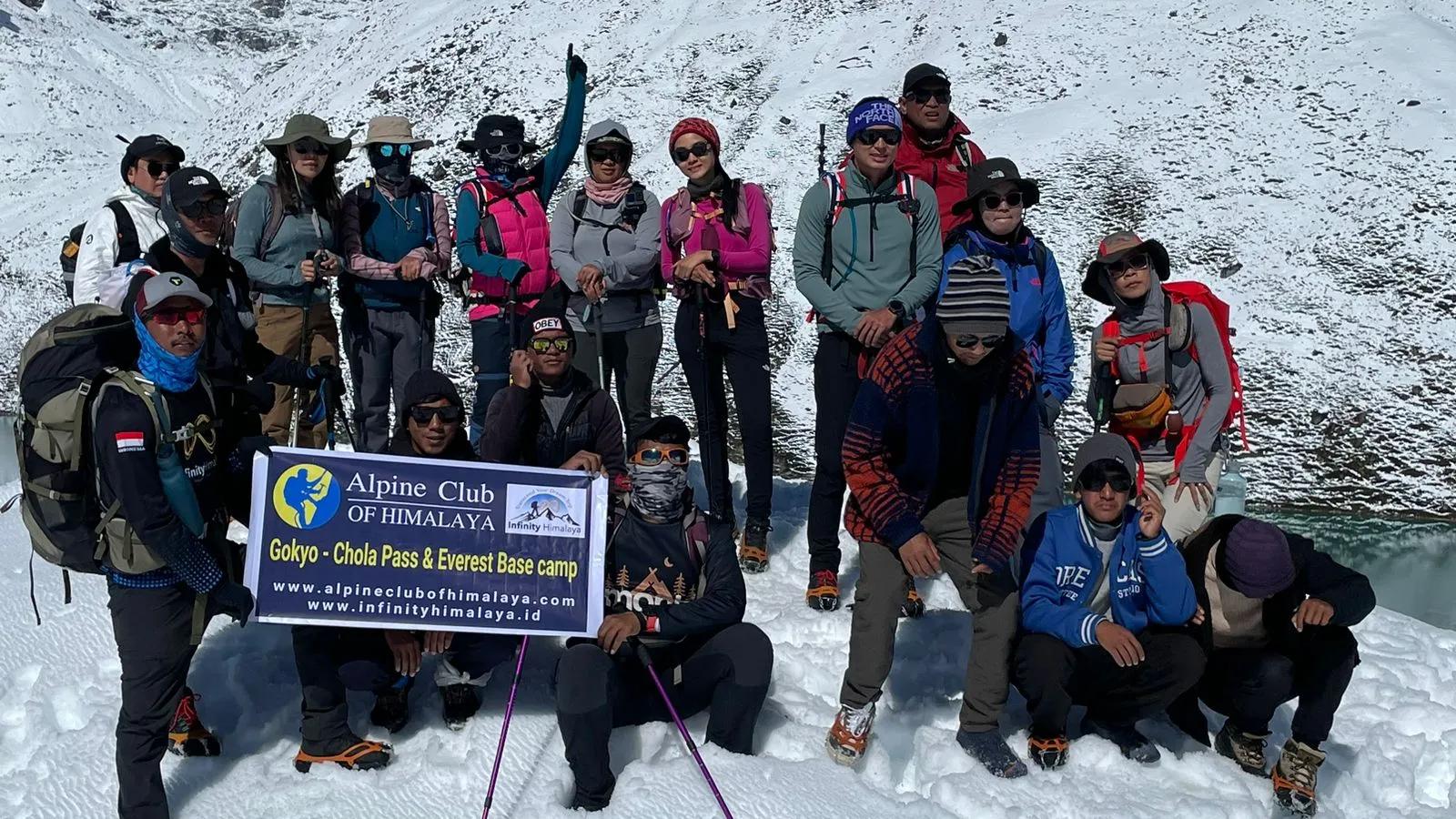
Organized by Alpine Club of Himalaya, this Everest trek features experienced guides, well-planned acclimatization, reliable logistics, and professional support, making it one of the finest ways to experience the Everest region in Nepal.
Flights to Lukla are weather dependent, especially during the busy trekking seasons. To provide greater flexibility, several alternative travel options are available.
A helicopter flight is the fastest and most reliable alternative when regular Lukla flights are delayed or canceled. It offers spectacular aerial views of the Everest region and is an excellent option for travelers with limited time.
For trekkers who prefer to avoid flying, the classic routes from Jiri or Salleri provide a gradual approach to the Everest region. These scenic trails pass through traditional villages, forests, and terraced hills while offering excellent acclimatization before reaching Lukla.
Another popular alternative is driving from Kathmandu to Phaplu, followed by a 3–4 day trek to Lukla. This option combines an overland journey with a quieter trekking route through the beautiful Solu-Khumbu region.
Whether you travel by flight, helicopter, or overland, Alpine Club of Himalaya will arrange the most suitable option to ensure a safe, comfortable, and memorable start to your Everest adventure.
The best time for the Gokyo Valley, Everest Base Camp and Helicopter Return to Lukla Trek is during spring (March to May) and autumn (September to November). These seasons offer stable weather, crystal-clear mountain views, and ideal trekking conditions, making them the most popular times to explore the Everest region.
Spring is one of the finest seasons for trekking to Gokyo Valley and Everest Base Camp. Blooming rhododendron forests, mild temperatures, and clear skies create perfect conditions for trekking. This is also the Everest climbing season, allowing trekkers to witness expedition activity at Everest Base Camp while enjoying spectacular views of Mount Everest, Ama Dablam, Lhotse, and Cho Oyu.
Autumn is another excellent time for the Everest Base Camp and Gokyo Lake Trek. Following the monsoon, the skies are exceptionally clear, temperatures are comfortable, and the mountain scenery is at its best. Dry trails and stable weather make this the preferred season for photographers and adventure enthusiasts.
Winter offers peaceful trails, fewer trekkers, and breathtaking snow covered landscapes. Although temperatures are much colder at higher elevations and occasional snowfall may affect Cho La Pass, experienced trekkers are rewarded with outstanding mountain views and a quieter trekking experience.
The monsoon season is less suitable for this trek due to frequent rainfall, slippery trails, cloudy skies, and possible flight delays to Lukla. However, experienced trekkers seeking fewer crowds and lush mountain scenery can still complete the trek with proper preparation and flexible travel plans.
For the best overall experience, Alpine Club of Himalaya recommends trekking during spring or autumn, when weather conditions are most favorable for crossing Cho La Pass, visiting Gokyo Lakes, reaching Everest Base Camp, and enjoying a scenic helicopter return to Lukla.
The Gokyo Valley, Everest Base Camp and Helicopter Return to Lukla is considered a moderate to challenging trek. The route includes high-altitude trekking, steep ascents and descents, and the demanding crossing of Cho La Pass (5,420 m), one of the highest trekking passes in the Everest region. Trekkers also reach Everest Base Camp (5,364 m), Kala Patthar (5,545 m), and Gokyo Ri (5,357 m), where thinner air makes trekking more challenging.
Although no technical climbing experience is required, this trek is best suited for trekkers with good physical fitness and a positive mindset. With proper acclimatization, professional guidance, and a steady pace, most healthy and well-prepared trekkers can successfully complete this unforgettable Himalayan adventure.
A good level of physical fitness is recommended for the Gokyo Valley and Everest Base Camp Trek. You should be comfortable walking 5–7 hours daily on mountain trails while carrying a light daypack. Regular training, such as hiking, jogging, cycling, stair climbing, or strength exercises, for several weeks before your trek will help improve endurance and overall performance. Previous trekking experience is helpful but not essential. Our experienced guides maintain a comfortable pace, allowing sufficient time for acclimatization and ensuring a safe and enjoyable trekking experience.
As this trek reaches elevations above 5,500 meters, altitude sickness is a potential risk. Common symptoms include headache, dizziness, nausea, fatigue, and loss of appetite. The itinerary is carefully designed with acclimatization days in Namche Bazaar and Dingboche to help your body adjust naturally to higher elevations. To minimize the risk of altitude sickness, drink plenty of water, walk at a steady pace, eat nutritious meals, avoid alcohol and smoking, and get adequate rest. Our licensed trekking guides monitor your health daily and are trained to respond quickly if altitude-related symptoms occur, ensuring your safety throughout the journey.
The Gokyo Valley and Everest Base Camp Trek follows one of Nepal's most established trekking routes through the Everest region. Alpine Club of Himalaya provides experienced, government-licensed trekking guides who monitor your health, manage the trekking pace, and ensure safe navigation throughout the journey. Regular safety briefings, proper acclimatization, and professional support help make your Himalayan adventure safe, comfortable, and enjoyable.
The Everest region experiences changing weather depending on the season and altitude. Spring and autumn offer the best trekking conditions with clear skies, stable weather, and spectacular mountain views. Higher elevations around Cho La Pass, Gokyo, Lobuche, Gorakshep, and Kala Patthar can experience freezing temperatures, strong winds, and occasional snowfall throughout the year. The trek passes through Sagarmatha National Park, a UNESCO World Heritage Site renowned for its glaciers, alpine forests, turquoise lakes, rugged mountain landscapes, and unique Himalayan wildlife. We encourage all trekkers to follow responsible trekking practices by respecting local culture, protecting the fragile environment, and minimizing plastic waste.
The Gokyo Valley, Everest Base Camp and Helicopter Return to Lukla Trek offers some of the most spectacular mountain scenery in the Himalayas. Throughout the journey, you'll enjoy breathtaking views of Mount Everest (8,848.86 m), Lhotse (8,516 m), Makalu (8,485 m), Cho Oyu (8,188 m), Nuptse (7,861 m), Ama Dablam (6,812 m), Pumori (7,161 m), Thamserku (6,623 m), and Kangtega (6,782 m). The trek also features the stunning Gokyo Lakes, the Khumbu Glacier, Ngozumpa Glacier, and unforgettable sunrise panoramas from Gokyo Ri and Kala Patthar.
The best seasons for the Gokyo Valley and Everest Base Camp Trek are spring (March–May) and autumn (September–November), when the weather is stable, skies are clear, and mountain views are at their finest. Winter (December–February) offers peaceful trails and snow-covered landscapes, while the monsoon season (June–August) brings heavy rainfall, slippery trails, and limited visibility. Layered clothing is recommended throughout the year due to changing mountain weather.
Fresh and nutritious meals are served daily at local teahouses along the trekking route. Popular dishes include dal bhat, noodles, pasta, soups, rice, potatoes, eggs, bread, pancakes, and seasonal vegetables. These meals provide the energy needed for high-altitude trekking, with menu options becoming more limited at higher elevations.
Safe drinking water is available throughout the Everest region. Trekkers can purchase boiled or filtered water at teahouses or refill reusable bottles at designated stations. We recommend using water purification tablets or a filtration bottle and drinking 3–4 liters of water daily to stay hydrated and reduce the risk of altitude sickness.
Accommodation is provided in comfortable local teahouses with twin-sharing rooms. Facilities are simple but clean, offering beds, blankets, and warm hospitality. Shared bathrooms and hot showers are available in most villages for an additional charge. As you gain altitude, facilities become more basic, providing an authentic Himalayan trekking experience.
Wi-Fi and electricity are available in most teahouses along the Everest trail, although services become less reliable at higher elevations. Charging electronic devices usually requires a small fee, so carrying a power bank is highly recommended, especially when crossing Cho La Pass and staying in Gokyo or Gorakshep.
Your trek is supported by experienced, government licensed trekking guides and reliable porters to ensure a safe, comfortable, and enjoyable adventure.
Our guides provide route navigation, altitude monitoring, safety briefings, and local cultural insights, while porters carry your main luggage, allowing you to enjoy the trek with a light daypack.
The Gokyo Valley, Everest Base Camp and Helicopter Return to Lukla Trek requires the following permits:
Alpine Club of Himalaya arranges all required trekking permits before your departure, ensuring a smooth, hassle-free, and fully authorized trekking experience in the Everest region.
All travelers must carry a valid passport with at least six months of validity from the date of entry into Nepal. Most foreign nationals require a tourist visa, which can be obtained either in advance from a Nepalese Embassy or Consulate or upon arrival at Tribhuvan International Airport (TIA) in Kathmandu.
For the most up-to-date visa information, eligibility, visa fees, and online application details, please visit the official website of the Department of Immigration, Nepal:https://www.immigration.gov.np/visa-information
Before starting the Gokyo Valley, Everest Base Camp and Helicopter Return to Lukla, ensure that all your trekking gear is well-tested, properly fitted, and suitable for high-altitude conditions. Comfortable trekking boots, warm layered clothing, and a well-packed duffel bag are essential for a safe and enjoyable journey, especially when crossing Cho La Pass and trekking above 5,000 meters.
Good physical preparation, responsible acclimatization, and comprehensive travel insurance are key to a successful Everest trekking experience. We recommend arriving with a positive mindset, staying well hydrated, and following your guide's advice throughout the trek.
At Alpine Club of Himalaya, your safety, comfort, and satisfaction are our highest priorities. Our experienced, government-licensed guides and dedicated support team will assist you from your arrival in Nepal until the successful completion of your adventure. If you have any questions or special requests before your trip, we are always happy to help make your Himalayan journey smooth, safe, and truly unforgettable.
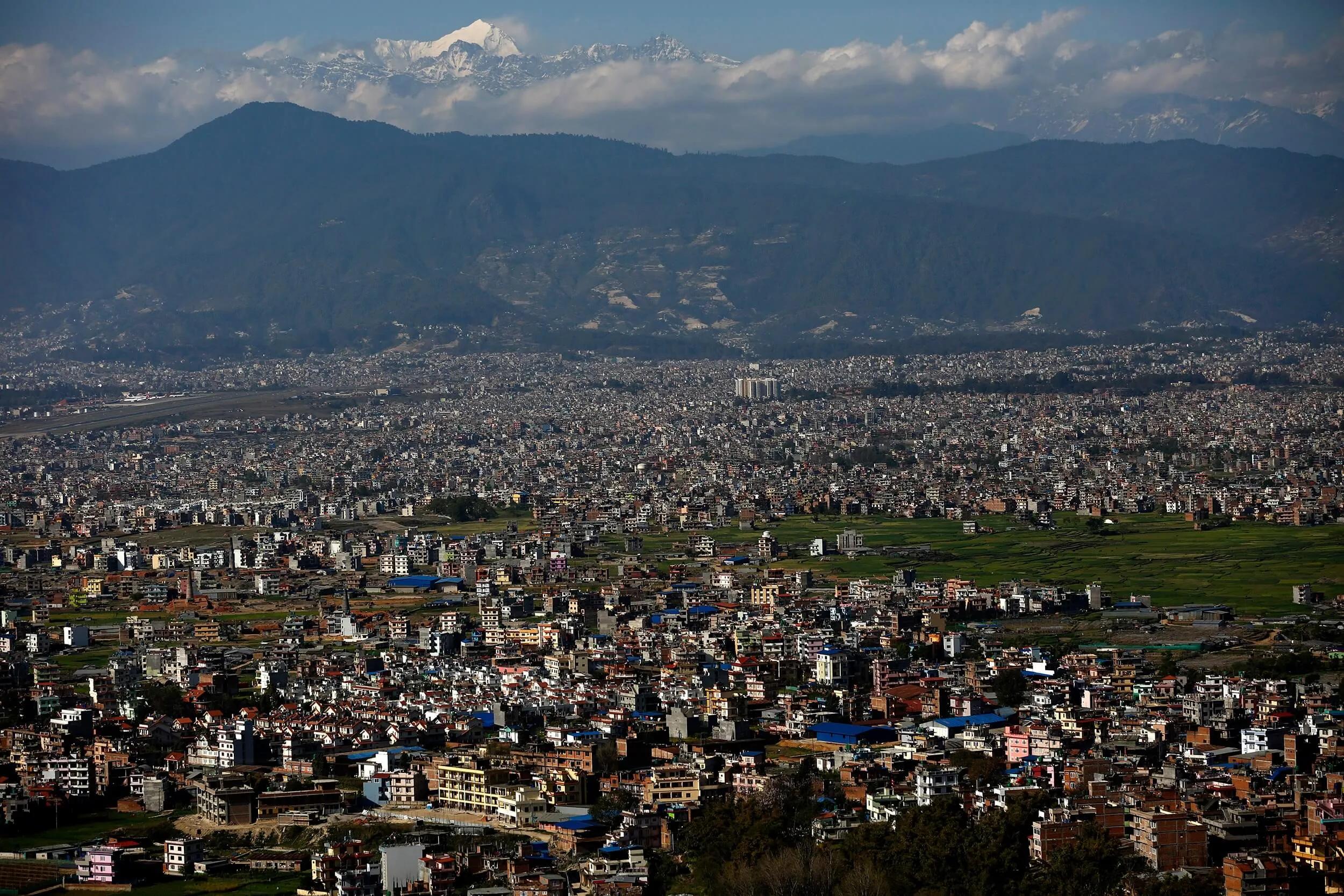
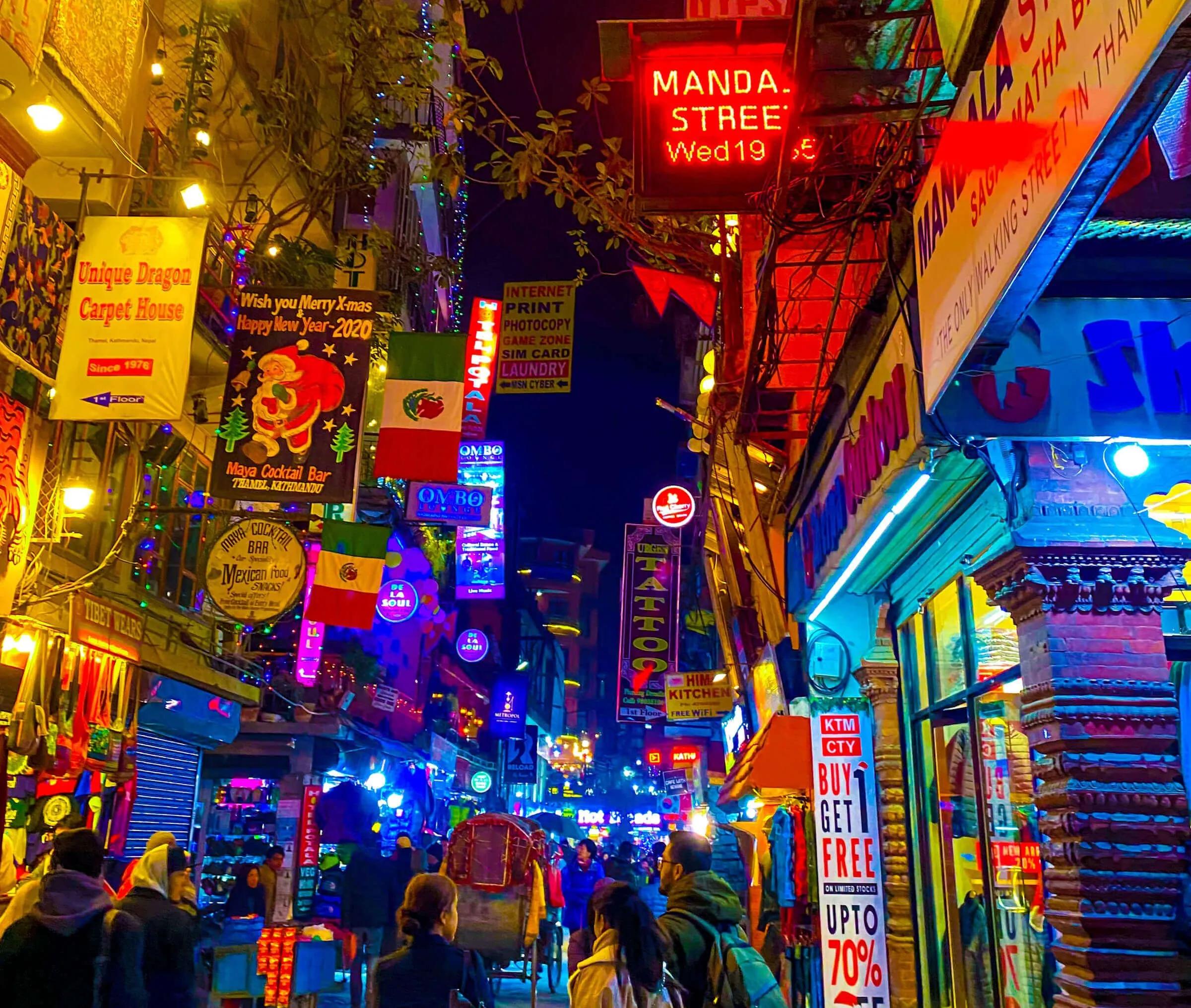
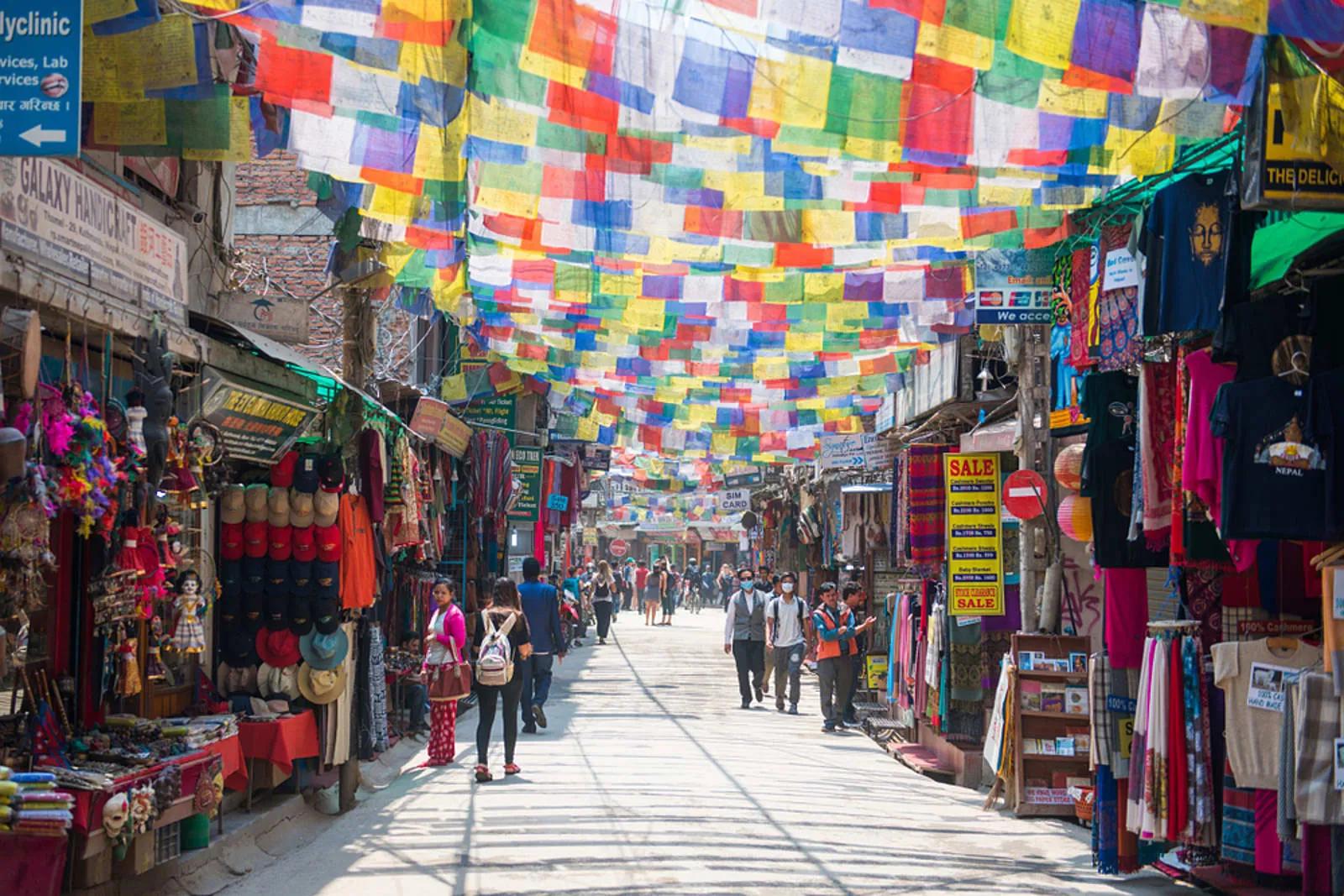
Upon your arrival in Nepal, get ready for an exciting journey through one of the most spectacular landscapes in the world. Your flight to Nepal provides breathtaking views of lush green hills and towering snow-capped peaks. After landing at Tribhuvan International Airport, a representative from Alpine Club of Himalaya will greet you and transfer you to your accommodation in Kathmandu. Once you’ve settled in, take a leisurely stroll through Kathmandu, soaking in the vibrant atmosphere and exploring the city's diverse temples and stupas, which showcase the unique spiritual culture of the region.
Later in the afternoon, join your guide and trekking team for a detailed briefing about the trek ahead. Your guide will provide you with valuable information on the trek's itinerary, altitude precautions, and tips for making the most of your adventure. To mark the beginning of your journey, enjoy a welcome dinner with your team, allowing you to bond and share excitement for the days ahead.
Max. Elevation
1400m
Accommodation
Hotel
Meals
Welcome Dinner
All airport and hotel transfers are included, with private car or van transport provided for your convenience.
Stay in a 3-star hotel in Kathmandu for 3 nights on a twin-sharing room, with breakfast provided each morning.
Round-trip helicopter airfare from Kathmandu to Lukla and from Gorakshep to Kathmandu, along with flight departure taxes
Helicopter flight from Gorakshep to Lukla on sharing basis
National Park Permit and TIMS for Everest region
Enjoy 13 nights in a tea houses and lodges with sharing bathrooms.
All meals are included while trekking. Breakfast, lunch, dinner, and tea/coffee will be provided each day, offering a variety of local and international dishes.
An experienced, English-speaking trekking guide will accompany you throughout the trek. If requested, guides who speak other languages can be arranged.
A porter will accompany you to carry your gear, with a porter shared between two trekkers for efficiency and convenience.
The cost of the guide and porter’s salary, food, insurance, and lodging is fully covered.
The necessary national park permit and TIMS card for the Everest region
A high-quality down jacket and sleeping bag will be provided for the duration of your trek. These need to be returned to the office after your trek.
A kitbag and a T-shirt from ACH (Fantastic Himalayan Guides) to use during your trek.
After completing your trek, enjoy a traditional farewell dinner in a cultural restaurant to celebrate the adventure.
A 1-hour comprehensive full-body massage in Kathmandu to relax and recover after the challenging trek.
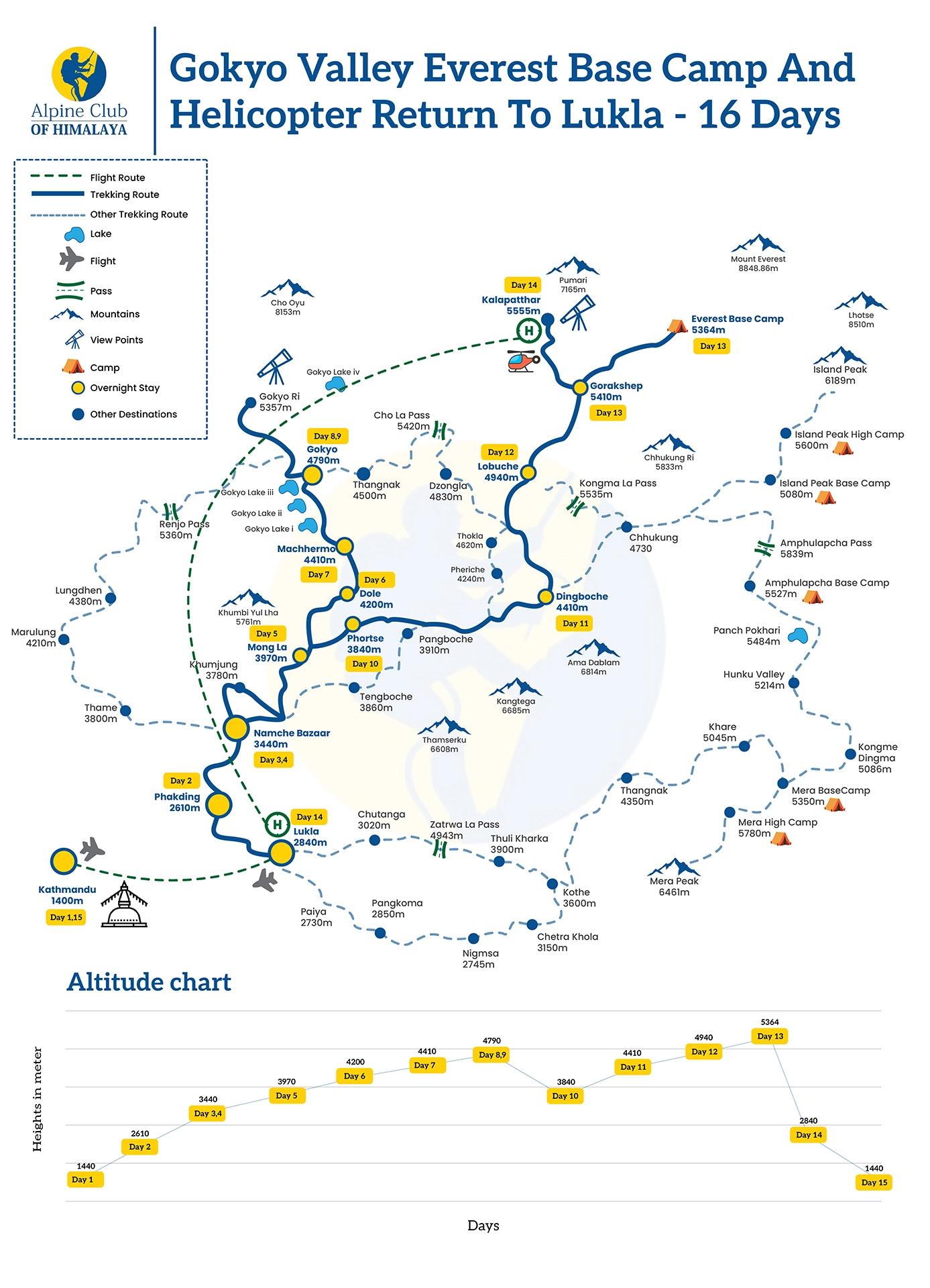
Click on map to view in fullscreen
Packing List and Trekking Gear
When preparing for the Luxury Everest Base Camp Trek, it’s important to pack wisely to ensure comfort and safety while also keeping your gear lightweight. Here’s a comprehensive packing list tailored for this luxury trek:
Essential Documents and Items:
Clothing:
Trekking Footwear:
Trekking Gear:
Hydration and Food:
Health and Personal Care:
Tech and Extras:
Optional Gear:
Alpine Club of Himalaya recommends carefully considering your packing needs, especially with luxury accommodation available along the trek. Keep your load light, as porters will carry the heavier gear, and focus on essentials that will enhance your trekking experience, including gear that ensures warmth, comfort, and safety during your trek.
E
Ethan Miller
Boston, USA
Apr 15, 2025
A
Amelia Thompson
Auckland, New Zealand
Feb 15, 2025

D
Daniel Hughes
Manchester, UK
Jan 15, 2025

J
Jessica Carter
Sydney, Australia
Jan 10, 2025

24/7 Support
Need help? we're at your service
Associated With


We Accept Cards

Office of the company registrar License: 66813/066/067 || Tourism Industry Division License:1142
All content and photography within our website is copyright & may not be reproduced without our permission.
Develop By: IT Sansaar