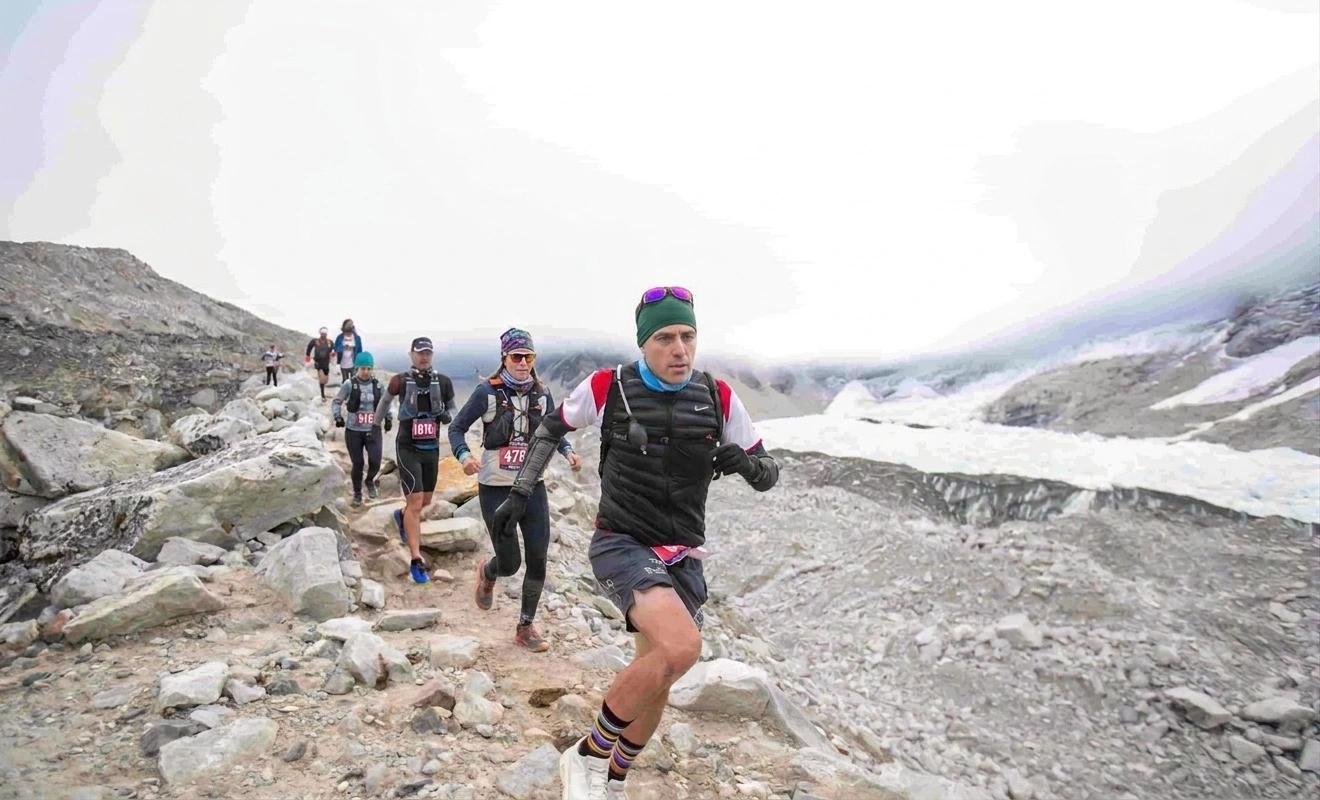
The Everest Marathon is more than a race it is a unique high-altitude adventure in the heart of the Himalayas. Held annually on May 29, the event commemorates the historic 1953 ascent of Mount Everest by Tenzing Norgay Sherpa and Sir Edmund Hillary. The event commemorates this legendary achievement and gives runners the opportunity to compete surrounded by some of the world’s most spectacular Himalayan scenery. Starting in the Everest region, the route combines challenging high-altitude trails with breathtaking views of the Himalayas, making it an unforgettable experience for both experienced athletes and adventure seekers. The event also forms part of a journey through the iconic Everest region, making it a truly memorable Himalayan running experience.
The Legacy Behind Nepal’s Highest Marathon
The Everest Marathon was first officially organized in 1985 by Tony Hunt and has since grown from a biannual adventure into an annual event on Nepal’s international tourism calendar. Recognized by the Nepal Government, the Tenzing Hillary Everest Marathon celebrates the pioneering spirit of Tenzing Norgay Sherpa and Sir Edmund Hillary while showcasing the unique landscapes and culture of the Khumbu region. Over the years, the event has continued to evolve beyond a traditional marathon. It now includes an Extreme Ultra Marathon covering 70 km, created to commemorate the 70th anniversary of the first successful ascent of Mount Everest. Today, the race offers runners and adventure seekers a challenging experience at high altitude while honoring one of the most important moments in Himalayan history.
How hard is the Everest Marathon?
The Everest Marathon is an extremely demanding high-altitude race, with the full marathon starting at Everest Base Camp (5,364 m). Running at this elevation is very different from running at sea level because the thinner air means less oxygen is available, making even experienced runners slow their pace and manage their energy carefully. The challenge comes from more than the distance. Runners must deal with high altitude, steep and uneven trekking trails, cold temperatures, and changing mountain conditions. Strong physical fitness, endurance, trail-running experience, and proper acclimatization are essential for completing the race safely. Participants should also have comprehensive travel insurance that covers high-altitude activities and emergency helicopter evacuation, as conditions in the Everest region can be unpredictable.
Accommodation
Participants will stay in shared tented accommodation at Everest Base Camp before the race. After completing the marathon and reaching Namche Bazaar, accommodation will be arranged at the designated event lodge, Namche Hotel. The setup is designed to provide basic comfort and a convenient place to rest before and after the race.
Climate in May
May is one of the best times for trekking and running in the Everest region. The weather is generally mild, dry, and sunny, with the main monsoon rains still to come. Days are usually bright with clear mountain views, although conditions at high altitude can change quickly. This favorable weather is also one reason why many Everest expeditions take place during this period.
Medical Support
Medical support is available throughout the Everest Marathon. The marathon leader and medical team carry essential medical equipment, while doctors are stationed at Everest Base Camp to assist runners in case of altitude-related or other emergencies. Participants should bring any personal medication prescribed by their doctor. It is also advisable to carry basic first-aid and commonly used medicines, such as pain relievers, anti-diarrheal medication, antacids, antiseptic cream, bandages, and an elastic bandage. Runners should always consult their doctor before taking any medication, particularly at high altitude.
Food and Nutrition
High-quality food and proper nutrition are a top priority during the Everest Marathon. Since runners are competing at extreme altitude, meals are planned to provide the energy, carbohydrates, protein, and hydration needed for endurance and recovery. During the race, food and refreshments are available at designated checkpoints. Runners can expect options such as breakfast at Everest Base Camp, noodle soup or porridge at Dingboche, and fruits at Pangboche. Staying well hydrated and maintaining energy levels throughout the race is essential for performing safely in the challenging Himalayan environment.
Required Documents
Participants are required to submit the following documents and complete all necessary forms before joining the marathon:
- Entry Form – Completed and signed by the participant.
- KYC Form – Required for participant verification.
- Medical Form – Completed with the required health and medical information.
- Passport Copy – A clear copy of your valid passport.
- Travel Insurance – Insurance must cover trip delays, interruptions, medical emergencies, and high-altitude evacuation, including helicopter evacuation where applicable.
Payment Requirement: An initial advance payment of USD 500 is required at the time of booking. The remaining USD 499 must be paid by the end of April 2027.
The Half Marathon – 21 km
-
Start Time: 8:00 AM
-
Starting Point: Dingboche (4,410 m)
-
Finish Line: Namche Bazaar (3,440 m)
-
Cut-Off Time: 4:00 PM at Tengboche
The Half Marathon is the shortest race category of the Everest Marathon, covering 21 km from Dingboche to Namche Bazaar. The distance also carries special spiritual significance, reflecting Buddhist traditions associated with the life of Lord Buddha. The race follows a symbolic 7 + 7 + 7 km concept, with an additional 7 meters added to connect the run with Buddhist philosophy and spirituality. According to Buddhist tradition, several important events in Buddha’s life are associated with the number seven, including the seven steps he took after birth and significant periods of his spiritual journey. This gives the race a deeper cultural and spiritual meaning beyond the physical challenge. The route from Dingboche to Namche Bazaar is mostly downhill and follows rugged trekking trails through the Everest region. Runners should therefore use good trail-running shoes and be prepared for uneven terrain. The race offers an exciting combination of adventure, mountain scenery, and cultural experience.
Qualification Criteria
Cut-Off Time
Participants must reach Tengboche by 4:00 PM. Runners who fail to reach the checkpoint within the cut-off time will be disqualified.
The Full Marathon – 42.195 km
-
Start Time: 7:00 AM
-
Starting Point: Everest Base Camp (5,364 m)
-
Finish Line: Namche Bazaar (3,440 m)
The Everest Marathon Full Marathon is a challenging 42.195 km high-altitude race that begins at Everest Base Camp and finishes in Namche Bazaar. Participants stay at Everest Base Camp before race day and begin the event with the spectacular Himalayan landscape surrounding them. Before the race, runners also have the opportunity to climb Kala Patthar (5,545 m), one of the best viewpoints for panoramic views of Mount Everest, Lhotse, Nuptse, and other Himalayan peaks. The route is mostly downhill but follows rugged and uneven trekking trails, requiring careful footing and good endurance. From Everest Base Camp, the course descends through Gorak Shep and Dingboche, with a loop at Bibre, before continuing toward Namche Bazaar via Kyanjuma.
Qualification Criteria
-
Good physical fitness and endurance
-
Previous running experience is preferable
-
Ability to handle high-altitude and rugged mountain trails
-
Proper preparation for a demanding 42.195 km race
The Ultra Marathon – 70 km
-
Start Time: 5:00 AM
-
Starting Point: Everest Base Camp (5,364 m)
-
Finish Line: Namche Bazaar (3,440 m)
The 70 km Ultra Marathon, also known as the Ultra Trail Mount Everest (UTME), is the most demanding category of the event and is designed for experienced trail runners seeking an extreme Himalayan adventure. The route begins at Everest Base Camp and finishes in Namche Bazaar, following a challenging and scenic trail through the Everest region. After starting from Everest Base Camp, the route descends toward Dingboche before heading through Bibre and Chhukung. From there, runners continue toward Phortse and Nha-La, followed by a descent through Mongla before reaching Namche Bazaar. The varied terrain, high altitude, steep sections, and long distance make this an extremely challenging trail run.
Qualification Criteria
-
Minimum experience of completing one 100 km marathon
-
High-altitude running experience is highly preferable
-
Participants must submit their running history and online race results for qualification
Cut-Off Times
-
First Cut-Off: Pangboche at 11:30 AM. Runners failing to reach this point on time will be marked DNF.
-
Second Cut-Off: Machhermo at 5:00 PM. Runners who fail to reach this checkpoint will be marked DNF.
-
Runners who pass Machhermo before the cut-off must reach the finish line before 11:59 PM on May 29 to qualify as official finishers.