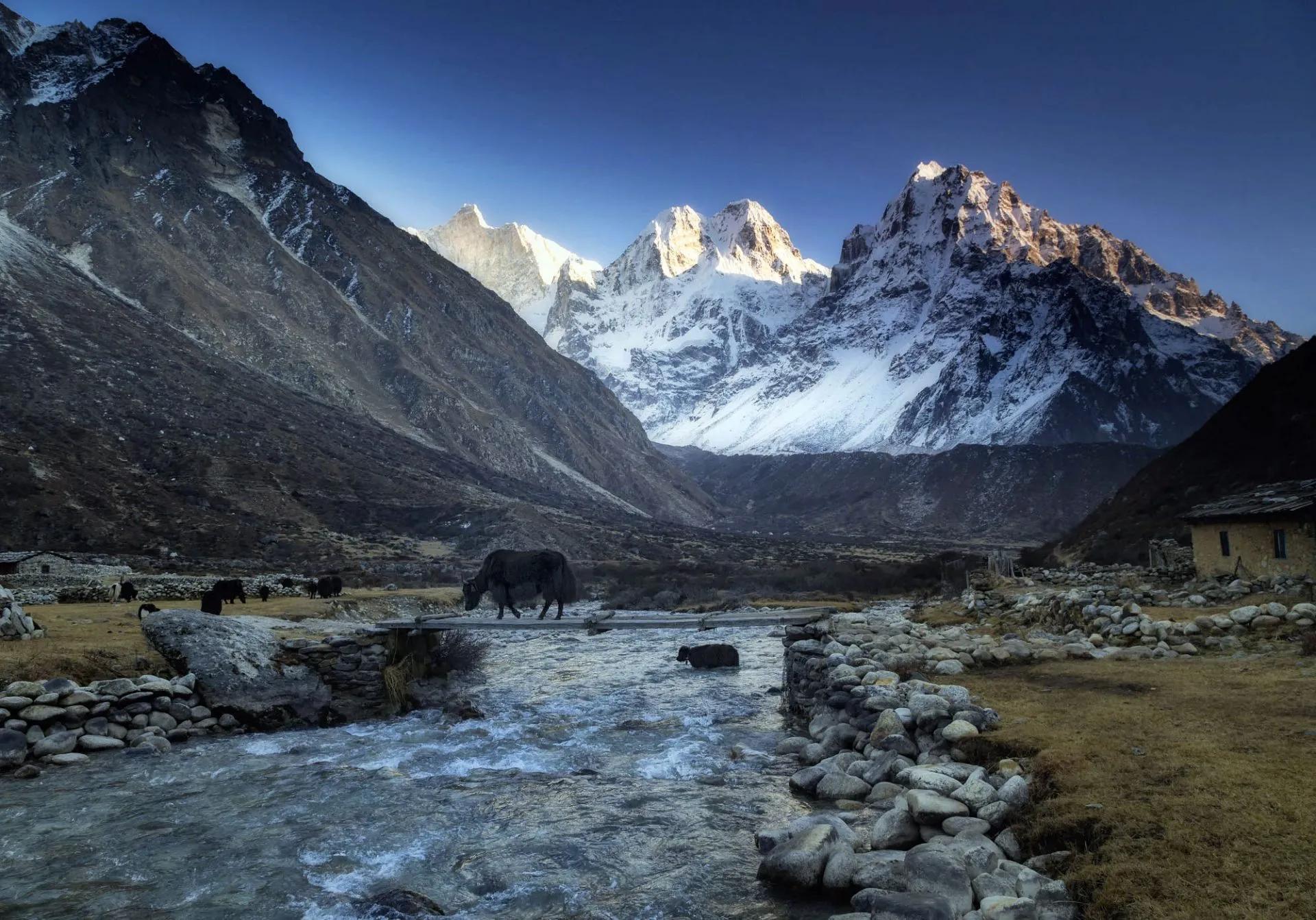
Kanchenjunga Trek is surely a strenuous but best-designed route for adventure seekers having basic mountaineering skills, to give the best views of both the north and south face of Kanchenjunga (8586m/28171ft), the third tallest peak after Mt. Everest and K2 that lies in the borderline between Nepal and Sikkim in India. Kanchenjunga lies on the eastern border of Nepal providing a great chance to experience remoteness, spectacular mountain scenery, diverse flora and fauna, and rich local culture, quite different from those found further west.
As Kanchenjunga forms the border between two countries we cannot complete a circuit around the mountain, but this route takes us to the foothills of Kanchenjunga both the north and south base camps on the Nepali side on a long and arduous four-week trek that crosses either one of the passes, 4663m Mirgin La or the 5160m Lapsang La depending on the weather condition. It was open to trekkers since 1988 and is possible to walk here as part of an organized camping trek arranged through an agency. Kanchenjunga area is the homeland of the ethnic group of Limbu people who speak a language related to Tibetan and follow a mixture of Buddhist, Hindu, and animist beliefs. Even though the views above Ghunsa are breathtaking on this trek, the facilities for trekkers are limited and the upper stages of the trek pass through a desolate valley, scourged by icy mountain winds. As the Kanchenjunga Trek route takes us to a maximum elevation of (5140m/16864ft), we must be alert for the symptoms of AMS.
Best Season for the Kanchenjunga Circuit Trek
The best seasons for the Kanchenjunga Circuit Trek are spring (March to May) and autumn (September to November). During these months, weather conditions are generally stable, skies remain clear, and mountain views are at their best.
Spring is particularly attractive because the forests along Milke Danda and lower Kanchenjunga bloom with colorful rhododendrons, magnolias, and wildflowers. Temperatures are moderate, making trekking comfortable at both lower and higher elevations. Wildlife sightings are also more common during spring as animals become active after winter.
Autumn is considered the most popular season for trekking in Nepal. Following the monsoon rains, the atmosphere becomes exceptionally clear, offering breathtaking views of Kanchenjunga, Jannu, Kabru, and other Himalayan giants. Daytime temperatures are pleasant, and the trails remain dry and safe.
Winter trekking from December to February is possible for experienced trekkers, but heavy snowfall can block high passes and make conditions extremely cold. The monsoon season from June to August is generally not recommended due to heavy rainfall, slippery trails, landslides, leeches, and reduced visibility.
Accommodation During the Trek
We will be staying at 3* hotel in Kathmandu, Mount Kailash Resort in Pokhara, and teahouses during the trek. All accommodations are on a twin-shared basis. A single supplement will be served on request and will cost an additional USD350. Alpine Club of Himalaya will arrange rooms with attached washrooms. However, teahouses in some places only have shared washing and toilet facilities. Also, note that single rooms are readily available in Kathmandu and the trekking regions at lower elevation but it might be difficult to find them at higher elevations.
The Kanchenjunga Circuit Trek is one of Nepal's most remote, challenging, and rewarding trekking adventures. Located in the far eastern Himalayas, this spectacular journey explores the pristine wilderness surrounding Mount Kanchenjunga (8,586m), the third-highest mountain in the world. Unlike the heavily trafficked Everest and Annapurna regions, Kanchenjunga remains largely untouched, offering trekkers an authentic Himalayan experience through isolated villages, dense rhododendron forests, alpine meadows, glacial valleys, and dramatic mountain landscapes.
This 28-day itinerary follows a unique circuit route that combines both the northern and southern sections of the Kanchenjunga region. The trek begins with a scenic journey through the Milke Danda ridge and gradually enters the restricted Kanchenjunga Conservation Area. Trekkers experience diverse cultures of Rai, Limbu, Sherpa, and Tibetan communities while traversing high mountain passes and reaching Pang Pema (5,140m), the famous Kanchenjunga North Base Camp. The route then crosses the scenic Sele La and Mirgin La passes before descending through the beautiful southern valleys toward Yamphudin and Taplejung.
The trek is ideal for adventure seekers who wish to experience remote Himalayan wilderness, spectacular mountain scenery, rich cultural heritage, and one of Nepal's finest off-the-beaten-path trekking routes.
Meals and Food on the Trek
Food is an important aspect of maintaining energy during this demanding high-altitude trek. Throughout the journey, trekkers can enjoy a variety of freshly prepared meals in local teahouses and lodges.
The most common and recommended meal is Dal Bhat, Nepal's traditional dish consisting of rice, lentil soup, vegetables, pickles, and sometimes meat. Dal Bhat is highly nutritious and often comes with unlimited refills, making it an excellent choice for trekkers.
Other commonly available meals include fried rice, noodles, pasta, Tibetan bread, chapati, pancakes, porridge, eggs, soups, potatoes, momos, and seasonal vegetables. Tea, coffee, hot lemon, ginger tea, and garlic soup are also widely available.
As elevation increases, food choices become more limited because supplies must be transported by porters, yaks, or mules. Nevertheless, trekkers can expect sufficient and nutritious meals throughout the journey.
Permits Required for the Kanchenjunga Circuit Trek
The Kanchenjunga region falls within a restricted trekking area, requiring special permits from the Government of Nepal. Trekkers must obtain two mandatory permits before entering the region.
The first is the Kanchenjunga Conservation Area Permit (KCAP), which grants access to the protected conservation area. The second is the Kanchenjunga Restricted Area Permit (RAP), required because parts of the trekking route lie close to international borders.
These permits can only be arranged through a registered Nepalese trekking agency. Independent trekking is not permitted in the restricted area. Trekkers must also travel with a licensed trekking guide throughout the journey.
Permit regulations help preserve the region's fragile environment, support local conservation efforts, and ensure the safety of visitors in remote areas.
Guide and Porter Requirements
Hiring a licensed trekking guide is mandatory for the Kanchenjunga Circuit Trek. Guides play a crucial role in ensuring safety, navigation, permit management, accommodation arrangements, and cultural interpretation.
Experienced guides are trained in high-altitude trekking, emergency response procedures, and local geography. Their knowledge significantly enhances the overall trekking experience while reducing potential risks associated with remote mountain travel.
Many trekkers also hire porters to carry heavy duffel bags and equipment. This allows trekkers to focus on enjoying the trail while carrying only a light daypack containing essential items such as water, snacks, cameras, and extra clothing.
Guides and porters not only provide logistical support but also contribute directly to the local economy and mountain communities.
Drinking Water and Hydration
Maintaining proper hydration is critical during the Kanchenjunga Circuit Trek, especially at higher elevations where dehydration can increase the risk of altitude sickness.
Drinking water is available throughout the route in villages, lodges, and natural water sources. However, untreated water should never be consumed directly. Trekkers should purify water using water purification tablets, portable water filters, or ultraviolet purification devices.
Most teahouses also provide boiled drinking water for a small fee. Carrying reusable water bottles is strongly encouraged to reduce plastic waste and protect the fragile mountain environment.
Trekkers should aim to drink at least three to four liters of water daily to maintain proper hydration and support acclimatization.
Travel Insurance
Comprehensive travel insurance is strongly recommended and often considered essential for the Kanchenjunga Circuit Trek. Due to the remoteness of the region and the high altitudes involved, emergency medical evacuation can be extremely expensive without proper insurance coverage.
A suitable policy should specifically cover high-altitude trekking up to at least 6,000 meters, helicopter evacuation, medical treatment, emergency rescue, trip cancellation, and loss of personal belongings.
In case of severe altitude sickness, injury, or illness, helicopter evacuation may be the fastest and safest method of transport to a medical facility. Insurance provides peace of mind and financial protection throughout the journey.
Trekkers should carefully review policy details before purchasing insurance to ensure adequate coverage for remote Himalayan trekking.
Transportation and Access
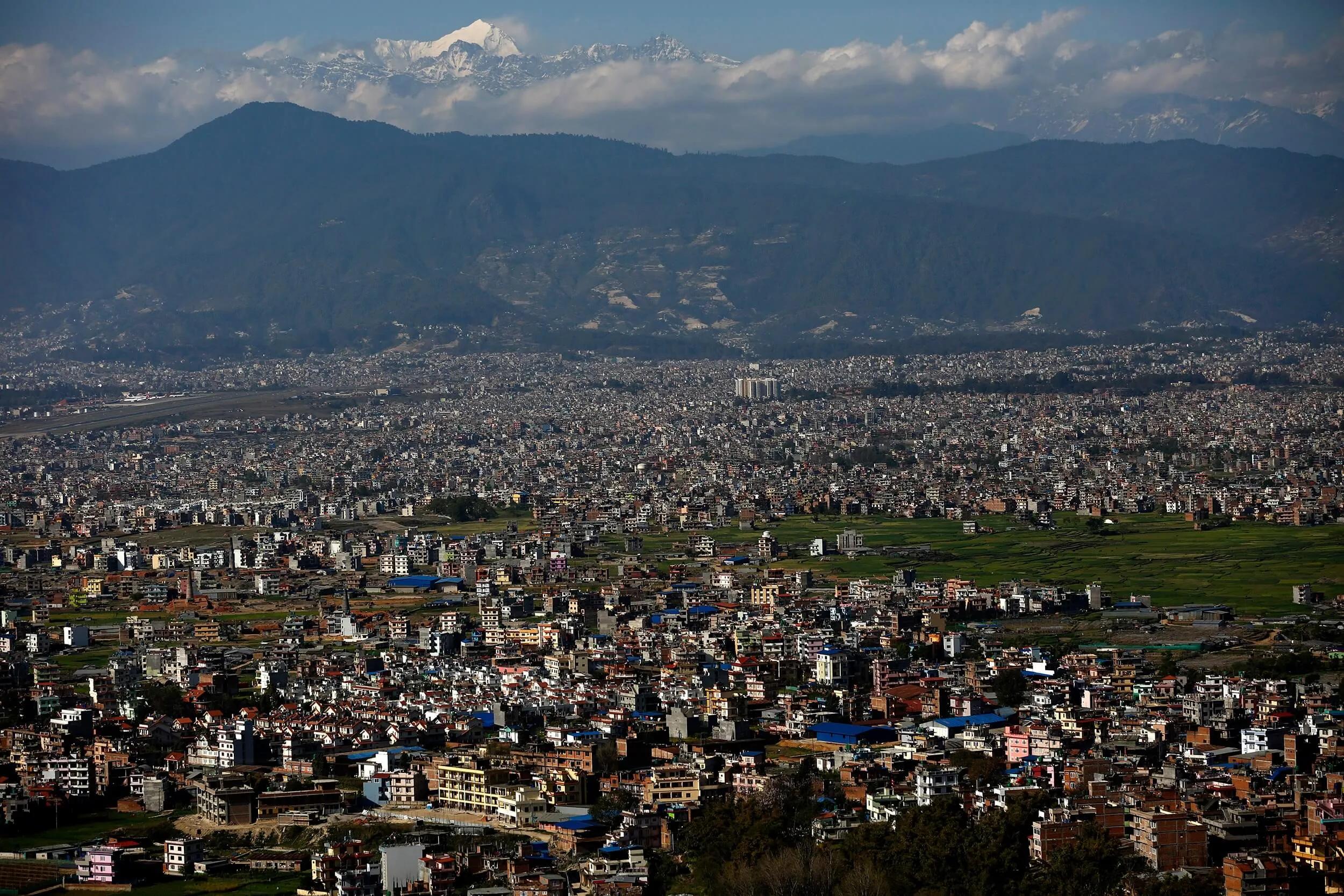
Reaching the Kanchenjunga region requires a combination of domestic flights, road transportation, and trekking. This itinerary begins with a flight from Kathmandu to Biratnagar, followed by a scenic drive to Basantpur.
The return journey includes a domestic flight from Taplejung to Biratnagar and a connecting flight back to Kathmandu. Due to mountain weather conditions, flight schedules can occasionally be delayed or rescheduled.
The transportation aspect adds to the adventure and allows trekkers to experience Nepal's diverse landscapes, ranging from subtropical plains to high Himalayan valleys.
Difficulty Level of the Trek
The Kanchenjunga Circuit Trek is classified as a challenging to strenuous trekking adventure. It involves multiple weeks of continuous walking, long trekking days, steep ascents and descents, river crossings, landslide-prone sections, and several high-altitude passes.
Trekkers typically walk between five and eight hours per day, with some days requiring longer durations. The route reaches elevations above 5,000 meters and passes through remote regions where facilities and rescue options are limited.
Good physical fitness, endurance training, and previous trekking experience are highly beneficial. Preparing through regular hiking, cardiovascular exercise, and strength training for several months before departure is recommended.
While challenging, the trek remains achievable for determined and well-prepared trekkers.
Altitude Sickness and Acclimatization
Altitude sickness is one of the primary concerns during the Kanchenjunga Circuit Trek due to the high elevations reached during the journey. As trekkers ascend above 3,000 meters, the risk of Acute Mountain Sickness (AMS) increases significantly.
Common symptoms include headaches, dizziness, nausea, fatigue, loss of appetite, and difficulty sleeping. More severe forms of altitude illness can become life-threatening if ignored.
This itinerary incorporates important acclimatization days in Kathmandu and Khambachen to allow the body sufficient time to adapt to decreasing oxygen levels. Trekkers should ascend gradually, stay well hydrated, eat nutritious meals, avoid excessive alcohol consumption, and immediately report any symptoms to their guide.
Following proper acclimatization practices greatly reduces the likelihood of altitude-related complications and contributes to a safe and successful trek.
Why Choose the Kanchenjunga Circuit Trek?
The Kanchenjunga Circuit Trek is perfect for trekkers seeking a true wilderness experience far from crowded trekking routes. It combines spectacular Himalayan scenery, remote mountain villages, rich cultural diversity, challenging high-altitude adventure, and unparalleled views of the world's third-highest mountain.
From the rhododendron forests of Milke Danda to the glaciers of Pang Pema and the dramatic high passes connecting the northern and southern valleys, every stage of the journey offers unforgettable experiences. For many experienced trekkers, Kanchenjunga represents the ultimate Himalayan adventure and one of Nepal's most rewarding trekking destinations.
Travel Insurance
All clients participating in any activity must have travel insurance. Personal injury, death, hospital expenditures, repatriation fees, helicopter rescue. Any other disease covered by the insurance plan will be given. We highly advise you to acquire a comprehensive insurance plan from a trustworthy insurance company.
Passport and Visa
Every client must have a valid passport from the return date with a 6 months prior validity by the Nepalese consulate in your country or immigration office at Tribhuvan International Airport in Kathmandu.
Cancellation Policy
Cancellation by the Participant
If you decide to cancel your booking for the Kanchenjunga Trek please notify Alpine Club of Himalaya in writing (via email or official communication) as early as possible. The following cancellation charges apply:
- 60 days or more before trek start date: 20% cancellation fee of the total trip cost
- 30 to 59 days before trek start date: 50% cancellation fee of the total trip cost
- Less than 30 days before departure: No refund; 100% of the trip cost is non-refundable
These fees cover administrative costs, permits, pre-arranged logistics, and potential losses caused by late cancellations.
Cancellation by the Organizer
In the rare circumstance that Alpine Club of Himalaya must cancel the trek due to unforeseen or uncontrollable events such as extreme weather, natural disasters, or safety concerns in the region, you will be offered either:
- A full refund of all payments made
OR
- The option to reschedule your trek for a future available date at no additional cost
Your safety is our highest priority, and cancellations are only made when absolutely necessary.
Force Majeure Clause
Alpine Club of Himalaya cannot be held responsible for cancellations, delays, or extra expenses resulting from force majeure events, including but not limited to:
- Earthquakes, floods, landslides
- Political unrest, strikes, or border closures
- Epidemics, pandemics, or other health emergencies
- Airspace closures, airline cancellations, or flight delays
In such cases, participants are responsible for any additional personal costs such as extra accommodation, changed flights, or insurance claims. We strongly recommend that all trekkers purchase comprehensive travel insurance covering trip cancellations, medical emergencies, and force majeure events before joining the trek.