O
Olivia Bennett
Dublin, Ireland
Aug 15, 2025

This trek is not for beginners, but the views, glaciers, and remote valleys are worth every step.
Destination
Nepal
Duration
16 Days
Best Weather
March, April, may, September, October & November
Max Altitude
5540m (Chhukung Ri)
Accommodation
2 Nights in Kathmandu, 13 Nights in Lodge/Guest during Trek
Meals
Full Board during Trek and Breakfasts, Welcome and Farewell meals in Kathmandu
Transportation
Private vehicle / Flights
Group
Min 1 pax
Difficulty
Strenuous
Activities
Trekking
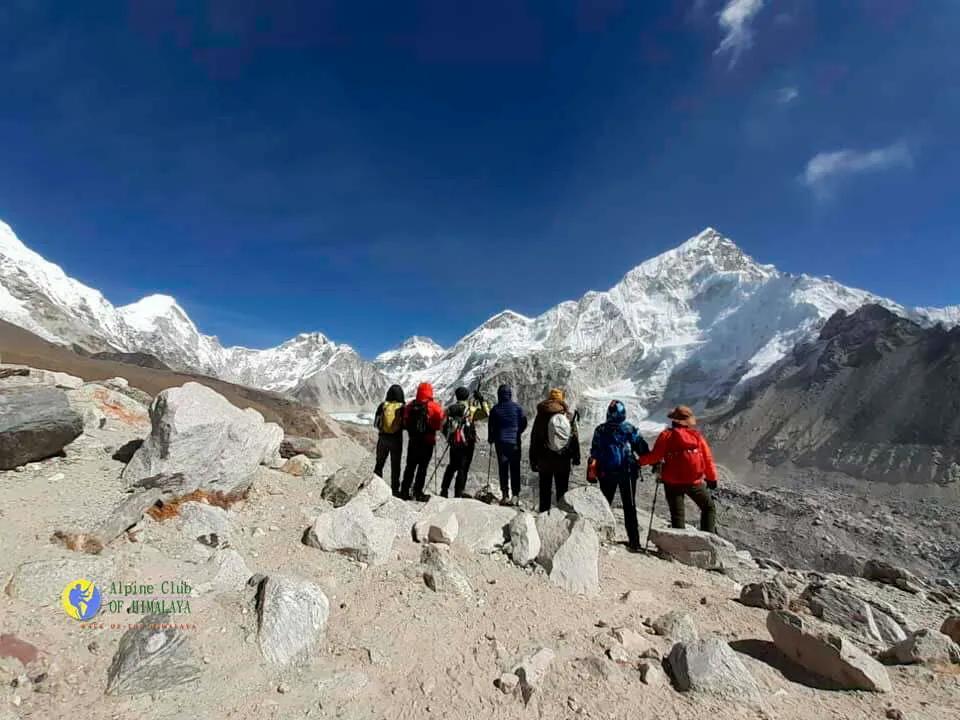
Alpine Club of Himalaya proudly presents the Everest Circuit Trek Three Passes Without Everest Base Camp, a challenging and rewarding trekking adventure in the heart of the Khumbu region. This trek is specially designed for trekkers who want to explore the complete Everest circuit and cross the famous three high mountain passes without visiting Everest Base Camp. It is one of the most adventurous trekking routes in Nepal, offering dramatic mountain scenery, remote valleys, high-altitude passes, glaciers, and peaceful alpine lakes.
This trek takes you deep into the eastern Himalayan region, surrounded by some of the highest peaks in the world, including Everest, Lhotse, Nuptse, Ama Dablam, Cho Oyu, and Makalu. Along the way, you will walk through traditional Sherpa villages, ancient monasteries, and old trading routes that were once used for trade between Nepal and Tibet. The journey also gives you the opportunity to learn about Sherpa culture, local traditions, Buddhist practices, and the simple mountain lifestyle of the people living in this remote region.
The Everest Circuit Trek Three Passes is physically demanding and requires good fitness, but it rewards trekkers with unmatched mountain views, less-crowded trails, and a true high-altitude trekking experience. Alpine Club of Himalaya ensures proper acclimatization, experienced guides, and well-planned routes to make the trek safe and memorable.
The Everest Circuit Trek Three Passes Without Everest Base Camp begins with an exciting mountain flight from Kathmandu to Lukla. Lukla is a small hilltop town known as the gateway to the Everest region. From Lukla, the trek starts with a gradual walk toward Phakding, passing through lush forests, suspension bridges, prayer wheels, and small Sherpa settlements along the Dudh Koshi River.
From Phakding, the trail continues to Namche Bazaar, the main trading and commercial center of the Everest region. Namche Bazaar is a lively mountain town with shops, bakeries, tea houses, and beautiful views of the surrounding peaks. This is an important acclimatization stop where trekkers can rest and explore the area.
Leaving Namche Bazaar, the trail heads toward Tengboche, home to the famous Tengboche Monastery. This spiritual center offers stunning views of Everest, Ama Dablam, Lhotse, Nuptse, and Thamserku. Visitors can explore the monastery and observe monks chanting sacred prayers in a peaceful Himalayan setting.
After Tengboche, the trail continues through forests of rhododendron, birch, and conifer trees before reaching Dingboche, a beautiful high-altitude village surrounded by stone-walled fields. From Dingboche, the trek follows the Imja Khola Valley toward Chhukung, a quiet settlement close to glaciers and towering peaks.
At Chhukung, trekkers climb Chhukung Ri, which offers breathtaking panoramic views of Ama Dablam, Island Peak, Lhotse, and Amphu Labcha. This hike helps with acclimatization and provides some of the best viewpoints of the trek.
From Chhukung, the route becomes more challenging as the trek crosses the Kongma La Pass (5,535 meters), the highest of the three passes. This section offers dramatic views of glaciers, icy landscapes, and rugged mountain terrain. For trekkers who prefer not to cross the pass, an alternative route is available.
After crossing Kongma La, the trail follows the Khumbu Glacier and continues toward Lobuche, before reaching the small settlement of Dzongla. This remote village sits beneath steep mountain walls and offers a quiet resting place before the next high pass.
From Dzongla, the trek crosses the Cho La Pass, another high and challenging mountain pass. This section includes rocky paths and glacier crossings but rewards trekkers with incredible mountain scenery. After descending from the pass, the trail leads to the stunning Gokyo Valley.
Gokyo is famous for its series of turquoise glacial lakes and panoramic mountain views. From here, trekkers hike up Gokyo Ri, one of the best viewpoints in the Everest region. The summit offers outstanding views of Everest, Cho Oyu, Makalu, Lhotse, and the vast Ngozumpa Glacier.
The final high pass of the trek is Renjo La Pass, which provides peaceful trails and wide mountain views. From the top, trekkers enjoy views of Gokyo Lakes and Everest stretching across the horizon. After crossing the pass, the trail descends to Marlung and follows the ancient trading route between Nepal and Tibet.
Walking through remote valleys, crossing rivers, and passing traditional villages, the trek gradually returns to Namche Bazaar. From Namche, the trail continues back to Lukla, marking the end of this incredible Everest circuit journey.
The Everest Circuit Trek Three Passes Without Everest Base Camp is an ideal choice for experienced trekkers looking for a complete and less crowded Everest adventure. This trek covers long distances and high altitudes, so good physical fitness and mental preparation are essential. With professional guides, careful planning, and strong local support, Alpine Club of Himalaya ensures a safe, well-organized, and unforgettable trekking experience in the Everest region.
The best time to do the Everest Circuit Trek Three Passes Without Everest Base Camp is during the spring and autumn seasons, when weather conditions are stable and mountain views are clear.
· Spring (March to May) is one of the most popular seasons for this trek. During this time, the weather is relatively warm during the day, and the trails are in good condition. Rhododendron forests bloom at lower elevations, adding color to the landscape. Visibility is excellent, making it a great season for mountain views and high-pass crossings.
· Autumn (September to November) is considered the best overall season for the Everest Three Passes Trek. The weather is dry, skies are clear, and temperatures are comfortable for trekking. After the monsoon, the mountains look fresh and sharp, and trail conditions are ideal for crossing high passes like Kongma La, Cho La, and Renjo La.
· Winter (December to February) is possible but challenging. Temperatures drop significantly, especially at higher altitudes, and heavy snowfall can block high passes. This season is suitable only for well-prepared and experienced trekkers.
· Monsoon (June to August) is not recommended due to frequent rain, cloudy skies, slippery trails, and a higher chance of flight delays to Lukla.
For the best trekking experience, Alpine Club of Himalaya highly recommends planning this trek in spring or autumn for safety, comfort, and the best mountain views.
The Everest Circuit Trek Three Passes Without EBC is a challenging and demanding high-altitude trek, suitable for experienced trekkers. This trek involves long walking days, steep ascents and descents, and crossing three high mountain passes above 5,300 meters. The high altitude, changing weather, and remote trails make this trek physically and mentally demanding. Proper acclimatization is essential, as trekkers will spend several days above 4,000 meters. Due to its difficulty level, this trek is not recommended for beginners or first-time high-altitude trekkers.
To complete the Everest Circuit Trek Three Passes successfully, trekkers need good physical fitness, strong endurance, and mental preparedness. You should be comfortable walking for 6 to 8 hours per day on uneven mountain trails while carrying a light daypack. Prior trekking experience at high altitude is highly recommended.
Regular physical training before the trek is important. Activities such as hiking, stair climbing, cycling, jogging, and cardio exercises help build stamina and leg strength. Core and lower-body strength training will also help during long ascents and descents.
Trekkers should be prepared for cold temperatures, strong winds, and basic mountain accommodation. A positive mindset, patience, and the ability to adapt to changing conditions are just as important as physical strength. With proper preparation, gradual acclimatization, and professional support from Alpine Club of Himalaya, this challenging trek becomes a rewarding and achievable adventure.
The Everest Circuit Trek Three Passes Without EBC takes place in a high-altitude Himalayan environment where weather conditions can change quickly. Understanding the weather and natural surroundings is important for a safe and comfortable trekking experience.
The weather varies by season and altitude. In spring (March to May), days are generally mild with clear skies, while nights are cold, especially above 4,000 meters. In autumn (September to November), the weather is stable, dry, and clear, offering excellent visibility and comfortable trekking conditions. Winter (December to February) brings very cold temperatures, snowfall, and strong winds at higher elevations, making the high passes more difficult. During the monsoon season (June to August), the lower regions receive heavy rainfall, while higher areas may experience snow, cloud cover, and poor visibility.
The environment along the trek is diverse and dramatic. At lower elevations, the trail passes through lush forests of pine, rhododendron, birch, and juniper, along with rivers and waterfalls fed by melting glaciers. As you gain altitude, the landscape becomes more rugged, with rocky valleys, glaciers, moraines, and alpine terrain. Beyond the tree line, the region is dominated by snow-covered peaks, icy passes, and wide mountain vistas.
The Everest region is part of Sagarmatha National Park, a protected area rich in natural beauty and wildlife. You may encounter animals such as yaks, Himalayan thar, musk deer, and various high-altitude bird species. The environment is clean, peaceful, and culturally rich, with prayer flags, mani walls, and monasteries adding a spiritual atmosphere to the journey.
Trekking with Alpine Club of Himalaya ensures proper planning according to seasonal weather, safe route selection, and responsible trekking practices to protect the fragile Himalayan environment.
The Everest Circuit Trek Three Passes Without EBC involves high altitude, remote terrain, and challenging mountain passes, so proper risk management is essential. The main risks include altitude sickness, sudden weather changes, physical exhaustion, and difficult trail conditions. Alpine Club of Himalaya minimizes these risks through careful itinerary planning, gradual altitude gain, and well-timed acclimatization days. The trekking route is designed to allow the body enough time to adjust to higher elevations, reducing the risk of altitude-related problems.
Before and during the trek, guides closely monitor each trekker’s health and walking pace. Daily health checks, clear communication, and flexibility in the itinerary help manage potential risks. In case of bad weather or difficult trail conditions, the guide may adjust the route or schedule to ensure safety. Trekking in a group with experienced local guides greatly reduces risks compared to independent trekking.
Safety and security are top priorities throughout the trek. Alpine Club of Himalaya provides licensed, experienced, and trained trekking guides who are familiar with the Everest region, trail conditions, and emergency procedures. The guides carry essential safety equipment and maintain constant communication with the company’s operations team.
Accommodation is arranged in reliable teahouses, and trekking routes follow established trails used by locals and climbers. Guides ensure safe river crossings, proper rest stops, and careful navigation across high passes. Group trekking also adds an extra level of security, especially in remote areas. The company follows responsible trekking practices to ensure both personal safety and environmental protection.
Proper acclimatization is a key factor for the success of the Everest Three Passes Trek. As the trek reaches elevations above 5,000 meters, the body needs time to adjust to lower oxygen levels. The itinerary includes planned acclimatization days in places like Namche Bazaar and Dingboche, allowing trekkers to adapt gradually.
Guides encourage a slow walking pace, adequate hydration, and regular rest. Side hikes such as Chhukung Ri and Gokyo Ri are included to support the “climb high, sleep low” method, which helps the body adjust more effectively. Trekkers are advised to report any symptoms such as headaches, dizziness, or fatigue immediately so action can be taken early.
In case of a medical emergency, severe altitude sickness, injury, or sudden illness, Alpine Club of Himalaya follows a clear and well-organized evacuation process. The trekking guide plays a crucial role in identifying the problem, providing first response support, and making quick decisions.
If evacuation is required, the guide coordinates with the company’s office and local rescue services to arrange helicopter evacuation from the nearest possible location. The guide assists the trekker until professional medical help is reached. For this reason, travel insurance with high-altitude trekking and helicopter rescue coverage is mandatory for all participants.
Alpine Club of Himalaya ensures constant support before, during, and after evacuation procedures. The experienced guide remains with the group or the affected trekker to maintain safety and clear communication. This strong support system allows trekkers to focus on the journey, knowing that professional assistance is always available when needed.
Altitude sickness is one of the main concerns during the Everest Circuit Trek Three Passes Without EBC, as the trek reaches elevations above 5,000 meters. As altitude increases, oxygen levels decrease, and the body needs time to adjust. Common symptoms may include headache, fatigue, loss of appetite, dizziness, and difficulty sleeping. If ignored, symptoms can become serious, which is why early recognition and proper response are very important.
Preparation starts before arriving in Nepal. Trekkers are advised to build good physical fitness, maintain a healthy lifestyle, and gain prior trekking experience if possible. During the trek, gradual ascent, proper acclimatization days, slow walking pace, and adequate rest help reduce the risk of altitude sickness. Drinking plenty of water, eating well, and avoiding alcohol and smoking are strongly recommended.
Guides from Alpine Club of Himalaya closely monitor trekkers for any signs of altitude-related issues. If symptoms appear, the guide may suggest rest, extra acclimatization, or descent to a lower altitude. Proper preparation, awareness, and professional guidance make this high-altitude trek safer and more enjoyable.
The Everest region is part of Sagarmatha National Park, a UNESCO World Heritage Site known for its rich biodiversity. The trekking route passes through different climatic zones, each supporting unique plant and animal life. At lower elevations, the trails are lined with dense forests of pine, fir, rhododendron, birch, and juniper. In spring, colorful rhododendron blooms add beauty to the landscape.
As altitude increases, vegetation becomes sparse, giving way to alpine shrubs, grasses, and hardy plants adapted to cold conditions. Beyond the tree line, the environment is mostly rocky terrain, glaciers, and snow-covered landscapes.
Wildlife in the region includes Himalayan thar, musk deer, yaks, mountain goats, and snow leopards, though sightings of rare animals are uncommon. The area is also home to various bird species such as Himalayan monal, snow pigeons, and eagles. The natural environment remains well-preserved, offering trekkers a peaceful and scenic trekking experience.
The Everest Circuit Trek Three Passes Without EBC is ideal for trekkers seeking a complete and adventurous Everest experience beyond the standard trekking routes. This trek offers a perfect combination of high mountain passes, remote valleys, scenic lakes, glaciers, and panoramic viewpoints without the crowds found on the Everest Base Camp trail.
Crossing three high passes—Kongma La, Cho La, and Renjo La—makes this trek one of the most challenging and rewarding routes in Nepal. It allows trekkers to experience the true wilderness of the Everest region while enjoying close views of the world’s highest mountains.
This trek also provides deep cultural insight into Sherpa life, ancient monasteries, and traditional villages. With professional guidance, well-planned itineraries, and strong safety support from Alpine Club of Himalaya, trekkers can confidently take on this demanding journey. For those looking for adventure, solitude, and unforgettable Himalayan scenery, this trek is an excellent choice.
For the Everest Circuit Trek Three Passes Without EBC, most trekkers begin their journey with a scenic domestic flight to Lukla Airport (2,860 m), the main entry point to the Everest region. Flights usually operate from Kathmandu, but during peak trekking seasons (spring and autumn), many flights are redirected to Ramechhap Airport due to heavy air traffic at Kathmandu airport. Ramechhap is approximately a 4–5 hour drive from Kathmandu.
Lukla flights are highly weather-dependent, and delays or cancellations are common, especially during off-season months or periods of poor visibility. Flexibility in travel plans is very important for this trek.
When you book the Everest Circuit Trek Three Passes Without EBC with Alpine Club of Himalaya, we provide full support with Lukla flight arrangements, airport transfers, schedule management, and backup plans in case of delays or cancellations. Our team ensures that your journey begins as smoothly and stress-free as possible.
The Government of Nepal has announced changes to flights operating to Lukla Airport due to heavy traffic congestion at Kathmandu Airport. Currently, most flights will depart from Ramechhap Airport, which is about 130 km from Kathmandu (3–4 hours’ drive), until further notice.
As an alternative, helicopter flights can be arranged on a shared basis for 5 people, with an additional cost of USD 500 per person one-way. Alpine Club of Himalaya will assist in coordinating groups for helicopter transfers, but availability cannot be fully guaranteed.
The drive to Ramechhap and subsequent flight to Lukla is generally reliable, except in cases of bad weather cancellations. Travelers are advised to inform us in advance of their preferred alternatives to ensure smooth arrangements for their journey to or from Lukla.
With over 20 years of experience in Nepal’s trekking and adventure tourism industry, Alpine Club of Himalaya is one of the most trusted and professional trekking companies in the country. We are a government-licensed trekking operator, known for safe operations, reliable services, and personalized trekking experiences in the Everest region.
Our team of experienced local guides, altitude-trained staff, and professional porters has in-depth knowledge of the Khumbu region, including terrain, weather patterns, altitude challenges, and local culture. This expertise is especially important for a demanding trek like the Everest Three Passes, where safety and proper planning are essential.
· More than two decades of experience organizing high-altitude treks in Nepal
· Trusted by international travel agencies and trekkers from around the world
· Customized trekking itineraries based on fitness level, experience, and schedule
· Complete trekking services including permits, flights, accommodation, meals, and logistics
· Strong focus on safety with proper acclimatization schedules and emergency planning
· 24/7 operational support during the trek for coordination and assistance
· Professional guides and porters available for solo travelers, female trekkers, and women-only groups
· Ethical trekking practices and strong relationships with local Sherpa communities
At Alpine Club of Himalaya, we believe the Everest Circuit Trek Three Passes Without EBC is more than just a trekking challenge—it is a life-changing Himalayan journey. When you trek with us, you are not treated as a client but as a valued member of our Himalayan family, supported every step of the way.
Transportation for the Everest Circuit Trek Three Passes Without EBC includes both air and ground travel. The journey begins with a domestic flight from Kathmandu or Ramechhap to Lukla, which is the main gateway to the Everest region. Depending on the season and flight schedules, a drive of 4–5 hours from Kathmandu to Ramechhap may be required before the flight. At the end of the trek, the return flight is from Lukla back to Kathmandu or Ramechhap.
All airport transfers, domestic flight arrangements, and required ground transportation are well managed by Alpine Club of Himalaya. In case of flight delays or cancellations due to weather, the company assists with alternative travel options and schedule adjustments to ensure a smooth travel experience.
Accommodation during the trek is provided in local teahouses and mountain lodges along the trekking route. These teahouses are simple but comfortable, offering basic rooms with twin beds, blankets, and pillows. At lower elevations such as Lukla and Namche Bazaar, teahouses are more developed and may offer private rooms with attached bathrooms.
As the trek gains altitude, accommodation becomes more basic due to the remote location and harsh environment. Shared bathrooms are common in higher areas like Dzongla, Gokyo, and Chhukung. Alpine Club of Himalaya carefully selects clean, safe, and reliable teahouses to ensure trekkers have proper rest after long walking days.
Meals are provided at teahouses along the trail and include a variety of local and international dishes. Common meals include dal bhat (rice, lentils, vegetables), noodles, pasta, soups, fried rice, potatoes, eggs, pancakes, and Tibetan bread. Breakfast, lunch, and dinner are freshly prepared using local ingredients.
At higher altitudes, food options become limited, but meals remain nutritious and filling to support energy needs. Trekkers are encouraged to eat well and maintain a balanced diet throughout the trek. Alpine Club of Himalaya ensures hygienic meal planning and advises trekkers on suitable food choices for high-altitude trekking.
Safe drinking water is available throughout the trek, but it is important to treat water properly. Drinking water can be obtained from teahouses, natural springs, or refill stations along the route. Trekkers are advised to use water purification tablets, filters, or UV purifiers rather than buying bottled water to reduce environmental impact.
Boiled water is also available at teahouses for a small cost and is a safe option, especially at higher elevations. Staying well-hydrated is essential to prevent altitude sickness, and guides regularly remind trekkers to drink enough water during the trek.
WiFi and electricity are available in most villages along the Everest route but are limited and less reliable at higher altitudes. In places like Lukla and Namche Bazaar, WiFi is relatively stable, while in remote areas such as Dzongla and Gokyo, connectivity may be slow or unavailable.
Electricity for charging devices is usually available in teahouses, often powered by solar energy. Charging may come at an extra cost, especially above Namche Bazaar. Trekkers are advised to carry power banks or spare batteries. Alpine Club of Himalaya provides guidance on managing electronic needs during the trek.
For the Everest Circuit Trek Three Passes Without EBC, experienced trekking guides and porters play a crucial role in ensuring safety and comfort. Alpine Club of Himalaya provides licensed, English-speaking, and altitude-trained guides who are familiar with the terrain, weather conditions, and emergency procedures.
Guides manage the daily trekking schedule, monitor health and acclimatization, and offer cultural and natural insights along the way. Porters help carry main luggage, allowing trekkers to walk comfortably with a light daypack. The company follows ethical porter practices, ensuring proper load limits, fair wages, and appropriate gear.
With professional support from Alpine Club of Himalaya, trekkers can focus on enjoying the journey while feeling safe and well cared for throughout the trek.
Travel insurance is mandatory for the Everest Circuit Trek Three Passes Without EBC due to the high altitude and remote nature of the trek. Your insurance policy must cover high-altitude trekking (up to at least 5,500 meters) and include emergency medical treatment and helicopter evacuation. Medical facilities are limited in the Everest region, and in case of serious illness or injury, helicopter rescue may be the only option.
Before the trek begins, trekkers must provide a copy of their insurance policy to Alpine Club of Himalaya. The trekking guide will assist with communication and coordination if an emergency evacuation is required, but all rescue and medical costs must be covered by your insurance provider. Having proper insurance ensures peace of mind and allows for quick action in emergencies.
The TIMS card is a mandatory identification for all trekkers in Nepal, helping authorities track trekkers and ensure safety in case of emergencies. The Sagarmatha National Park permit is required to enter the Everest region, protecting its natural environment, wildlife, and cultural heritage. Both can be obtained in Kathmandu or through your trekking company.
Alpine Club of Himalaya manages all TIMS and park permit applications, handles required documents and fees, and coordinates with local authorities, allowing trekkers to focus on enjoying the Everest Circuit Trek Three Passes Without EBC without any hassle.
All international trekkers must carry a valid passport with at least six months validity from the date of arrival in Nepal. Most nationalities can obtain a Nepal tourist visa on arrival at Tribhuvan International Airport in Kathmandu.
Tourist visas are available for different durations, commonly 15, 30, or 90 days. A passport-sized photo and visa fee are required. Trekkers are advised to arrange a visa that covers extra days in case of flight delays or itinerary changes. Alpine Club of Himalaya provides guidance on visa requirements and necessary trekking permits once you arrive in Nepal.
For groups trekking with Alpine Club of Himalaya, we provide a prepaid Ncell SIM card for Group-1 clients. This SIM ensures that you stay connected throughout your trek in the Everest region, allowing you to communicate with guides, team members, and your family back home.
The Everest region has limited network coverage, and having a local SIM is essential for safety, coordination, and updates during the trek. With the Ncell SIM:
· You can make calls and send messages to the team and local contacts.
· Stay updated with weather conditions or flight changes in Lukla.
· Share your trekking experiences safely without relying solely on internet access.
· Access mobile data in areas with coverage for maps, GPS, and limited social media use.
The SIM comes preloaded with credits and can be recharged at select points along the trail where network coverage exists. Our guides will assist you in using the SIM and troubleshooting any network issues during the trek.
Last-minute bookings for the Everest Circuit Trek Three Passes Without EBC are possible, provided flights, permits, and accommodations are available. Due to the popularity of the Everest region and limited Lukla flights, early booking is recommended, especially during peak seasons.
For late bookings, Alpine Club of Himalaya handles permit, flight arrangements, accommodation, and guide assignments efficiently. Flexibility in travel dates and itinerary is helpful for last-minute planning. Our experienced operations team ensures that all logistics are arranged quickly without compromising safety or service quality.
To ensure trekkers are well prepared, Alpine Club of Himalaya offers online pre-trek briefings before arrival in Nepal. These briefings cover important topics such as trekking itinerary, altitude awareness, packing lists, weather conditions, safety measures, and Lukla flight arrangements.
The online briefing also allows trekkers to ask questions, clarify concerns, and understand expectations clearly. This helps trekkers arrive confident and prepared, especially for a demanding trek like the Everest Three Passes.
The Everest Circuit Trek Three Passes Without EBC is available as both private and group departures. Private treks are ideal for families, friends, couples, or individuals who prefer a flexible itinerary and personalized pace. Group treks are suitable for solo travelers who want to join others and share costs.
Alpine Club of Himalaya customizes both private and group treks based on fitness level, experience, and time availability. Whether you choose a private or group trek, safety standards, guide quality, and service level remain the same.
Photography is allowed throughout the Everest region, and trekkers are encouraged to capture landscapes, culture, and daily life. However, respectful photography is important, especially when photographing local people, monasteries, and religious ceremonies. Always ask for permission before taking close-up photos of individuals or inside monasteries.
Drone usage in Nepal is strictly regulated. Flying drones in the Everest region and Sagarmatha National Park requires special permits from multiple government authorities, including the Civil Aviation Authority of Nepal and national park offices. Unauthorized drone use is prohibited and may result in fines or confiscation.
Trekkers planning to use drones must arrange permits well in advance. Alpine Club of Himalaya can provide guidance on drone regulations and the permit process but strongly advises trekkers to follow all local rules to ensure safety and environmental protection.
Your safety is of paramount importance to us at Alpine Club of Himalaya. We have the absolute authority to cancel the trip or change the itinerary, when deemed necessary or when we have reason to believe your safety is at stake. Weather conditions, the health condition of a group member, natural disasters, and such, can contribute to changes in the itinerary when traveling in remote mountainous regions. In these extreme situations, we kindly request that you offer your full co-operation to the trusted leader of the group appointed by Alpine Club of Himalaya. However, we assure you that we will make every effort to keep to the above itinerary
1 - Devo Boutique Hotel, Thamel, Kathmandu (or similar)
2 - Tribhuvan International Airport (TIA), Kathmandu
3 - Alpine Club of Himalaya Pvt. Ltd
4 - Within Thamel, Kathmandu
Before starting the Everest Circuit Trek Three Passes Without EBC, it is essential to ensure that all your gear is properly tested, fitted, and ready for high-altitude trekking. Ill-fitting boots, untested technical equipment, or unfamiliar layering systems can lead to discomfort or even safety risks during long days on the trail. Likewise, check the comfort and load-bearing capacity of your backpack in advance to prevent unnecessary strain.
Proper physical preparation, reliable and well-tested gear, and clear communication with Alpine Club of Himalaya are key to making your trek safe, smooth, and truly unforgettable. Our experienced guides and support team are available to assist you at every stage of the journey, whether it’s advice on equipment, acclimatization tips, or last-minute concerns. We encourage trekkers to reach out to us for guidance before or during the trek to ensure a seamless experience.
If you need to cancel your booking for the Everest Circuit Trek Three Passes Without EBC, please notify Alpine Club of Himalaya in writing (email or official communication) as soon as possible. The following cancellation charges apply:
These fees cover administrative costs, trekking permits, pre-arranged logistics, and losses incurred from late cancellations.
In rare circumstances, if Alpine Club of Himalaya must cancel the trek due to uncontrollable events such as extreme weather, natural disasters, or safety concerns, you will be offered either:
Your safety is our top priority, and cancellations are only made when absolutely necessary.
Alpine Club of Himalaya cannot be held responsible for cancellations, delays, or additional expenses caused by force majeure events, including but not limited to:
In such situations, participants are responsible for any extra personal costs, such as additional accommodation, changed flights, or insurance claims.
We strongly recommend that all trekkers purchase comprehensive travel insurance covering trip cancellations, medical emergencies, and force majeure events before joining the trek. This ensures peace of mind and financial protection while exploring the high Himalayas.
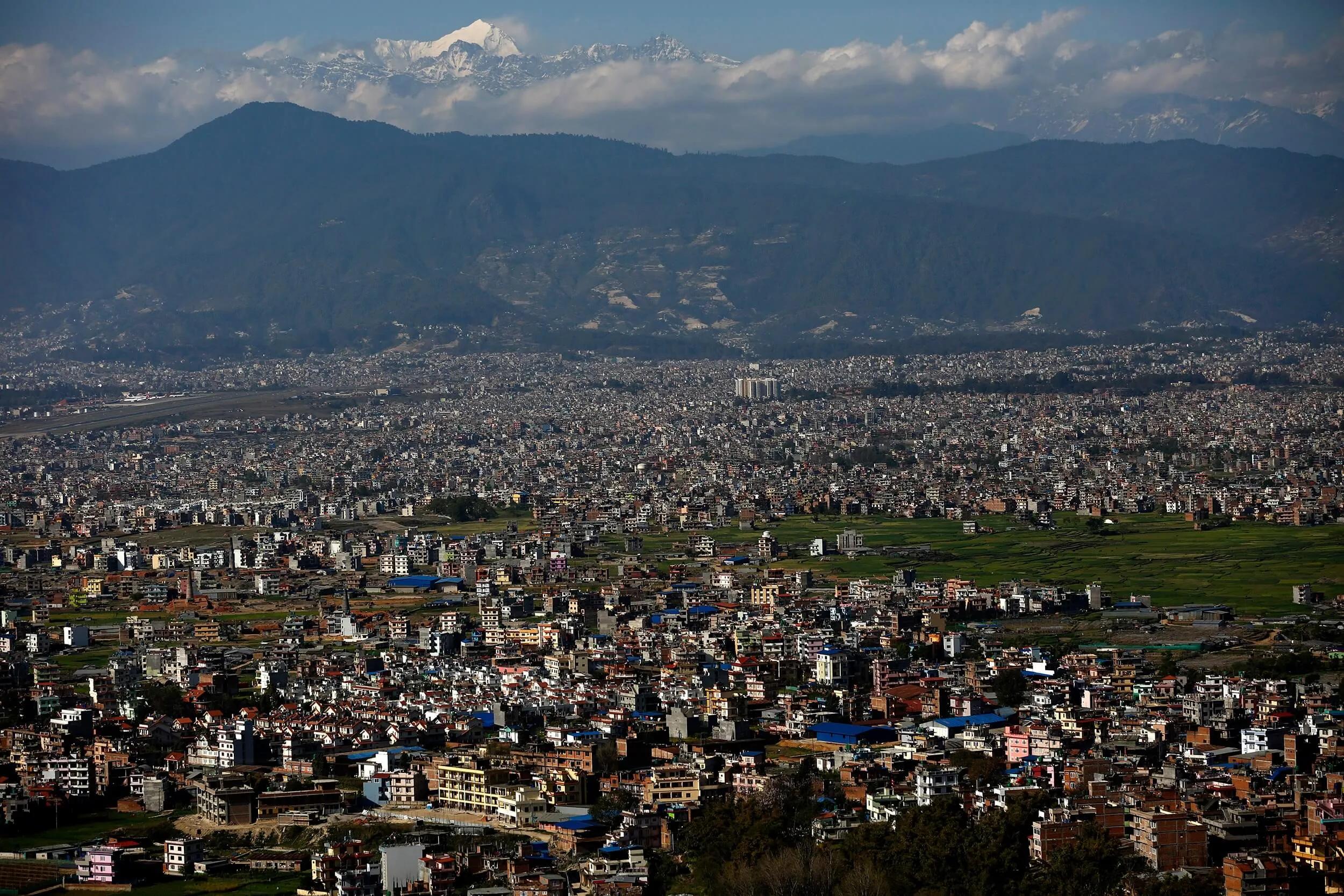
Upon arrival at Tribhuvan International Airport in Kathmandu, a representative from Alpine Club of Himalaya will welcome you and assist with your transfer to the hotel. After checking in, take some time to rest and acclimatize to the city. In the afternoon, you will join a pre-trek briefing conducted by our experts, where you will receive detailed information about the trek, altitude awareness, necessary gear, and safety protocols. This session is crucial to prepare you mentally and physically for the challenging journey ahead.
In the evening, enjoy a welcome dinner featuring traditional Nepalese cuisine, offering a taste of local flavors while mingling with fellow trekkers. This first day allows you to relax, adapt to the local environment, and build excitement for the adventure ahead.
Max. Elevation
1400m
Accommodation
Hotel
Meals
Welcome Dinner
Airport pickups and drop-offs by private vehicle for your convenience
Two nights’ accommodation in Kathmandu on a twin-sharing basis, including breakfast (3-star standard)
Best available teahouse accommodations throughout the Everest trek, offering comfort and local hospitality
All meals during the trek: breakfast, lunch, and dinner prepared freshly at teahouses
Welcome and farewell dinners in Kathmandu to celebrate the start and end of your adventure
All ground transportation by comfortable private vehicles as outlined in the itinerary
Domestic flights between Kathmandu and Lukla aboard regular Twin Otter planes, ensuring safe and scenic travel
Entrance fees for sightseeing and monument visits included in the itinerary
An experienced, English-speaking, and government-licensed trek leader plus an assistant guide for every 10 trekkers to provide expert support
Porter service with one porter provided for every two trekkers to carry your main luggage, allowing you to trek with a light daypack (every 2 trekkers-1 porter)
Full staff costs including salaries, insurance, equipment, domestic airfare, food, and accommodation for guides and porters
Use of down jackets and sleeping bags during the trek (to be returned after trip completion) for your comfort and warmth
A complimentary Alpine Club of Himalaya t-shirt and trekking map as souvenirs
All necessary permits and paperwork, including National Park Permit and TIMS (Trekkers’ Information Management System)
A comprehensive medical kit carried by your trek leader for safety and first aid support
All applicable government and local taxes for a transparent pricing structure
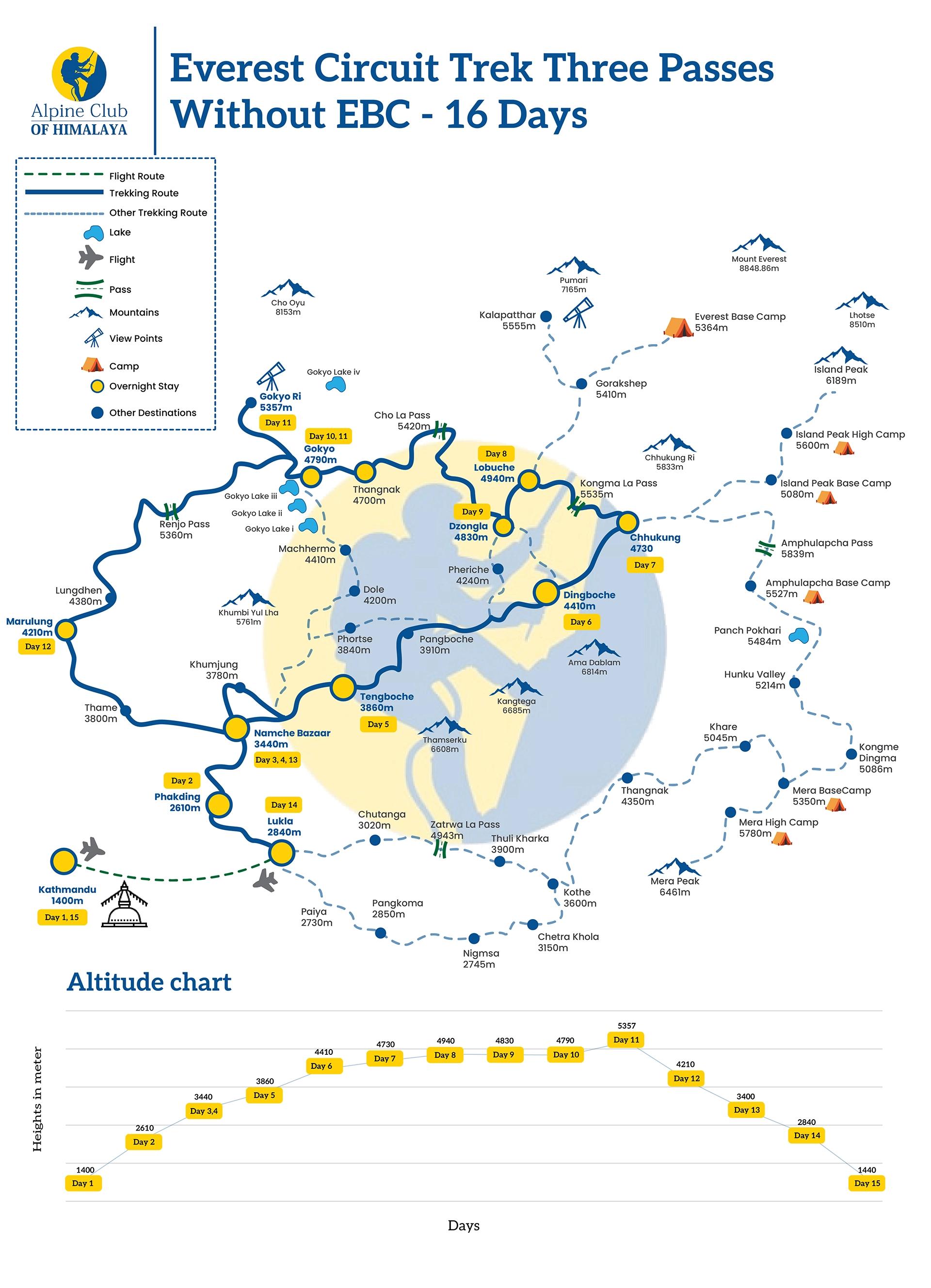
Click on map to view in fullscreen
Essential Trekking Gear and Packing List
Preparing the right gear is crucial for your safety, comfort, and enjoyment while trekking across high Himalayan passes. The Everest Circuit Trek Three Passes Without EBC involves long days, high altitudes, and varying weather, so packing smart is essential. Alpine Club of Himalaya ensures trekkers have guidance on the right equipment, and our guides can advise on any last-minute gear requirements.
1. Clothing
2. Footwear
3. Backpack and Storage
4. Sleeping and Personal Gear
5. Accessories
6. Health and Safety Items
7. Electronics
8. Optional Items
Packing Tips
Alpine Club of Himalaya provides advice on gear, ensures porters carry your duffel bag safely, and helps with last-minute equipment needs so you are fully prepared for the challenging yet rewarding trek.
O
Olivia Bennett
Dublin, Ireland
Aug 15, 2025
J
James Carter
Sydney, Australia
Apr 18, 2025

S
Sophie Allen
Auckland, New Zealand
Apr 14, 2025

H
Hannah Mitchell
London, UK
Jan 29, 2025

24/7 Support
Need help? we're at your service
Associated With


We Accept Cards

Office of the company registrar License: 66813/066/067 || Tourism Industry Division License:1142
All content and photography within our website is copyright & may not be reproduced without our permission.
Develop By: IT Sansaar