A
Anna Schneider
Germany
Dec 3, 2025

This short EBC trek is not easy, but it’s ideal if you’re fit and short on time. The scenery was spectacular every day, and the support team ensured proper acclimatization throughout the journey.
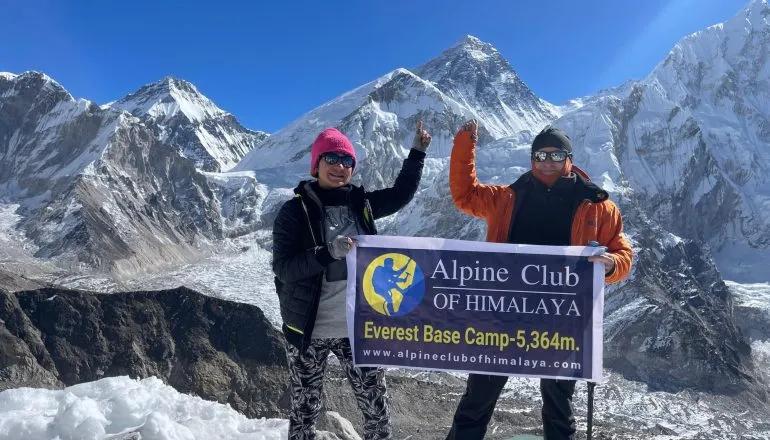
Destination
Nepal
Duration
7 Days
Best Weather
March, April, May, September, October & November
Max Altitude
5364 (Everest Base Camp)
Accommodation
Hotel, Teahouse, and Camp
Meals
Breakfast, Lunch, Dinner
Transportation
Private vehicle / Flights
Group
Min. 1 Pax
Difficulty
Easy
Activities
Trekking
The Everest Base Camp Short Trek – 7 Days offers an intense and unforgettable Himalayan adventure, ideal for travelers with limited time who still want to experience the majesty of the Everest region. Organized by Alpine Club of Himalaya, this trek combines spectacular mountain scenery, Sherpa culture, and world-renowned trekking trails in a compact and accessible itinerary. The journey begins with a scenic flight from Kathmandu or Ramechhap to Lukla, offering panoramic views of the towering Himalayan peaks and setting the stage for the trekking adventure ahead. From Lukla, trekkers follow the Dudh Koshi River valley, passing charming villages like Phakding, TokTok, and Monjo, while gradually ascending to the Sherpa hub of Namche Bazaar, the gateway to the Everest region.
The trek continues through the breathtaking Sagarmatha National Park, crossing iconic suspension bridges such as Hillary Bridge, and traversing serene pine forests and traditional Sherpa villages. Along the route, trekkers visit Tengboche Monastery, capture the majestic views of Ama Dablam, Lhotse, Nuptse, and Everest, and experience the spiritual and cultural richness of the Khumbu region. Further ascent leads to Dingboche and Lobuche, where panoramic vistas of glaciers and peaks prepare trekkers for the ultimate highlight: Everest Base Camp. From Gorak Shep, trekkers witness the Khumbu Icefall and hike to Kala Patthar, one of the best viewpoints in the Himalayas, for unforgettable sunrise or sunset photographs of Everest and surrounding peaks.
This 7-day itinerary is specially designed to maximize trekking experience while ensuring proper acclimatization. The trek concludes with a helicopter flight from Gorak Shep to Lukla, avoiding the long descent and providing dramatic aerial views of the Himalayas, followed by a flight back to Kathmandu or Ramechhap. With well-planned daily itineraries, comfortable tea house accommodations, and full support from expert guides and porters, the Everest Base Camp Short Trek – 7 Days with Heli Return is an ideal choice for travelers seeking a high-altitude adventure with minimal time commitment, all while experiencing the cultural, natural, and spiritual richness of the Everest region with Alpine Club of Himalaya.
The Everest Base Camp Short Trek – 7 Days can be completed in several seasons, but choosing the right time greatly enhances safety, comfort, and mountain views.
· Spring (March to May) is one of the best times for this trek, offering stable weather, moderate temperatures, and clear skies. During this season, the trails are colorful with blooming rhododendrons, and trekkers may witness expedition activity at Everest Base Camp, adding excitement to the journey.
· Autumn (September to November) is equally ideal and is considered the most popular trekking season in the Everest region. After the monsoon, the air is fresh, visibility is excellent, and weather conditions are stable. Daytime temperatures are comfortable for trekking, while nights are cold at higher elevations but manageable with proper gear.
· Winter (December to February) is possible for experienced trekkers who can handle extreme cold and potential snowfall. Trails are quieter, and mountain views can be very clear, but temperatures drop significantly, especially above Dingboche. Monsoon season (June to August) is generally not recommended due to heavy rainfall, cloudy skies, slippery trails, and frequent flight delays to Lukla. For the best overall experience, spring and autumn are highly recommended for this trek.
The Everest Base Camp Short Trek – 7 Days is considered moderate to challenging. While it does not require technical climbing skills, trekkers must be prepared for long walking days, steep ascents and descents, and high-altitude trekking above 5,000 meters. The highest point of the trek, Kala Patthar (5,555 m), exposes trekkers to low oxygen levels, which can make the trek physically demanding.
Daily trekking hours typically range from 5 to 7 hours, and the trails include uneven paths, rocky terrain, and occasional icy sections. Trekkers will navigate suspension bridges, narrow ridges, and glacial moraines, which require careful attention and endurance. Despite its shorter duration compared to the classic EBC trek, the condensed itinerary intensifies the experience, making it suitable for those seeking a quick yet adventurous Himalayan challenge.
A good level of physical fitness is essential for the 7-day Everest Base Camp trek. Trekkers should be comfortable walking 5–7 hours per day while carrying a light daypack and negotiating uneven, high-altitude trails. Cardiovascular training such as hiking, jogging, cycling, or swimming for several weeks before the trek is highly recommended. Strength training for legs and core muscles will help manage steep climbs and long descents, reducing fatigue and risk of injury.
Previous trekking experience is beneficial but not mandatory for physically fit individuals. Trekkers should also be mentally prepared to adapt to basic teahouse accommodations, shared facilities, and changing weather conditions in the high Himalayas. Staying hydrated, maintaining a balanced diet, and following proper acclimatization guidance from Alpine Club of Himalaya are crucial for a safe and enjoyable trekking experience.
Trekking to Everest Base Camp exposes you to high-altitude conditions, with elevations exceeding 5,000 meters at Kala Patthar and 5,364 meters at Everest Base Camp. At such heights, the oxygen level decreases significantly, which can lead to Altitude Sickness (Acute Mountain Sickness – AMS). Symptoms may include headache, nausea, dizziness, shortness of breath, fatigue, and difficulty sleeping. In more severe cases, trekkers can experience High Altitude Pulmonary Edema (HAPE) or High Altitude Cerebral Edema (HACE), which require immediate medical attention.
By following these precautions, trekkers can minimize risks, enjoy the breathtaking scenery, and make their Everest Base Camp experience safe and memorable. Proper preparation, combined with guidance from professional guides, is essential for tackling this high-altitude adventure successfully.
Safety is a top priority when trekking to high-altitude regions like Everest Base Camp. Despite careful planning and guidance, emergencies such as severe altitude sickness, injuries, or sudden illness can occur. Alpine Club of Himalaya ensures that all trekkers are well-informed and prepared for such situations through established evacuation procedures.
Key Evacuation Measures:
· Helicopter Evacuation: In case of serious medical emergencies, helicopters are available for rapid evacuation from Gorak Shep, Pheriche, or Lukla to Kathmandu or the nearest equipped medical facility. Helicopter services are coordinated in advance, and costs are typically covered if included in your travel insurance.
· Trained Guides: Every trek includes experienced guides and assistant guides who are trained in first aid and high-altitude emergency response. They monitor trekkers for early symptoms of altitude sickness, injuries, and fatigue, taking immediate action if necessary.
· Local Health Posts: Along the trekking route, small health posts and clinics in Namche Bazaar, Dingboche, and Pheriche provide basic medical support. Guides can assist with assessment and coordination of further evacuation if required.
· Communication Systems: Guides carry satellite phones and radios to maintain communication with base offices and emergency services in Kathmandu, ensuring timely assistance in critical situations.
· Insurance Requirements: Comprehensive travel insurance covering high-altitude trekking and helicopter evacuation is mandatory. This ensures financial coverage for emergency transport, hospitalization, and medical treatment in case of unforeseen incidents.
Trekkers are advised to report any health issues immediately to their guide and follow their instructions to ensure safety. Proper preparation, awareness, and adherence to the evacuation procedures provided by Alpine Club of Himalaya significantly reduce risks, making the trek to Everest Base Camp a safe, well-managed, and unforgettable experience.
Trekking in the Everest region is generally safe, but awareness and preparation are essential for a secure experience. Alpine Club of Himalaya prioritizes the safety of every trekker through professional guidance, proper planning, and continuous monitoring.
By adhering to guide instructions, staying vigilant, and using well-tested trekking gear, travelers can enjoy a secure and worry-free journey to Everest Base Camp.
The Everest region features varied weather and unique environmental conditions due to its high-altitude Himalayan setting. Understanding these factors is key to a successful trek.
Environmental Considerations:
Awareness of weather and environmental conditions, combined with guidance from Alpine Club of Himalaya, ensures trekkers are prepared, safe, and able to enjoy the awe-inspiring beauty of the Everest region responsibly.
This trek begins with an exhilarating flight to the world-famous Tenzing-Hillary Airport in Lukla, located at an altitude of 2,860 meters. This 25–35-minute scenic flight from Kathmandu is considered one of the most spectacular aerial journeys in the world, offering panoramic views of the Himalayan peaks before landing on Lukla’s dramatic mountain runway. For many trekkers, this thrilling flight provides an unforgettable introduction to the Khumbu region and marks the official start of their adventure to Everest and Gokyo.
During the off-season, mainly winter and monsoon months, direct flights operate from Tribhuvan International Airport (TIA) in Kathmandu to Lukla. Airlines such as Tara Air, Summit Air, and Sita Air service this route. Early-morning departures are preferred because they offer the clearest visibility and safest flying conditions. Since weather in Lukla can change rapidly, taking early flights significantly increases the likelihood of reaching Lukla on schedule.
During peak trekking seasons—spring (March–May) and autumn (September–November)—flights to Lukla often depart from Ramechhap Airport (Manthali Airport), about a 4–5 hour drive from Kathmandu. Trekkers typically leave Kathmandu around midnight to reach the airport in time for early-morning departures. Although this adds a travel leg, it reduces air traffic congestion from Kathmandu and increases the chances of smooth flight operations to Lukla.
Weather Delays and Flight Cancellations
Due to Lukla’s short runway and surrounding mountainous terrain, flights are highly dependent on weather conditions. Fog, wind, or poor visibility can cause delays or cancellations even during the best trekking months. Alpine Club of Himalaya strongly recommends keeping 1–2 buffer days at the end of the trek to avoid missing international flights. In case of long delays, our team assists with rescheduling flights or arranging helicopter transfers to ensure trekkers continue safely and on schedule.
For trekkers seeking more flexibility, Alpine Club of Himalaya offers helicopter services to and from Lukla. Helicopter flights bypass weather-related delays, provide faster transfers, and offer a unique bird’s-eye view of Everest, Ama Dablam, and surrounding peaks, making the journey itself an extraordinary adventure. Group-sharing options are also available, providing cost-effective alternatives.
For those wishing to avoid flights entirely, the overland route via Jiri or Salleri is an excellent option. This classic trail follows the original path used by early Everest expeditions before Lukla’s airstrip existed. Although it adds several days of trekking through terraced hills, Sherpa villages, and lush forests, it provides gradual acclimatization and a culturally immersive experience. Private jeeps and public buses connect Kathmandu with both Jiri and Salleri.
With Alpine Club of Himalaya, all aspects of your Lukla journey—whether by flight, helicopter, or overland—are managed with safety, comfort, and flexibility in mind.
The Short Everest Base Camp Trek – 7 Days offers some of the most spectacular and iconic mountain vistas in the world. From the moment you fly into Lukla, the Himalayas surround you with breathtaking scenery. Along the trail, trekkers are treated to panoramic views of towering peaks, deep valleys, glaciers, and rugged ridges. Key highlights include:
· Mount Everest (8,848 m) – The world’s highest peak dominates the skyline, especially from Kala Patthar, where sunrise views are truly unforgettable.
· Lhotse (8,516 m) – Everest’s close neighbor appears prominently from Gorakshep and the trail to Base Camp.
· Nuptse (7,861 m) – A striking peak visible along the upper Khumbu valley, forming a dramatic backdrop near Everest Base Camp.
· Ama Dablam (6,812 m) – Known as the “Matterhorn of the Himalayas,” this beautifully shaped peak is seen from Tengboche and Dingboche.
· Thamserku (6,623 m) and Kangtega (6,782 m) – Spectacular peaks visible from Namche Bazaar and surrounding trails.
· Pumori (7,161 m) – Often called “Everest’s daughter,” Pumori dominates the view near Gorakshep and Everest Base Camp.
· Khumbu Glacier – The massive glacier at the foot of Everest adds to the dramatic scenery during the approach to Base Camp.
Throughout the trek, the trail alternates between alpine forests, high ridges, and open valleys, allowing trekkers to enjoy constantly changing perspectives of these majestic mountains. Early morning hikes and clear days provide the best visibility for photography and memorable Himalayan vistas. The combination of snow-capped peaks, deep gorges, and traditional Sherpa villages creates a visually stunning trekking experience that is both inspiring and humbling.
During the Everest Base Camp Short Trek, meals are carefully planned to provide sufficient energy for high-altitude trekking. Trekkers enjoy breakfast, lunch, and dinner at teahouses and lodges along the route. Breakfast often includes porridge, eggs, pancakes, or toast, fueling the day ahead. Lunch is usually light yet nutritious, with options like soups, noodles, rice, or the traditional Nepali dal bhat. Dinner provides hearty meals, combining carbohydrates and proteins to restore energy after long trekking hours. Special dietary needs, including vegetarian or vegan preferences, can be accommodated with prior notice. Meals not only nourish the body but also offer a glimpse into Sherpa hospitality and local cuisine, enhancing the overall trekking experience.
Staying hydrated is critical at high altitudes, and trekkers are advised to drink at least 2–3 liters of water daily. Clean drinking water is available at most teahouses, usually boiled or filtered for safety. Many trekkers also carry portable water filters, UV sterilizers, or purification tablets to ensure safe consumption throughout the trek. Avoid drinking untreated river or stream water, as it can cause gastrointestinal issues. Maintaining hydration helps prevent altitude sickness, fatigue, and dehydration, ensuring trekkers stay healthy and energized while trekking to Everest Base Camp.
Accommodation during the trek is provided in teahouses and lodges, carefully selected by Alpine Club of Himalaya for comfort, cleanliness, and accessibility. Rooms typically feature beds with blankets, basic furniture, and either attached or shared bathrooms depending on the village and altitude. Key stops such as Namche Bazaar, Tengboche, Dingboche, Lobuche, and Gorak Shep have better facilities, while higher-altitude lodges may have shared amenities due to limited infrastructure. Staying in teahouses not only ensures comfort but also allows trekkers to experience local Sherpa culture and hospitality, making the journey to Everest Base Camp both safe and culturally enriching.
Access to WiFi and electricity along the Everest Base Camp trek is available in most teahouses and lodges, especially in larger villages such as Namche Bazaar, Tengboche, and Dingboche. WiFi is typically paid and may be slower at higher altitudes due to limited connectivity, but it is sufficient for basic communication and sharing photos. Electricity is available for charging devices, either included in the room or at a communal charging station, often for a small fee. Trekkers are advised to carry power banks and limit charging times, as electricity supply can be intermittent at higher elevations, such as Lobuche and Gorak Shep.
The Short Everest Base Camp Trek is supported by a professional team to ensure safety, comfort, and smooth trekking operations. The guide and porter arrangement is organized as follows:
Daily Activities
Each day on the trek combines trekking, rest, acclimatization, and cultural exploration.
Morning Activities:
Midday Activities:
Evening Activities:
All guides and porters are experienced in high-altitude trekking, trained in first aid, and familiar with the Everest region. They play a vital role in route guidance, altitude management, cultural interpretation, and overall trekking support, allowing trekkers to focus on enjoying the journey safely and comfortably.
Trekking to Everest Base Camp requires several official permits and entrance fees to enter and travel within the Sagarmatha region. The main permits for the Short Everest Base Camp Trek include:
These permits are arranged and managed by Alpine Club of Himalaya on behalf of trekkers, so you do not need to worry about the administrative process. Trekkers should carry passport copies, as permits are issued using passport information. Obtaining the correct permits ensures legal trekking, access to trails, and contributes to the protection of the fragile environment and local communities of the Everest region.
Travel insurance is mandatory for trekking to Everest Base Camp due to the high-altitude environment and potential risks involved. Trekkers should purchase comprehensive insurance covering medical emergencies, evacuation, trip cancellations, and helicopter rescue in case of severe altitude sickness or injury. Alpine Club of Himalaya strongly recommends ensuring your policy includes high-altitude trekking coverage up to at least 6,000 meters, providing peace of mind and financial protection throughout your Himalayan adventure.
All international trekkers require a valid passport with at least six months validity from the date of entry into Nepal. A Nepal tourist visa is required, which can be obtained on arrival at Tribhuvan International Airport in Kathmandu or applied for online in advance. The visa duration can range from 15, 30, or 90 days, depending on your travel plans. Carry passport-sized photos and ensure all documents are safely stored during the trek. Guides from Alpine Club of Himalaya assist in verifying visa requirements and permit arrangements for a smooth entry and trekking experience.
Alpine Club of Himalaya accommodates last-minute bookings for the Everest Base Camp Short Trek, subject to availability of flights, teahouses, and permits. Trekkers booking late should be aware that flights to Lukla may be limited, and arrangements for guides, porters, and accommodations must be confirmed quickly. While possible, last-minute bookings require flexibility and prompt payment. Early communication with the company ensures better planning, but even urgent plans can be supported by their experienced team.
Before the trek, Alpine Club of Himalaya provides a comprehensive online briefing to prepare trekkers for the Everest Base Camp journey. The briefing includes trekking route details, daily itinerary, acclimatization guidance, gear requirements, safety protocols, and cultural insights. It also covers health precautions, altitude sickness management, and emergency procedures. Online briefings ensure trekkers are fully informed and confident before departure, enhancing safety, preparedness, and the overall trekking experience in the Himalayas.
Private Bookings:
A private booking allows you to customize your Everest Base Camp trek according to your schedule, pace, and preferences. With private trips, you get the undivided attention of your guide and porter(s), allowing for a more personalized experience. This option is ideal for families, couples, or small groups who prefer flexibility, a slower trekking pace, and tailored accommodations. Alpine Club of Himalaya ensures that private bookings are handled with the highest level of safety, comfort, and logistical support, including customized meal plans, hotel preferences, and additional acclimatization days if needed.
Group Bookings:
Group bookings are perfect for those who enjoy trekking with other adventurers and a social atmosphere. Groups are usually organized by Alpine Club of Himalaya, with a dedicated assistant guide for every 10 trekkers and one porter for every two trekkers, ensuring efficient support and safety. Group trips provide cost savings, shared experiences, and opportunities to make lifelong friendships while trekking through the stunning Khumbu region. Even in a group, the itinerary maintains flexibility for acclimatization, rest, and sightseeing, while benefiting from expert guidance and logistical management.
Benefits of Booking with Alpine Club of Himalaya:
· Expert guides with in-depth knowledge of the Everest region
· Properly trained porters to carry your luggage safely
· Organized permits, accommodations, and meals
· Enhanced safety and medical support for high-altitude trekking
· Options for private, semi-private, or group arrangements to suit your budget and preferences
Whether you choose a private trek for a personalized adventure or a group trek for a shared experience, booking with Alpine Club of Himalaya ensures a well-organized, safe, and memorable journey to Everest Base Camp,
1 - Devo Boutique Hotel, Thamel, Kathmandu (or similar)
2 - Tribhuvan International Airport (TIA), Kathmandu
3 - Alpine Club of Himalaya Pvt. Ltd
4 - Within Thamel, Kathmandu
Before starting the Everest Base Camp Short Trek – 7 Days, it is essential to ensure that all your gear is thoroughly tested, properly fitted, and suitable for high-altitude trekking. Ill-fitting boots, untested technical equipment, or unfamiliar layering systems can cause discomfort or even pose safety risks at higher elevations. Similarly, check the comfort and load-bearing capacity of your ACH Kitbag and ACH Duffel Bag well in advance.
Proper physical preparation, reliable and well-tested gear, and clear communication with Alpine Club of Himalaya are key to making your trek safe, smooth, and unforgettable. Our dedicated team is available to assist you at every stage—before departure and during the trek. Please reach out with any questions, concerns, or special requirements to ensure a seamless and memorable Himalayan adventure.
If you need to cancel your booking for the Everest Base Camp Short Trek – 7 Days, please notify Alpine Club of Himalaya in writing via email or official communication. The following cancellation charges apply:
These fees cover administrative costs, permits, pre-arranged logistics, and potential losses caused by late cancellations.
In rare circumstances, Alpine Club of Himalaya may need to cancel the trek due to unforeseen events such as extreme weather, natural disasters, or safety concerns. In such cases, participants will be offered either:
Your safety is our highest priority, and cancellations are made only when absolutely necessary.
Alpine Club of Himalaya cannot be held responsible for cancellations, delays, or extra expenses resulting from force majeure events, including but not limited to:
In such cases, participants are responsible for any additional personal costs, including extra accommodation, changed flights, or insurance claims. We strongly recommend purchasing comprehensive travel insurance covering trip cancellations, medical emergencies, and force majeure events before joining the trek.
Your journey begins with a scenic flight from Kathmandu or Ramechhap to Lukla, where the snow-capped peaks of the Himalayas gradually come into view. During the peak trekking seasons of October-November and March-May, flights usually depart from Ramechhap, requiring a 5–6 hour drive from Kathmandu. Outside these months, direct flights from Kathmandu make the journey faster. Upon arrival in Lukla, you’ll have time to enjoy breakfast or an early lunch at a local tea house, taking in the charming atmosphere of this mountainous airstrip. Afterward, the trek to Phakding begins along the banks of the Dudh Koshi River, passing through small villages such as Chaurikharka and Ghat. This gentle introduction to trekking allows you to acclimatize while enjoying the natural beauty of the Khumbu region. Upon reaching Phakding, your guide from Alpine Club of Himalaya will lead you to the best available tea house for overnight accommodation.
Max. Elevation
2,610 m
Duration
5 hours
Accommodation
Tea house in Phakding
Meals
Breakfast, Lunch, Dinner
Domestic airport and hotel transfers using a private car or van for comfortable and hassle-free transportation.
Six nights’ accommodation in local teahouses during the trek, based on a twin-sharing basis with shared bathroom facilities.
A professional, English-speaking trekking guide and a porter to support you throughout the journey.
All salary, meals, insurance, and lodging expenses for the guide and porter (one porter for every two trekkers).
Meals during the trek, including breakfast, lunch, dinner, and tea/coffee at mealtimes.
Everest Region National Park Permit and TIMS card required for the trek.
Round-trip airfare between Kathmandu and Lukla, including all applicable domestic airport taxes.
A helicopter ride from Gorakshep to Lukla on sharing basis
Down jacket and sleeping bag, provided for the duration of the trek (must be returned after completion).
ACH Kitbag and ACH T-shirt provided for your trekking preparation.
Farewell dinner/lunch in Kathmandu
Trekking Gears and Essential Packing List
For a safe, comfortable, and enjoyable Short Everest Base Camp Trek, proper trekking gear is essential. Alpine Club of Himalaya recommends packing the following items to handle the high-altitude environment, changing weather, and trekking demands.
1. Clothing
2. Footwear
3. Backpacks and Bags
4. Sleeping and Bedding
5. Accessories
6. Health and Safety
. Electronics
8. Optional Items
Packing Tips:
· Layering is key for Everest trekking due to varying temperatures.
· Avoid overpacking; your porter will carry heavier items, but your daypack should be light.
· Ensure all essential documents, medicines, and valuables remain in your ACH Kitbag or daypack.
A
Anna Schneider
Germany
Dec 3, 2025
L
Lucas Moreau
France
Jun 1, 2025
M
Michael Turner
United Kingdom
May 1, 2025
24/7 Support
Need help? we're at your service
Associated With


We Accept Cards

Office of the company registrar License: 66813/066/067 || Tourism Industry Division License:1142
All content and photography within our website is copyright & may not be reproduced without our permission.
Develop By: IT Sansaar