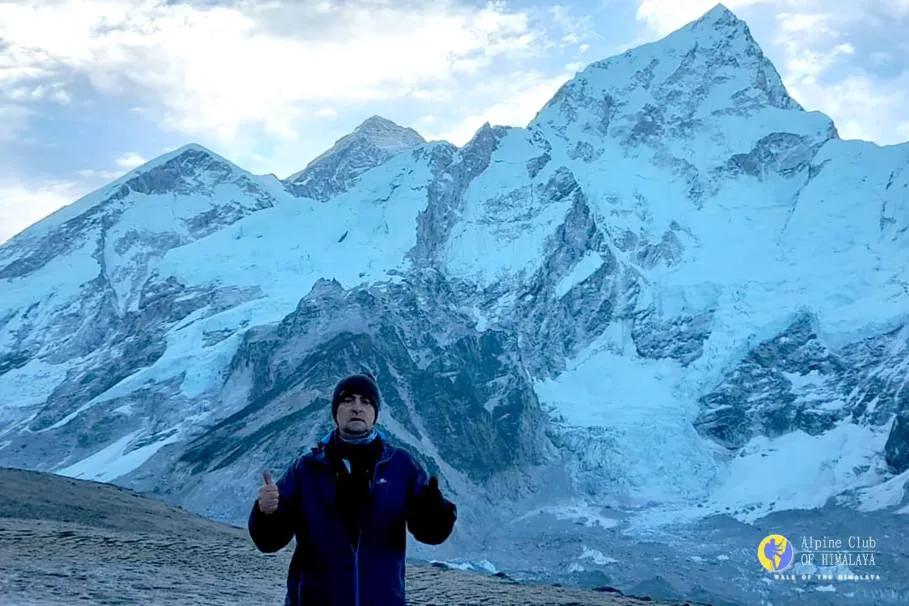
The Everest Base Camp Short Trek – 5 Days is a carefully designed Himalayan journey for travelers who have limited time but still want to experience the legendary Everest region in comfort and safety. This short itinerary combines scenic trekking with a thrilling helicopter flight, allowing you to enjoy the highlights of the Khumbu Valley without the long walking days required on the classic Everest Base Camp trek. Designed and operated by Alpine Club of Himalaya, this trek focuses on efficiency, altitude management, and unforgettable mountain views.
The adventure begins with a dramatic flight from Kathmandu or Manthali to Lukla, one of the world’s most exciting mountain airstrips. From Lukla, the trail follows the Dudh Koshi River through charming Sherpa villages, suspension bridges, prayer wheels, and pine forests as you trek to Phakding. The following day, the route continues toward Namche Bazaar, the vibrant heart of the Everest region. This section offers your first clear views of snowcapped peaks and provides insight into Sherpa culture, local markets, and mountain life.
After an overnight stay in Namche Bazaar, the trek continues uphill to Syangboche, home to the famous Hotel Everest View. This short hike allows proper acclimatization while rewarding you with panoramic views of Mount Everest, Ama Dablam, Lhotse, and Thamserku. The slower pace on this day helps your body adjust to altitude while keeping the journey comfortable and enjoyable.
The highlight of the trip comes on Day 4 with an early-morning helicopter flight. You will fly over glaciers, icefalls, and deep valleys to reach Everest Base Camp and Kala Patthar, the best viewpoint for close-up views of Mount Everest. This helicopter experience offers breathtaking aerial perspectives that are impossible to see on foot, making it ideal for travelers who want maximum scenery in a short time. After landing and spending time taking photos, the helicopter flies back to Lukla.
On the final day, you take a return flight from Lukla to Kathmandu or Manthali, concluding an intense yet rewarding Everest experience. This short Everest Base Camp trek is perfect for luxury travelers, business professionals, families, or anyone seeking a once-in-a-lifetime Himalayan adventure without a long trekking schedule.
Best Time to Trek
The best time to do the Everest Base Camp Short Trek is during spring (March to May) and autumn (September to November), as these seasons offer the most stable weather, clear mountain views, and comfortable trekking conditions.
· Spring (March to May) is one of the most popular seasons in the Everest region. During this time, the weather is relatively warm, skies are generally clear, and visibility is excellent. The trail comes alive with blooming rhododendrons and other alpine flowers, making the walk more scenic. Daytime temperatures are pleasant for trekking, and helicopter flights to Everest Base Camp and Kala Patthar operate smoothly due to favorable weather conditions.
· Autumn (September to November) is considered the best overall season for trekking in the Everest region. After the monsoon ends, the air becomes fresh and clean, offering sharp, crystal-clear views of Mount Everest and surrounding peaks. Temperatures are stable, rainfall is minimal, and trail conditions are excellent. This season is ideal for trekkers who prioritize mountain views, photography, and reliable flight schedules.
· Winter (December to February) is colder, especially at higher elevations, but the trek is still possible for those who can handle low temperatures. Trails are quieter, and mountain views can be stunning on clear days. However, helicopter flights may be delayed due to snow and strong winds.
· Monsoon/Summer (June to August) is the least recommended season due to heavy rainfall, cloud cover, and reduced visibility. Flights can be unreliable, and leeches may be present at lower elevations, though the Everest region itself receives less rain than other parts of Nepal.
For the best overall experience, spring and autumn are the most recommended seasons for the Everest Base Camp Short Trek, offering the perfect balance of weather, visibility, and safety
Difficulty Level
The Everest Base Camp Short Trek – 5 Days is considered a moderate trek, but it should not be underestimated due to the high altitude involved. Although the walking days are shorter compared to the classic Everest Base Camp trek, the trek still reaches elevations above 3,800 meters, and the helicopter landing at Everest Base Camp and Kala Patthar takes you close to 5,400 meters. The trails are well-defined, with gradual ascents, stone steps, and suspension bridges, but altitude remains the main challenge rather than technical difficulty. This trek is suitable for first-time trekkers who are in good health and are comfortable walking for a few hours a day.
Physical Fitness and Requirements
A good level of physical fitness is required to enjoy this short Everest trek comfortably. You should be able to walk 2 to 6 hours per day on uphill and downhill mountain trails while carrying a light daypack. Regular activities such as hiking, jogging, cycling, stair climbing, or gym workouts before the trip will greatly help in building endurance and leg strength.
No prior trekking or mountaineering experience is required, but participants should be mentally prepared for high-altitude conditions, basic mountain facilities, and changing weather. Since altitude gain is relatively quick, it is important to be aware of altitude-related symptoms and follow the guide’s instructions carefully. Adequate hydration, a steady walking pace, and proper acclimatization stops are essential.
This trek is ideal for travelers with limited time who are reasonably active and in good health. People with serious heart, lung, or altitude-related medical conditions should consult a doctor before joining. With proper preparation and guidance, the Everest Base Camp Short Trek is a rewarding and achievable Himalayan adventure for most fit travelers.
Altitude Sickness and Preparation
Trekking to Everest Base Camp exposes you to high-altitude conditions, with elevations exceeding 5,000 meters at Kala Patthar and 5,364 meters at Everest Base Camp. At such heights, the oxygen level decreases significantly, which can lead to Altitude Sickness (Acute Mountain Sickness – AMS). Symptoms may include headache, nausea, dizziness, shortness of breath, fatigue, and difficulty sleeping. In more severe cases, trekkers can experience High Altitude Pulmonary Edema (HAPE) or High Altitude Cerebral Edema (HACE), which require immediate medical attention.
- Gradual ascent: Although the 7-day trek is condensed, Alpine Club of Himalaya ensures strategic stops at Namche Bazaar, Dingboche, and Pheriche to allow the body to acclimatize properly.
- Hydration: Drink 2–3 liters of water daily to stay hydrated and aid acclimatization. Avoid alcohol and excessive caffeine.
- Physical conditioning: Cardiovascular training, strength exercises, and endurance hikes before the trek help your body adjust better to high-altitude exertion.
- Medication: Consult a doctor about Diamox or other preventive medications for altitude sickness. Carry a personal first aid kit including pain relievers, anti-nausea medicine, and oxygen if necessary.
- Monitoring health: Pay attention to your body and communicate any symptoms to your guide. Alpine Club of Himalaya guides are trained to recognize early signs of altitude sickness and can provide timely assistance, including adjusting trekking pace or arranging evacuation if needed.
By following these precautions, trekkers can minimize risks, enjoy the breathtaking scenery, and make their Everest Base Camp experience safe and memorable. Proper preparation, combined with guidance from professional guides, is essential for tackling this high-altitude adventure successfully.
Evacuation Procedures
Safety is a top priority when trekking to high-altitude regions like Everest Base Camp. Despite careful planning and guidance, emergencies such as severe altitude sickness, injuries, or sudden illness can occur. Alpine Club of Himalaya ensures that all trekkers are well-informed and prepared for such situations through established evacuation procedures.
· Helicopter Evacuation: In case of serious medical emergencies, helicopters are available for rapid evacuation from Gorak Shep, Pheriche, or Lukla to Kathmandu or the nearest equipped medical facility. Helicopter services are coordinated in advance, and costs are typically covered if included in your travel insurance.
· Trained Guides: Every trek includes experienced guides and assistant guides who are trained in first aid and high-altitude emergency response. They monitor trekkers for early symptoms of altitude sickness, injuries, and fatigue, taking immediate action if necessary.
· Local Health Posts: Along the trekking route, small health posts and clinics in Namche Bazaar, Dingboche, and Pheriche provide basic medical support. Guides can assist with assessment and coordination of further evacuation if required.
· Communication Systems: Guides carry satellite phones and radios to maintain communication with base offices and emergency services in Kathmandu, ensuring timely assistance in critical situations.
· Insurance Requirements: Comprehensive travel insurance covering high-altitude trekking and helicopter evacuation is mandatory. This ensures financial coverage for emergency transport, hospitalization, and medical treatment in case of unforeseen incidents.
Trekkers are advised to report any health issues immediately to their guide and follow their instructions to ensure safety. Proper preparation, awareness, and adherence to the evacuation procedures provided by Alpine Club of Himalaya significantly reduce risks, making the trek to Everest Base Camp a safe, well-managed, and unforgettable experience.
Safety and Security
Trekking in the Everest region is generally safe, but awareness and preparation are essential for a secure experience. Alpine Club of Himalaya prioritizes the safety of every trekker through professional guidance, proper planning, and continuous monitoring.
- Experienced Guides and Porters: All treks include trained guides who monitor trekkers’ health, manage altitude acclimatization, and provide assistance with navigation and logistics. Porters help carry luggage safely, reducing physical strain.
- Secure Trails and Infrastructure: Most trails are well-established, with clearly marked routes, bridges, and signage. While accidents are rare, trekkers are advised to follow safety instructions, especially when crossing suspension bridges or steep sections.
- Medical Preparedness: Guides carry first aid kits, and health posts are available in key villages such as Namche Bazaar, Dingboche, and Pheriche. In emergencies, helicopter evacuation to Kathmandu is available.
- Wildlife and Natural Hazards: Encounters with wildlife are rare, but trekkers should avoid disturbing animals. Awareness of landslides, icy paths, and sudden weather changes is critical for safety.
By adhering to guide instructions, staying vigilant, and using well-tested trekking gear, travelers can enjoy a secure and worry-free journey to Everest Base Camp.
Weather and Environment
The Everest region features varied weather and unique environmental conditions due to its high-altitude Himalayan setting. Understanding these factors is key to a successful trek.
- Spring (March–May): Mild temperatures, clear skies, and blooming rhododendrons. Daytime temperatures range from 10°C to 20°C in lower villages, dropping below freezing at higher elevations.
- Autumn (September–November): Crisp, clear weather with excellent visibility. Daytime temperatures range from 8°C to 18°C, making this the most popular trekking season.
- Winter (December–February): Cold temperatures with snow at higher elevations; daytime temperatures can drop below -10°C, requiring specialized winter gear.
- Monsoon (June–August): Heavy rainfall, slippery trails, and potential landslides; trekking is not recommended during this season.
Environmental Considerations:
- The region is part of Sagarmatha National Park, a UNESCO World Heritage Site, emphasizing environmental conservation. Trekkers are expected to minimize waste, avoid plastic pollution, and respect local flora and fauna.
- Trails include glacial valleys, river crossings, and alpine forests, offering breathtaking landscapes but requiring caution in adverse conditions.
- High-altitude effects such as thinner air, cold temperatures, and intense UV radiation demand proper clothing, hydration, and sun protection.
Awareness of weather and environmental conditions, combined with guidance from Alpine Club of Himalaya, ensures trekkers are prepared, safe, and able to enjoy the awe-inspiring beauty of the Everest region responsibly.
Lukla Flights and Alternatives
The trek begins with an exhilarating flight to the world-famous Tenzing-Hillary Airport in Lukla, located at an altitude of 2,860 meters. This 25–35-minute scenic flight from Kathmandu is considered one of the most spectacular aerial journeys in the world, offering panoramic views of the Himalayan peaks before landing on Lukla’s dramatic mountain runway. For many trekkers, this thrilling flight provides an unforgettable introduction to the Khumbu region and marks the official start of their adventure to Everest and Gokyo.
Flights from Kathmandu to Lukla
During the off-season, mainly winter and monsoon months, direct flights operate from Tribhuvan International Airport (TIA) in Kathmandu to Lukla. Airlines such as Tara Air, Summit Air, and Sita Air service this route. Early-morning departures are preferred because they offer the clearest visibility and safest flying conditions. Since weather in Lukla can change rapidly, taking early flights significantly increases the likelihood of reaching Lukla on schedule.
Flights from Ramechhap to Lukla
During peak trekking seasons—spring (March–May) and autumn (September–November)—flights to Lukla often depart from Ramechhap Airport (Manthali Airport), about a 4–5 hour drive from Kathmandu. Trekkers typically leave Kathmandu around midnight to reach the airport in time for early-morning departures. Although this adds a travel leg, it reduces air traffic congestion from Kathmandu and increases the chances of smooth flight operations to Lukla.
Weather Delays and Flight Cancellations
Due to Lukla’s short runway and surrounding mountainous terrain, flights are highly dependent on weather conditions. Fog, wind, or poor visibility can cause delays or cancellations even during the best trekking months. Alpine Club of Himalaya strongly recommends keeping 1–2 buffer days at the end of the trek to avoid missing international flights. In case of long delays, our team assists with rescheduling flights or arranging helicopter transfers to ensure trekkers continue safely and on schedule.
Helicopter Options
For trekkers seeking more flexibility, Alpine Club of Himalaya offers helicopter services to and from Lukla. Helicopter flights bypass weather-related delays, provide faster transfers, and offer a unique bird’s-eye view of Everest, Ama Dablam, and surrounding peaks, making the journey itself an extraordinary adventure. Group-sharing options are also available, providing cost-effective alternatives.
Overland Alternatives – Trekking from Jiri or Salleri
For those wishing to avoid flights entirely, the overland route via Jiri or Salleri is an excellent option. This classic trail follows the original path used by early Everest expeditions before Lukla’s airstrip existed. Although it adds several days of trekking through terraced hills, Sherpa villages, and lush forests, it provides gradual acclimatization and a culturally immersive experience. Private jeeps and public buses connect Kathmandu with both Jiri and Salleri.
With Alpine Club of Himalaya, all aspects of your Lukla journey—whether by flight, helicopter, or overland—are managed with safety, comfort, and flexibility in mind.
Mountain Views During the Trek
The Short Everest Base Camp Trek – 5 Days offers some of the most spectacular and iconic mountain vistas in the world. From the moment you fly into Lukla, the Himalayas surround you with breathtaking scenery. Along the trail, trekkers are treated to panoramic views of towering peaks, deep valleys, glaciers, and rugged ridges. Key highlights include:
· Mount Everest (8,848 m) – The world’s highest peak dominates the skyline, especially from Kala Patthar, where sunrise views are truly unforgettable.
· Lhotse (8,516 m) – Everest’s close neighbor appears prominently from Gorakshep and the trail to Base Camp.
· Nuptse (7,861 m) – A striking peak visible along the upper Khumbu valley, forming a dramatic backdrop near Everest Base Camp.
· Ama Dablam (6,812 m) – Known as the “Matterhorn of the Himalayas,” this beautifully shaped peak is seen from Tengboche and Dingboche.
· Thamserku (6,623 m) and Kangtega (6,782 m) – Spectacular peaks visible from Namche Bazaar and surrounding trails.
· Pumori (7,161 m) – Often called “Everest’s daughter,” Pumori dominates the view near Gorakshep and Everest Base Camp.
· Khumbu Glacier – The massive glacier at the foot of Everest adds to the dramatic scenery during the approach to Base Camp.
Throughout the trek, the trail alternates between alpine forests, high ridges, and open valleys, allowing trekkers to enjoy constantly changing perspectives of these majestic mountains. Early morning hikes and clear days provide the best visibility for photography and memorable Himalayan vistas. The combination of snow-capped peaks, deep gorges, and traditional Sherpa villages creates a visually stunning trekking experience that is both inspiring and humbling.
Meals
During the Everest Base Camp Short Trek, meals are carefully planned to provide sufficient energy for high-altitude trekking. Trekkers enjoy breakfast, lunch, and dinner at teahouses and lodges along the route. Breakfast often includes porridge, eggs, pancakes, or toast, fueling the day ahead. Lunch is usually light yet nutritious, with options like soups, noodles, rice, or the traditional Nepali dal bhat. Dinner provides hearty meals, combining carbohydrates and proteins to restore energy after long trekking hours. Special dietary needs, including vegetarian or vegan preferences, can be accommodated with prior notice. Meals not only nourish the body but also offer a glimpse into Sherpa hospitality and local cuisine, enhancing the overall trekking experience.
Drinking Water
Staying hydrated is critical at high altitudes, and trekkers are advised to drink at least 2–3 liters of water daily. Clean drinking water is available at most teahouses, usually boiled or filtered for safety. Many trekkers also carry portable water filters, UV sterilizers, or purification tablets to ensure safe consumption throughout the trek. Avoid drinking untreated river or stream water, as it can cause gastrointestinal issues. Maintaining hydration helps prevent altitude sickness, fatigue, and dehydration, ensuring trekkers stay healthy and energized while trekking to Everest Base Camp.
Accommodation
Accommodation during the trek is provided in teahouses and lodges, carefully selected by Alpine Club of Himalaya for comfort, cleanliness, and accessibility. Rooms typically feature beds with blankets, basic furniture, and either attached or shared bathrooms depending on the village and altitude. Key stops such as Namche Bazaar, Tengboche, Dingboche, Lobuche, and Gorak Shep have better facilities, while higher-altitude lodges may have shared amenities due to limited infrastructure. Staying in teahouses not only ensures comfort but also allows trekkers to experience local Sherpa culture and hospitality, making the journey to Everest Base Camp both safe and culturally enriching.
WiFi and Electricity
Access to WiFi and electricity along the Everest Base Camp trek is available in most teahouses and lodges, especially in larger villages such as Namche Bazaar, Tengboche, and Dingboche. WiFi is typically paid and may be slower at higher altitudes due to limited connectivity, but it is sufficient for basic communication and sharing photos. Electricity is available for charging devices, either included in the room or at a communal charging station, often for a small fee. Trekkers are advised to carry power banks and limit charging times, as electricity supply can be intermittent at higher elevations, such as Lobuche and Gorak Shep.
Guide and Porter Arrangement
The Short Everest Base Camp Trek is supported by a professional team to ensure safety, comfort, and smooth trekking operations. The guide and porter arrangement is organized as follows:
· For every 10 trekkers, 1 assistant guide is provided in addition to the main guide
· For every 2 trekkers, 1 porter is assigned to carry luggage
· For solo trekkers (1 pax), 1 porter-cum-guide is provided
Daily Activities
Each day on the trek combines trekking, rest, acclimatization, and cultural exploration.
Morning Activities:
· Guide: Wake trekkers, provide breakfast guidance, brief on the day’s route, highlight points of interest, pace the group according to fitness and acclimatization, and share knowledge about local culture, wildlife, and history.
· Porter: Carry luggage and trekking gear, prepare supplies, and ensure everything is ready for departure.
Midday Activities:
- Guide: Organize breaks for rest, hydration, and photography; arrange lunch stops; monitor trekkers for altitude sickness or fatigue; share insights about flora, fauna, and local culture.
- Porter: Continue transporting luggage, assist with extra gear, and prepare accommodation for arrival.
Evening Activities:
- Guide: Lead the group safely to the teahouse, check comfort and health, provide acclimatization tips, brief for the next day, and facilitate cultural experiences if possible.
- Porter: Deliver luggage to the correct rooms, assist with settling in, and coordinate with guide and teahouse staff for smooth operations.
All guides and porters are experienced in high-altitude trekking, trained in first aid, and familiar with the Everest region. They play a vital role in route guidance, altitude management, cultural interpretation, and overall trekking support, allowing trekkers to focus on enjoying the journey safely and comfortably.
Entrance and Permits
Trekking to Everest Base Camp requires several official permits and entrance fees to enter and travel within the Sagarmatha region. The main permits for the Short Everest Base Camp Trek include:
- Sagarmatha National Park Permit (SNP) – This is required to enter Sagarmatha National Park, a UNESCO World Heritage Site. The permit fee contributes to park conservation and is checked at entry points along the trail.
- Khumbu (Everest) Region Permit / TIMS Card (Trekking Information Management System) – All trekkers must carry a TIMS card, which ensures registration with the Nepal Tourism Board and supports safety tracking in the region.
- Local Entry Fees – Certain villages or areas may charge small local fees for maintenance and infrastructure support in trekking zones.
These permits are arranged and managed by Alpine Club of Himalaya on behalf of trekkers, so you do not need to worry about the administrative process. Trekkers should carry passport copies, as permits are issued using passport information. Obtaining the correct permits ensures legal trekking, access to trails, and contributes to the protection of the fragile environment and local communities of the Everest region.
Travel Insurance
Travel insurance is mandatory for trekking to Everest Base Camp due to the high-altitude environment and potential risks involved. Trekkers should purchase comprehensive insurance covering medical emergencies, evacuation, trip cancellations, and helicopter rescue in case of severe altitude sickness or injury. Alpine Club of Himalaya strongly recommends ensuring your policy includes high-altitude trekking coverage up to at least 6,000 meters, providing peace of mind and financial protection throughout your Himalayan adventure.
Passport and Visa
All international trekkers require a valid passport with at least six months validity from the date of entry into Nepal. A Nepal tourist visa is required, which can be obtained on arrival at Tribhuvan International Airport in Kathmandu or applied for online in advance. The visa duration can range from 15, 30, or 90 days, depending on your travel plans. Carry passport-sized photos and ensure all documents are safely stored during the trek. Guides from Alpine Club of Himalaya assist in verifying visa requirements and permit arrangements for a smooth entry and trekking experience.
Last-Minute Booking
The Everest Base Camp Short Trek – 5 Days is well suited for last-minute bookings, making it an excellent choice for travelers with sudden travel plans or flexible schedules. Thanks to the helicopter-supported itinerary and shorter trekking duration, arrangements such as domestic flights, permits, guides, and accommodation can often be organized on short notice. Alpine Club of Himalaya is experienced in handling quick confirmations while maintaining safety and service quality. However, during peak trekking seasons (spring and autumn), availability of Lukla flights and helicopters can be limited, so early contact is still recommended whenever possible.
Online Briefing
An online pre-trek briefing is provided for all participants before arrival in Nepal or prior to the trek departure. This briefing is conducted via video call or online meeting and covers essential information such as the detailed itinerary, altitude awareness, packing guidelines, weather expectations, safety measures, and helicopter flight procedures. It also allows trekkers to ask questions and clarify any concerns in advance. The online briefing ensures that even last-minute travelers are fully prepared, confident, and informed before starting their Everest adventure.
Private and Group Bookings
The Everest Base Camp Short Trek – 5 Days is available for both private and group bookings, allowing travelers to choose the style that best suits their preferences and travel plans. Private trips are ideal for couples, families, or friends who want a flexible schedule, personalized pacing, and dedicated guide support. This option offers greater comfort, privacy, and the ability to tailor certain aspects of the trek, such as flight timing or walking pace, without affecting other participants.
Group bookings are perfect for solo travelers, friends, or small groups looking for a more social trekking experience at a shared cost. Group treks follow a fixed departure schedule and are led by experienced guides, ensuring safety, coordination, and a well-managed itinerary. Whether you choose a private or group option, all logistics are professionally handled, and the same high standards of service, safety, and local expertise are maintained throughout the journey.
Benefits of Booking with Alpine Club of Himalaya:
· Expert guides with in-depth knowledge of the Everest region
· Properly trained porters to carry your luggage safely
· Organized permits, accommodations, and meals
· Enhanced safety and medical support for high-altitude trekking
· Options for private, semi-private, or group arrangements to suit your budget and preferences
Whether you choose a private trek for a personalized adventure or a group trek for a shared experience, booking with Alpine Club of Himalaya ensures a well-organized, safe, and memorable journey to Everest Base Camp.
Why Choose the Everest Base Camp Short Trek – 5 Days?
The Everest Base Camp Short Trek – 5 Days is the perfect choice for travelers who want to experience the magic of Mount Everest without committing to a long and physically demanding itinerary. This trek is specially designed to deliver maximum Himalayan highlights in a short time while maintaining comfort, safety, and scenic value.
One of the main reasons to choose this short trek is time efficiency. The itinerary combines short trekking days with a helicopter flight to Everest Base Camp and Kala Patthar, allowing you to reach the heart of the Everest region in just five days. This makes it ideal for busy professionals, families, and travelers with limited vacation time who still want a genuine Everest experience.
Another key advantage is reduced physical strain. Unlike the classic Everest Base Camp trek that takes 12–14 days, this short version minimizes long walking days and includes carefully planned acclimatization stops. The helicopter return significantly reduces fatigue while still providing close-up views of Mount Everest, glaciers, and the Khumbu Icefall.
The trek also offers exceptional scenery and cultural insight. You walk through traditional Sherpa villages, cross iconic suspension bridges, and visit Namche Bazaar, the cultural and commercial hub of the Everest region. Staying in scenic locations like Syangboche allows you to enjoy panoramic views of Everest, Ama Dablam, and surrounding peaks without rushing.
Safety and comfort are further reasons to choose this trek. The itinerary is professionally managed by Alpine Club of Himalaya, with experienced guides who monitor altitude adaptation and handle all logistics, permits, and flights. This ensures a smooth and well-organized journey from start to finish.
Finally, the Everest Base Camp Short Trek – 5 Days is ideal for travelers seeking a premium and memorable Himalayan adventure. With a balance of trekking, aerial views, and iconic landmarks, this short trek delivers the essence of Everest in a safe, efficient, and unforgettable way.
Pickup and Drop Points from Kathmandu:
1 - Devo Boutique Hotel, Thamel, Kathmandu (or similar)
2 - Tribhuvan International Airport (TIA), Kathmandu
3 - Alpine Club of Himalaya Pvt. Ltd
4 - Within Thamel, Kathmandu
Final Notes
Before starting the Everest Base Camp Short Trek – 5 Days, it is essential to ensure that all trekking gear is fully tested, properly fitted, and suitable for high-altitude conditions. Even though this is a short itinerary, the trek involves rapid altitude gain and exposure to alpine weather, making reliable equipment extremely important. Ill-fitting trekking boots, untested clothing layers, or unfamiliar gear can cause discomfort and increase the risk of injury or altitude-related issues.
Special attention should be given to the comfort and load-bearing capacity of your ACH Kitbag and ACH Duffel Bag, as these will be used throughout the trek and helicopter-supported sections. Proper physical preparation, dependable gear, and clear communication with Alpine Club of Himalaya are key to ensuring a safe, smooth, and enjoyable trekking experience. Our experienced team is always available to assist you before departure and during the trek. Please feel free to contact us with any questions, concerns, or special requirements to help create a seamless and memorable Himalayan adventure.
Cancellation Policy
Cancellation by the Participant
If you need to cancel your booking for the Everest Base Camp Short Trek – 5 Days, please inform Alpine Club of Himalaya in writing via email or official communication. The following cancellation charges will apply:
- 60 days or more before the trek start date: 20% of the total trip cost
- 30 to 59 days before the trek start date: 50% of the total trip cost
- Less than 30 days before departure: 100% of the total trip cost (non-refundable)
These charges help cover administrative expenses, permits, helicopter arrangements, pre-booked flights, and logistical commitments made in advance.
Cancellation by the Organizer
In rare situations, Alpine Club of Himalaya may be required to cancel the trek due to unavoidable circumstances such as extreme weather conditions, natural disasters, or safety concerns. In such cases, participants will be offered one of the following options:
- A full refund of all payments made, or
- The option to reschedule the trek for a future available date at no additional cost
Your safety and well-being are our top priorities, and cancellations are only made when absolutely necessary.
Force Majeure Clause
Alpine Club of Himalaya cannot be held responsible for cancellations, delays, or additional expenses arising from force majeure events beyond our control. These may include, but are not limited to:
- Earthquakes, floods, landslides, or severe weather
- Political unrest, strikes, or border closures
- Epidemics, pandemics, or other public health emergencies
- Airspace closures, airline cancellations, or flight delays
In such situations, participants are responsible for any extra personal costs, including additional accommodation, rescheduled flights, or insurance-related expenses. We strongly recommend purchasing comprehensive travel insurance that covers trip cancellations, medical emergencies, helicopter evacuation, and force majeure events before joining the Everest Base Camp Short Trek – 5 Days.