R
Rufaro Chikwava
Harare, Zimbabwe
Nov 19, 2025

Long days, high passes, and thinning air tested our stamina throughout, but the diversity of landscapes made this the best trek I've done in Nepal.
Destination
Nepal
Duration
16 Days
Best Weather
March, April, may, September, October & November
Max Altitude
5555m (Kala Patthar)
Accommodation
Hotel and Guesthouse
Meals
Full Board
Transportation
Private vehicle / Flights
Group
Min 1 pax
Difficulty
Strenuous
Activities
Trekking
The Everest Base Camp, Cho La Pass, and Gokyo Valley Trek – 16 Days is one of the most rewarding and scenic trekking adventures in Nepal, offering a complete Himalayan experience in the heart of the Khumbu region. This classic high-altitude journey combines the legendary Everest Base Camp route with the dramatic crossing of Cho La Pass (5,420m) and the tranquil beauty of the Gokyo Valley and Gokyo Lakes, making it an ideal choice for trekkers seeking both challenge and diversity. Organized by Alpine Club of Himalaya, this trek is carefully designed to provide breathtaking mountain views, cultural immersion, and proper acclimatization for a safe and memorable experience.
The trek begins with a scenic flight to Lukla and follows the historic trail through vibrant Sherpa villages such as Phakding, Namche Bazaar, Tengboche, and Dingboche, all located within the Sagarmatha National Park, a UNESCO World Heritage Site. Along the way, trekkers pass through pine forests, rhododendron-covered hills, suspension bridges draped with prayer flags, and ancient monasteries that reflect the deep-rooted Tibetan Buddhist culture of the region. Namche Bazaar, the bustling gateway to Everest, offers insight into local life while also serving as an important acclimatization stop.
One of the main highlights of this trek is reaching Everest Base Camp (5,364m), where climbers prepare for their ascent of the world’s highest peak, Mount Everest (8,848m). Standing at the base camp is a powerful and humbling experience, surrounded by towering icefalls and Himalayan giants. The journey also includes a hike to Kala Patthar (5,550m), the best viewpoint for panoramic sunrise views of Everest, Lhotse (8,516m), Nuptse, and surrounding peaks.
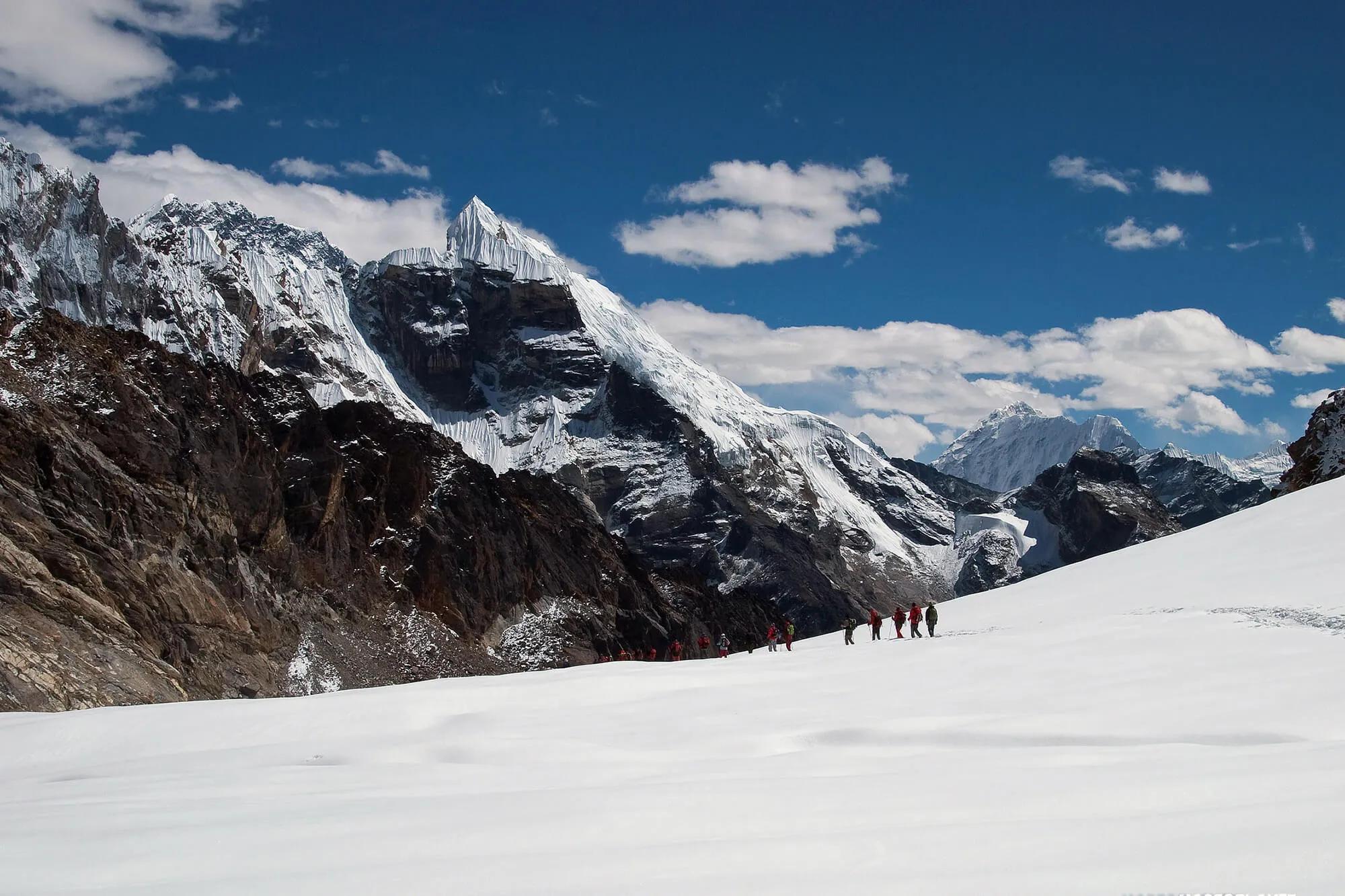
After visiting Everest Base Camp, the route continues toward the less-crowded and peaceful Gokyo region, crossing the challenging yet spectacular Cho La Pass. This high mountain pass rewards trekkers with dramatic glacier views and a true sense of adventure. The trail then leads to the stunning Gokyo Valley, home to a series of turquoise glacial lakes and the majestic Ngozumpa Glacier, the largest glacier in Nepal. A hike to Gokyo Ri (5,357m) provides one of the finest panoramic views in the Himalayas, showcasing four of the world’s 8,000-meter peaks: Mount Everest, Lhotse, Makalu (8,485m), and Cho Oyu (8,201m).
This 16-day trek is not only about mountain scenery but also about experiencing the unique wildlife and natural environment of the Himalayas. Trekkers may encounter Himalayan thar, musk deer, snow pheasants, and colorful alpine flora along the trail. The carefully planned itinerary by Alpine Club of Himalaya allows for gradual altitude gain, ensuring better acclimatization and a more enjoyable trekking experience.
The Everest Base Camp, Cho La Pass, and Gokyo Valley Trek is ideal for adventure seekers who want a comprehensive Everest region experience beyond the standard EBC route. With professional guides, well-planned logistics, and a strong focus on safety and sustainability, Alpine Club of Himalaya ensures a high-quality trekking experience that combines adventure, culture, and natural beauty. This trek promises unforgettable memories, stunning landscapes, and a deep connection with the world’s highest mountains, making it one of the finest trekking journeys in Nepal’s Himalayas.
As the trail ascends deeper into Nepal’s legendary Khumbu region, trekkers pass through the scenic villages of Tengboche, Dingboche, and Lobuche, each offering unique cultural and natural charm. Tengboche is home to the region’s most significant monastery, where panoramic views of Ama Dablam and Everest create a deeply spiritual atmosphere. Continuing higher, the route leads to the iconic Everest Base Camp (5,364m)—the historic staging ground for climbers attempting to summit Mount Everest (8,848m), the highest mountain in the world. Standing at Everest Base Camp, surrounded by towering Himalayan peaks such as Nuptse, Pumori, and Khumbutse, is a powerful and unforgettable moment. Although Everest is not directly visible from base camp, an early morning hike to Kala Patthar (5,545m) offers the best panoramic viewpoint, providing breathtaking close-up views of Everest and the surrounding Himalayan giants.
After experiencing the grandeur of Everest Base Camp, the trek transitions into a more adventurous and less-traveled route toward Cho La Pass (5,420m), one of the most dramatic high mountain passes in the Everest region. This challenging section of the trek demands strong physical endurance, proper acclimatization, and careful navigation, especially during snowy or icy conditions. The trail features steep ascents, rocky terrain, glacial moraines, and occasional icy sections where crampons may be required for safety. Reaching the top of Cho La Pass is a major achievement, marked by colorful prayer flags and sweeping 360-degree views of Himalayan peaks including Cholatse, Ama Dablam, Lobuche East, and surrounding glaciers, making the effort immensely rewarding.
Descending from Cho La Pass, the trail enters the tranquil and less-crowded Gokyo Valley, one of the most scenic and serene areas of the Everest region. The valley is famous for its chain of six turquoise glacial lakes, recognized as the highest freshwater lake system in the world. The main lake, Dudh Pokhari, lies beside the picturesque village of Gokyo and is considered sacred by both Hindu and Buddhist pilgrims. The reflection of snow-covered peaks in the crystal-clear waters creates a truly magical atmosphere. A pre-dawn hike to Gokyo Ri (5,357m) rewards trekkers with one of the finest panoramic views in Nepal, showcasing four 8,000-meter peaks—Mount Everest, Lhotse, Makalu, and Cho Oyu along with a spectacular view of the Ngozumpa Glacier, the longest glacier in Nepal.
Beyond dramatic landscapes, this trek offers deep cultural immersion and natural exploration. Ancient monasteries, intricately carved Mani walls, prayer wheels, and colorful prayer flags reflect the strong influence of Tibetan Buddhism throughout the region. Trekkers gain valuable insight into the Sherpa way of life, shaped by generations of living in the high Himalayas and maintaining a profound spiritual connection with the mountains. The journey through Sagarmatha National Park, a UNESCO World Heritage Site, also introduces trekkers to diverse alpine flora and fauna. With a bit of luck, trekkers may encounter Himalayan wildlife such as musk deer, Himalayan thar, snow leopard, and the vibrant Himalayan monal, Nepal’s national bird.
This combination of iconic landmarks, high mountain adventure, sacred landscapes, and rich cultural heritage makes the Everest Base Camp, Cho La Pass, and Gokyo Valley Trek one of the most complete and rewarding trekking experiences in Nepal.
The Everest Base Camp, Cho La Pass, and Gokyo Valley Trek is a preferred choice among trekkers because it offers a complete and diverse Himalayan experience in a single journey. Unlike the standard Everest Base Camp route, this trek combines three iconic highlights of the Everest region—Everest Base Camp, the adventurous Cho La Pass, and the serene Gokyo Valley—making it ideal for those who want more than just one destination. Trekkers experience a perfect balance of challenge, scenery, and cultural discovery throughout the 16-day itinerary.
One of the main reasons trekkers choose this route is the variety of landscapes. The trail passes through lush forests, deep river valleys, high alpine terrain, glaciers, and turquoise glacial lakes. The dramatic crossing of Cho La Pass adds a true sense of adventure, while the Gokyo Valley provides a peaceful contrast to the busier Everest Base Camp trail. This combination makes the trek visually rewarding and less repetitive than out-and-back routes.
The trek is also highly valued for its exceptional mountain views. Trekkers are rewarded with panoramic vistas of four of the world’s highest peaks—Mount Everest, Lhotse, Makalu, and Cho Oyu—along with iconic viewpoints such as Kala Patthar and Gokyo Ri. These viewpoints offer some of the finest sunrise and sunset scenes in the Himalayas, which is a major attraction for photographers and mountain lovers.
Another reason this trek stands out is its rich cultural experience. Walking through traditional Sherpa villages, visiting ancient monasteries like Tengboche, and observing daily life influenced by Tibetan Buddhism allow trekkers to connect deeply with the local culture. The warm hospitality of the Sherpa people adds meaningful human interaction to the journey.
Trekkers also prefer this route because it offers a sense of achievement and adventure without requiring technical climbing skills. Crossing a high mountain pass above 5,000 meters provides a rewarding challenge, making the trek especially appealing to experienced trekkers looking to push their limits in a safe and guided environment.
Finally, the trek is a top choice because of its well-designed itinerary and safety-focused approach. With proper acclimatization days, experienced guides, and careful planning, Alpine Club of Himalaya ensures a safe, comfortable, and enriching trekking experience. This combination of adventure, natural beauty, culture, and professional support makes the Everest Base Camp, Cho La Pass, and Gokyo Valley Trek one of the most sought-after trekking routes in Nepal.
The best time to trek the Everest Base Camp, Cho La Pass, and Gokyo Valley route is during spring (March to May) and autumn (September to November), when weather conditions are most stable and visibility is at its best.
· Spring (March to May) is one of the most popular seasons for this trek. During this time, temperatures are moderate, days are longer, and the skies are generally clear, offering excellent views of Mount Everest and surrounding peaks. The trails come alive with blooming rhododendrons and alpine flowers at lower elevations, adding vibrant colors to the landscape. Spring is also a favorable season for crossing Cho La Pass, as snow conditions are usually manageable with proper guidance.
· Autumn (September to November) is considered the ideal trekking season in the Everest region. Following the monsoon, the air is clean and crisp, providing crystal-clear mountain views. Weather conditions are stable, with minimal rainfall and comfortable daytime temperatures. This season offers the safest and most reliable conditions for high-altitude trekking and crossing Cho La Pass, making it highly recommended for trekkers seeking clear skies and panoramic scenery.
· Winter (December to February) is less popular due to very cold temperatures and heavy snowfall at higher elevations. While the skies can be clear, Cho La Pass may become difficult or impassable, and trekking requires strong endurance and proper winter gear.
· Monsoon/Summer (June to August) is generally not recommended because of frequent rain, cloudy conditions, and potential flight delays to Lukla. Snowfall and poor visibility at higher elevations can also make crossing Cho La Pass challenging.
For the best overall experience, Alpine Club of Himalaya strongly recommends planning this trek in spring or autumn, when weather, trail conditions, and mountain views are most favorable.
The Everest Base Camp, Cho La Pass, and Gokyo Valley Trek – 16 Days is considered a challenging to strenuous trek, suitable for trekkers with good physical condition and prior trekking experience. The difficulty mainly comes from the high altitude, long walking days, and the crossing of Cho La Pass (5,420m), which involves steep ascents, rocky trails, icy sections, and possible snow depending on the season. Although no technical climbing skills are required, the trek demands strong endurance, mental resilience, and the ability to adapt to changing weather and altitude conditions.
Trekkers walk for an average of 5 to 7 hours per day, with some days requiring longer hikes, especially during acclimatization hikes and pass-crossing days. Altitudes above 5,000 meters increase the risk of altitude-related challenges, making proper acclimatization and a steady pace essential. This trek is more demanding than the standard Everest Base Camp trek and is best suited for those seeking a high-altitude adventure with varied terrain.
A good level of physical fitness is essential for completing this trek comfortably. Trekkers should be capable of walking uphill and downhill for several hours a day on uneven terrain while carrying a light daypack. Previous experience on multi-day treks or high-altitude hikes is highly recommended, though not mandatory for individuals who are physically active and well-prepared.
To prepare for the trek, it is advisable to engage in regular cardiovascular training such as hiking, jogging, cycling, swimming, or stair climbing at least 6–8 weeks before the trip. Strengthening leg muscles, core stability, and improving overall stamina will significantly enhance trekking performance. Mental preparedness is equally important, as weather changes, altitude, and physical fatigue can be challenging at higher elevations.
Trekkers should be in good general health, free from serious medical conditions that may be aggravated by high altitude. Prior consultation with a medical professional is recommended, especially for those with heart, lung, or respiratory concerns. A positive attitude, willingness to follow the guide’s instructions, and adherence to acclimatization guidelines are crucial for a safe and successful journey.
With experienced guides, proper acclimatization days, and careful route planning, Alpine Club of Himalaya ensures that trekkers receive the necessary support to complete this demanding yet highly rewarding Himalayan adventure safely and confidently.
Altitude sickness, also known as Acute Mountain Sickness (AMS), is a common concern on high-altitude treks such as the Everest Base Camp, Cho La Pass, and Gokyo Valley Trek, where elevations exceed 5,000 meters. As the altitude increases, oxygen levels decrease, and the body needs time to adjust. Proper preparation before the trek plays a crucial role in minimizing the risk of altitude-related illnesses.
To prepare for high altitude, trekkers are advised to maintain good physical fitness, stay well-hydrated, and avoid alcohol or smoking before and during the trek. Gradual ascent, a balanced diet, and adequate rest help the body adapt naturally. Trekkers should also familiarize themselves with common symptoms of altitude sickness, including headache, nausea, dizziness, fatigue, loss of appetite, and disturbed sleep. Early recognition of symptoms and timely response are essential for safe trekking at high elevations.
Acclimatization is carefully built into the itinerary to ensure a safe and comfortable trekking experience. The trek includes designated acclimatization days, typically in Namche Bazaar and Dingboche, where trekkers spend an extra night while undertaking short acclimatization hikes to higher elevations before returning to sleep at a lower altitude. This “climb high, sleep low” approach allows the body to adjust gradually to reduced oxygen levels.
The daily ascent during the trek is planned at a steady and controlled pace, reducing stress on the body. Guides closely monitor trekkers for any signs of altitude sickness and encourage regular hydration, slow walking, and proper breathing techniques. Crossing high points such as Kala Patthar, Cho La Pass, and Gokyo Ri is scheduled only after sufficient acclimatization, significantly lowering the risk of AMS.
If symptoms of altitude sickness appear, immediate action is taken, which may include rest, medication, or descending to a lower altitude if necessary. With well-planned acclimatization, experienced guides, and a flexible approach to safety, trekkers can enjoy the journey with confidence. Proper altitude management ensures that the trek remains a rewarding and memorable Himalayan adventure rather than a health risk.
The safety of trekkers is a top priority during the Everest Base Camp, Cho La Pass, and Gokyo Valley Trek, and a clear evacuation process is in place to handle emergencies effectively. Evacuation may be required in cases of severe altitude sickness, injury, illness, or sudden health complications that cannot be managed on the trail.
In the event of a medical emergency, the trekking guide conducts an initial assessment and provides first aid as required. If the condition does not improve with rest or descent, the guide immediately communicates with the operations team to arrange an evacuation. In remote or high-altitude areas, helicopter evacuation is the fastest and most effective method, subject to weather conditions and visibility.
Before evacuation, the guide assists in coordinating with the trekking company, helicopter service providers, and local authorities. Trekkers must have valid travel insurance that covers high-altitude trekking and emergency helicopter rescue up to at least 6,000 meters, as insurance approval is mandatory before evacuation can proceed. Once approved, the helicopter transports the trekker to the nearest suitable medical facility, typically in Kathmandu.
In areas where helicopter evacuation is not immediately possible due to weather or terrain, the guide organizes a guided descent to a lower altitude or the nearest health post while closely monitoring the trekker’s condition. Continuous communication is maintained until the trekker reaches proper medical care.
With trained guides, emergency protocols, and reliable communication systems, the evacuation process is handled efficiently to ensure trekkers receive timely medical attention. Proper preparation, travel insurance, and adherence to guide instructions play a vital role in ensuring a safe trekking experience in the high Himalayas.
The weather in the Everest region varies significantly with altitude and season, playing a major role in trekking conditions. During the main trekking seasons of spring (March to May) and autumn (September to November), the weather is generally stable with clear skies, mild daytime temperatures, and cold nights at higher elevations. Daytime temperatures can range from 10°C to 15°C at lower altitudes, while temperatures above 4,000 meters often drop below freezing, especially at night. Winter brings extremely cold conditions and heavy snowfall, while the monsoon season features frequent rain, cloudy skies, and reduced visibility. The environment changes dramatically along the trail, from lush forests and river valleys to alpine landscapes, glaciers, and high mountain terrain, offering trekkers a constantly evolving natural setting.
Safety and security are essential aspects of trekking in the high Himalayas. The Everest Base Camp, Cho La Pass, and Gokyo Valley Trek follows well-established routes with proper infrastructure, including teahouses, communication networks, and designated trekking trails. Experienced guides monitor trekkers’ health, pace, and altitude adaptation throughout the journey. Weather conditions, trail safety, and group movement are closely managed, particularly during high-altitude sections such as Cho La Pass. Emergency protocols, first aid supplies, and evacuation plans are in place to respond quickly to any unforeseen situations. By following guide instructions, trekking at a steady pace, and respecting acclimatization guidelines, trekkers can enjoy a secure and well-managed adventure.
The trek passes through Sagarmatha National Park, a UNESCO World Heritage Site known for its rich biodiversity and unique high-altitude ecosystem. At lower elevations, the trail is surrounded by forests of pine, fir, juniper, and rhododendron, which bloom beautifully during spring. As altitude increases, vegetation becomes sparse, giving way to alpine shrubs, mosses, and lichens adapted to harsh mountain conditions. The region is home to a variety of Himalayan wildlife, including Himalayan thar, musk deer, snow leopard, and Himalayan tahr, though sightings are rare due to the animals’ elusive nature. Birdlife is more commonly seen, with species such as the Himalayan monal, pheasants, snow pigeons, and eagles frequently spotted along the trail. This diverse natural environment adds depth and richness to the trekking experience, combining scenic beauty with ecological significance.
Reaching Lukla, the gateway to the Everest region, is an adventure in itself. Due to its high-altitude location and short runway, transportation to Lukla is limited and highly dependent on weather conditions. Below are the main travel options available for trekkers heading to Everest Base Camp, Cho La Pass, and Gokyo Valley.
The most popular and fastest way to reach Lukla is by taking a direct mountain flight from Kathmandu’s Tribhuvan International Airport to Tenzing–Hillary Airport in Lukla. The flight duration is approximately 30–40 minutes and offers breathtaking aerial views of Himalayan peaks, deep valleys, and glaciers.
These flights operate early in the morning when weather conditions are most stable. However, they are highly weather-dependent and can be delayed or canceled due to fog, strong winds, or low visibility. Despite occasional disruptions, this option remains the most convenient choice for trekkers with limited time.
During peak trekking seasons, many Lukla flights are operated from Ramechhap (Manthali Airport) instead of Kathmandu to reduce air traffic congestion. Trekkers travel by road from Kathmandu to Ramechhap, which takes approximately 5–6 hours, usually starting very early in the morning.
The Ramechhap to Lukla flight takes around 30 minutes and offers equally stunning mountain views. This option sometimes experiences fewer cancellations due to better early-morning flying conditions, but it requires additional travel time and early departures.
For trekkers seeking maximum comfort, flexibility, and reliability, helicopter flights to Lukla are an excellent alternative. Helicopters can operate in more challenging weather conditions compared to fixed-wing aircraft and are less affected by short runways.
Helicopter flights can depart from Kathmandu or Ramechhap and take approximately 45–60 minutes depending on weather and routing. Although more expensive, helicopters are ideal for:
· Avoiding long delays or cancellations
· Last-minute bookings
· Private groups or luxury trekkers
· Emergency or time-sensitive travel
Helicopter transfers are also commonly used for emergency evacuations in the Everest region.
For trekkers who prefer to avoid flying altogether or wish to experience a more traditional approach, an overland trekking route via Jiri or Salleri is available. This option involves driving from Kathmandu and then trekking through remote villages, terraced farmlands, and forested hills before joining the main Everest trail.
This approach adds 5–7 extra trekking days, but offers a gradual altitude gain, rich cultural encounters, and a quieter, more immersive Himalayan experience. It is especially suitable for trekkers with ample time and a desire for deeper exploration.
The best route to Lukla depends on your schedule, budget, comfort preference, and weather flexibility. Direct flights are fastest, Ramechhap flights are common in peak season, helicopters provide reliability and comfort, while overland routes offer cultural depth and adventure.
Alpine Club of Himalaya assists trekkers in selecting and arranging the most suitable Lukla travel option, ensuring smooth logistics and timely coordination for your Everest region trek.
During the Everest Base Camp, Cho La Pass, and Gokyo Valley Trek, accommodation is primarily provided in teahouses and lodges, offering basic yet comfortable facilities suitable for high-altitude trekking. These teahouses are family-run and provide a warm, welcoming environment where trekkers can rest after long days on the trail. Rooms are typically shared or private, with simple beds, blankets, and mattresses. Hot showers may be available in some teahouses, usually for an additional charge, but water is often limited at higher elevations.
Key stops such as Namche Bazaar, Dingboche, Lobuche, and Gokyo have larger teahouses with slightly better amenities, including common dining areas, WiFi, and electricity for device charging. At more remote locations near Cho La Pass or smaller villages, facilities are basic, with limited heating and simple meals. Meals usually include breakfast, lunch, and dinner, featuring traditional Nepali dishes, soups, noodles, and rice-based meals.
For trekkers seeking additional comfort, some teahouses in major villages offer upgraded rooms with private bathrooms or better bedding, depending on availability. Alpine Club of Himalaya carefully selects accommodation options along the route to ensure safety, hygiene, and a cozy environment, allowing trekkers to rest and recharge while experiencing the authentic Himalayan culture.
On the Everest Base Camp, Cho La Pass, and Gokyo Valley Trek, meals are primarily provided in teahouses and lodges along the route. Most stops include three meals a day—breakfast, lunch, and dinner—except on the final day, when breakfast is usually provided before descending to Lukla or Kathmandu.
Meals typically consist of traditional Nepali cuisine, including dal bhat (lentil soup with rice), vegetable curries, noodles, fried rice, soups, and momo (Nepali dumplings). Western-style options such as pasta, sandwiches, pancakes, and omelets are also commonly available in major villages like Namche Bazaar, Dingboche, and Gokyo. Hot beverages like tea, coffee, and hot chocolate are available throughout the trek and are especially comforting at high altitudes.
Alpine Club of Himalaya ensures that meals are nutritious and sufficient to meet the high-energy requirements of trekking in the Himalayas. Vegetarian and non-vegetarian options can be arranged, and special dietary requirements should be communicated in advance.
Access to safe drinking water is crucial for high-altitude trekking. Along the route, trekkers can purchase bottled water at most teahouses, but this can become expensive at higher elevations. A more sustainable option is to carry a reusable water bottle and refill it from teahouses or natural water sources after proper purification.
Water can be purified using methods such as boiling, chlorine tablets, or portable water filters, all of which are highly recommended to avoid waterborne illnesses. Many lodges also provide boiled or filtered water for a small fee, especially at major stops like Namche Bazaar, Dingboche, and Gokyo. Trekkers are advised to drink at least 3–4 liters of water per day to prevent dehydration, support acclimatization, and maintain energy levels during the trek.
Along the Everest Base Camp, Cho La Pass, and Gokyo Valley Trek, access to WiFi and electricity is available at most teahouses and lodges in major villages like Namche Bazaar, Dingboche, Lobuche, and Gokyo. WiFi is usually provided for a small fee, and connection quality may vary depending on location and weather conditions. Electricity for charging devices is generally available through wall outlets or communal charging stations, often for an additional charge per device. At higher and more remote settlements, such as near Cho La Pass, facilities may be limited or unavailable, so trekkers are advised to carry portable power banks or solar chargers to ensure devices remain functional throughout the trek.
Professional guidance and support are key to a safe and enjoyable trekking experience. A certified trekking guide from Alpine Club of Himalaya accompanies trekkers throughout the journey, providing local knowledge, route navigation, safety monitoring, and cultural insights. Guides also assist with altitude acclimatization and emergency situations, ensuring a smooth and secure trek.
Trekkers can also hire a porter to carry luggage, which helps reduce physical strain and allows for a more comfortable experience, particularly during long days and high-altitude sections. Porters are trained, experienced, and equipped with proper gear, and their services are organized by Alpine Club of Himalaya to ensure ethical treatment, fair wages, and safety. Using guides and porters enhances both the trekking experience and the overall safety of high-altitude adventures.
Trekking in the Everest region requires certain permits and entrance fees to ensure compliance with Nepalese regulations and support the conservation of Sagarmatha National Park, a UNESCO World Heritage Site. Alpine Club of Himalaya helps trekkers arrange all necessary permits before or during the trek.
1. Sagarmatha National Park Entry Permit (SNP):
All trekkers entering the Everest region must obtain a Sagarmatha National Park permit. This permit helps fund park conservation and support local communities. It is issued by the Department of National Parks and Wildlife Conservation (DNPWC) in Kathmandu or can be arranged through trekking agencies. The permit is checked at Park entry points along the trail.
2. Khumbu/Entry Permit (TIMS – Trekkers’ Information Management System):
The TIMS card is required for all independent trekkers visiting the Everest region. It helps track trekkers for safety purposes. Trekkers can obtain the TIMS card through authorized trekking agencies, such as Alpine Club of Himalaya, or directly at the Nepal Tourism Board offices in Kathmandu. TIMS is checked at key points along the trail.
3. Local Village or Conservation Fees:
Some villages or areas may have small community or conservation fees, which contribute to local development and environmental maintenance. These fees are typically included in the trekking package arranged by your guide.
All permits must be carried and presented during trekking, especially at checkpoints like Monjo, Namche Bazaar, and Sagarmatha National Park entry points. Proper permits not only ensure compliance with Nepalese law but also enhance safety, help protect the environment, and support local communities along the Everest Base Camp and Gokyo Valley trekking routes.
Travel insurance is mandatory for all trekkers in the Everest region, including those on the Everest Base Camp, Cho La Pass, and Gokyo Valley Trek. A comprehensive travel insurance policy should cover:
· High-altitude trekking and mountaineering up to at least 6,000 meters, including crossing high passes like Cho La
· Emergency evacuation by helicopter in case of severe illness, injury, or altitude sickness
· Medical treatment at local hospitals or clinics
· Trip interruption or loss of personal belongings
Having proper travel insurance ensures that trekkers can receive immediate medical care and evacuation if required, providing peace of mind while trekking in remote and high-altitude regions. Alpine Club of Himalaya requires all trekkers to carry proof of valid travel insurance before the trek begins.
All foreign nationals visiting Nepal must have a valid passport with at least six months validity from the date of entry. A Nepal visa is also required for most international travelers and can be obtained in the following ways:
· On Arrival: Available at Tribhuvan International Airport (Kathmandu) or at land border entry points. Single-entry visas for 15, 30, or 90 days are available.
· Online e-Visa: Many nationalities can apply for a Nepal visa online prior to arrival to save time.
Tourists are advised to carry a copy of their passport and visa at all times while trekking, along with the original documents. Trekking permits and TIMS cards are checked alongside identification at various checkpoints in the Everest region.
Last-minute bookings for the Everest Base Camp, Cho La Pass, and Gokyo Valley Trek are possible, especially when organized through experienced trekking agencies like Alpine Club of Himalaya. However, trekkers should keep in mind:
· Availability of flights to Lukla, teahouses, and guides may be limited, particularly during peak trekking seasons (spring and autumn).
· Permit processing, including Sagarmatha National Park Entry and TIMS, requires a minimum of 1–2 days, which agencies can often expedite for last-minute trekkers.
· Early communication of special requirements, such as dietary needs, porter services, or extra gear, is important to ensure proper arrangements.
Even with short notice, Alpine Club of Himalaya can help organize the trek efficiently, including guide and porter assignment, accommodation, meals, and logistical support to provide a safe and enjoyable experience.
To ensure trekkers are fully prepared, online briefings are provided prior to departure. These briefings cover:
· Detailed trekking itinerary, including daily distances, elevation gains, and acclimatization days
· Information about permits, visa, travel insurance, and health requirements
· Guidelines for altitude sickness prevention, emergency protocols, and evacuation procedures
· Recommendations for gear, clothing, and personal packing
· Tips on meals, drinking water, teahouse accommodation, and cultural etiquette
The online briefing allows trekkers to ask questions, clarify doubts, and feel confident before arriving in Nepal. With expert guidance from Alpine Club of Himalaya, these briefings ensure trekkers are well-prepared physically, mentally, and logistically for the high-altitude adventure.
The Everest Base Camp, Cho La Pass, and Gokyo Valley Trek offers options for both group and private bookings, allowing trekkers to choose the experience that best suits their needs. Group bookings are ideal for friends, families, or trekking clubs who want to share the adventure with others. Traveling as a group allows trekkers to benefit from shared guides, porters, and logistical support, which can help reduce overall costs. Trekking in a group also adds a social dimension, providing encouragement and camaraderie during challenging sections such as Cho La Pass.
Private bookings, on the other hand, are perfect for individuals, couples, or small parties who prefer a more personalized trekking experience. Private treks offer the flexibility to set your own pace, adjust acclimatization days, and focus on personal interests such as photography, cultural exploration, or high-altitude adventure. With a dedicated guide and porter, private trekkers receive one-on-one support, ensuring safety, comfort, and attention to individual needs.
Whether choosing a group or private trek, Alpine Club of Himalaya provides professional guidance, full logistical support, and carefully planned itineraries. This ensures that every trekker can enjoy a rewarding, safe, and memorable journey through the Everest region, with all essential arrangements—from accommodation and meals to permits and high-altitude safety—taken care of efficiently.
Before starting the Everest Base Camp, Cho La Pass, and Gokyo Valley Trek, it is essential to be well prepared both physically and logistically. This 16-day Himalayan adventure is one of the most rewarding trekking journeys in Nepal, combining the classic Everest Base Camp route with the high-altitude challenge of Cho La Pass and the serene beauty of the Gokyo Valley. The trek takes you deep into the Khumbu region, offering unforgettable views of Mount Everest, Lhotse, Makalu, Cho Oyu, Ama Dablam, and the vast Ngozumpa Glacier, while also introducing you to the unique culture and traditions of the Sherpa community.
Although the trek is well-paced with acclimatization days, it involves long walking hours, varied terrain, and altitudes exceeding 5,500 meters at Kala Patthar and Cho La Pass. A good level of physical fitness, proper preparation, and a positive mindset are key to enjoying this journey safely and comfortably. Packing appropriate gear, especially layered clothing for changing weather conditions and well broken-in trekking boots, is crucial. Trekkers are also advised to consult a medical professional regarding altitude-related medications before departure.
With Alpine Club of Himalaya, you are supported by experienced guides, trained porters, and a professional logistics team who prioritize your safety, comfort, and overall trekking experience. From permits and accommodations to route planning and acclimatization support, every detail is carefully managed so you can focus on enjoying the Himalayan landscapes and cultural encounters.
If a participant chooses to cancel their booking for the Everest Base Camp, Cho La Pass, and Gokyo Valley Trek, the following cancellation charges will apply:
These charges are necessary to cover pre-arranged costs such as trekking permits, domestic flights, accommodations, and administrative expenses.
In rare circumstances, Alpine Club of Himalaya may be required to cancel the trek due to factors beyond our control, such as extreme weather conditions, natural disasters, political instability, or safety concerns along the trekking route. In such cases, participants will be offered one of the following options:
All decisions regarding trek cancellation are made with the safety and well-being of our trekkers as the highest priority.
Alpine Club of Himalaya cannot be held responsible for delays, itinerary changes, cancellations, or additional expenses caused by force majeure events. These include, but are not limited to, natural disasters such as earthquakes, landslides, floods, extreme weather, political unrest, government restrictions, border closures, global health emergencies, or transportation disruptions including flight delays and airspace closures.
Any additional personal expenses incurred as a result of such events—such as accommodation, alternative transportation, or changes to international travel plans—will be the responsibility of the participant.
We strongly recommend that all trekkers obtain comprehensive travel insurance before joining the Everest Base Camp, Cho La Pass, and Gokyo Valley Trek. The insurance policy should include coverage for high-altitude trekking, emergency medical treatment, helicopter evacuation, trip cancellation, and force majeure situations. Having proper insurance ensures peace of mind and financial protection throughout your Himalayan adventure.
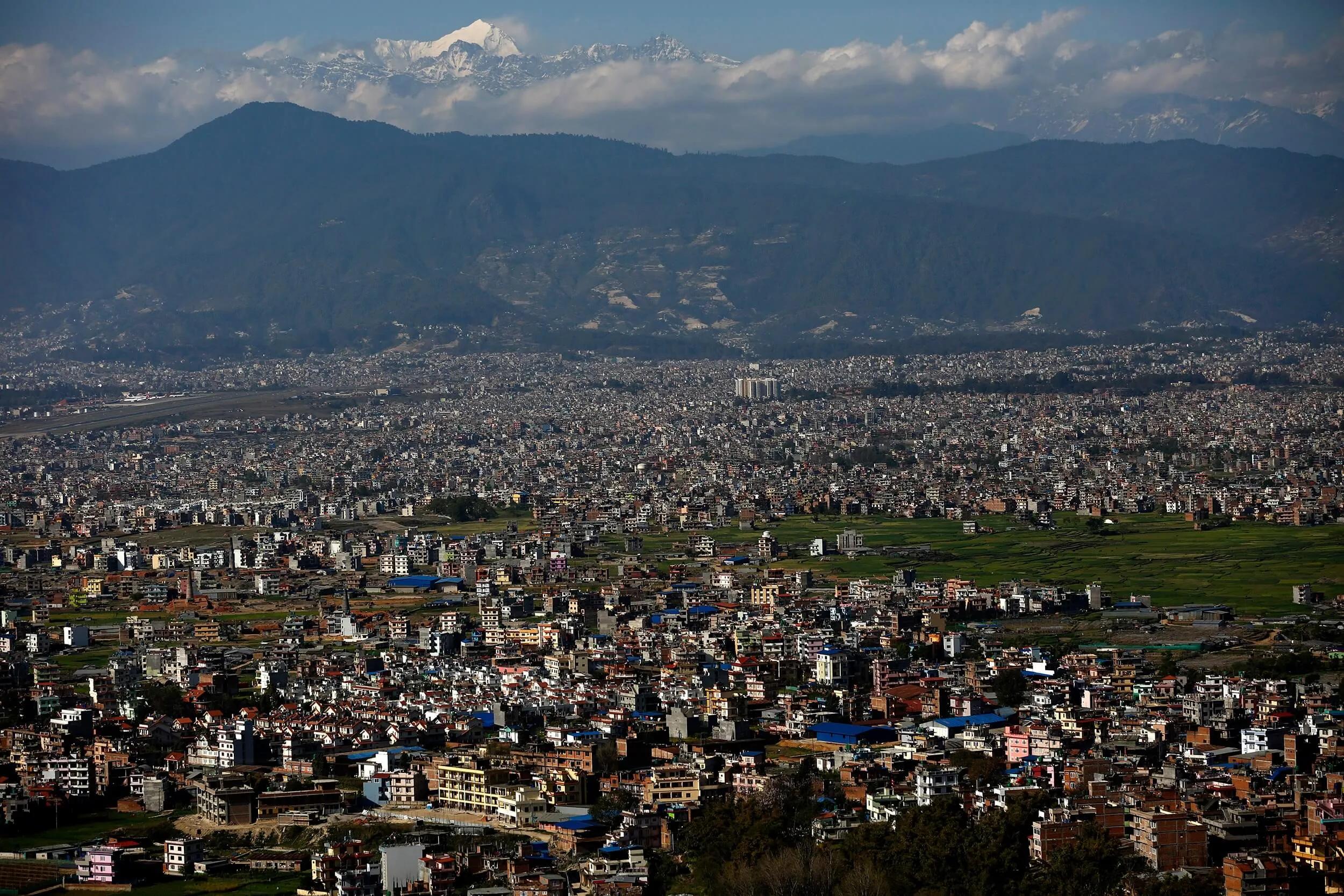
Your adventure begins with your arrival at Tribhuvan International Airport, Kathmandu, where you are warmly welcomed by the representatives of Alpine Club of Himalaya. After completing immigration and luggage formalities, you will be transferred to your hotel for rest and relaxation.
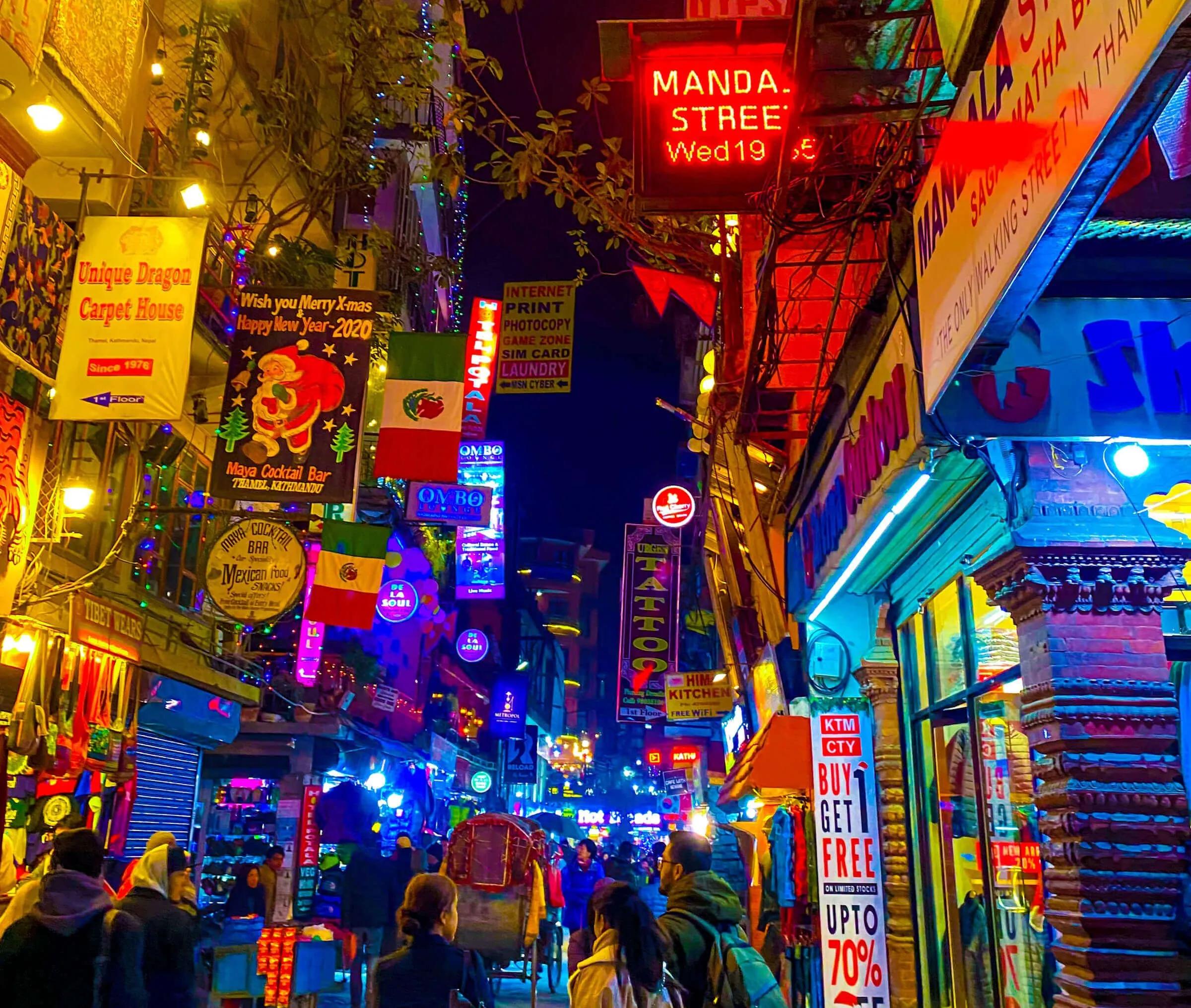
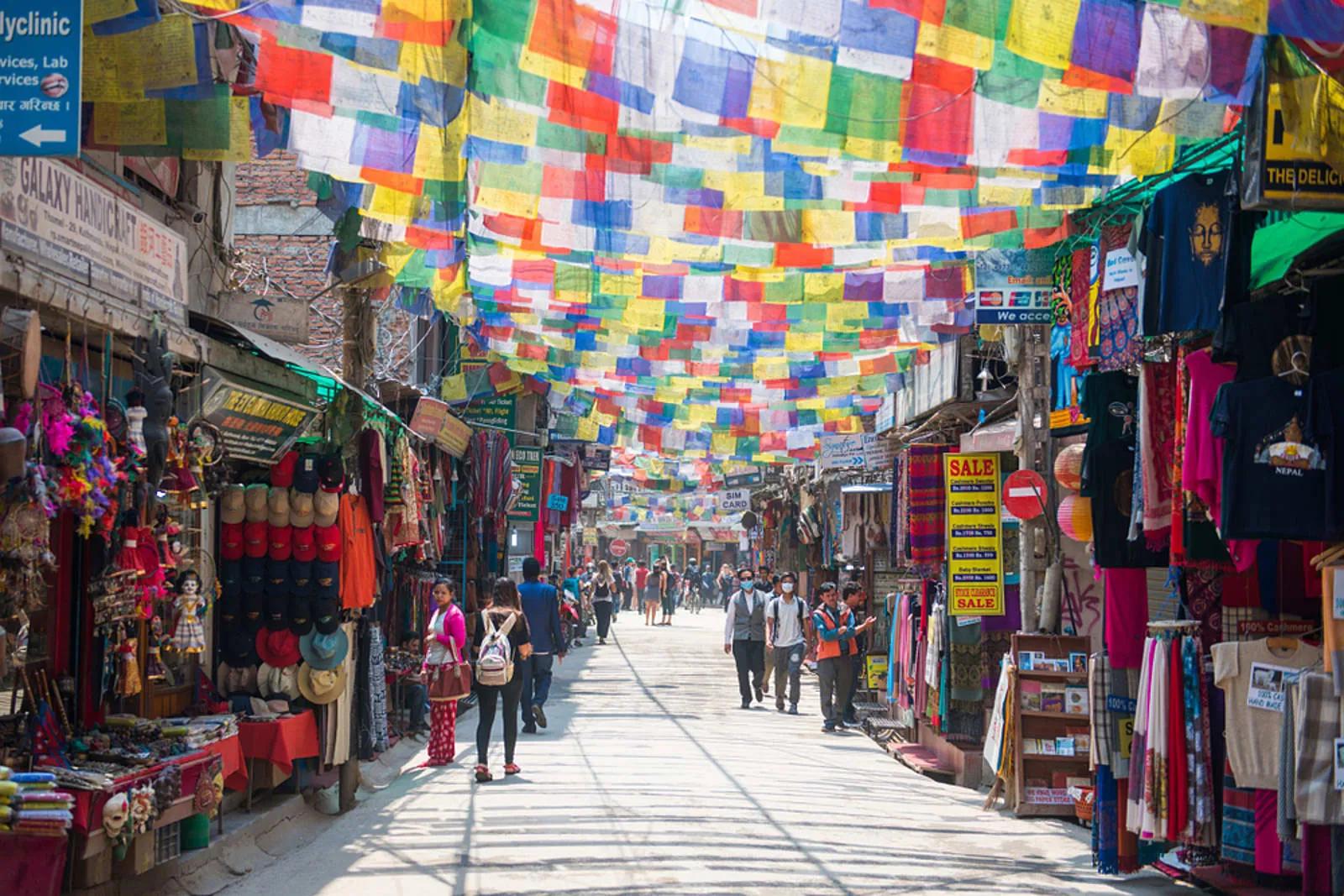
In the afternoon, take time to explore the vibrant streets of Kathmandu Valley, a UNESCO World Heritage site filled with centuries-old temples, stupas, and bustling markets. This orientation provides a gentle introduction to Nepal’s rich culture and history. Later, join the trekking team for a briefing on the upcoming journey, discussing safety measures, trekking gear, permits, and high-altitude preparation. The day concludes with a welcome dinner, where you can meet fellow trekkers and enjoy authentic Nepali cuisine.
Max. Elevation
1400m
Accommodation
Hotel
Meals
Welcome Dinner
All airport transfers, including pickups and drop-offs, will be arranged in a private, vehicle
3 night’s accommodation in a 3-star hotel in Kathmandu on a twin-sharing basis with breakfast included
A round-trip flight for Kathmandu Lukla and Lukla Kathmandu along with all departure taxes.
13 Nights stay in Lodge/Guest house / Basic Tea House/ during the trek.
Experienced English-Speaking Trekking Guide and porter (2 trekkers-1 Porter) throughout the trekking
Three times meals at comfortable lodging in tea houses or lodges throughout the trek,
All required permits for the trek, including Sagarmatha National Park entry permit and TIMS permits, ensuring compliance with regulations.
Clean, nutritious breakfast, lunch, and dinner with tea/coffee from the tea house menu during the trek.
Essential trekking equipment such as a sleeping bag and down jacket (need to be return after completion of the trek)
For groups of ten or more, an additional assistant guide will be provided to ensure a smooth and enjoyable trekking experience.
Experience a memorable farewell dinner at a traditional Nepalese restaurant, featuring local cuisine, music, and dance.
T-shirt, route map, and duffel bag from Alpine Club of Himalaya
Access to a basic first aid kit carried by your guide, including essential items for minor injuries and ailments.
Arrangements for emergency rescue operations if needed, with costs covered by your travel insurance.
All government and local taxes, including VAT, are included in your trek package.
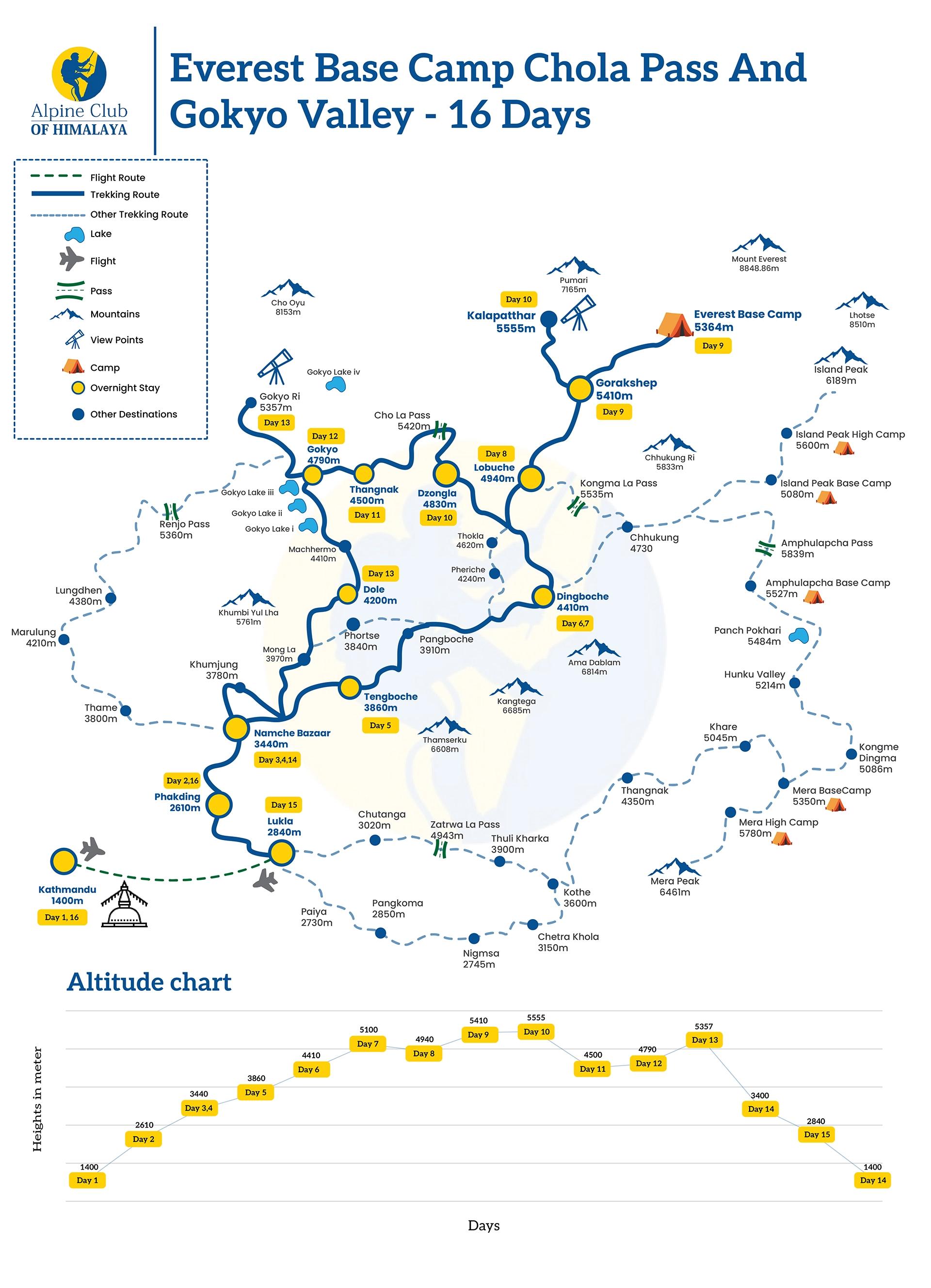
Click on map to view in fullscreen
Gear List and Packing
Proper gear and packing are essential for a safe and enjoyable trekking experience in the high Himalayas. Alpine Club of Himalaya recommends preparing carefully to handle cold temperatures, changing weather, and long days of trekking.
Clothing
· Moisture-wicking base layers (thermal tops and bottoms)
· Insulating mid-layers (fleece or down jackets)
· Waterproof and windproof jacket and pants
· Down jacket for high-altitude and cold nights
· Trekking pants and shorts
· Thermal leggings for layering
· Lightweight, quick-dry trekking shirts
· Warm gloves, inner liner gloves, and waterproof gloves
· Hat or beanie for cold
· Buff or neck gaiter for wind protection
· Trekking socks (wool or synthetic) and spare pairs
· Sandals or flip-flops for teahouses
Footwear
· Sturdy, waterproof trekking boots with ankle support
· Lightweight trekking shoes or sandals for teahouse use
High-Altitude & Technical Gear
· Trekking poles
· Gaiters for snow or mud
· Crampons (for icy sections like Cho La Pass)
· Sunglasses with UV protection
· Headlamp with extra batteries
· ACH Kitbag (daypack for essentials)
· ACH Duffel Bag (main luggage for porter)
· Ice axe (optional, for technical sections if required)
Personal Essentials
· Refillable water bottles (at least 2 liters) and hydration system
· Water purification tablets or filter
· Toiletries (toothbrush, toothpaste, wet wipes, biodegradable soap)
· Sunscreen (SPF 50+) and lip balm with SPF
· Personal first-aid kit:
· Hand sanitizer and tissues
· Identification, trekking permits, passport, visa, and travel insurance
· Trekking map, notebook, and pen
Electronics
· Smartphone and power bank
· Camera with extra memory cards
· Universal plug adapter
· Portable solar charger (optional)
Other Essentials for High-Altitude Trekking
· Lightweight sleeping bag (suitable for -15°C to -20°C)
· Trekking snacks (energy bars, chocolate, nuts)
· Trekking water bladder (optional)
· Sunglasses with side protection or glacier glasses
· Lip balm and skin moisturizer for cold, dry air
· Small trekking towel
· Extra ziplock bags for keeping electronics and documents dry
· Trekking umbrella (optional)
· Walking stick or wooden staff (optional)
· Lightweight foldable chair or sitting mat (optional for teahouses)
Optional Comfort Items
· Trekking journal or diary
· Binoculars for wildlife and mountain views
· Small travel pillow
· Book or e-reader for downtime in teahouses
This comprehensive list ensures you are fully prepared for:
· High-altitude trekking challenges like Cho La Pass and Kala Patthar
· Variable weather conditions from sunny valleys to snowy passes
· Remote Himalayan villages with limited facilities
· Cultural immersion and comfort in teahouses
By following this checklist, trekkers on the Everest Base Camp, Cho La Pass, and Gokyo Valley Trek can stay safe, warm, and well-prepared for a rewarding Himalayan adventure.
R
Rufaro Chikwava
Harare, Zimbabwe
Nov 19, 2025
B
Baraka Mwangi
Nairobi, Kenya
Nov 18, 2025
H
Henry Cooper
Edinburgh, Scotland
Jul 15, 2025
I
Isabella Ward
Melbourne, Australia
Jun 15, 2025

24/7 Support
Need help? we're at your service
Associated With


We Accept Cards

Office of the company registrar License: 66813/066/067 || Tourism Industry Division License:1142
All content and photography within our website is copyright & may not be reproduced without our permission.
Develop By: IT Sansaar