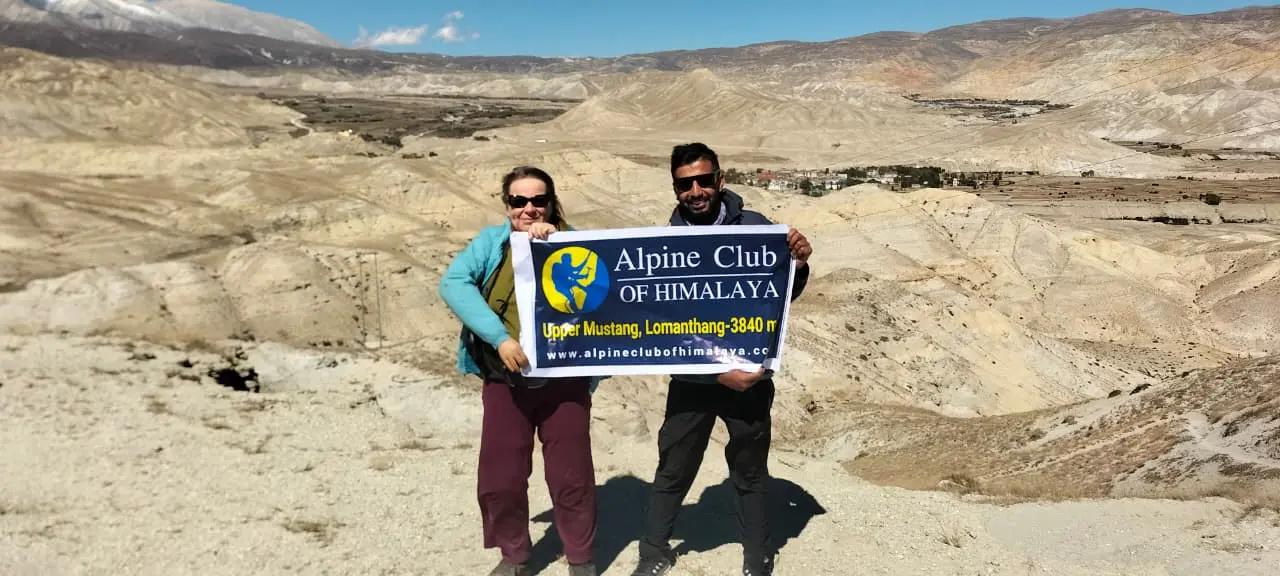
The Upper Mustang Trek and Drive Back to Pokhara – 12 Days is an extraordinary journey into the heart of the remote and mystical Trans-Himalayan region of Nepal. Often referred to as the “Forbidden Kingdom,” Upper Mustang is a unique landscape of arid deserts, dramatic cliffs, ancient monasteries, and Tibetan-influenced culture. This trek offers travelers a rare opportunity to explore one of the least-visited regions of the Himalayas, where time seems to have stood still and traditional lifestyles remain largely intact.
Beginning in Kathmandu, the adventure starts with preparation, sightseeing, and a flight to Pokhara, where travelers enjoy the scenic city and serene views of Phewa Lake. From Pokhara, a short flight to Jomsom brings participants into the heart of the Mustang region. From here, the trek commences, taking you through Kagbeni, a gateway to Upper Mustang, and onwards to remote villages such as Chile, Geling, Ghami, Tsarang, and Dihi, where ancient mud-brick settlements and traditional Tibetan Buddhist monasteries dominate the landscape. The journey culminates at Lo Manthang, the capital of the former Mustang Kingdom, perched at 3,850 meters. Here, trekkers can explore the royal palace, monasteries, and local bazaars, immersing themselves in the rich history, vibrant culture, and breathtaking desert-like Himalayan scenery.
This trek combines moderate walking with cultural exploration and scenic drives. One of the highlights of the itinerary is a round trip to Chosar Valley and Luri Gompa, offering panoramic views of canyons, cliffs, and nomadic settlements, as well as an insight into the spiritual traditions of the region. Travelers then descend and drive back to Jomsom, continuing the journey to Pokhara and finally returning to Kathmandu for the conclusion of the tour.
The Upper Mustang Trek is suitable for trekkers with good physical fitness who want to experience high-altitude desert landscapes, Tibetan culture, and isolated Himalayan communities. This journey also provides ample opportunities for photography, including scenic vistas, ancient monasteries, and local festivals, making it a truly unforgettable adventure.
Throughout the trek, accommodations include comfortable lodges, tea houses, and carefully selected hotels in Pokhara and Kathmandu, offering rest and relaxation after each day of exploration. Meals include local and traditional Nepali cuisine, ensuring a satisfying experience in the remote Himalayan environment.
Organized and guided by Alpine Club of Himalaya, this trek is conducted with meticulous attention to safety, cultural respect, and ethical tourism practices. The company provides professional trekking guides, local support staff, and logistical arrangements, ensuring that travelers can fully enjoy the unique landscapes, rich culture, and historic charm of Upper Mustang without concern for the complexities of high-altitude travel.
This 12-day Upper Mustang Trek and Drive Back to Pokhara is a once-in-a-lifetime opportunity to explore one of Nepal’s most enigmatic and pristine regions. From the rugged beauty of the desert Himalayas to the ancient walled city of Lo Manthang, participants will leave with memories of breathtaking landscapes, cultural insights, and authentic Himalayan experiences that few travelers ever encounter.
Best Time to Visit
The Upper Mustang Trek is best undertaken during the spring (March to May) and autumn (September to November) seasons. During these months, the weather is generally clear and stable, providing stunning visibility of the Trans-Himalayan landscapes, desert valleys, and snow-capped peaks. Spring brings colorful rhododendron blooms and mild temperatures, making the trek visually spectacular and pleasant for walking. Autumn offers crisp skies, cooler temperatures, and the clearest mountain views, ideal for photography and cultural exploration.
While winter (December to February) is possible, mornings and evenings can be extremely cold, and some higher passes may be icy or snow-covered, making trekking more challenging. The monsoon season (June to August) is not recommended due to heavy rains, potential landslides, and limited visibility in the Mustang region. Alpine Club of Himalaya advises travelers to plan their trek during the spring or autumn window for optimal conditions and safety.
Difficulty Level
The Upper Mustang Trek is considered moderate to challenging. It involves:
· Trekking at high altitudes, with Lo Manthang situated at 3,850 meters (12,631 feet).
· Walking 4–8 hours per day on uneven terrain, desert trails, rocky ridges, and occasional steep ascents.
· Navigating remote regions with limited access to modern facilities, requiring careful planning and preparation.
Despite these challenges, the trek does not require technical climbing skills, making it accessible to fit trekkers with prior experience in high-altitude walking or multi-day treks. The pace is generally manageable, and Alpine Club of Himalaya provides experienced guides, porter support, and logistical assistance to ensure a safe and enjoyable journey.
Physical Fitness and Requirements
To fully enjoy the Upper Mustang Trek, travelers should meet the following fitness and health criteria:
· Good overall fitness, including endurance for walking 4–8 hours per day on varying terrain.
· Ability to carry a daypack with personal items, water, and snacks while trekking.
· Acclimatization capability, as the trek reaches altitudes of 3,850 meters; prior high-altitude experience is beneficial but not mandatory.
· No major health issues that could be aggravated by moderate physical exertion or altitude, including heart or respiratory conditions.
· Commitment to walking daily and following guide instructions for pacing, acclimatization, and safety.
Alpine Club of Himalaya recommends that all participants engage in regular cardiovascular exercise, hiking, or endurance activities at least 6–8 weeks before departure. This preparation improves stamina, reduces fatigue, and enhances the overall trekking experience. The trek’s moderate pace allows for acclimatization stops, short breaks, and scenic exploration without unnecessary pressure.
Flora and Fauna
The Upper Mustang Trek offers a unique ecological experience as it traverses the Trans-Himalayan desert and high-altitude valleys, where the landscape and vegetation are dramatically different from Nepal’s lush lower hills. The region is characterized by arid landscapes, rocky cliffs, and sparse vegetation, shaped by its rain-shadow location behind the Annapurna and Dhaulagiri ranges.
Despite the dry environment, the trek features a variety of hardy and unique plant species, including juniper, rhododendron, willow, and small shrubs adapted to high-altitude desert conditions. In spring, the valleys and terraces around villages such as Kagbeni, Ghami, and Lo Manthang are dotted with alpine wildflowers, creating colorful contrasts against the earthy desert tones.
Fauna in Upper Mustang is equally fascinating, though sightings are often rare due to the sparse population of wildlife. The area is home to snow leopards, Himalayan wolves, blue sheep (bharal), and Tibetan foxes, along with various species of birds such as Himalayan vultures, choughs, and lammergeiers. Domestic animals are also integral to local life, including yaks, goats, and donkeys, which are essential for transport and agriculture in this high-altitude region. Trekking in Upper Mustang offers a blend of stark desert beauty, rare wildlife, and culturally significant livestock, making it a unique ecological and cultural journey.
Drone and Photography Policy
Photography is one of the most rewarding aspects of the Upper Mustang Trek, as the region offers stunning landscapes, traditional Tibetan-style villages, ancient monasteries, and unique Trans-Himalayan desert terrain. Travelers are encouraged to capture memories, but it is essential to follow ethical and legal guidelines.
· Drones: The use of drones is strictly regulated in Nepal, especially in protected and culturally sensitive areas such as Upper Mustang. Trekkers must obtain prior permission from the Civil Aviation Authority of Nepal (CAAN) to fly a drone. Unauthorized drone use is prohibited and can result in fines, confiscation, or legal action. Alpine Club of Himalaya assists in providing guidance for obtaining drone permits in advance if travelers wish to use them.
· Photography of Local People and Monasteries: Always seek consent before photographing locals, ceremonial activities, or religious sites. Some monasteries may restrict photography inside prayer halls or sacred spaces, and respectful behavior is required.
· Wildlife Photography: When photographing wildlife, maintain a safe distance and avoid disturbing natural habitats. Flash photography or loud noises that stress animals is strictly prohibited.
· Responsible Photography Practices: Avoid littering, damaging fragile structures, or obstructing trails while taking photos. Ethical photography enhances your experience without negatively impacting the environment or community.
By following these guidelines, trekkers can enjoy safe, responsible, and memorable photography experiences while exploring Upper Mustang with Alpine Club of Himalaya.
Weather and Climate
The Upper Mustang region is one of the most unique trekking destinations in Nepal due to its Trans-Himalayan desert climate, which is markedly different from the lush green landscapes of central Nepal. Situated in the rain-shadow of the Annapurna and Dhaulagiri ranges, Upper Mustang receives very little rainfall throughout the year, resulting in dry, arid valleys, rocky cliffs, and desert-like landscapes.
The trek is best undertaken during spring (March to May) and autumn (September to November), when temperatures are moderate, and skies are generally clear, offering panoramic views of cliffs, canyons, and distant snow-capped peaks. Spring brings mild temperatures ranging from 10°C to 20°C, with early morning and evening chills, along with colorful alpine flowers blooming in the high valleys. Autumn offers cooler, crisp days (12°C–22°C) with minimal haze, ideal for photography and trekking.
Winter (December to February) is possible but can be harsh due to sub-zero nights and icy winds in higher regions, while monsoon season (June to August) is not recommended due to potential landslides, restricted flights to Jomsom, and muddy trails. Trekkers must be prepared for large daily temperature fluctuations, strong sun exposure, and occasional windy conditions. Layered clothing, sunglasses, sun protection, and warm jackets are essential. Alpine Club of Himalaya provides guidance on appropriate clothing, trekking gear, and acclimatization to ensure a safe and comfortable experience throughout the trek.
Ethics You Should Follow
As a remote and culturally rich region, Upper Mustang demands responsible and ethical trekking practices. The team at Alpine Club of Himalaya emphasizes sustainable tourism, safety, and respect for local communities. Travelers should observe the following:
- Respect Local Culture and Traditions: Upper Mustang has strong Tibetan Buddhist influence. Dress modestly, avoid loud or disruptive behavior, and always ask permission before photographing local people, homes, or religious sites.
- Leave No Trace: Carry all non-biodegradable waste with you. Avoid littering trails, campsites, or sacred areas to preserve the fragile desert ecosystem.
- Wildlife Awareness: While trekking, keep a safe distance from wildlife such as blue sheep, Himalayan wolves, or birds of prey. Do not disturb their natural habitat.
- Sustainable Trekking Practices: Stick to marked trails to prevent erosion and minimize impact on alpine vegetation. Avoid picking flowers or damaging plants.
- Support Local Communities: Purchase food, handicrafts, and services from local villagers to contribute to the economy in a responsible way.
- Ethical Photography: Obtain consent before photographing local residents, ceremonies, or sacred sites. Avoid photographing wildlife in a way that stresses or endangers them.
- Follow Guide Instructions: Your Alpine Club of Himalaya guide provides essential safety, cultural, and environmental advice—always adhere to instructions for a safe and respectful journey.
- Responsible Accommodation Use: Respect lodges and guesthouses, conserve water and electricity, and follow local customs during your stay.
- Health and Hygiene: Carry hand sanitizers, maintain personal hygiene, and avoid contaminating water sources in villages or streams.
- Leave the Experience Better Than You Found It: Every action, from waste disposal to interactions with locals, should aim to preserve the natural beauty and cultural integrity of Upper Mustang.
By adhering to these ethical practices, trekkers ensure personal safety, cultural respect, and environmental sustainability while enjoying the awe-inspiring landscapes, ancient villages, and rich traditions of Upper Mustang. Alpine Club of Himalaya provides guidance, support, and awareness to make ethical trekking accessible, enjoyable, and meaningful throughout the journey.
Entrance and Permit Fees
Trekking in Upper Mustang requires compliance with Nepal Tourism Board (NTB) and Trekking Agencies’ Association of Nepal (TAAN) regulations. Proper permits and fees are mandatory to ensure legal entry and preservation of the culturally and ecologically sensitive region.
- Upper Mustang Restricted Area Permit: All trekkers must obtain a Restricted Area Permit for Upper Mustang, as the region remains a controlled and protected area. The NTB sets fees for individual and group trekkers, which vary based on nationality. Fees for foreign trekkers are generally higher than for SAARC nationals.
- Trekking Agency Coordination: Permits must be arranged through a licensed trekking agency registered with TAAN, such as Alpine Club of Himalaya, to ensure legal compliance. Independent trekking without agency coordination is not allowed.
- TIMS (Trekkers’ Information Management System) Card: In addition to the restricted area permit, a TIMS card is required for all trekkers in Upper Mustang. This card ensures safety and registration of all trekkers with the authorities.
- Local Entry Fees: While trekking through villages such as Kagbeni, Ghami, Tsarang, and Lo Manthang, local fees may be charged for conservation, maintenance of trails, and community development. These fees are typically included in the trekking package provided by Alpine Club of Himalaya.
- Permit Processing: The trekking agency will handle all permit applications, payments, and official documentation prior to the trek, ensuring a hassle-free experience for travelers. Early booking is recommended, as Upper Mustang permits are limited and strictly regulated.
By following these permit requirements, trekkers ensure legal, safe, and environmentally responsible access to Upper Mustang, supporting local communities and conservation efforts. Alpine Club of Himalaya provides full assistance with permits, entrance fees, and compliance with all NTB and TAAN regulations, making your trek secure, smooth, and officially sanctioned.
Transportation
Transportation for the Upper Mustang Trek is carefully organized to ensure comfort, safety, and efficiency while traveling across the diverse landscapes of Nepal.
· Kathmandu to Pokhara: Trekkers are transferred by a private vehicle from their hotel in Kathmandu to Pokhara Airport or domestic flight terminal, depending on flight schedules. The drive passes through scenic valleys and rivers, offering a preview of Nepal’s natural beauty. Alpine Club of Himalaya ensures vehicles are well-maintained, air-conditioned, and driven by experienced drivers.
· Pokhara to Jomsom: The journey to the gateway of Upper Mustang, Jomsom, is via a short domestic flight from Pokhara. This flight provides spectacular aerial views of the Annapurna and Dhaulagiri ranges and is a highlight in itself. Weather permitting, flights are scheduled early in the morning to maximize safety and scenic visibility.
· Trekking Transfers: Within Upper Mustang, travel is mostly on foot along well-established trails. For heavy luggage or equipment, porters, mules, or yaks are provided by Alpine Club of Himalaya. This allows trekkers to enjoy the landscapes comfortably while ensuring support for longer trekking days.
· Vehicle Transfers in Mustang: Some days include short vehicle transfers, for example during the Lo Manthang to Chosar Valley and Luri Gompa drives, to access remote valleys and cultural sites. Vehicles are driven by experienced local drivers familiar with the high-altitude desert terrain.
· Jomsom to Pokhara: After completing the trek, travelers are transferred back to Jomsom Airport for a domestic flight to Pokhara. Flight schedules are coordinated by Alpine Club of Himalaya to ensure minimal waiting times and safe operations.
· Pokhara to Kathmandu: The final leg of the journey is a domestic flight or private vehicle transfer from Pokhara back to Kathmandu, offering a comfortable conclusion to the expedition.
All transportation throughout the trek is arranged by Alpine Club of Himalaya, including driver allowances, fuel, road taxes, and airport transfers, ensuring a hassle-free and secure travel experience for every participant.
Accommodation
Accommodation during the Upper Mustang Trek is thoughtfully planned to balance comfort, cultural immersion, and high-altitude practicality. Alpine Club of Himalaya prioritizes clean, safe, and locally authentic lodging wherever possible.
· Kathmandu: On arrival and return, travelers stay in 5-star twin-sharing hotels with modern amenities, breakfast included, ensuring comfort after long flights and before starting the trek.
· Pokhara: During the brief stay before and after the trek, 5-star hotels provide premium accommodation, including private rooms, hot showers, and well-equipped dining facilities.
· Upper Mustang Villages: In remote villages such as Kagbeni, Chile, Geling, Ghami, Tsarang, and Lo Manthang, accommodation is in traditional guesthouses or lodges, offering basic but comfortable twin-sharing rooms. Hot showers may be limited in higher villages, but Alpine Club of Himalaya ensures clean bedding, secure rooms, and meals included in the package.
· Lodges and Community Stays: Staying in local lodges not only supports the community economy but also provides trekkers with an authentic experience of Upper Mustang’s Tibetan-influenced architecture and lifestyle.
· Chosar Valley and Luri Gompa Area: For excursions or short drives, simple teahouses or local lodges provide overnight accommodation, ensuring safety and shelter in otherwise uninhabited areas.
All accommodations are carefully selected by Alpine Club of Himalaya to ensure safety, hygiene, and comfort, while also allowing trekkers to experience the unique culture and hospitality of Upper Mustang.
Meals and Drinking Water
During the Upper Mustang Trek, Alpine Club of Himalaya ensures that trekkers enjoy healthy, nutritious, and balanced meals suited to the high-altitude environment while also offering a taste of local flavors. Most meals during the trek are served at lodges, guesthouses, and teahouses along the trail, providing breakfast, lunch, and dinner as part of the trekking package. Breakfast typically includes items such as porridge, eggs, bread, and tea or coffee, providing the energy needed for early morning starts. Lunches are usually a mix of rice, noodles, vegetables, lentil soup, or local dishes, served either at tea houses or carried as packed meals during longer trekking days. Dinner offers a wholesome combination of protein, carbohydrates, and fresh vegetables, with an emphasis on warm and filling meals to aid recovery after a full day of trekking.
Hydration is critically important at high altitudes, and safe drinking water is provided throughout the trek. Trekkers can either use boiled or filtered water supplied at lodges or rely on water treated with purification tablets or portable filters recommended by Alpine Club of Himalaya. Travelers are advised to carry a reusable water bottle or hydration system to maintain proper fluid intake throughout the day. The company also provides guidance on avoiding dehydration, recognizing altitude-related symptoms, and maintaining safe hygiene practices while consuming water and food. By ensuring reliable meals and clean drinking water, Alpine Club of Himalaya makes certain that trekkers remain healthy, energized, and well-nourished, allowing them to fully enjoy the breathtaking landscapes, cultural experiences, and unique desert environment of Upper Mustang.
Wi-Fi and Electricity
Connectivity in Upper Mustang is limited due to its remote location and high-altitude desert terrain. While some lodges and guesthouses in larger villages like Lo Manthang, Kagbeni, or Tsarang may provide Wi-Fi access or charging facilities, the service can be intermittent and slower than in urban areas. Electricity in high-altitude villages is often supplied via solar panels or generators, so power availability may be restricted to specific hours, particularly in the evening.
Trekkers are advised to carry power banks, solar chargers, or extra batteries to ensure that essential devices such as cameras, GPS units, and mobile phones remain functional. Alpine Club of Himalaya provides guidance on the best practices for charging and staying connected while respecting local resources and maintaining environmental responsibility.
Guide and Porter Services
Alpine Club of Himalaya provides experienced, English-speaking guides for the Upper Mustang Trek to ensure safety, cultural insight, and smooth navigation through the high-altitude desert region. The guides are trained in high-altitude trekking, first aid, and local customs, and they also provide informative commentary on Mustang’s history, culture, and natural environment. For travelers who prefer to reduce physical load, porter services are available, with a ratio of typically 1 porter for 2 trekkers, to carry personal gear, heavy luggage, or camping equipment.
Porters are well-trained, insured, and familiar with local trails, altitude challenges, and safe trekking practices, allowing trekkers to focus on enjoying the landscapes and cultural experiences. The combination of professional guides and optional porters ensures a safe, comfortable, and enriching trekking experience while supporting responsible tourism in Upper Mustang.
Ncell SIM Card for Group
For better communication during the Upper Mustang Trek – 12 Days, Alpine Club of Himalaya provides assistance in arranging an Ncell SIM card for the group upon arrival in Kathmandu. Ncell is one of Nepal’s leading telecom providers and offers relatively wider coverage compared to other networks in many trekking regions. While connectivity in Upper Mustang can still be limited due to its remote high-altitude location, Ncell network service is available in major villages such as Kagbeni and Lo Manthang, though signal strength may vary.
Providing one SIM card per group is especially useful for coordination between trekkers, guides, and office staff in case of logistical updates or emergencies. The SIM card can be activated with a data package suitable for short-term travel. Alpine Club of Himalaya assists trekkers with SIM registration, data activation, and guidance on network availability along the trail. This ensures smoother communication and adds an extra layer of safety during the restricted area trekking experience in Upper Mustang.
Last Minute Booking
Alpine Club of Himalaya offers flexible and reliable last-minute booking options for the Upper Mustang Trek, subject to permit availability and government regulations. Since Upper Mustang is a restricted area, special permits must be arranged in advance through authorized trekking agencies. However, for travelers with flexible schedules, our team works efficiently to process required documentation, permits, accommodation arrangements, and domestic flights on short notice.
Trekkers planning a last-minute Upper Mustang adventure are encouraged to contact Alpine Club of Himalaya directly to confirm availability of permits, guide services, and transportation. Our experienced operations team ensures that even short-notice bookings are handled professionally, without compromising on safety, quality service, or proper acclimatization planning. Early booking is always recommended during peak seasons, but we strive to accommodate spontaneous travel plans whenever possible.
Online Briefing
To ensure a smooth and well-prepared trekking experience, Alpine Club of Himalaya provides a comprehensive online briefing session before your arrival in Nepal. This virtual meeting allows trekkers to receive detailed information about itinerary structure, altitude considerations, permit regulations, cultural etiquette, packing recommendations, and safety protocols specific to Upper Mustang.
The online briefing is especially beneficial for international travelers who want clarity about trekking conditions, restricted area rules, and weather expectations before departure. During the session, our trekking experts answer questions regarding gear, physical fitness requirements, travel insurance, and emergency procedures. This preparation helps trekkers feel confident and informed, ensuring that they arrive in Nepal fully ready for their Upper Mustang journey.
Group and Private Bookings
Alpine Club of Himalaya offers both group joining and private trekking options for the Upper Mustang Trek – 12 Days. Group treks are ideal for travelers who enjoy social interaction and wish to share the experience with like-minded adventurers. Small group sizes are maintained to ensure personalized attention, better safety management, and comfortable logistics.
For those seeking flexibility, privacy, and a customized schedule, private bookings are highly recommended. Private treks allow travelers to adjust walking pace, accommodation preferences, and additional cultural sightseeing according to personal interests. This option is particularly suitable for families, friends, couples, or corporate groups.
Whether choosing a group departure or a fully private Upper Mustang trek, Alpine Club of Himalaya ensures professional guides, proper permit arrangements, quality accommodations, and seamless transportation. Our goal is to deliver a safe, culturally enriching, and unforgettable trekking experience in one of Nepal’s most unique and restricted Himalayan regions.
Final Notes
Before beginning the Upper Mustang Trek and Drive Back to Pokhara – 12 Days, it is essential to ensure that all travel arrangements, permits, documentation, and personal preparations are properly organized for a smooth and successful trekking experience. This carefully designed adventure takes you into the restricted and culturally preserved region of Upper Mustang, combining high-altitude trekking with an overland 4WD drive back to Pokhara through the dramatic Kali Gandaki Valley.
This trek involves moderate to moderately challenging physical activity, including daily walks of 4 to 7 hours across high-altitude desert terrain, rocky trails, mountain passes, and remote Himalayan villages. While no technical climbing is required, trekkers should be prepared for altitude gains up to 3,810 meters in Lo Manthang. Proper acclimatization, hydration, and steady pacing are essential for a safe and enjoyable journey.
Participants will experience diverse environments—from the vibrant city of Kathmandu to the windy valley of Jomsom and the ancient walled kingdom of Lo Manthang. The terrain in Upper Mustang is dry, dusty, and often windy, with significant temperature variations between daytime and nighttime. Mornings and evenings can be cold, while daytime temperatures are generally mild and sunny.
We strongly recommend packing comfortable and well-tested trekking boots, layered clothing suitable for fluctuating temperatures, sun protection, and personal essentials. Since Upper Mustang lies in a rain-shadow region, rainfall is minimal; however, windproof clothing and dust protection (buff or scarf) are highly recommended. Trekkers should ensure that travel insurance, passport validity, visa documentation, and restricted area permits are properly arranged before departure.
At Alpine Club of Himalaya, your safety, comfort, and overall trekking experience are our highest priorities. Our professional government-licensed guides, experienced drivers, and support staff are dedicated to delivering a safe, culturally enriching, and well-organized Himalayan adventure. From permit arrangements and accommodation to transportation and on-trail support, every detail is carefully managed to ensure an unforgettable journey into one of Nepal’s most unique and restricted trekking regions.
Cancellation Policy
Cancellation by the Participant
If a participant wishes to cancel their booking for the Upper Mustang Trek and Drive Back to Pokhara – 12 Days, written notification must be provided to Alpine Club of Himalaya via email or official communication. The following cancellation charges will apply:
· 60 days or more before the trek start date: 20% of the total trek cost will be retained as an administrative and processing fee.
· 30 to 59 days before the trek start date: 50% of the total trek cost will be retained.
· Less than 30 days before the trek start date: 100% of the total trek cost is non-refundable.
These cancellation charges apply due to advance payments made for restricted area permits, Annapurna Conservation Area permits, domestic flights, hotel reservations, jeep transportation, guide and staff arrangements, and other logistical services that are secured prior to your arrival.
Cancellation by the Organizer
In rare and unavoidable circumstances, if Alpine Club of Himalaya is required to cancel the trek due to unforeseen events such as extreme weather conditions, natural disasters, government restrictions, or serious safety concerns, participants will be entitled to:
· A full refund of all payments made to the company, or
· The option to reschedule the trek for a later available departure date.
Participant safety is always our primary concern, and cancellations are only made when absolutely necessary to ensure the well-being of our guests and staff.
Force Majeure Clause
Alpine Club of Himalaya shall not be held responsible for cancellations, delays, itinerary modifications, or additional expenses caused by force majeure events beyond our control. These may include, but are not limited to:
· Natural disasters such as earthquakes, floods, landslides, or severe storms
· Political unrest, border closures, or government-imposed travel restrictions
· Health emergencies, epidemics, or pandemics
· Flight cancellations, airspace closures, airline disruptions, or transportation strikes
· Road blockages or weather-related flight delays in Jomsom
In such circumstances, participants will be responsible for any additional personal expenses incurred, including extra accommodation, meal costs, flight rescheduling fees, transportation changes, or insurance claims.
We strongly recommend that all travelers obtain comprehensive travel insurance that covers high-altitude trekking (above 3,000 meters), emergency evacuation, trip cancellation, medical treatment, and unforeseen force majeure situations prior to joining the Upper Mustang Trek.