J
James Peterson
Toronto, Canada
May 14, 2025

I loved every moment of the Langtang Valley Trek. The landscapes were diverse, from forests to snowy peaks, and the people were incredibly kind. The 7-day itinerary was well-paced and very enjoyable.
Destination
Nepal
Duration
17 Days
Best Weather
March, April, May, September, October & November
Max Altitude
4,325m (14,190ft) at Chogo La
Accommodation
3 Nights Hotel in Kathmandu, 2 Nights Hotel in Pokhara and 11 Nights in Lodge/Guest House during Trek
Meals
Full Board during Trek and Breakfasts, Welcome and Farewell meals in Kathmandu/Pokhara
Transportation
Private vehicle / Flights
Group
Min 1 pax
Difficulty
Strenuous
Activities
Trekking
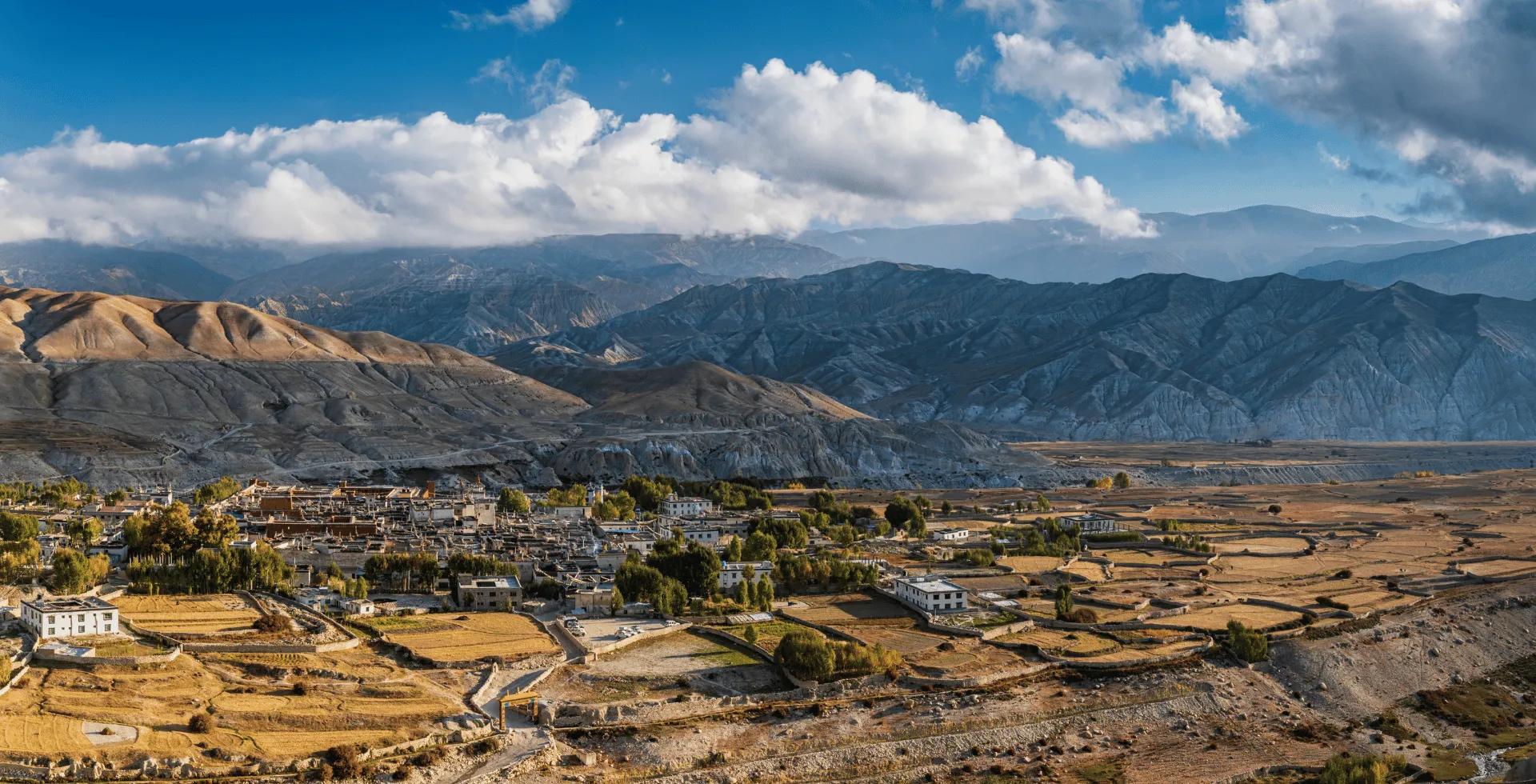
Upper Mustang is a remote and culturally rich Himalayan region located in north-central Nepal, beyond Kagbeni in the Annapurna Conservation Area. Often described as the “Last Forbidden Kingdom,” it was once an independent Tibetan-influenced kingdom and still preserves its ancient traditions, monasteries, cave settlements, and walled cities. The region lies in a rain-shadow area of the Himalayas, giving it a unique desert-like landscape with red cliffs, deep canyons, and wide barren valleys. The highlight of the trek is the historic walled city of Lo Manthang, the former capital of the Mustang Kingdom, which offers deep cultural immersion into Tibetan Buddhism, ancient architecture, and a preserved Himalayan lifestyle.
The best time to trek in Upper Mustang is during spring (March to May) and autumn (September to November). These seasons offer stable weather, clear skies, and excellent visibility of the surrounding landscapes. Unlike most trekking regions in Nepal, Upper Mustang is located in a rain-shadow area, meaning it is also suitable during the monsoon months (June to August), making it one of the few viable Himalayan destinations in rainy season. Spring brings mild temperatures and blooming landscapes, while autumn offers crisp air, stable conditions, and culturally vibrant local life. Winter (December to February) is very cold and can be harsh due to strong winds and snowfall, limiting accessibility in higher regions.
Accommodation during the Upper Mustang Trek is a combination of hotels and teahouses. In Kathmandu and Pokhara, trekkers stay in comfortable tourist-standard hotels such as Alpine Hotel Nepal and Mount Kailash Resort on a twin-sharing basis. During the trekking route, accommodation is provided in basic teahouses and guesthouses operated by local families. These lodges are simple but comfortable, usually offering twin-sharing rooms with shared bathrooms in higher elevations. At lower villages, limited private rooms may be available. Facilities become more basic as altitude increases, but the hospitality remains warm and culturally rich throughout the journey.
Meals during the trek are arranged in local teahouses and lodges, providing a mix of Nepali, Tibetan, Indian, and basic continental dishes. A typical trekking day includes breakfast, lunch, and dinner, while in Kathmandu only breakfast is usually included. Popular meals include dal bhat (rice and lentils), noodles, soups, pasta, fried rice, and Tibetan bread. Food is freshly prepared, hygienic, and energy-rich to support long trekking days. Hot drinks such as tea, coffee, and ginger lemon honey are widely available. Welcome and farewell dinners are usually arranged in Kathmandu as part of the trekking package.
Upper Mustang is a restricted region, so special permits are required. Trekkers must obtain the Upper Mustang Restricted Area Permit (RAP) along with the Annapurna Conservation Area Permit (ACAP). The Restricted Area Permit is mandatory and only issued through a registered trekking agency with a licensed guide. Independent trekking is not allowed. These permits are checked at multiple entry points along the route, especially near Kagbeni and entry into Upper Mustang territory.
A licensed trekking guide is compulsory for the Upper Mustang Trek due to its restricted status. The guide plays a crucial role in navigation, cultural interpretation, safety, and permit management. Porters are usually included to carry luggage, allowing trekkers to walk comfortably with a light daypack. Guides are also essential for communication with locals, understanding monastery rules, and ensuring proper acclimatization during the journey. The presence of a guide significantly enhances safety and overall trekking experience in this remote region.
Safe drinking water is available throughout the trek but must be properly treated. Teahouses provide boiled water for purchase, and bottled water is available in lower villages, though it becomes expensive and less environmentally friendly at higher elevations. It is strongly recommended to use water purification tablets, filters, or UV purification devices. Trekkers should carry reusable bottles and refill them at lodges to reduce plastic waste. Staying hydrated is essential, especially in the dry and windy Mustang climate.
Comprehensive travel insurance is mandatory for the Upper Mustang Trek. The insurance must cover high-altitude trekking (above 4,500 meters) and include emergency helicopter evacuation. Due to the remote nature of the region and limited medical facilities, evacuation may be required in case of severe altitude sickness or injury. Without proper insurance coverage, participation in the trek is not recommended.
The journey begins with an international arrival in Kathmandu, followed by domestic travel. Trekkers usually take a scenic flight from Kathmandu to Pokhara and then a short flight from Pokhara to Jomsom. From Jomsom, the trek officially begins, passing through Kagbeni and into Upper Mustang. Return transportation follows the same route in reverse, often including flights from Jomsom to Pokhara and Pokhara to Kathmandu. In some cases, jeep transport may also be used depending on weather conditions and itinerary structure.
The Upper Mustang Trek is considered a moderate to challenging trek. While it does not involve technical climbing, the difficulty comes from long walking hours (6–8 hours per day), high altitude exposure, dry terrain, and strong winds. The trail includes both ascents and descents across rocky and uneven landscapes. Prior trekking experience at high altitude is strongly recommended to ensure proper acclimatization and physical readiness.
Altitude sickness is a potential risk during the trek as the route ascends above 3,500 meters and reaches a maximum altitude of around 4,325 meters at Chogo La Pass. Symptoms may include headache, dizziness, nausea, and fatigue. Proper acclimatization, hydration, and a gradual ascent are key to prevention. Trekkers are advised to avoid rushing, maintain a steady pace, and follow the guide’s instructions carefully. In severe cases, descent and medical evacuation may be necessary.
If you decide to cancel your booking for the Upper Mustang Trek please notify Alpine Club of Himalaya in writing (via email or official communication) as early as possible. The following cancellation charges apply:
These fees cover administrative costs, permits, pre-arranged logistics, and potential losses caused by late cancellations.
In the rare circumstance that Alpine Club of Himalaya must cancel the trek due to unforeseen or uncontrollable events such as extreme weather, natural disasters, or safety concerns in the region, you will be offered either:
Your safety is our highest priority, and cancellations are only made when absolutely necessary.
Alpine Club of Himalaya cannot be held responsible for cancellations, delays, or extra expenses resulting from force majeure events, including but not limited to:
In such cases, participants are responsible for any additional personal costs such as extra accommodation, changed flights, or insurance claims. We strongly recommend that all trekkers purchase comprehensive travel insurance covering trip cancellations, medical emergencies, and force majeure events before joining the trek.
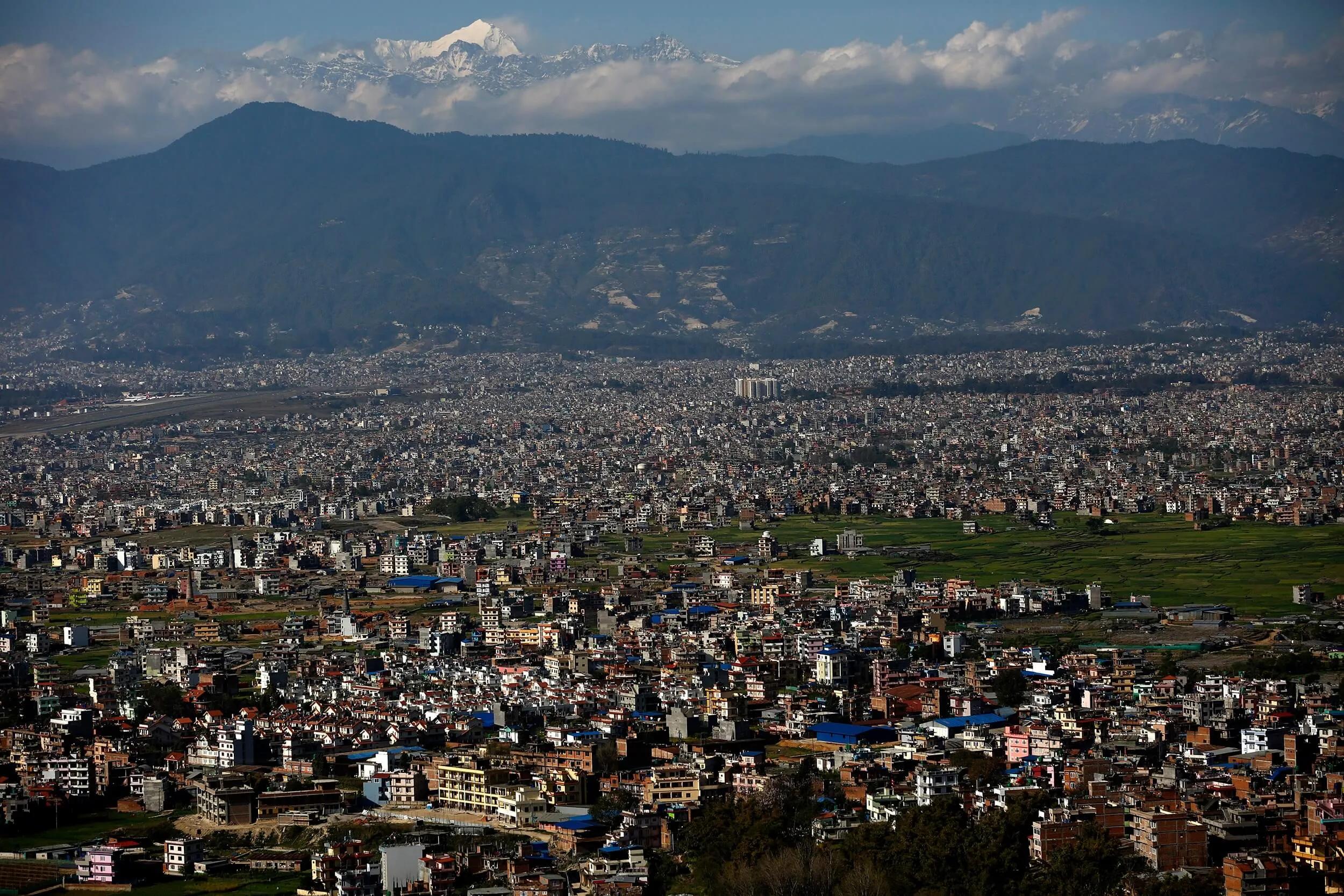
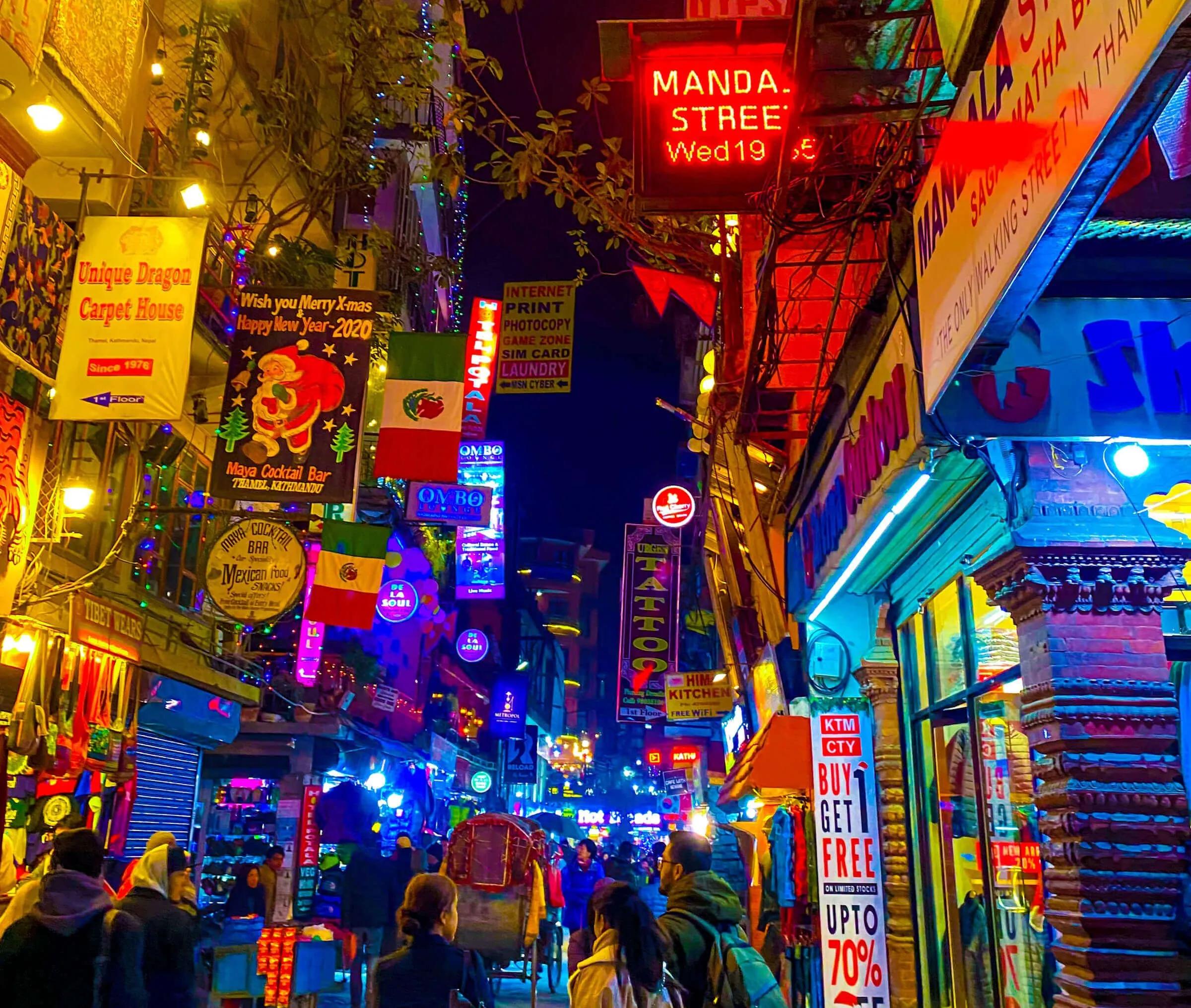
Arrive at Kathmandu International Airport where you will be warmly welcomed by our representative and check in to the hotel.
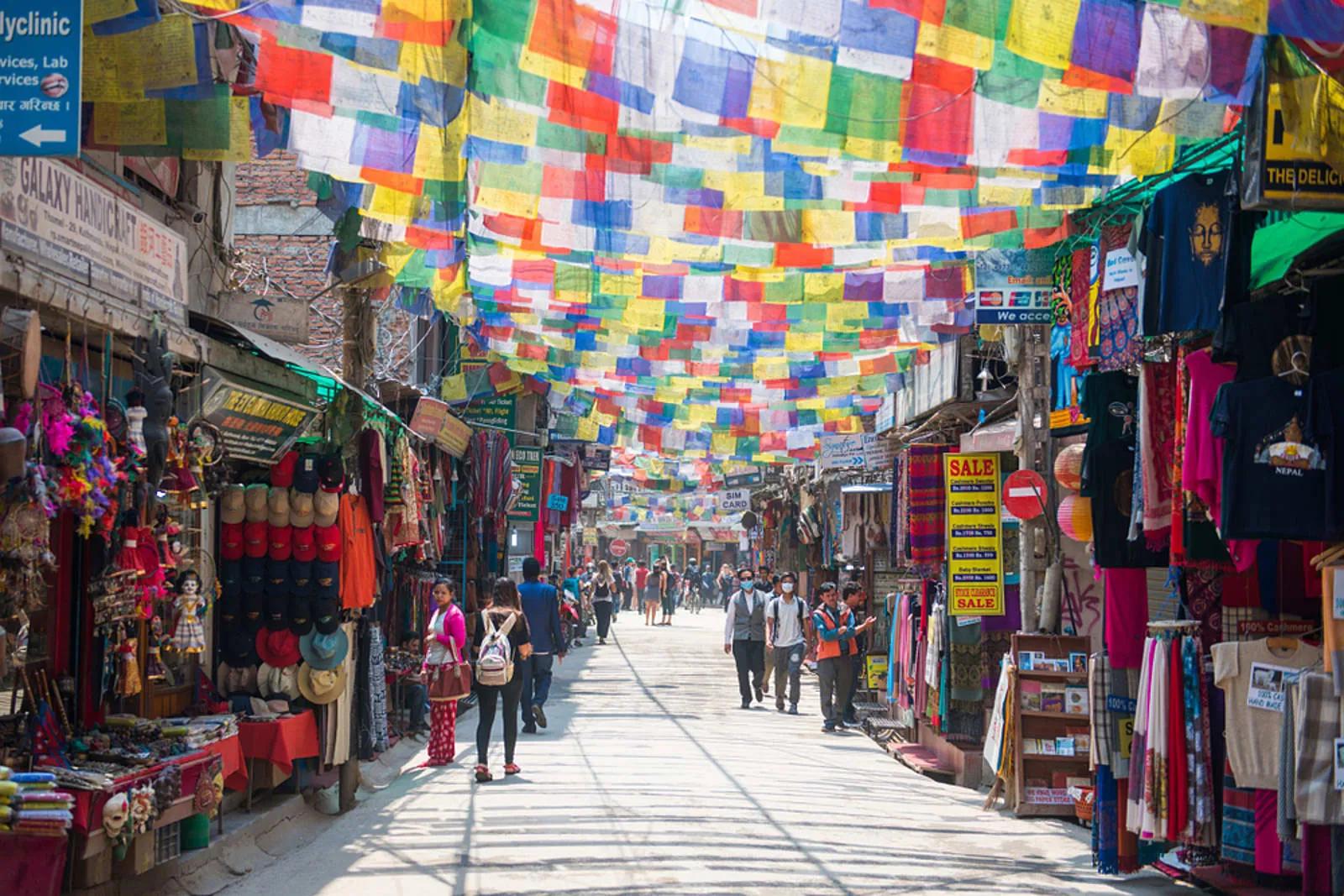
Accommodation
Hotel
All airport/hotel pick up and drop in private car/van
3 Nights Accommodation in Kathmandu including breakfast, Twin sharing 3*
2 Nights Accommodation in Pokhara, including Breakfast, Twin sharing 3*
11 Nights stay in Lodge/Guest House during the trek
An experienced English speaking Trekking Guide and a Porter during the trek (2 Trekkers = 1 Porter)
Salary, food, insurance, and lodging cost for guide and porter
Breakfast, Lunch, Dinner and Tea/Coffee during trek
Welcome and Farewell Meals while in Kathmandu
Annapurna Conservation Area Permit, & TIMS
Upper Mustang Special Permit
Airfare from Kathmandu to Pokhara and return flight to Kathmandu and domestic flight departure taxes
ACH Kitbag and T-shirt for you
Down Jacket and Sleeping Bag that needs to be returned to office after trek completion
Airfare from Pokhara to Jomsom and return flight to Pokhara and domestic flight departure taxes
Kathmandu Valley city tour with guide, Including entrance fees.
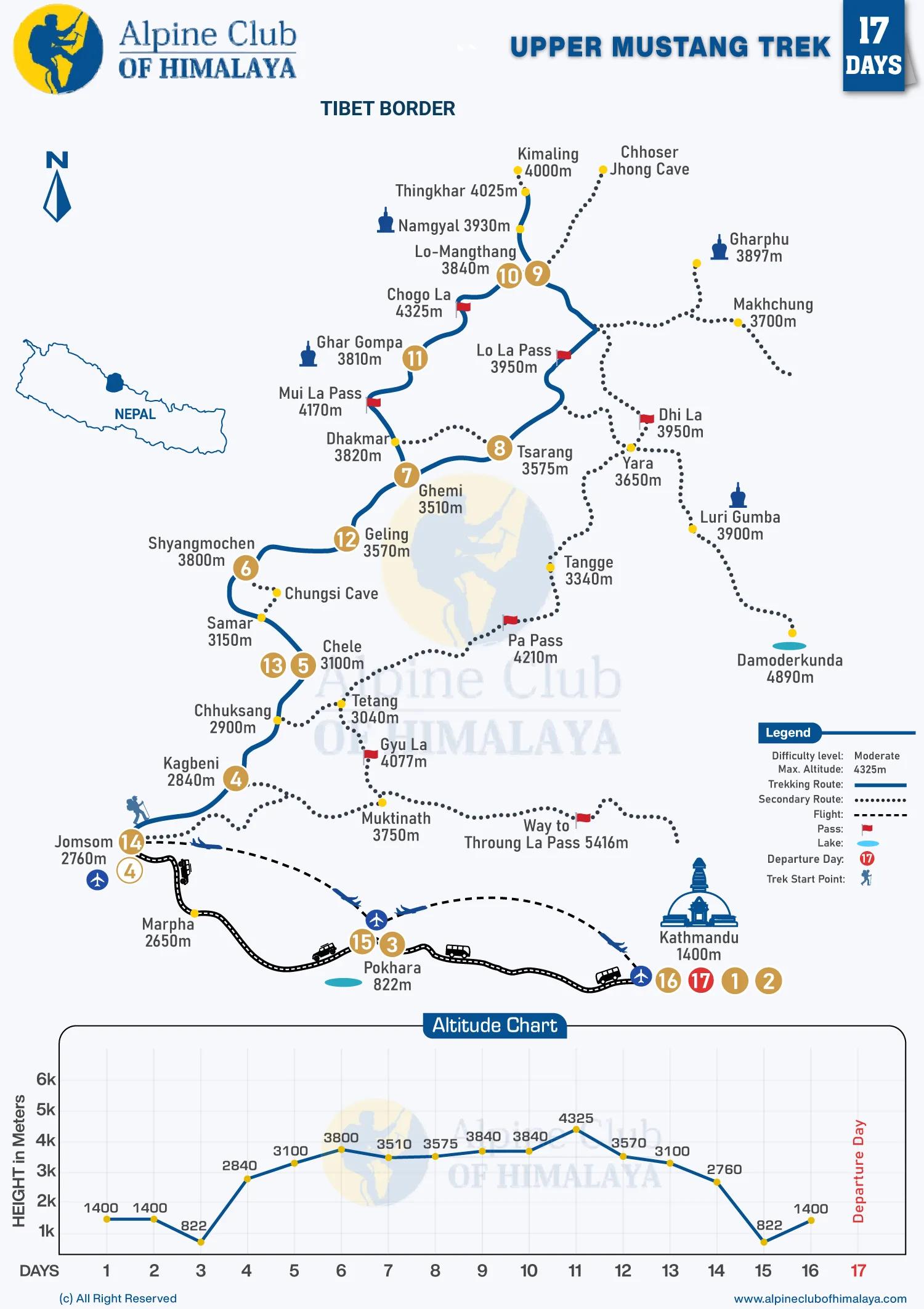
Click on map to view in fullscreen
Upper Mustang is a high-altitude, dry, windy, and remote region, so the focus should be on layering, warmth, wind protection, and strong sun protection.
J
James Peterson
Toronto, Canada
May 14, 2025
O
Olivia Carter
Melbourne, Australia
Feb 14, 2025
T
Tara
Sep 15, 2021
H
Harry
Jul 15, 2021
24/7 Support
Need help? we're at your service
Associated With


We Accept Cards

Office of the company registrar License: 66813/066/067 || Tourism Industry Division License:1142
All content and photography within our website is copyright & may not be reproduced without our permission.
Develop By: IT Sansaar