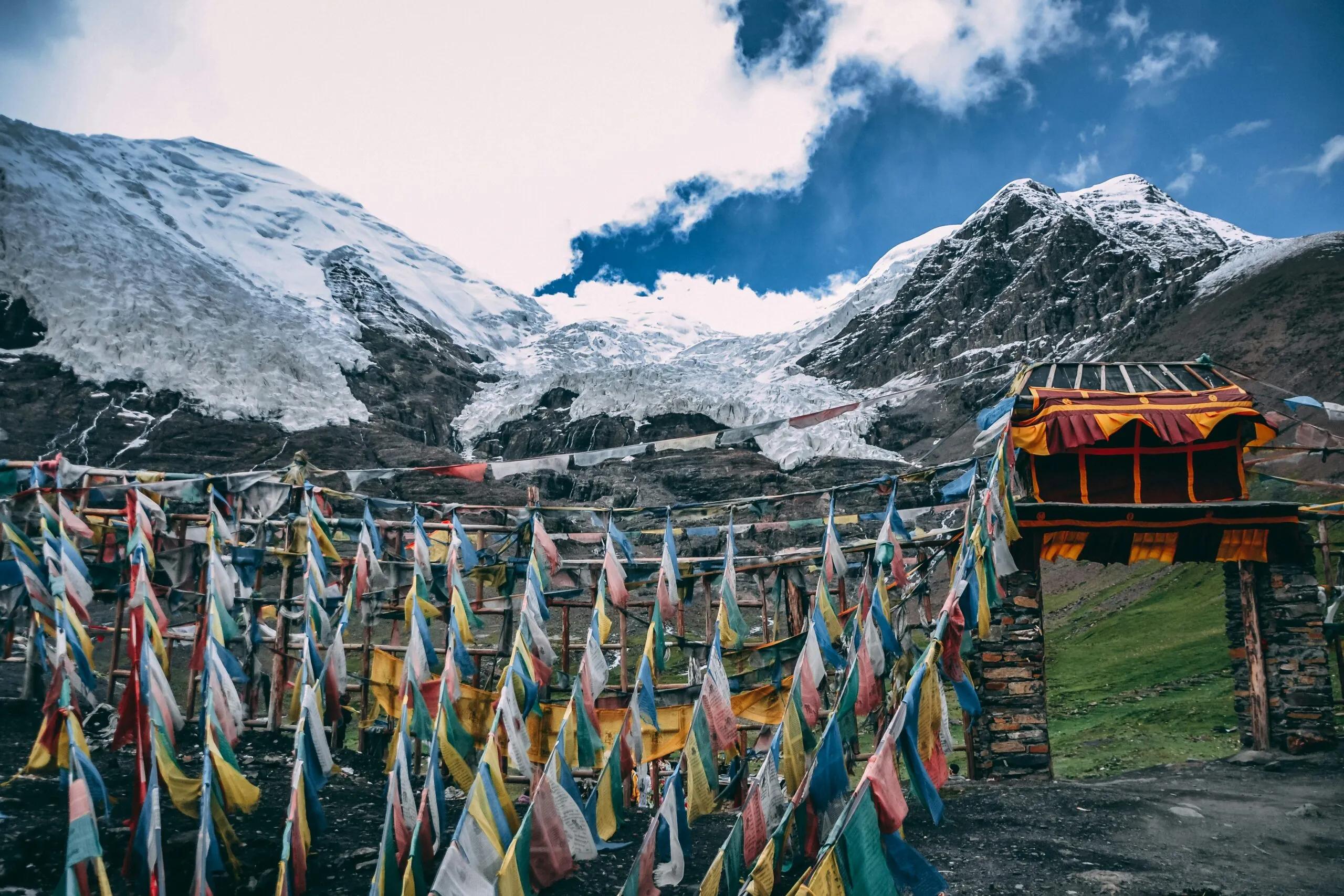
Discover the dramatic landscapes and deep cultural heritage of Tibet on this carefully designed 8-day Tibet Overland Tour with Alpine Club of Himalaya. This journey takes you from the spiritual city of Lhasa to the iconic Everest Base Camp (North Side), offering a balanced experience of culture, history, nature, and high-altitude adventure.
The tour begins in Lhasa, the cultural and spiritual heart of Tibet. Here, you explore world-famous landmarks such as the Potala Palace, a UNESCO World Heritage Site and symbol of Tibetan Buddhism, and the sacred Jokhang Temple, where pilgrims gather daily for prayer. A walk through Barkhor Street allows you to experience local life, traditional markets, and authentic Tibetan culture.
As the journey continues, you travel through vast plateaus and mountain landscapes, stopping at natural and cultural highlights along the way. One of the most scenic moments is the visit to Yamdrok Lake, known for its turquoise waters and peaceful surroundings. Ancient monasteries such as Sera and Drepung offer insight into monastic life and traditional monk debates.
The highlight of the tour is reaching Everest Base Camp (North Side). Standing close to the world’s highest mountain, you experience the raw beauty of the Himalayas and the quiet power of the landscape. With comfortable accommodations, experienced guides, and a well-paced itinerary, this tour is ideal for travelers seeking both adventure and cultural understanding in Tibet.
Best Time to Visit Tibet
The best seasons for the Tibet Overland Tour are spring (April to June) and autumn (September to October). During these months, temperatures are generally mild, ranging from 5°C to 20°C, with clear skies and good road conditions.
Spring brings blooming landscapes and fewer crowds, while autumn offers excellent visibility and ideal conditions for photography. Summer (July to August) is warmer and lively with festivals but can be rainy. Winter (November to March) is very cold, with fewer travelers and snow-covered scenery, suitable only for those prepared for extreme conditions.
Meals During the Tour
Meals during the Tibet Overland Tour offer a chance to experience traditional Tibetan cuisine. Breakfast is usually included at your accommodation and includes a mix of local and continental options.
Lunch and dinner are taken at local restaurants, where you can enjoy dishes such as momo (dumplings), thukpa (noodle soup), and other regional foods made with local ingredients. These meals provide both nourishment and cultural experience.
Drinking Water
Staying hydrated is very important at high altitude. Bottled drinking water is provided during the tour to ensure safety. Travelers are encouraged to carry a reusable water bottle, which is both practical and environmentally friendly.
Accommodation
Accommodation during the tour is provided on a twin-sharing basis in clean and comfortable hotels and guesthouses. These places are chosen for their location, comfort, and reliability.
Private rooms can be arranged upon request for an additional cost. Regardless of room type, accommodations reflect local hospitality and provide a comfortable place to rest after long travel days.
Transportation
All transportation during the Tibet Overland Tour is arranged on a sharing basis using a comfortable tourist bus or van. This allows travelers to enjoy the scenic drive together.
Private transportation is available on request for those who prefer more privacy and flexibility, at an extra cost. All vehicles are suitable for long-distance travel on Tibetan roads.
Weather and Climate in Tibet
Tibet has a high-altitude climate with strong sunlight and temperature changes.
-
Spring (April–June): Mild temperatures, clear days, and blooming landscapes
-
Summer (July–August): Warmer but wetter, with cultural festivals
-
Autumn (September–October): Clear skies, stable weather, and great visibility
-
Winter (November–March): Very cold, fewer tourists, and snowy scenery
Weather can change quickly, so layered clothing is essential.
Everest Base Camp Journey from Tibet
The journey to Everest Base Camp from Tibet offers one of the most accessible and scenic routes to the world’s highest mountain. Starting from Lhasa, the route follows the Friendship Highway, passing Gyantse and Shigatse.
As you approach EBC, the landscape becomes increasingly dramatic, with Mount Everest dominating the horizon. Visiting Rongbuk Monastery, the highest monastery in the world, adds spiritual depth to the experience.
Travel Insurance
Comprehensive travel insurance is highly recommended. Your policy should cover medical treatment, emergency evacuation, trip cancellation, and high-altitude travel.
Travelers should ensure that adventure and remote-area coverage is included before departure.
Passport and Visa Requirements
Travelers must hold a passport valid for at least six months beyond the travel date. You must arrive in Kathmandu at least five working days before the tour to process permits.
Required documents include:
Alpine Club of Himalaya will assist in arranging the Tibet Travel Permit.
Physical Fitness Requirements
A moderate level of fitness is recommended. Travelers should be comfortable walking for several hours at high altitude. Prior trekking experience is helpful but not required.
Acclimatization, hydration, and listening to your body are key. Travelers with medical conditions should consult a doctor before joining the tour.
Permissions and Restrictions
-
Tibet Travel Permit is mandatory
-
Some regions have photography restrictions
-
Respect local customs and dress codes at religious sites
-
Follow guide instructions regarding health and altitude safety
Why Choose Alpine Club of Himalaya
-
Experienced local and regional expertise
-
Strong focus on safety and acclimatization
-
Authentic cultural experiences
-
Full support from arrival to departure
-
Responsible and sustainable tourism practices
-
Flexible and well-managed itineraries
-
Trusted reputation and positive traveler feedback
Cancellation Policy
Cancellation by Participant
-
60+ days before departure: 20% charge
-
30–59 days before departure: 50% charge
-
Less than 30 days: No refund
Cancellation by Organizer
If the tour is canceled due to safety or unforeseen events, travelers may receive a full refund or reschedule option.
Force Majeure
Alpine Club of Himalaya is not responsible for extra costs caused by natural disasters, political issues, or health emergencies.
About Lhasa
Lhasa, the capital of Tibet, is the spiritual center of Tibetan Buddhism. Home to the Potala Palace and Jokhang Temple, the city blends ancient traditions with modern life. Its markets, monasteries, and mountain backdrop make it a cultural highlight of the journey.
About Tibet
Tibet, known as the “Roof of the World,” is famous for its high plateaus, sacred monasteries, and Himalayan scenery. Rich in spiritual heritage and cultural traditions, Tibet offers travelers a rare opportunity to experience life at high altitude, surrounded by some of the world’s most dramatic landscapes.