Destination
Nepal
Duration
1 Day
Best Weather
March, April, May, September, October & November
Transportation
Helicopter
Group
Min. 1 Pax
Difficulty
Easy
Activities
Helicopter Tour, Scenic Tour
Overview
Traveling by helicopter from Kathmandu to Lukla is one of the most comfortable and scenic ways to begin the Everest Base Camp trek and explore the legendary Khumbu region. This short yet unforgettable flight usually takes around 35 to 45 minutes and offers uninterrupted aerial views of the Himalayan landscape. From lush green hills and deep river valleys to snow-covered peaks, the helicopter journey provides a spectacular introduction to the adventure ahead. Unlike fixed-wing flights, helicopters fly at lower altitudes and allow better visibility, making the experience even more memorable.
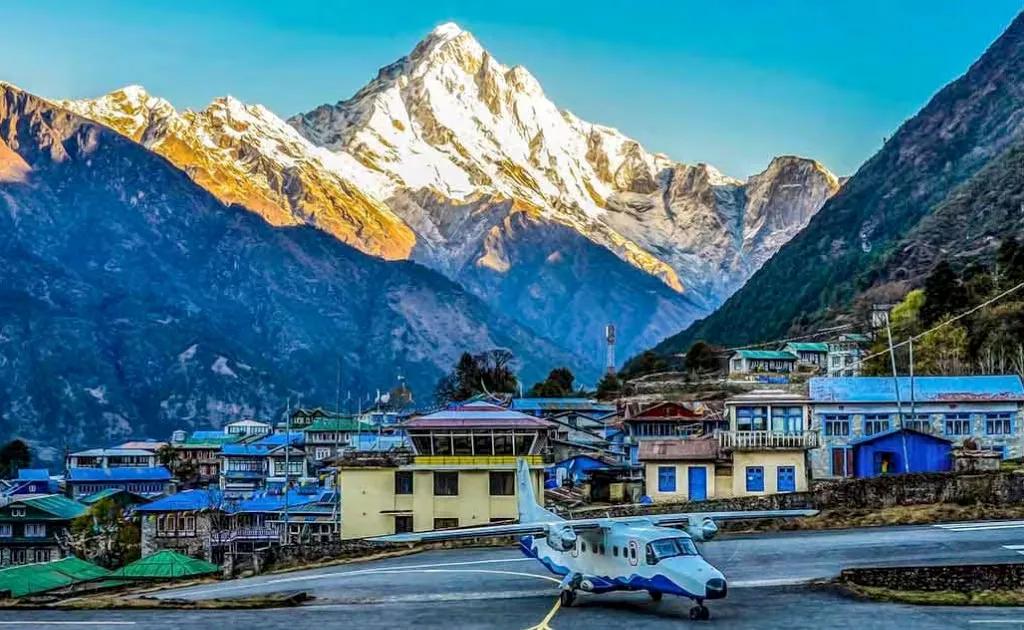
The helicopter departs from Kathmandu and lands at Tenzing-Hillary Airport in Lukla, located at an altitude of 2,845 meters (9,335 feet). Lukla is famous for its short and sloped runway, often regarded as one of the most thrilling airports in the world. Arriving by helicopter reduces many of the delays commonly caused by weather conditions and congestion, especially during the busy spring and autumn trekking seasons. This makes helicopter travel an excellent option for trekkers who value time, comfort, and reliability.
Helicopter flights generally allow flexible baggage limits compared to regular flights, though weight restrictions still apply depending on group size and aircraft type. The journey covers approximately 138 kilometers and provides a smooth and direct transfer to Lukla, where the trekking route to Everest Base Camp officially begins. Due to high demand during peak trekking months, advance booking is strongly recommended.
Plan Your Lukla Helicopter Flight with Alpine Club Of Himalaya
Whether you are heading to Everest Base Camp or exploring the wider Khumbu region, Alpine Club Of Himalaya, offers reliable helicopter arrangements along with professional guidance throughout your journey. From flight coordination to trekking support, our experienced team ensures a safe, comfortable, and well-organized Himalayan adventure from the very start.
Alpine Club of Himalaya’s Expert Role in Arranging Kathmandu to Lukla Flights
Alpine Club of Himalaya plays a vital role in managing and coordinating Kathmandu to Lukla flights, which are a critical part of any Everest Base Camp trek or Khumbu region journey. With years of operational experience in the Everest region, the company ensures that flight arrangements are handled professionally, efficiently, and with a strong focus on safety and reliability. Their expert involvement allows trekkers to begin their journey with confidence and peace of mind.
· Advance Flight Planning and Reservation
Alpine Club of Himalaya secures Kathmandu to Lukla flight bookings well ahead of time, especially during the busy spring and autumn trekking seasons. Given the limited number of daily flights and high demand, early reservation is essential. The company works closely with trusted domestic airlines and helicopter operators to confirm seats and schedules, reducing the chances of last-minute changes or unavailability.
· Weather Monitoring and Flexible Solutions
Weather in the Everest region can change rapidly, often causing delays or cancellations. Alpine Club of Himalaya actively monitors weather forecasts and maintains constant communication with airlines and airport authorities. When fixed-wing flights are disrupted, the team quickly explores alternative options such as helicopter flights, helping trekkers stay on schedule whenever conditions allow.
· Expert Guidance on Baggage and Flight Regulations
Understanding baggage restrictions is crucial for Lukla flights. Alpine Club of Himalaya provides clear and practical advice on weight limits, packing priorities, and airline regulations. When needed, they assist with managing excess baggage or arranging suitable transport solutions, ensuring essential trekking gear reaches Lukla smoothly.
· Coordination with Trekking Operations in Lukla
Flight arrangements are carefully synchronized with trekking logistics. Alpine Club of Himalaya ensures that guides, porters, and support staff are prepared and waiting upon arrival in Lukla. This seamless coordination allows trekkers to start their trek without unnecessary delays and reflects the company’s strong operational planning.
· Real-Time Communication and Updates
Throughout the travel process, Alpine Club of Himalaya keeps trekkers informed with timely updates regarding flight schedules, delays, or changes. Clear communication helps trekkers adjust plans calmly and avoids confusion at the airport, especially during busy travel periods.
· Safety-Focused and Time-Efficient Approach
Safety is always a top priority when arranging flights to Lukla. Alpine Club of Himalaya selects reliable operators and follows strict safety considerations while also aiming to save valuable trekking time. Their balanced approach ensures a secure and efficient transfer to the Everest region.
Through detailed planning, flexible problem-solving, and close coordination with aviation and trekking teams, Alpine Club of Himalaya delivers a dependable Kathmandu to Lukla flight arrangement. Their expert role adds significant value to the overall trekking experience, providing a smooth, well-organized, and confident start to an unforgettable Himalayan journey.
Lukla Helicopter Flight Information
Lukla helicopter flights are a popular and efficient way to reach the Everest region from Kathmandu, especially for trekkers heading toward Everest Base Camp, Everest View Hotel, Gokyo Lakes, and other Khumbu destinations. Helicopter travel offers flexibility, reliability, and spectacular aerial views of Nepal’s dramatic mountain landscapes. Below is detailed and practical information to help you understand what to expect when booking and taking a helicopter flight to Lukla.
Flight Route and Duration
Helicopter flights to Lukla typically depart from Kathmandu’s helicopter terminal, offering a direct route to Tenzing-Hillary Airport in Lukla (2,845 meters / 9,335 feet). The journey usually takes around 35 to 45 minutes, depending on weather conditions, helicopter type, and route variations. Compared to fixed-wing flights, helicopters can fly lower and more directly into the mountains, which enhances both the safety and the scenic experience.
Scenic Aerial Views
One of the most remarkable aspects of the helicopter flight is the breathtaking mountain scenery. Passengers enjoy close-up views of towering peaks, including parts of the Everest massif, snow-capped ridges, deep valleys, and traditional villages scattered across the Himalayan terrain. The flight offers uninterrupted panoramic landscapes that begin the Himalayan adventure with unforgettable memories.
Advantages Over Fixed-Wing Flights
Helicopter flights provide several practical benefits:
- Greater reliability during unpredictable mountain weather, often reducing delays or cancellations
- Flexible scheduling, especially for private charters and groups
- Lower dependency on runway conditions at Lukla, which can be affected by visibility and wind
- Direct access to remote regions without layovers or long waiting times
These advantages make helicopter travel a preferred option for trekkers with tight schedules or those seeking greater comfort and convenience.
· Booking and Reservations
Due to high demand during peak trekking seasons (spring and autumn), helicopter flights should be booked well in advance. Most airlines and operators offer flexible flight times, but availability can fill up quickly. Reservations are typically made through trekking agencies or directly with helicopter service providers.
· Baggage and Weight Restrictions
Helicopters have strict weight limitations due to aircraft capacity and safety requirements. Baggage allowances vary by operator, but passengers are generally advised to pack light and prioritize essential trekking gear. Excess baggage may be transferred on a separate charter or cargo flight if arranged in advance.
· Safety and Weather Conditions
Weather plays a significant role in flight operations in the Himalayas. Helicopter flights are generally more adaptable to changing conditions than fixed-wing planes, but visibility, wind, and cloud cover can still affect scheduling. Operators monitor weather patterns closely and maintain communication with aviation authorities to ensure safe departures and landings.
· Arrival at Lukla
Helicopters land at or near Tenzing-Hillary Airport or designated helipads in Lukla. Upon arrival, trekkers are greeted by local guides and support crews who help with luggage and organize the next stage of the journey. The smooth transfer from helicopter to trekking activities ensures a seamless beginning to the Everest Base Camp trek or other Khumbu routes.
· Coordination with Trekking Agencies
For organized treks, helicopter flights are often arranged by trekking companies to align with overall itineraries. Alpine Club of Himalaya provides professional support throughout the booking and flight process, including reservation management, baggage guidance, weather updates, and coordination with trekking staff in Lukla. Their expert role helps ensure a well-managed and confident start to the Himalayan trek.
Operating Helicopters for Lukla Flights
Helicopter flights between Kathmandu and Lukla are operated by several well-established Nepali aviation companies using modern, high-altitude–capable aircraft. These helicopters are specially designed to perform safely in the challenging Himalayan terrain and variable weather conditions.
Commonly Used Helicopter Models
The most frequently operated helicopters on the Lukla route include:
- Airbus H125 (AS350 B3e) – Widely used for mountain flying due to its excellent high-altitude performance, reliability, and safety record
- Bell 407 – Known for stability, comfort, and efficient performance in Himalayan conditions
These models are well-suited for short takeoff and landing zones like Lukla and can operate effectively at high elevations.
Major Helicopter Operators
Kathmandu–Lukla helicopter services are typically operated by licensed Nepali companies, including:
· Simrik Air
· Manang Air
· Annapurna Helicopter
· Kailash Helicopter Services
· Air Dynasty Heli Services
· Prabhu Helicopters
All operators follow regulations set by the Civil Aviation Authority of Nepal (CAAN) and employ experienced mountain pilots trained for high-altitude operations.
Operational Standards and Safety
Helicopter operations to Lukla are highly weather-dependent. Flights are conducted only under suitable visibility and wind conditions, with strict adherence to safety protocols. Pilots assess real-time weather updates and terrain conditions before departure, ensuring passenger safety remains the top priority.
Coordination with Trekking Agencies
Reputable trekking companies such as Alpine Club of Himalaya coordinate directly with these helicopter operators to arrange reliable flights, manage weight limits, and align flight schedules with trekking itineraries. This professional coordination helps ensure smooth transfers and minimizes delays, especially during peak trekking seasons.
These operating helicopters provide a dependable and efficient gateway to the Everest region, offering trekkers a comfortable and time-saving alternative to regular Lukla flights.
Lukla Airport (Tenzing-Hillary Airport) – Gateway to Everest Base Camp
Lukla Airport, officially known as Tenzing-Hillary Airport, is one of the most iconic and adventurous airports in the world, serving as the primary gateway to the Everest region and the Khumbu Valley. Situated at an altitude of 2,845 meters (9,335 feet) in the Solukhumbu district of Nepal, Lukla Airport is the starting point for thousands of trekkers each year aiming to reach Everest Base Camp, Gokyo Lakes, and other high Himalayan trails.
· Location and Accessibility
Nestled among steep hills and surrounded by towering snow-capped peaks, Lukla Airport is accessible only by air. The nearest major city is Kathmandu, from where daily flights—both fixed-wing and helicopter—transport trekkers directly to Lukla. The airport’s strategic location at the heart of the Khumbu region makes it a critical hub for trekking and mountaineering expeditions.
· Runway and Airport Features
Lukla Airport is renowned for its short, sloped runway, measuring only 527 meters (1,729 feet) in length. The unique runway, combined with mountainous terrain and rapidly changing weather, makes it one of the most challenging airports for pilots worldwide. Flights require highly skilled pilots experienced in mountain aviation, ensuring safe takeoffs and landings under variable conditions.
· Airlines and Helicopter Services
Several Nepali airlines operate regular flights to Lukla, including Tara Air, Yeti Airlines, and Summit Air. Additionally, helicopter services by operators like Simrik Air, Manang Air, and Air Dynasty provide flexible and reliable alternatives, especially when weather conditions disrupt fixed-wing flights. Both types of flights offer stunning panoramic views of the Himalayas, making the journey an unforgettable part of the Everest trekking experience.
· Weather and Flight Considerations
Weather at Lukla is highly unpredictable, with fog, rain, and strong winds often causing flight delays or cancellations. Early morning flights are preferred due to calmer conditions, while afternoon flights are more prone to turbulence. Trekkers are advised to plan flights with experienced agencies, such as Alpine Club of Himalaya, to ensure smooth travel and timely arrival in Lukla.
· Significance for Trekkers
As the official gateway to Everest Base Camp and surrounding trekking routes, Lukla Airport is more than just a transport hub—it marks the beginning of one of the most thrilling Himalayan adventures. From Lukla, trekkers begin their journey through picturesque villages, lush valleys, and high-altitude landscapes, ultimately reaching the world-famous Everest Base Camp.
Weather and Flight Cancellations at Lukla Airport
Lukla Airport (Tenzing-Hillary Airport) is widely known as one of the most challenging airports in the world, and its weather conditions play a major role in flight operations. Located at 2,845 meters (9,335 feet) in the Himalayas, the airport experiences rapidly changing weather patterns that can directly affect flights from Kathmandu and other regions. Understanding these conditions is crucial for anyone planning a trek to Everest Base Camp or the Khumbu region.
Unpredictable Himalayan Weather
The weather in Lukla is highly unpredictable and can change dramatically within minutes. Common conditions affecting flights include:
- Fog and low clouds, which reduce visibility for pilots
- Strong winds, especially along the steep valley slopes
- Rain or snowfall, which can make the short runway slippery and unsafe for landings or takeoffs
- Rapidly dropping temperatures, affecting flight and helicopter operations
These conditions are most prominent during the monsoon season (June to September), making flights riskier. Conversely, the peak trekking seasons (spring: March–May, autumn: September–November) offer relatively better weather, but delays can still occur.
Flight Cancellations and Delays
Due to the short runway, surrounding mountainous terrain, and unpredictable weather, flights to Lukla are frequently delayed or canceled. Common reasons include:
- Low visibility caused by fog or clouds
- High winds and turbulence in the valley
- Snow accumulation during winter months
- Air traffic congestion during peak trekking seasons
Cancellations are usually unavoidable and are implemented strictly for safety reasons. While frustrating, these precautions prevent accidents and ensure safe landings and takeoffs in challenging conditions.
Travelers should plan their Kathmandu to Lukla flights with flexibility in mind:
- Book flights with trusted operators or trekking agencies like Alpine Club of Himalaya, who monitor weather conditions and provide timely updates
- Schedule early morning flights, as weather is generally calmer than later in the day
- Allow buffer days in the itinerary to accommodate potential delays or cancellations
- Consider helicopter transfers as a flexible alternative when fixed-wing flights are affected
Baggage Restrictions and Weight Limit for Helicopter Flights to Lukla
Helicopter flights from Kathmandu to Lukla offer flexibility and reliability, but passengers must adhere to strict baggage and weight restrictions due to the aircraft’s limited capacity and high-altitude operations. Proper planning ensures a smooth journey and avoids delays or complications.
Standard Weight Limits
· Individual baggage allowance: Most helicopter operators allow 10–15 kg per passenger, including both checked and hand luggage.
· Excess baggage: Additional items may be carried only if pre-arranged with the operator and may require a separate cargo flight.
Packing Guidelines for Trekkers
· Prioritize essential trekking gear such as clothing, water bottles, trekking boots, and personal items.
· Avoid heavy or bulky items; non-essential gear should remain in Kathmandu.
· Use lightweight, durable duffel bags or FHG Kitbags for easier handling and safe transport.
· Ensure all luggage is properly labeled, as helicopter flights often involve quick loading and unloading.
Safety Considerations
· Helicopters are sensitive to weight and balance, especially at high altitudes and in mountainous terrain.
· Overloading can affect stability, fuel efficiency, and the ability to land safely on Lukla’s steep slopes.
· Operators strictly enforce baggage limits to maintain passenger safety.
Tips for a Smooth Helicopter Flight
· Confirm baggage weight with the trekking agency or airline before departure.
· Keep essential items like cameras, medications, and warm clothing in your hand luggage.
· Travel light to enjoy a comfortable flight and scenic mountain views.
Passenger Weight Limit for Helicopter Flights to Lukla
Helicopter flights from Kathmandu to Lukla operate under strict weight regulations due to the high altitude, limited aircraft capacity, and challenging terrain. Adhering to these limits is essential for safety, stability, and efficient flight operations.
Standard Passenger Weight Limit
· Most helicopter operators set an average passenger weight limit of 80–90 kg (175–198 lbs), including carry-on luggage.
· The total weight allowance may vary depending on the helicopter type, number of passengers, and current weather conditions.
· For heavier passengers, operators may adjust seating arrangements, reduce baggage allowance, or require a private charter to safely accommodate the additional weight.
Factors Affecting Weight Limits
· High-altitude operations: Helicopters must manage reduced lift at higher elevations, especially when landing at Lukla (2,845 m / 9,335 ft).
· Weather conditions: Hot temperatures, strong winds, or low visibility may further restrict the total passenger weight for safe operations.
· Group size: Larger groups may have stricter per-person weight limits to balance the helicopter’s load.
Safety Measures and Regulations
· Operators strictly enforce weight limits to prevent overloading, which can compromise aircraft performance and landing safety.
· Weight is usually checked and verified at the departure terminal before boarding.
· Experienced pilots assess passenger and luggage weight along with weather conditions to ensure a safe flight to Lukla.
Tips for Trekkers
· Inform the operator or trekking agency about your exact weight and luggage in advance.
· Travel light if possible to stay within limits and ensure comfort.
· Consider splitting luggage among group members or arranging a private helicopter if necessary.
Preparing for Your Lukla Helicopter Flight
Preparation is key to making your Kathmandu to Lukla helicopter flight a smooth and memorable experience:
- Arrive Early: Arrive at the helicopter terminal in Kathmandu at least 1 hour before your scheduled flight to complete check-in, luggage verification, and security procedures. Early arrival ensures a stress-free start, especially during the busy trekking seasons.
- Dress in Layers: The weather in the mountains can change quickly. Wear layers and bring a light jacket or fleece to stay comfortable during the flight and upon arrival in Lukla.
- Pack Light and Smart: Helicopter flights have strict baggage limits, typically 10–15 kg per passenger. Keep essential trekking gear, medications, and personal items in your hand luggage for easy access.
- Stay Flexible: Even helicopters are affected by weather conditions. Delays or rescheduling can occur due to fog, strong winds, or low visibility. Planning a buffer day in Kathmandu is recommended to minimize disruptions.
The helicopter flight from Kathmandu to Lukla is more than just transportation; it’s an adventurous introduction to the Himalayas. Whether you are heading to Everest Base Camp or exploring the Khumbu region, the flight provides stunning aerial views of snow-capped peaks, deep valleys, and remote villages, offering a thrilling start to your trekking journey.
By booking with Alpine Club of Himalaya, your helicopter transfer is managed with expert coordination, safety, and convenience, allowing you to focus fully on the unforgettable trekking adventure ahead. From the scenic flight over the Himalayas to the exciting landing at Lukla, this helicopter journey will be one of the most memorable parts of your Himalayan experience.
Flight Safety and Pilot Expertise
Helicopter flights from Kathmandu to Lukla are considered highly safe, even though weather in the Himalayas can be unpredictable. Pilots operating these flights are highly trained and experienced in mountain aviation. They undergo rigorous training and regular assessments to handle steep terrain, high-altitude conditions, and the unique challenges of Lukla’s sloped landing areas.
Safety is always the top priority. Helicopter flights will only operate when weather conditions are suitable, and flights may be delayed or rescheduled if visibility, wind, or other conditions pose any risk. Alpine Club of Himalaya works with reliable helicopter operators such as Simrik Air, Manang Air, and Air Dynasty, ensuring that passengers travel with experienced crews and modern, well-maintained aircraft.
In Case of Delays or Cancellations
- Stay Informed: Keep up-to-date with real-time weather and flight status through your helicopter operator or Alpine Club of Himalaya. Mountain weather can improve during the day, allowing flights to operate in the afternoon if morning schedules are canceled.
- Patience and Flexibility: Helicopter flights are subject to weather conditions, so it’s important to maintain a flexible mindset. Planning a buffer day in Kathmandu can minimize stress and allow for smoother travel.
- Make Use of Spare Time: If flights are delayed in Kathmandu, explore the city, visit cultural sites, or finish last-minute trekking preparations. If delays occur in Lukla, short acclimatization walks to nearby villages such as Phakding or Monjo are a great way to use the extra time and enjoy the Himalayan scenery.
Flying from Kathmandu to Lukla by helicopter offers a fast, scenic, and thrilling start to your Everest Base Camp trek, but like all mountain flights, it can be influenced by weather. With proper preparation, flexibility, and support from Alpine Club of Himalaya, you can navigate delays smoothly and begin your trek with confidence. Always build flexibility into your itinerary, knowing that this is part of the adventure in the Majestic Himalayas.
Alternative Travel Options in Case of Flight Cancellations
Flying from Kathmandu to Lukla is the fastest and most scenic way to reach the Everest region, but due to the unpredictable Himalayan weather, flights—whether fixed-wing or helicopter—can occasionally be delayed or canceled. Trekkers should be aware of alternative options to continue their journey safely and efficiently.
1. Rescheduling the Flight
- The simplest alternative is to reschedule your flight for later the same day or the following morning.
- Weather in the Himalayas often improves in a few hours, especially during early morning delays, allowing flights to operate in the afternoon or late morning.
- Trekking agencies like Alpine Club of Himalaya provide real-time updates and help secure the next available flight.
2. Helicopter Transfers
· If fixed-wing flights to Lukla are canceled due to runway visibility, strong winds, or other weather conditions, helicopter flights offer a reliable and flexible alternative.
· Helicopters can land at nearby helipads or alternative airports, such as Surke or Ramechhap Airport, which are well-suited for high-altitude operations and can safely transfer passengers closer to Lukla.
· This option is significantly faster than waiting several days for fixed-wing flight availability and allows trekkers to continue their Everest Base Camp or Khumbu region trek on schedule.
· Helicopter transfers also provide stunning aerial views of the Himalayas, turning a weather delay into a scenic and memorable part of the journey.
3. Overland Trekking via Jiri or Salleri (Longer Route)
- For trekkers seeking a true adventure, it is possible to trek from Jiri or Salleri to Lukla.
- This traditional route adds 7–10 days to your itinerary and passes through scenic villages, forests, and the lower Solukhumbu region.
- While time-consuming, this option allows trekkers to experience the gradual acclimatization and cultural richness of the region before reaching Lukla.
4. Buffer Days in Kathmandu
- Planning 1–2 buffer days in Kathmandu before your trek is highly recommended to accommodate any flight delays or cancellations.
- Extra time allows for alternative arrangements, rest, or exploration of Kathmandu’s heritage sites while waiting for safe flying conditions.
Why Choose Alpine Club of Himalaya for Your Helicopter Flight?
Alpine Club of Himalaya is a trusted partner for helicopter flights to Lukla due to its expertise, reliability, and commitment to safety. The agency manages flight bookings, baggage coordination, and real-time updates, ensuring passengers have a seamless experience. They work with reputable operators and highly trained pilots, guaranteeing adherence to safety protocols and weight restrictions.
Their services also include alternative travel planning, guidance on packing, and coordination with trekking staff in Lukla, ensuring a smooth transition from flight to trekking. With Alpine Club of Himalaya, travelers can focus on the adventure ahead, knowing that all logistical and safety concerns are professionally handled, making the flight not just transportation, but an unforgettable start to the Himalayan journey.
Required Documents
Traveling from Kathmandu to Lukla by helicopter requires a few essential documents to ensure a smooth check-in, compliance with aviation regulations, and a hassle-free start to your Everest Base Camp trek. Preparing these documents in advance helps avoid delays and ensures that your flight is secure and well-coordinated.
1. Flight Ticket or Booking Confirmation
· A printed or digital flight ticket is required for check-in.
· Booking through a reputable agency like Alpine Club of Himalaya ensures that your seat is confirmed, and the ticket includes flight timing, passenger details, and baggage allowances.
2. Passport or Valid Identification
· International travelers must carry a passport with a valid Nepal visa, while domestic travelers can use a Nepalese citizenship ID or government-issued photo ID.
· The identification document must match the name on the flight ticket for security verification.
3. Trekking Permits (if applicable)
· For trekkers heading to Everest Base Camp, it is necessary to have Sagarmatha National Park Permit (SNP) and the TIMS (Trekkers’ Information Management System) card.
· Some operators and agencies may require copies of these permits during check-in, especially if you are joining a guided trek through Alpine Club of Himalaya.
4. Emergency Contact and Health Information
· Many helicopter operators request emergency contact details and any relevant health information (e.g., allergies, chronic conditions) for safety purposes.
· High-altitude operations can pose risks for individuals with certain medical conditions, so this information helps pilots and crew prepare for emergencies.
5. Optional Documents
· Travel insurance documents covering mountain flights and trekking activities are highly recommended.
· Copies of flight confirmation and trekking itinerary provided by Alpine Club of Himalaya can also help during check-in and in case of delays or rescheduling.
Tips for Travelers
· Keep all documents organized in a small, accessible folder or travel pouch for easy verification at the helicopter terminal.
· Carry digital copies on your phone or cloud storage as a backup in case physical copies are lost.
· Check with your agency in advance to confirm if additional documents are required, especially for last-minute bookings.
By preparing these documents in advance and coordinating with Alpine Club of Himalaya, passengers can ensure a smooth boarding process, avoid unnecessary delays, and focus on enjoying the spectacular helicopter flight over the Himalayas.
Last-Minute Bookings
While it is always recommended to book your Kathmandu to Lukla helicopter flight in advance, last-minute bookings are possible, though they come with certain considerations. Helicopter flights have limited seating and strict scheduling, especially during the peak trekking seasons of spring (March–May) and autumn (September–November). Attempting a last-minute booking during these periods can be challenging due to high demand and unpredictable mountain weather.
Travelers opting for last-minute flights should be prepared for flexible departure times, as slots may only be available during specific windows when conditions are favorable. Weather disruptions are common, so flights may be rescheduled or delayed, making it essential to allow buffer days in your itinerary.
Booking through a reliable agency like Alpine Club of Himalaya significantly increases your chances of securing a last-minute flight. They maintain close communication with helicopter operators such as Simrik Air, Manang Air, and Air Dynasty, monitor weather updates in real time, and can arrange alternative helipads or routes, including Surke or Ramechhap, if direct flights to Lukla are unavailable.
Additionally, last-minute bookings through Alpine Club of Himalaya come with expert support, ensuring that passengers are briefed on baggage restrictions, passenger weight limits, and safety procedures, even if the flight is confirmed on short notice. With proper guidance, a last-minute helicopter flight can still be a safe, comfortable, and scenic start to your Everest Base Camp trek, allowing trekkers to begin their Himalayan adventure without compromising safety or schedule.
Trip Highlight
- Scenic helicopter flight from Kathmandu to Lukla, offering stunning aerial views of the Himalayas, deep valleys, rivers, and traditional mountain villages
- Flight duration of approximately 35 to 45 minutes, making it a fast and time-efficient option compared to regular flights
- Direct landing at Tenzing-Hillary Airport, Lukla (2,845 m), the main gateway to the Everest Base Camp trek and Khumbu region
- Higher reliability during peak trekking seasons, with fewer delays caused by weather and airport congestion
- Comfortable and smooth journey, ideal for trekkers seeking flexibility and convenience
- Opportunity to enjoy closer mountain views due to lower flying altitude compared to fixed-wing aircraft
- Suitable for individuals, groups, and private charters with flexible scheduling options
- Professional flight coordination and trekking support provided by Alpine Club of Himalaya, ensuring a safe and well-managed start to your Himalayan adventure
FAQ (Frequently Asked Question)
Related Trips
24/7 Support
Need help? we're at your service
Associated With



We Accept Cards

Office of the company registrar License: 66813/066/067 || Tourism Industry Division License:1142
All content and photography within our website is copyright & may not be reproduced without our permission.
Develop By: IT Sansaar