M
Marco Ferretti
Milan, Italy
May 6, 2026

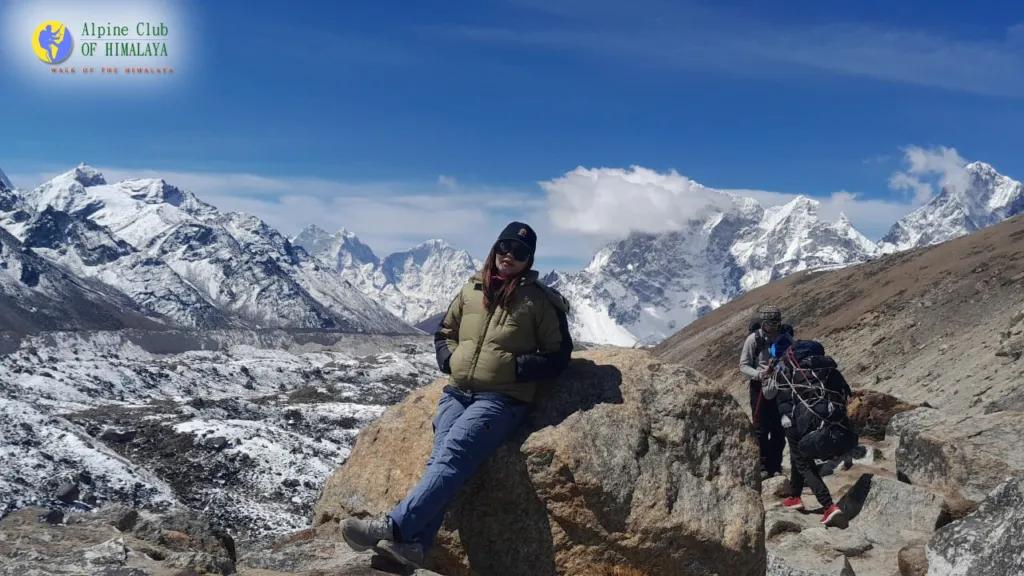
Seeing where climbers begin their Everest ascent, after days of walking through changing terrain, made the whole trek feel real and earned.
Destination
Nepal
Duration
10 Days
Best Weather
March, April, May, September, October & November
Max Altitude
5364 (Everest Base Camp)
Accommodation
Hotel and Guesthouse
Meals
Breakfast, Lunch, Dinner
Transportation
Private vehicle / Flights
Group
Min. 1 Pax
Difficulty
Strenuous
Activities
Trekking
The Everest Base Camp Short Trek – 10 Days is an ideal Himalayan adventure for travelers who want to experience the legendary Everest region within a limited timeframe while still maintaining proper acclimatization and safety. This trek is specially designed for those who are physically fit, time-conscious, and eager to stand at the base of the world’s highest mountain without following the longer traditional itineraries. Combining breathtaking mountain scenery, rich Sherpa culture, and efficient route planning, this short trek delivers a complete Everest experience in just ten days.
The journey begins with a scenic mountain flight from Kathmandu to Lukla, one of the most thrilling air routes in the world. From Lukla, the trail follows the Dudh Koshi River through charming Sherpa villages, suspension bridges, and pine forests before gradually ascending toward the heart of the Khumbu region. Along the way, trekkers pass through famous settlements such as Phakding, Namche Bazaar, Tengboche, Dingboche, Lobuche, and Gorakshep. Each village offers a unique glimpse into local life, traditional architecture, and warm Himalayan hospitality.
A major highlight of the Everest Base Camp Short Trek is the balanced itinerary, which allows trekkers to reach high altitudes without excessive strain. Strategic acclimatization stops, particularly in Namche Bazaar and Dingboche, help the body adapt to thinner air, reducing the risk of altitude sickness while keeping the trek efficient. This makes the 10-day version more comfortable than more aggressive schedules, yet still ideal for travelers with limited holidays.
The trek takes you deep into Sagarmatha National Park, a UNESCO World Heritage Site renowned for its dramatic landscapes, glaciers, and diverse alpine flora and fauna. Throughout the journey, trekkers are rewarded with close-up views of some of the world’s most iconic peaks, including Mount Everest, Lhotse, Nuptse, Ama Dablam, Thamserku, and Pumori. The walk to Everest Base Camp (5,364 m) itself is an unforgettable achievement, offering a powerful sense of accomplishment as you stand beneath the towering Khumbu Icefall where climbers begin their ascent of Everest.
Another unforgettable moment of the trek is the early morning hike to Kala Patthar (5,545 m), widely considered the best viewpoint for panoramic sunrise views of Mount Everest and surrounding Himalayan giants. From here, trekkers witness golden sunlight illuminating Everest’s summit, creating one of the most iconic mountain scenes in the world.
Beyond the natural beauty, the trek offers deep cultural experiences. Visits to ancient monasteries, especially the renowned Tengboche Monastery, prayer wheels, mani walls, and daily interactions with the Sherpa people add spiritual and cultural depth to the journey. The combination of mountain grandeur and living Himalayan traditions makes this trek both visually stunning and emotionally rewarding.
The Everest Base Camp Short Trek – 10 Days is professionally organized by Alpine Club of Himalaya, ensuring high standards of safety, comfort, and service throughout the journey. With experienced guides, well-planned logistics, and reliable support, trekkers can focus on enjoying the adventure while all operational details are carefully managed. This trek is perfect for adventure seekers, first-time high-altitude trekkers with good fitness, and travelers looking for a time-efficient yet authentic Everest Base Camp experience.
If you are searching for a short Everest Base Camp trek, a 10-day Everest Base Camp itinerary, or a time-saving Everest trekking package in Nepal, this trek offers an excellent balance of adventure, acclimatization, cultural exploration, and Himalayan scenery, making it one of the most popular Everest trekking options available.
The Everest Base Camp Short Trek – 10 Days can be completed in several seasons, but choosing the right time greatly enhances safety, comfort, and mountain views.
· Spring (March to May) is one of the best times for this trek, offering stable weather, moderate temperatures, and clear skies. During this season, the trails are colorful with blooming rhododendrons, and trekkers may witness expedition activity at Everest Base Camp, adding excitement to the journey.
· Autumn (September to November) is equally ideal and is considered the most popular trekking season in the Everest region. After the monsoon, the air is fresh, visibility is excellent, and weather conditions are stable. Daytime temperatures are comfortable for trekking, while nights are cold at higher elevations but manageable with proper gear.
· Winter (December to February) is possible for experienced trekkers who can handle extreme cold and potential snowfall. Trails are quieter, and mountain views can be very clear, but temperatures drop significantly, especially above Dingboche. Monsoon season (June to August) is generally not recommended due to heavy rainfall, cloudy skies, slippery trails, and frequent flight delays to Lukla. For the best overall experience, spring and autumn are highly recommended for this trek.
The Everest Base Camp Short Trek – 10 Days is rated as a moderate to challenging trek. Although no technical climbing or mountaineering skills are required, the trek involves long walking days, continuous ascents and descents, and exposure to high-altitude environments above 5,000 meters. The highest point of the trek is Kala Patthar (5,545 m), where oxygen levels are much lower than at sea level, making physical exertion more demanding. The combination of altitude, terrain, and daily walking hours requires trekkers to be well-prepared and comfortable with challenging conditions.
A good level of physical fitness is essential to complete the trek comfortably. Trekkers should be capable of walking 5 to 7 hours per day on uneven, rocky mountain trails while carrying a light daypack. Regular cardiovascular training such as hiking, jogging, stair climbing, cycling, or swimming for several weeks before the trek is highly recommended. Strength and endurance training, particularly for the legs and core muscles, will help manage steep uphill sections and long downhill descents, reducing fatigue and strain during the trek.
Previous trekking experience is an advantage but not mandatory for individuals who are physically fit and well-prepared. Mental readiness is equally important, as trekkers must adapt to high altitude, cold temperatures, basic teahouse accommodation, and changing weather conditions. A positive attitude, flexibility, and the ability to follow the guide’s instructions are essential for safety and enjoyment. Trekkers should be in good health and free from serious heart or lung conditions. With proper preparation, fitness, and mindset, the Everest Base Camp Short Trek – 10 Days is an achievable and highly rewarding Himalayan adventure.
Altitude sickness is one of the main challenges during the Everest Base Camp Short Trek – 10 Days due to the rapid gain in elevation and trekking above 5,000 meters. As altitude increases, oxygen levels decrease, making it harder for the body to function normally. Common symptoms of altitude sickness include headache, nausea, dizziness, fatigue, loss of appetite, and difficulty sleeping. If not managed properly, these symptoms can become serious, which is why awareness and preparation are essential.
Proper preparation begins before the trek with good physical conditioning and overall health. During the trek, maintaining a slow and steady walking pace, even on easier sections, helps the body adjust more effectively. Drinking plenty of fluids, eating regular high-energy meals, and getting adequate rest are crucial for acclimatization. Alcohol and smoking should be avoided, as they increase the risk of altitude-related problems.
The itinerary includes planned acclimatization stops, particularly in Namche Bazaar and Dingboche, where trekkers spend additional time allowing their bodies to adapt to higher elevations. Short acclimatization hikes to higher points followed by a return to lower sleeping altitudes support safer altitude adjustment. Trekkers are strongly advised to communicate immediately with the guide if any symptoms appear. Early recognition and proper response, including rest or descent if necessary, are key to preventing serious complications and ensuring a safe and successful trekking experience.
In case of serious altitude sickness, injury, or medical emergency, a well-planned evacuation procedure is in place. The first response usually involves descending to a lower altitude for immediate relief. If the condition does not improve, helicopter evacuation can be arranged from accessible points along the trail, depending on weather conditions. Guides are trained to handle emergency situations and coordinate with rescue services. Travel insurance that covers high-altitude trekking and helicopter evacuation is mandatory for this trek. Clear communication and quick decision-making ensure that emergencies are managed efficiently, prioritizing the health and safety of every trekker.
Safety and Security
Safety and security are a top priority throughout the trek. The trail to Everest Base Camp is well-established and regularly used by trekkers, guides, and local communities. Experienced trekking guides provide daily briefings, manage walking pace, and ensure safe trail navigation. Weather conditions, altitude changes, and individual health are closely observed at all times. Teahouse accommodations along the route are safe and run by local families, offering a secure and welcoming environment. Trekking in a guided group significantly enhances safety, especially in high-altitude areas where quick decisions and local knowledge are essential.
The weather in the Everest region varies greatly depending on the season and altitude. Lower elevations experience mild temperatures during the day, while higher altitudes can be cold, windy, and unpredictable. Daytime temperatures are generally comfortable for trekking in spring and autumn, but nights become very cold above Namche Bazaar, especially in Dingboche, Lobuche, and Gorakshep. Strong winds, sudden cloud cover, and occasional snowfall are possible at higher elevations at any time of year. The environment is dominated by dramatic Himalayan landscapes, including deep valleys, alpine forests, glaciers, and rugged mountain terrain. Trekkers pass through Sagarmatha National Park, home to diverse flora and fauna such as rhododendron forests, Himalayan tahr, musk deer, and various bird species.
Due to the fragile mountain ecosystem, trekkers are encouraged to follow responsible trekking practices and respect local culture and nature.
Acclimatization is a critical component of the Everest Base Camp Short Trek – 10 Days due to the rapid ascent to high altitudes, with the trek reaching up to Kala Patthar (5,545 m). Proper acclimatization allows the body to adjust to lower oxygen levels, reducing the risk of altitude sickness and ensuring a safer trekking experience.
The trek itinerary includes strategic acclimatization stops in Namche Bazaar and Dingboche, where trekkers spend extra time to help the body adapt to higher elevations. These stops often include short hikes to nearby viewpoints followed by a return to lower sleeping altitudes, a technique known as “climb high, sleep low,” which promotes efficient acclimatization.
Trekkers are advised to maintain a slow and steady pace, stay well-hydrated, eat nutritious meals, and get sufficient rest. Avoiding alcohol, overexertion, and sleeping at excessively high altitudes without prior acclimatization is important. Guides from Alpine Club of Himalaya closely monitor trekkers for any signs of altitude-related discomfort, providing advice or recommending rest or descent if necessary. Proper acclimatization ensures not only safety but also allows trekkers to enjoy the Everest Base Camp journey with energy and confidence.
The trek begins with an exhilarating flight to the world-famous Tenzing-Hillary Airport in Lukla, located at an altitude of 2,860 meters. This 25–35-minute scenic flight from Kathmandu is considered one of the most spectacular aerial journeys in the world, offering panoramic views of the Himalayan peaks before landing on Lukla’s dramatic mountain runway. For many trekkers, this thrilling flight provides an unforgettable introduction to the Khumbu region and marks the official start of their adventure to Everest and Gokyo.
During the off-season, mainly winter and monsoon months, direct flights operate from Tribhuvan International Airport (TIA) in Kathmandu to Lukla. Airlines such as Tara Air, Summit Air, and Sita Air service this route. Early-morning departures are preferred because they offer the clearest visibility and safest flying conditions. Since weather in Lukla can change rapidly, taking early flights significantly increases the likelihood of reaching Lukla on schedule.
During peak trekking seasons—spring (March–May) and autumn (September–November)—flights to Lukla often depart from Ramechhap Airport (Manthali Airport), about a 4–5 hour drive from Kathmandu. Trekkers typically leave Kathmandu around midnight to reach the airport in time for early-morning departures. Although this adds a travel leg, it reduces air traffic congestion from Kathmandu and increases the chances of smooth flight operations to Lukla.
Due to Lukla’s short runway and surrounding mountainous terrain, flights are highly dependent on weather conditions. Fog, wind, or poor visibility can cause delays or cancellations even during the best trekking months. Alpine Club of Himalaya strongly recommends keeping 1–2 buffer days at the end of the trek to avoid missing international flights. In case of long delays, our team assists with rescheduling flights or arranging helicopter transfers to ensure trekkers continue safely and on schedule.
For trekkers seeking more flexibility, Alpine Club of Himalaya offers helicopter services to and from Lukla. Helicopter flights bypass weather-related delays, provide faster transfers, and offer a unique bird’s-eye view of Everest, Ama Dablam, and surrounding peaks, making the journey itself an extraordinary adventure. Group-sharing options are also available, providing cost-effective alternatives.
For those wishing to avoid flights entirely, the overland route via Jiri or Salleri is an excellent option. This classic trail follows the original path used by early Everest expeditions before Lukla’s airstrip existed. Although it adds several days of trekking through terraced hills, Sherpa villages, and lush forests, it provides gradual acclimatization and a culturally immersive experience. Private jeeps and public buses connect Kathmandu with both Jiri and Salleri.
With Alpine Club of Himalaya, all aspects of your Lukla journey—whether by flight, helicopter, or overland—are managed with safety, comfort, and flexibility in mind.
The Short Everest Base Camp Trek – 10 Days offers some of the most spectacular and iconic mountain vistas in the world. From the moment you fly into Lukla, the Himalayas surround you with breathtaking scenery. Along the trail, trekkers are treated to panoramic views of towering peaks, deep valleys, glaciers, and rugged ridges. Key highlights include:
· Mount Everest (8,848 m) – The world’s highest peak dominates the skyline, especially from Kala Patthar, where sunrise views are truly unforgettable.
· Lhotse (8,516 m) – Everest’s close neighbor appears prominently from Gorakshep and the trail to Base Camp.
· Nuptse (7,861 m) – A striking peak visible along the upper Khumbu valley, forming a dramatic backdrop near Everest Base Camp.
· Ama Dablam (6,812 m) – Known as the “Matterhorn of the Himalayas,” this beautifully shaped peak is seen from Tengboche and Dingboche.
· Thamserku (6,623 m) and Kangtega (6,782 m) – Spectacular peaks visible from Namche Bazaar and surrounding trails.
· Pumori (7,161 m) – Often called “Everest’s daughter,” Pumori dominates the view near Gorakshep and Everest Base Camp.
· Khumbu Glacier – The massive glacier at the foot of Everest adds to the dramatic scenery during the approach to Base Camp.
Throughout the trek, the trail alternates between alpine forests, high ridges, and open valleys, allowing trekkers to enjoy constantly changing perspectives of these majestic mountains. Early morning hikes and clear days provide the best visibility for photography and memorable Himalayan vistas. The combination of snow-capped peaks, deep gorges, and traditional Sherpa villages creates a visually stunning trekking experience that is both inspiring and humbling.
Weather in the Everest region varies by season:
Daytime temperatures in spring and autumn are generally comfortable, but nights can be very cold. Layered clothing is essential due to sudden weather changes in the Himalayas.
During the Short Everest Base Camp Trek – 10 Days, meals are provided at local teahouses along the trekking route. The menu is simple, nutritious, and designed to meet the energy demands of high-altitude trekking. Common meal options include dal bhat (rice, lentils, and vegetables), noodles, pasta, soups, potatoes, rice dishes, eggs, bread, pancakes, and seasonal vegetables. Dal bhat is especially popular as it is filling and provides sustained energy. Meals are freshly prepared, and food choices become more limited as altitude increases. A balanced diet and regular meals are important to maintain strength and support acclimatization throughout the trek.
Safe drinking water is available throughout the Everest region, but proper treatment is essential. Trekkers can purchase boiled water at teahouses or refill bottles at designated water stations. It is strongly recommended to use water purification tablets, drops, or a filtration bottle to ensure safe drinking water and reduce plastic waste. Staying well hydrated is crucial at high altitude, and trekkers should aim to drink at least 3 to 4 liters of water per day. Avoid drinking untreated tap or stream water to prevent waterborne illnesses.
Accommodation during the trek is in local teahouses, which are basic but comfortable and well-suited for trekking conditions. Rooms are usually twin-sharing with simple beds, mattresses, pillows, and blankets. As altitude increases, facilities become more basic, and heating is usually available only in common dining areas. Bathrooms may be shared, and hot showers are available at extra cost in most places. Despite their simplicity, teahouses offer warm hospitality and a cozy environment, allowing trekkers to rest properly and enjoy the mountain atmosphere after long trekking days.
Wi-Fi and electricity are available along most sections of the Everest Base Camp trail, but services become more limited and less reliable at higher altitudes. Many teahouses offer Wi-Fi access, often through local networks or prepaid Everest Link cards, for an additional cost. Internet speed may be slow, especially in remote villages and during busy trekking seasons. Electricity for charging devices such as mobile phones, cameras, and power banks is generally available in teahouses, usually powered by solar energy. Charging facilities may involve an extra fee, and it is recommended to carry a power bank as a backup, especially for higher elevations where electricity supply can be inconsistent.
The Short Everest Base Camp Trek is supported by a professional team to ensure safety, comfort, and smooth trekking operations. The guide and porter arrangement is organized as follows:
Daily Activities
Each day on the trek combines trekking, rest, acclimatization, and cultural exploration.
Morning Activities:
Midday Activities:
Evening Activities:
All guides and porters are experienced in high-altitude trekking, trained in first aid, and familiar with the Everest region. They play a vital role in route guidance, altitude management, cultural interpretation, and overall trekking support, allowing trekkers to focus on enjoying the journey safely and comfortably.
Entrance and Permits
Trekking to Everest Base Camp requires several official permits and entrance fees to enter and travel within the Sagarmatha region. The main permits for the Short Everest Base Camp Trek include:
These permits are arranged and managed by Alpine Club of Himalaya on behalf of trekkers, so you do not need to worry about the administrative process. Trekkers should carry passport copies, as permits are issued using passport information. Obtaining the correct permits ensures legal trekking, access to trails, and contributes to the protection of the fragile environment and local communities of the Everest region.
Travel insurance is mandatory for the Everest Base Camp Short Trek – 10 Days. Your insurance policy should cover high-altitude trekking up to at least 5,600 meters, including medical treatment, emergency evacuation, and helicopter rescue if necessary. Comprehensive travel insurance protects against unexpected events such as illness, injury, flight delays, natural disasters, or altitude-related emergencies. Trekkers must provide proof of insurance before starting the trek. It is strongly recommended to carefully review your policy to ensure coverage for high-altitude trekking and any potential risks associated with Himalayan expeditions.
A valid passport with at least six months’ validity beyond your travel dates is required to enter Nepal. Most nationalities can obtain a tourist visa on arrival at Tribhuvan International Airport in Kathmandu or at designated land border points. Visa fees depend on the duration of stay (15, 30, or 90 days). Travelers should carry passport-sized photos and sufficient cash in USD for visa processing. All trekking permits, including Sagarmatha National Park Permit and TIMS Card, are issued using passport details, so carrying the original passport and a few photocopies is essential. It is advised to check the latest visa requirements before traveling to Nepal to ensure a smooth entry process.
Last-minute booking for the Everest Base Camp Short Trek – 10 Days is possible, but it requires careful planning and flexibility. Flights to Lukla are often fully booked, especially during peak trekking seasons (spring and autumn), so availability can be limited. Accommodation in teahouses along the trail may also be constrained, making early communication with your trekking agency essential.
Booking through a professional operator like Alpine Club of Himalaya ensures that permits, flights, and logistics are efficiently managed even on short notice. Trekkers must provide all necessary documents, including passport details and travel insurance, promptly to confirm the trek. While last-minute bookings are feasible, travelers should be prepared for potential adjustments to flight schedules, trekking pace, or itinerary, depending on availability and weather conditions. Flexibility and prompt coordination with the trekking company are key to a smooth and successful experience.
An online briefing is provided for all trekkers before starting the Everest Base Camp Short Trek – 10 Days to ensure a well-prepared and safe journey. During this session, guides from Alpine Club of Himalaya explain detailed information about the itinerary, trekking routes, altitude considerations, weather conditions, and daily trekking schedules.
The briefing also covers essential topics such as proper packing, recommended gear, safety protocols, health and acclimatization tips, and emergency procedures. Trekkers have the opportunity to ask questions, clarify doubts, and receive personalized advice to address their specific needs or concerns.
Participating in the online briefing helps trekkers arrive in Nepal informed, confident, and ready for the high-altitude adventure, ensuring smoother coordination, better acclimatization management, and an overall safer and more enjoyable trekking experience.
Private Bookings:
A private booking allows you to customize your Everest Base Camp trek according to your schedule, pace, and preferences. With private trips, you get the undivided attention of your guide and porter(s), allowing for a more personalized experience. This option is ideal for families, couples, or small groups who prefer flexibility, a slower trekking pace, and tailored accommodations. Alpine Club of Himalaya ensures that private bookings are handled with the highest level of safety, comfort, and logistical support, including customized meal plans, hotel preferences, and additional acclimatization days if needed.
Group Bookings:
Group bookings are perfect for those who enjoy trekking with other adventurers and a social atmosphere. Groups are usually organized by Alpine Club of Himalaya, with a dedicated assistant guide for every 10 trekkers and one porter for every two trekkers, ensuring efficient support and safety. Group trips provide cost savings, shared experiences, and opportunities to make lifelong friendships while trekking through the stunning Khumbu region. Even in a group, the itinerary maintains flexibility for acclimatization, rest, and sightseeing, while benefiting from expert guidance and logistical management.
Benefits of Booking with Alpine Club of Himalaya:
Whether you choose a private trek for a personalized adventure or a group trek for a shared experience, booking with Alpine Club of Himalaya ensures a well-organized, safe, and memorable journey to Everest Base Camp.
1 - Devo Boutique Hotel, Thamel, Kathmandu (or similar)
2 - Tribhuvan International Airport (TIA), Kathmandu
3 - Alpine Club of Himalaya Pvt. Ltd
4 - Within Thamel, Kathmandu
Before starting the Everest Base Camp Short Trek – 10 Days, it is essential to ensure that all your gear is thoroughly tested, properly fitted, and suitable for high-altitude trekking. Ill-fitting boots, untested technical equipment, or unfamiliar layering systems can cause discomfort or even pose safety risks at higher elevations. Similarly, check the comfort and load-bearing capacity of your ACH Kitbag and ACH Duffel Bag well in advance.
Proper physical preparation, reliable and well-tested gear, and clear communication with Alpine Club of Himalaya are key to making your trek safe, smooth, and unforgettable. Our dedicated team is available to assist you at every stage—before departure and during the trek. Please reach out with any questions, concerns, or special requirements to ensure a seamless and memorable Himalayan adventure.
Cancellation by the Participant
If you need to cancel your booking for the Everest Base Camp Short Trek, please notify Alpine Club of Himalaya in writing via email or official communication. The following cancellation charges apply:
These fees cover administrative costs, permits, pre-arranged logistics, and potential losses caused by late cancellations.
Cancellation by the Organizer
In rare circumstances, Alpine Club of Himalaya may need to cancel the trek due to unforeseen events such as extreme weather, natural disasters, or safety concerns. In such cases, participants will be offered either:
Your safety is our highest priority, and cancellations are made only when absolutely necessary.
Alpine Club of Himalaya cannot be held responsible for cancellations, delays, or extra expenses resulting from force majeure events, including but not limited to:
In such cases, participants are responsible for any additional personal costs, including extra accommodation, changed flights, or insurance claims. We strongly recommend purchasing comprehensive travel insurance covering trip cancellations, medical emergencies, and force majeure events before joining the trek.
Your adventure begins with a scenic flight from Kathmandu or Manthali to Lukla, one of the most breathtaking air routes in the world. As the plane navigates through towering peaks and deep valleys, trekkers are treated to panoramic Himalayan views. Upon arrival in Lukla, the trek to Phakding begins with a gentle and enjoyable walk along the Dudh Koshi River, passing pine forests, suspension bridges, and charming Sherpa villages. The trail is a perfect introduction to high-altitude trekking, allowing your body to adjust gradually. You will also have the chance to explore small local monasteries and observe the simple village life, making it a smooth and pleasant acclimatization start to the trek. During peak months, early departures may involve a drive to Manthali Airport, or trekkers can opt for a helicopter for a quicker start. The night is spent at a cozy lodge in Phakding, preparing you for the upcoming climbs.
Max. Elevation
2,850 m / 9,350 ft
Duration
4 hours
Accommodation
Tea House
Meals
Breakfast + Lunch + Dinner
Domestic airport and hotel transfers using a private car or van for comfortable and hassle-free transportation.
Nine nights’ accommodation in local teahouses during the trek, based on a twin-sharing basis with shared bathroom facilities.
A professional, English-speaking trekking guide and a porter to support you throughout the journey.
All salary, meals, insurance, and lodging expenses for the guide and porter (one porter for every two trekkers).
Meals during the trek, including breakfast, lunch, dinner, and tea/coffee at mealtimes.
Everest Region National Park Permit and TIMS card required for the trek.
Round-trip airfare between Kathmandu and Lukla, including all applicable domestic airport taxes.
Down jacket and sleeping bag, provided for the duration of the trek (must be returned after completion).
ACH Kitbag and ACH T-shirt provided for your trekking preparation.
Farewell dinner/lunch in Kathmandu

Click on map to view in fullscreen
Trekking Gears and Essential Packing List
For a safe, comfortable, and enjoyable Short Everest Base Camp Trek, proper trekking gear is essential. Alpine Club of Himalaya recommends packing the following items to handle the high-altitude environment, changing weather, and trekking demands.
1. Clothing
2. Footwear
3. Backpacks and Bags
4. Sleeping and Bedding
5. Accessories
6. Health and Safety
. Electronics
8. Optional Items
Packing Tips:
· Layering is key for Everest trekking due to varying temperatures.
· Avoid overpacking; your porter will carry heavier items, but your daypack should be light.
· Ensure all essential documents, medicines, and valuables remain in your ACH Kitbag or daypack.
M
Marco Ferretti
Milan, Italy
May 6, 2026
R
Ravi Chandran
Chennai, India
Nov 22, 2025
I
Isabelle Laurent
Paris, France
Oct 19, 2025
M
Miguel Santos
Portugal
Oct 7, 2025
24/7 Support
Need help? we're at your service
Associated With


We Accept Cards

Office of the company registrar License: 66813/066/067 || Tourism Industry Division License:1142
All content and photography within our website is copyright & may not be reproduced without our permission.
Develop By: IT Sansaar