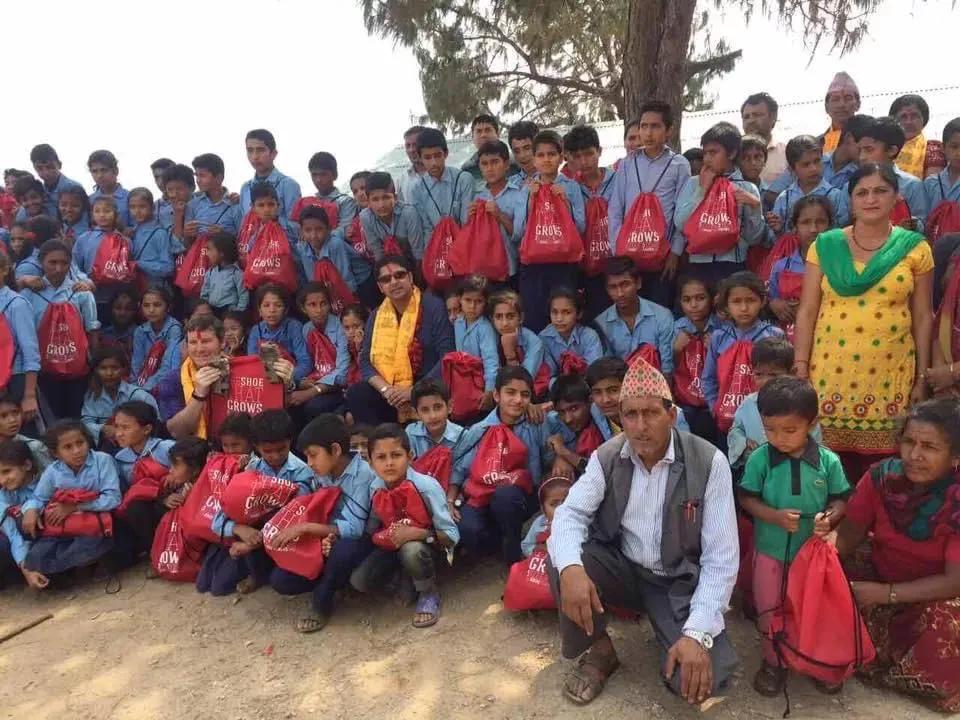
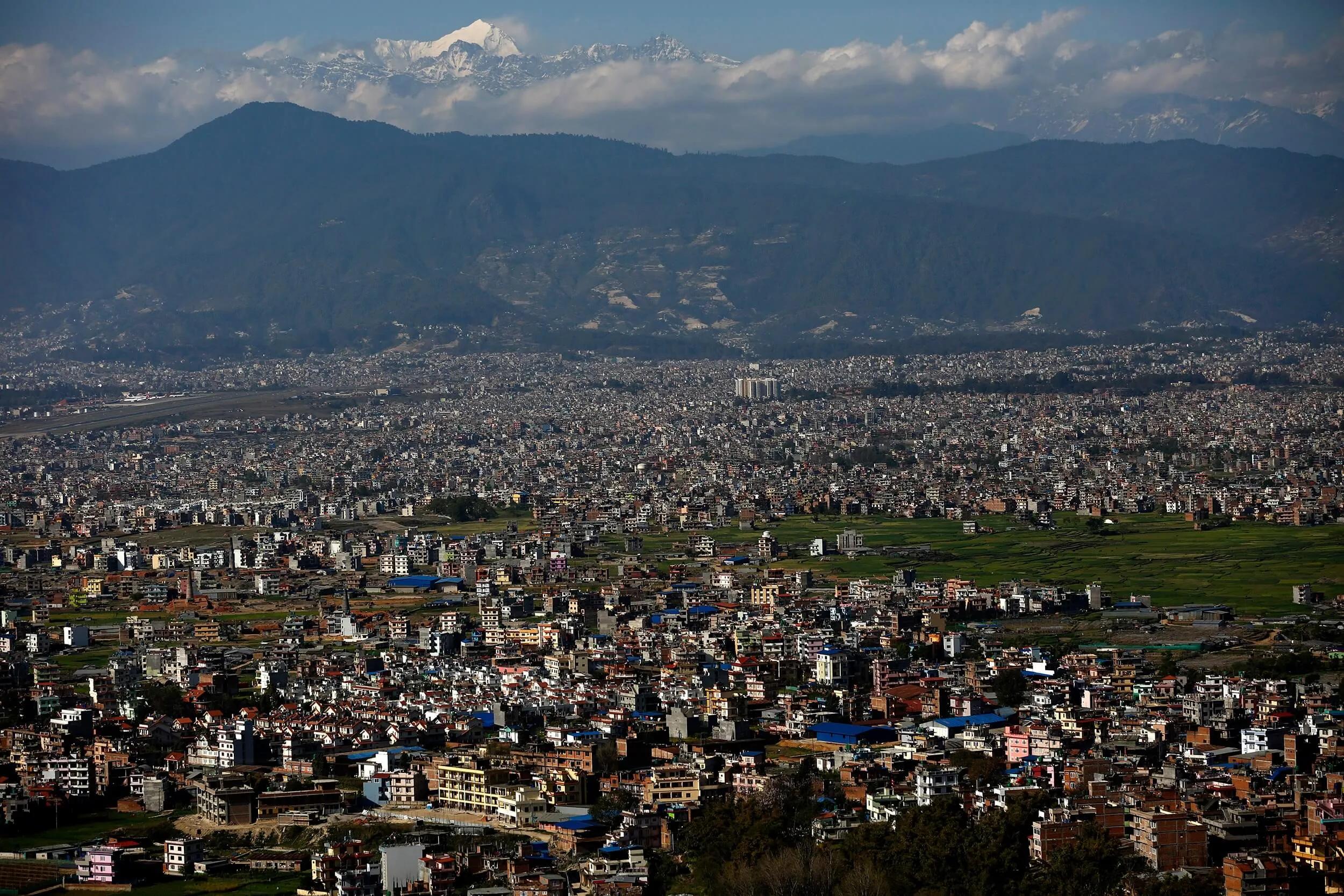
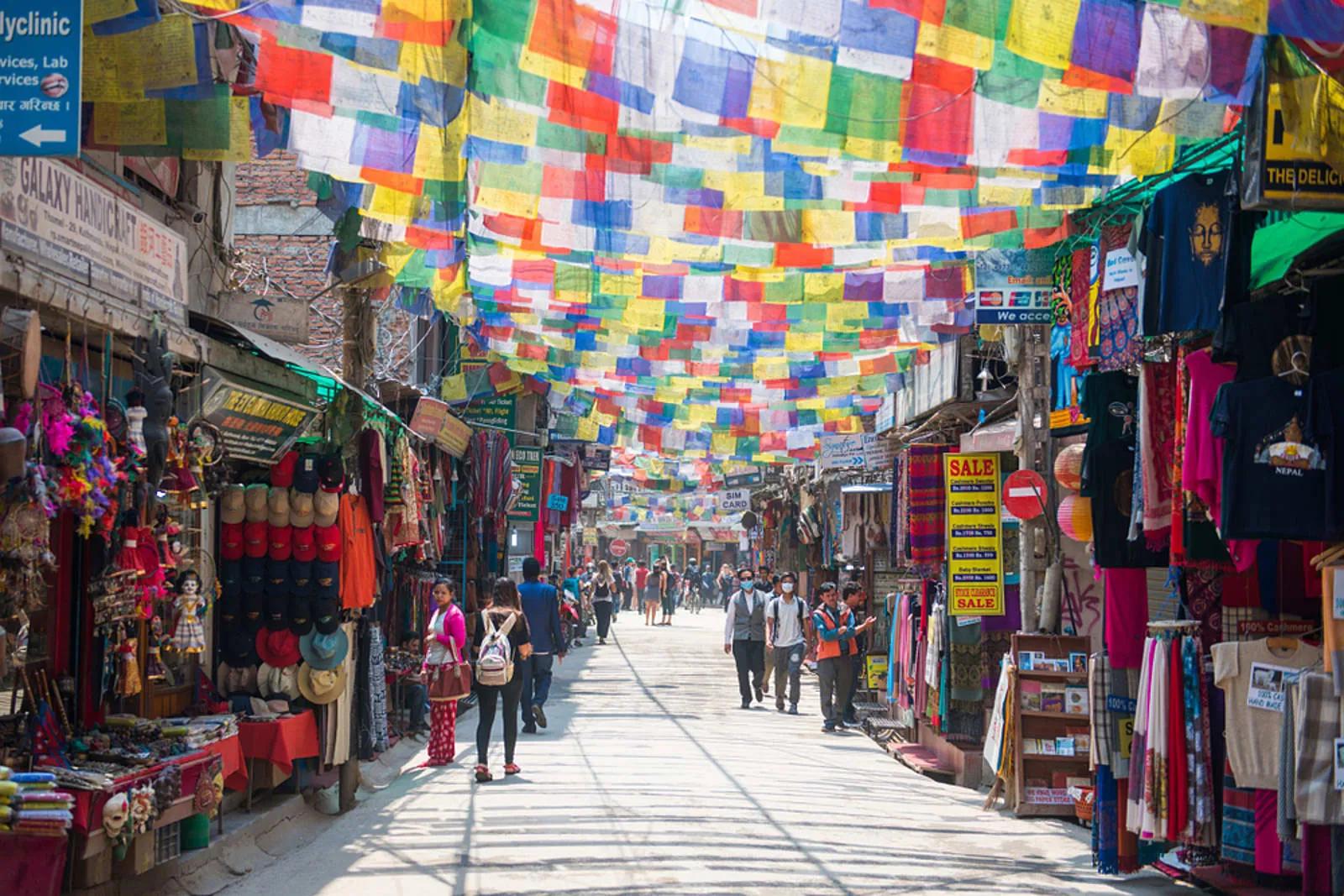
Charity Trek in Nepal is a newly launched destination in Nepal to support disabled people, school children, poor people, and homeless children since 2001 until today. Our main objective is to support the poor, disabled people, and school children. This tour will provide 85% of benefits support to the school children and disabled and poor community while the remaining 15% benefit the Pashupatinath welfare center in Kathmandu. Our organization support/invests the benefit in the same trekking trail’s poor, disabled, and school children. We support 5 school children and poor/disabled people of Birta Deurali VDC-7, Bholung Kavre district. We have only a one-week charity trekking program starting from Dolal Ghat and ending at Bhakunde Besi then drive back to Kathmandu. This is really a non-tourist trekking trail eastern part of Nepal. Bholung village where we support poor/disabled people and school children, is located at 832m just 125 kilometers far from Kathmandu.
Our organization will arrange the charity trekking tour in Annapurna, Langtang, Everest region, or any trekking trials of Nepal according to the client’s demand. We also frequently /annually support the Pasupati welfare center where 240 old men/women are settled. We never said no when we die, but think positively to support them as human beings!
Best Season for the Tour
This tour can be undertaken throughout the year; however, spring (March to May) and autumn (September to November) are considered the best seasons. During spring, the hills and forests along the Ghorepani-Poon Hill trail are covered with colorful rhododendron blooms, Nepal's national flower. Temperatures remain pleasant, and the mountain views are generally excellent. The clear skies during this season allow visitors to enjoy spectacular panoramas of the Annapurna and Dhaulagiri mountain ranges.
Autumn is equally popular due to its stable weather conditions and exceptional visibility. Following the monsoon rains, the atmosphere becomes crystal clear, offering some of the best mountain views of the year. Trekking trails remain dry and comfortable, while wildlife viewing in Chitwan National Park is particularly rewarding. Winter months from December to February are also suitable, although temperatures can be cold during early mornings and evenings at higher elevations. The monsoon season from June to August brings lush green landscapes but may result in occasional flight delays and reduced mountain visibility due to rain and cloud cover.
Accommodation During the Trip
Accommodation throughout the tour has been carefully selected to provide comfort while allowing travelers to experience the diverse environments of Nepal. In Kathmandu, guests stay in comfortable tourist-standard hotels equipped with modern amenities such as private bathrooms, Wi-Fi, hot showers, and restaurants. These hotels are typically located in convenient areas near major attractions and shopping districts.
In Pokhara, accommodation is provided in well-appointed hotels near the lakeside area, offering easy access to restaurants, shops, and the beautiful Phewa Lake. During the trekking portion of the journey, travelers stay in traditional mountain guesthouses or teahouses. These lodges provide basic but comfortable rooms, usually on a twin-sharing basis. Facilities become simpler compared to city hotels, but they offer a warm and authentic trekking experience.
In Chitwan, accommodation is generally arranged in jungle resorts or comfortable hotels close to the national park. These properties often feature gardens, restaurants, and cultural programs. During the Gorkha and Namjung Village section of the trip, travelers stay in local hotels that offer comfortable lodging and an opportunity to experience rural Nepalese hospitality.
Meals and Food Availability
The tour includes a combination of breakfasts, lunches, and dinners, ensuring travelers remain well-nourished throughout the journey. In Kathmandu and Pokhara, visitors can enjoy a wide variety of Nepalese, Asian, and international dishes. Restaurants often serve everything from traditional Dal Bhat to continental breakfasts, pizzas, pasta, and vegetarian specialties.
During the trekking portion, meals are prepared fresh in local teahouses. The most popular meal is Dal Bhat, Nepal's traditional dish consisting of rice, lentil soup, vegetables, and pickles. Other options commonly available include fried rice, noodles, pasta, soups, pancakes, eggs, potatoes, and seasonal vegetables. The food served along the trekking route is nutritious and designed to provide sufficient energy for daily walking.
In Chitwan, meals often include both Nepalese and international cuisine. Travelers may also have the opportunity to sample traditional Tharu dishes and local specialties. Special dietary requirements such as vegetarian, vegan, or gluten-free meals can usually be accommodated with advance notice.
Trekking Permits and Entry Requirements
Several permits are required for the trekking portion of this itinerary. The primary permit is the Annapurna Conservation Area Permit (ACAP), which grants access to the protected Annapurna region. In addition, trekkers typically require a TIMS (Trekkers' Information Management System) card, which helps authorities maintain trekking records and improve visitor safety.
For the wildlife portion of the trip, entrance fees to Chitwan National Park are also required. These permits and fees are generally arranged by the tour operator as part of the package. Travelers only need to provide passport details and passport-sized photographs when applying for permits.
Professional Guides and Porter
Hiring experienced guides significantly enhances the overall travel experience. Professional guides possess extensive knowledge of local culture, history, wildlife, geography, and trekking routes. During the Kathmandu sightseeing portion, guides provide detailed explanations about the significance of temples, palaces, and religious monuments.
On the trekking trail, guides assist with navigation, monitor the health and safety of participants, and help manage logistics. They also facilitate interactions with local communities and provide valuable insights into the customs and traditions of the mountain villages. Many trekking groups are additionally supported by porters who carry the main luggage, allowing travelers to trek comfortably with only a daypack.
Drinking Water and Hydration
Proper hydration is essential throughout the tour, particularly during the trekking days. Bottled water is widely available in cities and along the trekking route; however, purchasing multiple plastic bottles is not environmentally friendly. Travelers are encouraged to carry reusable water bottles and use water purification tablets, filters, or UV purification devices.
Most guesthouses provide boiled drinking water for a small fee, which is considered one of the safest and most environmentally responsible options. During Chitwan activities and sightseeing tours, travelers should also ensure adequate hydration due to the warmer temperatures and increased outdoor exposure.
Travel Insurance
Comprehensive travel insurance is highly recommended and often considered essential for this trip. Insurance should cover emergency medical treatment, hospitalization, trip cancellation, lost baggage, flight delays, and emergency evacuation if required. Although the highest point of the trek is only 3,210 meters, unexpected illnesses, injuries, or transportation disruptions can occur during travel.
A suitable insurance policy provides peace of mind and financial protection throughout the journey. Travelers should carefully review policy details and ensure that trekking activities are included in the coverage.
Transportation Throughout the Tour
Transportation is an important part of this itinerary and includes a combination of domestic flights, private vehicles, tourist buses, and trekking. The journey begins with airport transfers in Kathmandu, followed by a scenic domestic flight from Kathmandu to Pokhara. This short flight offers magnificent views of Nepal's Himalayan range.
Ground transportation is provided by comfortable private vehicles or tourist-standard transportation between destinations such as Nayapul, Chitwan, Gorkha, Namjung Village, and Kathmandu. The roads pass through beautiful river valleys, terraced hillsides, and traditional settlements, providing travelers with an authentic glimpse of rural Nepal. The trekking portion itself is completed on foot through well-established mountain trails.
Difficulty Level of the Tour
The overall difficulty of this itinerary is considered easy to moderate, making it suitable for most travelers with average fitness levels. The trekking section involves walking approximately four to six hours per day over a mixture of stone staircases, forest trails, and village pathways. The climb to Ulleri is often regarded as the most physically demanding section due to its steep stone steps.
No technical climbing skills or previous trekking experience are required. Individuals who engage in regular walking, hiking, jogging, or moderate physical activity should be able to complete the trek comfortably. The inclusion of cultural sightseeing, wildlife activities, and community visits creates a balanced itinerary without excessive physical demands.
Altitude Sickness and Acclimatization
Altitude sickness is generally not a significant concern on this tour because the maximum elevation reached is Poon Hill at 3,210 meters. Most cases of serious altitude-related illness occur above 3,500 meters. Furthermore, the itinerary follows a gradual ascent profile, allowing the body sufficient time to adapt naturally.
Some travelers may experience mild symptoms such as shortness of breath during steep climbs or slight fatigue at higher elevations. These symptoms are usually temporary and resolve quickly with rest and proper hydration. Maintaining a slow walking pace, drinking plenty of water, avoiding excessive alcohol consumption, and following the guide's instructions are usually sufficient to prevent altitude-related issues.
Communication and Internet Access
Mobile network coverage is available in most major destinations, including Kathmandu, Pokhara, Chitwan, and Gorkha. Along the trekking route, network coverage may vary depending on location and weather conditions. Many guesthouses and hotels offer Wi-Fi services, although connection speeds can be slower in remote mountain areas.
Travelers who require constant connectivity may purchase a local SIM card from Nepal Telecom or Ncell upon arrival in Kathmandu. These providers offer affordable data packages with coverage throughout much of the country.
Why Choose This Tour?
This itinerary stands out because it showcases Nepal's remarkable diversity within a short timeframe. Travelers can experience ancient temples and UNESCO World Heritage Sites, trek through Himalayan villages, witness spectacular mountain sunrises from Poon Hill, explore one of Asia's finest wildlife reserves, and engage directly with local communities in rural Nepal. The combination of culture, adventure, wildlife, and community interaction creates a memorable and enriching travel experience suitable for families, solo travelers, couples, and small groups alike. It is one of the most comprehensive introductions to Nepal for visitors seeking far more than a traditional sightseeing or trekking holiday.
Cancellation Policy
Cancellation by the Participant
If you decide to cancel your booking for the Charity Trek in Nepal please notify Alpine Club of Himalaya in writing (via email or official communication) as early as possible. The following cancellation charges apply:
- 60 days or more before trek start date: 20% cancellation fee of the total trip cost
- 30 to 59 days before trek start date: 50% cancellation fee of the total trip cost
- Less than 30 days before departure: No refund; 100% of the trip cost is non-refundable
These fees cover administrative costs, permits, pre-arranged logistics, and potential losses caused by late cancellations.
Cancellation by the Organizer
In the rare circumstance that Alpine Club of Himalaya must cancel the trek due to unforeseen or uncontrollable events such as extreme weather, natural disasters, or safety concerns in the region, you will be offered either:
- A full refund of all payments made
OR
- The option to reschedule your trek for a future available date at no additional cost
Your safety is our highest priority, and cancellations are only made when absolutely necessary.
Force Majeure Clause
Alpine Club of Himalaya cannot be held responsible for cancellations, delays, or extra expenses resulting from force majeure events, including but not limited to:
- Earthquakes, floods, landslides
- Political unrest, strikes, or border closures
- Epidemics, pandemics, or other health emergencies
- Airspace closures, airline cancellations, or flight delays
In such cases, participants are responsible for any additional personal costs such as extra accommodation, changed flights, or insurance claims. We strongly recommend that all trekkers purchase comprehensive travel insurance covering trip cancellations, medical emergencies, and force majeure events before joining the trek.