R
Ravi Chandran
Chennai, India
Dec 3, 2025

Ghorepani, Chhomrong, Ghandruk, Landruk, Dhampus each Gurung village had its own character, and we never felt rushed through any of them.
Destination
Nepal
Duration
16 Days
Best Weather
March, April, may, September, October & November
Max Altitude
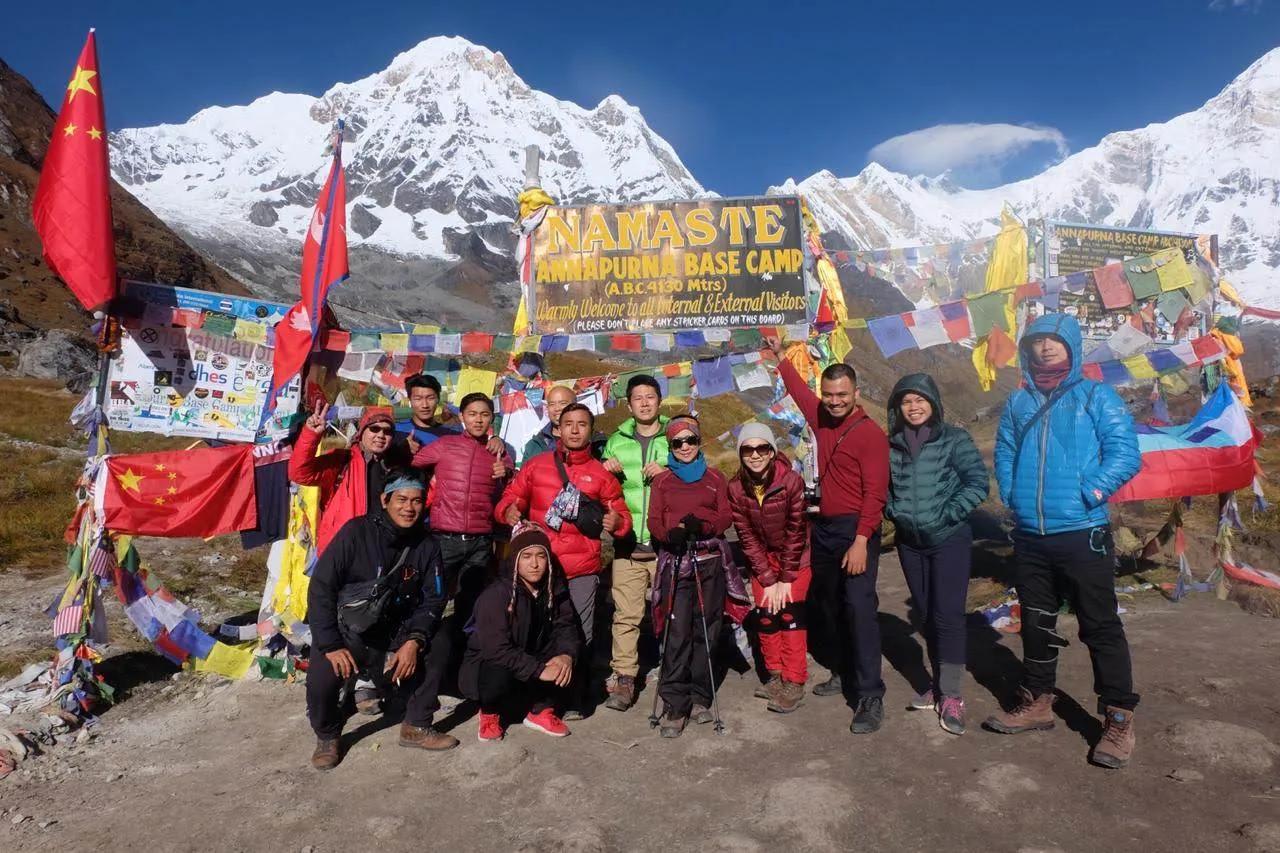
4130m (Annapurna Base Camp)
Accommodation
Hotel and Guesthouse
Meals
Breakfast, Lunch, Dinner
Transportation
Private vehicle / Flights
Group
Min 1 pax
Difficulty
Easy
Activities
Trekking
The Annapurna Sanctuary Mountain Culture Trek is a spectacular journey that takes you deep into the heart of the Annapurna region, one of Nepal’s most iconic trekking destinations. This trek leads you to a wild, frosty basin surrounded by towering snow-clad Himalayan peaks, offering close-up views of some of the world’s most famous mountains, including Machhapuchhre (6,997m / 22,957ft), Gangapurna (7,454m / 24,457ft), Annapurna I (8,091m / 26,547ft), Fang (7,647m / 25,090ft), and Annapurna South (7,219m / 23,686ft).
Traversing through oak, rhododendron, and bamboo forests, this trek also takes you along the dramatic gorge of the Modi Khola, winding through traditional settlements and past centuries-old trading routes. The region’s unique geography channels tropical monsoon moisture into the Himalayan valleys, creating lush forests, terraced farmlands, and diverse ecosystems along the trekking path. The amphitheater-like Annapurna Sanctuary, encircled by giant peaks, is a highlight of the trek, offering panoramic vistas that are unmatched anywhere in the world.
The trek combines stunning natural beauty with rich mountain culture, showcasing traditional Gurung and Magar villages, centuries-old monasteries, and ancient trails historically used by mules, horses, and yak caravans. Unlike higher-altitude treks in the Everest region, this trek offers magnificent close-up mountain views without requiring extended acclimatization, making it accessible for trekkers with moderate experience and fitness levels. The journey is carefully organized by the Alpine Club of Himalaya, ensuring expert guidance, safe logistics, and immersive cultural experiences throughout the trek.
The trek begins north of Pokhara, one of Nepal’s most scenic cities. After a brief exploration of the Kathmandu Valley, you take a domestic flight to Pokhara, followed by a short drive of approximately 41 kilometers (25 miles) to Nayapul, the starting point of the trek. From Nayapul, the trail ascends through subtropical hill forests, rice terraces, and small villages, leading to Tikhedhunga. This village marks the gateway to the higher Himalayan regions and serves as the first stop for trekkers seeking natural beauty and traditional mountain culture.
From Tikhedhunga, the trail continues to Ghorepani, an ancient settlement historically used as a rest stop for mule caravans. The next highlight is Poon Hill, one of the most famous vantage points in the Annapurna region. Here, trekkers are treated to spectacular panoramic views of the Himalayan range, stretching from Dhaulagiri I (8,167m), Tukuche Peak (6,920m), Nilgiri (6,940m), Annapurna South, Annapurna I (8,091m), Hiunchuli (6,441m), to Tarke Kang (7,193m). Sunrise at Poon Hill offers breathtaking photo opportunities and is a major highlight of this trek.
Following Poon Hill, the journey continues to Tadapani, where trekkers enjoy unobstructed views of the surrounding mountains and alpine valleys. The trail then descends to the riverside village of Dobhan, before ascending to Machhapuchhre Base Camp (3,700m / 12,140ft). From here, you can witness the ever-changing grandeur of Machhapuchhre, Hiunchuli, Annapurna III, and Gangapurna, making it one of the most memorable viewpoints in the region.
The trek then ascends further into the Annapurna Base Camp and Sanctuary, a natural amphitheater surrounded by towering peaks. From this location, trekkers enjoy 360-degree views of Annapurna I, Annapurna South, Annapurna III, Gandharvachuli, Gangapurna, and Himchuli, capturing the essence of the Annapurna massif. Early mornings and evenings provide the best opportunities for sunrise and sunset photography, while clear nights reveal an incredible stargazing experience in the high Himalayas.
On the return journey, trekkers descend back through Chhomrong, visiting Ghandruk, a picturesque Gurung village known for its culture, museums, and warm hospitality. The trail continues to Landruk and Dhampus, offering final glimpses of terraced farmland, traditional villages, and forested valleys, before descending to Phedi and returning to Pokhara. In Pokhara, trekkers can relax and explore attractions such as Phewa Lake, local cafes, and cultural landmarks, bringing the 16-day trek to a memorable close.
The Annapurna Sanctuary Mountain Culture Trek is ideal to visit in spring (March to May) and autumn (September to November). During these seasons, the weather is stable, skies are mostly clear, and mountain visibility is excellent, offering spectacular views of Machhapuchhre, Annapurna I, Annapurna South, Gangapurna, and other Himalayan peaks. Spring brings lush green landscapes and blooming rhododendron forests, while autumn features crisp air, colorful terraces, and stable trekking conditions.
Winter (December to February) is colder, with snow in higher elevations, but it can still be trekked with proper gear. Monsoon season (June to August) is not recommended due to heavy rainfall, slippery trails, landslide risks, and limited mountain visibility.
Travelers seeking the most rewarding Himalayan experience with scenic photography, cultural immersion, and pleasant trekking conditions should plan the trek during spring or autumn. The Alpine Club of Himalaya can assist with customized trekking itineraries to match the chosen season and ensure the safest experience.
The Annapurna Sanctuary Mountain Culture Trek is classified as moderate difficulty. The trek does not require extreme technical skills or mountaineering experience, making it suitable for beginners with basic fitness as well as experienced trekkers seeking a scenic Himalayan adventure.
The trail involves gradual ascents and descents, well-marked paths, and trekking through forests, villages, and alpine meadows. The highest point is Machhapuchhre Base Camp at 3,700 meters, which is comfortably below extreme altitudes, so acclimatization is generally not a major concern. Trekkers must be able to walk 4–7 hours per day on uneven and sometimes steep terrain while carrying a light daypack.
The moderate difficulty allows trekkers to fully enjoy the views of Annapurna Sanctuary, Poon Hill, Machhapuchhre Base Camp, and surrounding Himalayan ranges, making it one of the most accessible treks in Nepal’s Annapurna region. Alpine Club of Himalaya provides experienced guides and support, ensuring safe and manageable trekking for all participants.
Although the Annapurna Sanctuary Trek is moderate, proper physical preparation significantly enhances comfort, safety, and enjoyment. Trekkers should have good cardiovascular endurance and stamina for daily treks averaging 4–7 hours, and be comfortable walking on rocky paths, stairways, and forest trails.
Recommended preparation includes:
Basic acclimatization is advised at Machhapuchhre Base Camp, though the trek generally avoids extreme altitudes. Trekkers should carry lightweight clothing layers, sturdy trekking shoes, and rain gear. Staying hydrated, eating well, and pacing oneself daily are essential for safe trekking.
With these preparations, any moderately active traveler can enjoy this cultural and natural journey. The Alpine Club of Himalaya ensures full support, including guides, porters, accommodations, meals, and safety monitoring, allowing trekkers to focus on the adventure, scenery, and cultural immersion.
· Expertly Guided Trek: Alpine Club of Himalaya provides experienced, government-licensed guides, ensuring safe trekking, cultural insights, and daily health monitoring.
· Scenic Variety: The trek covers subtropical forests, alpine meadows, high mountain valleys, and the iconic Annapurna Sanctuary.
· Close-Up Himalayan Views: Offers unparalleled access to some of the highest peaks in the world without requiring extended acclimatization.
· Cultural Immersion: Experience traditional Gurung and Magar villages, local markets, monasteries, and historical trade routes.
· Comfortable Accommodation and Meals: Stay in teahouses and guesthouses along the trail, with nutritious meals served daily.
· Well-Planned Logistics: All transportation, permits, accommodation, and trekking support are efficiently managed by Alpine Club of Himalaya, ensuring a stress-free experience.
This 16-day trek is perfect for adventurers seeking a blend of natural beauty, mountain culture, and Himalayan adventure. Every step through lush forests, along glacial rivers, and amidst the towering Annapurna peaks tells a story, making this trek a once-in-a-lifetime journey that remains unforgettable.
Proper acclimatization is an essential factor for a safe and enjoyable experience on the Annapurna Sanctuary Mountain Culture Trek – 16 Days, even though this trek does not reach extremely high altitudes like the Annapurna Circuit. The trek gradually ascends to elevations such as Machhapuchhre Base Camp at 3,700 meters, where oxygen levels are lower than in the valleys. Allowing the body time to adjust to these higher altitudes reduces the risk of altitude-related discomfort, including headaches, fatigue, dizziness, nausea, and sleep disturbances.
The trekking itinerary designed by Alpine Club of Himalaya incorporates gradual altitude gain and ensures ample time for trekkers to adjust while walking through villages, alpine meadows, and forested trails. Short acclimatization hikes to nearby viewpoints provide the opportunity to experience panoramic mountain vistas while keeping overnight elevations lower, following the well-established “climb high, sleep low” principle. Maintaining adequate hydration, consuming balanced meals, and walking at a comfortable pace are all recommended to enhance the body’s adaptation to the Himalayan environment.
Even though the Annapurna Sanctuary is a relatively moderate trek, remote areas and high-altitude terrain always carry inherent risks, including minor injuries, sudden weather changes, or health issues. Alpine Club of Himalaya ensures that trekkers are supported throughout the journey with professional emergency preparedness, including evacuation plans and access to local medical posts near settlements such as Chhomrong, Ghorepani, and Machhapuchhre Base Camp.
Experienced guides perform daily health checks and monitor trekking group conditions closely. Satellite phones and other communication tools are available to contact rescue services if needed. In rare cases requiring urgent attention, quick descent arrangements and helicopter evacuation can be coordinated. This professional support provides trekkers with confidence and peace of mind while trekking through Nepal’s Annapurna Sanctuary region.
Alpine Club of Himalaya plays a vital role in making the Annapurna Sanctuary Mountain Culture Trek safe, well-organized, and memorable. The company manages all logistics, including transportation, trekking permits, accommodations, meals, and experienced trekking guides. Licensed guides offer expert knowledge of mountain safety, trail navigation, altitude awareness, and cultural insights about local Gurung and Magar communities.
The trekking team ensures appropriate pacing, acclimatization support, and daily briefings on health and trail conditions. Their guidance also promotes environmental awareness and respect for local traditions, monasteries, and wildlife habitats. By combining cultural interpretation, logistical management, and high safety standards, Alpine Club of Himalaya allows trekkers to immerse themselves fully in the natural beauty and rich cultural heritage of the Annapurna Sanctuary.
Although the Annapurna Sanctuary Trek does not reach extremely high altitudes, trekkers can experience mild altitude effects at Machhapuchhre Base Camp (3,700m). Symptoms of mild altitude sickness may include headache, fatigue, shortness of breath, and nausea. Proper preparation can reduce risks and enhance the trekking experience.
Trekkers are advised to engage in regular cardiovascular exercises such as hiking, jogging, cycling, or stair climbing several weeks before the trek. Following a steady walking pace, staying well-hydrated, and consuming balanced meals are critical. Guides from Alpine Club of Himalaya are trained to recognize early signs of altitude stress and provide guidance to ensure trekkers’ safety and comfort throughout the journey.
The Annapurna Sanctuary Trek offers a diverse range of landscapes in a compact region. The trek begins in the lush subtropical valleys near Nayapul, with forests of oak, bamboo, and rhododendron, alongside terraced fields and cascading rivers. As the trail ascends toward Ghorepani, Poon Hill, and eventually Machhapuchhre Base Camp, the climate becomes cooler, vegetation shifts to pine and rhododendron forests, and alpine meadows emerge.
The Annapurna Sanctuary itself is a high Himalayan amphitheater, a dry, open basin encircled by towering snow-capped peaks including Machhapuchhre, Annapurna I, Annapurna South, Gangapurna, and Hiunchuli. Spring and autumn offer the most stable weather, clear skies, and stunning mountain visibility, making these months ideal for trekking. The area experiences occasional rain in summer and colder temperatures in winter, especially at higher altitudes.
The trek passes through multiple ecological zones, each with unique flora and fauna. Lower elevations are rich in bamboo groves, pine forests, and rhododendron blooms during spring. Mid-altitude areas feature oak, fir, and rhododendron forests, while higher elevations around Machhapuchhre Base Camp include hardy alpine shrubs and grasses.
Wildlife includes Himalayan thar, langur monkeys, blue sheep, and musk deer. Birdwatchers may spot Himalayan griffons, eagles, and pheasants. Occasionally, trekkers may hear stories of elusive snow leopards inhabiting the remote high-altitude regions, adding to the area’s wilderness charm.
Transportation for the Annapurna Sanctuary Trek is professionally organized by Alpine Club of Himalaya. The journey begins with a short flight from Kathmandu to Pokhara or a scenic drive of approximately 6–7 hours. From Pokhara, travelers are transported to Nayapul, the trek’s starting point, where the trail enters lush valleys and forests.
After completing the trek and returning to Nayapul, travelers return to Pokhara by road to relax by the beautiful Phewa Lake and explore local attractions. From Pokhara, return to Kathmandu is possible by domestic flight or tourist vehicle, according to traveler preferences. This combination of flights and road transport ensures a smooth and comfortable journey.
Accommodation along the Annapurna Sanctuary Trek is primarily in local teahouses and mountain guesthouses, offering comfortable rooms with twin-sharing bedding and basic shared bathroom facilities. At higher elevations, facilities may be simpler due to limited resources, but teahouses provide warm hospitality and freshly prepared meals.
Before and after the trek, travelers stay in well-appointed hotels in Pokhara and Kathmandu, offering modern amenities, comfortable bedding, and a relaxing environment. This blend of authentic mountain teahouses and quality city hotels ensures that trekkers enjoy both adventure and comfort throughout the 16-day journey.
Meals during the Annapurna Sanctuary Mountain Culture Trek – 16 Days are carefully planned to provide trekkers with the energy, nutrition, and warmth needed for long days on mountainous trails. Along the trekking route, local teahouses serve a variety of freshly prepared dishes that reflect both traditional Nepali cuisine and regional influences. Trekkers can enjoy classic Nepali dal bhat, consisting of rice, lentils, seasonal vegetables, and pickles, as well as noodles, soups, pasta, potatoes, eggs, pancakes, and freshly baked bread. In addition, many villages along the trail feature Tibetan-influenced meals such as momo (dumplings) and thukpa (noodle soup), which are particularly satisfying after a day of trekking.
As trekkers ascend toward higher elevations near Machhapuchhre Base Camp (3,700m) and the Annapurna Sanctuary, menu options can become more limited due to the logistical challenges of transporting ingredients to remote locations. Nevertheless, the meals remain hygienic, hearty, and carefully portioned to maintain stamina and support recovery. Guides from Alpine Club of Himalaya provide recommendations on meal timing, portion control, and dietary choices depending on the day’s trekking intensity and altitude, ensuring that each trekker’s nutritional needs are met throughout the journey.
Proper hydration is critical for a safe and enjoyable trekking experience in the Annapurna Sanctuary. Safe drinking water is widely available along the route, including bottled water at teahouses and small local shops. However, prices tend to increase at higher elevations because of the difficulty in transporting supplies to remote areas.
Trekkers are strongly encouraged to carry reusable water bottles and to use water purification tablets, portable filters, or boiled water offered by teahouses. This approach not only ensures safe hydration in high-altitude conditions but also helps reduce plastic waste in the fragile Himalayan environment. Guides from Alpine Club of Himalaya emphasize regular hydration, especially on longer trekking days or during short acclimatization hikes to viewpoints around Ghorepani, Poon Hill, and Machhapuchhre Base Camp. Maintaining proper fluid intake helps prevent dehydration, fatigue, and altitude-related discomfort, keeping trekkers energetic and healthy throughout the trek.
Many villages along the Annapurna Sanctuary Trek, particularly Ghorepani, Tadapani, Chhomrong, and Dobhan, provide limited WiFi and electricity services. Internet access allows trekkers to stay connected with family, check weather conditions, or plan logistics during the trek. However, connectivity can be slow and intermittent in remote areas or higher elevations, particularly around Machhapuchhre Base Camp and the Annapurna Sanctuary itself.
Electricity for charging devices is generally available in teahouses, often powered by solar energy systems, but may involve a small fee. To ensure uninterrupted access to communication or photography needs, trekkers are advised to carry power banks, spare batteries, or solar chargers. With these precautions, travelers can maintain connectivity while still enjoying the tranquility and natural beauty of the high Himalayas.
Professional guide and porter support is a cornerstone of the Alpine Club of Himalaya’s Annapurna Sanctuary Trek experience. Experienced, government-licensed trekking guides accompany trekkers throughout the journey, offering expertise in navigation, daily pacing, altitude awareness, and emergency response. For larger groups, assistant guides provide additional logistical and safety support.
Trained porters carry personal trekking gear and supplies, allowing trekkers to walk with light daypacks and preserve energy for challenging sections of the trail, such as the ascent to Machhapuchhre Base Camp or the Annapurna Sanctuary itself. Alpine Club of Himalaya follows ethical trekking practices by ensuring fair wages, proper meals, and adequate accommodation for all trekking staff. This professional support system allows trekkers to focus fully on the incredible mountain scenery, cultural experiences, and forested trails without the stress of heavy packs or logistical concerns.
The Annapurna Sanctuary Mountain Culture Trek – 16 Days is widely recognized for offering some of the most stunning and varied mountain vistas in Nepal. The journey begins in the lush sub-tropical valleys near Nayapul, where dense forests, cascading rivers, and terraced farmlands provide a serene introduction to the Himalayas.
As trekkers ascend toward Ghorepani, Poon Hill, and Tadapani, the scenery transforms dramatically, offering panoramic views of Himalayan giants such as Dhaulagiri I (8,167m), Annapurna South (7,219m), Annapurna I (8,091m), Machhapuchhre (6,997m), Hiunchuli (6,441m), and Tarke Kang (7,193m). Sunrise at Poon Hill provides a particularly breathtaking perspective, where peaks change colors as sunlight touches snow-capped summits.
Approaching Machhapuchhre Base Camp and the Annapurna Sanctuary, the environment opens into a vast high-altitude amphitheater, encircled by towering mountains. Trekkers can enjoy sweeping vistas of Gangapurna, Annapurna III, Hiunchuli, and Machhapuchhre, with glacial streams and alpine meadows in the foreground. These ever-changing mountain panoramas make the trek a visual feast for photographers, nature enthusiasts, and adventure travelers, combining lush green valleys with snow-capped Himalayan summits.
Trekking in the Annapurna region, including the Annapurna Sanctuary Mountain Culture Trek – 16 Days, requires official permits to ensure environmental conservation, visitor safety, and proper management of trekking routes. Alpine Club of Himalaya provides full support in arranging all necessary documentation before the trek begins, making the process seamless for participants.
Having the proper permits is not only a legal requirement but also supports sustainable tourism, responsible trekking practices, and the protection of Annapurna’s unique landscapes and communities.
The Annapurna Sanctuary Mountain Culture Trek offers breathtaking opportunities for landscape and nature photography. Trekkers can capture the stunning Himalayan peaks, dense forests, cascading waterfalls, alpine meadows, traditional villages, and ancient monasteries. However, respect for local communities and cultural sensitivity is critical. Photographers are encouraged to seek permission before taking photos of residents, religious ceremonies, or sacred sites.
Drone usage in the Annapurna region is strictly regulated. Operating drones without special approval from the Civil Aviation Authority of Nepal and local authorities is prohibited. Alpine Club of Himalaya provides guidance on responsible photography and drone use, ensuring trekkers can document their adventure while respecting local laws and preserving the sanctity of the region.
Comprehensive travel insurance is highly recommended for the Annapurna Sanctuary Mountain Culture Trek, as high-altitude trekking carries inherent risks, including altitude sickness, sudden weather changes, or minor injuries. Trekkers should ensure that their insurance covers emergency helicopter evacuation, high-altitude medical treatment, trekking above 5,000 meters, trip cancellation, and loss or damage of personal belongings.
Having proper insurance provides peace of mind and ensures immediate assistance in unforeseen situations. Guides from Alpine Club of Himalaya emphasize safety precautions and can advise on suitable insurance policies for high-altitude trekking.
All international trekkers must carry a valid passport with at least six months of remaining validity. A Nepal entry visa is required and can be obtained online or on arrival at Tribhuvan International Airport, Kathmandu. Trekkers are advised to carry photocopies of passports and visas, as these may be requested at permit checkpoints along the trekking route.
Alpine Club of Himalaya assists with visa guidance and ensures that trekkers have all necessary travel documentation before starting the journey.
Reliable communication is essential for both safety and convenience on the Annapurna Sanctuary Mountain Culture Trek. Alpine Club of Himalaya can help trekkers arrange a local SIM card, such as Ncell, before the trek. Network coverage is generally available in major villages along the trail, including Ghorepani, Tadapani, Chhomrong, Dobhan, and Machhapuchhre Base Camp, though connectivity may be limited in higher or more remote areas.
A local SIM card allows trekkers to receive weather updates, coordinate logistics with guides, and stay in touch with family. Recharge facilities are available in larger settlements, making communication reliable throughout the trek.
For travelers seeking flexibility, the Annapurna Sanctuary Mountain Culture Trek – 16 Days can also be arranged on short notice. With efficient planning and experienced operational support, Alpine Club of Himalaya can organize permits, transportation, accommodation, and trekking staff even for last-minute bookings. However, early reservations are highly recommended during peak trekking seasons to ensure flights, transport arrangements, and quality teahouse accommodations.
To help trekkers prepare effectively, Alpine Club of Himalaya provides online pre-trek briefings prior to arrival in Nepal. These sessions cover detailed itinerary information, altitude awareness, packing requirements, health and safety precautions, cultural etiquette, and trekking expectations. By attending the briefing, trekkers arrive in Nepal confident and well-prepared for the challenges and beauty of the Annapurna Sanctuary Trek.
Trekkers on the Annapurna Sanctuary Mountain Culture Trek can choose between private customized treks or fixed group departures. Private treks provide flexibility in pacing, personalized services, and tailor-made itineraries, making them ideal for families, couples, or small groups. Group treks offer a social trekking experience with shared logistics and the support of experienced guides.
In both options, Alpine Club of Himalaya ensures high safety standards, professional guide and porter support, comfortable accommodation, and reliable logistical coordination, allowing trekkers to enjoy a safe, culturally immersive, and memorable journey through the Annapurna Sanctuary region.
1 - Devo Boutique Hotel, Thamel, Kathmandu (or similar)
2 - Tribhuvan International Airport (TIA), Kathmandu
3 - Alpine Club of Himalaya Pvt. Ltd
4 - Within Thamel, Kathmandu
Before setting out on the Annapurna Sanctuary Mountain Culture Trek – 16 Days, careful preparation is essential to ensure a safe, comfortable, and truly unforgettable experience in the heart of Nepal’s Annapurna region. This 16-day journey takes trekkers through a remarkable range of landscapes, from lush subtropical forests, terraced farmlands, and river valleys near Pokhara, to the rhododendron-clad hills and high alpine terrain of the Annapurna Sanctuary. Along the trek, participants are treated to close-up panoramic views of majestic Himalayan peaks such as Machhapuchhre (6,997m), Annapurna I (8,091m), Gangapurna (7,454m), Annapurna South (7,219m), and Hiunchuli (6,441m), as well as culturally rich villages inhabited by Gurung and Magar communities. The journey also offers insight into traditional mountain life, ancient temples, and historic monasteries nestled in serene valleys, creating a perfect blend of nature, adventure, and culture.
The Alpine Club of Himalaya provides comprehensive support throughout this trek, leveraging decades of experience in Himalayan expeditions. Our professional team takes care of all logistical arrangements, including trekking permits, route updates, transportation, accommodation bookings, and local guidance. Trekkers can rely on our skilled guides and porters, including specialized female guides, to ensure safe navigation along the trails, monitor health at high altitudes, and provide valuable cultural and environmental insights. This full support allows participants to immerse themselves completely in the stunning landscapes and the unique Annapurna Sanctuary without worrying about logistical challenges.
Safety is a top priority on this trek. All participants are strongly advised to obtain comprehensive travel insurance covering high-altitude trekking (up to at least 4,200 meters at Annapurna Base Camp), medical emergencies, helicopter evacuation, trip cancellations, and other unforeseen events. Having proper insurance ensures peace of mind and immediate assistance in case of accidents, altitude-related issues, or emergencies in the remote regions of the Annapurna Sanctuary.
In rare situations, the trek may be canceled due to extreme weather, natural disasters, or safety concerns. In such cases, participants may:
The Alpine Club of Himalaya is not responsible for additional costs or delays caused by events such as:
· Natural disasters (earthquakes, floods, landslides)
· Political unrest, strikes, or border closures
· Health emergencies, epidemics, or pandemics
· Travel disruptions, including flight cancellations or delays
Participants are responsible for any extra personal expenses incurred due to these events, including accommodation, rescheduled flights, or insurance claims. Comprehensive travel insurance is strongly recommended to mitigate such risks.
By preparing carefully, following safety guidelines, and carrying appropriate trekking gear, participants can fully enjoy the 16-day Annapurna Sanctuary Mountain Culture Trek. The trek offers a balanced experience of natural beauty, cultural immersion, and high-altitude adventure—from lush lower valleys and rhododendron forests to the serene amphitheater of the Annapurna Sanctuary and the base of world-famous Himalayan peaks. With the full logistical, safety, and cultural support of the Alpine Club of Himalaya, trekkers can embark on this remarkable Himalayan journey with confidence, making it a memorable and life-enriching adventure.
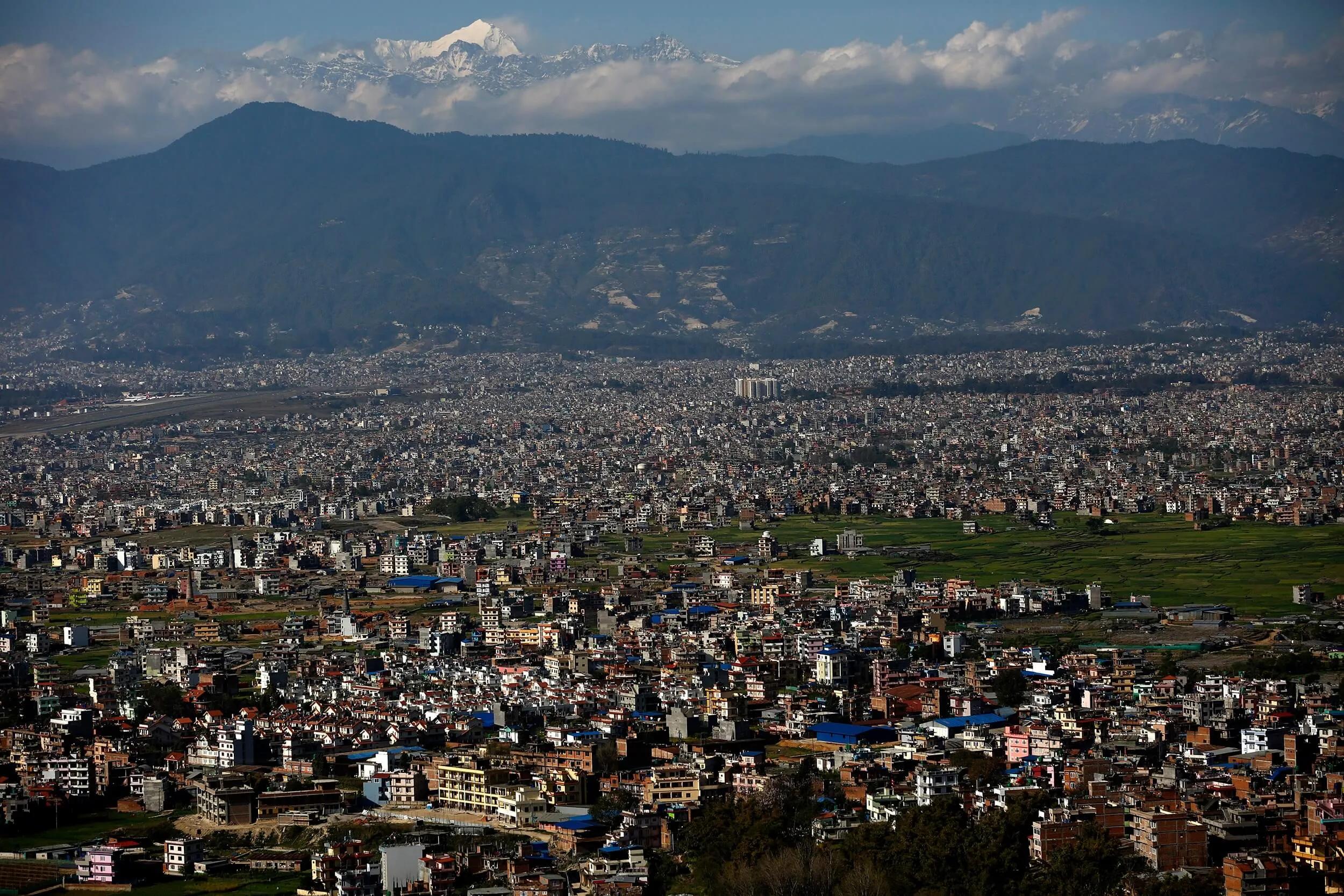
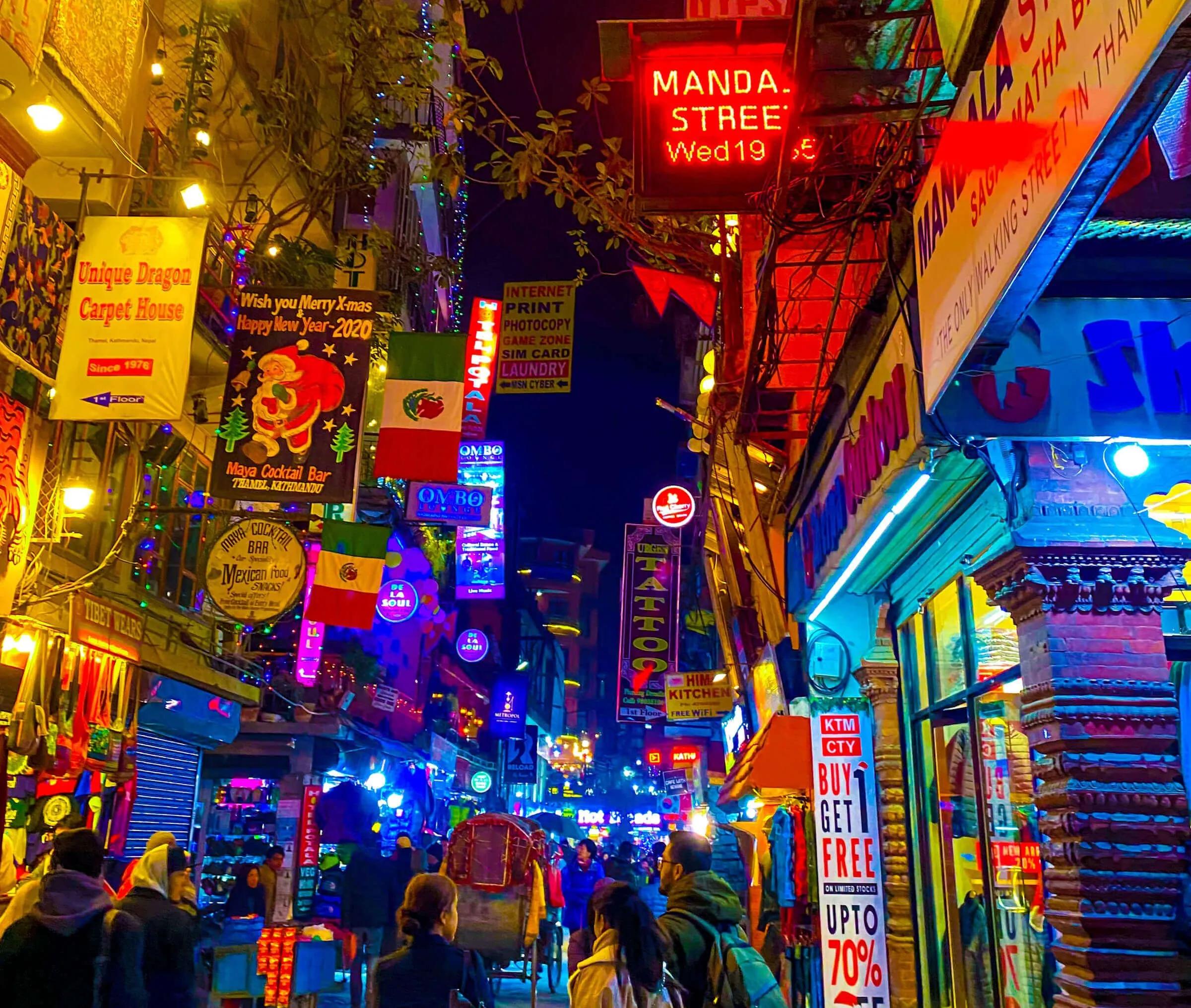
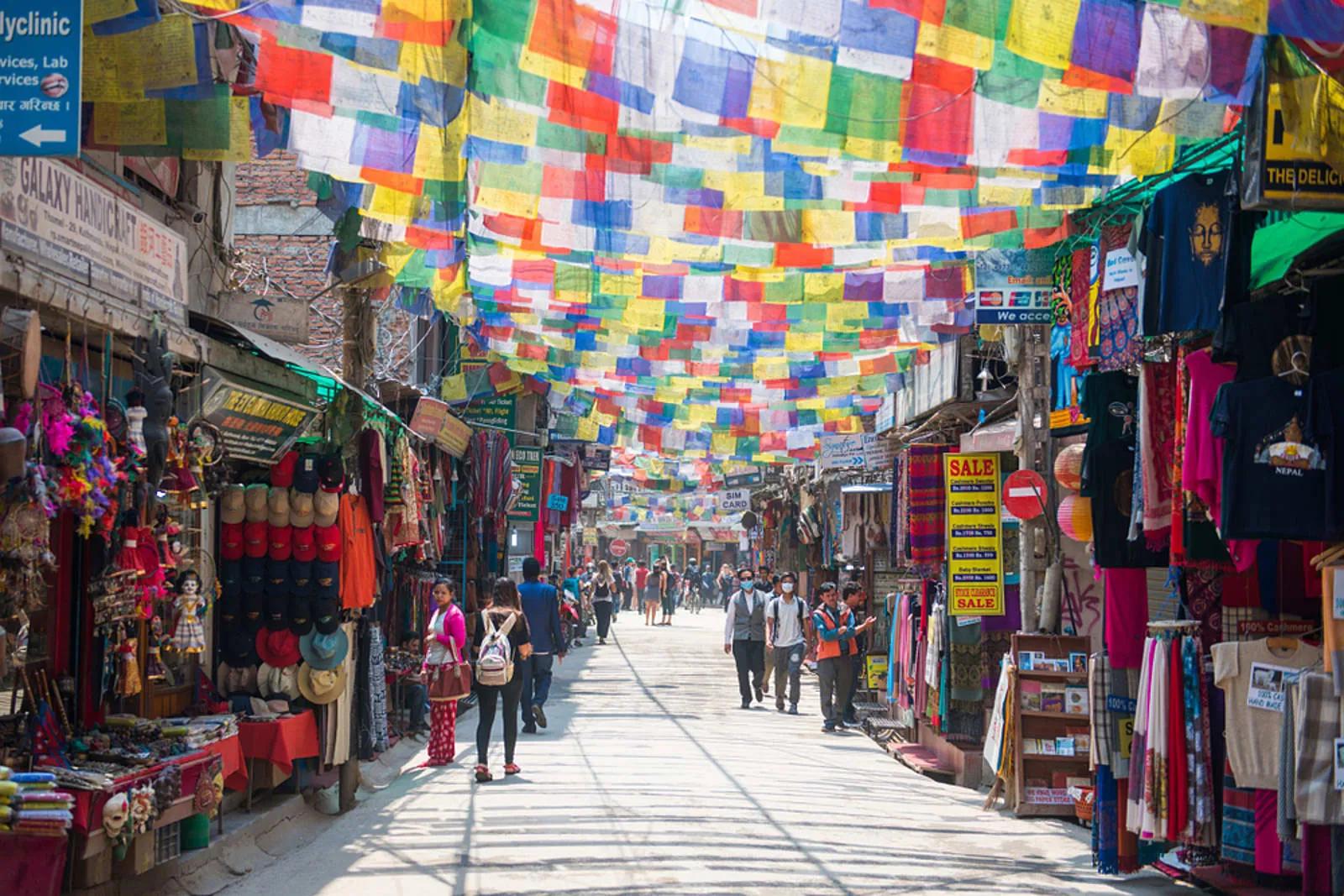
Upon arrival at Tribhuvan International Airport, Kathmandu, you will be warmly welcomed by a representative of Alpine Club of Himalaya and transferred to your hotel. Kathmandu, the vibrant capital of Nepal, is rich in history, culture, and spirituality, blending ancient traditions with modern urban life. The rest of the day is free for relaxation or to explore the bustling streets of Thamel, a hub for travelers offering local handicrafts, souvenirs, and Nepali cuisine. This initial day allows you to recover from your flight and prepare mentally for the trek ahead.
Max. Elevation
1400m
Accommodation
Hotel
Meals
None included
Pickup from Tribhuvan International Airport or your hotel in Kathmandu by private car, van, or jeep.
Three nights of accommodation in Kathmandu at 3-star hotel in a twin-sharing basis with daily breakfast
One night of 3-star, twin-sharing accommodation in Pokhara with a breakfast
Kathmandu valley sightseeing in a private vehicle with required entrance fees
An experienced English-speaking tour guide during the Kathmandu valley city tour
Both ways of domestic flight from to Pokhara -Kathmandu with all required departure taxes.
Services of an experienced, English-speaking trekking guide and porter (one porter for every two trekkers).
Comfortable accommodation in standard teahouses or mountain lodges throughout the trek, offering a warm and relaxing place to rest each night.
Three full-board meals daily during the trek (breakfast, lunch, and dinner), featuring fresh and locally prepared cuisine.
Fresh and seasonal fruits provided during the trek to keep you energized.
All necessary trekking permits, including the ACAP permit, TIMS card
Private vehicle from Phedi to Pokhara
Food, accommodation, insurance, and salary for your trekking guide.
A certificate of trek completion as a token of achievement.
Required trekking gear provided upon request to ensure proper preparation.
A duffel bag supplied for carrying your trekking gear during the journey.
First-aid medical kit available for minor health issues or injuries.
Use of sleeping bag, down jacket, duffel bag and walking poles (if you don’t have your own, to be returned after trip completed).
Oximeter provided to monitor oxygen saturation and pulse rate during the trek.
All government taxes and service charges are included.
Complimentary T-shirt and route map from ACH.
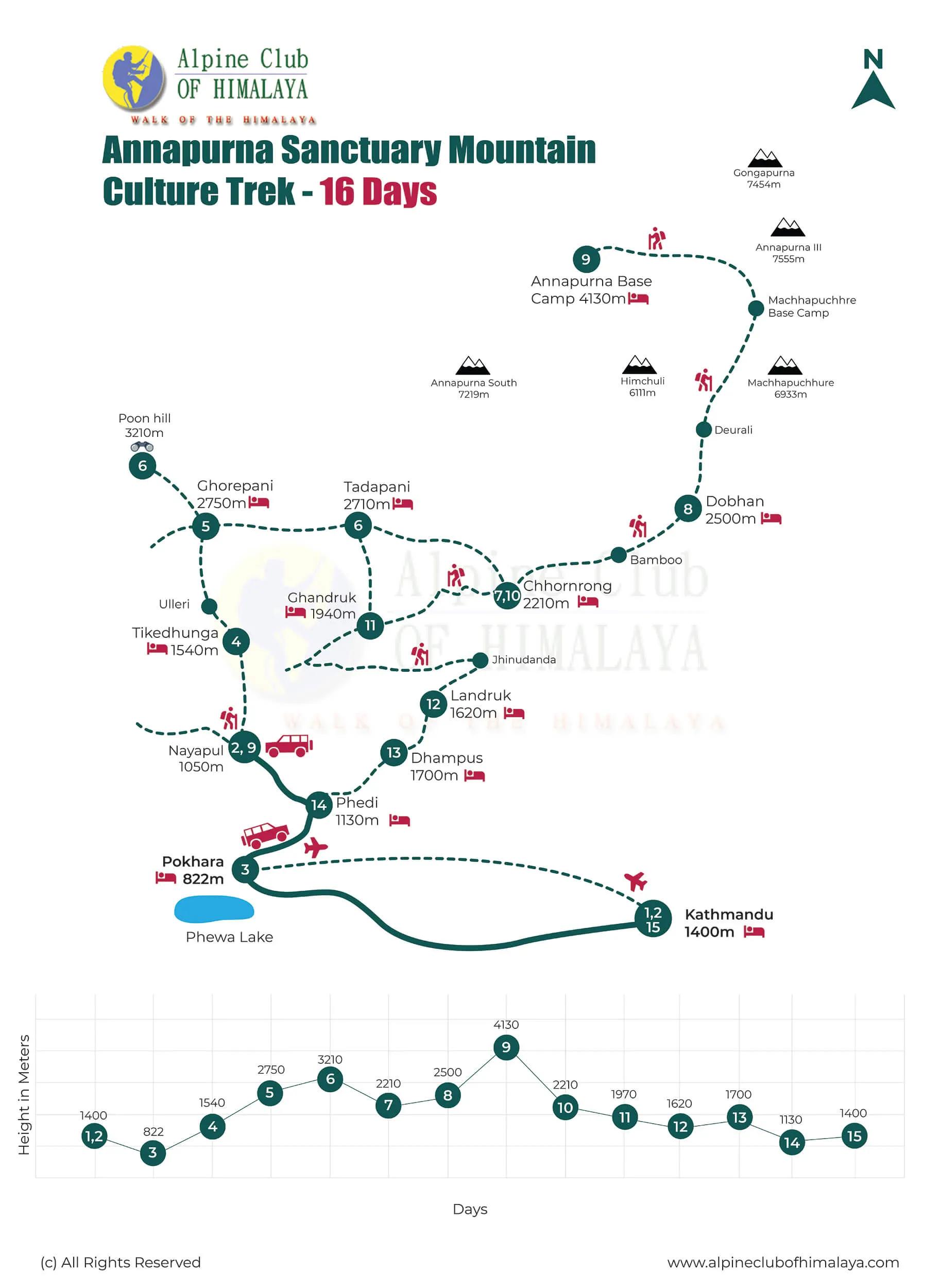
Click on map to view in fullscreen
NOTE: In the event that you return from the trek earlier than planned due to illness or any other personal reason, please be advised that payments made for services such as flights, hotels, mountain accommodations, and meals are non-refundable. Any additional expenses incurred in Kathmandu, including accommodation and meals, will be your personal responsibility.
Trekking Gear and Packing List
Trekking in the Annapurna Sanctuary requires careful preparation to ensure safety, comfort, and an enjoyable experience. The trail passes through subtropical forests, high-altitude alpine zones, and the magnificent amphitheater of the Annapurna Sanctuary. With support from Alpine Club of Himalaya, trekkers can focus on the journey while professional guides and porters handle logistics. Using the right gear is essential for managing temperature changes, rugged terrain, and variable weather conditions.
Backpack and Luggage
· ACH Kitbag (65–70 liters) – For all main trekking gear. Spacious, durable, and suitable for high-altitude trekking.
· ACH Duffel Bag – For porter-carried extra luggage. Keeps belongings secure and convenient for transport.
· Lightweight daypack (20–30 liters) – To carry essentials during daily hikes (water, camera, snacks, rain gear).
· Rain cover for backpack – Protects gear from unexpected rain or snow.
Clothing
Layering is key, as temperatures vary from warm subtropical valleys to chilly high alpine zones:
· Outer layer: Waterproof and windproof trekking jacket (Gore-Tex recommended)
· Insulation layer: Fleece or down jacket for warmth at high altitudes
· Base layer: Thermal tops and bottoms (moisture-wicking to keep dry)
· Trekking shirts: Quick-dry short and long-sleeved shirts
· Trekking pants (convertible to shorts for lower elevation hikes)
· Gloves: Warm insulated gloves and lightweight liner gloves
· Headgear: Beanie or warm hat; sun hat or cap for daytime sun protection
· Neck protection: Buff or scarf to guard against wind, sun, and dust
· Trekking socks: Synthetic or wool (carry at least 3–4 pairs)
· Gaiters: Useful for snow, mud, or rocky terrain
Footwear
· Sturdy, waterproof trekking boots with ankle support – essential for uneven trails
· Comfortable shoes or sandals for evenings at teahouses
· Extra insoles for long days on rocky terrain
Sleeping and Accommodation Gear
· Lightweight sleeping bag (rated –10°C / 14°F)
· Sleeping bag liner for hygiene and extra warmth
· Travel pillow or inflatable pillow for teahouse stays
Trekking Accessories
· Trekking poles (adjustable; rubber and carbide tips recommended)
· Sunglasses with UV protection (high-altitude glare can be intense)
· Headlamp with extra batteries
· Water bottles (1–2 liters) or hydration bladder
· Water purification tablets, portable filter, or boiling equipment
· Personal first-aid kit (bandages, antiseptic, painkillers, blister care)
· Sunscreen (SPF 50+) and lip balm with SPF
· Personal hygiene items (toothbrush, toothpaste, biodegradable soap, hand sanitizer)
· Quick-dry towel
· Trekking map, itinerary, or GPS device
· Camera or smartphone for photography
Documents and Essentials
· Passport and photocopy
· Nepal visa or photocopy
· TIMS Card and Annapurna Conservation Area Permit (ACAP)
· Travel insurance covering high-altitude trekking and helicopter evacuation
· Local currency (Nepali Rupees) in small denominations for teahouse purchases
· Emergency contact list
· Notebook and pen
Optional Items
· Energy snacks (nuts, chocolate, energy bars)
· Lightweight binoculars for wildlife and mountain viewing
· Journal or diary
· Entertainment (books, cards, music)
· Ziplock bags to protect electronics and documents
Gear Tips from Alpine Club of Himalaya
· Layering clothing is crucial: temperatures can fluctuate from 800m in Pokhara to 4,130m at Annapurna Base Camp.
· Avoid cotton clothing: synthetic and wool fabrics dry faster and provide better insulation.
· Minimize luggage weight: porters carry heavy bags, but lighter packs reduce fatigue.
· Hydration: carry reusable water bottles and purify water to avoid altitude sickness and dehydration.
· Accessibility: keep essential items like snacks, water, warm clothing, and documents in your daypack.
· Footwear care: waterproof boots with good grip prevent slips on muddy, snowy, or rocky terrain.
· Environmental responsibility: reduce single-use plastics; Alpine Club of Himalaya promotes sustainable trekking practices.
Key Highlights
· Gear tailored for high-altitude trekking with gradual acclimatization
· Professional guidance and porter support from Alpine Club of Himalaya
· Essential items for cold, wet, and dry climates along the Annapurna Sanctuary route
· Safety-focused equipment: trekking poles, first aid, hydration, sun protection
· Clean, lightweight sleeping arrangements for teahouse stays
Snacks and Nutrition
Packing efficiently while keeping your backpack lightweight will significantly enhance your trekking experience. Layering clothing is highly recommended to adapt to varying temperatures and altitude conditions. Proper gear preparation not only ensures comfort but also contributes to overall trekking safety, allowing trekkers to fully enjoy the breathtaking landscapes, rich culture, and remote wilderness of the Annapurna regions
R
Ravi Chandran
Chennai, India
Dec 3, 2025
A
Aiko
Milan, Italy
Sep 4, 2025
E
Ethan Walker
Toronto, Canada
Jun 23, 2025
G
Grace Fletcher
United Kingdom
Nov 16, 2024
24/7 Support
Need help? we're at your service
Associated With


We Accept Cards

Office of the company registrar License: 66813/066/067 || Tourism Industry Division License:1142
All content and photography within our website is copyright & may not be reproduced without our permission.
Develop By: IT Sansaar