L
Laura Bennett
Australia
May 1, 2026

This long itinerary was well managed with proper acclimatization days. The combination of Annapurna Circuit, Tilicho Lake, and ABC made this one of the most rewarding treks I’ve ever done.
Destination
Nepal
Duration
21 Days
Best Weather
March, April, May, September, October & November
Max Altitude
5416m (Thorong La Pass)
Accommodation
Hotel and Guesthouse
Meals
Breakfast, Lunch, Dinner
Transportation
Private vehicle / Flights
Group
Min. 1 Pax
Difficulty
Strenuous
Activities
Trekking
The Annapurna Circuit with Poon Hill Trek is one of Nepal’s most complete and diverse trekking adventures, combining the legendary Annapurna Circuit route with the stunning sunrise viewpoint of Poon Hill. This 17-day journey is designed for trekkers who want a full Himalayan experience that includes high mountain passes, cultural exploration, dramatic landscapes, and iconic panoramic views.
The trek is ideal for international travelers seeking both adventure and cultural depth in a single itinerary. It offers a perfect balance between challenging high-altitude trekking and rewarding scenic highlights.
The route begins in the lower valleys of the Marsyangdi River region, where trekkers walk through lush subtropical forests, rice terraces, waterfalls, and traditional hillside villages. As the trail progresses, the environment gradually transforms into alpine forests, rugged mountain valleys, and eventually into dry Himalayan desert terrain.
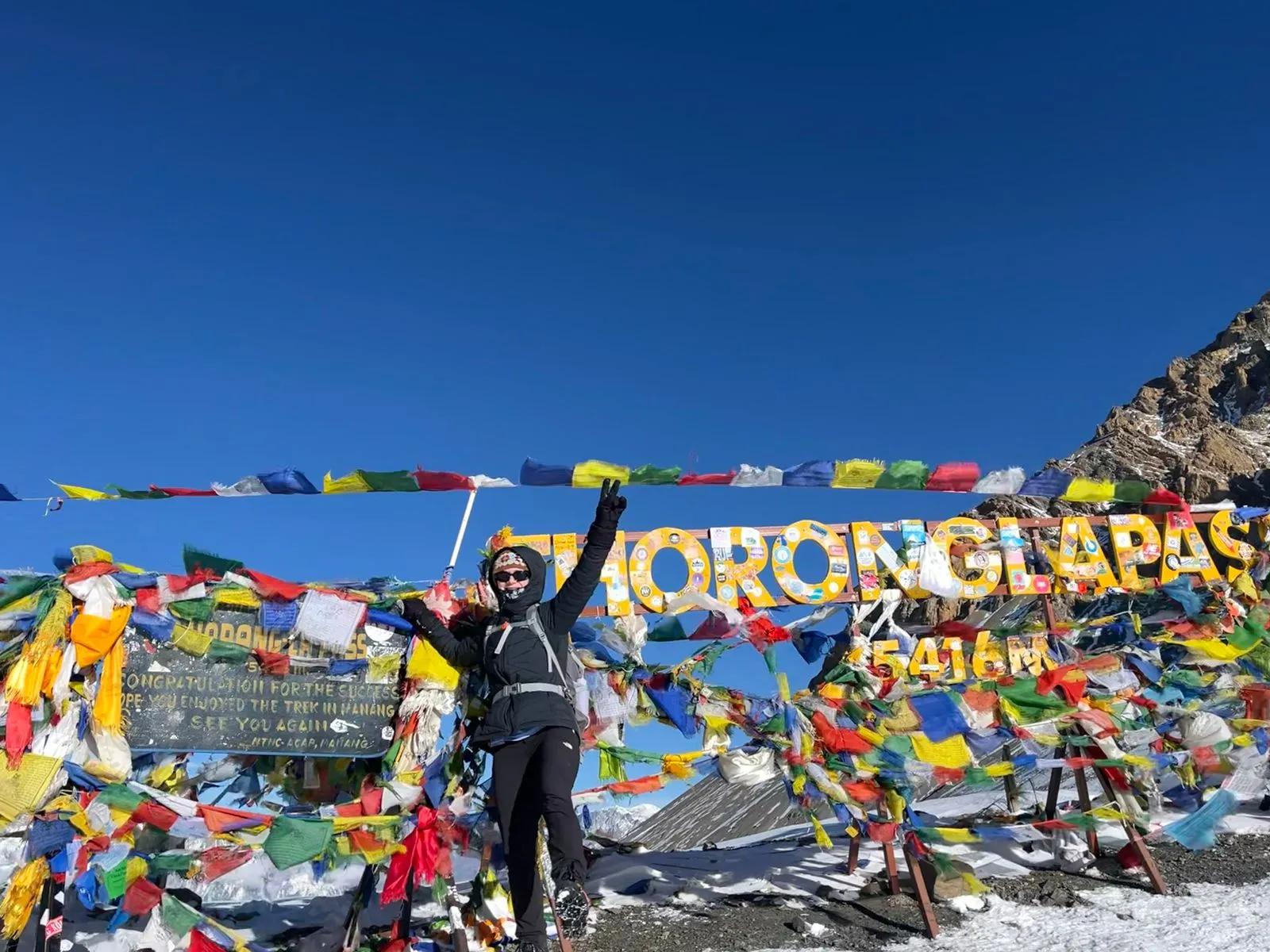
The trek reaches its highest and most challenging point at Thorong La Pass (5,416m), one of the highest trekking passes in the world. From here, trekkers descend into the Mustang region, experiencing a completely different Himalayan landscape with dry, windy valleys and Tibetan-influenced culture.
The journey also includes the beautiful Poon Hill viewpoint (3,210m), offering one of the most famous sunrise panoramas in Nepal. This combination makes the trek uniquely diverse, covering both high-altitude adventure and classic Himalayan scenery.
Poon Hill is one of Nepal’s most iconic viewpoints, especially known for its early morning sunrise spectacle. From the top, trekkers witness golden sunlight illuminating the peaks of Dhaulagiri, Annapurna South, Machhapuchhre (Fishtail), and surrounding mountains.
The short hike to Poon Hill is rewarding and accessible, making it one of the most memorable photographic highlights of the entire journey.
The crossing of Thorong La Pass is the most challenging and rewarding part of the trek. Trekkers start early in the morning, often around 4–5 AM, to avoid strong winds and unpredictable weather conditions at higher altitude.
The climb is physically demanding due to thin air and steep ascent, but reaching the summit offers breathtaking panoramic views of the Annapurna and Mustang regions. It is considered a major achievement in Himalayan trekking.
This trek passes through a rich mix of ethnic mountain communities, including Gurung, Thakali, and Tibetan-influenced villages. Each region offers unique traditions, architecture, and hospitality.
Trekkers will encounter ancient monasteries, prayer wheels, mani walls, and fluttering prayer flags along the trail. The sacred Muktinath Temple, an important pilgrimage site for both Hindus and Buddhists, adds deep spiritual significance to the journey.
Local food, traditional homestays, and warm hospitality make the cultural experience equally memorable as the mountain scenery.
Spring is one of the most popular trekking seasons. The weather is mild, skies are generally clear, and rhododendron forests bloom beautifully, especially around Ghorepani and Poon Hill. Trails are lively with trekkers from around the world.
Autumn is considered the best overall trekking season. Post-monsoon air is crystal clear, offering excellent visibility of Himalayan peaks. Weather conditions are stable, making it ideal for crossing Thorong La Pass and photography.
Winter trekking is possible for experienced trekkers. The trails are quieter, and mountain views are exceptionally clear, but temperatures drop significantly, especially above 3,000m. Proper cold-weather gear is essential.
Monsoon brings heavy rainfall in lower regions, making trails slippery and increasing landslide risk. However, areas like Manang and Mustang lie in a rain-shadow zone and remain relatively dry. This season is less preferred for general trekking.
This trek is classified as Moderate to Challenging, depending on fitness level and prior trekking experience. No technical climbing skills are required, but endurance and stamina are essential.
With proper preparation and guidance, even first-time high-altitude trekkers can complete this journey successfully.
Trekkers should be in good physical condition and comfortable walking for several consecutive days in mountainous terrain. Strong cardiovascular endurance is highly recommended.
Participants with any medical concerns should consult a doctor before joining. Following guide instructions and maintaining proper communication during the trek is essential.
Altitude sickness is one of the key considerations on this trek due to elevations above 5,000m.
Headache, nausea, dizziness, fatigue, shortness of breath, and loss of appetite above 3,000m.
A dedicated acclimatization day in Manang (3,540m) is included. Trekkers can take short hikes to Ice Lake (4,600m) or Gangapurna Lake, following the “climb high, sleep low” principle.
In case of severe symptoms, immediate descent is required. Helicopter evacuation is available from key points such as Manang, Yak Kharka, Thorong Phedi, and Muktinath. Daily health monitoring using pulse oximeters is recommended.
Comprehensive travel insurance is mandatory. It must cover high-altitude trekking up to at least 5,500m, emergency evacuation, and medical treatment costs.
The Annapurna Circuit with Tilicho Lake Trek and Annapurna Base Camp via Poon Hill – 21 Days is a challenging high-altitude trekking expedition that requires strong physical fitness, endurance, and mental resilience. Prior trekking experience is helpful but not mandatory for well-prepared trekkers.
Participants should be comfortable walking 5–8 hours per day for multiple consecutive days on diverse terrain including steep ascents, rocky trails, suspension bridges, alpine valleys, and high mountain passes.
A good cardiovascular fitness level is essential, as the trek reaches extreme altitudes above 5,400 meters, where oxygen levels are significantly reduced. Regular aerobic training such as hiking, jogging, cycling, or swimming for at least 2–3 months before the trek is highly recommended. Strength training for legs, core, and back will also help manage long climbs and descents.
Mental preparation is equally important, as this expedition involves remote mountain regions, basic accommodations, unpredictable weather, and long trekking days. Flexibility, patience, and a positive attitude are essential for a successful journey.
With proper preparation and guidance from Alpine Club of Himalaya, most physically fit and determined trekkers can complete this life-changing Himalayan adventure.
This trek passes through an extraordinary range of climatic zones, making it one of the most diverse trekking routes in Nepal. The environment changes dramatically from tropical river valleys to alpine deserts and glacial landscapes.
In the lower regions (below 2,000m), trekkers experience warm subtropical climates, lush forests, terraced fields, and river valleys. As the trail ascends toward Manang and Tilicho, the climate becomes cold, dry, and semi-arid due to the Himalayan rain shadow effect.
Above 3,500m, the environment becomes harsh alpine terrain, with sparse vegetation, rocky landscapes, and freezing temperatures. Near Tilicho Lake (4,949m) and Thorong La Pass (5,416m), conditions can be extremely cold with strong winds and possible snowfall.
The Annapurna Base Camp region (4,130m) offers a contrasting environment, surrounded by glaciers and towering snow peaks in a natural amphitheater.
This combination of ecosystems—from forests to glaciers—makes the trek exceptionally rich and visually diverse.
Weather conditions vary significantly across the 21-day route due to altitude differences.
Seasonal Overview:
Weather at high passes can change rapidly, especially around Tilicho Lake and Thorong La Pass, requiring proper gear and flexibility.
Altitude sickness is a major consideration as the trek exceeds 5,000 meters at multiple points, including Thorong La Pass and Tilicho Lake region.
Headache, nausea, dizziness, fatigue, loss of appetite, and shortness of breath.
The itinerary includes acclimatization days in Manang and proper elevation progression to minimize risk.
Experienced guides from Alpine Club of Himalaya continuously monitor health conditions throughout the trek.
Acclimatization is critical for this extended high-altitude route.
A full acclimatization day is scheduled in Manang (3,540m), with optional hikes to Ice Lake or Gangapurna Lake following the “climb high, sleep low” principle.
Additional natural acclimatization occurs through gradual ascent toward:
Proper acclimatization ensures safe passage through Tilicho Lake and Thorong La Pass sections.
Safety is a top priority during this trek, and well-established evacuation procedures are in place for emergencies. If a trekker experiences serious altitude sickness, injury, or illness, the guide will first assess the condition and arrange immediate descent if necessary. In severe cases, helicopter evacuation is available from key locations such as Manang, Yak Kharka, Thorong Phedi, Muktinath, and even Annapurna Base Camp region. These evacuations are coordinated with rescue services and insurance providers. Comprehensive travel insurance covering high-altitude trekking is mandatory for this journey.
The trek passes through the Annapurna Conservation Area, which is rich in biodiversity and ecological diversity. Lower regions are covered with dense forests of oak, pine, bamboo, and rhododendron, which bloom beautifully in spring. As altitude increases, vegetation transitions into alpine meadows and sparse shrubs, eventually giving way to rocky and glacial landscapes near Tilicho and Thorong La. Wildlife in the region includes Himalayan tahr, blue sheep, musk deer, marmots, and various bird species such as eagles and Himalayan griffons. Although rare, the area is also home to elusive snow leopards.
One of the most remarkable aspects of this trek is the continuous Himalayan scenery. Early stages offer views of Lamjung Himal and Manaslu, while higher regions reveal dramatic panoramas of Annapurna II, III, Gangapurna, Tilicho Peak, and Chulu peaks. The crossing of Thorong La Pass provides a 360-degree Himalayan view, including both Annapurna and Dhaulagiri ranges. The Annapurna Base Camp region offers a spectacular natural amphitheater surrounded by towering snow-covered peaks, while Poon Hill provides a famous sunrise view over Annapurna South, Machhapuchhre, and Dhaulagiri. Each section of the trek presents a completely different mountain perspective.
Transportation for this trek is well organized to ensure smooth travel throughout the journey. The trip begins with a scenic drive from Kathmandu to Besisahar, followed by a jeep ride deeper into the Annapurna region depending on road conditions. After completing the trek, travelers are transported from the trail exit points such as Nayapul or Jomsom area to Pokhara by jeep or flight. Finally, a return flight or drive from Pokhara to Kathmandu completes the journey. All transportation arrangements are managed by Alpine Club of Himalaya for convenience and safety.
Meals during the trek are served at local teahouses along the route, offering freshly prepared and energy-rich food suitable for high-altitude trekking. The most common and recommended meal is Dal Bhat, which provides balanced nutrition and unlimited servings in many lodges. Other available options include noodles, pasta, fried rice, soups, potatoes, eggs, and pancakes. While food variety becomes more limited at higher elevations, meals remain sufficient to maintain energy levels throughout the trek.
Safe drinking water is available along the route, though trekkers are encouraged to use eco-friendly practices. Bottled water is available but becomes expensive at higher altitudes and contributes to plastic waste. It is recommended to use boiled water, purification tablets, or water filters and carry reusable bottles. Maintaining hydration of 3–4 liters per day is essential for altitude safety and overall well-being.
Accommodation during the trek is in basic to moderate teahouses and mountain lodges. Rooms are usually twin-sharing with simple beds, blankets, and shared bathroom facilities. At lower elevations, facilities are more comfortable with occasional hot showers and attached bathrooms, while higher regions offer more basic conditions. Despite simplicity, teahouses provide warm hospitality, communal dining areas, and essential services for trekkers.
WiFi and electricity are available in most villages along the route, though connectivity becomes weaker at higher altitudes. Charging facilities are available in teahouses, usually for an additional fee. Mobile networks may work in lower regions but are unreliable in remote high-altitude areas. Trekkers are advised to carry power banks and spare batteries for convenience.
Professional trekking support is provided by experienced guides and porters from Alpine Club of Himalaya. Licensed guides ensure safety, navigation, and acclimatization management, while porters carry luggage to reduce physical strain on trekkers. Ethical working conditions and proper care are maintained for all trekking staff, ensuring a responsible and sustainable trekking experience.
Trekking in the Annapurna region requires official permits, including the Annapurna Conservation Area Permit (ACAP) and TIMS card. These permits are arranged in advance by the organizing company and are mandatory for legal entry into the region.
As the trek passes through protected conservation and culturally sensitive areas, trekkers must follow strict environmental and cultural guidelines. This includes respecting local traditions, avoiding littering, staying on designated trails, and behaving appropriately in monasteries and sacred sites. These regulations help preserve both the natural environment and local culture.
Comprehensive travel insurance is mandatory for this trek and must cover high-altitude trekking up to at least 5,500 meters, emergency evacuation, medical treatment, and trip interruptions. Insurance ensures safety and financial protection in case of emergencies during the trek.
All trekkers must carry a valid passport with at least six months validity and a Nepal tourist visa. Copies of these documents are required for permit processing and checkpoint verification along the route.
Safety is ensured through experienced guides, structured itineraries, continuous health monitoring, and emergency evacuation systems. Trekkers are advised to follow guide instructions, maintain a steady pace, and stay hydrated to ensure a safe trekking experience.
This trek offers a complete Himalayan experience combining high passes, alpine lakes, base camp exploration, and iconic viewpoints. With professional guides, well-planned logistics, and strong safety measures, Alpine Club of Himalaya ensures a seamless and memorable trekking journey.
Photography is allowed throughout the trek with respect for local culture and environment. Drone use requires official permits from Nepalese authorities and must comply with conservation area regulations. Trekkers are encouraged to follow responsible photography practices.
Last-minute bookings are possible depending on availability, with full logistical support provided. A detailed online pre-trek briefing is also conducted to prepare trekkers for altitude, packing, safety, and itinerary understanding.
Both group and private trekking options are available. Group treks offer a social experience with fixed departures, while private treks provide flexible schedules and personalized services.
The Annapurna Circuit with Tilicho Lake and ABC via Poon Hill Trek is one of the most complete trekking experiences in Nepal, combining natural beauty, cultural depth, and high-altitude adventure. With proper preparation and professional support from Alpine Club of Himalaya, trekkers can safely experience one of the most unforgettable journeys in the Himalayas.
· 60 days or more before departure: 20% of the total trek cost is retained for administrative and pre-arranged expenses.
· 30–59 days before departure: 50% of the total trek cost is non-refundable.
· Less than 30 days before departure: 100% of the total trek cost is non-refundable.
In rare situations such as extreme weather conditions, natural disasters, political instability, or safety concerns, the trek may be canceled. In such cases, participants may:
Alpine Club of Himalaya is not responsible for additional costs or delays caused by unforeseen circumstances, including:
· Natural disasters such as earthquakes, floods, or landslides
· Political unrest, strikes, or border closures
· Health emergencies, epidemics, or pandemics
· Travel disruptions such as flight cancellations or delays
Any extra personal expenses arising from such events, including accommodation, transport changes, or insurance claims, must be covered by the participant. Comprehensive travel insurance is strongly recommended to manage these risks effectively.
Upon arrival at Tribhuvan International Airport in Kathmandu, you will be warmly welcomed by a representative from Alpine Club of Himalaya. During the drive to your hotel, you can enjoy your first glimpses of Nepal’s busy streets, colorful culture, and distant Himalayan views.
After checking into your hotel, you will have time to rest and freshen up after your journey. In the evening, enjoy a traditional Nepali welcome dinner featuring authentic local cuisine. Your trekking guide will also provide a detailed briefing about the Annapurna with Tilicho Lake Trek and ABC via Poon Hill route, including important information about altitude, trekking days, accommodation, and preparation for the adventure ahead.
Meals
Welcome Dinner
Airport or hotel pickup and drop-off in Kathmandu by private car, van, or jeep
2 nights’ accommodation in a 4-star hotel in Kathmandu
1 night’s accommodation in a 4-star hotel in Pokhara
Breakfast included during your stay in Kathmandu and Pokhara
Scenic domestic flight from Pokhara to Kathmandu
Private vehicle transfer from Kathmandu to Besi Sahar
Private jeep transfer from Besi Sahar to Chame
Experienced English-speaking trekking guide throughout the journey
Porter service during the trek (1 porter shared between 2 trekkers)
18 nights’ accommodation in local teahouses or mountain lodges during the trek
Full-board meals during the trekking period, including breakfast, lunch, and dinner
Local Nepali meals and simple international food available throughout the trek
Fresh seasonal fruits served during the trek for extra energy and refreshment
Annapurna Conservation Area Permit (ACAP) and TIMS trekking permit
All guide and porter expenses, including salary, meals, accommodation, and insurance
Trek completion certificate from Alpine Club of Himalaya
Required trekking equipment available upon request
Duffle bag provided for trekking gear
First-aid medical kit carried throughout the trek
Oximeter available to monitor oxygen level and pulse rate at high altitude
Private jeep transfer from Muktinath to Tatopani
Private jeep transfer from Matque/Jhinu to Pokhara
Private jeep service available with a minimum of 2 trekkers
Sleeping bag and down jacket provided during the trek (to be returned after the trip)
All government taxes, fuel charges, road taxes, parking fees, and service charges included
Alpine Club of Himalaya trekking T-shirt and route map as a memory of your Himalayan adventure
Packing the right equipment is essential for a safe, comfortable, and successful trekking experience in the Annapurna region. Since this trek includes high-altitude sections such as Thorong La Pass (5,416m) along with varying weather conditions, trekkers should prepare for both warm lower valleys and freezing mountain temperatures.
It is recommended to pack light while ensuring you carry all necessary trekking essentials. Your main duffel bag will be carried by the porter, while you should carry a small daypack for personal items, valuables, water, snacks, and extra clothing during daily hikes.
L
Laura Bennett
Australia
May 1, 2026
M
Marco Rossi
Italy
Apr 1, 2026
D
Daniel Müller
Germany
Mar 7, 2026
24/7 Support
Need help? we're at your service
Associated With


We Accept Cards

Office of the company registrar License: 66813/066/067 || Tourism Industry Division License:1142
All content and photography within our website is copyright & may not be reproduced without our permission.
Develop By: IT Sansaar