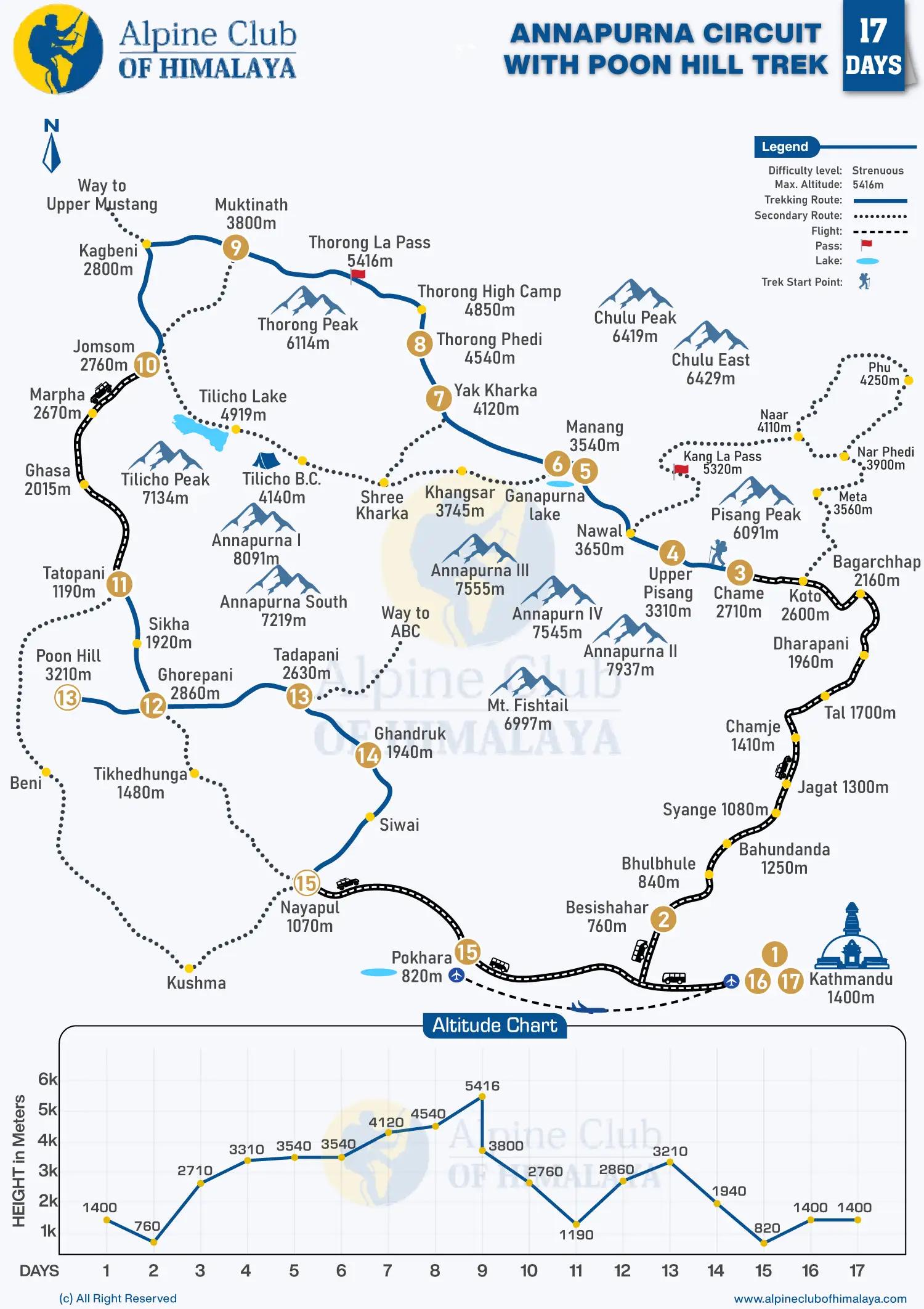
The Annapurna Circuit with Poon Hill Trek is one of the most diverse and rewarding trekking experiences in Nepal, combining the classic Annapurna Circuit route with the scenic sunrise viewpoint of Poon Hill. This extended itinerary is perfect for international travelers seeking a complete Himalayan adventure that blends high-altitude trekking, cultural immersion, and breathtaking mountain scenery.
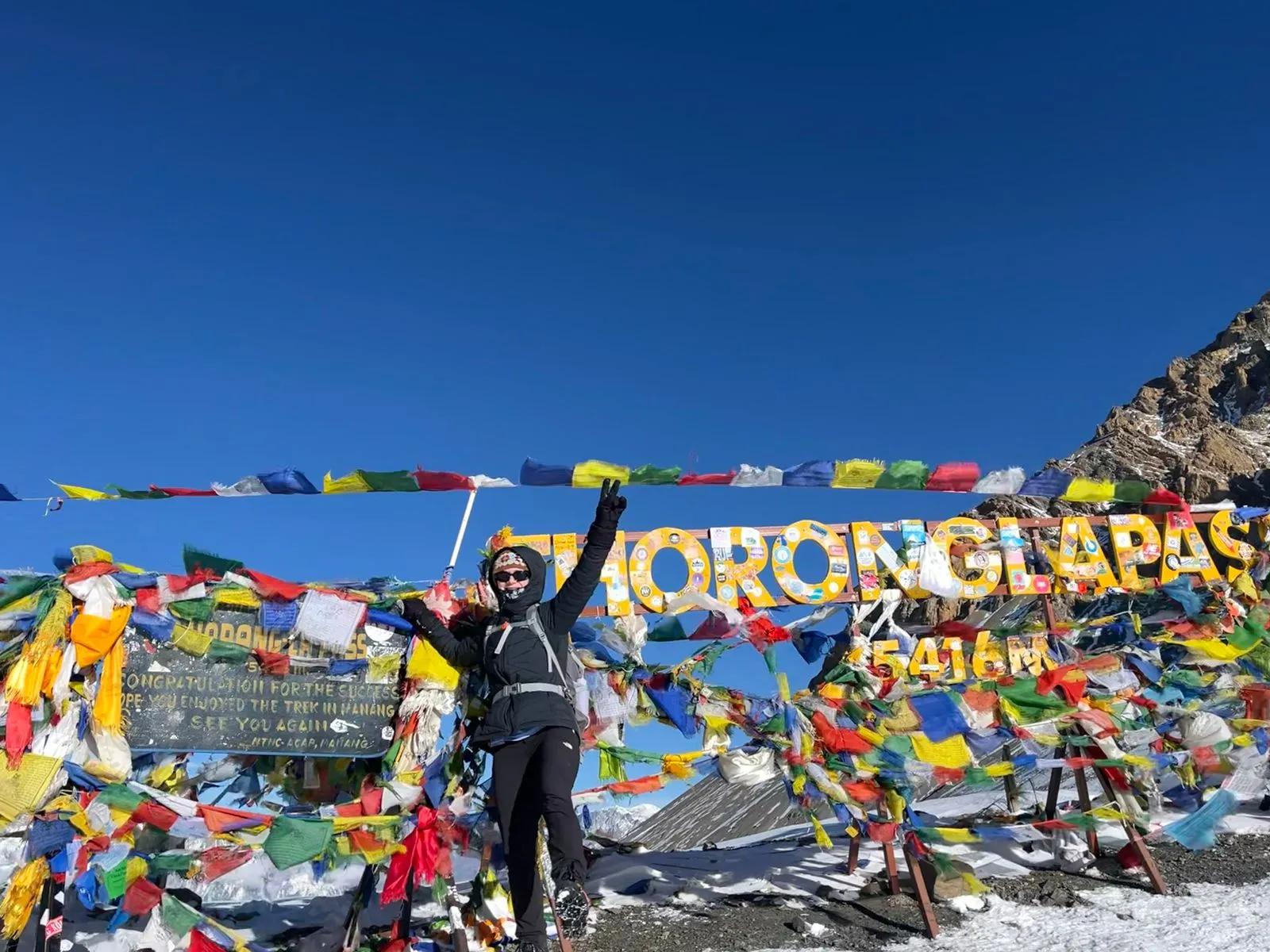
This trek takes you through a remarkable range of landscapes, starting from the lush subtropical valleys and terraced farmlands of the Marsyangdi River region, gradually ascending to alpine forests, high mountain deserts, and glacial valleys. The journey reaches its highest point at Thorong La Pass (5,416 meters), one of the most iconic trekking passes in the world, offering panoramic views of the Annapurna and Dhaulagiri mountain ranges.
What makes this trek even more special is the addition of Poon Hill (3,210 meters), a famous viewpoint known for its unforgettable sunrise over snow-capped peaks including Annapurna South, Machhapuchhre (Fishtail), and Dhaulagiri. This combination allows trekkers to experience both high-altitude adventure and classic Himalayan beauty in a single journey.
Along the route, trekkers will pass through traditional villages inhabited by Gurung, Thakali, and Tibetan-influenced communities, offering a deep cultural experience. Ancient monasteries, prayer flags, mani walls, and sacred sites such as Muktinath Temple add spiritual significance to the trek.
With the professional support of Alpine Club of Himalaya, trekkers can enjoy a well-organized and safe journey. The company ensures all logistics including permits, accommodation, transportation, and experienced guides and porters are handled efficiently, allowing travelers to focus on the adventure itself.
This trek is ideal for those looking for a long, scenic, and culturally rich Himalayan trekking experience that combines the best highlights of the Annapurna region.
Best Time for Trek
The best time to trek the Annapurna Circuit with Poon Hill is during the spring (March to May) and autumn (September to November) seasons. These periods offer the most stable weather conditions, clear skies, and excellent mountain visibility, making them ideal for foreign travelers seeking a safe and rewarding Himalayan trekking experience with Alpine Club of Himalaya.
Spring (March to May):
Spring is one of the most popular seasons for trekking in Nepal. The weather is generally mild with gradually warming temperatures at lower altitudes and comfortable conditions at higher elevations. One of the major highlights of this season is the blooming of rhododendrons, especially in the Ghorepani and Poon Hill region, which adds vibrant colors to the trails. Mountain views are usually clear in the mornings, and the trekking trails are lively but not overly crowded compared to autumn.
Autumn (September to November):
Autumn is considered the best overall trekking season in Nepal. After the monsoon, the air becomes clean and fresh, offering crystal-clear views of the Annapurna and Dhaulagiri ranges. The weather is stable with minimal rainfall, making trail conditions safer and more predictable. Temperatures are moderate, and visibility is excellent throughout the day. This season is particularly suitable for photography and high-pass crossings like Thorong La.
Winter (December to February):
Winter trekking is possible but comes with colder temperatures, especially at higher elevations such as Thorong Phedi and Thorong La Pass. Snowfall may affect trail conditions, and some sections can become more challenging. However, the trails are quieter, and experienced trekkers who prefer solitude and clear mountain views may still enjoy this season with proper preparation.
Monsoon (June to August):
The monsoon season brings heavy rainfall, especially in the lower and mid regions of the Annapurna Circuit. Trails can become slippery, and there is a higher risk of landslides and flight delays. However, the Manang and Mustang regions lie in the rain shadow area and receive comparatively less rainfall, making partial trekking possible. This season is less preferred for general trekking due to weather uncertainty.
Overall, spring and autumn remain the most recommended times for the Annapurna Circuit with Poon Hill Trek due to favorable weather, clear mountain views, and safer trail conditions.
Difficulty Level
The Annapurna Circuit with Poon Hill Trek is considered a moderate to challenging trekking route. It does not require technical climbing skills, but it involves long walking days, significant altitude gain, and crossing a high mountain pass above 5,000 meters, which increases the physical and mental demands of the trek.
One of the key challenges is Thorong La Pass (5,416m), which is the highest point of the trek. Crossing this pass requires an early start, steady pace, and good acclimatization. The ascent is gradual but strenuous due to the high altitude and reduced oxygen levels. Trekkers must be prepared for cold temperatures, especially during early morning crossings.
The trek includes daily walking durations of approximately 4 to 8 hours, with varied terrain such as stone steps, forest trails, rocky paths, and occasional steep ascents and descents. The combination of long distances and altitude gain makes endurance an important factor.
Altitude sickness is another consideration, particularly above 3,000 meters. Proper acclimatization days (such as in Manang) are essential to reduce risks. Staying hydrated, maintaining a steady pace, and following guide instructions from Alpine Club of Himalaya are crucial for safety.
This trek is suitable for individuals with a reasonable level of fitness, prior hiking experience, and the ability to walk continuously for several hours over multiple days. Beginners can also complete the trek with proper preparation, training, and support from experienced guides and porters.
In summary, while the trek is physically demanding, it is achievable for most healthy trekkers who prepare adequately and follow a well-managed itinerary with professional support from Alpine Club of Himalaya.
Physical Fitness and Requirements
The Annapurna Circuit with Poon Hill Trek is a moderately challenging high-altitude trek that requires a good level of physical fitness and endurance. While prior trekking experience is beneficial, it is not mandatory for all participants. However, trekkers should be comfortable walking for 5–8 hours per day over several consecutive days on varied terrain, including uphill climbs, steep descents, rocky paths, and uneven trails.
A strong cardiovascular condition is important because the trek reaches elevations above 5,000 meters, where oxygen levels are significantly lower. Regular aerobic exercises such as walking, jogging, cycling, swimming, or hiking prior to the trek can greatly improve stamina and breathing efficiency. Strength training focusing on legs, core, and back muscles is also helpful for handling long ascents and descents.
Mental preparedness is equally important, as trekking in remote Himalayan regions requires patience, adaptability, and a positive mindset. Weather changes, altitude variations, and basic accommodation conditions may require flexibility and resilience. Trekkers should be prepared to follow a steady pace, take regular breaks, and listen carefully to guide instructions provided by Alpine Club of Himalaya.
It is also recommended to prepare for altitude-related challenges. Proper acclimatization, hydration, and gradual ascent are key to reducing the risk of altitude sickness. Trekkers with pre-existing medical conditions should consult a healthcare professional before joining the trek.
Overall, with moderate fitness, proper preparation, and guidance from experienced professionals like Alpine Club of Himalaya, most determined trekkers can successfully complete this journey.
Climate and Environment
The Annapurna Circuit with Poon Hill Trek passes through a wide range of climatic zones, making it one of the most geographically diverse trekking routes in Nepal. The environment changes dramatically from subtropical lowlands to alpine and trans-Himalayan regions as the altitude increases.
In the lower elevations (below 2,000 meters), the climate is generally warm and humid with lush green vegetation, terraced farmlands, and dense forests. As you ascend toward mid-altitude regions such as Manang, the climate becomes cooler and drier due to the rain shadow effect of the Annapurna range. This region experiences less rainfall and has a semi-arid landscape with limited vegetation.
At higher elevations above 3,500 meters, the environment becomes alpine and rugged, with sparse vegetation, rocky terrain, and colder temperatures. Near Thorong La Pass, conditions can be harsh, with strong winds, low oxygen levels, and potential snowfall depending on the season. Temperatures can drop significantly, especially during early mornings and nights.
The Poon Hill region, on the other hand, is known for its rich rhododendron forests, especially vibrant in spring, creating a colorful and scenic environment. This diversity allows trekkers to experience multiple ecosystems within a single journey.
Weather conditions vary depending on the season. Spring and autumn offer stable weather, clear skies, and excellent visibility of the Himalayan peaks. Winter brings colder temperatures and possible snow at higher altitudes, while the monsoon season brings rain, clouds, and reduced visibility in lower regions.
Trekkers should be prepared for rapidly changing weather conditions and temperature variations throughout the trek. Proper layering of clothing, adequate gear, and guidance from Alpine Club of Himalaya help ensure comfort and safety while trekking through these diverse Himalayan environments.
Weather Conditions
Weather conditions on the Annapurna Circuit with Poon Hill Trek – 17 Days vary significantly due to the wide range of altitudes, from subtropical lowlands to high alpine passes. In the lower regions such as Besisahar, Chame, and Tatopani, temperatures are generally mild, ranging between 10°C to 25°C during spring and autumn. As you ascend toward Manang, Thorong La Pass, and other high-altitude areas, temperatures drop considerably, ranging from -10°C to 10°C, especially during early mornings and nights.
At higher elevations, particularly around Thorong La Pass (5,416m), weather conditions can change rapidly with strong winds, snowfall, and sudden temperature drops. Autumn offers the most stable weather with clear skies and excellent visibility, while spring provides blooming rhododendron forests and pleasant trekking conditions. Winter brings extreme cold and heavy snow, especially at high passes, and the monsoon season introduces rainfall, slippery trails, and limited visibility in lower regions.
Trekkers with Alpine Club of Himalaya are well-prepared with flexible itineraries and expert guidance to manage changing weather conditions safely.
Altitude Sickness and Preparations
Altitude sickness is an important consideration on the Annapurna Circuit with Poon Hill Trek, especially as the trek reaches elevations above 5,000 meters at Thorong La Pass. Reduced oxygen levels at high altitudes may cause symptoms such as headaches, nausea, dizziness, fatigue, and shortness of breath.
To minimize risks, proper acclimatization, gradual ascent, and maintaining a steady pace are essential. Staying hydrated, eating nutritious meals, and avoiding alcohol at higher elevations are key preventive measures. The itinerary designed by Alpine Club of Himalaya includes acclimatization days and a carefully planned ascent profile to ensure trekkers adapt safely to increasing altitude.
Experienced guides continuously monitor trekkers’ health and provide immediate assistance if symptoms arise, ensuring a safe and enjoyable trekking experience.
Acclimatization Days
Acclimatization plays a crucial role in the success of this trek. A dedicated acclimatization day is included in Manang (3,540m), allowing trekkers to adapt to the altitude before heading toward higher elevations.
During this day, trekkers are encouraged to take short hikes to nearby viewpoints, monasteries, or glacial lakes, following the principle of “climb high, sleep low.” This approach helps improve oxygen efficiency in the body and significantly reduces the risk of altitude sickness.
Gradual elevation gain continues after Manang, with overnight stays at Yak Kharka and Thorong Phedi, ensuring proper adaptation before crossing Thorong La Pass. The well-structured itinerary by Alpine Club of Himalaya prioritizes safety while maximizing trekking enjoyment.
Acclimatization Required
Yes, acclimatization is absolutely essential for the Annapurna Circuit with Poon Hill Trek due to the high altitude involved. The trek ascends from around 800 meters to over 5,400 meters, making it necessary for trekkers to adjust gradually to the changing environment.
Trekkers should follow a slow pace, maintain proper hydration, consume balanced meals, and communicate openly with guides regarding any discomfort. The itinerary is specifically designed by Alpine Club of Himalaya to include adequate rest and gradual ascent, ensuring trekkers can complete the journey safely and comfortably.
Evacuation Procedures
Safety is a top priority on this trek, and well-established evacuation procedures are in place for emergencies. In case of altitude sickness, injury, or illness, the first step is immediate assessment by the trekking guide, followed by rest or descent to a lower altitude.
If the condition is severe or does not improve, helicopter evacuation can be arranged from accessible locations such as Manang, Yak Kharka, Thorong Phedi, or Muktinath. These evacuations are coordinated with rescue services and insurance providers.
Trekkers are strongly advised to have comprehensive travel insurance covering high-altitude trekking and emergency evacuation. With experienced guides and efficient coordination, Alpine Club of Himalaya ensures quick response and maximum safety throughout the journey.
Flora and Fauna
The Annapurna Circuit with Poon Hill Trek offers remarkable biodiversity, passing through multiple ecological zones. In the lower regions, trekkers walk through lush forests of rhododendron, oak, bamboo, and pine. During spring, rhododendron forests bloom with vibrant colors, creating a stunning natural landscape.
As the trek ascends, vegetation transitions into alpine grasslands with juniper shrubs and sparse plant life. In higher regions beyond Manang and Thorong La, the terrain becomes more arid and rugged with limited vegetation.
The region is home to diverse wildlife, including Himalayan blue sheep, yaks, musk deer, and Himalayan marmots. Birdlife is abundant, with species such as Himalayan griffon vultures, eagles, and pheasants. The Annapurna Conservation Area also protects rare species like the snow leopard, though sightings are extremely rare.
Mountain Views During the Trek
One of the most rewarding aspects of the Annapurna Circuit with Poon Hill Trek is the continuous and dramatic mountain scenery. From the early stages, trekkers are treated to views of Lamjung Himal and Manaslu, which gradually expand as the trek progresses.
In the Manang region, stunning panoramic views include Annapurna II, Annapurna III, Gangapurna, Tilicho Peak, and Chulu peaks. Crossing Thorong La Pass provides breathtaking 360-degree views of the Annapurna and Dhaulagiri ranges, making it one of the most iconic high passes in the Himalayas.
As the trek descends toward Muktinath and Jomsom, the landscape transforms into the dry, windswept Kali Gandaki Valley, with spectacular views of Dhaulagiri I, Nilgiri, and Tukuche Peak.
The trek concludes with a highlight at Poon Hill, where trekkers witness a world-famous sunrise over Annapurna South, Machhapuchhre, and Dhaulagiri. These ever-changing mountain views make the journey visually unforgettable.
With expert planning and guidance from Alpine Club of Himalaya, trekkers can fully enjoy these breathtaking Himalayan panoramas in a safe and well-organized trekking experience.
Transportation
Transportation during the Annapurna Circuit with Poon Hill Trek – 17 Days is carefully organized to ensure a smooth and comfortable journey from arrival to departure. The adventure begins with a scenic drive from Kathmandu to Besisahar, followed by a jeep ride toward the starting point of the trek, depending on road accessibility. This overland journey offers beautiful views of rivers, terraced farmlands, hills, and traditional villages, gradually introducing trekkers to the Himalayan landscape.
At the end of the trek, transportation is arranged from Nayapul or nearby road access points to Pokhara by private vehicle. After a relaxing stay in Pokhara, trekkers return to Kathmandu by a short domestic flight, which provides stunning aerial views of the Himalayas and landscapes. All transportation logistics are efficiently handled by Alpine Club of Himalaya, allowing trekkers to focus entirely on enjoying the trekking experience without any logistical concerns.
Meals
Meals during the Annapurna Circuit with Poon Hill Trek are provided at local teahouses and lodges along the trail. These establishments serve a variety of freshly prepared, nutritious meals suitable for high-energy trekking. Common meal options include dal bhat (rice, lentils, and vegetables), noodles, pasta, soups, fried rice, potatoes, pancakes, eggs, and traditional breads.
As the trek ascends to higher elevations, food choices may become slightly limited, but meals remain wholesome and energy-rich. Dal bhat is highly recommended due to its balanced nutrition and availability of unlimited servings in many teahouses. Vegetarian and basic dietary preferences are widely accommodated.
Guides from Alpine Club of Himalaya assist trekkers in selecting appropriate meals to maintain energy levels, support acclimatization, and ensure a comfortable trekking experience.
Drinking Water
Access to safe drinking water is essential throughout the trek. Bottled water is available at teahouses, but prices increase significantly at higher elevations, and plastic use is discouraged for environmental sustainability.
Trekkers are advised to carry reusable water bottles and use safe alternatives such as boiled water provided by lodges or purified water using tablets, drops, or portable filters. Drinking 3–4 liters of water daily is highly recommended to stay hydrated and reduce the risk of altitude sickness.
Alpine Club of Himalaya promotes eco-friendly trekking practices while ensuring trekkers have access to safe and reliable drinking water throughout the journey.
Accommodation
Accommodation during the Annapurna Circuit with Poon Hill Trek is arranged in local teahouses and lodges. These are simple yet comfortable, providing a warm and welcoming environment after long trekking days. Rooms are typically twin-sharing with basic beds, mattresses, pillows, and blankets.
At lower elevations, teahouses may offer better facilities, including attached bathrooms and hot showers. As the altitude increases, especially beyond Manang, facilities become more basic, with shared bathrooms and limited heating options. Hot showers and additional services are usually available at an extra cost.
Despite the simplicity, teahouses provide cozy dining areas and essential services, making them ideal for trekking in remote Himalayan regions. Alpine Club of Himalaya ensures carefully selected accommodations that meet hygiene, comfort, and safety standards.
WiFi and Electricity
WiFi and electricity are available along most parts of the trekking route, although connectivity becomes less reliable at higher altitudes. In villages such as Chame, Manang, and Ghorepani, WiFi is often available for a small fee. However, in remote areas, internet access may be slow or unavailable.
Electricity is generally available through hydropower or solar energy. Charging electronic devices is possible at teahouses, often for an additional cost, especially at higher elevations. Trekkers are advised to carry power banks or spare batteries for convenience.
While connectivity is available, this trek also offers a great opportunity to disconnect from digital distractions and fully experience the natural beauty of the Himalayas with Alpine Club of Himalaya.
Guide and Porter Support
For a safe and enjoyable trekking experience, Alpine Club of Himalaya provides a professional trekking team, including experienced guides, assistant guides, and trained porters.
· Lead Trek Guide: Licensed and knowledgeable in navigation, culture, and altitude safety, responsible for managing pace, acclimatization, and emergencies.
· Assistant Guide: Supports larger groups to ensure personalized attention and smooth coordination.
· Porters: Carry heavy luggage and trekking gear, allowing trekkers to walk comfortably with light daypacks.
The company maintains a standard ratio of one porter for every two trekkers and one assistant guide for every 8–10 trekkers. Ethical practices are followed, ensuring fair wages, proper meals, and safe accommodation for all staff.
This professional support system allows trekkers to enjoy the journey safely while focusing on the stunning landscapes and cultural experiences.
TIMS and Permits
Trekking in the Annapurna region requires specific permits for legal access and conservation purposes. Alpine Club of Himalaya arranges all necessary documentation before the trek.
· Annapurna Conservation Area Permit (ACAP): Mandatory for entering the Annapurna region and supporting environmental conservation.
· TIMS Card (Trekkers’ Information Management System): Required for safety tracking and monitoring trekkers along the route.
Trekkers must carry valid passports and copies of permits throughout the trek. Proper documentation ensures a safe and regulated trekking experience.
Permissions and Restrictions
Trekking in the Annapurna region, including the Annapurna Circuit with Poon Hill Trek – 17 Days, requires adherence to specific rules designed to protect the environment, preserve local culture, and ensure the safety of trekkers. The route passes through the Annapurna Conservation Area, one of Nepal’s most ecologically and culturally significant regions. Trekkers must follow conservation guidelines such as avoiding littering, minimizing plastic use, and staying on designated trails to prevent environmental degradation.
Respect for local traditions and customs is equally important. Villages along the trail are home to Gurung, Thakali, and Tibetan-influenced communities, and trekkers are expected to behave respectfully, especially in monasteries and sacred sites. Seasonal restrictions may also apply depending on weather conditions, particularly during heavy snowfall or monsoon-related disruptions.
Alpine Club of Himalaya ensures that all required permits are obtained in advance and provides detailed guidance on trekking regulations, responsible travel practices, and cultural etiquette. This allows trekkers to enjoy a smooth and respectful journey while contributing to sustainable tourism in the Annapurna region.
Travel Insurance
Travel insurance is a mandatory requirement for the Annapurna Circuit with Poon Hill Trek due to the high-altitude nature and remote terrain of the journey. The trek reaches elevations above 5,400 meters at Thorong La Pass, where medical facilities are limited and emergency evacuation may be necessary.
A comprehensive insurance policy must cover high-altitude trekking (up to at least 5,500 meters), medical treatment, emergency helicopter evacuation, trip cancellations, and unexpected travel disruptions. In the event of altitude sickness, injury, or illness, immediate evacuation to lower elevations or to cities like Pokhara or Kathmandu may be required, and insurance ensures that these services are accessible without financial burden.
Alpine Club of Himalaya strongly recommends that trekkers arrange reliable insurance before arrival in Nepal. Their experienced team assists with emergency coordination when needed, ensuring that trekkers receive prompt and professional support throughout the journey. Proper insurance not only provides safety but also peace of mind, allowing trekkers to focus fully on the experience.
Passport and Visa
All international trekkers must carry a valid passport with a minimum of six months’ validity from the date of entry into Nepal. A Nepal tourist visa is required and can be easily obtained upon arrival at Tribhuvan International Airport in Kathmandu or in advance through Nepalese embassies and consulates worldwide.
Trekkers should ensure they carry multiple photocopies of their passport and visa, as these are often required for permit processing, hotel check-ins, and verification at trekking checkpoints along the route. It is also advisable to keep digital copies stored securely for backup.
Alpine Club of Himalaya provides guidance on visa procedures and documentation requirements to ensure a hassle-free arrival and trekking preparation process. Having all documents in order helps avoid delays and allows trekkers to begin their Himalayan adventure smoothly.
Safety and Security
Safety and security are top priorities during the Annapurna Circuit with Poon Hill Trek – 17 Days. The trek involves high-altitude crossings, changing weather conditions, and remote mountain terrain, making proper guidance and preparation essential.
Alpine Club of Himalaya provides experienced, licensed trekking guides who continuously monitor weather conditions, altitude adaptation, and the overall health of trekkers. Daily pacing is carefully managed to support acclimatization, and guides are trained to recognize early symptoms of altitude sickness and respond effectively.
Well-established emergency procedures are in place throughout the trek. In case of serious health issues or injuries, immediate descent is arranged, and helicopter evacuation can be coordinated if necessary. Communication systems and local networks ensure that assistance can be mobilized quickly even in remote areas.
Accommodation along the route is provided in safe and regulated teahouses, offering a secure and comfortable environment for rest. Trekkers are advised to follow guide instructions, maintain a steady pace, stay hydrated, and respect local customs to ensure a safe and enjoyable journey. With the professional support of Alpine Club of Himalaya, trekkers can confidently experience the breathtaking landscapes and cultural richness of the Annapurna region.
Why Choose this Trek with Alpine Club of Himalaya?
Choosing the Annapurna Circuit with Poon Hill Trek with Alpine Club of Himalaya guarantees a professionally organized, safe, and memorable Himalayan adventure.
- Expert Guides and Professional Support
Experienced local guides ensure safe navigation, proper acclimatization, and emergency readiness throughout the trek.
- Well-Planned Itinerary
The itinerary is carefully designed for gradual altitude gain, scenic exploration, and proper rest, including highlights such as Thorong La Pass and Poon Hill sunrise.
- Strong Safety Measures
Health monitoring, altitude awareness, and emergency evacuation support are prioritized for a secure trekking experience.
- Cultural and Natural Experience
Trekkers gain deep insights into local Gurung and Himalayan cultures while exploring diverse landscapes from lush forests to alpine deserts.
- Complete Logistical Support
From airport transfers and permits to accommodations and meals, everything is managed efficiently.
- Unforgettable Himalayan Journey
The trek combines high mountain passes, diverse landscapes, and iconic viewpoints like Poon Hill, creating a truly rewarding and life-changing experience.
With Alpine Club of Himalaya, trekkers can enjoy a seamless, safe, and enriching journey through one of Nepal’s most iconic trekking routes.
Photography and Drone Policy
The Annapurna Circuit with Poon Hill Trek – 17 Days presents outstanding opportunities for photography, offering a diverse range of subjects including panoramic Himalayan vistas, lush forests, alpine landscapes, and culturally rich mountain villages. From the sunrise views at Poon Hill to the dramatic high-altitude scenery of the Annapurna region, trekkers can capture some of the most iconic images in Nepal. Alpine Club of Himalaya encourages all participants to practice responsible and respectful photography while preserving the natural environment and honoring local traditions.
Photography Guidelines
Trekkers are welcome to photograph landscapes, mountain views, flora, fauna, and daily life along the trekking route. However, it is essential to maintain ethical and respectful practices:
· Always seek permission before taking photographs of local people, particularly in traditional villages, monasteries, and religious sites.
· Be mindful of cultural sensitivities and avoid intrusive photography, especially during rituals or private moments.
· Wildlife photography should be conducted from a safe distance to prevent disturbance, particularly within protected areas of the Annapurna Conservation Area.
· Avoid the use of flash in monasteries or near wildlife, as it may cause discomfort or disruption.
Drone Policy
Drone usage in Nepal is strictly regulated, especially within conservation areas and mountainous regions. Trekkers intending to operate drones must comply with national regulations:
· Special permits are required from the Civil Aviation Authority of Nepal (CAAN) for any form of drone operation.
· Additional permissions may be necessary from local authorities and conservation offices within the Annapurna region.
· Unauthorized drone use is strictly prohibited and may result in fines, confiscation of equipment, or legal action.
· Alpine Club of Himalaya can provide guidance on permit procedures and ensure compliance with all applicable regulations.
Best Practices for Responsible Use
To maintain a respectful and safe trekking environment, trekkers should follow these best practices:
· Operate drones only in designated and permitted areas, away from settlements, monasteries, and restricted zones.
· Avoid flying over crowds, wildlife habitats, or culturally sensitive locations.
· Maintain a safe distance from people, animals, and structures at all times.
· Minimize noise and disruption to preserve the peaceful atmosphere of the trekking experience for others.
By following these guidelines, trekkers can responsibly document their journey while protecting the natural beauty, cultural heritage, and tranquility of the Annapurna region. Alpine Club of Himalaya remains committed to promoting sustainable and respectful trekking practices, ensuring that future travelers can enjoy the same remarkable experiences.
Last-Minute Booking
For travelers seeking flexibility, the Annapurna Circuit with Poon Hill Trek – 17 Days can be arranged even on short notice. With efficient logistics and experienced staff, Alpine Club of Himalaya is capable of organizing all essential aspects of the trek within a limited timeframe.
· Availability Check: Trekkers should contact the team in advance to confirm availability of permits, accommodations, guides, and porters.
· Fast Permit Processing: Required permits such as ACAP and TIMS can be arranged quickly to avoid delays.
· Gear and Logistics Arrangement: Necessary trekking gear, transportation, and porter support are organized efficiently for last-minute travelers.
· Flexible Itinerary Planning: Travel schedules and logistics can be adjusted to accommodate time constraints while maintaining safety and comfort.
Although last-minute bookings are possible, early reservations are recommended during peak trekking seasons to ensure the best experience.
Online Pre-Trek Briefing
To ensure trekkers are fully prepared, Alpine Club of Himalaya provides a detailed online pre-trek briefing before arrival in Nepal. This session helps participants understand all aspects of the Annapurna Circuit with Poon Hill Trek and prepares them for high-altitude trekking conditions.
· Detailed Itinerary Overview: Explanation of daily trekking plans, distances, altitude gain, and key highlights including Thorong La Pass and Poon Hill sunrise.
· Packing and Gear Guidance: Recommendations on essential clothing, trekking equipment, footwear, and personal items suitable for varying weather conditions.
· Health and Safety Information: Guidance on altitude sickness prevention, hydration, nutrition, and safe trekking practices.
· Cultural and Environmental Awareness: Insights into local traditions, responsible tourism, and eco-friendly trekking practices.
· Interactive Q&A Session: Opportunity to ask questions regarding weather, trail conditions, logistics, or any concerns before the trek.
This comprehensive briefing ensures that trekkers arrive confident, well-informed, and ready to fully enjoy the adventure. With the support of Alpine Club of Himalaya, participants can begin their journey with proper preparation, enhancing both safety and overall trekking experience.
Group and Private Bookings
The Annapurna Circuit with Poon Hill Trek – 17 Days offers flexible booking options to suit different travel preferences, including both group departures and private customized treks. Alpine Club of Himalaya ensures that each option is carefully organized with professional support, high safety standards, and a well-planned itinerary to provide a smooth and enjoyable trekking experience in Nepal.
Group Bookings
Group treks are ideal for solo travelers or individuals who enjoy a social and interactive trekking experience. These treks bring together like-minded adventurers from different parts of the world, creating opportunities to share experiences, build friendships, and enjoy the journey together.
· Fixed departure dates with confirmed itineraries
· Cost-effective option due to shared logistics and services
· Led by experienced guides from Alpine Club of Himalaya
· Support from assistant guides and porters for group safety and comfort
· Opportunity to meet and connect with fellow trekkers
Group trekking provides a lively atmosphere and is especially popular among international travelers looking for a structured and guided Himalayan adventure.
Private Bookings
Private treks are designed for those seeking a more personalized and flexible trekking experience. This option is ideal for families, couples, or small groups who prefer to travel at their own pace with customized services.
· Flexible itinerary tailored to your schedule and preferences
· Personalized attention from guides and support staff
· Freedom to adjust walking pace, rest days, and side trips
· Ideal for special interests such as photography, cultural exploration, or relaxed trekking
· Greater privacy and comfort throughout the journey
Alpine Club of Himalaya works closely with clients to design private treks that match their fitness level, travel goals, and time availability, ensuring a more exclusive and tailored experience.
Professional Support and Services
Whether choosing a group or private trek, Alpine Club of Himalaya provides a highly experienced trekking team, including licensed guides, assistant guides, and trained porters. The company follows ethical trekking practices, ensuring fair wages, proper equipment, and safe working conditions for staff.
With reliable logistics, safety-focused planning, and local expertise, both group and private booking options allow trekkers to fully enjoy the breathtaking landscapes, cultural richness, and high-altitude adventure of the Annapurna Circuit with Poon Hill Trek.
Pickup and Drop Points from Kathmandu:
1 - Devo Boutique Hotel, Thamel, Kathmandu (or similar)
2 - Tribhuvan International Airport (TIA), Kathmandu
3 - Alpine Club of Himalaya Pvt. Ltd
4 - Within Thamel, Kathmandu
Final Notes
Before starting the Annapurna Circuit with Poon Hill Trek – 17 Days, careful preparation is essential to ensure a safe, comfortable, and rewarding journey through one of Nepal’s most diverse and scenic trekking regions. This 17-day adventure combines the classic Annapurna Circuit with the iconic Poon Hill viewpoint, offering trekkers an incredible variety of landscapes. The journey begins in the lush subtropical valleys of the Marsyangdi region, gradually ascending into alpine terrain around Manang and crossing the challenging Thorong La Pass, before descending into the dramatic Kali Gandaki Valley and continuing through rhododendron forests toward Poon Hill.
Throughout the trek, travelers are rewarded with breathtaking views of the Annapurna, Dhaulagiri, Machhapuchhre, Nilgiri, and Lamjung Himalayan ranges. The route also passes through charming villages inhabited by Gurung and Thakali communities, offering rich cultural experiences, traditional hospitality, and insight into Himalayan lifestyles. Major highlights include the high-altitude crossing of Thorong La Pass (5,416 meters), the sacred Muktinath Temple, the world’s deepest Kali Gandaki Gorge, and the unforgettable sunrise panorama from Poon Hill. This trek perfectly blends high-altitude adventure, natural beauty, and cultural immersion.
Support from Alpine Club of Himalaya
Alpine Club of Himalaya provides complete support throughout the Annapurna Circuit with Poon Hill Trek, ensuring a smooth and well-organized experience from arrival to departure. With extensive experience in Himalayan trekking, the company manages all logistics including permits, transportation, accommodation, meals, and route planning.
Trekkers are accompanied by professional, licensed guides and trained porters who ensure safe navigation, proper pacing, and continuous monitoring of altitude-related health conditions. The team, including experienced female guides, also offers valuable insights into local culture, traditions, and the natural environment. This dedicated support allows trekkers to fully focus on enjoying the journey, the landscapes, and the cultural richness of the Annapurna region without logistical concerns.
Cancellation Policy
Cancellation by the Participant:
· 60 days or more before departure: 20% of the total trek cost is retained for administrative and pre-arranged expenses.
· 30–59 days before departure: 50% of the total trek cost is non-refundable.
· Less than 30 days before departure: 100% of the total trek cost is non-refundable.
Cancellation by the Organizer:
In rare situations such as extreme weather conditions, natural disasters, political instability, or safety concerns, the trek may be canceled. In such cases, participants may:
- Receive a full refund of all payments made, or
- Reschedule the trek for a future date at no additional cost.
Force Majeure Clause:
Alpine Club of Himalaya is not responsible for additional costs or delays caused by unforeseen circumstances, including:
· Natural disasters such as earthquakes, floods, or landslides
· Political unrest, strikes, or border closures
· Health emergencies, epidemics, or pandemics
· Travel disruptions such as flight cancellations or delays
Any extra personal expenses arising from such events, including accommodation, transport changes, or insurance claims, must be covered by the participant. Comprehensive travel insurance is strongly recommended to manage these risks effectively.
Key Takeaways
The Annapurna Circuit with Poon Hill Trek – 17 Days offers an exceptional combination of high-altitude adventure, diverse landscapes, and cultural exploration. From lush green valleys and terraced farmlands to alpine deserts, deep river gorges, and panoramic Himalayan viewpoints, this trek delivers a complete trekking experience in Nepal.
With highlights such as Thorong La Pass, Muktinath Temple, the Kali Gandaki Valley, and the sunrise at Poon Hill, the journey provides unforgettable moments at every stage. Supported by the experienced team of Alpine Club of Himalaya, trekkers can confidently enjoy a safe, well-organized, and enriching adventure. With proper preparation, suitable gear, and adherence to safety guidelines, this trek becomes not only achievable but also a truly memorable and life-changing Himalayan experience.