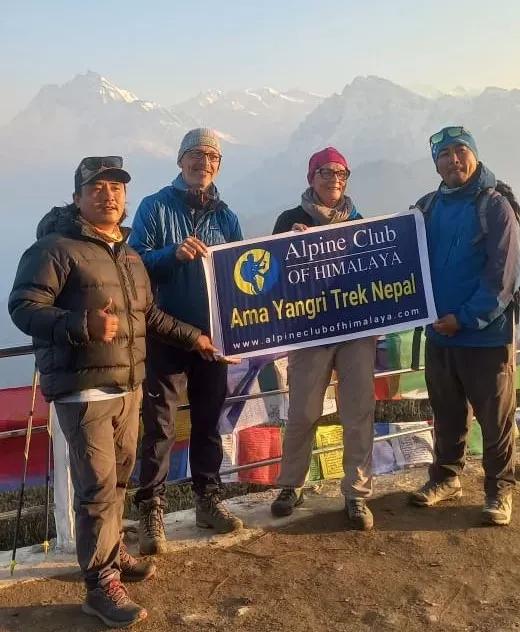
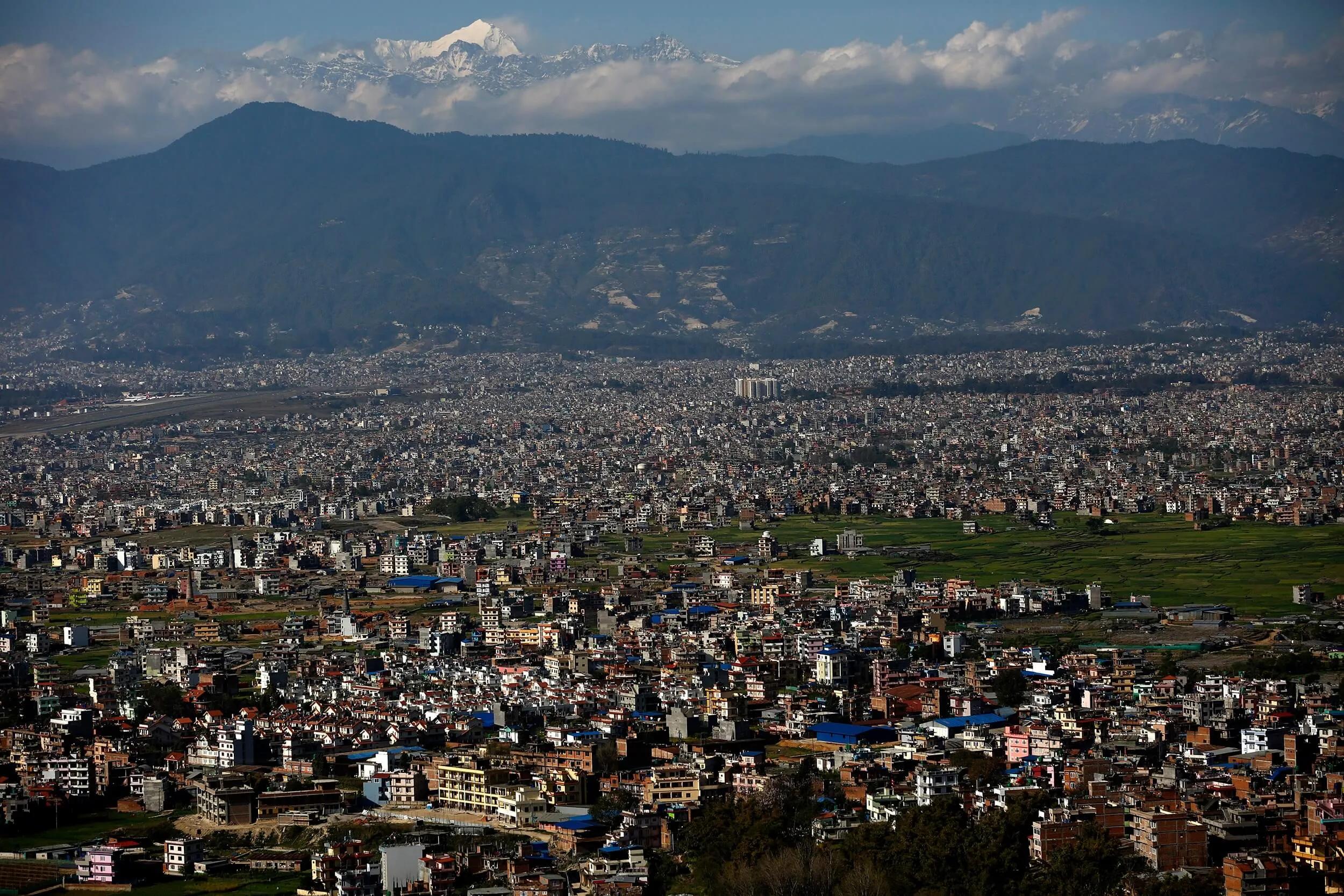
The Ama Yangri Trek – 8 Days is a beautiful short trekking journey in the Helambu region of Nepal, offering a perfect combination of Himalayan scenery, Hyolmo culture, spiritual heritage, and peaceful mountain landscapes. Located northeast of Kathmandu, Ama Yangri (3,771m) is considered one of the most sacred peaks in the Helambu area and is deeply respected by the local Hyolmo Buddhist communities. The trek provides an outstanding opportunity to explore less-crowded Himalayan trails while experiencing authentic mountain culture and panoramic Himalayan views.
Unlike the more commercial trekking routes of Nepal, the Ama Yangri Trek remains peaceful and culturally rich. The trail passes through charming Sherpa and Hyolmo villages, ancient monasteries, pine and rhododendron forests, terraced farmland, and scenic ridges overlooking the Langtang Himalayan range. The trek is ideal for travelers seeking a short Himalayan adventure close to Kathmandu without trekking at extremely high altitude.
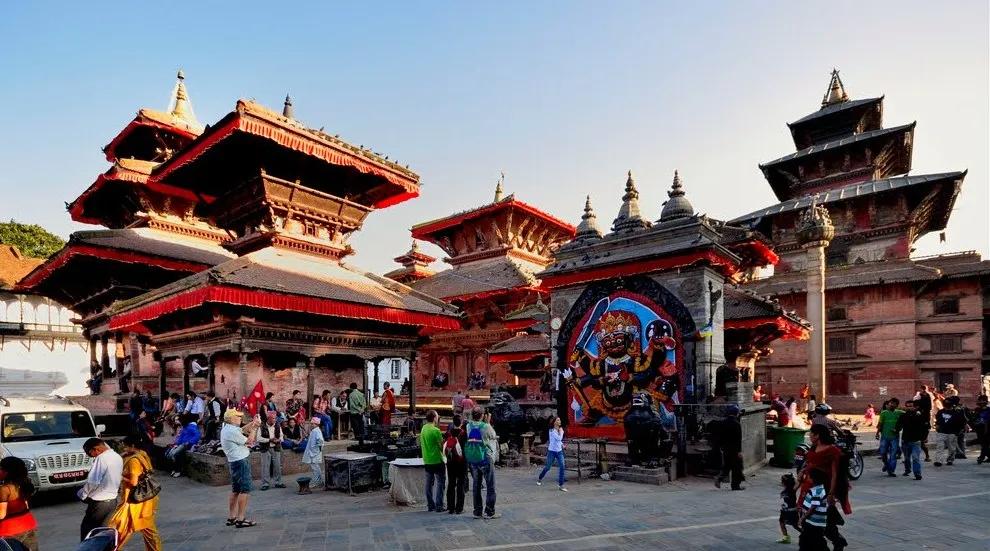
The journey begins with a scenic drive from Kathmandu into the Helambu region. As the trek gradually ascends through traditional villages such as Tarke Ghyang and Sermathang, trekkers experience the warm hospitality of the local communities and observe centuries-old Buddhist traditions that continue to shape daily life in the region. Prayer flags, mani walls, stupas, monasteries, and sacred shrines can be seen throughout the trail, creating a peaceful spiritual atmosphere.
The major highlight of the trek is the hike to Ama Yangri Peak at 3,771 meters. The summit offers breathtaking panoramic views of Langtang Lirung, Dorje Lakpa, Ganesh Himal, Gaurishankar, Jugal Himal, Manaslu, and even distant views toward Everest on clear days. Sunrise from the summit is particularly spectacular, as golden sunlight illuminates the snow-covered Himalayan peaks and surrounding valleys.
Ama Yangri is not only known for its natural beauty but also for its spiritual importance. Local people believe the mountain is a sacred protector deity of the Helambu region. According to Buddhist traditions, Guru Padmasambhava (Guru Rinpoche) blessed the region during his meditation journey through the Himalayas. Because of this, the area is filled with spiritual energy, monasteries, meditation caves, and sacred landmarks that make the trek culturally and spiritually meaningful.
The Ama Yangri Trek is considered a moderate trekking adventure suitable for beginners, families, nature lovers, photographers, and cultural travelers. Since the trek remains below 4,000 meters, the risk of altitude sickness is relatively low compared to higher Himalayan treks. Comfortable tea houses, traditional lodges, and local guesthouses are available along the route, making the trek accessible and enjoyable for trekkers with different levels of experience.
One of the biggest advantages of this trek is its accessibility from Kathmandu. Within a short travel distance, trekkers can experience dramatic mountain views, authentic Himalayan culture, and peaceful trekking trails without taking domestic flights. This makes Ama Yangri Trek one of the best short trekking holidays in Nepal for travelers with limited time.
The best seasons for the Ama Yangri Trek are spring (March to May) and autumn (September to November). During spring, rhododendron forests bloom beautifully, while autumn offers clear mountain views, stable weather, and comfortable trekking conditions. Winter trekking is also possible for travelers who enjoy peaceful snowy landscapes, although temperatures can be cold at higher elevations.
Whether you are looking for a short Himalayan trekking experience, cultural exploration, spiritual journey, or peaceful mountain escape, the Ama Yangri Trek - 8 Days provides a rewarding adventure in one of Nepal’s hidden trekking regions.
Ama Yangri Trek Difficulty
Ama Yangri Trek is considered a moderate trekking adventure in Nepal. The trail involves gradual uphill and downhill walking through forests, ridges, and mountain villages. Although the trek reaches an altitude of 3,771 meters, it does not involve technical climbing or difficult mountain passes.
Trekkers should be physically fit and comfortable walking for around 5 to 7 hours per day. The summit day to Ama Yangri Peak can be slightly demanding due to the steep ascent, but the trail remains manageable for most healthy trekkers with proper pacing.
This trek is suitable for:
- Beginner trekkers with basic fitness
- Families and small groups
- Nature and cultural travelers
- Photographers
- Experienced hikers seeking a short Himalayan trek
Best Time for Ama Yangri Trek
The best seasons for the Ama Yangri Trek are spring and atumn.
Spring (March to May)
Spring is one of the most beautiful seasons for this trek. Rhododendron forests bloom with colorful flowers, temperatures remain moderate, and mountain views are generally clear. The landscapes become vibrant and ideal for photography.
Autumn (September to November)
Autumn offers the clearest mountain views and stable weather conditions. After the monsoon season, the skies become crystal clear, providing excellent visibility of the Himalayan ranges. This is the most popular trekking season in Nepal.
Winter (December to February)
Winter trekking is possible for travelers who enjoy peaceful snowy landscapes and fewer crowds. Temperatures can become cold during mornings and nights, especially near Ama Yangri summit.
Monsoon (June to August)
The monsoon season brings heavy rainfall, muddy trails, and cloudy mountain views. However, the forests and hills become lush and green during this period.
Culture and Local Lifestyle
The Helambu region is home to the Hyolmo people, who share cultural and religious similarities with Tibetan and Sherpa communities. Buddhism plays a major role in daily life, and trekkers will encounter monasteries, prayer wheels, mani walls, prayer flags, and sacred Buddhist sites throughout the journey.
The villages of Tarke Ghyang and Sermathang are among the most culturally significant settlements in the region. Local people are known for their warm hospitality, traditional lifestyles, and strong spiritual beliefs.
Trekkers also have the opportunity to enjoy traditional Nepali and Tibetan-influenced foods such as:
- Dal Bhat
- Tibetan bread
- Thukpa
- Momo
- Noodles and soups
- Yak cheese and local tea
Accommodation During the Trek
Accommodation during the Ama Yangri Trek is mainly in local tea houses and mountain lodges. Rooms are simple, clean, and comfortable, usually with twin-sharing beds and basic facilities.
Most tea houses provide:
- Comfortable beds and blankets
- Dining halls with heating
- Local and international meals
- Basic charging facilities
- Shared bathrooms
Although facilities are more basic compared to city hotels, the hospitality and mountain atmosphere make the experience authentic and enjoyable.
Meals and Drinking Water
During the trek, tea houses provide a variety of meals suitable for trekkers. Meals typically include Nepali, Tibetan, and simple international dishes.
Common meals available:
- Dal Bhat
- Fried rice
- Noodles
- Pasta
- Pancakes
- Tibetan bread
- Eggs and potatoes
- Soups and hot drinks
Safe drinking water is available at tea houses. Trekkers are encouraged to carry reusable water bottles and water purification tablets to reduce plastic waste in the mountains.
Transportation
The Ama Yangri Trek begins with a scenic drive from Kathmandu to the Helambu region. The road journey passes through hills, rivers, villages, and terraced farmlands before reaching the trekking starting point.
Private vehicles or local jeeps are commonly used for transportation depending on group size and package arrangements.
Permits Required
Trekkers require the following permits for the Ama Yangri Trek:
- Langtang National Park Permit
- TIMS Card (Trekkers’ Information Management System)
These permits help support conservation and trekking management in the region.
Why Choose Ama Yangri Trek?
Ama Yangri Trek is one of the best short trekking experiences near Kathmandu because it combines:
- Himalayan mountain views
- Rich Buddhist culture
- Peaceful trekking trails
- Authentic village experiences
- Spiritual atmosphere
- Moderate trekking difficulty
- Short travel duration
It is an ideal trekking destination for travelers who want to explore the Himalayas beyond the crowded Everest and Annapurna trekking regions.
Physical Fitness for Ama Yangri Trek
Ama Yangri Trek is considered a moderate trekking adventure suitable for trekkers with average physical fitness. Although the trek does not involve technical climbing or extreme altitude, trekkers should be prepared for several days of walking on mountain trails, stone staircases, forest paths, and gradual uphill ascents.
Trekkers typically walk around 5 to 7 hours per day depending on the itinerary and trail conditions. The hike to Ama Yangri Peak (3,771m) is the most physically demanding part of the trek due to the steep ascent and higher elevation. However, with proper pacing, regular breaks, and good preparation, most healthy travelers can comfortably complete the trek.
To prepare for the trek, it is recommended to:
- Practice regular walking or hiking before arrival
- Improve stamina through light cardio exercises
- Build leg strength with short hikes or stair climbing
- Maintain proper hydration during the trek
- Walk at a steady and comfortable pace
This trek is suitable for:
- Beginner trekkers
- Families and small groups
- Nature and cultural travelers
- Photographers
- Travelers seeking a short Himalayan trekking experience
Previous trekking experience is helpful but not mandatory for this trek.
Passport and Visa Information
All foreign travelers visiting Nepal must carry a valid passport with at least six months of validity from the date of entry. Most travelers can easily obtain a Nepal tourist visa upon arrival at Tribhuvan International Airport in Kathmandu.
Travelers generally need:
- A valid passport
- Passport-sized photographs
- Completed visa application form
- Visa fee payment in cash or card (depending on availability)
Nepal tourist visas are commonly available for:
Travelers can also apply for a Nepal visa online before arrival through the immigration system or obtain it from Nepali embassies abroad.
It is always recommended to check the latest Nepal immigration and visa regulations before travel.
Travel Insurance for Ama Yangri Trek
Travel insurance is strongly recommended for the Ama Yangri Trek. Although the trek is considered moderate and remains below 4,000 meters, unexpected weather changes, injuries, illness, or travel delays can still occur in mountain regions.
A good trekking insurance policy should include:
- Emergency medical treatment
- High-altitude trekking coverage
- Helicopter evacuation coverage
- Trip cancellation or interruption
- Lost or delayed baggage coverage
- Accidental injuries during trekking
Insurance details are often required while applying for trekking permits and TIMS registration in Nepal.
Trekkers are advised to carry both printed and digital copies of their insurance documents throughout the trek.
Restrictions and Permissions During the Trek
The Ama Yangri Trek falls within the Helambu and Langtang region trekking areas of Nepal. Trekkers must obtain the required permits before starting the trek.
Required Permits
The following permits are generally required:
- Langtang National Park Entry Permit
- TIMS Card (Trekkers’ Information Management System)
These permits help support:
- Trekker safety and management
- Environmental conservation
- Local tourism development
- Rescue coordination in emergencies
Trekking Regulations
Trekkers should follow local trekking regulations and cultural guidelines throughout the journey:
- Respect local Buddhist monasteries and religious sites
- Avoid littering and protect the natural environment
- Carry personal identification and permits at all checkpoints
- Follow guidance from local authorities and trekking staff
- Dress modestly while visiting villages and monasteries
Guide and Trekking Rules
Nepal Tourism Board guidelines mention that licensed guides and TIMS registration are required for many trekking regions, including Helambu and Langtang areas.
However, trekking practices and enforcement can vary depending on the region and local authorities. Many trekkers still choose guided trekking for safety, cultural insights, route management, and overall convenience.
Booking through a registered trekking agency helps simplify permit processing, transportation arrangements, accommodation booking, and emergency assistance during the trek