Best Season
The best time for the Yala Peak, Gosainkunda, and Helambu trek is during spring (March to May) and autumn (September to November). In spring, the trail comes alive with blooming rhododendrons, stable weather, and warmer daytime temperatures, making the forests of Langtang especially beautiful. Autumn is considered the most popular season due to its clear skies, excellent mountain visibility, and stable trekking conditions after the monsoon. Winter (December to February) is possible but very cold at higher elevations like Yala Base Camp and Gosainkunda, often with heavy snow that can make the pass and summit more challenging. The monsoon season (June to August) is generally avoided due to heavy rainfall, slippery trails, and limited visibility.
Accommodation
Accommodation during the trek is a mix of comfortable teahouses and basic mountain lodges, while camping is required at Yala Peak Base Camp. In lower regions such as Syabrubesi, Lama Hotel, Langtang Village, Thulo Syabru, and Helambu, teahouses offer simple rooms with twin beds, shared bathrooms, and warm dining halls. As altitude increases, especially around Kyanjin Gompa and Gosainkunda, facilities become more basic due to remoteness and cold conditions. At Yala Base Camp, trekkers stay in tents arranged by the trekking team, with essential camping support provided. Accommodation is simple but clean, and designed to support rest and acclimatization in high altitude conditions.
Meals
Meals during the trek are usually full-board (breakfast, lunch, and dinner) and are served in teahouses or provided by the expedition crew at camping sites. The menu typically includes traditional Nepali food like dal bhat (rice, lentils, and vegetables), as well as noodles, soups, pasta, potatoes, eggs, and seasonal vegetables. In higher regions, food options become more limited due to transportation challenges, but meals remain nutritious and energy-rich to support trekking demands. At camping sections like Yala Base Camp, meals are freshly prepared by the support team and designed for high-energy recovery and warmth. Hot drinks such as tea, coffee, and soup are widely available throughout the journey.
Permits
This trekking and climbing route requires several official permits. Trekkers must obtain the Langtang National Park Entry Permit, which covers the protected conservation area of the region, and the TIMS (Trekkers’ Information Management System) card, which ensures trekker safety and tracking. For Yala Peak climbing, an additional climbing permit issued by the Nepal Mountaineering Association (NMA) is required. If the itinerary includes Gosainkunda and Helambu sections, no separate restricted area permit is needed, but national park and conservation rules still apply. All permits are usually arranged by the trekking agency to ensure a smooth and hassle-free process.
Guide and Porter
A licensed trekking guide is highly recommended and often mandatory for Yala Peak climbing, as the route involves high altitude terrain and glacier travel. The guide is responsible for navigation, safety, acclimatization monitoring, and coordination during the climb. For the summit section, experienced climbing guides provide technical instruction on using equipment such as crampons, harnesses, and ice axes. Porters are also commonly included to carry main luggage, allowing trekkers to walk comfortably with a light daypack. The support team plays a crucial role in ensuring safety, proper pacing, and cultural interpretation throughout the journey.
Drinking Water
Drinking water is available throughout the trek but must be treated before consumption. In teahouse regions, boiled water can be purchased, which is the safest option at higher elevations. Natural spring water is also available along the trail, but it should always be purified using tablets, filters, or UV sterilizers to avoid waterborne illness. Bottled water is available in lower regions but becomes expensive and environmentally discouraged at higher altitudes. Trekkers are strongly advised to carry reusable bottles or hydration systems to reduce plastic waste and ensure constant hydration during long trekking days.
Travel Insurance
Comprehensive travel insurance is mandatory for this expedition. It must cover high-altitude trekking and mountaineering activities up to at least 5,800 meters, including emergency helicopter evacuation, medical treatment, and trip cancellation. Since the route passes through remote regions such as Yala Base Camp, Gosainkunda Pass, and Helambu valleys, emergency evacuation may be required in case of altitude sickness, injury, or severe weather conditions. Without proper insurance, rescue operations and medical costs in Nepal can be extremely expensive. It is strongly recommended to verify that the policy explicitly includes trekking and climbing coverage in the Himalayas.
Transport
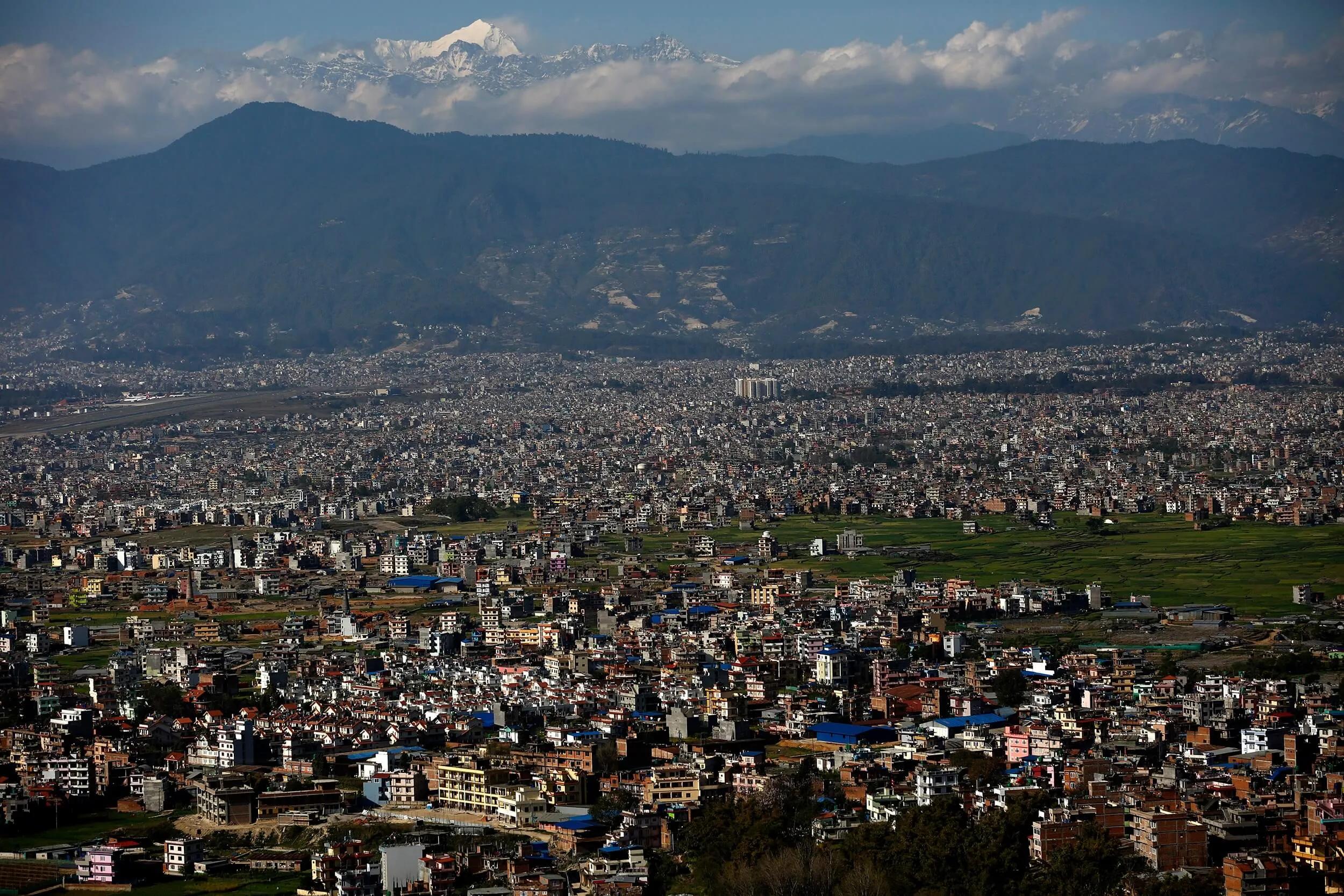
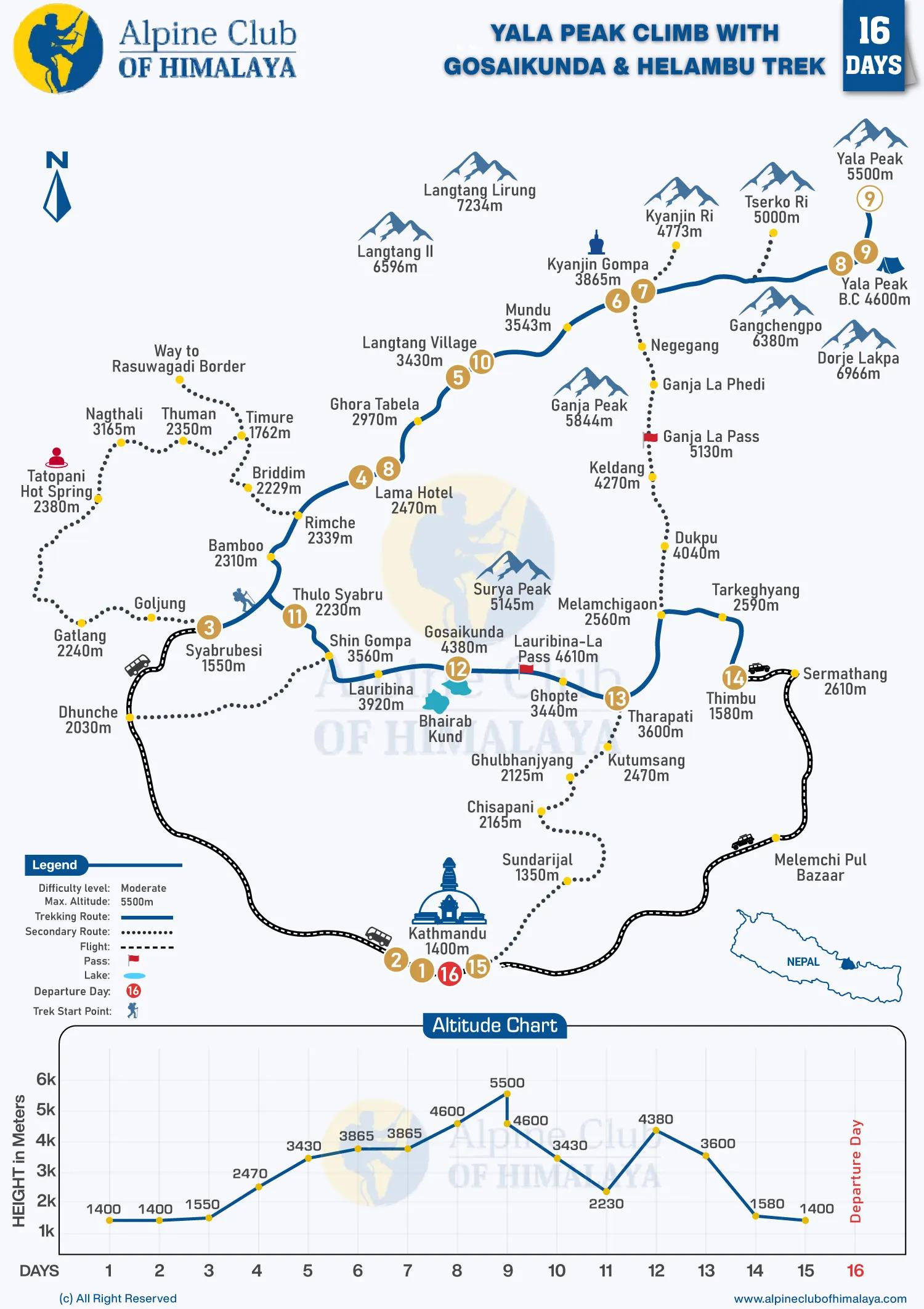
The journey begins with a drive from Kathmandu to Syabrubesi, which takes approximately 6–8 hours through winding mountain roads along rivers and rural villages. After completing the trek and summit, the return journey continues from Helambu (Timbu area) back to Kathmandu by local road transport, taking around 4–6 hours depending on road conditions. Transportation is typically arranged in private or shared vehicles by the trekking company. Road conditions in mountain areas can be rough, especially during monsoon or winter, but the route offers scenic views of hills, rivers, and Himalayan landscapes throughout the journey.
Difficulty Level
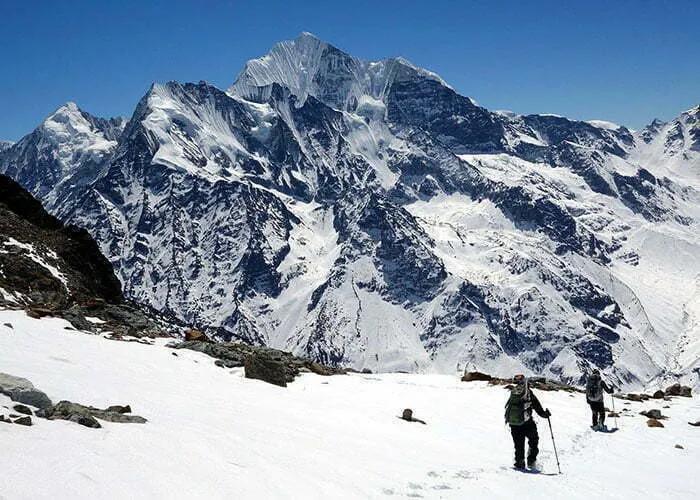
The Yala Peak, Gosainkunda, and Helambu trek is considered a moderate to challenging adventure. The trekking portion is suitable for fit beginners with some prior hiking experience, while the Yala Peak summit adds a basic mountaineering element. The climb itself is non-technical, but it involves walking on snow and ice using equipment such as crampons and ice axes. Daily trekking ranges from 5 to 8 hours over varied terrain, including forests, river valleys, high alpine sections, and mountain passes like Laurebina Pass (4610m). The combination of long trekking days and high altitude makes physical endurance and mental preparation very important.
Altitude Sickness
Altitude sickness (Acute Mountain Sickness – AMS) is a key consideration on this route because the trek reaches elevations above 5,000 meters, especially at Yala Peak and Gosainkunda. Common symptoms include headache, dizziness, nausea, loss of appetite, and fatigue. The itinerary is designed with gradual ascent and acclimatization days, especially at Kyanjin Gompa, to reduce risk. Trekkers are advised to stay hydrated, walk slowly, and avoid overexertion. In severe cases, descent is the only effective treatment, and guides are trained to recognize early warning signs. Proper acclimatization, good fitness, and responsible pacing are essential for a safe and successful expedition.
Cancellation Policy
Cancellation by the Participant
If you decide to cancel your booking for the Yala Peak Climb With Gosainkunda And Helambu Trek – 16 Days please notify Alpine Club of Himalaya in writing (via email or official communication) as early as possible. The following cancellation charges apply:
- 60 days or more before trek start date: 20% cancellation fee of the total trip cost
- 30 to 59 days before trek start date: 50% cancellation fee of the total trip cost
- Less than 30 days before departure: No refund; 100% of the trip cost is non-refundable
These fees cover administrative costs, permits, pre-arranged logistics, and potential losses caused by late cancellations.
Cancellation by the Organizer
In the rare circumstance that Alpine Club of Himalaya must cancel the trek due to unforeseen or uncontrollable events such as extreme weather, natural disasters, or safety concerns in the region, you will be offered either:
- A full refund of all payments made
OR
- The option to reschedule your trek for a future available date at no additional cost
Your safety is our highest priority, and cancellations are only made when absolutely necessary.
Force Majeure Clause
Alpine Club of Himalaya cannot be held responsible for cancellations, delays, or extra expenses resulting from force majeure events, including but not limited to:
- Earthquakes, floods, landslides
- Political unrest, strikes, or border closures
- Epidemics, pandemics, or other health emergencies
- Airspace closures, airline cancellations, or flight delays
In such cases, participants are responsible for any additional personal costs such as extra accommodation, changed flights, or insurance claims. We strongly recommend that all trekkers purchase comprehensive travel insurance covering trip cancellations, medical emergencies, and force majeure events before joining the trek.