P
Priya Nair
Bangalore, India
Jun 25, 2025

Upper Dolpo is a region of mystery and beauty. The 28-day trek was challenging but deeply rewarding. Crossing the high passes and camping under the stars made me appreciate the raw power of nature.
Destination
Nepal
Duration
28 Days
Best Weather
March, April, May, September, October & November
Max Altitude
5,460m (17,914ft) at Sangda La
Accommodation
3 Nights accommodation in Kathmandu, 1 night accommodation in Nepalgunj and 23 Nights in Lodge/Guest/ Tent House during Trek
Meals
Full Board during Trek and Breakfasts, Welcome and Farewell meals in Kathmandu
Transportation
Private vehicle / Flights
Group
Min 1 pax
Difficulty
Strenuous
Activities
Trekking
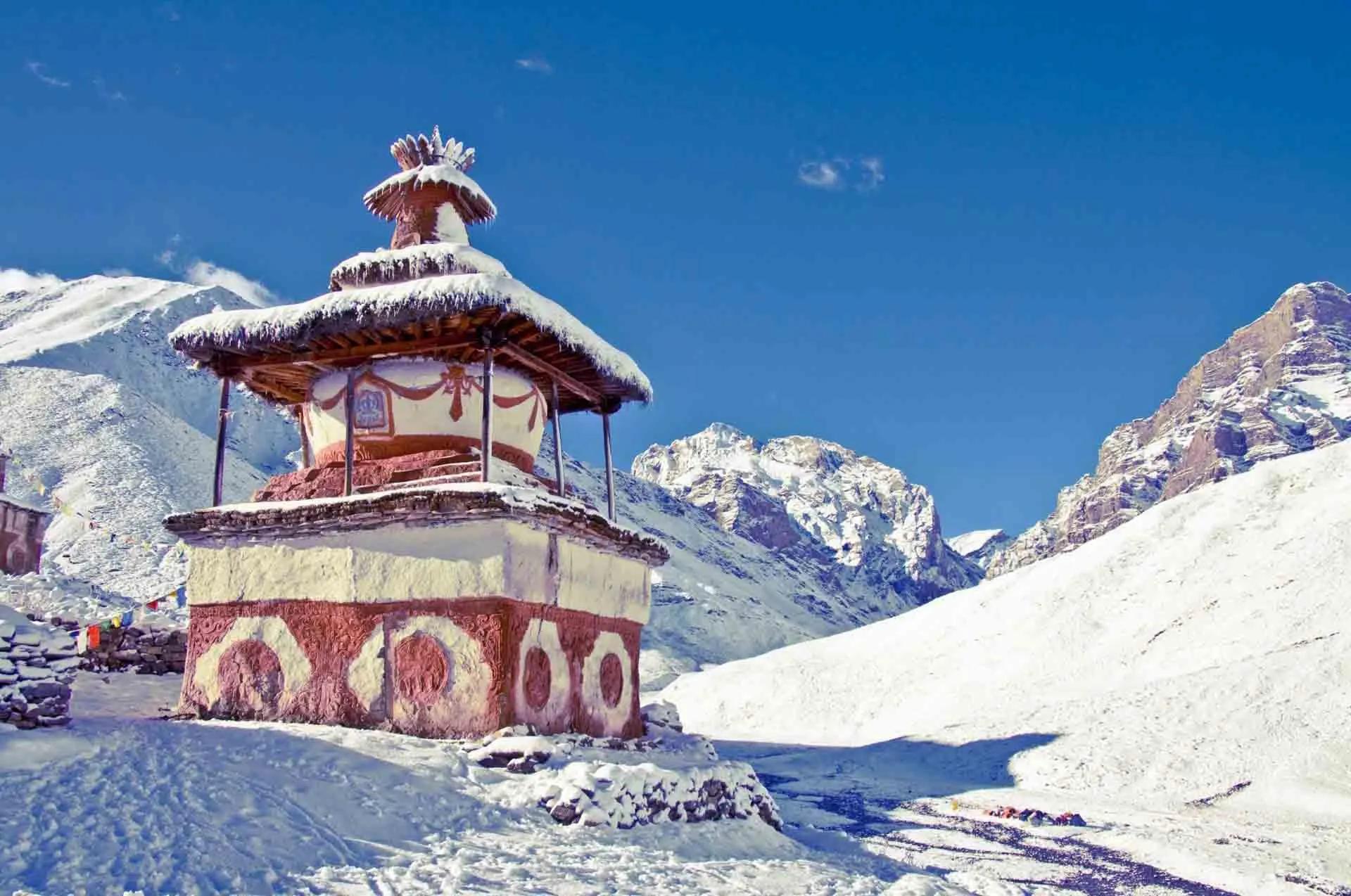
The Upper Dolpo Trek is a remote and adventurous journey into the heart of the Dolpo region of northwestern Nepal, near the Tibetan border. While Lower Dolpo is known for attractions such as Phoksundo Lake, the Upper Dolpo Trek takes you deeper into isolated valleys, ancient villages, high mountain passes, and traditional Tibetan-influenced communities. This 28-day adventure combines spectacular Himalayan landscapes with ancient Buddhist and Bon traditions. The trail leads through Phoksundo Lake, Shey Gompa, Saldang, and Dho Tarap, along with several high passes above 5,000 meters. With its untouched wilderness, rich culture, and challenging terrain, the Upper Dolpo Trek is perfect for experienced trekkers seeking an authentic adventure far from Nepal’s crowded trekking routes.
The best time to undertake the Upper Dolpo Trek is during the spring season from April to June and the autumn season from September to November. During these months, weather conditions are generally stable, skies are clear, and mountain views are at their finest. Spring brings blooming alpine vegetation, comfortable temperatures, and excellent visibility, while autumn offers crisp air, dry trails, and spectacular Himalayan panoramas.
Unlike many trekking regions in Nepal, Upper Dolpo lies in the Himalayan rain-shadow zone beyond the main monsoon barrier. As a result, the region receives significantly less rainfall than Everest, Annapurna, or Langtang. This unique geographical location makes Upper Dolpo one of the few destinations where trekking is also possible during the summer monsoon months of July and August. However, spring and autumn remain the most popular periods due to better flight reliability and more comfortable trekking conditions.
Accommodation during the Upper Dolpo Trek varies according to location and altitude. In Kathmandu, trekkers stay in comfortable hotels equipped with modern amenities. In lower Dolpo villages such as Dunai, Ankhe, Ringmo, Saldang, and Dho Tarap, accommodation is generally available in basic guesthouses or local lodges. These establishments provide simple twin-sharing rooms with shared bathroom facilities.
As the trek progresses deeper into Upper Dolpo, facilities become increasingly limited due to the remoteness of the region. Some sections may require camping depending on local lodge availability and seasonal conditions. Accommodation throughout the trek is clean but basic, offering an authentic experience of life in one of Nepal’s most isolated mountain regions. Hot showers, internet access, and charging facilities may be available in larger villages but cannot be guaranteed throughout the route.
Meals during the Upper Dolpo Trek are nutritious and designed to provide sufficient energy for long trekking days at high altitudes. Most trekking packages include breakfast, lunch, and dinner throughout the trek. In Kathmandu, trekkers can enjoy a wide variety of Nepali, Tibetan, Indian, Chinese, and continental dishes.
Along the trekking route, meals commonly consist of Dal Bhat (rice, lentil soup, vegetables, and pickles), noodles, fried rice, potatoes, Tibetan bread, soups, pasta, eggs, and seasonal vegetables. Dal Bhat is particularly popular among trekkers because it is nutritious, filling, and often comes with unlimited refills. In remote villages, menu options become more limited due to transportation challenges, but meals remain wholesome and suitable for high-altitude trekking. Hot drinks such as tea, coffee, ginger tea, and garlic soup are also widely available.
Upper Dolpo is a restricted trekking area, and special permits are mandatory for all foreign visitors. Trekkers must obtain an Upper Dolpo Restricted Area Permit, which is required for entry into the region. In addition, a Shey Phoksundo National Park Entry Permit is necessary as much of the trek passes through the protected national park.
Permits can only be arranged through a registered Nepalese trekking agency. Independent trekking is generally not permitted in Upper Dolpo due to government regulations governing restricted areas. Since permit policies and fees may change over time, it is advisable to verify the latest requirements before departure. Your trekking agency will typically handle all permit arrangements and necessary paperwork.
Hiring a licensed trekking guide is highly recommended and often required for Upper Dolpo. Due to the region’s remoteness, challenging terrain, limited infrastructure, and restricted-area regulations, an experienced guide greatly enhances both safety and cultural understanding. Guides assist with navigation, accommodation arrangements, logistics, and communication with local communities.
Many trekkers also choose to hire porters to carry heavy equipment and personal gear. This allows trekkers to focus on enjoying the journey while reducing physical strain. Local guides and porters possess valuable knowledge of weather conditions, trail conditions, altitude management, and local customs, making them an essential part of a successful Upper Dolpo expedition.
Safe drinking water is essential during the Upper Dolpo Trek. Water sources are available throughout the route from streams, rivers, lodges, and village taps. However, untreated water should never be consumed directly due to the risk of waterborne illnesses.
Trekkers are advised to carry reusable water bottles and use purification methods such as water purification tablets, filters, UV sterilizers, or boiled water. Many lodges provide boiled drinking water for a small fee. Maintaining proper hydration is especially important at higher elevations to help reduce the risk of altitude-related illnesses and support overall physical performance.
Comprehensive travel insurance is strongly recommended for all participants undertaking the Upper Dolpo Trek. The policy should specifically cover high-altitude trekking activities up to at least 6,000 meters, emergency helicopter evacuation, hospitalization, medical treatment, trip cancellation, and lost baggage.
Due to the remote nature of Dolpo, access to medical facilities is extremely limited. In the event of severe altitude sickness, injury, or illness, helicopter evacuation may be the only available rescue option. Having adequate insurance coverage ensures that emergency assistance can be provided quickly without creating significant financial burdens.
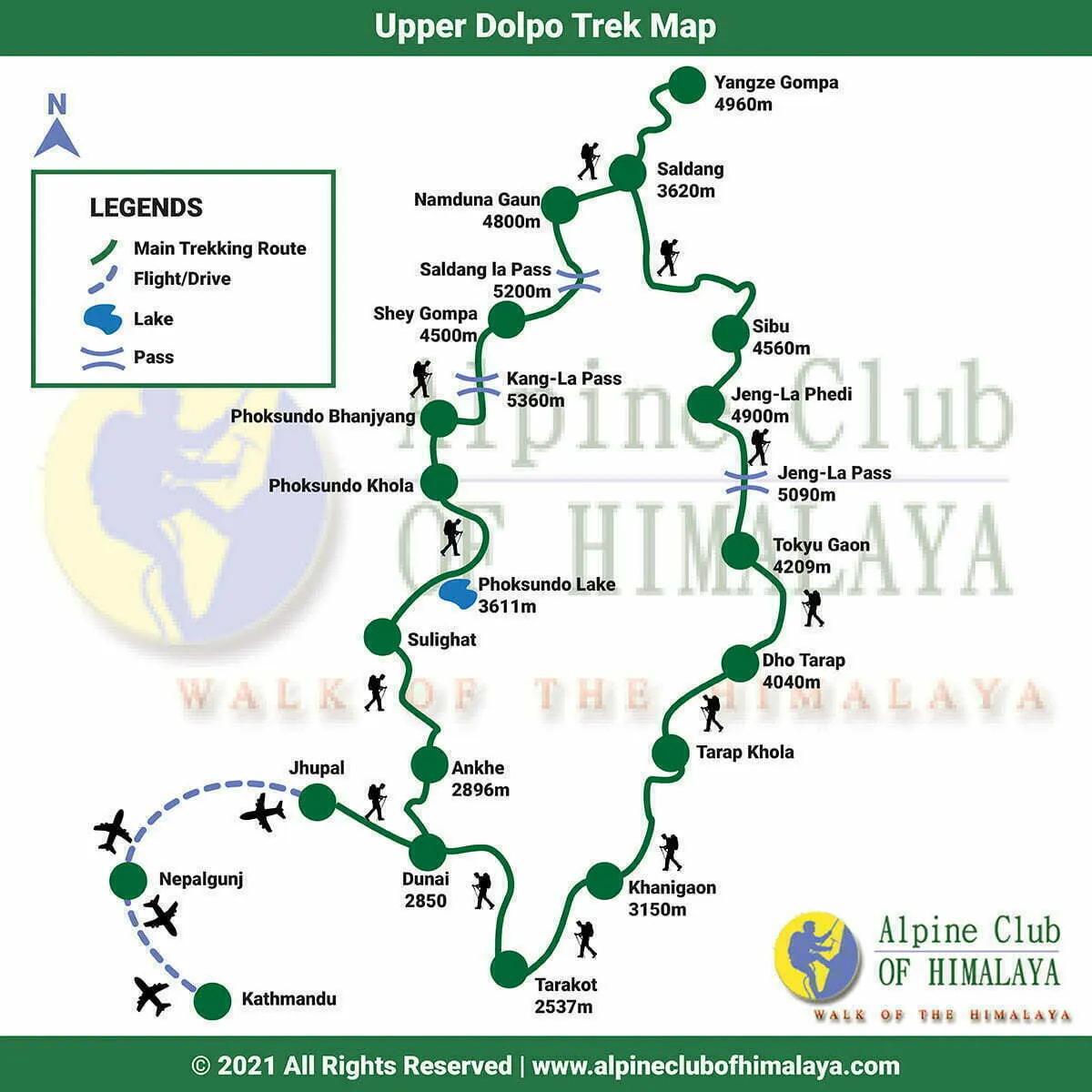
Transportation for the Upper Dolpo Trek involves a combination of international travel, domestic flights, and trekking. The journey begins in Kathmandu, followed by a domestic flight to Nepalgunj in western Nepal. From Nepalgunj, trekkers take another scenic flight to Juphal, the main gateway to the Dolpo region.
After completing the trek, the return route follows the same flight path from Juphal to Nepalgunj and then back to Kathmandu. Domestic mountain flights are weather-dependent, and delays or cancellations occasionally occur due to poor visibility or adverse weather conditions. Trekkers should allow extra time in their travel schedules to accommodate potential flight disruptions.
The Upper Dolpo Trek is considered a strenuous and demanding trekking adventure suitable for experienced hikers. The trek involves multiple high passes exceeding 5,000 meters, long daily walking hours, rugged terrain, steep ascents and descents, and extended periods in remote mountain environments. Daily trekking durations typically range from 4 to 8 hours depending on the itinerary and trail conditions.
In addition to the physical demands, trekkers must be mentally prepared for basic accommodation, limited communication facilities, changing weather conditions, and the challenges associated with trekking in isolated wilderness areas. Good cardiovascular fitness, endurance training, and previous high-altitude trekking experience are strongly recommended before attempting this trek.
Altitude sickness is one of the primary concerns during the Upper Dolpo Trek due to several overnight stays above 4,000 meters and crossings of high mountain passes such as Kang La Pass (5,360m), Saldang La Pass (5,200m), and Jeng La Pass (5,090m). As altitude increases, oxygen levels decrease, making proper acclimatization essential.
Common symptoms of Acute Mountain Sickness (AMS) include headaches, nausea, dizziness, fatigue, shortness of breath, and difficulty sleeping. The itinerary incorporates acclimatization days at Phoksundo Lake, Shey Gompa, and Dho Tarap to help the body adapt gradually to higher elevations. Trekkers should maintain adequate hydration, ascend slowly, avoid excessive alcohol consumption, and immediately inform their guide if symptoms develop. In severe cases, descending to a lower altitude remains the most effective treatment. Proper acclimatization and responsible trekking practices significantly reduce the risk of serious altitude-related complications.
If you decide to cancel your booking for the Upper Dolpo Trek Days please notify Alpine Club of Himalaya in writing (via email or official communication) as early as possible. The following cancellation charges apply:
These fees cover administrative costs, permits, pre-arranged logistics, and potential losses caused by late cancellations.
In the rare circumstance that Alpine Club of Himalaya must cancel the trek due to unforeseen or uncontrollable events such as extreme weather, natural disasters, or safety concerns in the region, you will be offered either:
Your safety is our highest priority, and cancellations are only made when absolutely necessary.
Alpine Club of Himalaya cannot be held responsible for cancellations, delays, or extra expenses resulting from force majeure events, including but not limited to:
In such cases, participants are responsible for any additional personal costs such as extra accommodation, changed flights, or insurance claims. We strongly recommend that all trekkers purchase comprehensive travel insurance covering trip cancellations, medical emergencies, and force majeure events before joining the trek.
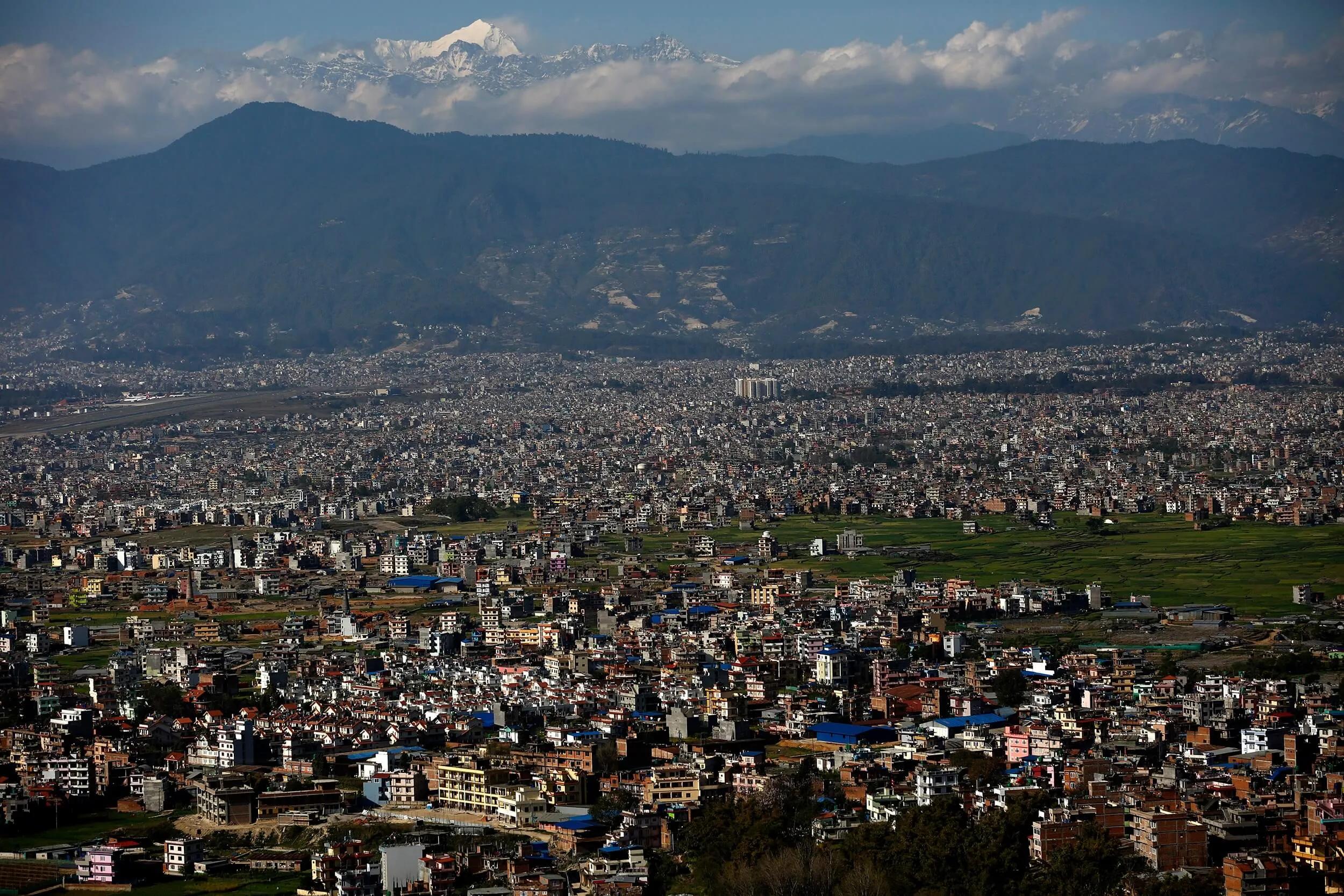
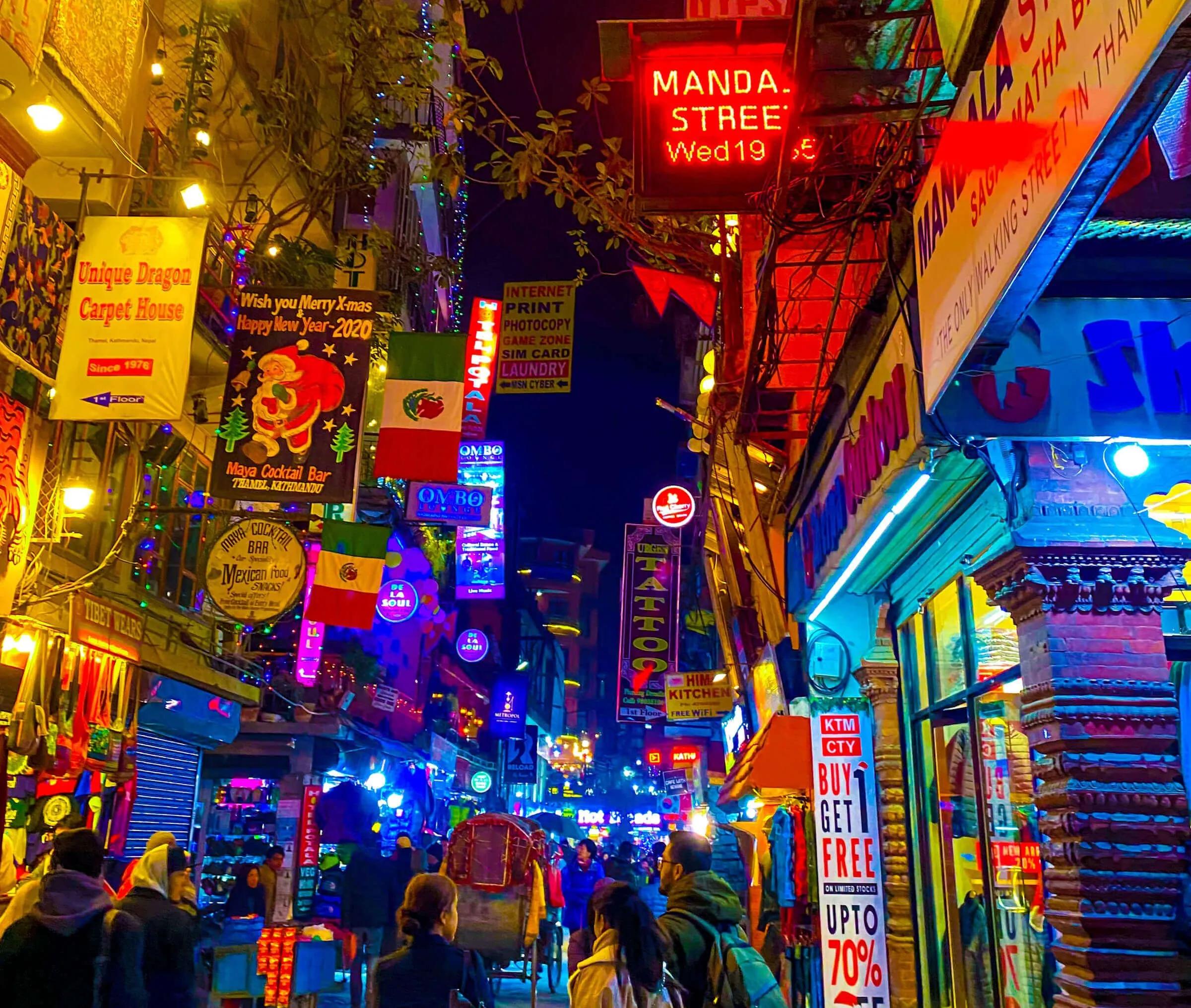
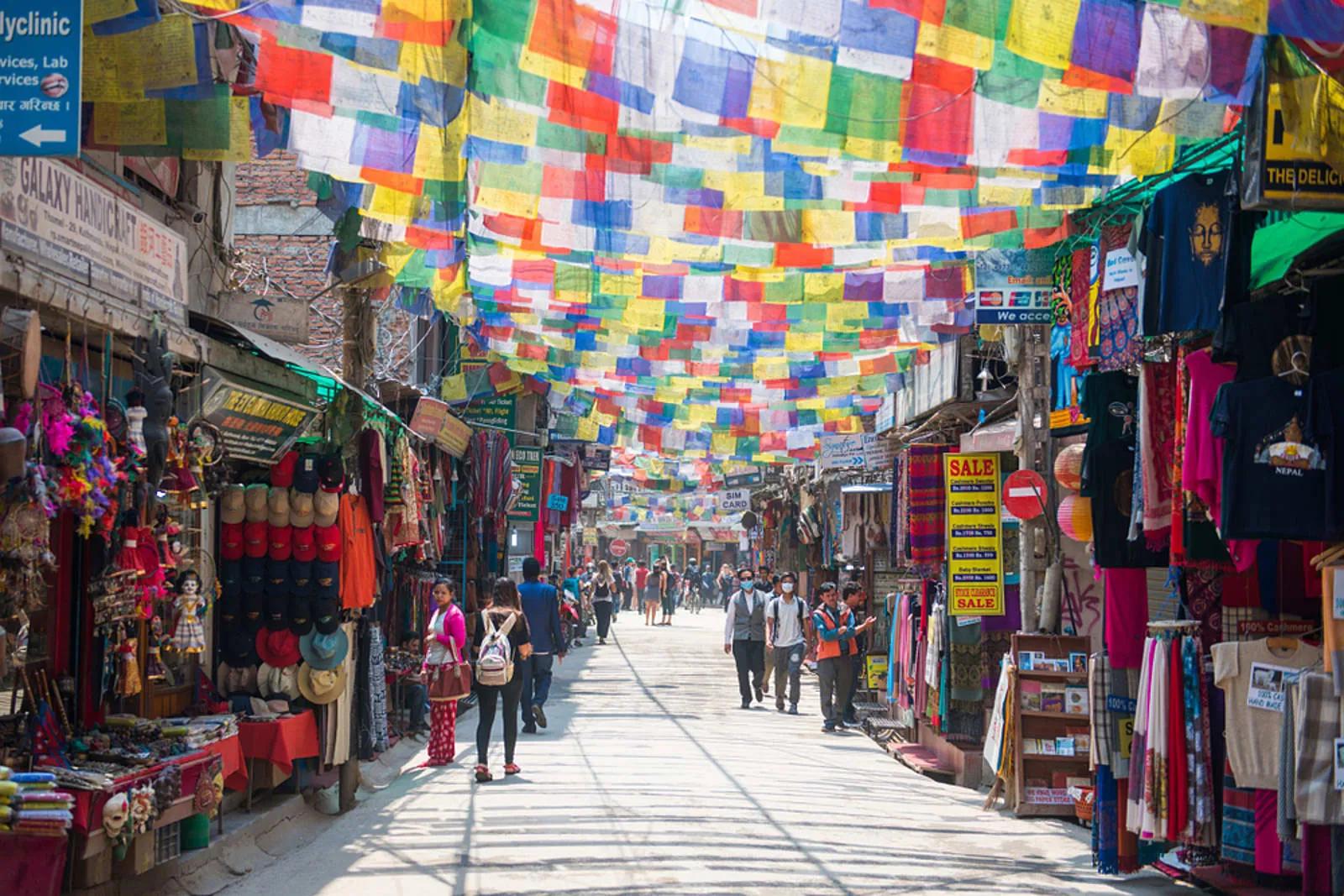
Upon arrival at Tribhuvan International Airport in Kathmandu, a representative from Alpine Club of Himalaya (ACOH) will pick you up and send you to our hotel. At noon, take a rest or visit ACOH’s office. In the evening, there will be a welcome dinner hosted by ACOH where you will be served delicious authentic Nepalese cuisine.
Max. Elevation
1400m
Accommodation
Hotel
Meals
Welcome Dinner
All airport/hotel pick up and drop in private car/van
4 night accommodation in Kathmandu with breakfast, Twin sharing 3*
1 night accommodation in Kathmandu with breakfast, Twin sharing 3*
22 night Teahouse accommodation during the trek, Basic Guest House
All meals (breakfast, lunch, and dinner) during the trek
Welcome and farewell dinners
All ground transportation on a comfortable private vehicle as per the itinerary
Domestic flights (Kathmandu - Nepalgunj -Jhupal round trip)
Guided city tour in Kathmandu by private vehicle
Entrance fees for sightseeing/monument visits as per the itinerary
An experienced, English-speaking, and government-licensed trek leader and assistant trek leader (10 trekkers = 1 assistant guide)Porter service (2 trekkers = 1 porter)
Staff costs including their salary, insurance, equipment, domestic airfare, food, and accommodation
Down jacket and sleeping bag (to be returned after trip completion)
Alpine Club of Himalaya’s trekking bag/duffel bag, t-shirt, and trekking map are yours to take
All necessary paperwork and trekking permits (National Park Permit, TIMS). And Special Permit for Dolpo
Medical kit (carried by your trek leader)
All government and local taxes
Click on map to view in fullscreen
P
Priya Nair
Bangalore, India
Jun 25, 2025
S
Sarah Mitchell
Sydney, Australia
May 30, 2025

L
Lin Wei
Taipei, Taiwan
Apr 29, 2025
D
David Andersen
Copenhagen, Denmark
Jan 31, 2025

24/7 Support
Need help? we're at your service
Associated With


We Accept Cards

Office of the company registrar License: 66813/066/067 || Tourism Industry Division License:1142
All content and photography within our website is copyright & may not be reproduced without our permission.
Develop By: IT Sansaar