S
Sofia Andersson
Stockholm, Sweden
Nov 14, 2025

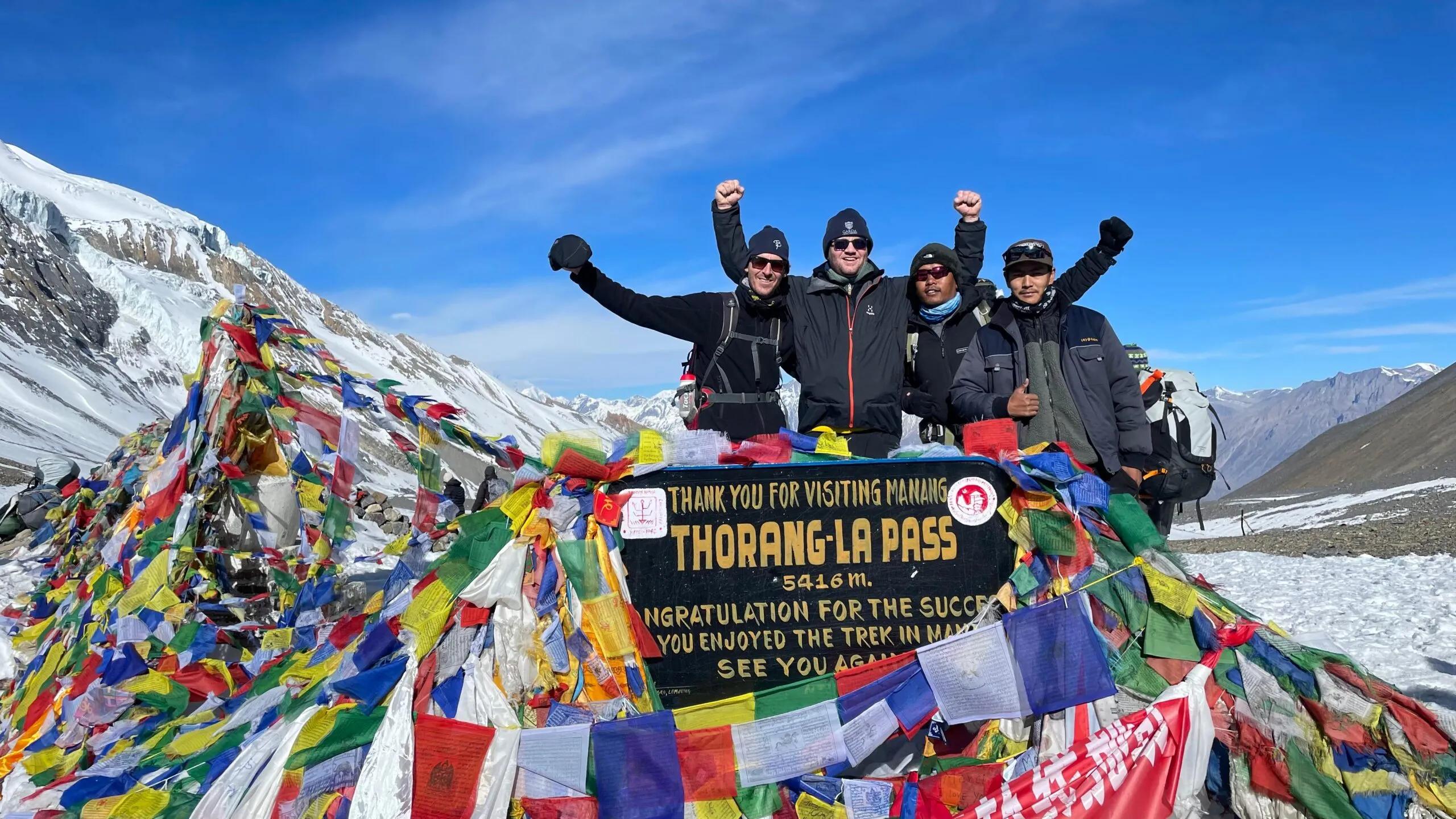
From the Marsyangdi River valley to the summit of Thorong La to the sacred grounds of Muktinath, this trek delivered an incredible range of experiences.
Destination
Nepal
Duration
10 Days
Best Weather
March, April, May, September, October & November
Max Altitude
5416m (Thorong La Pass)
Accommodation
Hotel and Guesthouse
Meals
Breakfast, Lunch, Dinner
Transportation
Private vehicle / Flights
Group
Min 1 pax
Difficulty
Easy
Activities
Trekking
The 10-day Annapurna Circuit Trek with Alpine Club of Himalaya is a captivating journey through the heart of the Annapurna Conservation Area, offering some of the most spectacular mountain scenery in the world. This trek combines diverse landscapes, rich cultural experiences, and the thrilling challenge of crossing the high-altitude Thorong La Pass (5,416m), one of the highest trekking passes in Nepal. Along the route, trekkers are rewarded with panoramic views of the majestic Annapurna and Dhaulagiri ranges, as well as the breathtaking Kaligandaki Gorge, the world’s deepest gorge.
The trek begins with a scenic drive from Kathmandu to Bhulbhule, Jagat, and Dharapani, eventually reaching Chame, the district headquarters of Manang. From Chame, the trail follows the winding paths along the Marsyangdi River valley, leading to Pisang, where climbers can enjoy stunning views of Nilgiri and Pisang Peak. The trail continues to Damang and further into the Manang region, a high-altitude plateau that offers incredible vistas of surrounding snow-capped peaks and alpine landscapes. A day in Manang allows trekkers to acclimatize before heading toward Yak Kharka, Thorong Phedi, and the challenging Thorong La Pass. Crossing the pass is the highlight of the trek, offering unmatched panoramic views of the Annapurna, Dhaulagiri, and Nilgiri ranges.
Descending from Thorong La, trekkers arrive at Muktinath, a sacred site revered by both Hindus and Buddhists. The temple complex and surrounding area offer spiritual insight, ancient architecture, and prayer flags fluttering in the mountain breeze. From Muktinath, the journey continues with a drive to Tatopani, renowned for its therapeutic hot springs, providing a perfect opportunity to relax and rejuvenate after days of trekking.
The trail then winds through Ghorepani and the famous Poon Hill, a vantage point offering awe-inspiring sunrise views over the Annapurna and Dhaulagiri ranges. From Poon Hill, trekkers descend through Tadapani to Nayapul, where the trek concludes with a drive to Pokhara, a scenic lakeside city, before returning to Kathmandu.
This trek is not only a visual feast but also a cultural journey. Along the trail, trekkers encounter the traditional Tibetan lifestyle of the Mustang region, with vibrant monasteries, prayer flags, and stone cairns marking sacred spots. Wildlife sightings include blue sheep, grazing yaks, donkeys, and, if fortunate, the elusive snow leopard. The trail traverses a wide range of ecological zones—from sub-tropical forests and terraced farmland to alpine meadows and rugged, wind-swept highlands—making the Annapurna Circuit an unforgettable experience for adventurers, nature lovers, and cultural enthusiasts alike.
· Mt. Dhaulagiri (8,167m)
· Mt. Annapurna I (8,091m)
· Mt. Manaslu (8,163m)
· Mt. Annapurna II (7,937m)
· Mt. Annapurna III (7,555m)
· Mt. Annapurna IV (7,525m)
· Mt. Annapurna South (7,219m)
· Mt. Nilgiri (7,041m)
· Mt. Machapuchare (6,998m)
· Mt. Hiunchuli (6,441m)
· Mt. Lamjung Himal (6,986m)
· Tukuche Peak (6,920m)
With the Alpine Club of Himalaya, trekkers benefit from professional guides, experienced support staff, carefully planned itineraries, safe accommodations, and comprehensive logistical arrangements. This 10-day trek is perfect for those seeking a challenging yet rewarding Himalayan adventure that combines high-altitude trekking, breathtaking landscapes, rich culture, and unforgettable mountain experiences.
The best time to trek the Annapurna Circuit is during spring (March to May) and autumn (September to November). In spring, the weather is mild and stable, with comfortable daytime temperatures and cooler nights at higher elevations. Hillsides bloom with rhododendrons, magnolias, and wildflowers, creating vibrant landscapes against the backdrop of snow-capped peaks. Wildlife is active, and skies are generally clear, providing excellent visibility of Annapurna, Dhaulagiri, and surrounding ranges.
Autumn is considered the peak trekking season, as the post-monsoon air is crisp and clean, offering spectacular mountain views. Days are warm for trekking, and nights are cold but manageable. Additionally, autumn coincides with major Nepali festivals, allowing trekkers to experience the rich local culture along the route.
Winter and monsoon seasons are less favorable; winter brings heavy snowfall and freezing temperatures at high altitudes, while the monsoon season can make trails slippery, increase the risk of landslides, and obscure mountain views.
The Annapurna Circuit Trek is rated moderate to challenging due to its high-altitude sections, long trekking days, and varied terrain. Trekkers will navigate trails ranging from gentle ascents through forests and villages to steep rocky climbs and exposed ridges near Thorong La Pass (5,416m). Daily walking hours are typically 6–8 hours, depending on the section and weather conditions.
Gradual acclimatization is built into the itinerary, especially in Manang, to reduce the risk of altitude sickness. Although the trek is physically demanding, it is achievable for those with good fitness, stamina, and prior trekking experience, and the breathtaking scenery and cultural experiences make the effort rewarding.
Trekking the Annapurna Circuit requires good cardiovascular endurance, strength, and stamina. Preparing for at least 6–8 weeks before the trek is recommended, including activities such as hiking with a backpack, jogging, cycling, swimming, and strength or core exercises to improve balance on uneven trails. Mental preparation is equally important, as high-altitude trekking demands patience, steady pacing, and the ability to manage fatigue. Proper hydration, nutrition, and rest are essential for energy maintenance, and trekkers with heart or respiratory conditions should consult a doctor before attempting the trek.
Altitude sickness, also known as Acute Mountain Sickness (AMS), is a common concern on the Annapurna Circuit due to the trek reaching Thorong La Pass at 5,416 meters. Symptoms can include headache, nausea, dizziness, fatigue, shortness of breath, and insomnia. Severe cases may progress to High Altitude Pulmonary Edema (HAPE) or High Altitude Cerebral Edema (HACE), which require immediate descent and medical attention.
Preventive Measures:
· Gradual Acclimatization: The 10-day itinerary includes planned rest days, especially in Manang, to allow the body to adjust to higher altitudes.
· Hydration and Nutrition: Drinking plenty of water, consuming energy-rich meals, and avoiding alcohol or excessive caffeine help maintain oxygen levels and reduce the risk of AMS.
· Pacing and Rest: Walking at a steady pace and taking short breaks during climbs helps prevent overexertion.
Medical Preparations:
· Trekkers should carry medications such as Diamox (acetazolamide) and painkillers, under guidance from a healthcare professional.
· Alpine Club of Himalaya guides closely monitor each trekker’s condition and provide advice on symptom management and safe progression.
Emergency Preparedness:
· Knowledge of early warning signs is crucial; descending to lower altitudes is the most effective treatment.
· Guides are trained in first aid and evacuation procedures, ensuring that climbers can receive prompt care if necessary.
Training Before the Trek:
· Trekkers are encouraged to undertake cardiovascular training, long hikes with a backpack, and strength exercises to prepare the body for high-altitude exertion.
· Experience at moderate-altitude treks beforehand can improve endurance and confidence.
By combining gradual acclimatization, proper hydration, fitness preparation, and professional guidance, trekkers can minimize the risk of altitude sickness and safely enjoy the spectacular views and cultural experiences along the Annapurna Circuit.
Trekking in the high-altitude Annapurna region involves certain risks, including altitude sickness, injuries, sudden weather changes, or health emergencies. Alpine Club of Himalaya prioritizes safety and has well-established evacuation procedures to ensure trekkers receive prompt care in case of an emergency.
1. Immediate Response:
· Guides and porters are trained to assess the situation quickly and provide first aid on-site.
· For altitude-related issues, trekkers are advised to descend to lower elevations immediately, as this is the most effective treatment for severe AMS, HAPE, or HACE.
2. Local Support and Communication:
· Major villages and teahouses along the Annapurna Circuit, such as Chame, Manang, and Muktinath, have access to local health posts, radio communication, and mobile networks in certain areas.
· Guides carry satellite phones and communication devices to coordinate medical assistance or helicopter evacuations if needed.
3. Evacuation Options:
· Ground Evacuation: In less critical cases, trekkers can be transported by jeep, stretcher, or on foot to nearby medical facilities.
· Helicopter Evacuation: For serious medical emergencies, helicopter services are available from key locations such as Manang, Muktinath, and Jomsom, providing rapid transport to Pokhara or Kathmandu hospitals.
4. Emergency Planning:
· Each trek includes a detailed emergency protocol, and guides are familiar with alternate routes and evacuation points along the trail.
· Alpine Club of Himalaya ensures all trekkers are briefed on evacuation procedures, communication plans, and safety measures before the trek begins.
5. Health and Insurance Preparedness:
· Trekkers are required to have comprehensive travel insurance covering high-altitude trekking and helicopter evacuation.
· Guides continuously monitor trekkers for early signs of illness or altitude-related problems, allowing for proactive interventions before emergencies escalate.
By following these professional evacuation procedures, trekkers can enjoy the Annapurna Circuit with confidence, knowing that safety and rapid response are fully managed throughout the journey.
The Annapurna Circuit showcases one of the most diverse trekking environments in Nepal. Lower sections pass through lush subtropical forests of rhododendron, oak, and pine, with cascading waterfalls and abundant birdlife. Mid-altitude trails traverse terraced farmland, traditional villages, and alpine meadows. Higher elevations, particularly near Thorong La Pass, feature rugged, barren landscapes, rocky ridges, and glacial valleys. Along the way, trekkers experience local culture, including stone houses, monasteries, prayer flags, and Buddhist stupas, offering insight into the traditions of Gurung and Manangi communities.
Weather conditions vary with altitude and season. In spring, temperatures are mild and relatively stable, with clear skies and comfortable trekking days. Autumn offers similarly stable conditions with even better visibility, crisp air, and panoramic views of Himalayan peaks. Winter temperatures can drop below -10°C at high passes, and snowfall may block trails. During the monsoon, heavy rains in lower regions make trails slippery and increase landslide risk, while higher-altitude areas like Manang remain drier but cloud-covered. Awareness of seasonal weather patterns is crucial for planning and safety.
Meals are primarily provided at teahouses along the trail and include a mix of traditional Nepali dishes like dal bhat (rice, lentils, vegetables, and pickles) and basic international meals such as noodles, pasta, and fried rice. At higher elevations, food becomes simpler due to logistical challenges, with porridge, boiled potatoes, soups, and bread being common. Vegetarian meals are recommended at higher altitudes for easier digestion. Meals are included throughout the trek to maintain energy levels and support acclimatization.
Before and after the trek, accommodation in Kathmandu is in 3-star hotels with twin or double rooms, attached bathrooms, hot showers, and Wi-Fi. During the trek, lodges and teahouses provide basic but comfortable rooms with mattresses, blankets, and shared bathrooms. Lower-altitude villages offer better amenities, including hot showers and electricity, while high-altitude stops like Thorong Phedi or near Thorong La Pass provide simple bedding. Teahouses also serve as social hubs where trekkers can relax, share experiences, and enjoy meals with fellow adventurers.
Clean drinking water is essential for preventing dehydration and reducing the risk of altitude sickness. In lower sections, water is available from taps, rivers, or village sources but should be treated with purification tablets, filters, or UV sterilizers. Bottled water is available at teahouses but is more expensive at higher altitudes. Trekkers are encouraged to carry reusable bottles or hydration systems and refill them at safe water sources along the trail.
Alpine Club of Himalaya provides safe and reliable transportation throughout the trek. Private vehicles or vans handle airport pickups and drop-offs in Kathmandu, while the drive from Kathmandu to Besisahar allows trekkers to enjoy the scenic Trishuli River valley. Shared jeeps transport trekkers from Besisahar to Dharapani efficiently, reducing trekking on less scenic road sections. After the trek, private jeep transfers cover the route from Jomsom to Pokhara, and a tourist bus or private car returns trekkers to Kathmandu. All vehicles are well-maintained, driven by experienced drivers, and ensure comfort, safety, and scenic sightseeing along the way.
Connectivity along the Annapurna Circuit varies by location:
· Lower-altitude teahouses offer limited Wi-Fi and electricity via solar panels or generators, suitable for charging phones or small devices.
· Higher-altitude lodges (above Manang) have minimal electricity, often for a fee, and Wi-Fi may be unavailable.
· Trekkers are advised to bring power banks and solar chargers to stay connected throughout the trek.
Professional guidance and support are essential for a safe and enjoyable trek:
· Guides from Alpine Club of Himalaya are experienced, certified, and trained in first aid, altitude sickness management, and emergency response. They provide detailed information on routes, local culture, and acclimatization techniques.
· Porters assist with carrying luggage, cooking supplies, and equipment, allowing trekkers to focus on trekking comfortably.
· The guide-to-trekker ratio ensures personalized attention and safety, particularly on high-altitude or challenging trail sections.
Trekking in the Annapurna region requires certain permits to ensure safety, conservation, and legal access to the trails. Alpine Club of Himalaya assists all trekkers in obtaining these essential documents prior to departure.
1. Annapurna Conservation Area Permit (ACAP):
· The Annapurna Conservation Area Permit is mandatory for trekking within the Annapurna region.
· It is issued by the National Trust for Nature Conservation (NTNC) and helps protect the fragile environment of the Annapurna Conservation Area.
· The permit fee is approximately $30 USD per person for international trekkers and covers the entire duration of the trek.
· The permit allows access to all teahouses, trails, and viewpoints within the conservation area.
2. Trekkers’ Information Management System (TIMS) Card:
3. Other Permits:
· While ACAP and TIMS are the primary permits for the Annapurna Circuit, trekkers should carry a valid passport and visa to enter Nepal legally.
· For treks extending to Mustang or other restricted areas, additional permits may be required, though they are not needed for the standard 10-day Annapurna Circuit.
Important Notes:
· Permits can be obtained in Kathmandu or Pokhara before starting the trek.
· Alpine Club of Himalaya ensures that all permits and TIMS cards are processed efficiently to avoid delays.
· Trekkers should carry photocopies of all permits and identification documents while trekking.
Having proper permits not only ensures legal compliance but also supports conservation efforts, local communities, and sustainable trekking practices in the Annapurna region.
Trekking in the Annapurna region requires official permits to ensure legal access, safety, and environmental protection. The Annapurna Conservation Area Permit (ACAP) and TIMS card are mandatory. Trekkers must respect park regulations, including no littering, no hunting, and no off-trail camping. Certain areas may have seasonal restrictions or require additional permissions, especially for treks beyond the standard Annapurna Circuit. Alpine Club of Himalaya ensures all permits are obtained beforehand and that trekkers are fully informed about local rules and cultural sensitivities.
High-altitude trekking carries inherent risks, so travel insurance is mandatory. The policy should cover medical emergencies, evacuation, trip cancellations, and high-altitude trekking up to 5,500–6,000 meters. Alpine Club of Himalaya recommends trekkers secure comprehensive insurance before departure, ensuring peace of mind during the expedition.
A valid passport and Nepal tourist visa are required for international travelers. Visas can be obtained on arrival at Tribhuvan International Airport in Kathmandu or in advance through Nepalese embassies. Trekkers should ensure their passport is valid for at least six months and carry multiple copies for permits and emergency use.
The Annapurna Circuit Trek is one of the most celebrated trekking routes in Nepal, offering breathtaking Himalayan panoramas, diverse landscapes, and rich cultural experiences. Choosing Alpine Club of Himalaya ensures that your journey is safe, well-organized, and unforgettable.
· Expert Guidance and Support: With experienced trekking guides trained in first aid, high-altitude safety, and local knowledge, Alpine Club of Himalaya ensures that every step of your journey is supported. Guides provide detailed insights into local culture, wildlife, and history, making your trek both educational and immersive.
· Well-Structured Itinerary: The 10-day Annapurna Circuit trek itinerary is carefully designed to allow gradual acclimatization, maximizing your chances of safely crossing Thorong La Pass (5,416m). Planned rest days, steady trekking paces, and carefully chosen accommodation ensure comfort, energy management, and a smooth trekking experience.
· Cultural and Scenic Experiences: The trek passes through traditional Gurung and Manangi villages, terraced farmlands, lush forests, alpine meadows, and rugged high-altitude landscapes. Travelers witness ancient monasteries, stone villages, prayer flags, and local festivals, creating a unique blend of natural and cultural adventure.
· Safety and Emergency Preparedness: Alpine Club of Himalaya places a high priority on trekker safety, with thorough emergency protocols, evacuation plans, and communication systems in place. Guides monitor each trekker’s health, provide altitude sickness prevention advice, and are trained to respond quickly to emergencies.
· Comfort and Convenience: From 3-star hotels in Kathmandu to carefully selected teahouses along the trail, accommodation is designed to provide rest and warmth. Meals, clean drinking water, and porter support allow trekkers to focus on the journey without logistical worries.
· Sustainable and Responsible Trekking: Alpine Club of Himalaya promotes eco-friendly and responsible tourism, respecting local communities and the fragile Himalayan environment. Trekking with them supports conservation efforts and ensures minimal impact on the Annapurna region.
· Tailored for All Levels: Whether you are a first-time high-altitude trekker or an experienced adventurer, this trek is suitable for moderately fit individuals. The professional support, gradual acclimatization, and expert guidance make it an accessible yet challenging Himalayan adventure.
By choosing Alpine Club of Himalaya, trekkers are assured of a well-organized, safe, and culturally enriching Annapurna Circuit experience, creating memories that last a lifetime.
The Annapurna Circuit Trek offers spectacular opportunities for photography, from towering snow-capped peaks and alpine meadows to traditional villages and cultural landmarks. Alpine Club of Himalaya encourages trekkers to capture these unforgettable moments, while respecting local customs, wildlife, and environmental regulations.
Photography Guidelines:
· Trekkers are welcome to take photographs of landscapes, flora, and fauna, as well as village life along the trail.
· It is important to seek permission before photographing local residents, especially in remote villages and religious sites, to respect cultural sensitivities.
· Wildlife photography should be done from a distance to avoid disturbing animals, particularly in the Annapurna Conservation Area.
Drone Policy:
· Flying drones is strictly regulated in Nepal, particularly in protected areas such as the Annapurna Conservation Area.
· Trekkers wishing to use drones must obtain special permits from the Civil Aviation Authority of Nepal (CAAN). These permits are typically required for both recreational and professional drone use.
· Without proper permits, drone use is prohibited and can result in fines, confiscation, or legal penalties.
· Alpine Club of Himalaya can provide guidance on permit requirements and safe drone operation, ensuring compliance with local regulations.
Best Practices:
· Use drones in open areas away from crowded villages or cultural sites.
· Keep drones at a safe distance from wildlife and avoid flying over protected zones without authorization.
· Respect fellow trekkers’ experiences by flying drones quietly and responsibly, ensuring minimal disruption.
By following these guidelines, trekkers can enjoy capturing breathtaking views and memorable moments safely and responsibly, while preserving the cultural integrity and natural beauty of the Annapurna region.
Alpine Club of Himalaya accommodates trekkers who wish to join the Annapurna Circuit Trek at short notice. While high-altitude trekking requires preparation, last-minute bookings are possible under certain conditions:
· Availability Check: Trekkers should contact the team in advance to confirm space, permits, and the availability of experienced guides and porters.
· Expedited Permits: ACAP (Annapurna Conservation Area Permit) and TIMS cards can be processed quickly to allow trekkers to start without delay.
· Gear and Logistics: Alpine Club of Himalaya ensures that essential trekking gear, tents (if needed), and porter support are arranged in time for late arrivals.
· Flexible Scheduling: Transportation, accommodation, and trekking arrangements can be adjusted to accommodate last-minute travelers while ensuring a smooth and safe trekking experience.
This flexibility allows adventurers with limited planning time to still enjoy a well-organized Annapurna Circuit Trek with all necessary support.
Before arriving in Kathmandu, Alpine Club of Himalaya provides a comprehensive online briefing to ensure trekkers are fully prepared for the Annapurna Circuit Trek:
· Itinerary Overview: Detailed explanation of trekking days, acclimatization schedules, daily distances, and highlights along the trail.
· Gear and Packing Guidance: Instructions on essential trekking equipment, clothing layers, footwear, and personal items suitable for high-altitude trekking.
· Health and Safety Instructions: Advice on altitude sickness prevention, hydration, nutrition, and safe trekking practices.
· Cultural and Environmental Awareness: Guidance on local customs, responsible trekking, and eco-friendly practices in the Annapurna region.
· Q&A Session: Trekkers can ask questions about trail conditions, weather, emergency procedures, or any concerns regarding the trek.
The online briefing ensures that trekkers arrive in Nepal confident, well-prepared, and informed, ready to enjoy the journey safely and comfortably.
1 - Tribhuvan International Airport (TIA), Kathmandu
2 - Alpine Club of Himalaya Pvt. Ltd
3 - Within Thamel, Kathmandu
Before starting the Annapurna Circuit Trek, careful preparation is essential to ensure a safe, enjoyable, and memorable journey through one of Nepal’s most iconic trekking regions. This 10-day adventure takes trekkers through diverse landscapes—from lush subtropical valleys and terraced farmlands to alpine meadows and the rugged high-altitude deserts near Thorong La Pass (5,416 m). Along the way, trekkers experience breathtaking Himalayan panoramas, cultural encounters in traditional villages, and the natural beauty of the Annapurna and Dhaulagiri ranges.
A flexible clothing and gear system is crucial for the varying climates encountered on the trek. Trekkers should carry moisture-wicking base layers, insulated jackets, and waterproof shells to adapt to changing weather. Sturdy, broken-in trekking boots, comfortable backpacks, and properly fitted gear are essential for safety and performance. While the trek does not require technical climbing skills, it is moderately to highly challenging due to long hiking days, significant altitude gain, and high-pass crossings. Proper acclimatization, good physical fitness, and mental determination are key to successfully completing the circuit.
Alpine Club of Himalaya, with over two decades of experience, provides full support throughout the trek. Our team assists with permits, route updates, logistics, accommodation arrangements, and local guidance, ensuring trekkers have a smooth and enjoyable experience. Solo travelers, groups, and those trekking with our experienced female guides can rest assured that every detail is managed to maximize safety, comfort, and adventure. With our guidance, you can fully immerse yourself in the awe-inspiring Himalayan scenery, vibrant culture, and unforgettable trekking experience that the Annapurna Circuit has to offer.
If you need to cancel your booking for the Annapurna Circuit Trek, please notify Alpine Club of Himalaya in writing via email or signed letter. Cancellation charges are as follows:
These charges reflect advance investments made for permits, lodges, transport, and guide/porter services.
In rare cases where the trek must be canceled due to extreme weather, natural disasters, political unrest, or safety concerns, participants will have the option of:
· A full refund of all payments made, or
· Rescheduling the trek for a future date at no additional cost.
Your safety is the top priority for Alpine Club of Himalaya, and cancellations by the organizer occur only when absolutely necessary.
Alpine Club of Himalaya is not responsible for extra costs or delays caused by unforeseen events, including but not limited to:
· Earthquakes, floods, landslides
· Political unrest, strikes, or border closures
· Epidemics, pandemics, or other health emergencies
· Flight cancellations, airspace closures, or travel delays
Participants are responsible for any additional personal expenses incurred due to such events, including extra accommodation, changed flights, or insurance claims. We strongly recommend comprehensive travel insurance covering cancellations, medical emergencies, and force majeure events prior to joining the trek.
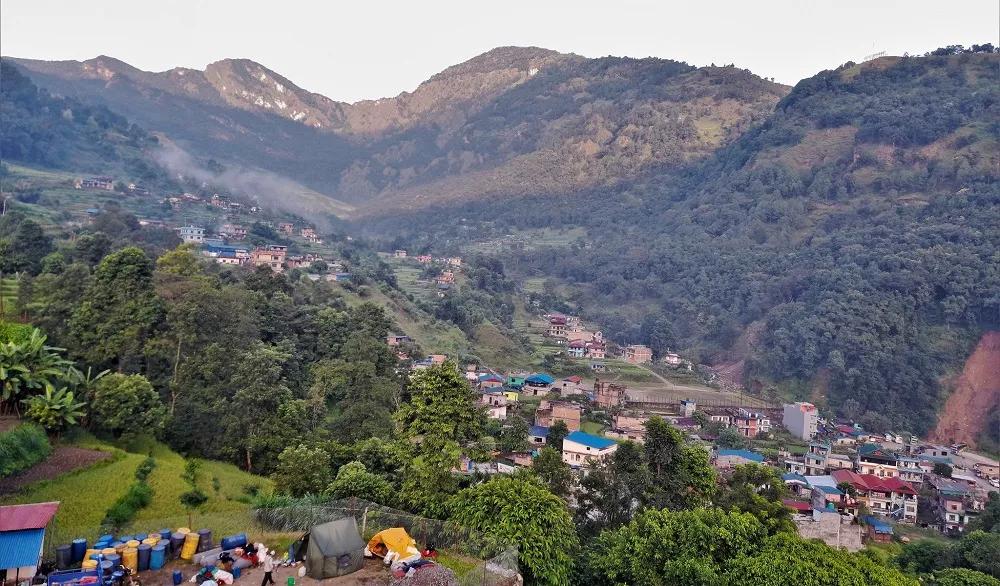
The trek begins with a scenic drive from Kathmandu to Dharapani, the starting point of the Annapurna Circuit Trek. The journey passes through the Trishuli River Valley, terraced farmlands, and small villages, offering a glimpse into rural Nepalese life. Travelers will witness lush greenery, suspension bridges, and the flowing river cutting through the valley. Upon arrival in Dharapani, trekkers settle into local lodges or teahouses with comfortable beds, hot meals, and basic amenities. Dinner includes traditional Nepali cuisine, such as dal bhat (lentils, rice, and vegetables), providing energy for the first day of trekking. Overnight stay ensures rest and preparation for the trek ahead.
Max. Elevation
1,960 m
Duration
7–10 hours
Accommodation
Guesthouse
Meals
Breakfast, Lunch, Dinner
One night accommodation in Pokhara at a 3-star hotel on a twin-sharing basis, including daily breakfast.
Travel from Kathmandu to Dharapani via Besisahar by jeep (requires at least two people for private jeep); otherwise, a shared bus will be provided to Besisahar.
Private jeep transfer from Jomsom to Tatopani,and to Pokhara and public tourist bus from Pokhara to Kathmandu. (requires at least two people for private jeep)
Experienced English-Speaking Trekking Guide and porter (2 trekkers-1 Porter).
Comfortable lodging in tea houses or lodges throughout the trek, offering a cozy retreat after your daily hikes.
Three times full board meals (breakfast, lunch, and dinner) provided daily during the trek, featuring delicious local cuisine.
Enjoy fresh, seasonal fruits during the trek to keep you energized.
All required permits for the trek, including ACAP and TIMS permits, ensuring compliance with regulations.
Coverage for food, accommodation, salary, and insurance for your guide.
A certificate awarded upon completion of the trek, celebrating your achievement.
Required trekking gear available upon request, to ensure you are well-prepared for the journey.
A duffle bag provided for your trekking gear during the trek.
Access to first-aid medical kits to address any minor injuries or ailments.
An Oxi-Meter to monitor your oxygen levels and pulse rate during the trek.
Deluxe bus ride from Pokhara to Kathmandu for a comfortable return journey.
All government taxes and service charges included in the package.
T-shirt and route map from ACH to commemorate your trekking experience.
Trekking Gears and Packing List
Trekking in the Annapurna region requires careful preparation to ensure safety, comfort, and an enjoyable experience. Alpine Club of Himalaya provides guidance on essential gear, clothing, and personal items needed for a successful 10-day trek.
Essential Clothing:
Footwear:
Trekking Gear:
Personal Items:
Optional Items:
Packing Tips:
· Gaiters: For extra protection from snow, mud, or dust.
· Camera or GoPro: For capturing photos and videos of the trek.
· Notebook and Pen: For journaling your experience.
· Travel Locks: For securing your bags during the trek or when staying in tea houses.
· Hand Warmers: Useful for cold weather, especially during early mornings or high-altitude sections.
· Sleeping Bag: For use during the trek (to be returned after the trip).
· Down Jacket: For warmth during cold nights and high-altitude sections (returnable after the trek).
· Duffel Bag: To store your gear, which will be carried by the porter.
By following this comprehensive packing list, trekkers can ensure a comfortable, safe, and enjoyable Annapurna Circuit Trek, while focusing on the stunning Himalayan scenery and cultural experiences along the trail.
S
Sofia Andersson
Stockholm, Sweden
Nov 14, 2025
P
Percival Ashdown
Cheltenham, UK
Oct 24, 2025
R
Ravi Chandran
Chennai, India
Oct 4, 2025
L
Liam Brown
Toronto, Canada
Sep 1, 2025

24/7 Support
Need help? we're at your service
Associated With


We Accept Cards

Office of the company registrar License: 66813/066/067 || Tourism Industry Division License:1142
All content and photography within our website is copyright & may not be reproduced without our permission.
Develop By: IT Sansaar