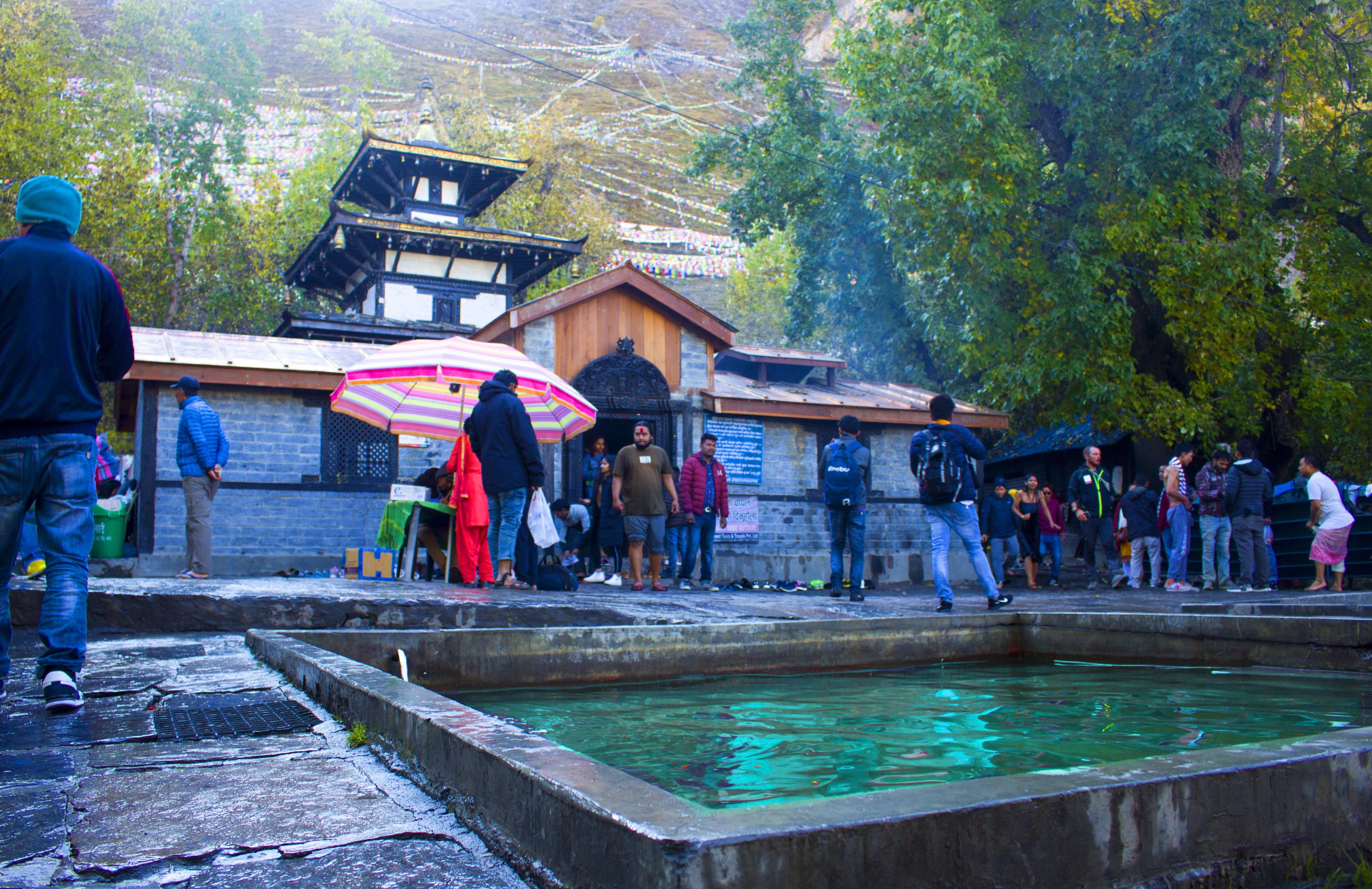
The 7-Day Pashupatinath, Manakamana and Muktinath Pilgrimage Tour is a unique journey that combines Nepal’s rich spiritual heritage, breathtaking Himalayan landscapes, and vibrant cultural traditions. Designed for pilgrims, families, and travelers seeking a meaningful Himalayan experience without strenuous trekking, this itinerary takes you through some of Nepal’s most sacred destinations, including Pashupatinath Temple, Doleshwor Mahadev Temple, Manakamana Temple, and Muktinath Temple. The journey also includes scenic flights through the Annapurna and Dhaulagiri regions, cultural exploration in Kathmandu and Pokhara, and the opportunity to experience the spiritual atmosphere of the Himalayas. With comfortable accommodations, experienced guides, and well-planned transportation, this tour offers a perfect balance of pilgrimage, culture, and natural beauty.
Best Season
The best time to undertake the Muktinath Pilgrimage Tour is during the spring season (March to May) and autumn season (September to November). These months provide the most stable weather conditions, clear mountain views, and comfortable temperatures for travel. During spring, hillsides are covered with blooming rhododendron forests, while the snow-capped peaks of Annapurna and Dhaulagiri appear exceptionally beautiful against clear blue skies. Temperatures are pleasant in Kathmandu and Pokhara, while Muktinath remains cool and refreshing.
Autumn is considered the peak season for pilgrimage and mountain travel in Nepal. Following the monsoon rains, the atmosphere becomes crystal clear, providing outstanding visibility of the Himalayan ranges. The weather remains dry and stable, making domestic flights to Jomsom more reliable. Winter (December to February) is also possible for travel, but temperatures in Jomsom and Muktinath can drop well below freezing, especially during mornings and evenings. The monsoon season (June to August) is less recommended because rainfall can cause flight delays, landslides, and reduced mountain visibility.
Accommodation
Accommodation during this tour ranges from comfortable city hotels to basic mountain lodges. In Kathmandu and Pokhara, travelers stay in quality 3-star hotels equipped with modern amenities such as comfortable beds, attached bathrooms, hot showers, Wi-Fi access, and restaurant facilities. These accommodations provide a relaxing environment before and after the mountain portion of the journey.
In Jomsom, accommodation is more basic due to the remote Himalayan location. Mountain lodges offer clean rooms, comfortable bedding, and essential services suitable for high-altitude travelers. Although facilities may not be as luxurious as city hotels, they provide a warm and welcoming atmosphere with beautiful mountain surroundings. The combination of urban comfort and authentic mountain lodging allows travelers to experience both modern Nepal and traditional Himalayan hospitality.
Meals
The tour includes daily breakfast as well as a welcome dinner and farewell dinner in Kathmandu. Breakfasts are typically served at the hotels and may include a combination of continental and Nepali options such as bread, eggs, tea, coffee, fruits, pancakes, porridge, and local dishes. The meals are designed to provide sufficient energy for sightseeing and travel activities throughout the day.
Lunches and dinners are generally not included, giving travelers the flexibility to choose their preferred cuisine. Kathmandu and Pokhara offer a wide variety of restaurants serving Nepali, Indian, Tibetan, Chinese, and international dishes. In Jomsom and Muktinath, food options are simpler but nutritious, with popular meals including Dal Bhat, noodles, soups, potatoes, and Tibetan bread. Travelers with dietary requirements can usually find suitable options throughout the journey.
Permits
Travel to the Annapurna region requires certain permits issued by the Government of Nepal. The primary permit required for this itinerary is the Annapurna Conservation Area Permit (ACAP), which allows visitors to enter and travel within the protected conservation area. Depending on current regulations, a TIMS (Trekkers’ Information Management System) card may also be necessary.
These permits help support environmental conservation, trail maintenance, and local community development projects within the Annapurna region. The tour operator typically handles all permit arrangements before the trip begins, ensuring a smooth and hassle-free travel experience. Travelers only need to provide passport details and photographs if required.
Guide and Support Staff
A professional, government-licensed English-speaking guide accompanies travelers throughout the tour. Guides are trained in local culture, religion, history, and mountain safety, allowing them to provide valuable information and assistance throughout the journey. Their expertise greatly enhances the travel experience by helping visitors understand the significance of temples, traditions, and local customs.
In addition to guiding, they assist with logistics, transportation coordination, hotel check-ins, and managing any unforeseen circumstances. For elderly travelers or those unfamiliar with Nepal, having an experienced guide ensures comfort, safety, and peace of mind. The guide also serves as a bridge between travelers and local communities, creating meaningful cultural interactions throughout the tour.
Drinking Water
Staying hydrated is important, especially when traveling to higher elevations such as Jomsom and Muktinath. Bottled mineral water is widely available throughout Kathmandu, Pokhara, and the mountain regions. Most hotels and lodges also provide boiled or filtered drinking water for a small fee.
Travelers are advised to avoid drinking untreated tap water. Carrying a reusable water bottle is highly recommended, as it can be refilled with boiled or purified water. Proper hydration helps reduce the risk of altitude-related discomfort and keeps energy levels high throughout the journey. Drinking at least three to four liters of water per day while at higher elevations is generally recommended.
Travel Insurance
Comprehensive travel insurance is strongly recommended for all participants joining this pilgrimage tour. Since the itinerary involves flights to remote mountain regions and travel up to an altitude of 3,710 meters, insurance should cover high-altitude travel, medical emergencies, trip interruptions, flight cancellations, and emergency evacuation services.
Although serious incidents are rare, weather conditions in the Himalayas can occasionally cause delays or require changes to travel plans. Having adequate insurance coverage provides financial protection and peace of mind throughout the journey. Travelers should carefully review policy details before departure to ensure coverage includes helicopter evacuation and mountain-related emergencies.
Transportation
Transportation throughout the tour combines private vehicles, domestic flights, and mountain road travel. Private tourist vehicles are used for airport transfers, sightseeing tours, and overland journeys between Kathmandu and Pokhara. These vehicles provide comfortable seating and allow travelers to enjoy Nepal’s scenic countryside.
One of the highlights of the tour is the spectacular flight between Pokhara and Jomsom. This short mountain flight offers unforgettable views of the Annapurna and Dhaulagiri ranges while significantly reducing travel time compared to overland routes. In the Mustang region, local jeeps are used to reach Muktinath Temple, providing access through rugged mountain terrain. This combination of transport methods ensures efficiency, comfort, and exceptional scenic experiences.
Difficulty Level
This pilgrimage tour is considered easy to moderate in difficulty and is suitable for most travelers with average physical fitness. Unlike traditional Himalayan trekking expeditions, the itinerary does not involve multiple days of strenuous hiking. Most activities consist of sightseeing, short walks, temple visits, and scenic travel.
The most physically demanding aspect is the high-altitude environment around Muktinath, where thinner air may cause mild fatigue during walking. However, the walking distances are short, and travelers can proceed at their own pace. This makes the tour an excellent choice for pilgrims, senior citizens, families, and individuals seeking a Himalayan experience without extensive trekking.
Altitude Sickness
Although this tour does not involve prolonged trekking at high elevations, travelers still ascend to 3,710 meters at Muktinath, where mild altitude-related symptoms may occur. Common symptoms include headache, dizziness, fatigue, shortness of breath, and difficulty sleeping. Most visitors experience little or no discomfort, but individual responses to altitude vary.
The itinerary minimizes risk by limiting the time spent at high elevation and providing comfortable overnight stays at lower altitudes. Drinking plenty of water, avoiding alcohol, eating nutritious meals, and walking slowly are effective ways to reduce the likelihood of altitude sickness. Travelers with pre-existing heart or respiratory conditions should consult a healthcare professional before joining the tour. In the unlikely event of serious altitude-related issues, guides are trained to arrange immediate assistance and evacuation if necessary.
Cultural and Spiritual Significance
One of the most rewarding aspects of this journey is its deep spiritual and cultural value. From the sacred cremation ghats of Pashupatinath Temple to the holy waters of Muktinath Temple, travelers encounter centuries-old traditions that remain an important part of daily life in Nepal. The pilgrimage route offers opportunities to participate in rituals, observe religious ceremonies, and connect with local communities that preserve ancient customs and beliefs.
For many travelers, this journey is more than a sightseeing tour; it is a spiritual experience that combines devotion, reflection, and the awe-inspiring beauty of the Himalayas. The blend of sacred temples, mountain landscapes, and cultural encounters creates lasting memories and a deeper understanding of Nepal’s unique heritage.
Cancellation Policy
Cancellation by the Participant
If you decide to cancel your booking for the Pashupatinath, Manakamana and Muktinath Pilgrimage Tour please notify Alpine Club of Himalaya in writing (via email or official communication) as early as possible. The following cancellation charges apply:
- 60 days or more before trek start date: 20% cancellation fee of the total trip cost
- 30 to 59 days before trek start date: 50% cancellation fee of the total trip cost
- Less than 30 days before departure: No refund; 100% of the trip cost is non-refundable
These fees cover administrative costs, permits, pre-arranged logistics, and potential losses caused by late cancellations.
Cancellation by the Organizer
In the rare circumstance that Alpine Club of Himalaya must cancel the trek due to unforeseen or uncontrollable events such as extreme weather, natural disasters, or safety concerns in the region, you will be offered either:
- A full refund of all payments made
OR
- The option to reschedule your trek for a future available date at no additional cost
Your safety is our highest priority, and cancellations are only made when absolutely necessary.
Force Majeure Clause
Alpine Club of Himalaya cannot be held responsible for cancellations, delays, or extra expenses resulting from force majeure events, including but not limited to:
- Earthquakes, floods, landslides
- Political unrest, strikes, or border closures
- Epidemics, pandemics, or other health emergencies
- Airspace closures, airline cancellations, or flight delays
In such cases, participants are responsible for any additional personal costs such as extra accommodation, changed flights, or insurance claims. We strongly recommend that all trekkers purchase comprehensive travel insurance covering trip cancellations, medical emergencies, and force majeure events before joining the trek.