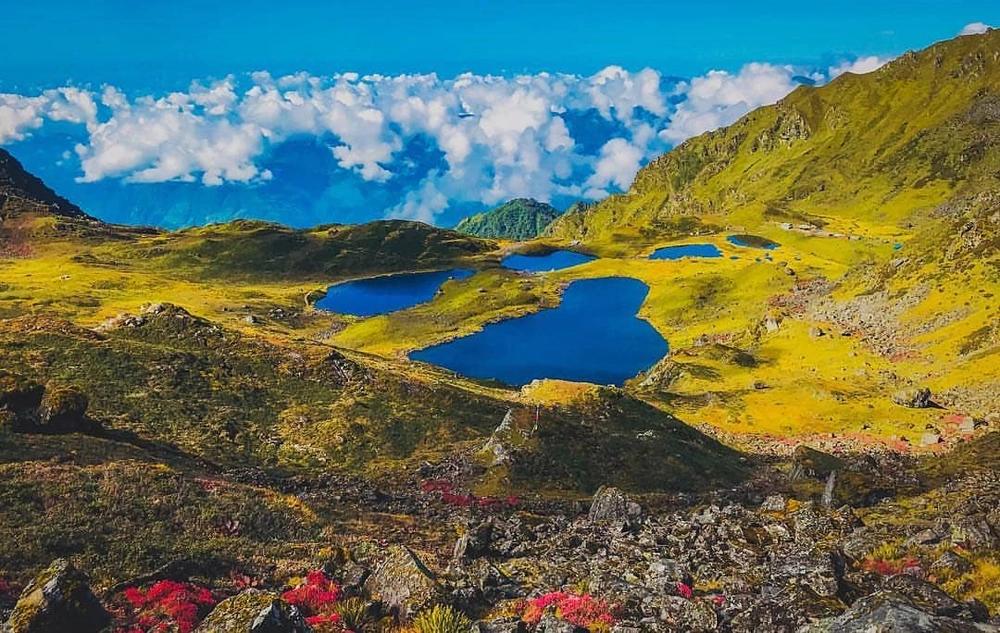
The Panch Pokhari Trek is one of Nepal's most beautiful and spiritually significant short trekking adventures, taking trekkers to the sacred Five Holy Lakes (Panch Pokhari) nestled beneath the majestic Jugal Himal Range at an elevation of approximately 4,100 meters (13,451 feet). Located in the remote Sindhupalchok District, northeast of Kathmandu, this hidden Himalayan destination remains relatively untouched by mass tourism, making it an ideal choice for travelers seeking peaceful trails, authentic local culture, and breathtaking mountain scenery.
The journey combines scenic countryside drives, traditional Tamang and Sherpa villages, dense rhododendron and pine forests, alpine meadows, rugged mountain ridges, and crystal-clear glacial lakes. Along the trail, trekkers enjoy panoramic views of the Jugal Himal, Dorje Lakpa, Gaurishankar, Langtang, Madiya Himal, and several other snow-capped peaks. The changing landscapes—from subtropical forests to high alpine terrain—make every day of the trek unique and rewarding.
Panch Pokhari is not only famous for its outstanding natural beauty but also for its deep religious importance. The five sacred lakes are revered by both Hindus and Buddhists, and every year during the Janai Purnima festival, thousands of pilgrims make the challenging journey to bathe in the holy waters and offer prayers at the lakeside temple dedicated to Lord Shiva. The peaceful surroundings, colorful prayer flags, ancient stone shrines, and pristine alpine environment create a truly spiritual atmosphere unlike any other trekking destination in Nepal.
Although the Panch Pokhari Trek reaches an altitude above 4,000 meters, it remains a relatively short adventure that can be completed within four days, making it perfect for travelers with limited time who still wish to experience Nepal's Himalayan wilderness. With fewer trekkers on the trail, visitors can enjoy quiet mountain landscapes, genuine local hospitality, and an authentic trekking experience far from the crowded routes of the Everest and Annapurna regions.
Best Time for the Panch Pokhari Trek
The Panch Pokhari Trek can be undertaken throughout much of the year, but spring (March to May) and autumn (September to November) are widely regarded as the best seasons due to favorable weather, stable trail conditions, and exceptional mountain visibility.
During spring, the forests burst into vibrant colors as rhododendrons, magnolias, and numerous wildflowers bloom across the hillsides. Daytime temperatures are mild and comfortable for trekking, while the skies are generally clear, providing magnificent views of the surrounding Himalayan peaks. Wildlife becomes more active during this season, making it ideal for nature lovers and photographers.
Autumn is considered the peak trekking season in Nepal. Following the summer monsoon, the atmosphere becomes exceptionally clear, revealing spectacular mountain panoramas and crisp blue skies. Stable weather, dry trails, pleasant daytime temperatures, and cool evenings create excellent trekking conditions. This season also coincides with several major Nepalese festivals, allowing visitors to experience local traditions and celebrations.
The monsoon season (June to August) transforms the landscape into lush greenery, but frequent rainfall makes trails slippery and increases the risk of landslides on access roads. Leeches may also be present in lower forested areas. Trekkers choosing this season should be well prepared with waterproof equipment.
During winter (December to February), the trek becomes considerably colder, especially above 3,500 meters. Snowfall may occur around Laure Bhanjyang and Panch Pokhari, creating breathtaking winter scenery but also making trails more challenging. Proper winter clothing and experience trekking in cold conditions are highly recommended.
Meals During the Trek
Meals on the Panch Pokhari Trek are served in local teahouses and community lodges along the route. Although the menu is simpler than in Nepal's more developed trekking regions, freshly prepared, nutritious, and filling meals are available throughout the journey.
Breakfast usually includes Tibetan bread, chapati, toast, eggs, pancakes, porridge, muesli, tea, or coffee. These energy-rich meals help prepare trekkers for long days on the trail.
Lunch and dinner generally feature traditional Nepali cuisine, with Dal Bhat being the most popular and recommended meal. Dal Bhat consists of steamed rice, lentil soup, seasonal vegetables, pickles, and curry, providing an excellent balance of carbohydrates, protein, and nutrients. Many teahouses also offer fried rice, noodles, vegetable curry, pasta, soups, potatoes, momos, and occasionally simple international dishes.
Freshly prepared meals are always preferable to packaged food at higher elevations. Since supplies are transported by porters, mules, or local carriers, menu options become more limited as altitude increases. Trekkers are encouraged to carry energy bars, chocolates, nuts, or dried fruits for additional energy during long trekking days.
Accommodation
Accommodation during the Panch Pokhari Trek consists mainly of basic local teahouses, mountain lodges, and community homestays. These accommodations provide simple but comfortable shelter after each day's trek and offer an authentic opportunity to experience the hospitality of local mountain communities.
Rooms are generally twin-sharing and furnished with basic beds, mattresses, pillows, and blankets. During colder months, carrying a warm sleeping bag is highly recommended, as nighttime temperatures can fall below freezing at higher elevations. Bathroom facilities are usually shared, and western-style toilets may not be available everywhere.
Electricity is available in some villages but can be limited in remote areas. Charging electronic devices often requires a small additional fee. Wi-Fi access is minimal or unavailable at higher elevations, allowing trekkers to disconnect from daily life and fully immerse themselves in the natural surroundings.
Although accommodations are modest compared to city hotels, the warm hospitality, freshly cooked meals, and peaceful mountain atmosphere create a memorable and enjoyable trekking experience.
Drinking Water
Maintaining proper hydration is essential throughout the Panch Pokhari Trek, particularly as the trail reaches elevations above 4,000 meters. Trekkers should aim to drink at least 3 to 4 liters of water daily to reduce fatigue and lower the risk of altitude sickness.
Drinking water is available at teahouses and villages along the route. However, purchasing bottled water at higher elevations is expensive and contributes to plastic waste. Instead, trekkers are encouraged to carry reusable water bottles or hydration bladders and treat local water using purification tablets, portable water filters, or ultraviolet (UV) sterilization devices.
Boiled drinking water is commonly available at teahouses for a small charge and is generally considered the safest option. Staying well hydrated while avoiding excessive alcohol consumption helps improve acclimatization and overall trekking performance.
Guide and Porter
Hiring a licensed trekking guide greatly enhances both the safety and enjoyment of the Panch Pokhari Trek. Experienced guides are familiar with the trail, weather conditions, local customs, and emergency procedures. They provide valuable information about the region's culture, religion, wildlife, history, and geography while ensuring that trekkers remain on the correct route throughout the journey.
Porters carry heavy luggage, allowing trekkers to hike comfortably with only a lightweight daypack containing water, snacks, extra clothing, and personal essentials. A porter typically carries up to 20 kilograms, shared between two trekkers.
Choosing local guides and porters also supports the rural economy by providing employment opportunities for communities living in the Himalayan region. Professional trekking companies ensure that their staff receive fair wages, insurance coverage, proper equipment, meals, and accommodation during the trek.
Travel Insurance
Comprehensive travel insurance is strongly recommended for anyone planning the Panch Pokhari Trek. Since the trek reaches over 4,000 meters, insurance should specifically cover high-altitude trekking up to at least 4,500 meters.
A suitable insurance policy should include emergency medical treatment, hospitalization, helicopter rescue and evacuation, trip cancellation, trip interruption, baggage loss, and personal accident coverage. Although emergencies are uncommon, the remote location means helicopter evacuation may be the fastest option in the event of serious illness or injury.
Trekkers should carry both printed and digital copies of their insurance documents and ensure that emergency contact numbers are readily accessible before starting the trek.
Permits
Trekkers undertaking the Panch Pokhari Trek are generally required to obtain the necessary permits before beginning their journey. Depending on the trekking route and current local regulations, these may include a local government or rural municipality entry permit and any conservation or protected area permits applicable to the region.
Permit regulations can occasionally change, so trekkers are advised to confirm current requirements through their trekking agency or local authorities before departure. Licensed trekking agencies usually arrange all necessary permits on behalf of their clients, making the process simple and convenient.
Trekkers should always carry their permits and passport while on the trail, as permit checks may occur at various checkpoints.
Acclimatization
Although the Panch Pokhari Trek is relatively short, trekkers ascend from approximately 1,400 meters in Kathmandu to 4,100 meters at Panch Pokhari, making proper acclimatization important. While the itinerary is generally manageable for healthy individuals, everyone responds differently to altitude.
Walking at a steady pace, drinking plenty of water, eating nutritious meals, and avoiding alcohol can significantly reduce the likelihood of altitude sickness. Trekkers should listen to their bodies and immediately inform their guide if they experience symptoms such as headache, dizziness, nausea, unusual fatigue, or difficulty sleeping.
Professional guides regularly monitor trekkers for signs of Acute Mountain Sickness (AMS) and can make informed decisions regarding rest, descent, or emergency evacuation if necessary. A pulse oximeter is often carried to monitor oxygen saturation levels during the trek.
Safety and Security
The Panch Pokhari Trek is considered a safe trekking destination when undertaken with proper planning and preparation. Nepal is renowned for its welcoming hospitality, and local communities along the trail are friendly and supportive of trekkers.
Hiring a licensed guide significantly improves safety by providing assistance with navigation, weather monitoring, communication, and emergency response. Trekkers should always follow their guide's advice, remain on designated trails, and avoid trekking alone in remote sections.
Weather conditions in the Himalayas can change rapidly, especially at higher elevations. Carrying appropriate clothing, rain gear, warm layers, a first aid kit, and emergency supplies helps ensure a safe and comfortable trekking experience. It is also advisable to keep valuables secure, carry copies of important documents, and inform family or friends of your travel plans before departure.
Physical Fitness and Requirements
The Panch Pokhari Trek is suitable for individuals with moderate to good physical fitness. Although no technical climbing or mountaineering experience is required, trekkers should be capable of walking 6 to 10 hours per day on steep, uneven mountain trails while carrying a light daypack.
Regular cardiovascular exercise, such as walking, jogging, cycling, swimming, or hiking, is recommended for several weeks before the trek. Strengthening the legs and improving overall endurance will make the journey more enjoyable and reduce fatigue during long ascents.
Beginners can successfully complete the Panch Pokhari Trek with adequate preparation, determination, and a comfortable walking pace. Maintaining good hydration, eating balanced meals, getting sufficient rest, and following the guide's instructions are essential for a safe and rewarding trekking experience. The combination of physical challenge, breathtaking Himalayan scenery, rich cultural encounters, and the spiritual significance of the sacred lakes makes the Panch Pokhari Trek an unforgettable adventure for trekkers of all experience levels.