Destination
Nepal
Duration
8 Days
Best Weather
March, April, May, September, October & November
Max Altitude
1400m
Accommodation
Hotel
Meals
Breakfast, Lunch, Dinner
Transportation
Private vehicle / Flights
Group
Min 1 pax
Difficulty
Easy
Activities
Sightseeing
Overview
Experience the spiritual essence of Nepal with the 8-day Nepal Pilgrimage Temple Tour organized by Alpine Club of Himalaya. This tour takes you to some of the most revered Hindu pilgrimage sites in the country, including Pashupatinath, Dakshinkali, Manakamana, Bindhyabasini, Tal Barahi, and Muktinath. Nepal, being a Hindu-majority nation, is home to temples and sacred shrines in every corner, each holding unique legends and cultural significance. This journey offers a rare opportunity to explore these spiritual landmarks while witnessing Nepal’s diverse culture and traditions.
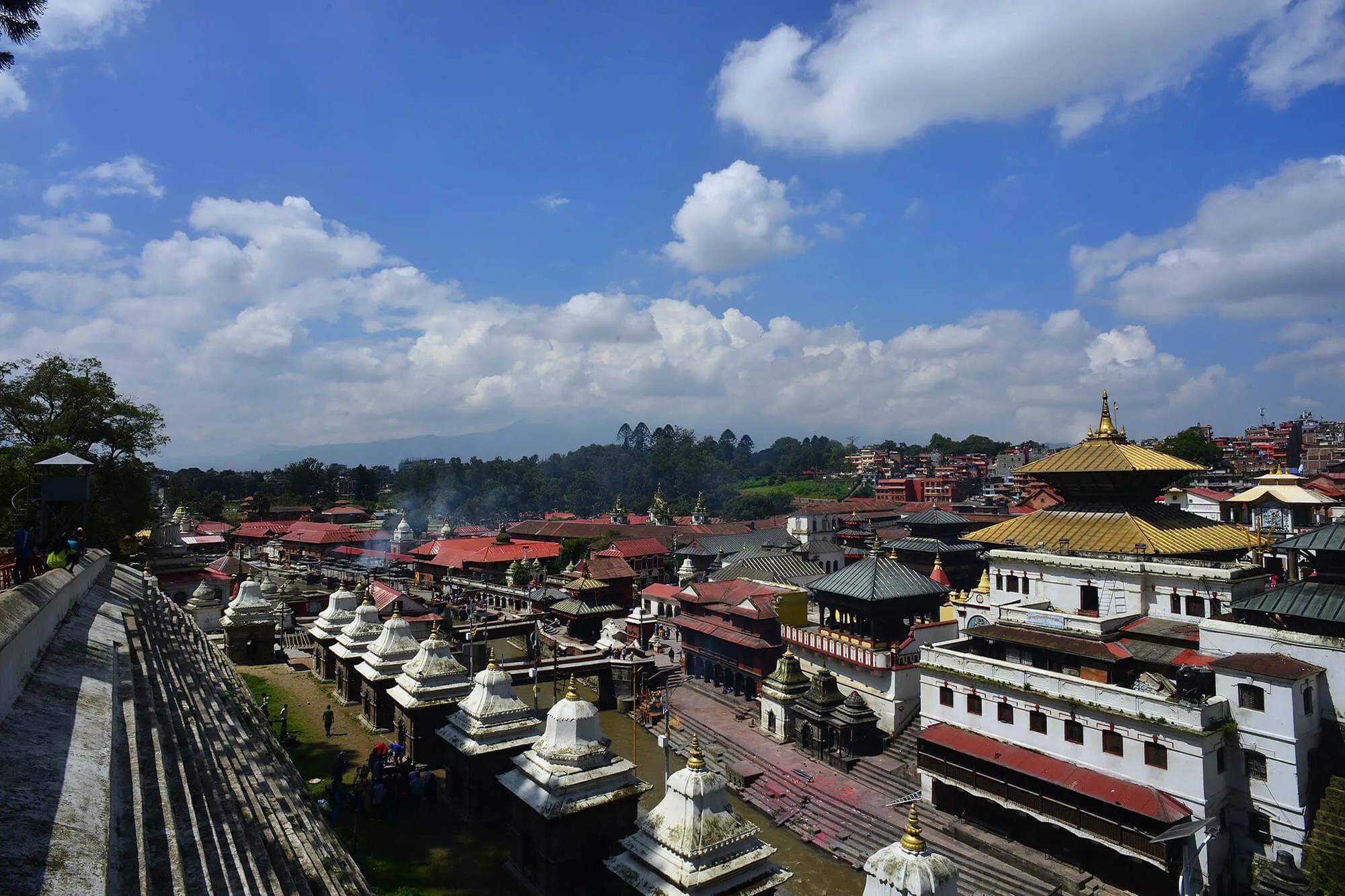
The tour begins in Kathmandu with a visit to the Pashupatinath Temple, one of the most important Hindu temples in Nepal. Located on the banks of the holy Bagmati River, the temple is regarded as a powerful center of Hindu spirituality. Its pagoda-style architecture, gold-plated roof, intricately carved wooden doors, and beautiful motifs make it an architectural masterpiece. Although non-Hindus cannot enter the main sanctum, the temple and its surroundings can be admired from across the river, providing an insight into its spiritual significance.
Next, you will visit the Dakshinkali Temple on the southern outskirts of the valley. Known as a powerful Shakti Peeth, the temple is dedicated to Goddess Kali and is an important pilgrimage site for Hindus. The temple is situated in a forested rocky cleft at the confluence of two sacred streams, where devotees come to offer prayers and traditional sacrifices.
The journey continues with a visit to Manakamana Temple on the way to Pokhara. A short cable car ride takes you to the hilltop temple, which is believed to fulfill the wishes of those who visit. The temple also offers spectacular views of the Trishuli and Marshyangdi river valleys, along with the majestic Annapurna, Manaslu, and Himchuli mountain ranges. After exploring Manakamana, the tour proceeds to Pokhara, the city of lakes.
In Pokhara, the Bindhyabasini Temple, dedicated to Goddess Durga, is a significant cultural and religious site established in the 17th century. The temple complex reflects rich Newari architecture and is a popular pilgrimage and cultural destination. From there, a short boat ride on Phewa Lake takes you to Tal Barahi Temple, a small island shrine dedicated to Lord Vishnu. Built in the 18th century, this temple is one of Pokhara’s oldest and most revered spiritual sites.
The spiritual journey reaches the Himalayas with a scenic flight to Jomsom, followed by a visit to Muktinath Temple, one of the highest Hindu temples in the world at 3,800 meters above sea level. Pilgrims from across the globe visit Muktinath to take holy baths beneath the 108 sacred water spouts and in the natural spring at Jwala Mai Temple, believed to purify the soul and bring spiritual liberation. The main pagoda-style shrine is dedicated to Lord Vishnu, making it a sacred site for both Hindus and Buddhists. After exploring Muktinath, the tour returns to Jomsom for a flight back to Pokhara and finally to Kathmandu.
This Nepal Pilgrimage Temple Tour with Alpine Club of Himalaya is a perfect journey for those seeking spiritual enrichment, cultural experiences, and breathtaking landscapes. Explore ancient temples, witness traditional rituals, and experience the sacred side of Nepal on this unforgettable 8-day pilgrimage.
Best Time to Visit
For the Nepal Pilgrimage Temple Tour, the best time to visit is:
- Autumn (September to November): This is the most popular time to visit Nepal. The weather is clear, temperatures are moderate, and skies are perfect for views of the Himalayas. Festivals like Dashain and Tihar also add a cultural and spiritual experience.
- Spring (March to May): This season offers pleasant temperatures and blooming rhododendrons in the hills. The skies are generally clear, making it ideal for sightseeing and temple visits.
- Winter (December to February): Although colder, winter is suitable for this tour as the pilgrimage sites in Kathmandu, Pokhara, and Jomsom remain accessible. Muktinath can be chilly, so warm clothing is necessary.
- Monsoon (June to August): This season is not recommended due to heavy rainfall, landslides, and limited visibility. Pilgrimage and travel can be disrupted during this time.
The most recommended months are September to November and March to May for a combination of pleasant weather, clear skies, and vibrant cultural experiences.
Weather and Environment
Nepal experiences diverse weather patterns due to its unique geography, ranging from lowland plains to the high Himalayan peaks. For the Nepal Pilgrimage Temple Tour, the climate varies depending on the region and altitude:
- Kathmandu Valley: Moderate temperatures make it ideal for sightseeing. Daytime temperatures range between 20–25°C in autumn and spring, with clear skies perfect for temple visits. Winters can be cooler, especially in the mornings and evenings.
- Pokhara: Known as the “City of Lakes,” Pokhara enjoys mild and pleasant weather throughout autumn and spring. Temperatures vary from 18–25°C, ideal for lakeside strolls and temple visits. Summer and monsoon months (June–August) bring heavy rainfall, which can sometimes disrupt travel.
- Jomsom and Muktinath: These high-altitude areas are colder and drier. Mornings and evenings are chilly, even in spring and autumn, with temperatures often near freezing at 3,800 meters. The air is thin, and the landscape is arid, offering a stark contrast to the lush greenery of Pokhara. Warm layers, sunscreen, and sturdy footwear are essential.
The best months to visit are September–November and March–May, when the skies are clear, temperatures are moderate, and the Himalayas are at their most spectacular. Pilgrims and tourists can enjoy spiritual exploration without weather-related disruptions.
Ethics You Should Follow
Visiting sacred temples and pilgrimage sites in Nepal requires respect for local customs, religious practices, and the environment. Observing ethical behavior ensures a meaningful and safe experience:
· Respect Religious Customs: Remove shoes before entering temple premises and dress modestly, covering shoulders and knees. Photography may be restricted inside certain sanctums, so always seek permission.
· Follow Ritual Guidelines: Observe and respect rituals and ceremonies, whether it is a prayer, offering, or sacred bathing. Avoid interrupting or disturbing devotees during their worship.
· Avoid Littering: Keep temple areas and natural surroundings clean. Carry your trash back to your hotel or designated disposal areas.
· Respect Locals and Monks: Engage politely with priests, monks, and local devotees. Learn about local traditions and avoid behaviors considered disrespectful, such as loud talking or touching sacred objects without permission.
· Environmental Awareness: High-altitude regions like Muktinath are ecologically sensitive. Avoid disturbing wildlife, plants, and fragile landscapes. Use minimal plastic, conserve water, and practice responsible tourism.
· Health and Safety Ethics: When taking holy dips or performing rituals at sacred sites, follow safety instructions provided by temple authorities or your guide. Altitude awareness is important in high mountain areas like Muktinath.
By following these ethical guidelines, travelers not only honor the spiritual significance of the sites but also contribute to preserving Nepal’s cultural and environmental heritage for future generations.
Accommodation
During the Nepal Pilgrimage Temple Tour, accommodations are carefully selected to provide comfort while reflecting local culture.
· Kathmandu: Stay in well-appointed hotels located near Thamel and central Kathmandu, offering modern amenities and easy access to major temples, markets, and cultural sites. These hotels provide a comfortable base for sightseeing and orientation sessions before the pilgrimage begins.
· Pokhara: Hotels in Pokhara are situated near Phewa Lake, allowing guests to enjoy serene lakeside views and easy access to Bindhyabasini and Tal Barahi Temples. The hotels offer cozy rooms, warm hospitality, and modern facilities, making your stay peaceful after a day of exploration.
· Jomsom: Guesthouses in Jomsom provide a traditional experience while ensuring comfort at high altitudes. These accommodations are close to the airport and the road to Muktinath, making early departures convenient. Basic amenities, clean rooms, and local hospitality ensure a restful stay after visiting high-altitude pilgrimage sites.
All accommodations selected by Alpine Club of Himalaya prioritize hygiene, comfort, and proximity to key pilgrimage sites to enhance your spiritual journey.
Meals
Meals during the tour are designed to balance local flavor with nutritional needs for a comfortable journey:
· Breakfast: Provided every day at hotels or guesthouses, including a mix of continental and traditional Nepali options to start your day energized.
· Lunch and Dinner: On days with long travel or high-altitude visits (such as Muktinath), meals include wholesome Nepali dishes along with familiar international options. Special emphasis is placed on fresh, locally sourced ingredients to provide authentic culinary experiences.
· Special Meals: Welcome and farewell dinners are included in Kathmandu, allowing travelers to savor traditional Nepali cuisine in a cultural setting, offering a deeper connection to the region’s culinary heritage.
Alpine Club of Himalaya ensures meals are prepared hygienically while allowing you to experience Nepal’s rich culinary traditions.
Drinking Water
Clean drinking water is provided throughout the Nepal Pilgrimage Temple Tour to ensure your health and safety:
· Bottled mineral water is supplied at hotels, guesthouses, and during travel between sites.
· Guides advise using purified or boiled water when visiting remote areas, particularly in high-altitude regions like Jomsom and Muktinath.
· Travelers are encouraged to carry reusable water bottles, which can be refilled at safe drinking points, promoting both health and environmentally responsible practices.
Safe and accessible drinking water is a priority to ensure that pilgrims remain hydrated, especially during high-altitude visits and long drives between Kathmandu, Pokhara, and Jomsom.
Transportation
During the Nepal Pilgrimage Temple Tour, Alpine Club of Himalaya ensures safe, comfortable, and reliable transportation to all pilgrimage sites and cities.
- Airport Transfers: Pick-up and drop-off services are provided at Kathmandu Tribhuvan International Airport by professional drivers. Travelers are escorted directly to their hotels, ensuring a smooth start and end to the journey.
- Private Vehicle Transfers: All intercity travel, including journeys between Kathmandu, Pokhara, and local temple sites, is conducted in private, air-conditioned vehicles. Experienced drivers navigate Nepal’s scenic highways and hilly terrains, offering comfort, safety, and flexibility for sightseeing stops.
- Domestic Flights: Flights from Pokhara to Jomsom and back provide a unique aerial experience of Nepal’s Himalayan landscapes. Alpine Club of Himalaya assists with all bookings and ensures timely coordination to maintain the tour schedule.
- Local Transfers: Short transfers, including boat rides to Tal Barahi Temple and drives to hilltop shrines like Manakamana, are arranged to provide convenience and accessibility.
Transportation is organized to maximize comfort and safety, allowing travelers to focus on spiritual exploration and sightseeing without logistical concerns.
Tour Guide
A knowledgeable, experienced tour guide from Alpine Club of Himalaya accompanies you throughout the journey to enrich your pilgrimage experience:
· Cultural Insights: Guides provide detailed explanations about the history, legends, and rituals of each temple, including Pashupatinath, Dakshinkali, Manakamana, Bindhyabasini, Tal Barahi, and Muktinath.
· Local Knowledge: Learn about Nepalese traditions, festivals, local customs, and the significance of sacred architecture. Guides help you interact respectfully with local devotees and priests.
· Practical Assistance: Guides assist with itinerary management, domestic flights, permits, and high-altitude adjustments. They also provide safety instructions and health tips for visiting areas like Jomsom and Muktinath.
· Language Support: The tour guide ensures clear communication with locals, temple authorities, and service providers, enhancing your cultural and spiritual immersion.
With expert guidance, travelers gain a deeper understanding of Nepalese religious and cultural heritage, making the pilgrimage not just a journey, but an educational and spiritual experience.
Entrance and Permit Fees
All necessary entrance fees and permits are included in the tour, ensuring a hassle-free experience:
· Temple Entrance Fees: Access to sacred sites such as Pashupatinath, Bindhyabasini, and Tal Barahi is arranged, with appropriate guidance on photography restrictions and temple etiquette.
· Manakamana Cable Car Tickets: The round-trip cable car fare to Manakamana Temple is included, offering convenient and scenic access to this hilltop pilgrimage site.
· Muktinath Temple Entry and High-Altitude Permit: Visiting Muktinath requires permission to enter the Mustang region. Alpine Club of Himalaya handles all permits, ensuring travelers comply with local regulations while exploring this high-altitude spiritual landmark.
· Other Local Permits: Any additional entry permits required for protected areas, river crossings, or special sites en route are arranged in advance.
By covering all entrance and permit fees, Alpine Club of Himalaya provides a smooth and organized pilgrimage experience without unexpected costs or delays.
Photography Allowance and Restrictions
Nepal offers countless opportunities for photography, from ancient temples to Himalayan landscapes and cultural rituals. During the Nepal Pilgrimage Temple Tour, understanding local rules and etiquette ensures a respectful and enjoyable experience:
- Temple Photography: While photography is allowed in most temple courtyards and exteriors, some sacred areas, including the main sanctums of Pashupatinath and certain parts of Dakshinkali and Manakamana Temples, are restricted to non-Hindus. Always respect signs and instructions from temple authorities.
- Ceremonies and Rituals: Devotees engaged in worship, rituals, or sacrifices should not be photographed without permission. Respecting privacy and cultural practices is essential.
- Cultural Photography: In villages, local markets, and lakeside areas such as Phewa Lake in Pokhara, photography is generally welcome. However, asking for consent when photographing individuals is courteous and appreciated.
- High-Altitude Photography: In Jomsom and Muktinath, the dramatic landscapes provide stunning photography opportunities. Ensure that cameras and equipment are securely carried, especially on high-altitude trails and flights.
- Use of Drones: Drone usage may be restricted in heritage sites, temples, and certain high-altitude areas. Always check with local authorities or your guide before using a drone.
By following these guidelines, travelers can capture memorable images while respecting local customs, religious sanctity, and cultural sensitivities.
Safety and Security in Nepal
Nepal is generally a safe country for travelers, and Alpine Club of Himalaya prioritizes your security and well-being throughout the pilgrimage tour:
· Political and Social Safety: Nepal is politically stable, and tourist areas such as Kathmandu, Pokhara, and Jomsom are well-monitored. Travelers are advised to follow local news updates and respect cultural norms.
· Health and Hygiene: Drinking bottled or purified water is recommended. Travelers should carry basic medical kits and altitude sickness medication if visiting high-altitude sites like Muktinath.
· High-Altitude Precautions: Muktinath is at 3,800 meters, where altitude-related issues such as shortness of breath or mild headaches may occur. Guides from Alpine Club of Himalaya provide tips for gradual acclimatization and monitoring of symptoms.
· Travel Security: All transfers, flights, and local transportation are conducted with licensed drivers and vehicles. Your tour guide ensures safe navigation and emergency support if required.
· Personal Belongings: While Nepal is generally safe, it is advisable to keep valuables secure, avoid displaying expensive items publicly, and follow guide instructions regarding safe storage.
· Emergency Assistance: Alpine Club of Himalaya provides 24/7 support during the tour, including contacts for medical facilities, embassies, and local authorities, ensuring quick response in case of emergencies.
By observing basic precautions and following the guidance of your tour guide, travelers can enjoy a secure, worry-free pilgrimage experience across Nepal’s sacred and cultural landmarks.
Travel Insurance
Travel insurance is highly recommended for anyone undertaking the Nepal Pilgrimage Temple Tour. The journey includes visits to high-altitude regions such as Muktinath, flights in mountainous terrain, and long road transfers, where unforeseen events can occur. A comprehensive travel insurance policy should cover medical emergencies, evacuation, trip cancellations, lost or stolen belongings, and high-altitude trekking or temple visits. Alpine Club of Himalaya strongly advises travelers to secure insurance before the trip to ensure safety, peace of mind, and uninterrupted participation in all pilgrimage activities. Having travel insurance allows you to focus on the spiritual and cultural experiences without worrying about unexpected incidents.
Passport and Visa
All international travelers visiting Nepal must hold a valid passport with at least six months’ validity from the date of entry. Citizens of most countries require a visa to enter Nepal, which can be obtained in advance from a Nepalese embassy or consulate or on arrival at Tribhuvan International Airport in Kathmandu. Tourist visas are generally issued for 15, 30, or 90 days. It is important to carry passport-sized photographs and the necessary fees for visa processing. Travelers are advised to check the latest visa requirements before departure, as regulations can change. Alpine Club of Himalaya can provide guidance on visa application procedures to ensure a smooth entry process, allowing you to begin your pilgrimage journey without any administrative concerns.
Last Minute Booking
Alpine Club of Himalaya understands that sometimes travel plans are made on short notice. Last-minute bookings for the Nepal Pilgrimage Temple Tour are welcome, subject to availability of flights, accommodations, and temple entry schedules. Early confirmation is recommended to secure the preferred hotels and domestic flights, especially during peak pilgrimage and tourist seasons such as autumn (September–November) and spring (March–May). Travelers making last-minute arrangements are encouraged to contact Alpine Club of Himalaya directly for real-time assistance, ensuring that all logistical aspects, including transportation, permits, and guided services, are efficiently organized for a smooth and stress-free journey.
Online Briefing
To help travelers prepare for the Nepal Pilgrimage Temple Tour, Alpine Club of Himalaya offers a comprehensive online briefing before departure. This session covers the complete itinerary, cultural insights, weather conditions, packing tips, and high-altitude precautions. Travelers also receive guidance on temple etiquette, photography rules, safety measures, and travel documentation requirements. The online briefing allows participants to ask questions, clarify doubts, and familiarize themselves with the tour’s spiritual, cultural, and logistical aspects. By attending this session, travelers are better equipped to enjoy a safe, comfortable, and meaningful pilgrimage experience in Nepal.
Group and Private Bookings
Alpine Club of Himalaya offers flexible booking options for travelers, whether you prefer a private pilgrimage experience or wish to join a group. These options are designed to cater to different needs, budgets, and travel styles, ensuring that every traveler enjoys a comfortable and personalized journey while exploring Nepal’s sacred temples.
Group Bookings:
· Ideal for friends, families, or community groups seeking a shared spiritual experience.
· Cost-effective, with shared transportation, guides, and accommodations.
· Provides opportunities to connect with fellow pilgrims and participate in group activities.
· Group departures are scheduled periodically throughout the year, especially during peak pilgrimage seasons.
Private Bookings:
· Perfect for travelers seeking personalized itineraries, pace, and attention.
· Flexible schedule, allowing extra time at temples, scenic stops, or local cultural experiences.
· Tailored services including private vehicles, guides, and exclusive arrangements for accommodations and meals.
· Offers a more intimate and peaceful pilgrimage experience, ideal for reflection and spiritual focus.
Whether you choose a group tour or a private journey, Alpine Club of Himalaya ensures all bookings are managed efficiently, with attention to comfort, convenience, and safety. Both options include guided tours, domestic flights, temple permits, and comprehensive support from experienced staff, making your Nepal Pilgrimage Temple Tour smooth, organized, and memorable.
Why Choose This Tour with Alpine Club of Himalaya?
Choosing the Nepal Pilgrimage Temple Tour with Alpine Club of Himalaya ensures a smooth, culturally enriching, and spiritually fulfilling journey. Here are the key reasons why this tour stands out:
- Expert Guidance: Knowledgeable tour guides provide in-depth explanations of temple histories, legends, and rituals, offering travelers a deeper understanding of Nepal’s rich Hindu heritage.
- Safe and Comfortable Transportation: All transfers, including intercity drives, domestic flights, and local transportation to temples, are carefully arranged for safety and convenience.
- Carefully Selected Accommodations: Hotels and guesthouses are chosen to provide comfort, cleanliness, and proximity to major pilgrimage sites.
- Complete Logistics Management: The company handles all arrangements, including domestic flights, temple permits, entrance fees, and high-altitude travel support, allowing travelers to focus fully on their spiritual journey.
- Responsible and Respectful Tourism: Alpine Club of Himalaya emphasizes ethical travel practices, ensuring respect for local traditions, cultural heritage, and environmental conservation.
- Personalized Services: From last-minute bookings to online briefings and attentive customer support, the tour caters to both group and private travelers, making it flexible and hassle-free.
- Authentic Cultural and Spiritual Experience: The tour combines temple visits, local interactions, scenic landscapes, and cultural immersion, offering a holistic pilgrimage experience across Nepal.
Choosing this tour guarantees a safe, organized, and unforgettable spiritual journey with the expertise and support of Alpine Club of Himalaya, making it the ideal choice for anyone seeking to explore Nepal’s sacred temples and cultural heritage.
Important Note
At Alpine Club of Himalaya Pvt. Ltd, the safety, comfort, and well-being of our travelers are always our top priorities. For the Nepal Pilgrimage Temple Tour – 8 Days, we reserve the right to modify, postpone, or cancel any part of the itinerary if circumstances require. Changes may be necessary due to adverse weather conditions, road closures, health or safety concerns, natural disasters, or other unforeseen events that may arise during travel within Nepal.
Travelers are expected to follow the guidance and instructions of the designated tour leader and local guides provided by Alpine Club of Himalaya Pvt. Ltd. These measures are implemented to ensure your safety and to make the journey as smooth and enjoyable as possible. While every effort is made to adhere to the planned itinerary, the security, well-being, and comfort of participants take precedence.
This flexible approach allows travelers to fully experience the cultural, spiritual, and natural wonders of Nepal, including sacred temples, vibrant local traditions, and stunning Himalayan landscapes, without compromising safety or comfort during the 8-day pilgrimage journey.
Final Notes
Before starting the Nepal Pilgrimage Temple Tour – 8 Days, travelers should be prepared for a spiritually and culturally enriching journey across some of Nepal’s most sacred Hindu pilgrimage sites. This tour is suitable for travelers of all ages with a basic level of fitness, as the itinerary involves moderate walking during temple visits, city sightseeing in Kathmandu and Pokhara, short climbs to hilltop temples like Manakamana, and high-altitude visits to Muktinath. Guests should also be ready for varying weather conditions—from the warm, temperate climates of Kathmandu and Pokhara to the cooler, crisp conditions of Jomsom and Muktinath at high altitudes.
The tour highlights Nepal’s most significant Hindu temples and sacred sites. Explore Pashupatinath Temple, a UNESCO World Heritage Site and one of the holiest shrines dedicated to Lord Shiva. Visit Dakshinkali Temple, a powerful Shakti Peeth devoted to Goddess Kali, and Manakamana Temple, known for its wish-fulfilling powers and stunning hilltop views. In Pokhara, experience the spiritual significance of Bindhyabasini Temple and the serene Tal Barahi Temple on Phewa Lake. Journey to Muktinath, one of the highest temples in the world, where pilgrims perform sacred rituals at holy water spouts and visit the eternal flame at Jwala Mai Temple.
To ensure a seamless and comfortable pilgrimage, Alpine Club of Himalaya Pvt. Ltd arranges all logistics, including private transportation, guided temple tours, entrance fees, domestic flights, high-altitude jeep transfers, and 3-star accommodations with meals as per the itinerary. Experienced English-speaking guides provide insights into the religious, cultural, and historical significance of each site, enhancing the spiritual experience for all travelers. Guests are requested to follow the guidance of their tour leader and local guides to maintain safety, respect cultural norms, and enjoy a smooth and fulfilling journey.
Proper packing is essential for this tour. Travelers should bring light, breathable clothing for daytime sightseeing, modest attire for temple visits (covering shoulders and knees), warm layers for high-altitude visits like Muktinath, and essentials such as sunscreen, sunglasses, hats, insect repellent, and personal medication. Photography is encouraged, but visitors should respect temple restrictions and sacred rituals. With these preparations, travelers can fully immerse themselves in Nepal’s religious heritage, spiritual rituals, and breathtaking landscapes without concern for logistics.
Cancellation Policy
Cancellation by Participant:
- 60+ days before departure: 20% of the total tour cost will be retained.
- 30–59 days before departure: 50% of the total tour cost will be charged.
- Less than 30 days before departure: 100% of the total tour cost will be charged.
Cancellation by Organizer:
In rare cases where Alpine Club of Himalaya Pvt. Ltd must cancel the tour due to unavoidable circumstances such as extreme weather, natural disasters, political instability, or safety concerns:
- Participants will receive a full refund, or
- Be offered the option to reschedule the tour at no additional cost.
Force Majeure
Alpine Club of Himalaya Pvt. Ltd will not be held responsible for delays, cancellations, or additional expenses caused by events beyond our control, including natural disasters, strikes, political unrest, or transportation disruptions. Any personal costs incurred due to such events—including accommodation, meals, transportation, or insurance claims—remain the responsibility of the participant.
Travel Insurance Recommendation
We strongly advise all travelers to purchase comprehensive travel insurance before the Nepal Pilgrimage Temple Tour. Insurance should cover medical emergencies, trip cancellations, accidents, loss of personal belongings, and other unforeseen events. Travel insurance ensures peace of mind and protection throughout the journey, allowing participants to focus entirely on their spiritual pilgrimage and cultural experiences across Nepal.
Detail Itineraries
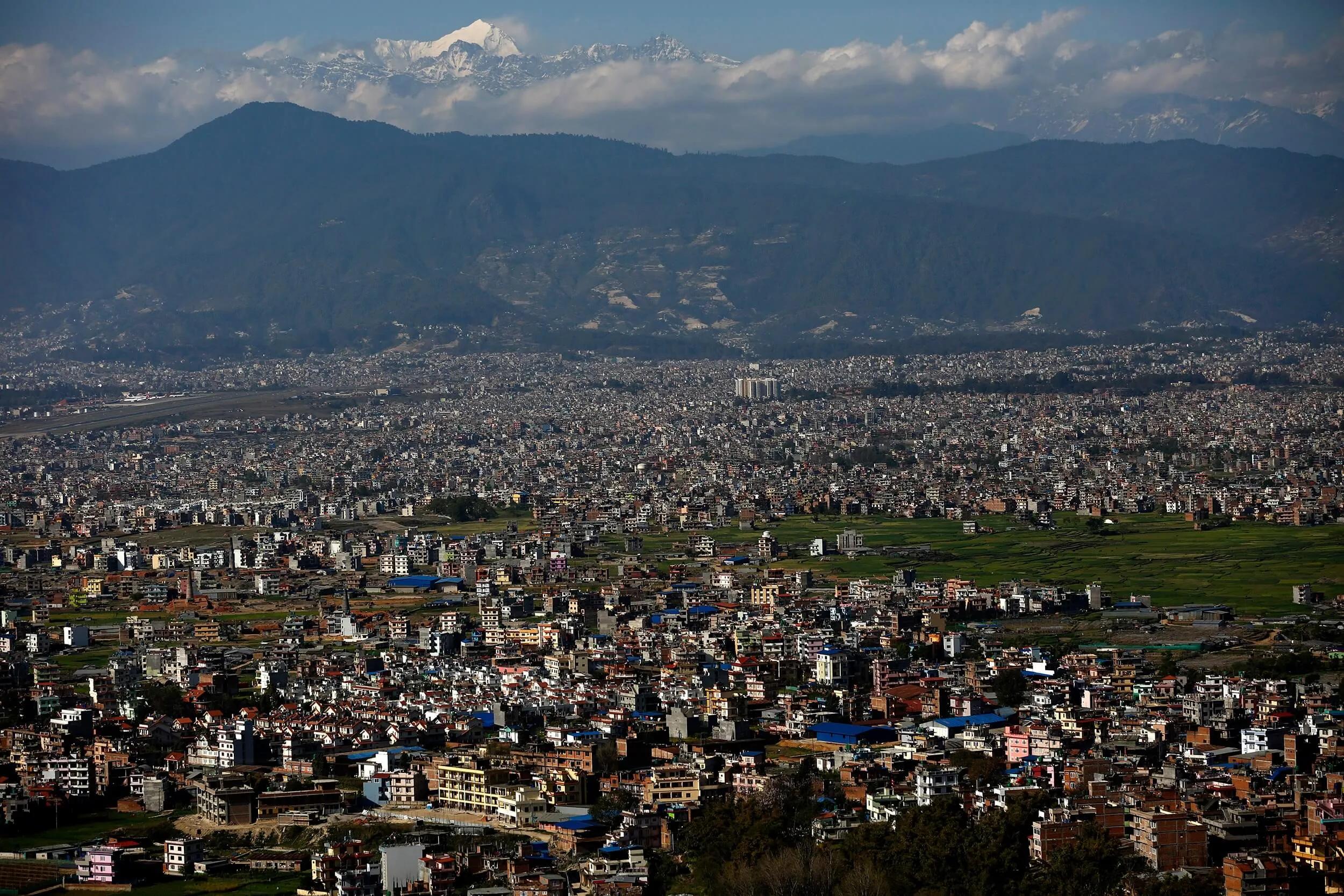
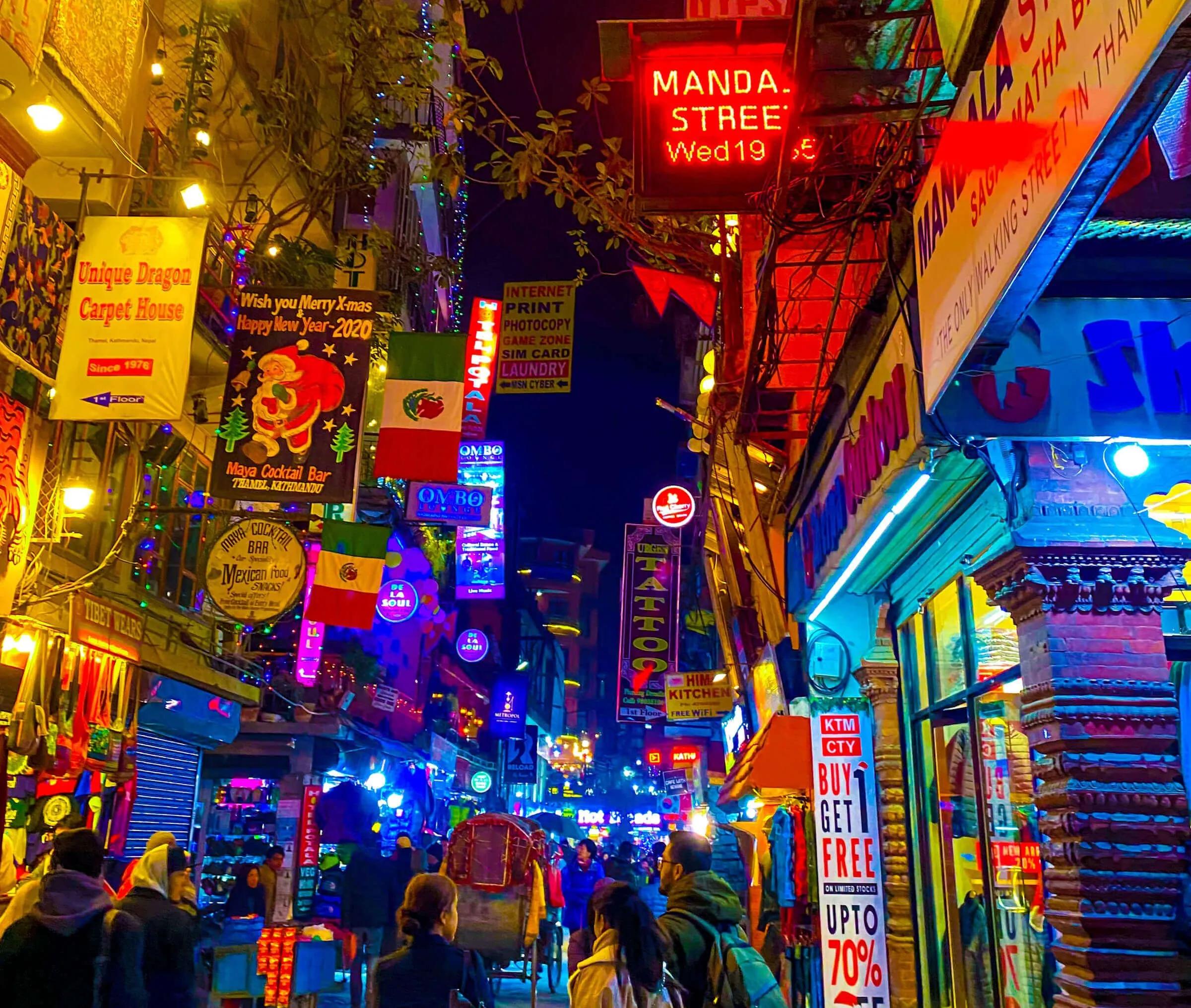
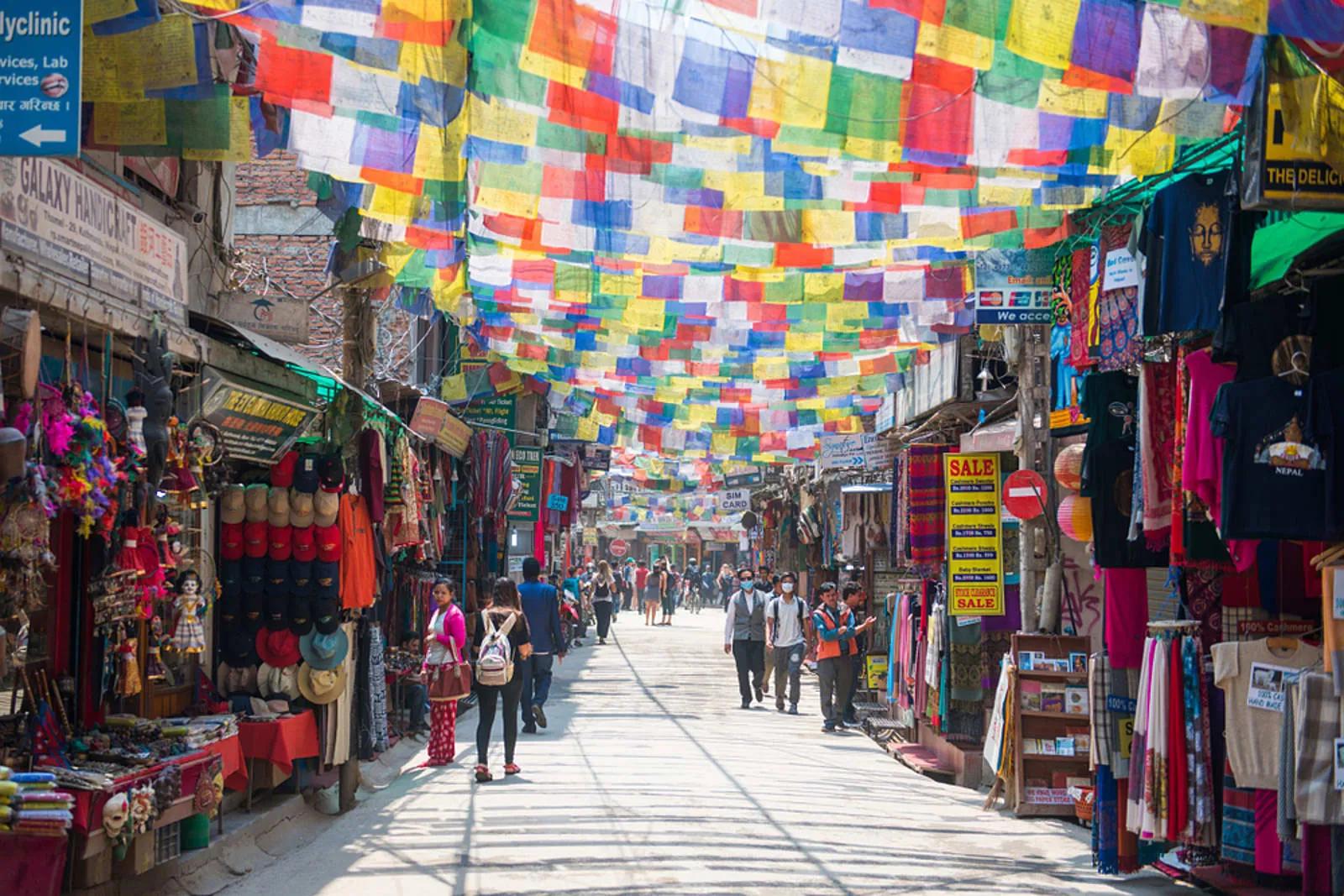
Upon arrival at Kathmandu Tribhuvan International Airport, you will be warmly welcomed by a representative from Alpine Club of Himalaya, who will escort you to your hotel. After check-in, you have the opportunity to explore the vibrant city of Kathmandu. A stroll through Thamel, the main tourist hub of the city, offers a glimpse of local culture, handicrafts, shops, cafes, and traditional Nepali architecture. In the late afternoon, join a brief orientation session conducted by the Alpine Club of Himalaya team, where you will receive detailed guidance about the temple tour, cultural insights, and travel tips. The day concludes with a special welcome dinner where you can savor traditional Nepali cuisine while mingling with fellow travelers. This first day helps set the tone for a journey rich in spirituality, history, and culture.
Accommodation
Hotel
Meals
Welcome Dinner
Trip Highlight
- Explore six major Hindu pilgrimage sites in Nepal, including Pashupatinath, Dakshinkali, Manakamana, Bindhyabasini, Tal Barahi, and Muktinath.
- Begin the journey in Kathmandu with a visit to Pashupatinath Temple, a key center of Hindu spirituality on the banks of the Bagmati River.
- Visit Dakshinkali Temple, a sacred Shakti Peeth dedicated to Goddess Kali, known for traditional rituals and offerings.
- Travel to Manakamana Temple en route to Pokhara and enjoy a cable car ride to the hilltop shrine believed to fulfill devotees’ wishes.
- Explore Bindhyabasini Temple in Pokhara, dedicated to Goddess Durga, showcasing rich culture and Newari architecture.
- Take a short boat ride to Tal Barahi Temple, a lakeside shrine on Phewa Lake dedicated to Lord Vishnu.
- Fly to Jomsom and visit Muktinath Temple, one of the highest Hindu temples in the world at 3,800 meters, including the sacred water spouts and Jwala Mai eternal flame.
- Experience the spiritual and cultural richness of Nepal, including traditional rituals, architecture, and Himalayan landscapes.
- Organized by Alpine Club of Himalaya, ensuring a well-planned pilgrimage journey with comfort and convenience.
Cost Include and Exclude
All airport and hotel pick-up and drop-off in private car or van.
3 nights’ accommodation in Kathmandu in 3-star hotels, twin-sharing basis, including breakfast.
3 nights’ accommodation in Pokhara in 3-star hotels, twin-sharing basis, including breakfast.
Kathmandu and Pokhara city tours, including entrance fees, professional guide, and private vehicle.
An experienced English-speaking trekking guide for Muktinath.
Salary, food, insurance, and lodging costs for guides and porters.
All meals during the trek: breakfast, lunch, dinner, and tea/coffee.
Welcome and farewell meals, and breakfasts in Kathmandu.
National Park Permit and TIMS (Trekkers’ Information Management System) for Annapurna region.
Pokhara to Jomsom and return by domestic flight.
Jomsom to Muktinath and return by jeep.
1-night accommodation in Jomsom in 3-star hotels, twin-sharing basis.
Kathmandu to Pokhara transfer by private car.
Manakamana Cable Car ticket for the round-trip visit.
Pokhara to Kathmandu transfer by domestic flight.
ACH Kitbag and T-shirt for each participant.
Tour guide services in Kathmandu, Pokhara, and Muktinath.
Professional drivers, including their salary, meals, and accommodation.
1 Ncell SIM card for the group, including a 20 GB data pack.
Equipment and Packaging List
Packing and Gear List
Clothing:
· Light, comfortable clothes for daytime sightseeing and temple visits.
· Modest clothing that covers shoulders and knees, required for entering temples.
· Warm layers for early mornings, evenings, and high-altitude visits to Muktinath.
· Waterproof jacket or windbreaker in case of rain or cold winds.
· Comfortable walking shoes or sandals for city and temple walks.
· Socks, undergarments, and sleepwear suitable for hotel stays.
· Hat, cap, or scarf to protect from sun or dust.
Trekking and High-Altitude Gear:
· Warm fleece or insulated jacket for high-altitude visits.
· Gloves and warm hat for Muktinath and Jomsom areas.
· Sturdy trekking shoes with good grip for uneven temple approaches or hilly paths.
· Lightweight daypack for carrying water, snacks, and personal items.
· Trekking poles (optional but helpful for high-altitude walks).
Personal Items and Essentials:
· Personal toiletries, including soap, shampoo, toothbrush, and toothpaste.
· Sunscreen, lip balm, and hand sanitizer.
· Sunglasses with UV protection.
· Personal medications and a small first-aid kit.
· Reusable water bottle.
· Camera or smartphone for capturing landscapes and cultural moments.
· Travel documents: passport, visa, travel insurance, and tour-related confirmations.
Optional Items:
· Binoculars for scenic views of the Himalayas.
· Notebook or journal for documenting spiritual experiences.
· Power bank for charging devices during long travel days.
· Light snacks for long drives or flights.
Provided by Alpine Club of Himalaya:
· ACH Kitbag for personal belongings.
· ACH T-shirt for participants.
· Ncell SIM card (with 20 GB data pack) for group use.
FAQ (Frequently Asked Question)
Related Trips
24/7 Support
Need help? we're at your service
Associated With



We Accept Cards

Office of the company registrar License: 66813/066/067 || Tourism Industry Division License:1142
All content and photography within our website is copyright & may not be reproduced without our permission.
Develop By: IT Sansaar