R
Ravi Patel
Ahmedabad, India
Oct 20, 2025

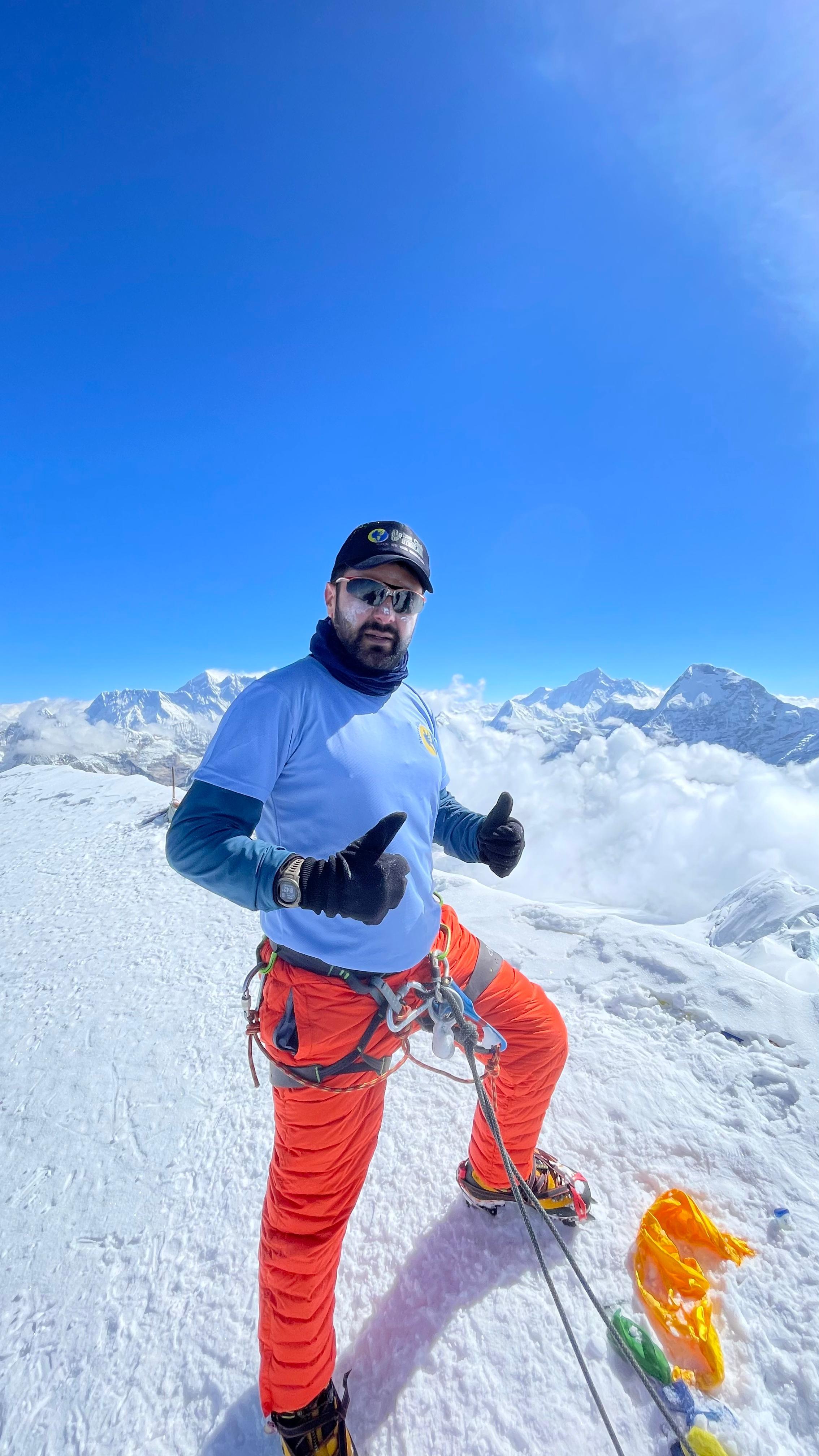
I'd never climbed before, but with proper training days at Khare and a great climbing guide, I made it to the top of Nepal's highest trekking peak.
Destination
Nepal
Duration
16 Days
Best Weather
March, April, May, September, October & November
Max Altitude
6461
Accommodation
Hotel, Teahouse, and Camp
Meals
Breakfast, Lunch, Dinner
Transportation
Private vehicle / Flights
Group
Min 1 pax
Difficulty
Easy
Activities
Peak Climbing
Mera Peak, rising to an impressive 6,461 meters (21,190 feet), is among Nepal’s most sought-after trekking peaks. Situated in the Solu-Khumbu region, it is the highest trekking peak in Nepal, allowing adventurers to experience a Himalayan summit without the technical demands of a full-scale mountaineering expedition. The trek is ideal for those who wish to enjoy the breathtaking beauty of the Himalayas while reaching a peak that offers spectacular views of Mount Everest, Makalu, Cho Oyu, and Lhotse.
The Mera Peak trek is challenging yet highly rewarding, making it a must-do for trekking enthusiasts. With the guidance of the Alpine Club of Himalaya, trekkers benefit from a well-organized and safe journey that includes permits, accommodations, and logistical support. Whether you are an experienced trekker or an aspiring mountaineer, summiting Mera Peak offers a chance to push your limits and witness the magic of the Himalayas firsthand.
The Mera Peak summit trek provides an unforgettable Himalayan adventure. At 6,461 meters (21,190 feet), it is Nepal’s highest trekking peak and presents an incredible challenge. Here’s why Mera Peak should be on every trekker’s list:
From the summit, trekkers are rewarded with panoramic views of the world’s highest mountains, including Mount Everest, Makalu, Lhotse, and Cho Oyu. These awe-inspiring vistas make Mera Peak a top choice for those seeking the grandeur of the Himalayas.
Mera Peak allows adventurers to summit a Himalayan peak without advanced mountaineering skills. While challenging, it is suitable for trekkers with prior high-altitude trekking experience. With guidance from experienced climbing professionals, even non-technical trekkers can reach the summit safely.
The trek passes through lush forests, alpine meadows, and traditional Sherpa villages, giving trekkers a mix of adventure and scenic beauty. From rhododendron forests to snow-capped peaks, the trail showcases the diverse landscapes of the Everest region.
The itinerary includes built-in acclimatization days to help trekkers safely adjust to high altitudes. This approach reduces the risk of altitude sickness and ensures a safer, more enjoyable ascent.
The trek is easily accessed via a scenic flight from Kathmandu to Lukla. Professional operators like the Alpine Club of Himalaya handle all aspects of the trek, including permits, lodging, and transportation, providing a smooth and hassle-free experience.
Trekkers have the opportunity to explore Sherpa culture. Passing through several picturesque villages, you can interact with locals and experience the unique traditions of the Sherpa people.
Summiting Mera Peak provides a true sense of accomplishment. As Nepal’s highest trekking peak, reaching the top is a life-changing achievement that rewards trekkers for their effort and perseverance.
The Alpine Club of Himalaya ensures a safe and well-organized trek. Their expert guides manage logistics, offer terrain and altitude advice, and maintain strict safety standards throughout the expedition.
Mera Peak is perfect for trekkers seeking an exciting challenge without the technical complexity of professional mountaineering, offering a balance of adventure, physical challenge, and breathtaking rewards.
Summiting Mera Peak creates lasting memories of awe-inspiring views, physical achievement, and cultural experiences, making it an unforgettable Himalayan adventure.
The best time to attempt the Mera Peak summit trek is during the pre-monsoon (spring) and post-monsoon (autumn) seasons. These periods offer the most favorable weather for trekking and climbing in the Everest region, ensuring both safety and stunning mountain views. Here’s a detailed look at each season to help you plan your Mera Peak adventure:
Spring is considered one of the best times to trek Mera Peak. The weather is generally stable, with clear skies, mild temperatures, and excellent visibility of the surrounding Himalayan peaks, including Mount Everest, Makalu, Cho Oyu, and Lhotse. This season also provides easier trekking conditions and better acclimatization opportunities.
Advantages of Spring:
Clear skies and spectacular mountain views.
Moderate temperatures suitable for trekking and climbing.
Ideal for acclimatization due to stable weather.
Less snowfall on lower trails, making trekking easier.
Autumn is another prime season for Mera Peak, coming just after the monsoon. The trails are lush, skies are mostly cloud-free, and visibility is excellent, offering breathtaking views of the peaks. The temperatures are cooler than spring but remain comfortable, making it a favorite season for summit attempts.
Advantages of Autumn:
Crisp, clear weather with panoramic mountain vistas.
Dry trails and well-prepared trekking conditions.
Favorable temperatures for a summit push.
Excellent acclimatization opportunities for steady ascent.
Winter offers a quieter trekking experience, but it is not ideal for summiting Mera Peak. High-altitude temperatures drop significantly, and heavy snowfall can make trails hazardous. While adventurous trekkers with proper winter gear may attempt it, the risks are higher.
Disadvantages of Winter:
Extremely cold conditions, especially at higher altitudes.
Risk of snowstorms and difficult trail navigation.
Limited visibility due to clouds or fog.
Requires advanced experience and specialized winter gear.
The monsoon season is the least favorable time for trekking Mera Peak. Heavy rainfall during these months increases the risk of landslides, slippery trails, and limited visibility. Flight schedules to Lukla are also prone to delays, making logistics more challenging.
Disadvantages of Monsoon:
High risk of rain, landslides, and muddy trails.
Potential flight delays or cancellations to Lukla.
Poor visibility due to clouds and rain.
Challenging and unsafe trekking conditions at higher altitudes.
For the most enjoyable and safe trekking experience, plan your Mera Peak summit trek during spring (March to May) or autumn (September to November). These seasons provide ideal weather, excellent acclimatization opportunities, and stunning Himalayan views, ensuring your adventure is both safe and unforgettable.
Meals are an essential part of your Mera Peak expedition, providing the energy needed for high-altitude trekking. Along the route, trekkers enjoy a variety of hearty meals in teahouses and lodges, including traditional Nepali dishes like Dal Bhat (lentil soup with rice), Momos (dumplings), and Tibetan bread. At higher altitudes, meals become simpler but remain nutritious and energizing, with options such as noodles, pasta, and vegetable dishes. The Alpine Club of Himalaya ensures all meals are fresh, hygienic, and well-balanced, helping trekkers maintain stamina for the summit push.
Staying hydrated is critical when trekking at 6,461 meters (21,190 feet). The Alpine Club of Himalaya provides access to safe drinking water along the trail. At lower elevations, water can be refilled from reliable sources, while at higher camps, boiled or filtered water is supplied to prevent waterborne illnesses. Trekkers are advised to carry a water purification system or tablets as an added safety measure. Proper hydration is vital for preventing altitude sickness and maintaining energy throughout the climb.
Accommodation on the trek is provided in teahouses and lodges, offering basic yet comfortable lodging after each day’s hike. Rooms are typically shared, equipped with beds, blankets, and communal dining areas. As you approach higher altitudes, especially at Mera High Camp, accommodations become more rugged, with tented arrangements before the summit. The Alpine Club of Himalaya carefully organizes all lodging to ensure trekkers are well-rested, safe, and prepared for the demanding ascent.
The Mera Peak summit trek is a challenging high-altitude adventure, suitable for trekkers with prior high-altitude experience. While it does not require technical climbing skills, reaching the summit involves steep trails, rocky paths, and harsh weather conditions. High levels of physical fitness, stamina, and mental preparation are essential. The Alpine Club of Himalaya structures the itinerary with acclimatization days to help trekkers safely navigate the demanding terrain.
Proper acclimatization is crucial for a successful summit. As you ascend, the body must adjust to thinner air and lower oxygen levels to prevent altitude sickness. The trek includes strategic acclimatization days at Khare and Mera High Camp, allowing your body to gradually adapt. Short hikes and rest days at key altitudes help improve physical performance, stamina, and overall safety, increasing the likelihood of a successful summit.
Importance of Acclimatization:
Reduces the risk of altitude sickness.
Enhances physical performance at high altitudes.
Supports a safer and more enjoyable trekking experience.
Enables trekkers to make steady progress toward the summit.
Comprehensive travel insurance is essential for high-altitude trekking. Coverage should include:
Trekking above 6,000 meters
Emergency evacuation
Medical expenses
Trip cancellation
The Alpine Club of Himalaya strongly recommends trekkers obtain insurance covering these risks, ensuring protection against unexpected weather, health issues, or accidents during the Mera Peak expedition.
A valid passport and Nepalese visa are required for trekking Mera Peak. Your passport should be valid for at least six months from your entry date. A tourist visa can be obtained on arrival at Kathmandu or applied for in advance at a Nepalese embassy. Visas are typically issued for 15, 30, or 90 days. Ensuring your documents are in order avoids delays and facilitates a smooth trekking experience.
The Mera Peak region offers a stunning variety of ecosystems, from subtropical forests at lower elevations to alpine landscapes and glaciers near the summit. Trekkers experience glacial rivers, rugged mountains, and snow-capped peaks, creating a unique and challenging adventure. The Alpine Club of Himalaya emphasizes environmental responsibility and cultural respect, helping trekkers preserve this pristine Himalayan region.
Safety is a top priority on the Mera Peak trek. The Alpine Club of Himalaya provides:
Experienced guides familiar with high-altitude terrain.
Proper equipment and gear for all trekking conditions.
Emergency preparedness, including access to rescue services and helicopter evacuation.
Pre-trip briefings on risks and safety protocols.
Careful planning, acclimatization, and support from trained guides ensure a secure and well-managed trekking experience.
Weather in the Himalayas can be unpredictable. The trek spans subtropical warmth in the lower regions to freezing temperatures, strong winds, and snowstorms at higher altitudes. The Alpine Club of Himalaya recommends trekking during spring and autumn for optimal conditions and provides weather-appropriate clothing and gear. Being prepared for sudden weather changes is crucial for a safe and successful summit.
Accurate weather monitoring is vital for Mera Peak expeditions. The Alpine Club of Himalaya closely tracks temperature fluctuations, snowfall, and storm warnings, allowing daily trek plans to be adjusted for safety. Trekkers are trained to adapt to sudden changes, ensuring a secure and well-informed ascent.
The Alpine Club of Himalaya provides comprehensive guiding services to ensure a safe and successful Mera Peak summit trek. Trekkers are accompanied by experienced and certified guides who are well-versed in high-altitude trekking, first aid, and mountain navigation. Their expertise ensures that every part of the journey—from challenging trails to summit day—is managed efficiently and safely.
In addition to guiding, the Alpine Club of Himalaya supplies top-quality equipment to all trekkers. This includes:
Climbing gear suitable for high-altitude trekking
Sleeping bags designed for sub-zero temperatures
Tents for high camps
Insulated jackets and weather-appropriate clothing
Cooking equipment for safe and hygienic meal preparation
All equipment is carefully checked for quality and performance, ensuring that trekkers are fully prepared for the extreme conditions of Mera Peak. Having the right gear enhances both safety and comfort, making the ascent more manageable and enjoyable.
To successfully reach the Mera Peak summit at 6,461 meters (21,190 feet), trekkers must have good physical fitness. The trek involves long days of walking, steep ascents, and high-altitude conditions that challenge endurance, strength, and stamina.
While technical climbing skills are not required, prior experience in high-altitude trekking is highly recommended. The Alpine Club of Himalaya advises trekkers to engage in physical conditioning before the trek, including:
Cardiovascular exercises such as hiking, running, or swimming
Strength training to improve muscle endurance and balance
Core workouts for better stability on uneven terrain
Being physically prepared ensures that trekkers can handle the long days, rugged trails, and summit push with confidence and energy.
Proper preparations and training are essential for a safe and successful Mera Peak expedition. In addition to physical fitness, trekkers should understand altitude challenges and mountain weather conditions.
The Alpine Club of Himalaya provides detailed training plans and advice, covering:
Endurance-building exercises
Breathing techniques for high-altitude adaptation
Acclimatization strategies for gradual adjustment to thinner air
Trekkers are encouraged to practice trekking in mountainous terrain at higher altitudes to build both physical and mental resilience. Being well-prepared ensures that you can meet the challenges of the trek and enjoy the journey to the summit safely.
The Alpine Club of Himalaya plays a pivotal role in ensuring the success and safety of every Mera Peak trekker. From the moment you book your trek, they handle all the logistics, including:
Permit applications
Accommodation arrangements
Meal planning
During the trek, experienced guides provide safety supervision, expert knowledge about the route, and insights into local culture and mountaineering techniques.
The club also ensures support with:
High-quality equipment
Weather monitoring
Emergency services
Their commitment guarantees that trekkers are well-prepared for any challenge, making the Mera Peak summit trek safe, organized, and truly memorable.
A well-organized team is a key factor in ensuring a safe, successful, and enjoyable Mera Peak summit expedition. Each member plays a crucial role, providing expertise, support, and security throughout the trek. Here’s an overview of the typical team composition for a Mera Peak expedition:
Certified trekking guides are essential for navigating the challenging trails of the Everest region. Their local knowledge, experience with high-altitude trekking, and understanding of regional weather patterns help ensure your safety and a smooth journey. Trekking guides are trained in first aid and altitude sickness prevention, providing vital support if health or trekking issues arise during the expedition.
To safely reach the Mera Peak summit at 6,461 meters (21,190 feet), climbing guides are indispensable. These experts are skilled in high-altitude mountaineering and the technical aspects of peak summiting. They assist trekkers with climbing gear, ice axes, ropes, and correct route navigation, ensuring the summit ascent is managed safely and efficiently.
Porters carry essential trekking supplies, including food, equipment, and personal gear, reducing the physical burden on trekkers. Their support helps maintain the team’s pace and energy, allowing trekkers to focus on the trek. Experienced in handling heavy loads over steep and rugged terrain, porters are invaluable to the expedition’s success.
A dedicated cook ensures trekkers receive nutritious, high-calorie meals, which are crucial for maintaining energy at high altitudes. Meals often include locally sourced ingredients and a mix of familiar and Nepali cuisines. Proper nutrition keeps the team energized, improving performance and overall trekking experience.
The expedition leader oversees the entire trek, coordinating logistics, managing team progress, and making critical decisions in response to weather changes, health issues, or other unexpected challenges. The leader ensures the team follows the itinerary, maintains safety protocols, and experiences a well-organized, cohesive expedition.
For larger or higher-risk treks, a medical support staff can be included. This role is particularly important on high-altitude expeditions like Mera Peak, where altitude sickness and other health issues may occur. A medical assistant provides immediate care and monitoring, ensuring any problems are addressed promptly.
Booking your Mera Peak trek with the Alpine Club of Himalaya ensures full logistical and expert support. Their team manages:
Permits and paperwork
Accommodation and food arrangements
Travel logistics, including Lukla flights
Guidance and acclimatization schedules
Their expertise ensures the trek is meticulously planned, enhancing both safety and enjoyment throughout the journey.
The Mera Peak summit trek involves a diverse range of altitudes and terrain, requiring a well-organized camp setup to ensure the comfort, safety, and efficiency of trekkers. The Alpine Club of Himalaya provides comprehensive facilities and support, making the expedition manageable even in high-altitude conditions. Here’s an overview of the accommodations, camps, and support available during the trek:
During the initial stages of the trek, from Lukla to Khare, trekkers stay in teahouses. These lodges, run by local families, provide basic yet comfortable facilities such as:
Beds and blankets
Shared bathrooms
Simple, nutritious meals
Staying in teahouses not only ensures comfort but also allows trekkers to immerse themselves in local Sherpa culture. The Alpine Club of Himalaya carefully selects well-maintained teahouses for safety and hygiene.
Above Khare, accommodations shift to tented camps to provide protection from the harsh conditions of high altitudes. These tents are robust, weather-resistant, and equipped with sleeping pads and insulated sleeping bags for a restful night.
Highlights of high-altitude camping:
Durable Tents: High-quality tents at Mera High Camp and base camp withstand extreme weather, including snow, wind, and cold.
Dining Tents: Warm and sheltered spaces for meals and team gatherings.
Toilet Tents: Essential for hygiene, ensuring comfort and sanitation during high-altitude stays.
Nutrition is crucial for maintaining energy and stamina during the trek. The Alpine Club of Himalaya provides professional cooks who prepare high-calorie, easily digestible meals.
High-Energy Meals: Balanced in carbohydrates, proteins, and fats, essential for climbing and trekking.
Variety and Options: Meals include Nepalese and Western cuisine, with vegetarian and dietary alternatives available.
Portable Kitchens: Used at higher camps to maintain meal quality and hygiene.
Weather Protection: Tents and sleeping arrangements are designed to protect trekkers from cold, wind, and snow.
Altitude Monitoring: Guides monitor trekkers for signs of altitude sickness, taking proactive measures if needed.
Camps are carefully strategically located to support safety, acclimatization, and proximity to the climbing route:
Acclimatization-Friendly Locations: Camps such as Mera High Camp (5,780 meters) are positioned to allow proper rest before the summit push.
Comfort-Oriented Setup: Tents are arranged with adequate space, ensuring relaxation and preparation for the next day.
Porter Assistance: Porters handle gear transport, camp setup, and logistical support, allowing trekkers to focus on acclimatization and trekking.
Team Coordination: The Alpine Club of Himalaya ensures smooth coordination of tents, meals, and other logistics throughout the trek.
Reliable Communication: Satellite phones and walkie-talkies are used in remote areas for emergency coordination.
Emergency Support: Camps are equipped with medical kits and altitude sickness resources, and evacuation plans are in place if necessary.
The journey to the Mera Peak summit trek typically begins with a flight to Lukla, a small mountain airstrip in Nepal’s Solukhumbu district. Known for its challenging runway and dramatic approach, Lukla serves as the main gateway for trekkers heading to Everest Base Camp, Mera Peak, and other popular routes in the Everest region. While flying to Lukla is the most common choice, there are several alternatives depending on your preferences, schedule, and weather conditions.
The flight from Kathmandu to Lukla is one of the most scenic and thrilling parts of the trek. The journey takes approximately 30–40 minutes and offers panoramic views of the Himalayas, including Mount Everest, Lhotse, and Makalu. Flights depart from Tribhuvan International Airport, Kathmandu and land at Tenzing-Hillary Airport, Lukla.
The runway at Lukla is short and steep, adding an adventurous element to the landing. Weather conditions in the region can often cause delays or cancellations, so trekkers need to be flexible with their schedules. The Alpine Club of Himalaya provides guidance and support for managing flight logistics, including rebooking in case of disruptions.
Due to its high-altitude Himalayan location, flights to Lukla are highly sensitive to weather. High winds, cloud cover, and sudden rain or snowstorms can lead to delays or cancellations. Lukla Airport operates on a limited schedule, and flights are particularly affected during:
Monsoon season: June to September
Winter months: December and January
It is recommended to build extra days into your itinerary to accommodate potential flight changes.
For trekkers seeking a classic overland route, the trek from Jiri to Lukla is a popular alternative.
Duration: 5–6 days
Highlights: Traditional villages, lush forests, Sherpa culture, and gradual acclimatization
Considerations: Adds extra days and requires more physical effort
For a luxurious and fast option, helicopter services provide a 15–20 minute scenic ride from Kathmandu to Lukla.
Pros: Quick, private, and spectacular views
Cons: Significantly higher cost than regular flights
Assistance: The Alpine Club of Himalaya can arrange helicopter transfers
Traveling by jeep or road transport to Salleri, then trekking to Lukla, is another alternative.
Duration: Kathmandu to Salleri by jeep 12–14 hours, then 2–3 days trek to Lukla
Pros: Affordable, overland adventure, flexible schedule
Considerations: Longer and more physically demanding than flying
Flights from Ramechhap Airport, located about 130 km east of Kathmandu, are becoming a popular alternative.
Flight time: 30–35 minutes
Pros: Less crowded, more reliable than Kathmandu departures
Considerations: Requires a 4–5 hour road transfer from Kathmandu
Flying to Lukla is a key step in your Mera Peak expedition, offering both practicality and breathtaking views.
Cost:
One-way Kathmandu to Lukla flight: Approximately $215 USD per person (varies by airline and booking time)
Operating Airlines:
Sita Air: Reliable flights with experienced pilots
Tara Air: Frequent flights with a strong focus on safety
Summit Air: Tailored services for trekkers and climbers
Yeti Airlines: Comfortable and dependable domestic service
Despite the short flight duration, the journey provides stunning aerial views of the Himalayas, making it a memorable part of the trek. Trekkers should remain flexible, as flights are often subject to weather-related delays or cancellations.
Before attempting the Mera Peak summit trek, it is essential to secure the necessary permits and fees required by Nepalese regulations. These permits not only ensure compliance but also promote safety, environmental protection, and proper management of trekking activities. The Alpine Club of Himalaya assists trekkers in obtaining all required permits and summit fees, ensuring a seamless and hassle-free experience.
The Trekkers’ Information Management System (TIMS) permit is mandatory for all trekkers in Nepal. TIMS monitors trekkers’ movements and enhances safety, particularly in remote regions.
Requirement for Mera Peak: All trekkers must obtain a TIMS permit before starting the trek.
Issuance: TIMS permits can be issued individually or for a group of trekkers.
The Mera Peak trek passes through Sagarmatha National Park, a UNESCO World Heritage Site and home to some of the world’s highest mountains, including Mount Everest.
Purpose: The entry permit ensures the protection of the park’s unique flora, fauna, and fragile environment.
Requirement: This permit is separate from the TIMS permit and must be obtained prior to entering the park.
Since Mera Peak is classified as a Trekking Peak by the Nepal Mountaineering Association (NMA), a climbing permit is required to attempt the summit.
Purpose: Grants legal access to the climbing route and summit.
Assistance: The Alpine Club of Himalaya facilitates the permit application to ensure trekkers have proper authorization for the expedition.
Cultural and Environmental Fees: Certain regions along the trek, such as Namche Bazaar, may charge small cultural or environmental fees. These contributions support the preservation of local communities and ecosystems.
Helicopter Evacuation (Optional): For added safety, trekkers may opt for helicopter evacuation coverage. While not mandatory, this option provides peace of mind in emergencies. The Alpine Club of Himalaya can assist with arranging this service.
Securing these permits is essential for a safe, legal, and well-organized Mera Peak trek, and the Alpine Club of Himalaya ensures all documentation is handled efficiently.
It is important to understand the cancellation policy before booking your Mera Peak summit trek.
If a participant chooses to cancel:
60 days or more before the trek: 20% of the total cost is charged.
30–59 days before the trek: 50% of the total cost is charged.
Less than 30 days before departure: Full payment is forfeited.
If the Alpine Club of Himalaya cancels the expedition due to unforeseen circumstances, such as extreme weather conditions, natural disasters, or safety concerns, participants will receive a full refund or the option to reschedule for a later date.
Force Majeure:
The Alpine Club of Himalaya is not liable for any additional costs incurred due to cancellations resulting from force majeure events (e.g., natural disasters, political unrest, or health emergencies).
Your Mera Peak adventure begins upon arrival at Tribhuvan International Airport in Kathmandu, the vibrant capital of Nepal. After completing arrival formalities, you will be warmly welcomed by the representative of Alpine Club of Himalaya and transferred to your hotel. Once you check in, you can rest after your journey or take a short walk around the neighborhood to get your first impression of Nepal. Kathmandu is rich in history, culture, and traditional architecture, offering a fascinating introduction to the country. This relaxed day allows you to recover from travel fatigue and mentally prepare for the exciting Himalayan journey ahead with the professional support of Alpine Club of Himalaya.
Max. Elevation
1,400m
Duration
Airport transfer 30 minutes
Accommodation
Hotel in Kathmandu
Meals
Not included
Airport pickup from Kathmandu International Airport according to your arrival time.
3 nights hotel accommodation in Kathmandu with breakfast included.
11 nights tea house accommodation during the trekking days.
1 night tented camp stay at Mera Peak High Camp.
Flight ticket from Kathmandu or Ramechhap to Lukla, including airport transfers.
Three meals a day (breakfast, lunch, and dinner) throughout the trek.
English-speaking professional trekking guide and porter, including salary, food, accommodation, and insurance (1 porter for every 2 trekkers).
Comprehensive first aid kit with high-altitude medicines and an oximeter for oxygen level monitoring.
All required trekking permits.
Official Mera Peak climbing permit.
Experienced climbing guide and support staff for the summit attempt.
Group climbing equipment such as tents, mattresses, ropes, ice screws, and snow bars.
Climbing guide equipment fees fully covered.
Full set of camping equipment, including dining tent, kitchen tent, toilet tent, tables, and chairs.
Rescue arrangements in case of serious medical emergencies (covered by your travel insurance).
Return flight from Lukla to Kathmandu or Ramechhap, including airport transfers.
All government and local taxes included.
Garbage deposit fee covered.
Company T-shirt as a souvenir.
Trek completion certificate (available upon request).
Farewell dinner after completing the trek.
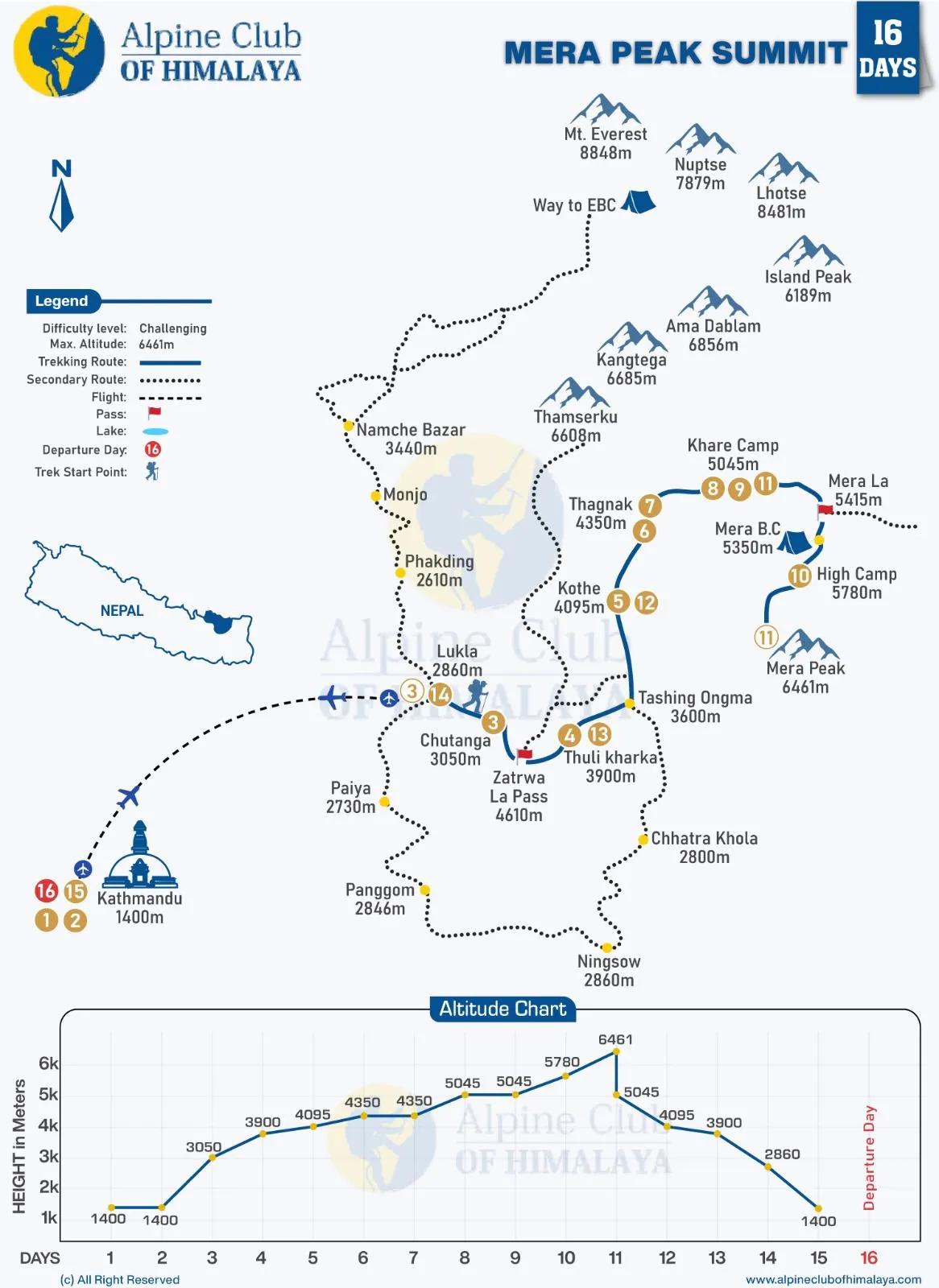
Click on map to view in fullscreen
| Departure Dates | Status | Price | Action |
|---|---|---|---|
| 2026-10-29 - 2026-11-13 | Available | USD 2599/- pp | |
| 2026-11-05 - 2026-11-20 | Available | USD 2599/- pp | |
| 2026-11-12 - 2026-11-27 | Available | USD 2599/- pp | |
| 2026-11-19 - 2026-12-04 | Available | USD 2599/- pp | |
| 2026-11-26 - 2026-12-11 | Available | USD 2599/- pp |
Preparing for Mera Peak Summit requires a comprehensive list of gear to ensure safety, comfort, and success. Below is a detailed list of essential equipment categorized by type:
To confirm your booking the following payment policy applies:
1. Deposit at Booking: A 20% deposit of the total trek amount is required at the time of booking to secure your spot.
2. Remaining Balance: The remaining 80% of the total trek cost can be paid upon your arrival in Kathmandu before the trek begins.
3. Credit Card Payments: If you prefer to pay the remaining amount via credit card, please note that a 4% service charge will be applied by the bank to the total amount.
By following these payment guidelines, your booking will be confirmed, and your trek will be reserved.
Ensure that all your gear is tested and comfortable before the expedition and climbing. Proper fit and functionality are crucial for high-altitude climbing. Some gear may be provided by the expedition team, so check with them regarding specific items included in your package.
R
Ravi Patel
Ahmedabad, India
Oct 20, 2025
M
Mei Lin
Singapore
Sep 8, 2025
E
Emily Foster
Perth, Australia
Aug 13, 2025
J
Jonathan Evans
Boston, USA
Aug 13, 2025

24/7 Support
Need help? we're at your service
Associated With


We Accept Cards

Office of the company registrar License: 66813/066/067 || Tourism Industry Division License:1142
All content and photography within our website is copyright & may not be reproduced without our permission.
Develop By: IT Sansaar