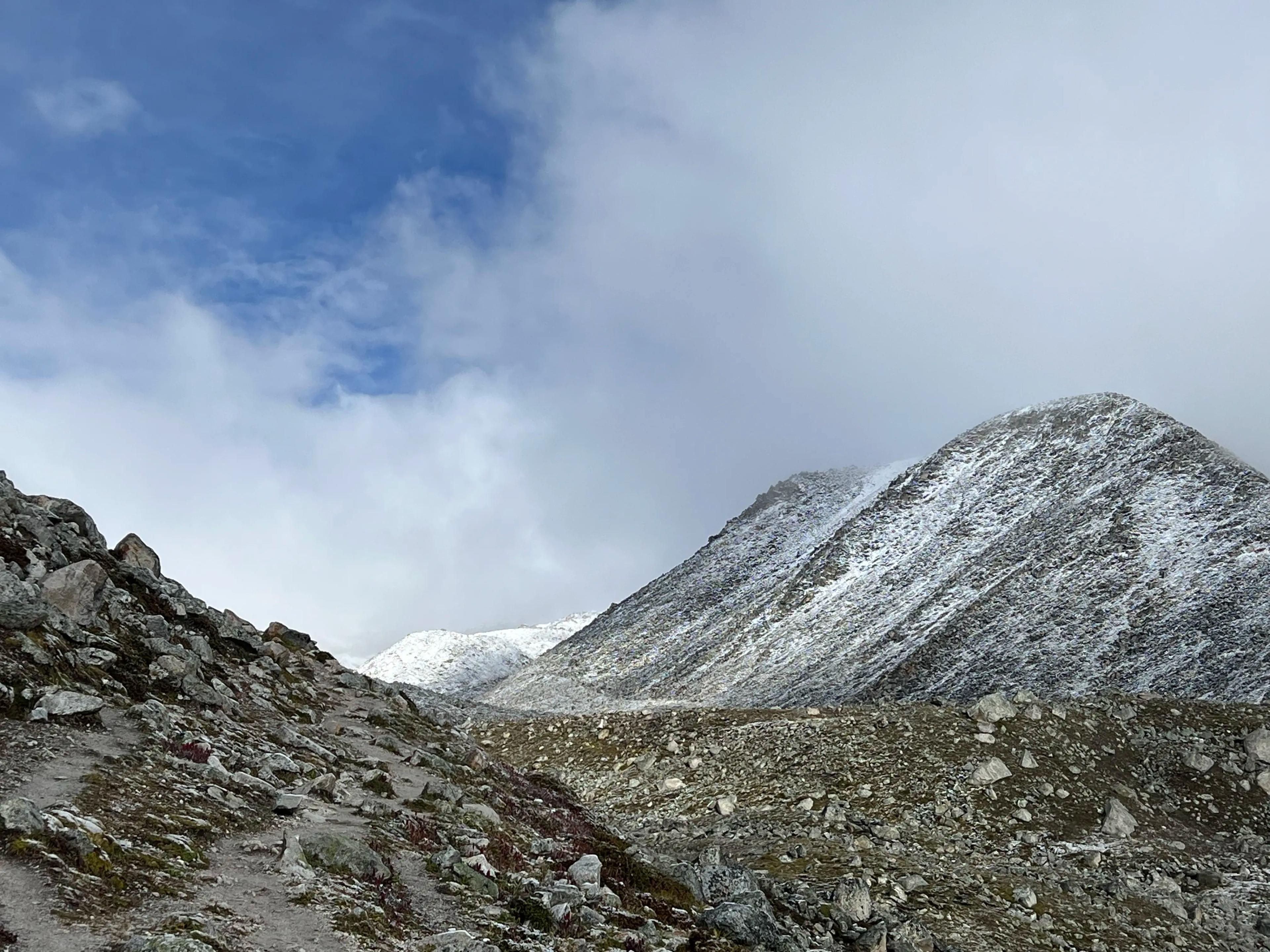
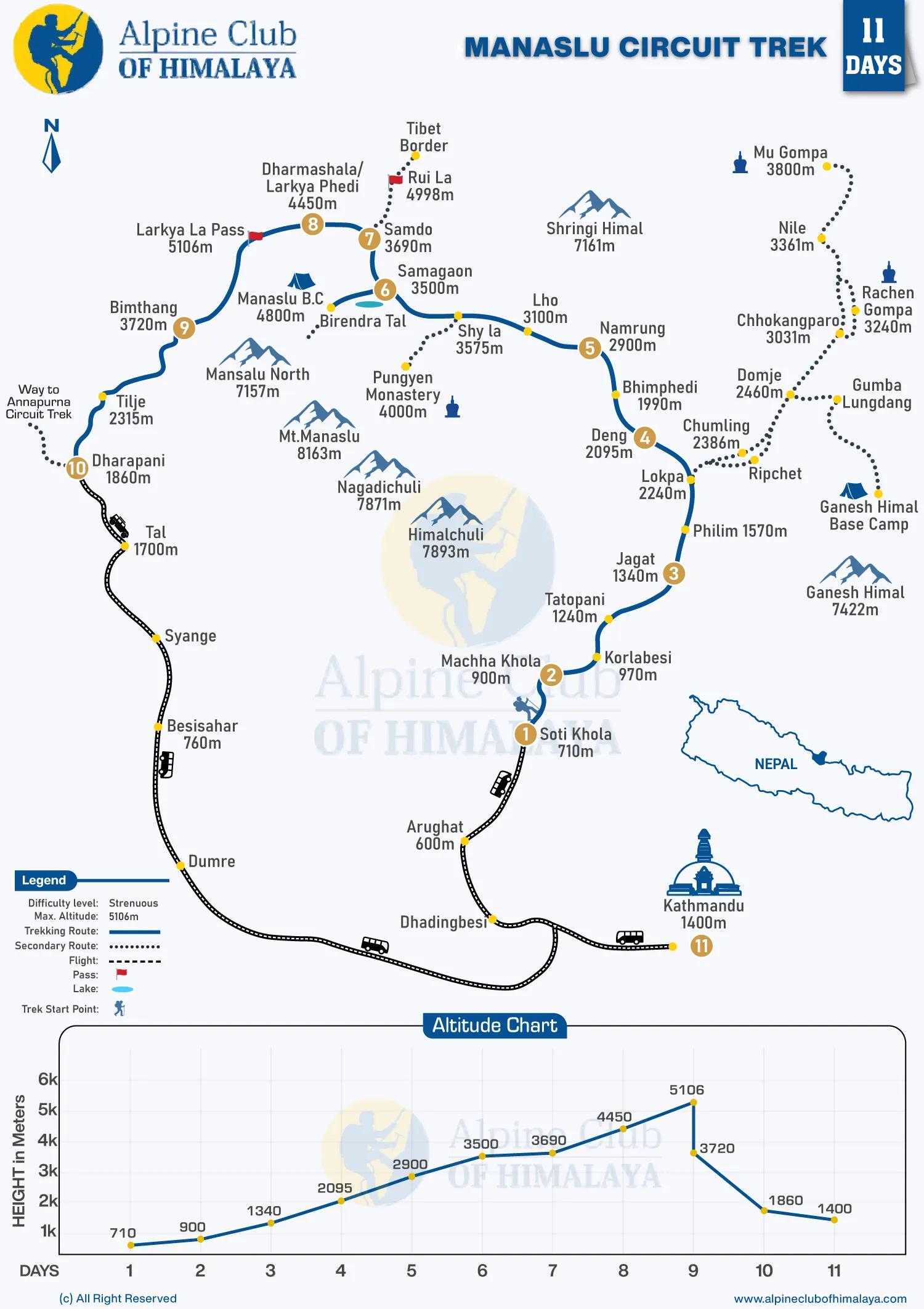
The Manaslu Circuit Trek is one of Nepal’s most remarkable and less-traveled Himalayan journeys, offering a perfect blend of raw natural beauty, rich cultural heritage, and high-altitude adventure. Located in the west-central region of Nepal, the trek circles the majestic Mount Manaslu, also known as the “Mountain of the Spirit.” The trail passes through deep river gorges, lush forests, traditional villages, and high alpine landscapes, gradually ascending to the dramatic Larkya La Pass at 5,106 meters. Along the way, trekkers experience the unique lifestyle of Tibetan-influenced mountain communities, ancient monasteries, and untouched Himalayan ecosystems, making it a truly immersive journey into one of Nepal’s most pristine trekking regions.
Best Season
The best time to undertake the Manaslu Circuit Trek is during the spring (March to May) and autumn (September to November) seasons. Spring brings moderate temperatures, blooming rhododendron forests, clear skies, and excellent mountain visibility. The hills and valleys are vibrant with colorful flowers, creating a beautiful backdrop for trekking. Autumn is considered the most popular season due to its stable weather conditions, crisp air, and spectacular views of the Himalayan peaks. The monsoon rains clear the atmosphere, resulting in outstanding visibility throughout the trek.
Winter (December to February) is also possible for experienced trekkers, but temperatures can drop significantly at higher elevations, especially around Larkya La Pass. Heavy snowfall may occasionally block the pass. The monsoon season (June to August) is generally less favorable due to heavy rainfall, slippery trails, landslides, and reduced mountain views, although the upper sections of the Manaslu region receive less rainfall than some other trekking areas of Nepal.
Accommodation During the Trek
Accommodation on the Manaslu Circuit Trek is primarily provided through traditional teahouses and guesthouses located along the trekking route. These lodges offer simple but comfortable rooms, usually on a twin-sharing basis. Rooms generally include beds, mattresses, pillows, and blankets, although carrying a sleeping bag is recommended, especially during colder months.
The facilities become more basic as the trek gains altitude. Lower villages such as Machha Khola, Jagat, and Deng offer relatively comfortable accommodations, while higher settlements like Samdo and Dharamshala provide more basic facilities due to their remote location. Most teahouses feature communal dining halls heated by a central stove where trekkers gather during the evenings. Attached bathrooms are uncommon at higher elevations, and shared toilets are standard throughout much of the route.
Meals and Food Availability
Meals during the Manaslu Circuit Trek are served in teahouses and provide trekkers with sufficient nutrition and energy for long trekking days. The most common and recommended meal is Dal Bhat, a traditional Nepali dish consisting of rice, lentil soup, vegetables, and seasonal side dishes. Since Dal Bhat is often served with free refills, it remains a favorite choice among trekkers.
In addition to Nepali cuisine, teahouses offer a variety of international dishes including noodles, pasta, fried rice, soups, potatoes, momos, eggs, pancakes, porridge, bread, and seasonal vegetables. Hot drinks such as tea, coffee, hot lemon, ginger tea, and hot chocolate are widely available. As altitude increases, food prices gradually rise because supplies must be transported by porters, mules, or helicopters into remote mountain villages.
Permits Required for Manaslu Circuit Trek
The Manaslu Circuit Trek lies within a restricted trekking region of Nepal, requiring special permits for entry. Trekkers must obtain a Manaslu Restricted Area Permit (MRAP), which is mandatory for all foreign visitors entering the restricted section between Jagat and Samagaun. In addition, trekkers require the Manaslu Conservation Area Permit (MCAP) and the Annapurna Conservation Area Permit (ACAP), as the route eventually enters the Annapurna region near Dharapani.
These permits help regulate tourism, support conservation efforts, and contribute to local community development. Since the restricted area permit can only be issued through a registered trekking agency, independent trekking is not permitted in the Manaslu region.
Guide and Porter Requirements
Hiring a licensed trekking guide is mandatory for the Manaslu Circuit Trek due to government regulations governing restricted trekking areas. Trekkers must travel with a registered guide and arrange permits through an authorized trekking company. Guides provide valuable assistance with navigation, logistics, local culture, safety, and emergency management throughout the journey.
Many trekkers also choose to hire porters who carry a portion of their luggage, allowing them to trek more comfortably and conserve energy. Porters are highly experienced in mountain travel and contribute significantly to the local economy. Having both a guide and porter enhances safety and overall trekking enjoyment, especially on challenging sections such as Larkya La Pass.
Drinking Water on the Trek
Safe drinking water is available throughout the Manaslu Circuit Trek, although trekkers should avoid drinking untreated water directly from natural sources. Most teahouses provide boiled drinking water for a small fee, which is considered one of the safest options. Bottled water is available in many villages but becomes increasingly expensive at higher elevations and contributes to environmental waste.
Many trekkers carry reusable water bottles along with water purification tablets, UV sterilizers, or portable filters. Streams and natural water sources are plentiful throughout the route, allowing trekkers to refill bottles and purify water as needed. Staying well hydrated is particularly important for acclimatization and altitude sickness prevention.
Travel Insurance
Comprehensive travel insurance is strongly recommended for all participants undertaking the Manaslu Circuit Trek. Since the trek reaches elevations above 5,000 meters and passes through remote mountain terrain, insurance should specifically cover high-altitude trekking activities and emergency helicopter evacuation.
Medical facilities are limited in the Manaslu region, and serious illnesses or injuries may require costly helicopter rescues to Kathmandu. Travel insurance should also cover trip cancellations, medical treatment, lost baggage, and emergency evacuation expenses. Before purchasing a policy, trekkers should verify the maximum altitude covered under their insurance plan.
Transportation
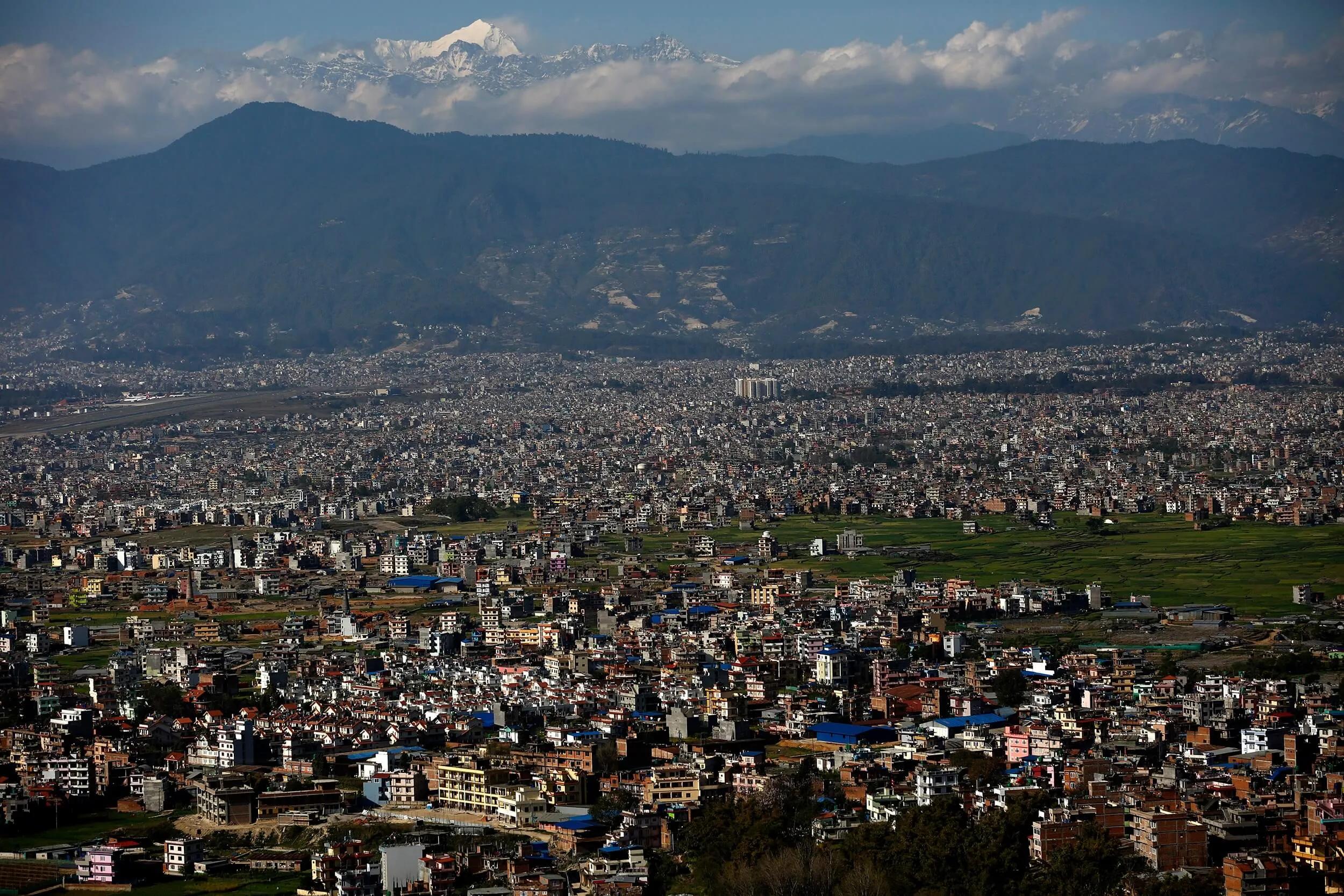
The Manaslu Circuit Trek begins with a scenic overland journey from Kathmandu to Soti Khola. The drive typically takes 7 to 8 hours and follows both paved and rough mountain roads through the hills of central Nepal. Travelers pass traditional villages, terraced farmlands, river valleys, and scenic countryside landscapes before reaching the trailhead.
After completing the trek at Dharapani, a long return drive brings trekkers back to Kathmandu. The route initially follows rough mountain roads before joining the main highway network. Private jeeps are often preferred for comfort and flexibility, although local transportation options are also available. The overland journey itself provides an excellent introduction to Nepal’s diverse rural landscapes.
Difficulty Level
The Manaslu Circuit Trek is generally classified as a moderate to challenging trek. While it does not require technical climbing skills, the route involves long trekking days, significant altitude gain, steep ascents and descents, and challenging mountain terrain. Daily walking durations typically range from five to eight hours, with the crossing of Larkya La Pass being the most demanding day of the trek.
Good physical fitness, endurance, and mental preparation are important for successfully completing the trek. Previous trekking experience is beneficial but not essential. Individuals who maintain regular exercise routines and prepare adequately before arrival can generally complete the trek comfortably.
Altitude Sickness and Acclimatization
Altitude sickness is one of the primary concerns during the Manaslu Circuit Trek due to the high elevations reached throughout the journey. As trekkers ascend above 3,000 meters, the risk of Acute Mountain Sickness (AMS) gradually increases. Symptoms may include headaches, nausea, dizziness, fatigue, loss of appetite, and difficulty sleeping.
Proper acclimatization is crucial for minimizing these risks. The itinerary allows for gradual altitude gain through villages such as Namrung, Samagaun, and Samdo before reaching Dharamshala and crossing Larkya La Pass at 5,106 meters. Trekkers should maintain a slow pace, stay hydrated, avoid excessive alcohol consumption, and immediately inform their guide if symptoms develop. With proper acclimatization and responsible trekking practices, most trekkers complete the Manaslu Circuit safely and enjoyably while experiencing some of Nepal’s most spectacular Himalayan scenery.
Note:
If you return earlier from the trek due to sickness or any other unforeseen circumstances, please be aware that the money you have paid for the flight, hotel, mountain room, food, etc., is nonrefundable. You will be responsible for any additional expenses incurred, including but not limited to hotel accommodation, meals, and other costs in Kathmandu. It is highly recommended to have comprehensive travel insurance that covers such situations to minimize any financial strain in case of early return.
Add-Ons & Options for the Manaslu Circuit Trek
While the Manaslu Circuit package offers a comprehensive and budget-friendly way to explore the stunning Manaslu Region, there are additional add-ons available to further enhance your trekking experience. These options are designed to provide extra comfort and convenience, making your adventure even more enjoyable. Below are the available add-ons:
Private Transportation:
For trekkers who prefer a more personalized and comfortable travel experience, private transportation is available at an additional cost. While the standard package includes shared bus/jeep transportation between Kathmandu – Machha Khola and Dharapani – Kathmandu, opting for private transport allows you to travel at your own pace, enjoy a smoother journey, and avoid the hassles of crowded public transport. This is particularly useful for those with time constraints or those seeking a more exclusive and relaxing travel experience.
Private Jeep Options:
- Private Jeep from Kathmandu to Machha Khola: USD 230
- Private Jeep from Dharapani to Kathmandu: USD 290
Choosing private transportation ensures greater comfort, flexibility, and a more enjoyable ride, especially for those looking to avoid the long and sometimes bumpy bus rides on Nepal’s mountain roads.
These add-ons are customizable to meet your specific needs and preferences. Feel free to contact Alpine Club of Himalaya for more details and to include these options in your itinerary, making your trek even more tailored and comfortable.
Cancellation Policy by the Client
If you need to cancel your booking with Alpine Club of Himalaya, please submit a written cancellation request. Upon receiving your notice, we will confirm the cancellation. The following charges will apply based on how far in advance you cancel relative to the departure date:
- 45 to 60 days before departure: 35% of the total tour cost
- 30 to 44 days before departure: 50% of the total tour cost
- 15 to 29 days before departure: 70% of the total tour cost
- 7 to 14 days before departure: 85% of the total tour cost
- Less than 7 days before departure: 100% of the total tour cost
If you wish to cancel between 60 and 90 days before departure, please contact us directly to discuss the cancellation terms, as the policy does not specify charges for this period.
Cancellation by the Organizer
In the event that Alpine Club of Himalaya cancels the expedition due to unforeseen circumstances, such as extreme weather conditions, natural disasters, or safety concerns, participants will receive a full refund or the option to reschedule for a later date.
Force Majeure
Alpine Club of Himalaya is not liable for any additional costs incurred due to cancellations resulting from force majeure events, including natural disasters, political unrest, or health emergencies.