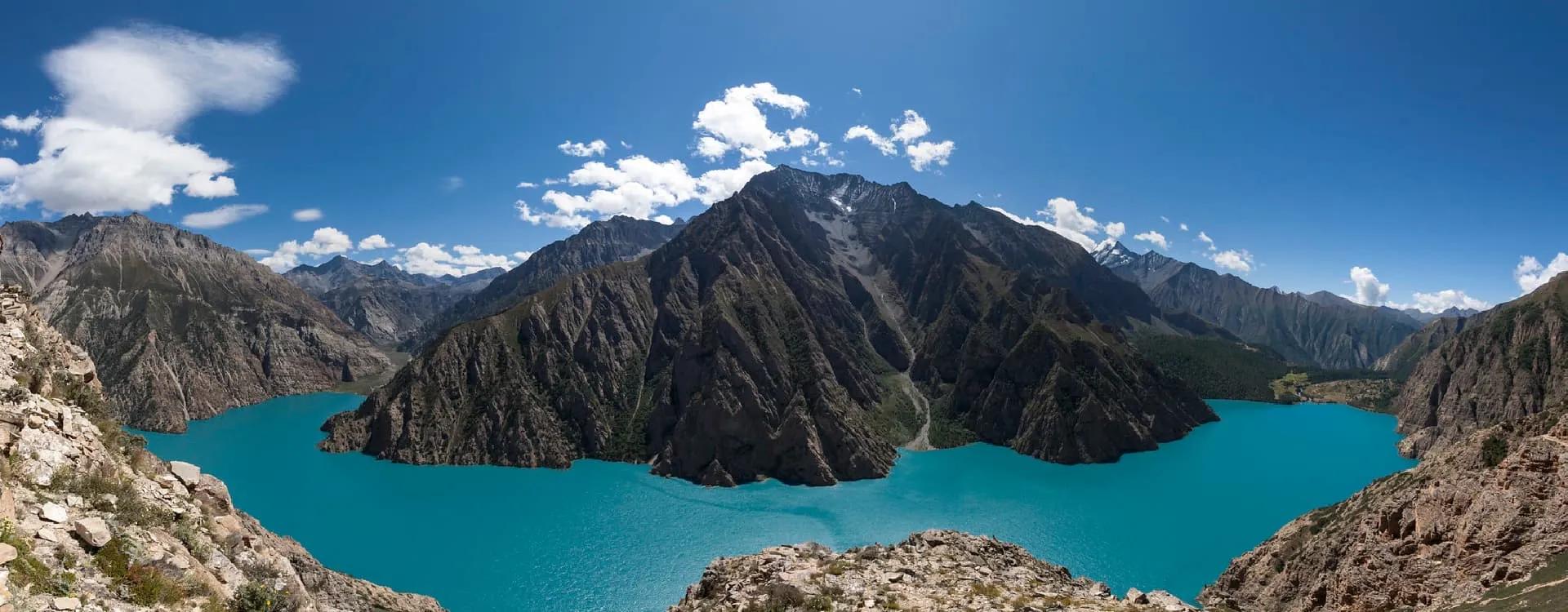
The Lower Dolpo Trek takes you deep into the remote and isolated Dolpo region of western Nepal, where Tibetan-influenced traditions, ancient villages, dramatic landscapes, and high mountain passes come together. Despite being called “Lower” Dolpo, the region reaches elevations of up to 5,190 meters, making this a challenging journey best suited for experienced and physically prepared trekkers. The Lower Dolpo Trek takes you through the spectacular Phoksundo Lake (3,611 m), peaceful pine, fir, and birch forests, rugged mountain trails, and high passes with views of the snow-covered Kanjirowa Himal. Along the way, you can experience the distinctive Bon Po religion, Buddhist culture, traditional villages, and ancient monasteries that have preserved their heritage for generations. Much of the route lies within Shey Phoksundo National Park, home to diverse Himalayan flora and wildlife, including the elusive snow leopard, Himalayan blue sheep, Himalayan black bear, goral, and Himalayan tahr. With its remote trails, unique culture, pristine landscapes, and challenging high-altitude passes, Lower Dolpo Trekking offers an authentic adventure far from Nepal’s more crowded trekking routes.
Why Choose the Lower Dolpo Trek?
The Lower Dolpo Trek is an excellent choice for trekkers who want to explore a remote and less-developed part of Nepal. The journey takes you through rugged Himalayan landscapes, peaceful valleys, ancient settlements, and high mountain passes while offering a closer look at the traditional lifestyle of the Dolpo people. The trek is particularly appealing to experienced adventurers who want something beyond the popular Everest and Annapurna routes. You can experience Tibetan-influenced culture, ancient monasteries, Bon Po traditions, pristine lakes, and untouched mountain scenery in a single journey. The combination of natural beauty, cultural richness, and challenging trails makes Lower Dolpo a truly distinctive Himalayan adventure.
What Makes the Lower Dolpo Trek Different from Other Treks?
What sets the Lower Dolpo Trek apart is its combination of remote landscapes, ancient culture, and wilderness. Unlike many established trekking routes, the trail passes through isolated communities where traditional ways of life have remained largely unchanged for generations. The journey also takes you through high-altitude and rugged terrain, including challenging mountain passes, dry valleys, forests, and dramatic Himalayan landscapes. The influence of Tibetan culture is particularly noticeable in the villages, monasteries, prayer flags, and religious practices. The continued practice of the Bon Po religion gives the region an additional cultural identity that is rarely experienced elsewhere in Nepal.
Less Crowded and More Peaceful
One of the biggest advantages of Lower Dolpo Trekking is the peaceful atmosphere of its trails. Compared with Nepal's more popular trekking destinations, Lower Dolpo receives significantly fewer trekkers, allowing you to enjoy the mountains and villages without large crowds. The quieter trails make the journey feel more personal and adventurous. You can walk through remote valleys, meet local villagers, observe traditional lifestyles, and enjoy the surrounding Himalayan scenery at your own pace. The limited number of visitors also contributes to preserving the region's unique culture and natural environment.
Best Season for the Lower Dolpo Trek
The best seasons for the Lower Dolpo Trek are spring (April to early June) and autumn (mid-September to late October). These periods generally offer stable weather, clear skies, and excellent visibility of the surrounding Himalayan landscapes.
Spring brings blooming alpine flowers, pleasant daytime temperatures, and beautiful scenery along the trails. Autumn offers crisp mountain air, clear skies, and exceptional visibility following the monsoon season.
Winter (December to February) is extremely cold, with heavy snowfall potentially blocking high mountain passes and making trekking difficult or impossible. Similarly, the monsoon season (June to early September) is less favorable due to possible flight disruptions to Juphal, landslides, muddy and slippery trails, and reduced visibility.
For the best overall trekking experience, May and October are particularly favorable months for exploring the remote landscapes of the Dolpo region.
Major Attractions of the Lower Dolpo Trek
The Lower Dolpo Trek combines natural, cultural, and wildlife experiences throughout the journey. Some of its major attractions include:
- Phoksundo Lake with its striking blue and turquoise waters.
- Shey Phoksundo National Park, known for its diverse landscapes, forests, and wildlife.
- Remote villages with strong Tibetan cultural influences.
- Ancient monasteries and traditional religious practices.
- The unique Bon Po religion, still practiced by communities in the region.
- Challenging high-altitude passes and rugged Himalayan trails.
- Spectacular views of the Kanjirowa Himal and surrounding snow-covered peaks.
- Pine, fir, and birch forests contrasting with the dry mountain landscapes.
- Opportunities to spot wildlife such as Himalayan blue sheep, Himalayan tahr, goral, Himalayan black bear, and potentially the elusive snow leopard.
Phoksundo Lake – The Jewel of Lower Dolpo
Phoksundo Lake, situated at around 3,611 meters, is undoubtedly one of the greatest highlights of the Lower Dolpo Trek. Surrounded by dramatic cliffs, forests, and rugged Himalayan mountains, the lake is famous for its exceptionally clear blue and turquoise waters. The lake lies within Shey Phoksundo National Park and has been recognized as a Ramsar site, highlighting its importance as a wetland of international significance. The contrast between the deep blue lake and the surrounding dry, rocky landscape creates an extraordinary Himalayan setting. Phoksundo Lake is also closely connected with the cultural identity of the Dolpo region. Its remote location and peaceful surroundings make reaching the lake a particularly rewarding part of the trek. The spectacular landscape was also featured in the film Himalaya, known as Caravan in Nepal, which introduced the remote lifestyle and scenery of Dolpo to a wider audience.
Accommodation
Accommodation throughout the trek is mainly in basic teahouses and local guesthouses, with one night potentially in a cave-style shelter or very rustic lodge (especially around Nawarpani). Rooms are usually simple twin-sharing with basic bedding. Facilities become more basic as altitude increases-expect shared toilets, limited heating, and minimal furniture. In lower sections like Dunai and Chepka, lodges are slightly more comfortable, while in high areas such as Do Tarap and base camp regions, accommodation is very basic and often community-run.
Meals
Meals are provided in teahouses and are simple but filling, designed for high-energy trekking. The staple diet includes dal bhat (rice, lentils, vegetables), noodles, potatoes, soups, Tibetan bread, and sometimes pasta or fried rice. Breakfast usually includes porridge, eggs, pancakes, or bread with tea or coffee. Meat is rare and not recommended at higher altitudes due to preservation issues. Hot drinks like ginger tea, garlic soup, and lemon tea are commonly consumed to help with acclimatization.
Permits
This trek requires multiple permits due to its restricted and conservation areas:
- Restricted Area Permit (RAP) for Dolpo region
- Shey Phoksundo National Park Entry Permit
- TIMS Card (Trekkers Information Management System)
A licensed trekking agency is mandatory for issuing restricted area permits. Solo trekking is not allowed in this region; a registered guide and minimum group requirement are compulsory.
Guide and Porter
A licensed trekking guide is mandatory for this route due to its restricted status and remote terrain. The guide ensures navigation, safety, cultural interpretation, and emergency management. A porter is highly recommended because the trek involves long walking days, high passes above 5,000m, and limited resupply points. Porters typically carry 20–25 kg, while trekkers carry a light daypack.
Drinking Water
Safe drinking water is available through boiled water from teahouses or purification methods. Plastic bottled water is discouraged due to environmental concerns and limited supply in remote regions. Trekkers should carry purification tablets, UV filters, or portable filtration systems. Boiled water is commonly provided for a small fee in most lodges. Hydration is critical at high altitude, so regular intake of warm fluids is strongly advised.
Travel Insurance
Comprehensive travel insurance is absolutely essential for this trek. The policy must cover:
- High-altitude trekking up to at least 6000 meters
- Emergency helicopter evacuation
- Medical treatment and hospitalization
- Trip cancellation and delays
Due to the remote nature of Dolpo, helicopter evacuation is often the only emergency exit option, making insurance a critical safety requirement rather than an option.
Transport
The journey involves multiple modes of transport:
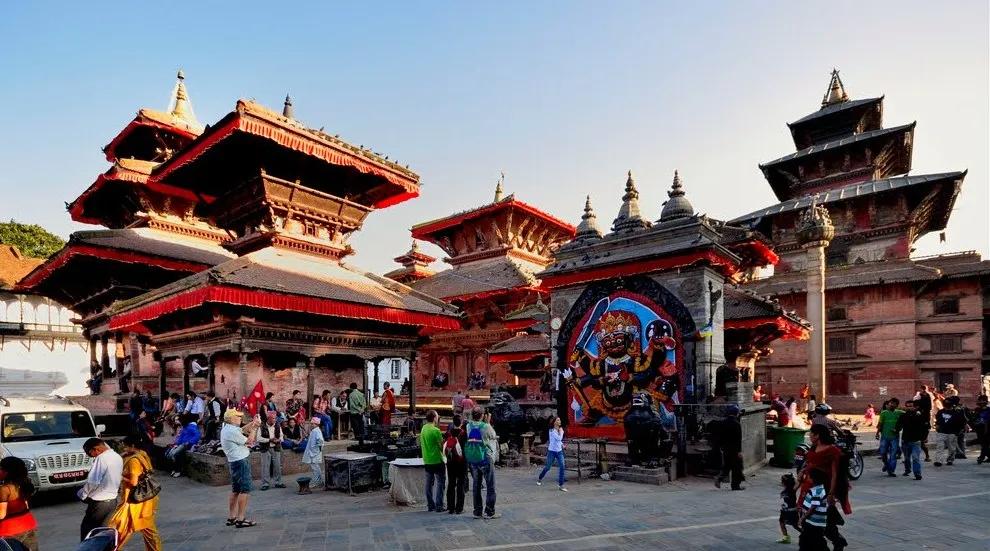
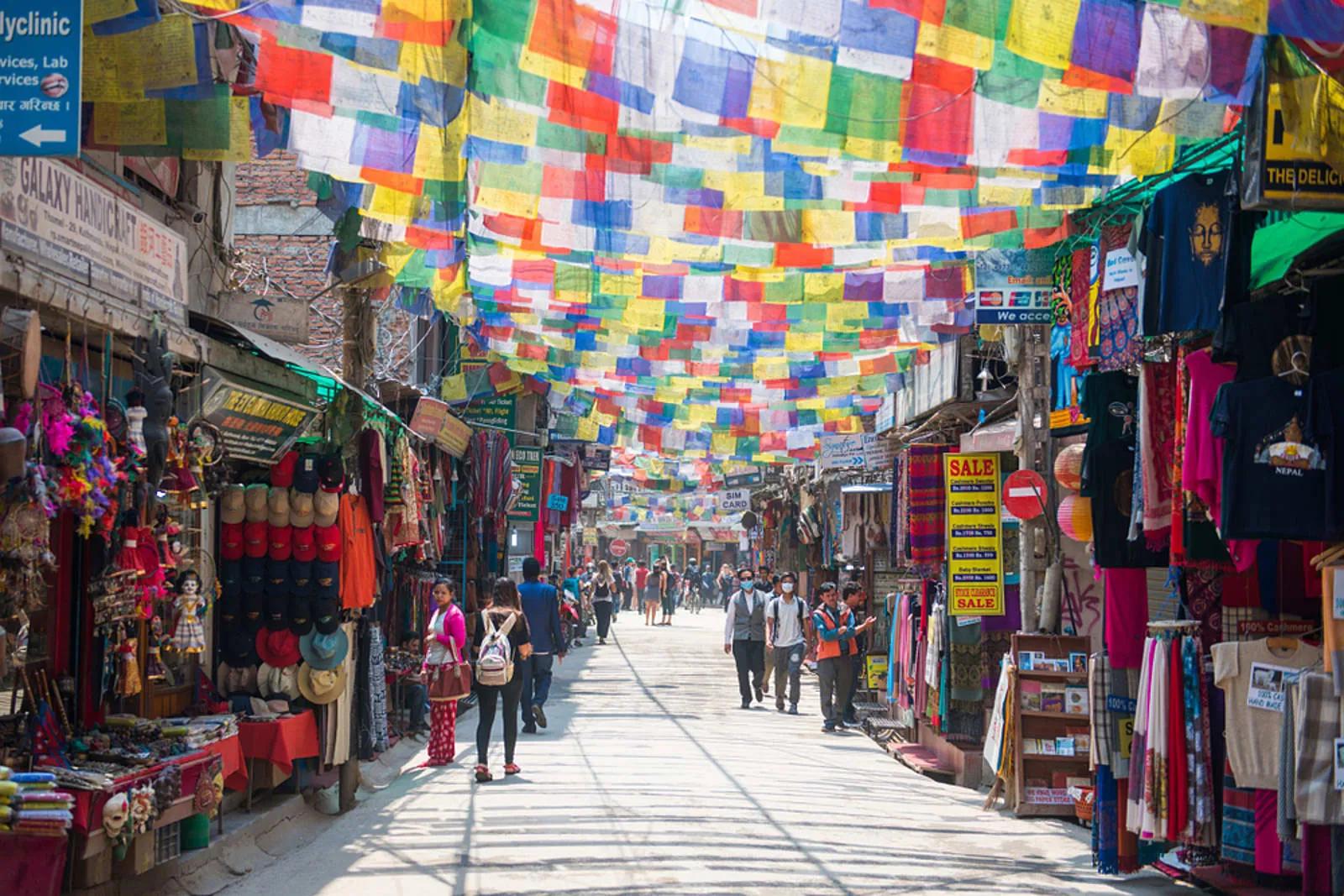
- International arrival in Kathmandu
- Domestic flight: Kathmandu - Nepalgunj
- Mountain flight: Nepalgunj - Juphal (weather-dependent)
- Return flights: Juphal - Nepalgunj - Kathmandu
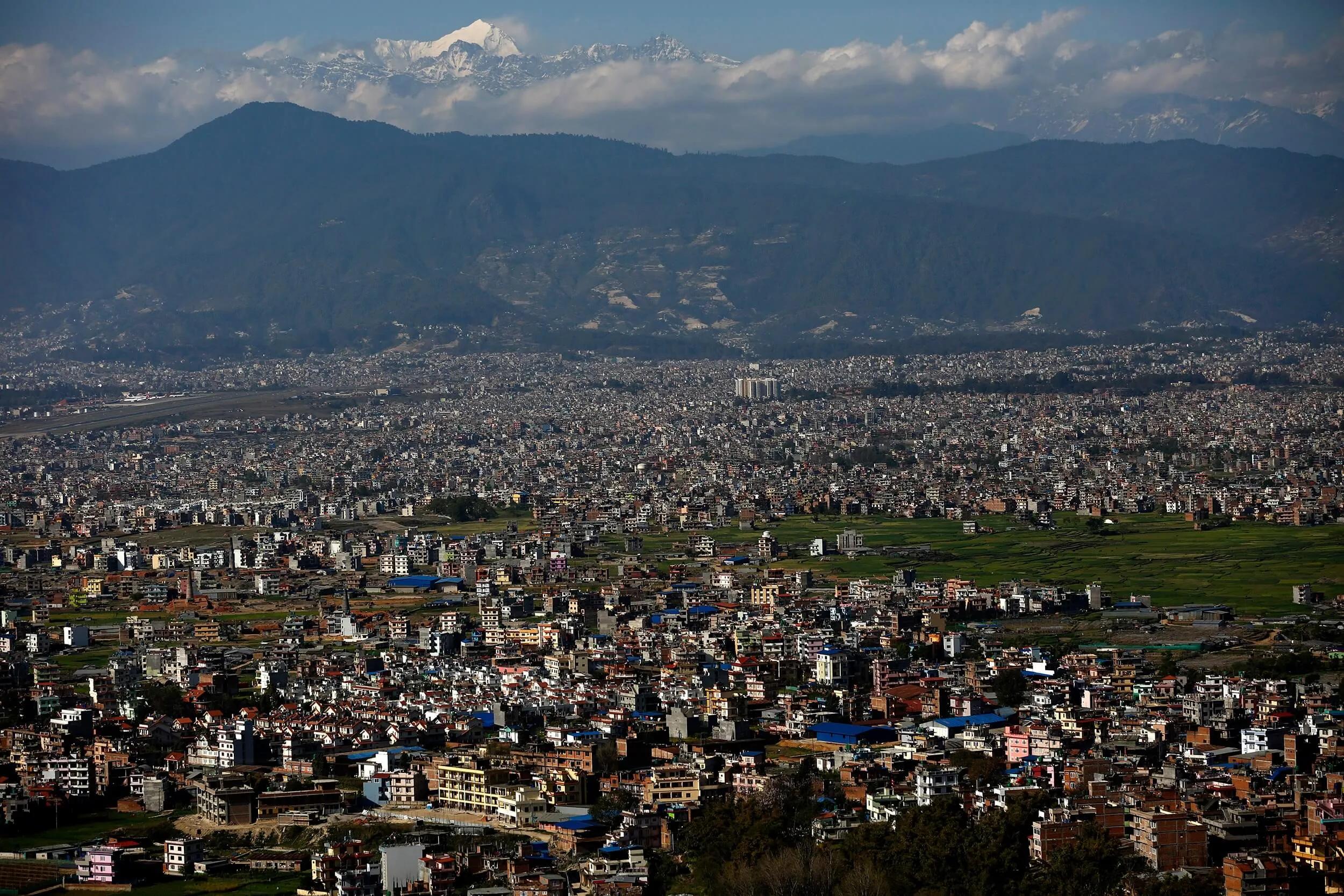
All flights to and from Juphal are highly weather-sensitive and may be delayed or rescheduled. Ground transport within Kathmandu and airport transfers are typically provided by the trekking operator.
Difficulty Level
This trek is classified as challenging to very strenuous. Key difficulty factors include:
- Long trekking days (5-7 hours average)
- High altitude passes above 5000m
- Remote and rugged terrain
- Limited infrastructure and emergency access
- Variable weather conditions
Prior high-altitude trekking experience is strongly recommended, ideally above 3500–4000m, as acclimatization and endurance are crucial.
Altitude Sickness
Altitude sickness (AMS) is a significant concern on this route, especially after Do Tarap and during crossings of Numa La and Baga La passes. Symptoms may include headache, nausea, dizziness, fatigue, and shortness of breath. The itinerary includes gradual acclimatization, but trekkers must still be cautious. Preventive measures include:
- Slow ascent and proper rest
- Drinking plenty of fluids
- Avoiding alcohol and smoking
- Eating light but energy-rich meals
- Immediate descent if symptoms worsen
Serious cases like HAPE or HACE are medical emergencies requiring evacuation.
Cancellation Policy
Cancellation by the Participant
If you decide to cancel your booking for the Lower Dolpo Trek – 15 Days please notify Alpine Club of Himalaya in writing (via email or official communication) as early as possible. The following cancellation charges apply:
- 60 days or more before trek start date: 20% cancellation fee of the total trip cost
- 30 to 59 days before trek start date: 50% cancellation fee of the total trip cost
- Less than 30 days before departure: No refund; 100% of the trip cost is non-refundable
These fees cover administrative costs, permits, pre-arranged logistics, and potential losses caused by late cancellations.
Cancellation by the Organizer
In the rare circumstance that Alpine Club of Himalaya must cancel the trek due to unforeseen or uncontrollable events such as extreme weather, natural disasters, or safety concerns in the region, you will be offered either:
- A full refund of all payments made
OR
- The option to reschedule your trek for a future available date at no additional cost
Your safety is our highest priority, and cancellations are only made when absolutely necessary.
Force Majeure Clause
Alpine Club of Himalaya cannot be held responsible for cancellations, delays, or extra expenses resulting from force majeure events, including but not limited to:
- Earthquakes, floods, landslides
- Political unrest, strikes, or border closures
- Epidemics, pandemics, or other health emergencies
- Airspace closures, airline cancellations, or flight delays
In such cases, participants are responsible for any additional personal costs such as extra accommodation, changed flights, or insurance claims. We strongly recommend that all trekkers purchase comprehensive travel insurance covering trip cancellations, medical emergencies, and force majeure events before joining the trek.