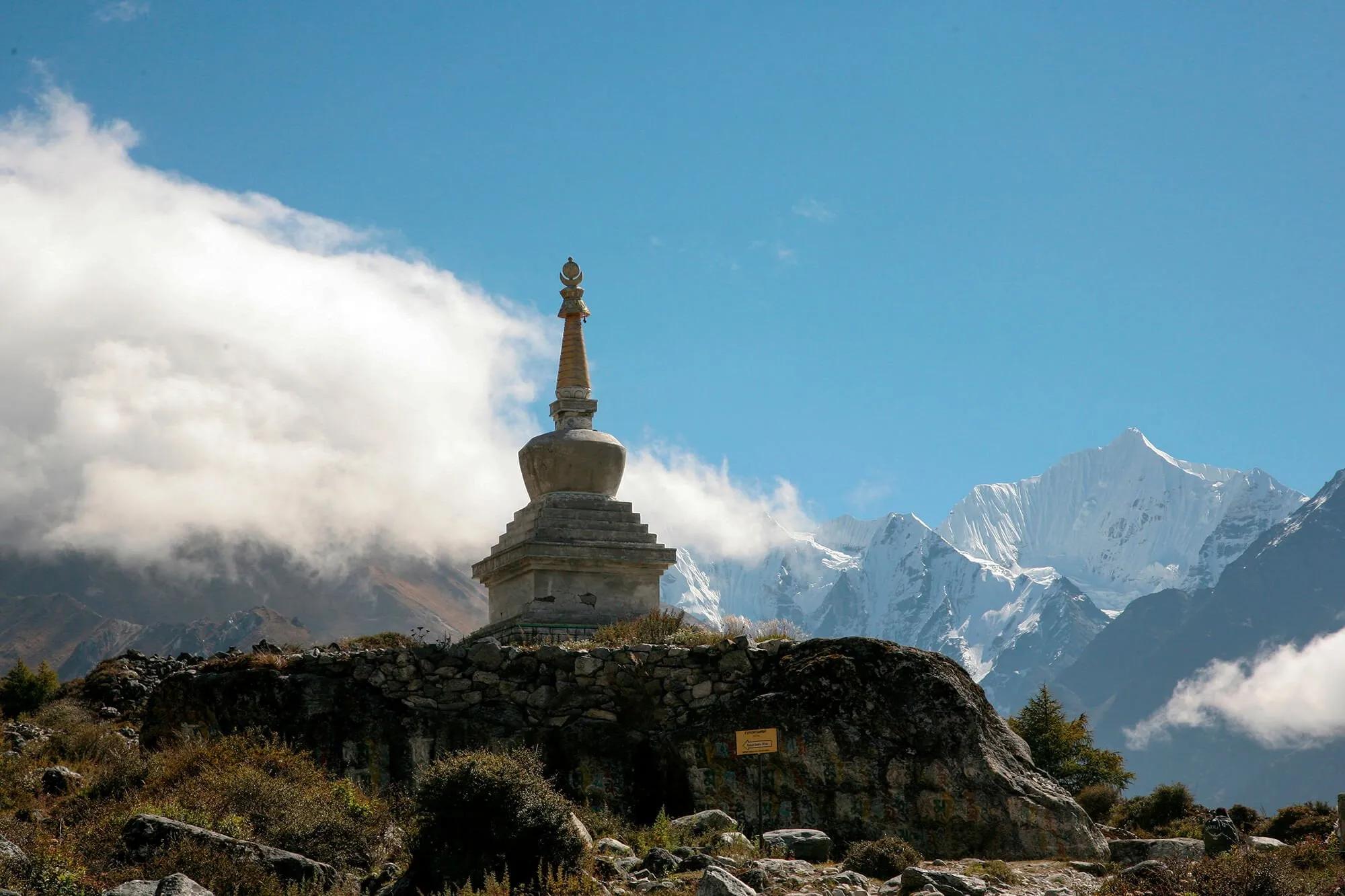
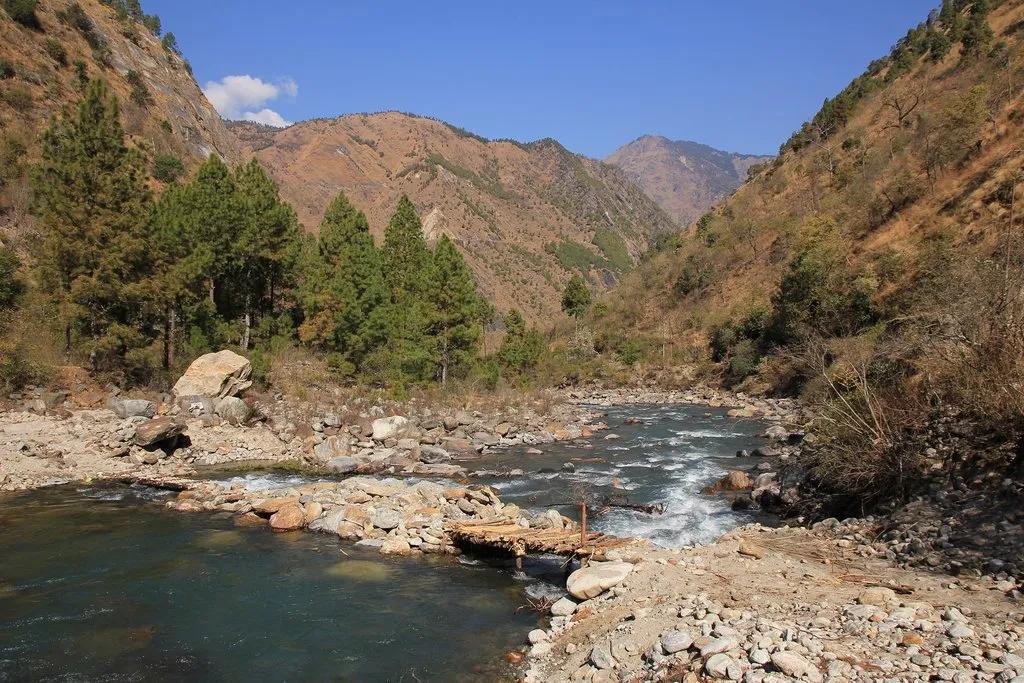
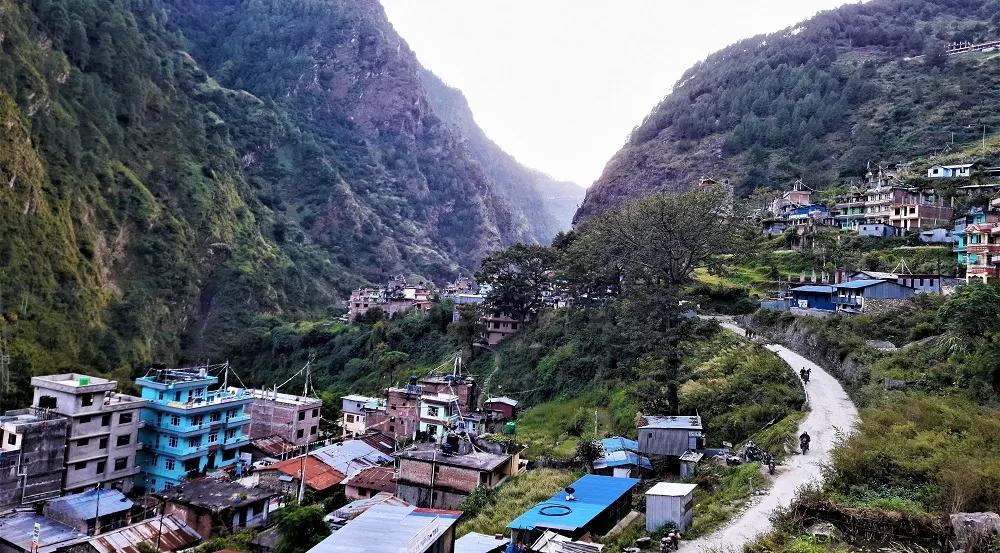
The Langtang Valley trek is the third most popular trekking destination and closest to the valley of Kathmandu. Nestled in the heart of the greater Himalayas and dissected into various parts by a river system. Consisting of high-altitude glaciers and glacial lakes, Himalayan valleys, high pasture lands, lush forests, raging rivers, and inevitably of biodiversity. The Langtang valley a heaven in its own term, clinging to the mountainside in the frozen peaks of the Himalayas. The Langtang valley falls under Langtang National Park and is the country’s first Himalayan National Park. The boundary on the northern part is Tibet on the western Bothe Koshi and Trishuli River. It coversg an area of 1710 sq. km of the three districts of Rasuwa, Nuwakot, and Sindupalchowk.
Best Time to Visit?
The best season for trekking to Langtang region is during the season of autumn and spring.
The months of September, October, November, March, April, and May are the best time to visit. These months are better in terms of visibility and climate conditions providing good conditions for exploring the high mountain terrains.
During the autumn season, the months of September, October, and November brings clear weather with great visibility and warm temperatures providing a perfect opportunity to trek on high Himalayan terrains.
The spring season of March, April, and May is also the best time to visit Langtang valley, the end of winter bring change in the topography of the region with varieties of lush blooming trees of Rhododendron, mixture of Confers, Oaks with Orchids and ferns with high pasture lands covered with colorful wildflowers with mild temperatures and clear weather.
Monsoon season is not favorable as the weather gets harsh and it’s hard to get around the country, so monsoon season is mostly avoided by trekkers.
In winter season the area receives high snowfall, covering most of the trail and access is denied to most of the regions of Langtang region making it quite impossible to trek to higher grounds.
Why this tour is Unique?
Langtang Valley Trek is the closest and most facilitated trekking destination closer to the valley of Kathmandu. The trails are easy, providing a great experience for first-time as well as seasonal trekkers. On this trek, you will not only witness the grand views of nature but learn about the culture and lifestyle of the mountain people.
Entry Permits and Requirements:
The Langtang Valley Trek requires the following permit:
1) Langtang National Park Entry Permit
- Langtang National Park Entry permit is NRP 3,000 + 13% VAT (about USD 32) for foreigners and
- NPR 1500 + 13% VAT (about USD 15) for people of SAARC country.
- No permit is required for children below 10 years.
You won’t have to worry about waiting for permits we will take care of everything.
2. Langtang National Park Permit
The Langtang National Park Permit is required to trek in the Langtang Valley, which is part of the Langtang National Park. This permit is essential to help protect the park’s unique flora, fauna, and ecosystem. The Langtang National Park is home to various species such as the red panda, Himalayan tahr, and several species of birds, making the trek a highlight for nature lovers.
- Cost: The Langtang National Park Permit costs around NPR 3,000 for foreigners.
- Where to Obtain: This permit can be obtained at the Nepal Tourism Board in Kathmandu or the National Park Entry Gate in Dhulikhel or Syabrubesi, depending on where your trek starts. It is often arranged by your trekking agency as part of the trekking package.
3. Monastery Fees
During the trek, you will pass through several monasteries, such as Kyanjin Gompa, and there may be additional entrance fees to visit these sacred sites. While the fees are generally minimal, it’s good to have some extra cash for these cultural and spiritual sites.
4. Additional Information:
- Permits for the Langtang Valley Trek are typically handled by your trekking agency. Alpine Club of Himalaya provides comprehensive services, including the arrangement of all required permits and documentation for your trek.
- Carrying Permits: Ensure you carry the TIMS card and National Park Permit throughout the trek. Your guide will help verify the permits at checkpoints along the way, ensuring you follow all the regulations.
5. How to Apply for Permits:
You can apply for the TIMS card and Langtang National Park Permit in Kathmandu before your trek, or your trekking agency can help with this process. Alpine Club of Himalaya can handle all the paperwork and ensure you have the correct permits, allowing you to focus on enjoying the trek.
Preparation for Langtang Valley Trek:
In brief, the trail to Langtang Valley easy and facilitated. But as you will have to hike for a long period of time in high mountain country so trekkers need to be prepared.
Travel Insurance:
All clients engaging in any activity must have smart travel insurance or emergency evacuation insurance. We highly suggest you to obtain a comprehensive insurance plan from a reliable insurance firm that covers emergency evacuation insurance in high altitudes, personal injury, hospital expenditures, repatriation fees, helicopter rescue, and any other misfortune.
Passport and Visa:
Each client must be issued a valid visa with a six-month validity from the date of return by the Nepalese embassy in your country or the immigration office at Tribhuvan International Airport in Kathmandu.
Meals and drinking water for Langtang Valley Trek :
Langtang Region Trek you’ll be provided with various Nepali, Tibetan ethnic cuisines and varieties of western meals to choose. The region has numbers of tea-house every hour so typically run by local inhabitants providing basic and minimal facilities. Try various traditional cuisine and popular snacks include locally made dairy items such as cheese, Churpi, and milk-based delicacies and baked items. Also try Sea buckthorn juice, a Himalayan delicacy.
Similarly, drinking water taps are accessible with natural water supplies which are untreated, so direct use of the water is not recommended, you may refill boiling water or cold filter water from any of the teahouses. However, if you buy a water purification tablet, chlorine drops or utilize SODIS (sunlight assisted) filtration procedures for further assurance, saving money and reducing plastic pollution.
Accommodation:
Local accommodations are available in trekking lodges and teahouses which are located all along the trail in every hour or so, providing basic accommodation, food and electricity. The room mostly include twin sharing beds as well as single bed, with hygienic and clean atmosphere and good mattresses which reduce your backpack weight. The accommodation usually have a central heating system used by firewood located at dining rooms, providing heat and space for travelers to rest and exchange their stories. Campsites are also available along the trail providing a special opportunity for the campers.
Difficulty Level
The 7 Days Langtang Valley Trek is considered a moderate-level trek, making it suitable for trekkers with basic fitness levels and some previous trekking experience. While the trek involves ascending to altitudes of over 4,700 meters, the gradual climb and relatively shorter trekking days make it accessible to those in good physical condition. Some sections of the trek may be steep, particularly on the way to Kyanjin Ri, but it is manageable for most trekkers with moderate endurance. Acclimatization days and the option of hiking to high-altitude viewpoints ensure you can enjoy the trek at a comfortable pace.
Why Choose the Langtang Trek
The Langtang Valley Trek offers a unique combination of scenic beauty, rich cultural experiences, and a peaceful, less-crowded trekking route. Located just a few hours from Kathmandu, Langtang provides the perfect option for those looking for a Himalayan adventure without the long travel times associated with other popular treks in Nepal. You’ll experience the beauty of snow-capped peaks like Langtang Lirung, traverse lush forests, interact with welcoming Tamang and Tibetan communities, and explore ancient monasteries in a serene setting. The Langtang trek is ideal for those seeking a shorter trek that still offers the grandeur and diversity of the Himalayas.
Weather Conditions in Langtang
The best time to trek in Langtang is during the Spring (March to May) and Autumn (September to November) months, when the weather is mild and stable, and visibility is excellent. During these seasons, temperatures typically range from 10°C to 20°C during the day and can drop to around 0°C to -5°C at night, depending on the altitude. In the winter months (December to February), temperatures can drop significantly, and snow may make higher altitudes challenging to reach. The monsoon season (June to August) should be avoided due to heavy rainfall, which can lead to slippery trails and an increased risk of landslides.
Safety and Security
Your safety and security are of utmost importance during the Langtang Valley Trek. The trek is well-established, with clear trails and marked routes. However, trekkers should always be cautious of their surroundings, particularly on steeper sections or near rivers. It’s recommended to hire a licensed guide from a reputable company, like the Alpine Club of Himalaya, who is experienced in managing emergency situations, including altitude sickness. The presence of local teahouses ensures that you are never too far from help in case of an emergency. The trek is also less crowded compared to other popular routes, offering a more peaceful and secure experience.
WiFi and Electricity
Most teahouses on the Langtang Valley Trek offer Wi-Fi for an additional cost, though the internet speed may be slow, as it depends on the availability of satellite connections. If you need to stay connected with family or work, this is a feasible option. As for electricity, many teahouses provide charging facilities, but you may need to pay a small fee to charge your devices. It’s best to bring a power bank to ensure your devices remain charged, especially on the higher reaches where charging options are more limited.
Guide and Porter
Hiring a licensed guide and porter enhances your trekking experience in Langtang. A guide will help navigate the trails, provide insight into the local culture and wildlife, and ensure your safety throughout the trek. If you’re trekking with a group of 10 or more trekkers, an assistant guide will accompany the team to ensure smooth logistics. For every two trekkers, there will be one porter to carry your bags, allowing you to walk at a more relaxed pace and focus on enjoying the trek. The Alpine Club of Himalaya ensures that you are accompanied by professional and experienced guides and porters who understand the terrain and are well-equipped to handle any situation.
Physical Fitness and Requirements
The Langtang Valley Trek is considered moderate, but it requires good physical fitness to make the most of the journey. While you don’t need to be a professional athlete, regular cardiovascular exercises such as walking, hiking, or running will help prepare your body for the trek. Altitude acclimatization is also essential, and you should be prepared for varying weather and conditions, especially at higher altitudes. If you’re in good physical condition and have a positive attitude, you’ll be able to complete the trek without any issues. It’s recommended to spend time preparing your body in advance to ensure a safe and enjoyable experience.
Restrictions and Permissions During the Trek
The Langtang Valley Trek requires trekkers to obtain a Langtang National Park Permit and a TIMS (Trekkers’ Information Management System) Card. These permits help regulate trekking in the area, ensuring the protection of the environment and the safety of trekkers. The permits can be obtained in Kathmandu with the assistance of your guide or trekking agency. Make sure to carry a valid passport and any necessary permits during your trek. The Alpine Club of Himalaya can help you arrange all the required paperwork to ensure you are fully compliant with trekking regulations.
Booking Policy
To confirm your booking the following payment policy applies:
1. Deposit at Booking: A 20% deposit of the total trek amount is required at the time of booking to secure your spot.
2. Remaining Balance: The remaining 80% of the total trek cost can be paid upon your arrival in Kathmandu before the trek begins.
3. Credit Card Payments: If you prefer to pay the remaining amount via credit card, please note that a 4% service charge will be applied by the bank to the total amount.
By following these payment guidelines, your booking will be confirmed, and your trek will be reserved.
Final Notes
Ensure that all your gear is tested and comfortable before the expedition and climbing. Proper fit and functionality are crucial for high-altitude climbing. Some gear may be provided by the expedition team, so check with them regarding specific items included in your package.
Cancellations Policy
In the event of cancellations, the following policies will apply:
Cancellation by the Participant:
- If a participant decides to cancel their trip, they must notify the Alpine Club of Himalaya as soon as possible.
- Cancellations made 60 days or more before the trip will incur a fee of 20% of the total cost.
- Cancellations made between 30 to 59 days before the trip will incur a fee of 50% of the total cost.
- Cancellations made less than 30 days prior to departure will result in a forfeiture of the entire payment.
Cancellation by the Organizer:
If the Alpine Club of Himalaya cancels the expedition due to unforeseen circumstances, such as extreme weather conditions, natural disasters, or safety concerns, participants will receive a full refund or the option to reschedule for a later date.
Force Majeure:
The Alpine Club of Himalaya is not liable for any additional costs incurred due to cancellations resulting from force majeure events (e.g., natural disasters, political unrest, or health emergencies).