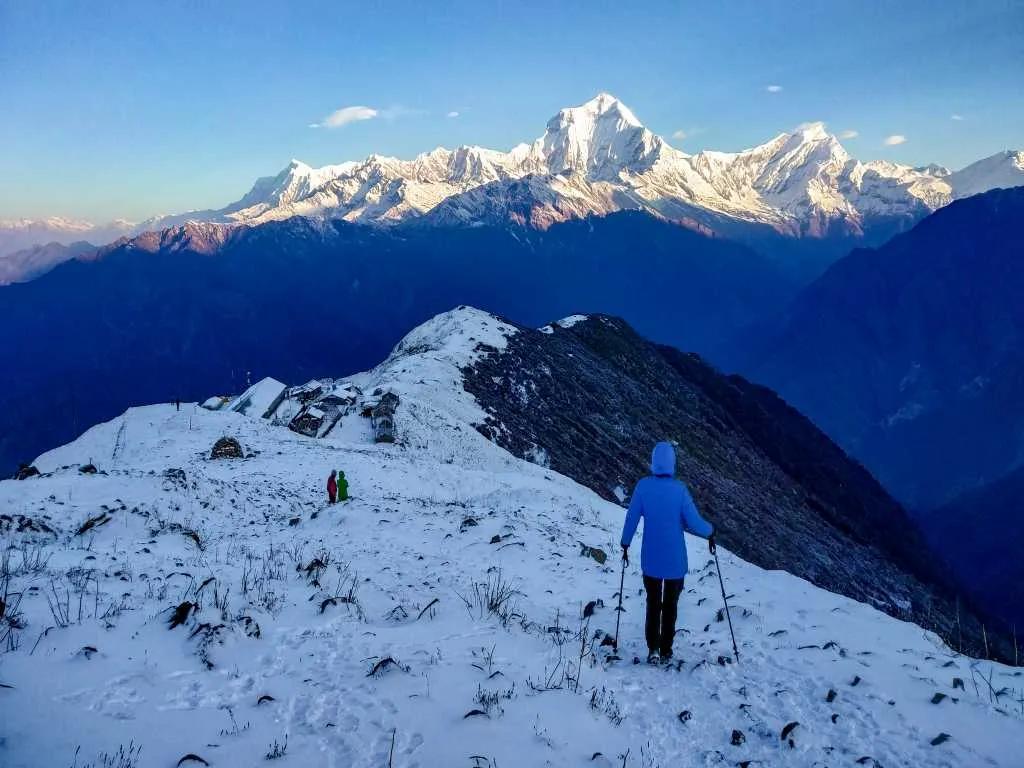
The Khopra Danda Trek – 8 Days is a rewarding off-the-beaten-path journey in Nepal’s Annapurna region, perfect for trekkers seeking natural beauty, cultural depth, and peaceful trails away from crowded routes. Organized by Alpine Club of Himalaya, this trek follows a lesser-known path that combines forested hills, high alpine ridges, and traditional mountain villages, offering an authentic Himalayan experience rooted in community-based tourism.
The trek passes through charming villages such as Nangi, a well-known model of sustainable rural development. This eco-friendly village highlights community initiatives in education, agriculture, and local industries, giving trekkers meaningful insight into how tourism supports long-term local livelihoods. As the trail ascends higher toward Khopra Danda (around 3,660 meters), the landscape opens into wide ridgelines and alpine pastures, where yaks graze and traditional herding life continues unchanged. The quiet atmosphere and lack of commercial development make Khopra one of the most peaceful viewpoints in the Annapurna region.
One of the main highlights of the Khopra Danda Trek is the spectacular panoramic mountain scenery. From the ridges and viewpoints, trekkers enjoy uninterrupted views of some of Nepal’s most iconic Himalayan peaks, including Annapurna I, Annapurna South, Annapurna II, Dhaulagiri I, Nilgiri, Hiunchuli, Machhapuchhre (Fishtail), Lamjung Himal, Gangapurna, Tilicho Peak, and Manaslu on clear days. The contrast between deep valleys, terraced farmland, forested slopes, and towering snow-covered mountains creates unforgettable scenery throughout the trek.
Cultural immersion is another defining feature of this trek. The region is home to diverse communities including Gurung, Magar, Brahmin, and Chhetri families, each with distinct traditions, languages, and lifestyles. Accommodation is mainly provided in homestays, local lodges, and community-run guesthouses, allowing trekkers to experience genuine hospitality while directly supporting local families. Traditional food, warm interactions, and cultural exchange make each overnight stay as memorable as the trekking itself.
For trekkers with extra energy and time, an optional side trip to Khayer Lake adds spiritual and scenic value to the journey. Situated at approximately 4,500 meters, this sacred alpine lake lies beneath dramatic snow-covered peaks and is revered by local communities. The hike to Khayer Lake offers a sense of high-altitude adventure without technical difficulty, rewarding trekkers with serene surroundings and powerful mountain views.
Designed as a moderate-level trek, the Khopra Danda Trek is suitable for trekkers with a reasonable level of fitness. The itinerary is carefully planned by Alpine Club of Himalaya to allow gradual altitude gain, comfortable daily walking hours, and proper acclimatization. With experienced guides, trained porters, and strong logistical support, the trek ensures safety, cultural respect, and an enriching Himalayan journey.
The Khopra Danda Trek – 8 Days is an excellent choice for travelers looking for a short yet immersive trek that blends mountain grandeur, sustainable tourism, and authentic village life in the heart of the Annapurna region.
Best Time for Trek
The best time to do the Khopra Danda Trek is during spring (March to May) and autumn (September to November), when weather conditions are stable and mountain views are at their best. During spring, the trekking trails come alive with blooming rhododendron forests, fresh greenery, and pleasant daytime temperatures. This season offers excellent visibility of the Annapurna and Dhaulagiri ranges, making it ideal for photography and nature lovers.
Autumn is considered the most popular season for the Khopra Danda Trek due to clear skies, dry trails, and crisp mountain air. After the monsoon rains, the landscape appears fresh and clean, and panoramic views of peaks such as Annapurna I, Dhaulagiri, Nilgiri, and Machhapuchhre are especially sharp. Daytime temperatures are comfortable, while nights remain cool at higher elevations.
The trek can also be done in winter (December to February) for those seeking quieter trails and snow-dusted scenery, though temperatures can drop significantly at Khopra Danda and surrounding ridges. Monsoon season (June to August) is less recommended due to rainfall, slippery trails, and limited mountain visibility, although the region becomes lush and green. Alpine Club of Himalaya strongly recommends spring and autumn for the most comfortable and rewarding trekking experience.
Difficulty Level
The Khopra Danda Trek is classified as a moderate-level trek, making it suitable for trekkers with a basic level of hiking experience and good overall fitness. The trail involves a combination of forest paths, stone staircases, village trails, and high ridgelines, with daily walking durations ranging from 5 to 7 hours. While the trek does not require technical climbing skills, certain sections include steep ascents and descents that can be physically demanding.
The maximum elevation reached on the main trek is around 3,660 meters at Khopra Danda, with an optional side hike to Khayer Lake at approximately 4,500 meters, which adds an extra challenge. The itinerary designed by Alpine Club of Himalaya allows for gradual altitude gain and proper acclimatization, reducing the risk of altitude-related issues. With steady pacing, proper rest, and guidance, the trek is achievable for both fit beginners and experienced trekkers.
Physical Fitness and Requirements
A moderate level of physical fitness is required for the Khopra Danda Trek, as trekkers will be walking for several hours each day on varied terrain. Participants should be comfortable with continuous uphill and downhill walking while carrying a light daypack. Activities such as regular walking, hiking, jogging, cycling, stair climbing, or gym workouts for at least 4 to 6 weeks before the trek are highly recommended to build stamina and endurance.
No previous high-altitude trekking experience is mandatory, but trekkers should have good cardiovascular fitness, strong legs, and mental readiness. Proper preparation, including wearing well broken-in trekking boots and carrying suitable layered clothing, is essential. Trekkers with pre-existing medical conditions are advised to consult a doctor before joining the trek. With professional support from Alpine Club of Himalaya, including experienced guides and trained porters, trekkers can complete the journey safely and comfortably while fully enjoying the scenic and cultural richness of the Khopra Danda Trek.
Cultural and Religious Significance
The Khopra Danda Trek offers a deep and meaningful cultural experience by taking trekkers through traditional villages of the Annapurna region, where age-old customs and spiritual practices remain an important part of daily life. The region is home to diverse ethnic communities including Gurung, Magar, Brahmin, and Chhetri, each with its own language, rituals, festivals, and social traditions. Walking through these villages provides an authentic opportunity to observe traditional farming methods, local architecture, and warm village hospitality that reflects the strong communal spirit of the Himalayan people.
Religion plays a significant role in shaping local culture along the trek. Trekkers will encounter Hindu temples, Buddhist prayer flags, chortens, and small shrines along the trails and near settlements, symbolizing harmony between Hinduism and Buddhism in the region. The optional hike to Khayer Lake, situated at high altitude, holds special religious importance for local communities and is considered a sacred pilgrimage site during certain festivals. Visiting this spiritually significant location offers insight into the deep connection between nature, faith, and daily life in the Himalayas.
By staying in homestays and community-run lodges, trekkers gain firsthand exposure to local traditions while directly supporting cultural preservation. Alpine Club of Himalaya promotes responsible tourism practices that respect local beliefs and contribute positively to community development, ensuring that cultural and religious heritage remains protected for future generations.
Why Choose the Khopra Danda Trek?
The Khopra Danda Trek is an excellent choice for travelers seeking a less crowded, culturally rich, and visually stunning trekking experience in Nepal’s Annapurna region. Unlike popular routes such as Ghorepani Poon Hill, this trek follows quieter trails that lead to high ridges and remote villages, offering a sense of solitude and genuine connection with nature. The panoramic views from Khopra Danda rival some of the best viewpoints in Nepal, showcasing the Annapurna and Dhaulagiri ranges in a peaceful, unspoiled setting.
Another strong reason to choose this trek is its focus on community-based and sustainable tourism. Accommodation in homestays and community lodges allows trekkers to contribute directly to local livelihoods while enjoying authentic hospitality. The trek is designed at a moderate difficulty level, making it accessible to fit beginners while still rewarding experienced trekkers with dramatic scenery and optional high-altitude side hikes such as Khayer Lake.
With Alpine Club of Himalaya, trekkers benefit from experienced guides, trained porters, well-planned itineraries, and strong safety standards. The combination of breathtaking mountain views, rich cultural encounters, ethical travel practices, and professional support makes the Khopra Danda Trek a perfect choice for those looking to explore the Himalayas beyond the mainstream routes while enjoying comfort, safety, and meaningful experiences.
Climate and Weather
The climate along the Khopra Danda Trek varies due to altitude differences, ranging from subtropical valleys to high-altitude ridges. Spring (March to May) and autumn (September to November) are the most favorable seasons. During spring, temperatures in the lower villages like Nangi range between 15°C to 22°C during the day, while nights remain cooler. Rhododendron forests bloom, and skies are generally clear, offering excellent mountain visibility.
In autumn, the trails are dry and stable, daytime temperatures are comfortable, and the Himalayan peaks appear crisp and snow-capped against a deep blue sky. Nights at higher altitudes, especially around Khopra Danda (3,660m), can drop to near freezing, so proper insulated gear is essential.
Winter (December to February) brings cold temperatures, sometimes below 0°C at higher points, while lower valleys remain mild. Snowfall is possible, making trails slippery but offering a pristine white landscape. Monsoon (June to August) is less recommended because heavy rainfall can make trails muddy and rivers swollen, and the mountain views may be obscured by clouds.
Alpine Club of Himalaya schedules treks to maximize safety and comfort while ensuring the best possible weather conditions for trekking, photography, and scenic enjoyment.
Flora and Fauna
The Khopra Danda Trek passes through a diverse ecological zone from subtropical forests to alpine ridges, making it a rich habitat for flora and fauna.
Flora:
· Lower elevations feature lush rhododendron, oak, and pine forests. Spring sees vibrant rhododendron blooms, creating colorful trails.
· Mid-altitude regions include maple, bamboo, and wildflower meadows, adding variety and beauty along the path.
· Above 3,000 meters, alpine vegetation dominates, including juniper, mosses, and hardy grasses adapted to high-altitude conditions.
Fauna:
· Wildlife sightings may include Himalayan langurs, musk deer, Himalayan goral, and various birds such as pheasants, partridges, and colorful mountain species.
· Along high ridges, trekkers may spot yak herds grazing in alpine pastures, integral to local livelihoods.
· Small mammals, butterflies, and endemic plant species contribute to the region’s unique biodiversity, which is protected under conservation and community-based management initiatives.
Alpine Club of Himalaya encourages trekkers to respect the environment, maintain safe distances from wildlife, and avoid disturbing habitats to ensure sustainable trekking practices.
Restrictions and Permissions
The Khopra Danda Trek falls within the Annapurna Conservation Area, and certain rules and permits are required for sustainable and responsible trekking.
Required Permits:
· TIMS Card (Trekkers’ Information Management System): Mandatory for all foreign trekkers in the Annapurna region. It ensures safety and tracking of trekkers.
· Annapurna Conservation Area Permit (ACAP): Required to enter protected areas; fees contribute to wildlife and habitat preservation.
Local Restrictions:
- Some trails pass through private farmland or sacred areas; trekkers are expected to stay on designated paths.
- Camping outside authorized zones is discouraged to reduce environmental impact.
Photography Guidelines:
- Trekkers are allowed to take photos of landscapes, mountains, and wildlife.
- Always seek permission before photographing villagers, their homes, or religious rituals to respect local customs.
Drone Usage:
- Drones are restricted in the Annapurna Conservation Area. Permission must be obtained from local authorities before flying.
Alpine Club of Himalaya manages all permit arrangements and ensures trekkers follow environmental and cultural guidelines, promoting responsible tourism and the long-term sustainability of the Khopra Danda region.
Safety and Security on Khopra Danda Trek
The Khopra Danda Trek is considered a moderate-level trekking route, and safety is a top priority. While the trails are generally well-maintained, the region’s remote location, high ridges, and changing weather can pose challenges. Trekkers are advised to follow safety protocols and travel with experienced guides. Alpine Club of Himalaya ensures the trek is conducted under strict safety measures, providing trained guides, porters, and emergency support throughout the journey.
· Guided Trekking: Guides monitor altitude, weather conditions, and trekker health to minimize risk.
· Emergency Preparedness: First aid kits and communication equipment are carried by guides and support staff. In case of serious medical issues, evacuation plans are in place.
· Trail Conditions: While most trails are safe, rain or snow can make certain sections slippery; trekking poles are recommended for stability.
· Wildlife and Environment: Wildlife encounters are rare, but trekkers should respect animals and avoid feeding them. Maintaining environmental safety by not littering is also essential.
· Local Communities: Villages along the trek are friendly and welcoming, but trekkers are expected to respect cultural practices and private property.
By trekking with Alpine Club of Himalaya, participants benefit from experienced staff, proper logistics, and a safety-first approach, ensuring a secure and enjoyable experience on all days of the trek.
Acclimatization Requirements
Although the Khopra Danda Trek does not reach extreme altitudes like Annapurna Base Camp, proper acclimatization is essential to prevent altitude-related issues. The trek gradually ascends to Khopra Danda (3,660 meters), and optional hikes like Khayer Lake (4,500 meters) require careful altitude management.
· Gradual Ascent: The itinerary includes incremental altitude gains to allow the body to adjust to lower oxygen levels. Daily walking hours are moderate to prevent overexertion.
· Rest Days: Scheduled rest periods at villages such as Nangi or Khopra help maintain energy levels and support acclimatization.
· Hydration and Nutrition: Drinking plenty of water, consuming balanced meals, and avoiding alcohol help the body adjust more efficiently.
· Monitoring Symptoms: Trekkers should watch for signs of altitude sickness, such as headaches, nausea, or fatigue. Guides from Alpine Club of Himalaya are trained to identify symptoms early and provide appropriate guidance.
· Optional High-Altitude Hikes: Side trips like Khayer Lake are undertaken after the body has had sufficient time to acclimatize, reducing the risk of complications.
Following proper acclimatization protocols ensures that trekkers can fully enjoy the breathtaking mountain scenery, high ridges, and cultural experiences without health risks. Alpine Club of Himalaya emphasizes safety and gradual adaptation, making the Khopra Danda Trek suitable for both experienced and first-time high-altitude trekkers.
Mountain Views During the Khopra Danda Trek
The Khopra Danda Trek is renowned for its breathtaking panoramic mountain views, making it one of the most scenic short treks in the Annapurna region. From the high ridges of Khopra Danda, trekkers can enjoy sweeping vistas of Annapurna I (8,091m), Annapurna South, Annapurna II, Annapurna III, Annapurna IV, Dhaulagiri I (8,167m), Machhapuchhre (Fishtail, 6,997m), Hiunchuli (6,441m), Nilgiri (7,061m), Lamjung Himal (6,987m), Tilicho Peak (7,134m), and Gangapurna (7,455m).
- Sunrise and Sunset Views: The ridges offer spectacular sunrise and sunset viewpoints, with peaks glowing in golden hues during early morning and late evening.
- Remote and Undisturbed Landscapes: Unlike more crowded trekking routes, Khopra Danda provides uninterrupted mountain vistas, allowing trekkers to experience serene alpine landscapes without crowds.
- Optional Khayer Lake Hike: For adventurous trekkers, a side hike to Khayer Lake at 4,500 meters provides close-up views of snow-capped peaks and glaciers, adding a high-altitude perspective to the already impressive scenery.
Alpine Club of Himalaya ensures trekkers reach vantage points safely while enjoying the most memorable and photogenic Himalayan views on this 8-day trek.
Evacuation Process on the Khopra Danda Trek
Although the Khopra Danda Trek is moderate in difficulty, being in a remote area requires a clear emergency evacuation plan. Alpine Club of Himalaya prioritizes safety and is prepared to handle medical or altitude-related emergencies.
- Porter and Guide Support: Guides are trained in first aid and monitor trekkers daily for signs of fatigue or altitude sickness. Porters can assist by carrying urgent medical supplies or helping a trekker descend.
- Helicopter Evacuation: In severe cases, trekkers can be evacuated by helicopter from Khopra or nearby landing zones to Pokhara or Kathmandu hospitals.
- Ground Evacuation: For non-critical situations, trekkers can descend gradually to lower villages where medical care is available.
- Communication: Guides carry satellite phones or mobile devices for emergency communication. Emergency contacts and procedures are briefed to trekkers before the trek.
Following these precautions ensures a safe trekking experience, even in unexpected situations, making the journey as secure as it is scenic.
TIMS and Permits for Khopra Danda Trek
Trekkers visiting the Annapurna Conservation Area, including Khopra Danda, are required to obtain proper permits to ensure safety, legal compliance, and environmental conservation. Alpine Club of Himalaya handles all permit arrangements for trekkers.
- TIMS Card (Trekkers’ Information Management System): This mandatory card registers foreign trekkers and helps authorities monitor movements in remote areas. TIMS ensures security and emergency tracking during the trek.
- Annapurna Conservation Area Permit (ACAP): The ACAP permit allows entry into the protected Annapurna region. The fees contribute to conservation, wildlife protection, and community development, making tourism sustainable for local populations.
- Local Community Permits: Certain villages may have community-based tourism entry fees, which support local homestays and eco-friendly initiatives.
Trekkers must carry original permits and identification throughout the trek. Alpine Club of Himalaya arranges all paperwork before departure, ensuring a smooth and hassle-free trekking experience.
Transportation
Transportation for the Khopra Danda Trek is well organized to ensure a smooth start and finish to your trekking adventure. Most trekkers start from Pokhara, accessible via daily domestic flights from Kathmandu or by comfortable road transport. From Pokhara, private vehicles arranged by Alpine Club of Himalaya transport trekkers to the trailhead near Beni or Nangi, depending on the chosen route.
The return journey follows the same route, with vehicles available to bring trekkers back to Pokhara for onward travel. All vehicles are well-maintained, safe, and reliable, ensuring comfort and efficiency, even on mountainous roads. This seamless transportation arrangement allows trekkers to focus fully on the trekking experience without logistical concerns.
Accommodation on Khopra Danda Trek
Accommodation during the 8-day Khopra Danda Trek is primarily in homestays, local lodges, and community-run guesthouses, promoting responsible and sustainable tourism. The stays offer:
- Authentic Village Experience: Trekkers can interact with local families and observe traditional lifestyles firsthand.
- Clean and Comfortable Rooms: Rooms are simple, warm, and well-maintained. Shared bathroom facilities are common, particularly in high-altitude villages.
- Community Support: Stays at community lodges support local initiatives in education, agriculture, and eco-tourism, benefiting residents directly.
Alpine Club of Himalaya carefully selects accommodations to balance comfort, hygiene, and cultural immersion, ensuring trekkers enjoy a safe and authentic Himalayan experience.
Meals During the Trek
Meals on the Khopra Danda Trek are designed to provide nutrition, energy, and local flavor. Most lodges and homestays offer three meals a day—breakfast, lunch, and dinner, using fresh, locally sourced ingredients.
· Typical Meals: Traditional Nepalese dishes such as dal bhat (lentils and rice), vegetable curries, potatoes, soups, and noodles.
· Special Diets: Vegetarian and vegan options are available; trekkers can inform guides in advance about dietary requirements.
· Hydration: Herbal teas, milk, and coffee are available to keep trekkers hydrated and energized during long hiking days.
Alpine Club of Himalaya ensures that meals are nutritious, balanced, and sufficient for daily trekking needs, while also offering an authentic taste of local culture.
Drinking Water on the Trek
Clean and safe drinking water is crucial on any trek. On the Khopra Danda Trek:
· Boiled or Filtered Water: Most teahouses and lodges provide boiled or filtered water for a small fee.
· Bottled Water: Available at some villages, though prices may increase at higher altitudes.
· Water Purification: Trekkers are encouraged to carry water purification tablets or portable filters as a backup.
Following these precautions ensures proper hydration and health safety during the trek. Guides from Alpine Club of Himalaya also advise trekkers on the best practices for consuming water at high altitudes.
Wifi and Electricity Availability
The Khopra Danda Trek is mostly in remote locations, so access to electricity and internet is limited:
· Electricity: Provided at most lodges via solar panels or generators. Power may be intermittent, especially at higher-altitude lodges, so carrying a power bank is recommended.
· Wifi: Internet access is generally limited and slow, mostly available at lower villages. Trekkers are encouraged to disconnect and enjoy the natural surroundings, though essentials like email or messaging are usually possible in larger villages.
Alpine Club of Himalaya prepares trekkers in advance for these limitations, helping ensure a comfortable experience without dependency on constant connectivity.
Guide and Porter Services
Professional support is key to a safe, comfortable, and enjoyable trekking experience. Alpine Club of Himalaya provides:
· Guides: Experienced guides lead the trek, monitor trekkers’ health, provide route information, cultural insights, and ensure overall safety.
· Porters: Porters help carry luggage, enabling trekkers to walk with a light daypack. The standard ratio is one porter for every two trekkers.
· Assistant Guides: For groups, one assistant guide for every ten clients is provided for additional support and safety.
· Local Knowledge: Guides and porters are trained in first aid, altitude awareness, and emergency response, enhancing both safety and cultural understanding during the trek.
Using guides and porters allows trekkers to enjoy the scenic trails and cultural immersion without physical strain, while also supporting local employment and community development initiatives.
Travel Insurance
Travel insurance is mandatory for the Mohare Danda Trek due to its remote trails, changing mountain weather, and moderate high-altitude sections. Trekkers must obtain a comprehensive travel insurance policy that covers trekking activities up to at least 4,000–5,000 meters, including emergency medical treatment and helicopter evacuation.
The insurance policy should also include coverage for trip cancellation, trip delays, lost or damaged luggage, and medical expenses related to altitude sickness, injury, or sudden illness. Weather conditions in the Annapurna region can change rapidly, and reliable insurance ensures that emergency evacuation and medical assistance can be arranged without financial stress.
Trekkers are advised to carry both digital and printed copies of their insurance documents during the trek. Alpine Club of Himalaya requires proof of valid travel insurance before departure to ensure the safety and well-being of all participants.
Passport and Visa Requirements
All international travelers joining the Mohare Danda Trek must hold a valid passport with at least six months of validity from the date of entry into Nepal. Nepal provides Visa on Arrival for most nationalities at Tribhuvan International Airport in Kathmandu and at major land border crossings.
Tourist visas are available for 15, 30, or 90 days, depending on the length of stay. To obtain a visa on arrival, travelers must present:
· A valid passport
· A completed visa application form
· Passport-sized photographs
· The required visa fee
Trekkers are recommended to carry extra passport photos and photocopies of travel documents, as these are often required for trekking permits and official registrations. Having proper passport and visa arrangements ensures a smooth and hassle-free trekking experience in Nepal.
Last-Minute Booking
Last-minute bookings for the Mohare Danda Trek are possible, depending on the availability of guides, porters, transportation, permits, and accommodation along the route. As Mohare Danda follows a community-based trekking model with limited lodges, early booking is always recommended. However, trekkers deciding on short notice can still join with proper coordination.
Essential permits such as TIMS and Annapurna Conservation Area Permit (ACAP) can usually be arranged quickly in Kathmandu or Pokhara. Last-minute travelers should remain flexible with itineraries, accommodation standards, and transportation options. Alpine Club of Himalaya makes every effort to organize safe and smooth departures even for short-notice bookings.
Online Briefing Before the Trek
An online pre-trek briefing is provided for all participants joining the Mohare Danda Trek. This briefing ensures trekkers are fully prepared before arrival in Nepal and covers all essential aspects of the journey.
Topics discussed during the briefing include:
· Detailed trek itinerary
· Packing and gear checklist
· Physical fitness preparation
· Altitude awareness and acclimatization
· Weather conditions and trail safety
· Cultural etiquette and local customs
· Meals, accommodation, and transportation
· Emergency and evacuation procedures
The online briefing also allows trekkers to ask questions and clarify concerns in advance. Alpine Club of Himalaya conducts these briefings to ensure a well-organized, safe, and confident trekking experience.
Group and Private Bookings
The Mohare Danda Trek is available in both group and private booking options, allowing trekkers to choose a travel style that best suits their preferences, schedule, and budget. Both options are professionally managed by Alpine Club of Himalaya and ensure safety, comfort, and authentic cultural experiences.
Group Bookings
· Ideal for solo travelers and small groups
· Cost-effective option with shared services
· Fixed departure dates and structured itinerary
· Social trekking experience with fellow trekkers
· Professional guide support and proper safety management
Private Bookings
· Best suited for families, friends, couples, or private groups
· Flexible itinerary, walking pace, and rest days
· Personalized services based on fitness level and interests
· Greater privacy and comfort throughout the trek
Support Staff Arrangement
· One porter for every two trekkers, ensuring light and comfortable walking
· One assistant guide for every ten clients for added safety and group management
· Experienced guides providing cultural insights, route guidance, and altitude awareness
Both group and private bookings guarantee professional leadership, reliable logistics, safety assurance, and a memorable trekking experience through the peaceful villages and scenic landscapes of the Mohare Danda region.
Final Notes
Before starting the Mohare Danda Trek – 8 Days, it is important to be well prepared both physically and logistically. This community-based trekking experience in the Annapurna region offers a perfect blend of off-the-beaten-path trails, cultural immersion, and spectacular Himalayan scenery. The trek passes through traditional Gurung and Magar villages, lush rhododendron and oak forests, terraced farmlands, and peaceful high ridges, while rewarding trekkers with panoramic views of Annapurna South, Dhaulagiri, Machhapuchhre (Fishtail), Nilgiri, Hiunchuli, and surrounding peaks.
Although the Mohare Danda Trek is considered a moderate-level trek, it involves daily walking hours of approximately 5 to 7 hours across varied terrain, including forest trails, stone staircases, village paths, and elevated ridgelines. A reasonable level of physical fitness, regular walking or hiking practice, and a positive mindset are essential for completing the trek comfortably. Proper trekking gear, especially layered clothing for changing mountain weather and well broken-in trekking boots, is highly recommended. Trekkers are also advised to stay well hydrated and consult a medical professional if they have concerns regarding altitude or pre-existing health conditions.
With Alpine Club of Himalaya, trekkers are supported by experienced, licensed guides, trained porters, and a professional logistics team that prioritizes safety, comfort, and responsible travel. From trekking permits and accommodation arrangements to route planning and altitude monitoring, every detail is carefully managed so trekkers can fully enjoy the natural beauty, cultural encounters, and peaceful atmosphere of the Mohare Danda Trek.
Cancellation Policy
Cancellation by the Participant
If a participant chooses to cancel their booking for the Mohare Danda Trek – 8 Days, the following cancellation charges will apply:
- More than 60 days before departure: 20% of the total trip cost will be retained
- 30 to 59 days before departure: 50% of the total trip cost will be charged
- Less than 30 days before departure: 100% of the total trip cost will be charged (no refund)
These charges are necessary to cover pre-arranged expenses such as trekking permits, accommodation bookings, transportation arrangements, staff wages, and administrative costs.
Cancellation by the Organizer
In rare circumstances, Alpine Club of Himalaya may be required to cancel the Mohare Danda Trek due to factors beyond our control. These may include extreme weather conditions, natural disasters, political instability, road closures, government restrictions, or safety concerns along the trekking route.
In such cases, participants will be offered one of the following options:
- A full refund of all payments made, or
- The option to reschedule the trek for a future available date at no additional cost
All decisions regarding trek cancellation are made with the safety and well-being of our trekkers as the highest priority.
Force Majeure Clause
Alpine Club of Himalaya cannot be held responsible for delays, itinerary changes, cancellations, or additional expenses caused by force majeure events. These may include, but are not limited to, earthquakes, landslides, floods, extreme weather conditions, political unrest, public health emergencies, border closures, government restrictions, or transportation disruptions such as road blockages or flight delays.
Any additional personal expenses incurred as a result of such events—such as extra accommodation, alternative transportation, or changes to international travel plans—will be the responsibility of the participant.
Travel Insurance Recommendation
We strongly recommend that all trekkers obtain comprehensive travel insurance before joining the Mohare Danda Trek – 8 Days. The insurance policy should include coverage for high-altitude trekking, emergency medical treatment, helicopter evacuation, trip cancellation, and force majeure situations.
Proper travel insurance provides peace of mind and financial protection, ensuring that trekkers are fully supported in case of unexpected situations during their Himalayan adventure. Alpine Club of Himalaya requires all participants to have valid travel insurance prior to trek departure.