R
Rajiv Sharma
Nov 7, 2025

Walking through these sacred sites, surrounded by monks and pilgrims, gave real insight into Kathmandu's spiritual atmosphere beyond just the architecture.
Destination
Nepal
Duration
5 Days
Best Weather
March, April, May, September, October & November
Accommodation
Hotel
Meals
Breakfast, Lunch, Dinner
Transportation
Private vehicle / Flights
Group
Min 1 pax
Difficulty
Easy
Activities
Sightseeing
The Kathmandu and Pokhara Tour – 5 Days is designed for travelers who want to experience Nepal’s culture, history, and natural beauty in a relaxed and meaningful way. In just five days, this journey connects the country’s vibrant capital with its most scenic lakeside city, offering a well-balanced mix of heritage, spirituality, landscapes, and everyday local life.
Your journey begins in Kathmandu, where you will explore the city’s rich cultural heritage and visit several UNESCO World Heritage Sites. Highlights include the sacred Swayambhunath Stupa, the historic Patan Durbar Square, and the peaceful Boudhanath Stupa. As you walk through the ancient streets, you will notice a beautiful blend of spirituality and history, with Buddhist monks chanting prayers and traditional life unfolding around you.
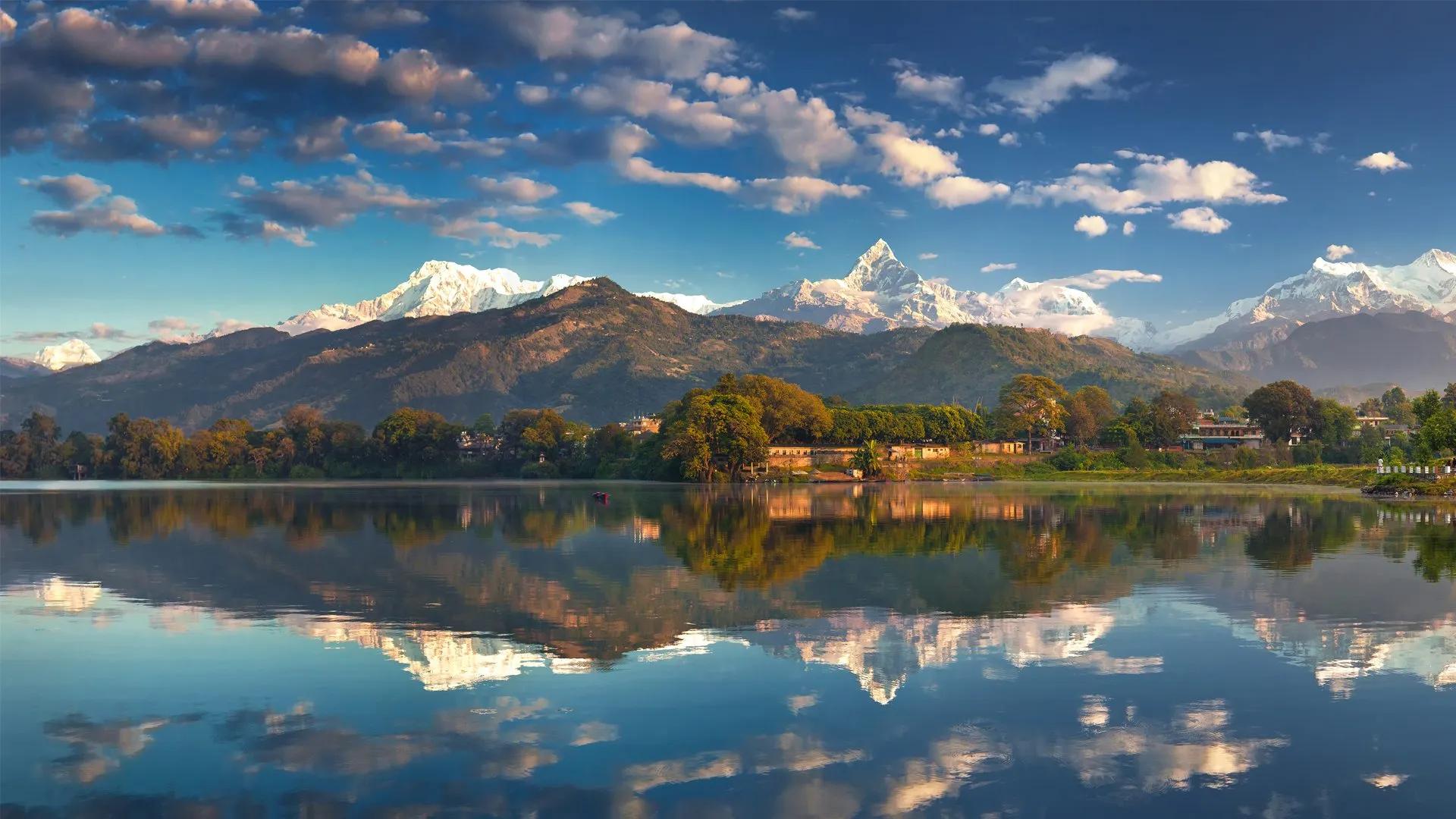
From Kathmandu, you will travel to Pokhara, a charming lakeside city known for its natural beauty. The scenic drive offers views of rivers, hills, and countryside landscapes and includes a visit to the famous Manakamana Temple, an important pilgrimage site for Hindu devotees.
In Pokhara, you will experience a stunning sunrise from Sarangkot, where panoramic views of the Annapurna mountain range create an unforgettable moment. Your sightseeing continues with visits to some of Pokhara’s most well-known attractions, including Devi’s Falls, the mystical Gupteshwor Cave, and the culturally important Bindhyabasini Temple.
Throughout this 5-day Kathmandu and Pokhara Tour, organized by Alpine Club of Himalaya, you will have the opportunity to enjoy Nepal’s natural beauty, ancient temples, and deep-rooted cultural traditions. Whether you are drawn to the Himalayan views or the historic landmarks, this tour offers a gentle and enjoyable blend of culture, nature, and relaxation.
The best time to visit Nepal for the Kathmandu and Pokhara tour is during the spring (March to May) and autumn (September to November) seasons.
Both seasons provide a great mix of pleasant weather, clear views, and fewer chances of rainfall. If you wish to avoid the crowds, spring is slightly less busy compared to the peak autumn months.
Kathmandu: Devo Boutique Hotel (3-Star Hotel)
Located in the heart of Kathmandu, Devo Boutique Hotel offers a blend of modern comfort and traditional Nepali charm. This 3-star hotel is perfect for travelers seeking a peaceful and stylish stay in the bustling city. The hotel features well-appointed rooms, modern amenities, and personalized service, ensuring a relaxing experience. Its prime location allows easy access to popular attractions, shopping areas, and restaurants, making it a great base for exploring Kathmandu.
Pokhara: Crystal Palace Hotel (3-Star Hotel)
In Pokhara, stay at Crystal Palace Hotel, a cozy 3-star accommodation offering comfortable rooms with scenic views of the surrounding mountains and Phewa Lake. The hotel combines modern amenities with a homely atmosphere, ensuring a relaxing stay. With its central location, you’ll have easy access to Pokhara’s main attractions, including the lakeside area, cafes, and local markets. Whether you’re exploring or just unwinding, Crystal Palace Hotel offers a great place to rest after a day of sightseeing.
For the Kathmandu and Pokhara tour, private transportation is provided, ensuring comfort and convenience throughout the journey. Depending on the number of travelers, the vehicle will be selected to suit the group size:
All vehicles are well-maintained and come with air conditioning, ensuring a pleasant experience during your drive between Kathmandu and Pokhara, as well as for sightseeing within the cities. Your safety and comfort are our top priorities.
During your tour, you will enjoy a variety of meals, including traditional Nepalese cuisine and international options. Breakfast is typically provided at your hotel, while lunch and dinner will be arranged at local restaurants that offer a selection of local and international dishes. For drinking water, bottled water will be provided throughout the tour to ensure safety and hygiene.
Nepal experiences a diverse range of weather conditions depending on the season and altitude. During the spring (March to May) and autumn (September to November) months, the weather is generally pleasant, with clear skies and moderate temperatures. Expect temperatures around 15°C to 25°C (59°F to 77°F) in Kathmandu and Pokhara. However, the weather can change rapidly in the mountains, so it is advisable to bring layers of clothing for varying conditions.
Your safety is our top priority. The vehicles used for your transportation are regularly checked for safety, and our tour guides are trained to handle emergencies. While on the road, always keep your personal belongings secure. For your added security, travel insurance is recommended to cover any unforeseen incidents. We also ensure that all accommodations meet international safety standards.
Throughout your journey, you will be accompanied by an experienced, English-speaking guide. The guide is well-versed in the history, culture, and geography of Nepal, providing insightful commentary as you visit various landmarks and attractions. With years of experience in the tourism industry, your guide will ensure that you have a smooth and enriching experience.
When visiting sacred sites such as temples, stupas, and monasteries, it is important to show respect for local customs and traditions.
To enter Nepal, you will need a valid passport with at least six months of validity from your date of arrival. Most travelers can obtain a tourist visa on arrival at Tribhuvan International Airport in Kathmandu or at land border points. The visa process is straightforward, and you can apply for a visa on the spot. It is advisable to check the latest visa regulations before traveling to ensure a smooth entry.
Travel insurance is highly recommended for all travelers to cover potential risks such as medical emergencies, trip cancellations, and lost luggage. A comprehensive policy should cover emergency medical expenses, evacuation, trip delays, and lost belongings. It is essential to make sure your travel insurance covers activities like trekking or any adventure activities you plan to do during your stay.
Certain areas in Nepal, especially those near the border or in protected regions, may require special permits or permissions. If you plan to explore remote areas or national parks, your guide will help you arrange the necessary permits. In general, you are free to visit the main tourist destinations, but it’s always best to check with your tour provider about any specific restrictions before setting out.
Choosing Alpine Club of Himalaya means opting for a reliable and experienced travel partner that prioritizes your comfort, safety, and satisfaction. With years of expertise in organizing tours in Nepal, we offer personalized experiences tailored to your interests. Our knowledgeable guides, comfortable accommodations, and well-planned itineraries ensure that your journey is seamless and enriching. Whether you are a first-time visitor or a seasoned traveler, Alpine Club of Himalaya provides the ideal balance of adventure, culture, and relaxation. Let us help you create unforgettable memories in Nepal!
To confirm your booking the following payment policy applies:
1. Deposit at Booking: A 20% deposit of the total trek amount is required at the time of booking to secure your spot.
2. Remaining Balance: The remaining 80% of the total trek cost can be paid upon your arrival in Kathmandu before the trek begins.
3. Credit Card Payments: If you prefer to pay the remaining amount via credit card, please note that a 4% service charge will be applied by the bank to the total amount.
By following these payment guidelines, your booking will be confirmed, and your trek will be reserved.
In the event of cancellations, the following policies will apply:
If the Alpine Club of Himalaya cancels the expedition due to unforeseen circumstances, such as extreme weather conditions, natural disasters, or safety concerns, participants will receive a full refund or the option to reschedule for a later date.
The Alpine Club of Himalaya is not liable for any additional costs incurred due to cancellations resulting from force majeure events (e.g., natural disasters, political unrest, or health emergencies).
Upon arrival at Tribhuvan International Airport, you will be warmly welcomed by our representative and transferred to your hotel in Kathmandu. After check-in, the rest of the day is free for you to relax and recover from your journey. If time permits, you may take a short walk around your hotel area or enjoy a peaceful evening at your own pace.
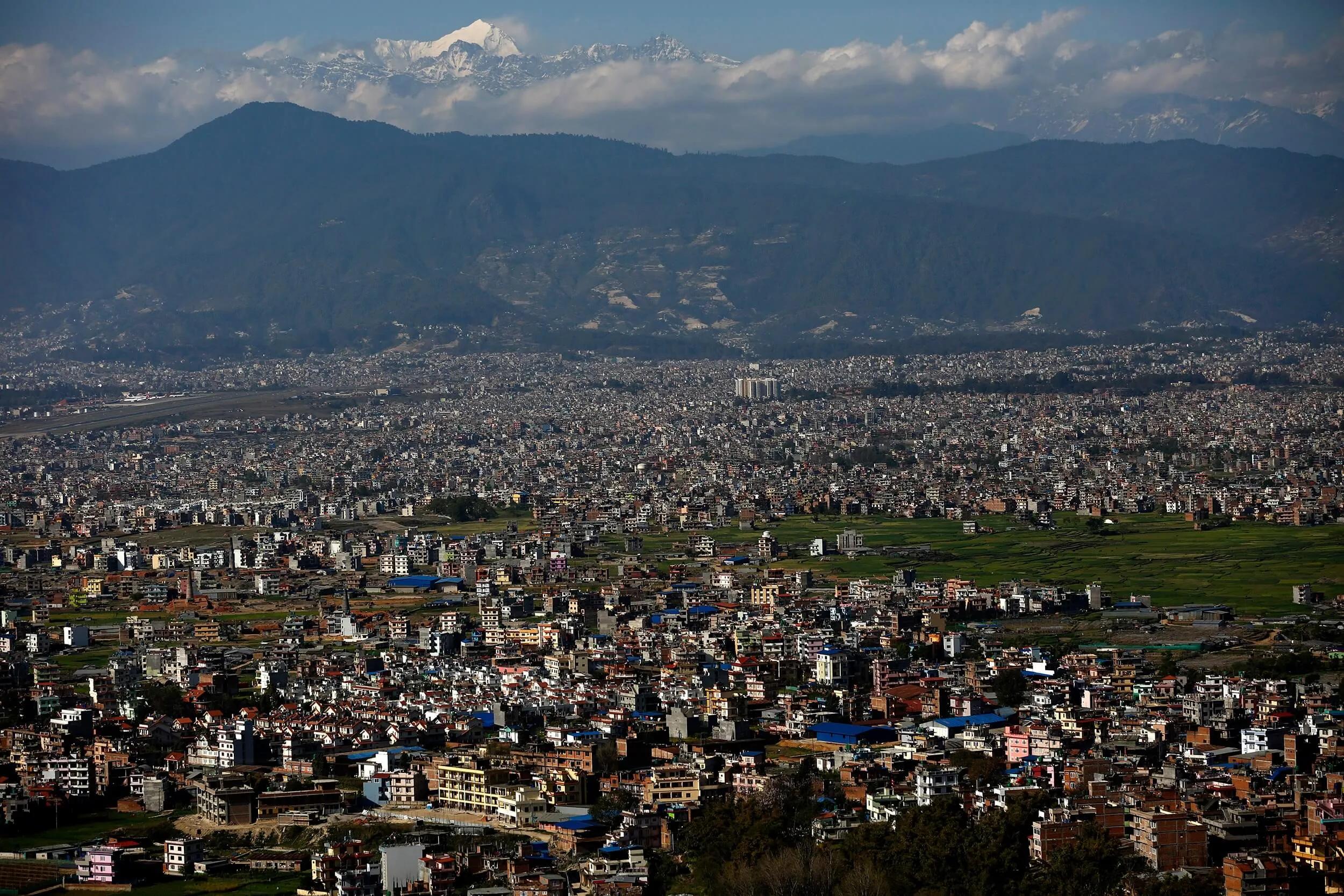
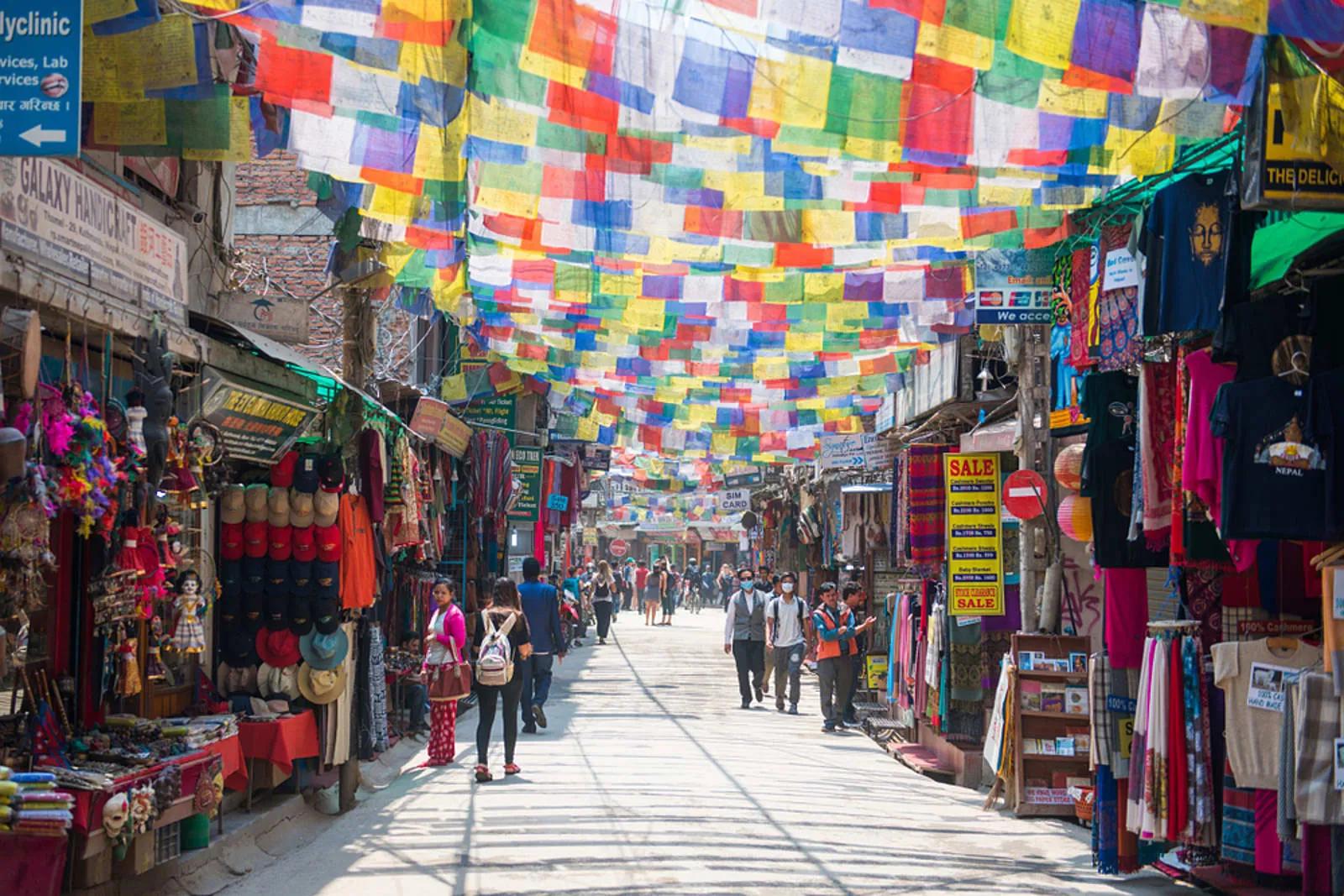
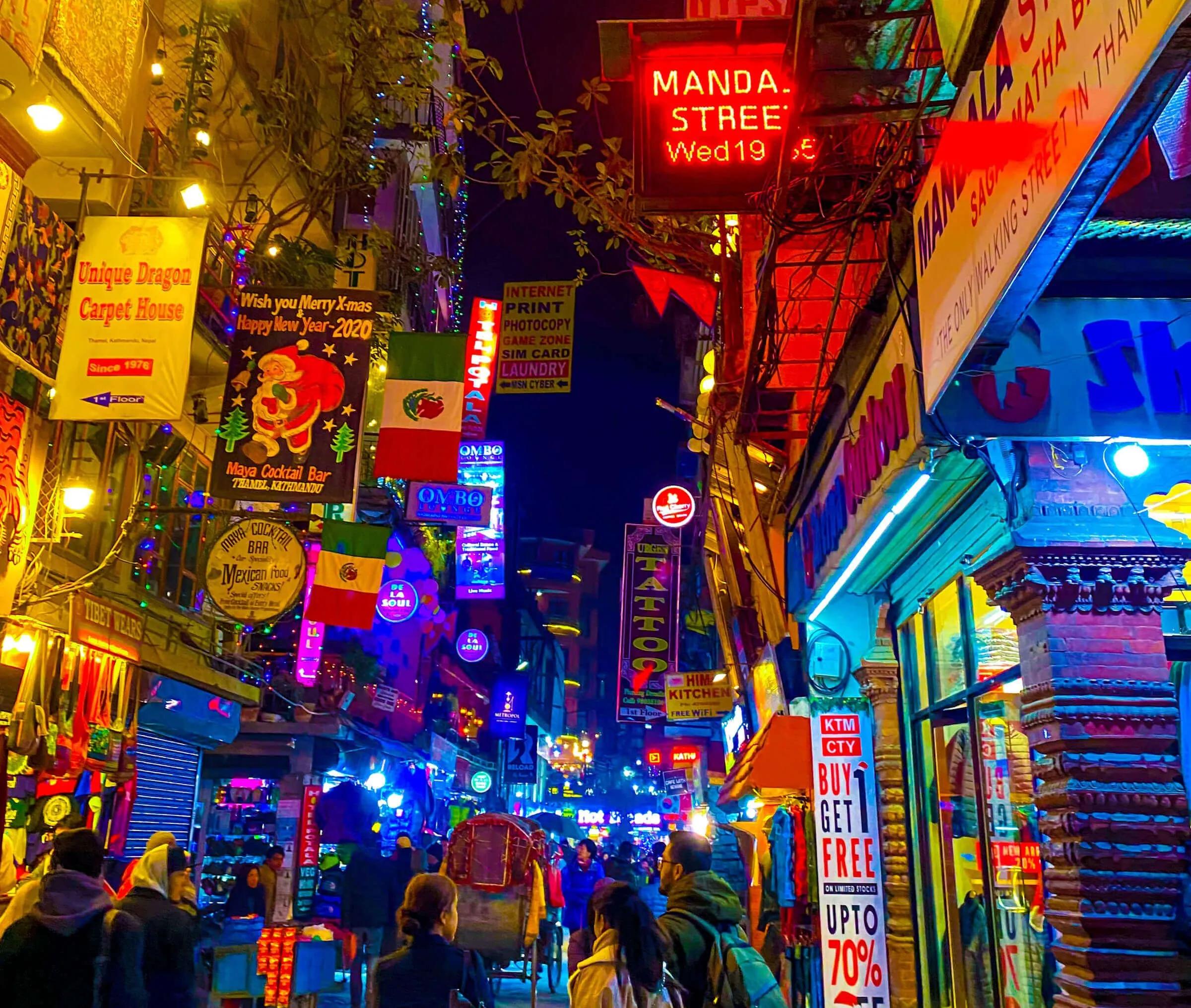
Kathmandu, the lively capital of Nepal, is known for its ancient temples, colorful streets, and rich cultural atmosphere. This first day allows you to settle in comfortably and prepare for the cultural and scenic experiences awaiting you in the days ahead.
Max. Elevation
1400m
Private airport pick-up and drop-off from Tribhuvan International Airport to your hotel by car, jeep, or hiace
Two nights’ accommodation in Kathmandu at a comfortable 3-star hotel on a twin-sharing basis, including daily breakfast
Two nights’ accommodation in Pokhara at a 3-star hotel on a twin-sharing basis, including daily breakfast
Experienced tour guide throughout the tour along with all required entrance fees
Private transportation for the Kathmandu–Pokhara–Kathmandu journey by car, jeep, or hiace
All driver expenses, including salary, fuel, parking fees, and applicable government taxes
Farewell dinner in Kathmandu to conclude your tour experience
This list reflects what is included in the Kathmandu and Pokhara Tour – 5 Days for a smooth and comfortable travel experience.
When traveling to Nepal, especially for a Kathmandu and Pokhara tour, it’s essential to pack appropriately to ensure your comfort and enjoyment. Here’s a recommended packing list for your trip:
Clothing
Toiletries
Documents and Essentials
Electronics and Accessories
Travel Accessories
Optional Gear (if you plan to hike or trek)
Guidelines for Sacred Sites
R
Rajiv Sharma
Nov 7, 2025
G
Giulia Moretti
Turin, Italy
May 15, 2025
O
Oliver Bennett
Manchester, UK
Oct 14, 2024
N
Naledi Mokoena
Johannesburg, South Africa
Sep 14, 2024
24/7 Support
Need help? we're at your service
Associated With


We Accept Cards

Office of the company registrar License: 66813/066/067 || Tourism Industry Division License:1142
All content and photography within our website is copyright & may not be reproduced without our permission.
Develop By: IT Sansaar