The Mount Kailash and Manasarovar Yatra is one of the most sacred and spiritually significant pilgrimages in the world, drawing devotees and seekers from across the globe. Nestled in the remote western region of Tibet, Mount Kailash is revered by Hindus as the abode of Lord Shiva, by Buddhists as the home of Demchok, by Jains as the site of liberation of their first Tirthankara, and by followers of Bon as the spiritual center of the universe. Beside this divine mountain lies the pristine Lake Manasarovar, believed to cleanse sins, purify the soul, and bring inner peace to those who visit its holy shores.
The 12-day overland Mount Kailash and Manasarovar Yatra via Kerung (Gyirong) is the most comfortable and recommended route for pilgrims and spiritual travelers. Unlike flying directly into high-altitude Tibetan cities, this overland journey allows a gradual ascent, helping the body adapt naturally to altitude while offering breathtaking views of the Himalayas along the way. The Kerung route has become the preferred option for pilgrims seeking both safety and a deeper spiritual experience.
Beginning in Kathmandu, the journey travels north through scenic hills and river valleys before crossing into Tibet at the Kerung border, one of the most accessible and well-developed entry points. As the road climbs higher, lush landscapes slowly give way to the vast Tibetan plateau, where open skies, remote monasteries, prayer flags, and snow-covered peaks create a setting that feels timeless and sacred. This slow transition is an important part of the pilgrimage, allowing travelers to mentally and physically prepare for the spiritual heart of the journey.
The highlight of the yatra is the holy parikrama (kora) around Mount Kailash, a 52-kilometer sacred circuit completed over three days. Pilgrims believe that even a single circumambulation can cleanse a lifetime of negative karma, while completing the kora is considered a profound act of devotion and spiritual renewal. The journey also includes time at Lake Manasarovar, where pilgrims perform rituals, meditation, and prayers in one of the most peaceful locations on Earth.
Traveling overland to Mount Kailash is not just about reaching a destination — it is a journey of transformation. The changing landscapes, high mountain passes, spiritual atmosphere, and shared devotion among pilgrims create an experience that is deeply personal and unforgettable. The 12-day duration allows enough time for acclimatization, reflection, and spiritual connection without rushing the process.
Organized with care and experience by Alpine Club of Himalaya, this overland yatra ensures proper permits, logistics, guidance, and support throughout the journey, allowing pilgrims to focus entirely on their spiritual purpose. For those seeking a meaningful pilgrimage that combines faith, nature, and inner discovery, the Mount Kailash and Manasarovar Yatra via Kerung remains one of the most powerful journeys on Earth.
About Lake Manasarovar, The Sacred Lake of Purity and Renewal
Lake Manasarovar, located at an altitude of 4,510 meters (14,800 feet) on the vast Tibetan plateau, is one of the most sacred and revered lakes in the world. For pilgrims on the 12-day Mount Kailash and Manasarovar Yatra via Kerung, reaching this holy lake is a deeply emotional and spiritual moment — often considered the soul of the entire journey.
According to Hindu mythology, Lake Manasarovar was created by Lord Brahma from his mind (Manas), and bathing in its pure waters is believed to cleanse sins, remove negative karma, and bring spiritual liberation. Buddhists believe the lake represents purity and peace, while Jains and Bon followers also regard it as a sacred place of great spiritual energy. For centuries, pilgrims have traveled from distant lands to perform rituals, prayers, and meditation along its shores.
The natural beauty of Manasarovar is equally breathtaking. Its crystal-clear turquoise waters reflect the surrounding snow-capped peaks and the vast open sky, creating a scene of deep serenity. The stillness of the lake, broken only by prayer flags fluttering in the wind and chanting pilgrims, creates an atmosphere that encourages reflection and inner peace. Many travelers describe this moment as one of the most peaceful and spiritually uplifting experiences of their lives.
Reaching Manasarovar is an important part of the pilgrimage itself. The overland journey via Kerung takes travelers through remote valleys, high mountain passes, and wide Tibetan plains, making the arrival at the lake feel truly earned. Because of the high altitude, proper acclimatization is essential, and travelers are encouraged to move slowly, rest often, and fully absorb the sacred environment. A visit to Lake Manasarovar is not just a stop on the itinerary — it is a moment of spiritual renewal that stays with pilgrims forever.
About Mount Kailash – The Most Sacred Mountain on Earth
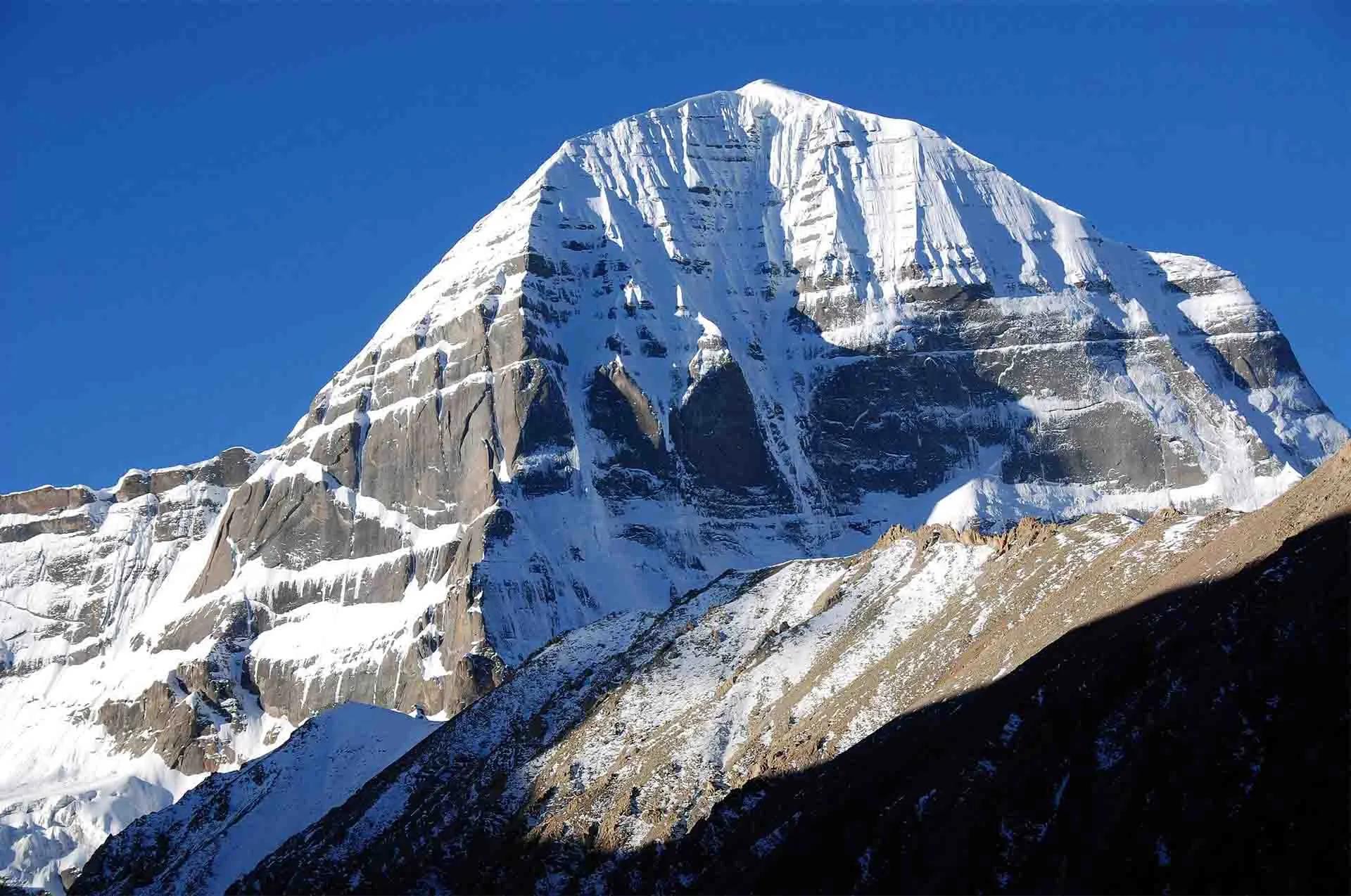
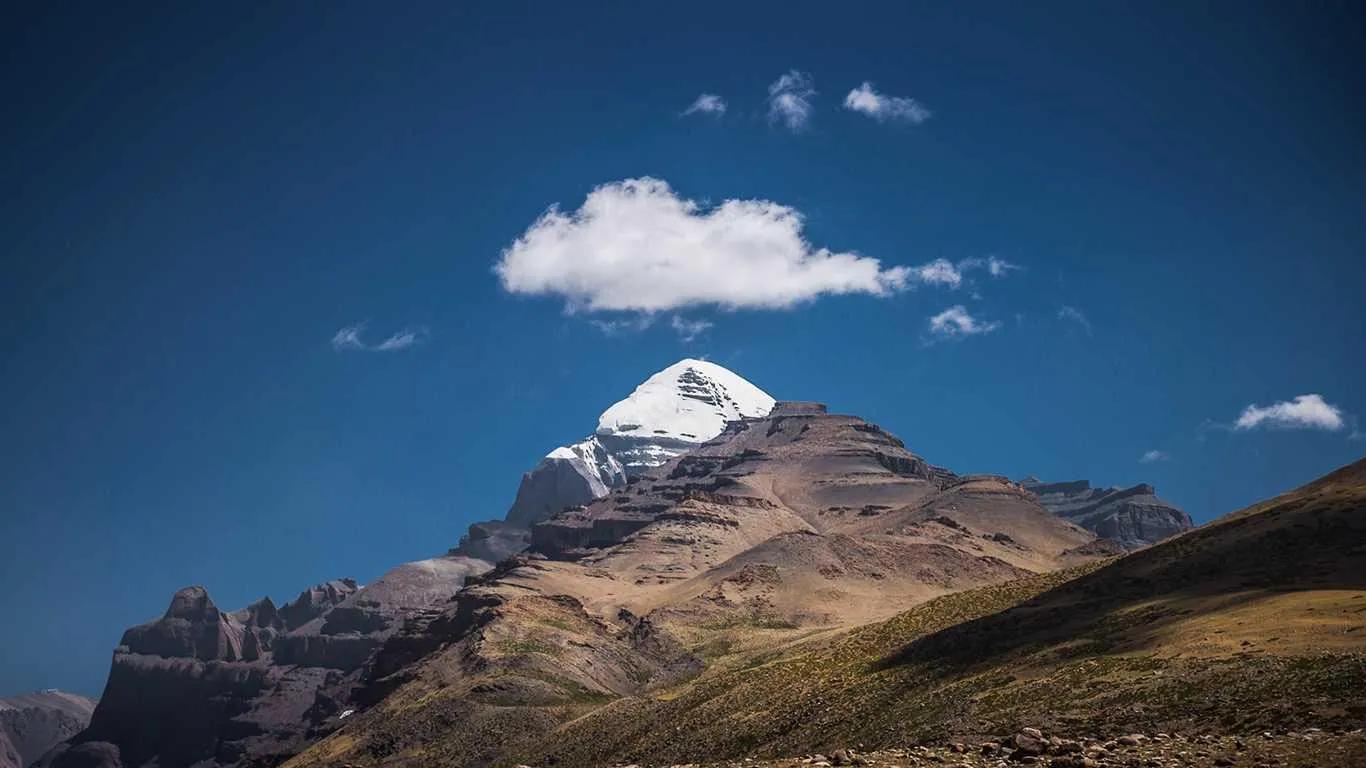
Standing at 6,638 meters (21,778 feet), Mount Kailash is one of the most revered and mysterious mountains in the world. Known as Kangrinboqe in Tibetan, this sacred peak is worshipped by Hindus, Buddhists, Jains, and followers of Bon, making it a rare spiritual symbol shared across multiple faiths. For pilgrims on the Mount Kailash and Manasarovar Yatra via Kerung, reaching this holy mountain is the ultimate goal of the journey.
Hindus believe Mount Kailash is the eternal abode of Lord Shiva, who resides at the summit in deep meditation. Buddhists see the mountain as the cosmic mandala, representing the center of the universe and the dwelling place of Demchok, a manifestation of supreme bliss. For Jains, it is the site where their first Tirthankara, Rishabhanatha, attained liberation, while Bon followers consider it the seat of all spiritual power. Despite its towering height, Mount Kailash has never been climbed, as it is considered too sacred for human feet — a belief respected by all visitors.
The most important ritual associated with Mount Kailash is the Kora (Parikrama), a 52-kilometer sacred circumambulation completed over three days. The trek takes pilgrims through dramatic landscapes, including the crossing of Dolma La Pass (5,630 meters), the highest and most challenging point of the journey. Completing the kora is believed to purify the soul, remove negative karma, and bring blessings for this life and the next. Even witnessing the mountain is considered spiritually powerful.
The landscape around Mount Kailash is otherworldly, with vast plains, glacial valleys, ancient monasteries, and prayer flags stretching across the horizon. The silence, the vastness, and the spiritual energy of the region create an atmosphere that is difficult to describe but deeply felt. For many, standing before Mount Kailash is not just a travel experience — it is a moment of spiritual awakening and transformation that remains etched in the heart forever.
Best Time to Visit Mount Kailash and Manasarovar via Kerung
Choosing the right time for the Mount Kailash and Manasarovar Yatra via Kerung is essential for a safe, comfortable, and spiritually fulfilling journey. Because the region lies in the remote high-altitude areas of western Tibet, weather conditions play a crucial role in accessibility, road conditions, and overall experience. The pilgrimage is only possible for a limited part of the year, making proper planning very important.
The best time to visit Mount Kailash and Lake Manasarovar is from May to September, when the weather is relatively stable, mountain passes are open, and road access is possible. During these months, the overland route via Kerung remains clear of heavy snow, and travelers can complete the journey with fewer weather-related disruptions.
Spring Season (May to June)
Spring is one of the most popular times for the Kailash Yatra. The weather is cool but pleasant, skies are often clear, and the landscape begins to awaken after winter. Snow starts melting from the mountain passes, allowing safe travel to Manasarovar and Darchen. This season is ideal for pilgrims who prefer comfortable temperatures, good visibility, and smooth road conditions. The spiritual atmosphere during this time is calm and deeply peaceful, making it perfect for meditation and prayer.
Summer Season (July to August)
Summer is considered the main pilgrimage season for Mount Kailash. Most yatras operate during these months, and the region becomes alive with pilgrims from different parts of the world. While there may be occasional rainfall, especially on the Nepal side, the Tibetan plateau remains mostly dry. The lakes and plains look especially beautiful, with vibrant colors and clear reflections of the surrounding peaks. Travelers should be prepared for possible delays due to rain, but the spiritual energy during this season is unmatched.
Early Autumn (September)
September is another excellent month to visit Mount Kailash and Manasarovar. The monsoon has usually ended, the skies are crystal clear, and the air is fresh and crisp. Mountain views are at their best, and temperatures are comfortable during the day. This period is ideal for photography, peaceful pilgrimage, and a quieter experience as the peak season slowly comes to an end.
Months to Avoid (October to April)
From October to April, the region experiences heavy snowfall, extreme cold, and road closures, especially at high passes. During winter, temperatures drop significantly, and travel becomes unsafe due to frozen roads and limited facilities. Most pilgrimage routes are closed during this time, and the yatra is not operated.
For the best overall experience, travelers are strongly recommended to plan their Mount Kailash and Manasarovar Yatra between May and September, with May–June and September being the most comfortable and scenic months. Choosing the right season not only ensures safety and accessibility but also allows pilgrims to fully enjoy the spiritual energy, natural beauty, and peaceful atmosphere of this sacred journey.
Difficulty Level
The Mount Kailash and Manasarovar Yatra is considered a moderate to challenging high-altitude pilgrimage due to its unique combination of spiritual demands, long travel distances, and high-altitude environment. While the overland route via Kerung is designed to allow gradual acclimatization and comfortable travel, the journey still requires mental preparation, endurance, and flexibility.
The difficulty arises mainly from three factors: altitude, terrain, and duration. The highest point on the trek is Dolma La Pass at 5,630 meters (18,468 feet), where thin air and lower oxygen levels can make walking and daily activities more strenuous than at lower elevations. Pilgrims must also complete the Kora (circumambulation) around Mount Kailash, which is approximately 52 kilometers (32 miles) and typically spans three days, requiring consecutive days of trekking under varying weather conditions.
Other challenges include navigating rough terrain, gravel paths, and occasional steep inclines, as well as coping with sudden changes in temperature and weather, which can shift from bright sunshine to strong winds or even snow at higher altitudes. While accommodations along the route provide rest and meals, travelers must be prepared for basic facilities in remote regions and a journey that is physically and mentally immersive.
Despite these challenges, the yatra is manageable for most healthy adults, especially with proper preparation, pacing, and the support of an experienced guide. The route’s beauty, spiritual significance, and life-changing experience often outweigh the physical exertion, making the journey deeply rewarding.
Physical Fitness and Requirements – Preparing for the Yatra
Although the Kailash Yatra is not a technical mountain climb, good physical fitness is essential to fully enjoy and safely complete the pilgrimage. Travelers are encouraged to prepare in advance, focusing on endurance, stamina, and cardiovascular health, as the journey involves walking long distances at high altitudes, climbing gentle slopes, and adjusting to reduced oxygen levels.
Key recommendations for physical preparation include:
· Cardiovascular exercises: Activities like walking, jogging, cycling, or swimming can improve heart and lung efficiency, making high-altitude walking easier.
· Strength training: Exercises for the legs, core, and back, such as squats, lunges, and planks, help manage trekking and carrying day packs during the kora.
· Flexibility and balance: Stretching, yoga, or Pilates can improve mobility and reduce the risk of injuries on uneven terrain.
· Practice hikes: Walking on inclines or trails at lower elevations helps build stamina and simulates the kora experience.
· Acclimatization awareness: Travelers should be aware of symptoms of altitude sickness, including headaches, fatigue, nausea, and shortness of breath. Planning rest days in Lhasa, Darchen, or along the route is crucial for a safe ascent.
Medical requirements include consultation with a doctor before high-altitude travel, especially for those with heart, lung, or blood pressure conditions. Travelers should carry any necessary medications, including those for altitude sickness (Diamox or similar), and always follow the guidance of the trekking guide.
With proper preparation, even first-time pilgrims can complete the yatra safely. The Kerung overland route is specifically designed to allow gradual acclimatization, making the 12-day journey suitable for a wide range of travelers who are physically prepared and willing to take a spiritually immersive journey.
Acclimatization and Requirements
The Mount Kailash and Manasarovar Yatra via Kerung takes travelers through some of the highest and most remote regions of the Tibetan Plateau, reaching altitudes of over 5,600 meters (Dolma La Pass). Proper acclimatization and preparation are essential to ensure a safe, comfortable, and spiritually rewarding pilgrimage. Without adequate acclimatization, travelers may experience altitude sickness, which can range from mild headaches and fatigue to severe conditions that can interrupt the journey.
Why Acclimatization is Important
The overland route via Kerung (Gyirong) has been designed to allow gradual altitude gain, making it safer than sudden flights into high-altitude regions like Lhasa or Darchen. Starting from Kathmandu (1,400 m / 4,600 ft), travelers gradually ascend through Nepal’s hills and the Tibetan plateau, allowing the body time to adjust to decreasing oxygen levels. Stops in Lhasa, Shigatse, and Darchen provide opportunities to rest, hydrate, and adapt, which reduces the risk of severe altitude sickness during the challenging Kailash Parikrama.
Acclimatization is especially important before attempting Dolma La Pass (5,630 m), the highest point of the pilgrimage. Taking time to rest, maintain a slow pace, and avoid overexertion at high altitudes can prevent common symptoms such as headaches, nausea, shortness of breath, and dizziness.
Climate and Environment
The region surrounding Mount Kailash and Lake Manasarovar is one of the most remote, pristine, and spiritually charged landscapes on Earth. Situated on the western edge of the Tibetan Plateau, this high-altitude area experiences a cold, arid, and rugged climate that varies significantly with the seasons, altitude, and time of day. Pilgrims and travelers should be prepared for drastic temperature changes, strong sunlight, and thin air, all of which define the unique environment of the region.
During the summer months, from May to September, daytime temperatures range between 10°C and 20°C (50°F–68°F) in lower areas like Darchen, while nighttime temperatures can drop close to freezing, especially at higher altitudes near Dolma La Pass. The region receives occasional rainfall in July and August, which mostly occurs in short bursts, leaving the landscapes vibrant with green pastures, flowing rivers, and wildflowers along the route.
The winter months, from October to April, bring harsh conditions with freezing temperatures, heavy snow, and icy winds, making travel extremely difficult and dangerous. Snow can accumulate at high passes, roads may close, and most pilgrimage routes are inaccessible during this period.
The air is extremely dry and thin at high altitudes, requiring proper acclimatization and hydration. Travelers are advised to protect themselves from the strong ultraviolet (UV) rays, which are intensified at high elevations. Sunglasses, sunscreen, hats, and layered clothing are essential to stay comfortable during the journey.
Environmentally, the Kailash-Manasarovar region is remarkably unspoiled. The vast Tibetan plateau, turquoise lakes, glacial streams, and stark mountains remain largely free from pollution and urban development. Prayer flags flutter in the wind, monasteries dot the landscape, and wildlife like Himalayan blue sheep, Tibetan antelope, and yaks can often be seen grazing across the plains. The serene, untouched environment adds to the spiritual ambiance of the pilgrimage, making the journey as much about connecting with nature as it is about devotion and faith.
Restrictions and Permission
Due to its sacredness and location within the Tibet Autonomous Region of China, traveling to Mount Kailash and Lake Manasarovar requires strict adherence to rules, permits, and regulations. Independent travel is not permitted for foreign tourists, and access to this high-altitude, sensitive region is carefully managed by Chinese authorities.
Foreign pilgrims and travelers must obtain a Tibet Travel Permit, which is essential to enter any part of Tibet beyond Lhasa. In addition, for visiting the Kailash-Manasarovar region, travelers require a special group permit, which includes documentation for the border crossing at Kerung (Gyirong), as well as permission for the entire pilgrimage route, including Darchen, Lake Manasarovar, and Mount Kailash Kora.
All foreign travelers must travel in a guided group with a licensed Tibetan guide. This ensures compliance with local regulations, safety at high altitudes, and smooth handling of accommodations, transport, and spiritual sites. Solo travel is strictly prohibited, and permits can only be arranged through authorized travel operators, such as Alpine Club of Himalaya, who coordinate visa processing, border formalities, and itinerary management.
Other restrictions include:
· No climbing of Mount Kailash, as the peak is considered sacred by all religions.
· Restricted access to certain areas near monasteries and high passes to preserve cultural and environmental integrity.
· Limitations on photography or drone use in specific religious or protected zones.
· Prohibition of littering or leaving non-biodegradable waste, to maintain the pristine environment of this sacred region.
Proper planning, adherence to rules, and traveling with experienced guides ensure that pilgrims can safely and respectfully complete the Kailash Yatra without disruption, fully immersing themselves in the spiritual, natural, and cultural richness of the region.
Safety and Security
Safety is a top priority for travelers on the Mount Kailash and Manasarovar Yatra. The region’s high altitude, remote location, and changing weather conditions require careful planning and vigilance. Traveling with a licensed operator like Alpine Club of Himalaya ensures that trained guides and support staff are available throughout the journey. Pilgrims are accompanied by experienced drivers, guides, and medical staff who monitor health, assist with altitude acclimatization, and provide support in case of emergencies.
The route is well-managed, with checkpoints at strategic locations, ensuring both legal compliance and personal safety. Travelers are advised to follow guide instructions, avoid venturing into remote areas alone, and be mindful of altitude-related symptoms. Emergency evacuation protocols are in place for serious medical situations, including arrangements for helicopter or road evacuation if necessary.
Transportation
The 12-day yatra is primarily conducted via overland road travel. Standard transport is sharing-based, which means travelers share buses or vehicles with other group members. Vehicles are modern, comfortable, and equipped for high-altitude travel, providing safety and convenience on long drives through mountainous terrain.
For travelers who prefer privacy or family-only transport, private vehicles can be arranged at an additional cost. Private transportation offers flexibility in schedule, comfort, and space but must be booked in advance to ensure availability. Regardless of sharing or private transport, vehicles are maintained to high safety standards and driven by experienced drivers familiar with Himalayan and Tibetan road conditions.
Accommodation
Accommodation during the yatra is a mix of hotels, guesthouses, and lodges, chosen for safety, cleanliness, and proximity to pilgrimage sites. In major towns such as Lhasa and Shigatse, travelers stay in well-equipped hotels with private bathrooms and basic amenities. In remote areas like Darchen and along the Kailash Parikrama route, accommodations are simple but comfortable, providing warm bedding, shared or private bathrooms where possible, and hot water for showers.
While facilities in high-altitude regions may be basic, careful planning ensures pilgrims have adequate rest and recovery to handle the demands of the trek.
Meals
Meals are an important part of the pilgrimage experience. Travelers are provided nutritious, hygienic, and locally inspired meals, often including breakfast, lunch, and dinner, depending on the day’s itinerary. Meals feature a combination of Tibetan, Nepali, and simple vegetarian options, designed to maintain energy levels and aid in high-altitude acclimatization.
Special dietary requirements can be accommodated with advance notice, ensuring that all pilgrims can maintain comfort and health throughout the journey.
Drinking Water
Access to safe drinking water is essential at high altitudes. During the yatra, travelers are provided with boiled, filtered, or bottled water at all stops. Guides also advise pilgrims to carry personal water bottles or hydration packs to ensure adequate intake throughout the day, particularly during the Kora around Mount Kailash and other long treks. Staying hydrated helps prevent altitude sickness and maintains energy levels during physically demanding parts of the pilgrimage.
Wi-Fi and Electricity
Due to the remoteness of the region, Wi-Fi and electricity availability is limited, especially in areas like Darchen, Dirapuk, and along the Kailash Parikrama. Major towns such as Lhasa and Shigatse have Wi-Fi in most hotels and lodges, while electricity is generally available in guesthouses, though power outages may occasionally occur. Travelers are advised to carry power banks, spare chargers, and universal adapters to ensure their devices remain functional throughout the journey.
Travel Permits and Entrance Fees
Traveling to Mount Kailash and Lake Manasarovar requires multiple official permits and entrance approvals:
· Tibet Travel Permit (TTP) – mandatory for all foreign travelers.
· Special Kailash-Manasarovar Permit – required for visiting Darchen, the parikrama route, and Lake Manasarovar.
· Group Visa – issued in Nepal before crossing into Tibet via Kerung.
Entrance fees for key religious or protected sites are included in most guided packages. These permits are strictly regulated by Chinese authorities, and independent travel is not allowed. Arranging permits through a trusted operator like Alpine Club of Himalaya ensures smooth border crossing and compliance with all regulations.
Travel Insurance
Travel insurance is highly recommended for all pilgrims. The policy should cover medical emergencies, high-altitude sickness, evacuation, trip delays, and lost belongings. Some travel operators may require proof of insurance prior to departure. A robust travel insurance policy provides peace of mind, allowing travelers to focus on the spiritual and cultural experience of the pilgrimage.
Passport and Visa Requirements
All foreign travelers undertaking the Mount Kailash and Manasarovar Yatra via Kerung must carry a valid passport with at least six months of validity from the date of travel. A Chinese visa is mandatory to enter Tibet through the Kerung (Gyirong) border, and it must be obtained in advance.
Travelers are required to arrive in Kathmandu at least 5 days prior to the start of the yatra, as the visa application process typically takes 2–3 business days. To apply for the visa, travelers must provide:
· Original passport
· Two recent passport-sized photographs
Once the visa is issued, it will allow entry into Tibet, and the necessary Tibet Travel Permit and Kailash-Manasarovar group permits will be processed as part of the pilgrimage package.
During the journey, travelers are advised to carry multiple copies of their passport, visa, and travel permits, as these documents are frequently checked at border crossings, police checkpoints, accommodations, and permit verification points. Ensuring these documents are safely stored and accessible at all times is crucial for a smooth and hassle-free pilgrimage.
Guide and Porter Services
Traveling to Mount Kailash and Lake Manasarovar involves navigating high-altitude terrain, remote regions, and strict travel regulations. For this reason, experienced guides and porter services are essential to ensure a safe, comfortable, and spiritually fulfilling pilgrimage.
Professional Tibetan and Local Guides
All travelers on the Kerung overland route are accompanied by licensed Tibetan guides who are knowledgeable in local culture, geography, and the spiritual significance of the pilgrimage. Guides play a crucial role in:
· Assisting with permit and border formalities, including the Tibet Travel Permit and Kailash-Manasarovar special permits.
· Explaining the religious and cultural significance of Mount Kailash, Lake Manasarovar, monasteries, and sacred sites along the route.
· Ensuring safe trekking and acclimatization, advising on pace, rest stops, and altitude sickness prevention.
· Providing logistical support, including coordinating transportation, accommodation, and meals throughout the journey.
Professional guides also serve as translators and cultural mediators, helping travelers interact respectfully with local communities and understand the customs, rituals, and traditions of Tibet. Their experience is invaluable for first-time pilgrims or travelers unfamiliar with high-altitude conditions.
Porter Services
For the physically demanding sections of the pilgrimage, particularly the Kailash Parikrama (52 km Kora), porter services are available to assist pilgrims with carrying luggage, camping gear, and personal essentials. Porters are trained to navigate high-altitude terrain safely and efficiently, allowing travelers to focus on the spiritual and physical aspects of the pilgrimage without being overburdened.
Using porter services is especially helpful for:
· Elderly pilgrims or those with limited mobility who need assistance during the multi-day trek.
· Travelers carrying heavy luggage or specialized equipment, such as cameras or trekking gear.
· Ensuring that pilgrims have a more comfortable and less strenuous experience during long days of walking and high passes.
Porters are compassionate, reliable, and familiar with the local terrain, and their fees are typically included in comprehensive pilgrimage packages. Travelers can also request additional porters for private assistance at an extra cost.
With professional guides and porters, pilgrims on the Mount Kailash and Manasarovar Yatra can fully immerse themselves in the spiritual journey, focus on the sacred landscapes, and experience the pilgrimage with peace of mind, knowing that expert support is available every step of the way.
Photography and Drone Policy in Tibet
For travelers on the Mount Kailash and Manasarovar Yatra, capturing the breathtaking landscapes, sacred mountains, and serene lakes is a major part of the experience. However, photography and drone usage in Tibet are subject to strict regulations due to the region’s political sensitivity, religious sanctity, and environmental protection laws.
Photography Guidelines
· Permitted Areas: Tourists are generally allowed to take photographs in public spaces, on roads, and around scenic natural areas. The landscapes around Mount Kailash, Lake Manasarovar, and the Tibetan plateau are spectacular and provide countless opportunities for photography.
· Restricted Areas: Certain locations, including military zones, government installations, border areas, and sensitive infrastructure, are strictly off-limits for photography. Signs are often posted, and violation of these rules can result in fines or confiscation of equipment.
· Monasteries and Religious Sites: While many monasteries and temples, such as Dirapuk, Zutulpuk, and Jokhang Temple, allow photography outside, some sacred interiors prohibit cameras. Travelers are advised to ask for permission and avoid using flash when inside religious buildings to respect local traditions and rituals.
Drone Usage
· The use of drones is heavily restricted in Tibet and often requires special permission from local authorities, which is rarely granted to tourists.
· Flying drones near Mount Kailash, Lake Manasarovar, monasteries, or border regions is prohibited. Attempting to operate drones in restricted areas can result in confiscation of the drone, fines, or legal action.
· Travelers who wish to capture aerial footage must arrange this through authorized operators who have the necessary permits.
Tips for Travelers
· Carry extra memory cards and batteries to capture natural landscapes and high-altitude vistas without relying on drones.
· Use tripods or gimbals for stable shots during long exposures, sunrise, and sunset photography.
· Be mindful of local customs and avoid photographing people, especially monks, without their consent.
Respecting photography and drone rules in Tibet ensures a safe, hassle-free experience while preserving the spiritual sanctity and cultural integrity of this sacred region. Travelers on the 12-day overland pilgrimage via Kerung can focus on enjoying the incredible scenery, capturing memories responsibly, and fully immersing themselves in the spiritual and natural beauty of Mount Kailash and Lake Manasarovar.
Last Minute Booking
For travelers who decide to embark on the Mount Kailash and Manasarovar Yatra on short notice, last-minute bookings are possible, provided that permits and accommodations are still available. However, due to the strict travel regulations in Tibet, including the Tibet Travel Permit and Kailash-Manasarovar special permits, it is highly recommended to plan at least 2–3 weeks in advance for a smoother experience.
If a last-minute booking is made, Alpine Club of Himalaya can assist with expedited visa processing in Kathmandu and help arrange transportation, accommodation, and guide services. Travelers should be aware that additional costs may apply for rapid processing, and flexibility with itinerary adjustments may be required.
Online Briefing
To ensure that all pilgrims are well-prepared for the high-altitude pilgrimage, online briefings are provided prior to departure. These briefings cover crucial topics such as:
· Travel permits, visa, and border procedures
· Altitude acclimatization and health precautions
· Packing essentials and recommended clothing
· Trekking tips, route overview, and daily itinerary
· Cultural etiquette and spiritual guidance
The online briefing allows travelers to ask questions, clarify doubts, and gain confidence in managing the logistics and challenges of the journey. It is particularly helpful for first-time pilgrims and international travelers unfamiliar with Tibet’s regulations and terrain.
Private and Group Bookings
The 12-day yatra can be organized as either group tours or private journeys, catering to different traveler preferences:
Group Bookings:
· Most popular option for pilgrims seeking a shared spiritual experience.
· Cost-effective as transportation, guides, and accommodations are shared.
· Ideal for solo travelers, couples, or small groups who want to meet other pilgrims.
Private Bookings:
· Suitable for families, friends, or individuals seeking privacy and flexibility.
· Allows customized itineraries, private transportation, and personalized guide attention.
· Additional costs apply for exclusive services, private vehicles, and custom arrangements.
Both group and private bookings are organized with the support of experienced guides, trained drivers, and support staff, ensuring safety, comfort, and adherence to all travel regulations. Travelers can choose the option that best suits their budget, pace, and preference for spiritual immersion.
Final Notes
Before embarking on the Mount Kailash and Manasarovar Yatra – 12 Days Overland via Kerung, it is essential to ensure that all your gear is well-tested, properly fitted, and comfortable. Trekking at high altitudes, particularly around Mount Kailash and Lake Manasarovar, demands reliable equipment. Ill-fitting boots, untested technical gear, or unfamiliar clothing layers can lead to discomfort, fatigue, or even health risks during the journey.
Similarly, assess your backpack for comfort and load-bearing capacity well in advance. Carry only essential items, distribute weight evenly, and ensure easy access to water, snacks, and personal belongings. Proper preparation allows for a safer, more enjoyable pilgrimage, reducing strain and conserving energy for both the Kora and long drives across the Tibetan plateau.
Physical preparation, tested gear, and clear communication with Alpine Club of Himalaya are key to making your journey safe, smooth, and spiritually fulfilling. Our dedicated team is available to guide you at every stage, including pre-departure consultations, on-route support, and advice on acclimatization, safety, and travel logistics. Please feel free to contact us with any questions or concerns before or during your yatra.
Cancellation Policy
Cancellation by the Participant
If you decide to cancel your booking for the Mount Kailash and Manasarovar Yatra, please notify Alpine Club of Himalaya in writing via email or official communication as early as possible. The following cancellation charges apply:
· 60 days or more before departure: 20% cancellation fee of the total trip cost.
· 30 to 59 days before departure: 50% cancellation fee of the total trip cost.
· Less than 30 days before departure: No refund; 100% of the trip cost is non-refundable.
These charges cover administrative costs, Tibet Travel Permits, special Kailash-Manasarovar permits, pre-arranged accommodation, transportation, guide services, and other logistical arrangements.
Cancellation by the Organizer
In the rare event that Alpine Club of Himalaya must cancel the yatra due to unforeseen or uncontrollable circumstances—such as extreme weather, high-altitude road closures, natural disasters, or safety concerns—you will be offered either:
- A full refund of all payments made, or
- The option to reschedule the yatra for a future available date at no additional cost.
Your safety is our top priority, and cancellations are made only when absolutely necessary to ensure the well-being of all participants.
Force Majeure Clause
Alpine Club of Himalaya cannot be held responsible for cancellations, delays, or additional expenses caused by force majeure events, including but not limited to:
· Natural disasters such as earthquakes, landslides, floods, or avalanches
· Political unrest, strikes, border closures, or travel restrictions
· Epidemics, pandemics, or other public health emergencies
· Road closures, airline cancellations, or flight delays
In such situations, participants are responsible for any extra personal costs, including accommodation, alternative transport, or changed flights. We strongly recommend that all travelers purchase comprehensive travel insurance covering trip cancellations, medical emergencies, high-altitude illness, and force majeure events prior to joining the pilgrimage.