Island Peak Climbing via Gokyo Lakes and Cho La Pass is one of the most rewarding trekking and climbing adventures in Nepal, combining three of the Everest region's most iconic experiences into a single expedition. This 18-day journey takes you through the breathtaking Gokyo Valley, over the challenging Cho La Pass (5,420m), to Everest Base Camp and Kala Patthar, before culminating in the summit of Island Peak (6,189m).
The adventure begins with a scenic flight to Lukla, followed by a trek through traditional Sherpa villages, lush forests, and the vibrant mountain town of Namche Bazaar. Instead of following the standard Everest Base Camp route, the trail leads into the peaceful Gokyo Valley, where you'll explore the stunning turquoise Gokyo Lakes and hike to Gokyo Ri (5,357m), one of the finest viewpoints in the Himalayas. Crossing the dramatic Cho La Pass, you'll join the classic Everest Base Camp trail and continue to Gorak Shep, Everest Base Camp (5,364m), and Kala Patthar (5,545m), renowned for its unforgettable panoramic views of Mount Everest and the surrounding Himalayan giants. Leaving the main trekking route behind, you'll head into the scenic Imja Valley to Chhukung and Island Peak Base Camp, where professional climbing guides will provide training before your summit attempt.
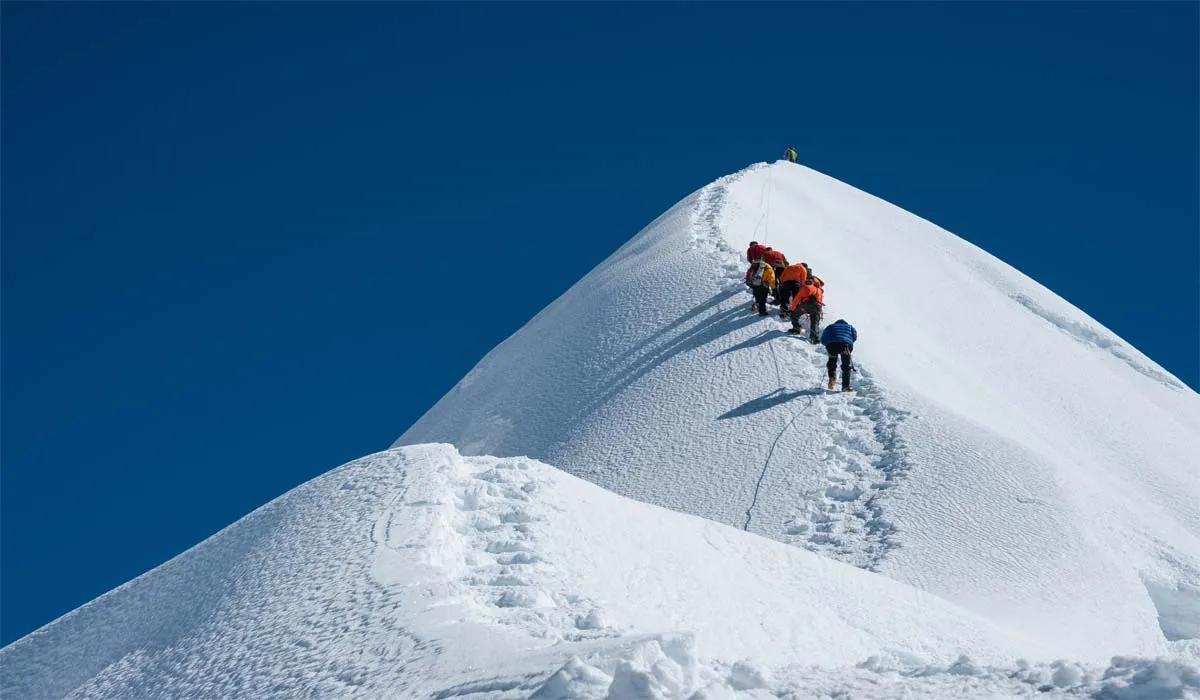
Standing atop Island Peak (6,189m) is a truly unforgettable achievement, rewarding climbers with spectacular views of Lhotse, Nuptse, Makalu, Ama Dablam, Baruntse, and countless snow-covered peaks. After celebrating your successful ascent, you'll descend through beautiful Sherpa villages before flying back to Kathmandu.
Island Peak Base Camp
From Chukkung, you’ll trek to the Island Peak Base Camp, navigating the Lhotse Icefall and Imja Glaciers. After receiving essential pre-climbing training at base camp, you’ll set off for the summit. While the climb is accessible, you’ll use crampons, ladders, and fixed ropes on certain sections.
Upon reaching the summit, you’ll be rewarded with stunning vistas of Lhotse, Ama Dablam, Makalu, Baruntse, and a myriad of other peaks in the Himalayan range. After capturing the moment, you’ll descend back to base camp and retrace your steps through enchanting landscapes back to Namche Bazaar.
Conclude your thrilling journey by returning to Lukla, where you’ll catch a flight back to Ramechap and Kathmandu. Join the Alpine Club of Himalaya for this unforgettable climbing experience and turn your adventure dreams into reality!
Best Time to Climb
The best time to climb Island Peak is during the spring months of March to May and the autumn months of September to November. In spring, climbers can enjoy stable weather, clear skies, and warmer temperatures, making it ideal for capturing breathtaking views and favorable snow conditions. Autumn also offers cool temperatures and clear skies, with less chance of rain, and tends to be less crowded than spring. Conversely, the monsoon season from June to August brings heavy rainfall, making climbing conditions difficult and unsafe, while winter months (December to February) can be extremely cold with increased snowfall, presenting additional challenges. For an optimal climbing experience, spring and autumn are the recommended seasons.
Meals
During the Island Peak climb, meals are typically a blend of traditional Nepali cuisine and international dishes, catering to diverse tastes and dietary preferences. Breakfast usually includes options like porridge, eggs, and toast, while lunch and dinner feature hearty meals such as rice, lentils, vegetables, and meat, along with soups and pasta. Many lodges along the trekking route offer a menu with various choices to keep climbers energized. At base camp, meals are prepared by experienced cooks, ensuring that climbers receive nutritious food to sustain their energy levels for the climb.
Drinking Water
Access to clean drinking water is essential during the Island Peak climb. While trekkers can find water at lodges along the route, it’s advisable to use water purification methods, such as tablets or filters, to ensure safety. At higher altitudes, bottled water may also be available, but it’s best to minimize plastic use for environmental reasons. Climbers are encouraged to carry a reusable water bottle and refill it as needed, maintaining proper hydration throughout the trek and climb.
Comprehensive Guiding Services
Alpine Club of Himalaya offers exceptional guiding services to ensure a safe and enriching experience during your Island Peak Climb. Our team consists of highly trained and experienced guides who possess in-depth knowledge of the mountain terrain, weather conditions, and climbing techniques. They are dedicated to enhancing your trekking experience by providing personalized support, from acclimatization strategies to emergency response. With a strong focus on safety, our guides closely monitor each climber’s health and performance, adapting the itinerary as needed to ensure everyone’s well-being. They also share valuable insights into the local culture and environment, making your journey not just a climb but an unforgettable adventure filled with learning and discovery. Trust Alpine Club of Himalaya to provide comprehensive guidance every step of the way, allowing you to focus on conquering the majestic heights of Island Peak.
Weather and Climate
The weather during the Island Peak climb can be unpredictable, influenced by the high-altitude environment of the Himalayas. Generally, the best time to attempt the summit is during the pre-monsoon months of April and May, when temperatures are milder and conditions are more stable. During this period, daytime temperatures at Base Camp can range from -5°C to 10°C (23°F to 50°F), while nighttime temperatures can drop significantly. Alternatively, the post-monsoon season from late September to early November also offers good climbing conditions, though temperatures are cooler and weather patterns can be less predictable. Climbers should be prepared for sudden weather changes, including snowstorms and high winds, especially at higher altitudes. Understanding these climate factors is crucial for planning your ascent and ensuring a successful expedition with Alpine Club of Himalaya.
Weather Challenges
Weather challenges are a significant factor during the Island Peak climb, impacting both safety and success. Climbers may face extreme conditions, including rapid temperature fluctuations, unpredictable storms, and high winds, particularly as they ascend to higher altitudes. The approach to the summit can be particularly treacherous during the afternoon when temperatures rise, leading to shifting ice and potential hazards. At the higher camps, climbers must contend with severe wind chill and the risk of frostbite, making appropriate gear essential. Sudden weather changes can also exacerbate altitude sickness, necessitating careful acclimatization and monitoring by your guides. It’s crucial to remain adaptable and follow the advice of your experienced team from Alpine Club of Himalaya, who will assess conditions daily and make informed decisions about your ascent to ensure safety and maximize your chances of a successful summit.
Weather Forecast
The weather forecast plays a crucial role in planning the Island Peak climb, as conditions in the Himalayas can change rapidly and dramatically. The best times for a successful ascent are typically during the pre-monsoon season (April to May) and the post-monsoon season (September to October). During these months, climbers can expect clearer skies, more stable temperatures, and less precipitation.
In April and May, daytime temperatures at Base Camp range from -5°C to 5°C (23°F to 41°F), while nighttime temperatures can drop significantly. As you ascend, temperatures decrease further, especially beyond the higher camps. September and October can also offer favorable conditions, but weather patterns may be less predictable, with potential snowfall and colder temperatures.
Monitoring local weather reports and forecasts is essential for all climbers. Your guides from Alpine Club of Himalaya will provide daily updates, allowing for adjustments to your climbing schedule based on conditions, ensuring safety and maximizing the likelihood of a successful summit attempt.
General Tips for Tracking Weather
- Local Weather Services: Use reliable local weather services or apps to get accurate and up-to-date forecasts for the Churen Himal region.
- Satellite Imagery: Check satellite images for real-time weather patterns that can affect visibility and conditions in the mountains.
- Consult Guides: Rely on your expedition guides for insights and updates on weather conditions, as they often have the latest information on the ground.
Environment
The environment around Island Peak is a breathtaking mix of rugged terrain and stunning natural beauty, characterized by dramatic landscapes, glacial formations, and diverse ecosystems. As climbers navigate the trails, they encounter lush valleys, alpine meadows, and stark high-altitude zones. The Khumbu region is home to unique flora and fauna, including rare species adapted to extreme conditions. However, this fragile mountain environment is vulnerable to the impacts of climate change and increasing tourism, with glaciers retreating and unpredictable weather patterns posing challenges for both the ecosystem and trekkers. As part of the Island Peak climb with Alpine Club of Himalaya, climbers are encouraged to practice sustainable trekking principles, such as minimizing waste, respecting local cultures, and adhering to Leave No Trace practices. By prioritizing environmental conservation, climbers can help preserve the natural beauty of this iconic region for future generations while enjoying the unparalleled experience of high-altitude mountaineering.
Difficulty Level
The Island Peak climb is classified as a challenging high-altitude trek, suitable for climbers with some mountaineering experience. The ascent involves navigating technical terrain, including glacial sections, steep inclines, and varying weather conditions. Climbers must possess solid basic mountaineering skills, including the ability to use technical gear and manage altitude sickness. The trek to Base Camp itself requires good physical fitness and acclimatization to prepare for the strenuous summit push. As climbers progress to higher altitudes, challenges increase, with the need for supplemental oxygen becoming a consideration for some. With proper preparation, training, and guidance from Alpine Club of Himalaya, climbers can face these challenges head-on, making the journey not just a test of physical endurance but also a remarkable adventure in one of the world’s most stunning mountain ranges.
Safety and Security
Safety and security are paramount during the Island Peak climb with Alpine Club of Himalaya. The journey begins with thorough pre-expedition briefings, where climbers receive essential information on health, safety protocols, and altitude sickness awareness. Experienced guides, well-versed in emergency procedures, closely monitor the team’s health throughout the climb. Communication systems, including satellite phones, ensure that climbers remain connected to base operations. In case of emergencies, the team is equipped to coordinate evacuations, whether via helicopter or on foot, depending on the situation and weather conditions. Additionally, safety equipment such as harnesses, helmets, and fixed ropes are provided to navigate challenging terrains securely. By prioritizing climber safety and employing experienced guides, Alpine Club of Himalaya ensures that your expedition is as secure as it is exhilarating, allowing you to focus on the majestic beauty of Island Peak.
Travel Insurance
Securing comprehensive travel insurance is essential when planning your Island Peak climb with Alpine Club of Himalaya. This insurance provides vital protection against unforeseen events, including medical emergencies, trip cancellations, and loss of personal belongings. Given the high-altitude nature of the trek, it’s particularly important to have coverage for emergency evacuations due to altitude sickness or serious injuries. When selecting a policy, ensure it includes sufficient medical coverage for high-altitude trekking and provisions for trip interruptions and lost items. It’s advisable to compare different insurance providers and carefully review policy details to understand coverage limits and exclusions. Once you have your travel insurance in place, share your policy details with your guides to facilitate assistance in emergencies. With the right insurance coverage, you can confidently embrace the challenges of the Island Peak climb, knowing you’re protected against unexpected hurdles along the way.
Passport and Visa
To participate in the Island Peak climb, you will need a valid passport and a tourist visa for Nepal. Ensure your passport is valid for at least six months beyond your intended departure date. Most travelers can obtain a tourist visa upon arrival at Tribhuvan International Airport in Kathmandu or through a Nepali embassy or consulate before traveling. Visa fees vary based on your stay duration: a 15-day visa costs approximately $30, a 30-day visa is around $50, and a 90-day visa is about $125, payable in cash (USD or other major currencies). Keep your visa and passport accessible during your trek, as they may be needed at various checkpoints. It’s essential to have all your documents in order well ahead of your trip to ensure a smooth journey.
Physical Fitness and Requirements
Preparing for the Island Peak climb requires a solid level of physical fitness and endurance. Trekkers should engage in regular cardiovascular exercises, such as running, cycling, or swimming, to build stamina. Strength training, focusing on the legs, core, and upper body, is crucial for handling challenging terrains and carrying gear. Additionally, acclimatization to high altitudes is essential, so hikers should practice trekking at elevations similar to those they will encounter. Prior experience in mountaineering or high-altitude trekking is highly recommended, as the expedition involves navigating rugged landscapes and varying weather conditions. Overall, a commitment to training and preparation will enhance your experience and safety during the climb.
Preparations and Training
To ensure a successful Island Peak climb, thorough preparations and training are vital. Start by establishing a fitness regimen that includes cardiovascular workouts, strength training, and flexibility exercises. Aim for at least three to six months of consistent training, gradually increasing intensity and duration. Incorporate long hikes with a weighted backpack to simulate trekking conditions and enhance endurance. Familiarize yourself with basic mountaineering techniques, such as rope handling and navigation. It’s also beneficial to participate in high-altitude training, spending time at elevations similar to the peak of Island Peak to acclimatize your body. Lastly, ensure you have the right gear and equipment, and consider joining a workshop or training course focused on high-altitude climbing to boost your confidence and skills.
Altitude Sickness
Altitude sickness, or Acute Mountain Sickness (AMS), is a common risk for trekkers ascending to high elevations, including during the Island Peak climb. It occurs when the body struggles to adjust to reduced oxygen levels at high altitudes, typically above 2,500 meters (8,200 feet). Symptoms can range from mild (headaches, nausea, dizziness) to severe (shortness of breath, confusion, loss of coordination). To mitigate the risk, gradual ascent is crucial; aim for a maximum elevation gain of 300-500 meters per day. Stay hydrated, avoid alcohol, and listen to your body. If symptoms worsen, descending to a lower altitude is essential. Experienced guides from Alpine Club of Himalaya will monitor your health closely and are trained to manage AMS effectively, ensuring your safety throughout the climb.
Role of the Alpine Club of Himalaya
The Alpine Club of Himalaya plays a pivotal role in promoting safe trekking practices and climbing expeditions in the Himalayan region. Established to support mountaineers and trekkers, the club provides essential resources, including safety guidelines, training programs, and access to experienced guides. They advocate for responsible trekking and environmental conservation while fostering a sense of community among outdoor enthusiasts. The club also conducts workshops on altitude sickness prevention and management, ensuring that trekkers are well-equipped to handle the challenges of high-altitude environments. By engaging with the Alpine Club of Himalaya, trekkers can enhance their knowledge, safety, and overall experience in the breathtaking Himalayas.
Acclimatization
Acclimatization is a vital process for trekkers on the Island Peak climb, allowing the body to adjust to high altitudes and reduced oxygen levels. Proper acclimatization helps prevent altitude sickness and enhances overall safety during the trek. It typically involves ascending gradually, giving your body time to adapt to the changing conditions. Recommended practices include spending extra nights at specific altitudes, staying well-hydrated, and listening to your body’s signals. Experienced guides from Alpine Club of Himalaya will incorporate acclimatization days into your itinerary, ensuring you have ample time to adapt before continuing your ascent. By prioritizing acclimatization, you can significantly enhance your climbing experience and increase your chances of a successful summit.
Facilities and Camp Setup
The facilities and camp setup for the Island Peak climb are meticulously designed to ensure comfort and safety, allowing climbers to focus on their ascent:
- Base Camp: Located at approximately 5,200 meters (17,060 feet), the base camp serves as the expedition’s central hub. Here, climbers will find spacious dining tents, sleeping tents, and equipment storage areas. The dining tent is equipped with tables and chairs, creating a communal space for meals and discussions.
- Sleeping Arrangements: Climbers are provided with high-quality, weather-resistant tents that accommodate small groups, ensuring warmth and privacy. Each climber receives a comfortable sleeping mat and blanket for a restful night’s sleep.
- Kitchen Facilities: A dedicated kitchen crew prepares nutritious meals at base camp and higher camps. The kitchen tent is stocked with cooking supplies, offering a variety of high-energy foods to support climbers’ needs, with fresh fruits and vegetables included when possible, along with hot drinks to keep everyone hydrated and energized.
- Sanitation: Clean and safe sanitation facilities are provided at base camp, and as the team ascends to higher camps, portable toilet facilities will be established to maintain hygiene and minimize environmental impact.
- Communication and Safety Equipment: Each camp is equipped with communication devices to stay in contact with base camp and monitor weather conditions. Safety equipment, including first aid kits and emergency supplies, is readily available to address potential issues.
- Acclimatization Tents: During the acclimatization phase, additional tents may be set up to help climbers adjust to the altitude. These tents provide a quiet space for resting and recovering, which is crucial for a successful climb.
Lukla Flight and Weather Conditions
The flight to Lukla, the gateway to the Everest region and the starting point for the Island Peak climb, is an essential part of the journey. Lukla’s Tenzing-Hillary Airport is known for its short runway and challenging landing conditions, often impacted by the region’s unpredictable weather. Flights typically depart from Kathmandu and take about 30-40 minutes, offering stunning views of the Himalayas.
Weather conditions in Lukla can change rapidly, with frequent cloud cover, strong winds, and precipitation, which can lead to flight delays or cancellations. The best times to fly to Lukla are during the pre-monsoon (April to May) and post-monsoon (September to October) seasons when the weather is generally more stable.
Alternatives to Flying
If weather conditions prevent a flight to Lukla, there are alternative options:
- Trekking from Jiri: Trekkers can opt to start their journey from Jiri, which is accessible by road from Kathmandu. This adds several days to the trek but allows climbers to acclimatize gradually while enjoying the beautiful landscapes of the lower Khumbu region.
- Helicopter Services: In some cases, private helicopter services may be available for transport to Lukla, especially in emergencies or when flights are canceled. This can be a more expensive option but provides a quick and reliable alternative.
- Road Access to Phaplu: Another option is to take a vehicle to Phaplu, which is further south than Lukla. From there, trekkers can start their journey to Lukla on foot, although this also extends the trek duration.
- Wait for Weather Improvement: Sometimes, it may be best to wait in Kathmandu for the weather to improve. This can provide an opportunity to explore the city or rest before the trek.
Entry Permits & Requirements
To climb Island Peak, you will need the following permits:
- Sagarmatha National Park Entry Permit
- Khumbu Rural Municipality Entrance Permit
- Island Peak Climbing Permit
Sagarmatha National Park Entry Permit: This permit can be obtained from the Nepal Tourism Board office in Kathmandu or at the park’s entrance gate in Monjo. The fee is NRS 3,000 for foreign citizens and NRS 1,500 for SAARC country citizens. You will need to complete an application and present your passport or a copy of it.
Khumbu Pasang Lhamu Rural Municipality Entrance Permit: This permit must be acquired in Lukla and costs NRS 2,000. It can be obtained at the rural municipality counter on the outskirts of the settlement.
Island Peak Climbing Permit: The fee for this climbing permit varies by season:
- Spring (March to May): USD 250
- Autumn (September to November): USD 125
- Off Seasons (December to February and June to August): USD 70
If you choose to hike from Jiri, you will need to pay NRS 2,000 for the Gaurishanker Conservation Area Project Entry Permit, which can be obtained at the Nepal Tourism Board’s headquarters in Kathmandu.
You won’t have to worry about waiting for permits, as the Alpine Club of Himalaya or our guides will handle all the arrangements for you, ensuring a smooth and hassle-free experience as you prepare for your adventure.
Cancellations Policy
In the event of cancellations, the following policies will apply:
Cancellation by the Participant:
- If a participant decides to cancel their trip, they must notify the Alpine Club of Himalaya as soon as possible.
- Cancellations made 60 days or more before the trip will incur a fee of 20% of the total cost.
- Cancellations made between 30 to 59 days before the trip will incur a fee of 50% of the total cost.
- Cancellations made less than 30 days prior to departure will result in a forfeiture of the entire payment.
Cancellation by the Organizer
If the Alpine Club of Himalaya cancels the expedition due to unforeseen circumstances, such as extreme weather conditions, natural disasters, or safety concerns, participants will receive a full refund or the option to reschedule for a later date.
Force Majeure:
The Alpine Club of Himalaya is not liable for any additional costs incurred due to cancellations resulting from force majeure events (e.g., natural disasters, political unrest, or health emergencies).