G
Grace Fletcher
Leeds, UK
Aug 9, 2026

Compared to other Himalayan destinations, Bhutan felt refreshingly quiet and unspoiled. The controlled tourism really preserves the authenticity of each site.
Destination
Bhutan
Duration
4 Days
Best Weather
March, April, May, September, October & November
Accommodation
Hotel
Meals
All meals
Transportation
Private vehicle
Group
Min 1 pax
Difficulty
Easy
Activities
Sightseeing
Discover Bhutan's rich cultural heritage, spiritual traditions, and beautiful Himalayan landscapes on the Bhutan Cultural Tour – The Best of Bhutan – 4 Days. This short cultural journey introduces you to two of the country's most significant destinations, Paro and Thimphu, combining ancient monasteries, historic fortresses, traditional architecture, and scenic mountain valleys.
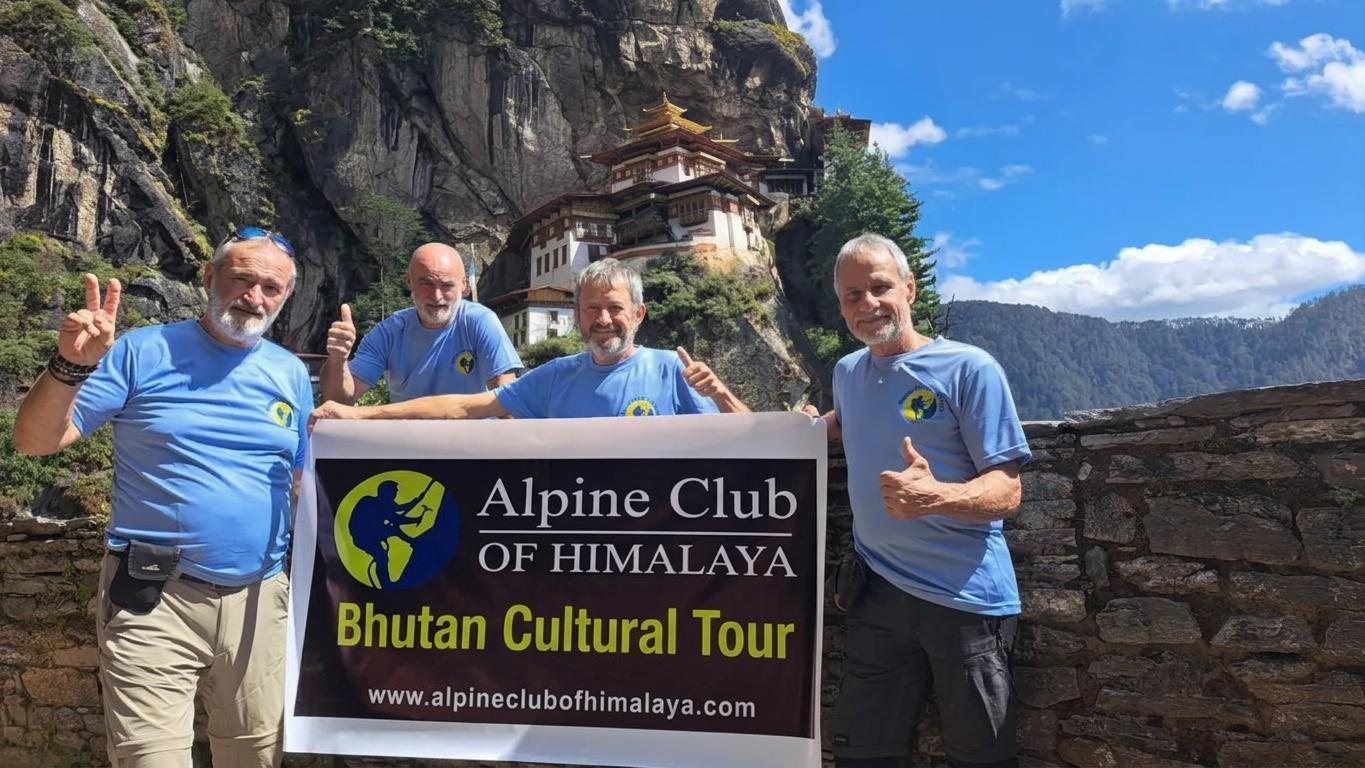
From exploring sacred temples in Paro to visiting the impressive Buddha Dordenma Statue in Thimphu, this tour offers an opportunity to experience Bhutan's distinctive culture and Buddhist heritage in a limited timeframe. The journey also includes a hike to Taktsang Monastery, popularly known as Tiger's Nest, one of Bhutan's most iconic spiritual landmarks.
Organized by Alpine Club of Himalaya, this four-day tour is suitable for first-time visitors, couples, families, and cultural travelers seeking a short but meaningful introduction to the Land of the Thunder Dragon.
Tour duration: 4 days
Destinations: Paro Valley and Thimphu
Tour type: Cultural sightseeing and light hiking
Main attraction: Tiger's Nest Monastery
Other highlights: Rinpung Dzong, Kyichu Lhakhang, National Museum of Bhutan, Buddha Dordenma, and Tashichho Dzong
Difficulty level: Easy to moderate, mainly because of the Tiger's Nest hike
Best seasons: Spring and autumn
Accommodation: Hotels in Paro and Thimphu, subject to the confirmed package
Transportation: Road transfers between destinations
Guide: Local guide arrangements to be confirmed with the tour package
Explore Paro Valley's historic temples, traditional architecture, and beautiful mountain scenery.
Visit Rinpung Dzong, an important Bhutanese fortress and religious center.
Discover Bhutanese history and cultural artifacts at the National Museum of Bhutan.
Hike to the spectacular Tiger's Nest Monastery, perched on a cliff above Paro Valley.
Experience Thimphu's blend of traditional Bhutanese culture and modern city life.
See the National Memorial Chorten and the impressive Buddha Dordenma Statue.
Visit Tashi Chhoe Dzong, one of Thimphu's most significant religious and administrative landmarks.
Learn about Bhutanese traditions, Buddhist practices, architecture, and everyday life.
The Bhutan Cultural Tour – The Best of Bhutan – 4 Days is designed for travelers who want to discover the country's major cultural attractions without committing to a longer itinerary. The journey combines sightseeing in Paro and Thimphu with opportunities to learn about Bhutan's religious traditions, historic landmarks, and distinctive way of life.
Paro provides an introduction to Bhutan's spiritual heritage through its ancient temples, traditional buildings, and historic dzongs. The valley is also home to Tiger's Nest Monastery, a sacred site that attracts visitors from around the world.
Thimphu offers a different perspective on Bhutan. As the country's capital, it combines government institutions and modern amenities with Buddhist monuments, traditional architecture, and established cultural practices.
Together, these destinations provide a balanced introduction to Bhutan's history, spirituality, and natural beauty. The exact sightseeing order depends on flight schedules, local conditions, and the final itinerary confirmed at booking.
Paro Valley is one of Bhutan's most important cultural and historical regions. Surrounded by forested hills and mountain scenery, it is known for its sacred temples, traditional Bhutanese buildings, and significant religious landmarks.
Visitors can explore Rinpung Dzong, Kyichu Lhakhang, and the National Museum of Bhutan while learning about the region's history and Buddhist traditions. Paro is also the starting point for the hike to Tiger's Nest Monastery.
Dungtse Lhakhang is a distinctive temple near Paro, recognized for its unusual chorten-shaped structure and Buddhist symbolism. Its architecture reflects traditional religious beliefs and artistic practices.
The temple provides an opportunity to learn more about Bhutanese Buddhist heritage and the role of sacred architecture in local culture. Visitors should follow any restrictions on photography and access inside religious buildings.
Rinpung Dzong is a prominent fortress-monastery overlooking Paro Valley. Its traditional Bhutanese architecture, courtyards, wooden galleries, and religious significance make it an important stop on a cultural tour.
The dzong serves religious and administrative functions and is closely associated with local festivals and community traditions.
Located in the historic Ta Dzong watchtower above Paro Dzong, the National Museum of Bhutan introduces visitors to the country's cultural and historical heritage.
Its collections include traditional textiles, religious art, historical objects, and other exhibits that help explain Bhutan's development and artistic traditions. Opening arrangements and access should be checked before visiting.
Kyichu Lhakhang is among Bhutan's oldest and most revered Buddhist temples, traditionally associated with the introduction of Buddhism to the country in the seventh century.
The temple's peaceful setting, religious significance, and traditional design make it a worthwhile stop for travelers interested in Bhutan's spiritual heritage.
Tiger's Nest Monastery is one of Bhutan's most recognizable landmarks. Located approximately 3,120 meters above sea level, the monastery appears to cling to a steep cliff overlooking Paro Valley.
The hike takes several hours and involves a sustained uphill climb, stone steps, and uneven forest trails. Travelers can take breaks along the route, but a reasonable level of fitness is recommended.
The monastery is a sacred religious site, so visitors should dress respectfully and follow local instructions. The hike is a major highlight of the tour, offering memorable views and an opportunity to experience one of Bhutan's most important spiritual destinations.
Thimphu is Bhutan's capital and largest urban center. It combines traditional architecture, Buddhist landmarks, markets, and modern public institutions.
The city provides an opportunity to understand contemporary Bhutanese life while exploring the country's religious and cultural traditions. Its setting along the Thimphu River adds to the scenic character of the visit.
The National Memorial Chorten is an important religious monument in Thimphu, built in honor of Bhutan's third King, Jigme Dorji Wangchuck.
Local residents frequently visit the chorten for prayer and religious observances. Visitors can observe these traditions respectfully and gain insight into the role of Buddhism in everyday Bhutanese life.
Drubthob Gonpa, commonly known as Zilukha Nunnery, offers a quieter perspective on Bhutan's Buddhist traditions. Its peaceful setting provides an opportunity to learn about monastic life and the role of Buddhist nuns.
Visitors should remain respectful of religious activities and follow the guidance provided at the site.
Tashi Chhoe Dzong is one of Thimphu's most important religious and administrative complexes. Known for its traditional Bhutanese architecture and impressive setting, it houses major government and monastic functions.
Access to particular buildings or sections may be restricted, so sightseeing arrangements should be confirmed locally.
The Buddha Dordenma Statue overlooks Thimphu Valley from a hilltop location. The large gilded statue is a prominent Buddhist landmark and offers expansive views of the surrounding landscape.
It is an important place for appreciating Bhutan's spiritual traditions and the relationship between religious architecture and the natural environment.
The Takin Sanctuary provides an opportunity to learn about Bhutan's national animal, the takin, and local wildlife conservation efforts.
A visit can add a nature-focused element to the cultural itinerary. Availability and access should be confirmed when the tour is arranged.
Bhutan can be visited throughout the year, but spring and autumn are particularly popular for cultural sightseeing, comfortable walking conditions, and scenic views.
Spring (March–May)
Spring brings milder temperatures and blooming flowers, including rhododendrons in suitable areas. It is a good season for visiting monasteries, exploring valleys, and hiking to Tiger's Nest.
Autumn (September–November)
Autumn is another popular period, often offering clear skies and favorable conditions for sightseeing. It is also a good season for photography and selected cultural festivals, depending on the dates.
Winter (December–February)
Winter can bring cold mornings and evenings, but the western valleys may still offer pleasant daytime sightseeing conditions. Fewer visitors at some attractions can make this an appealing period for travelers who prefer a quieter experience.
Monsoon (June–August)
The monsoon season brings rainfall and greener landscapes. Cloud cover and wet trails may affect mountain views and the Tiger's Nest hike, so travelers should allow flexibility.
Festival dates vary each year. If attending a particular festival is important, check its confirmed dates before booking.
The Bhutan Cultural Tour – The Best of Bhutan – 4 Days is generally suitable for travelers who enjoy cultural sightseeing and moderate walking. Most activities involve visiting towns, temples, monasteries, and historic sites.
The most physically demanding activity is the hike to Tiger's Nest Monastery.
Walking requirements: Expect walking, steps, and uneven surfaces at cultural sites.
Tiger's Nest hike: Allow several hours for the uphill walk and return journey. The exact duration depends on fitness, pace, weather, and trail conditions.
Fitness preparation: Regular walking and stair climbing before the trip can help prepare you for the hike.
Altitude awareness: Paro and Thimphu are both above 2,000 meters. Walk at a comfortable pace, stay hydrated, and pay attention to how you feel.
Health considerations: Travelers with heart, lung, balance, or significant knee problems should seek medical advice before undertaking the hike.
The hike can be challenging for people who are not accustomed to uphill walking. Do not feel obliged to complete it if you become unwell or conditions are unsuitable.
Knowing these essential facts before visiting Bhutan helps ensure a respectful, smooth, and enriching travel experience.
The Bhutan Cultural Tour – The Best of Bhutan – 4 Days is generally suitable for travelers who enjoy cultural sightseeing and moderate walking. Most activities involve visiting towns, temples, monasteries, and historic sites.
The most physically demanding activity is the hike to Tiger's Nest Monastery.
Walking requirements: Expect walking, steps, and uneven surfaces at cultural sites.
Tiger's Nest hike: Allow several hours for the uphill walk and return journey. The exact duration depends on fitness, pace, weather, and trail conditions.
Fitness preparation: Regular walking and stair climbing before the trip can help prepare you for the hike.
Altitude awareness: Paro and Thimphu are both above 2,000 meters. Walk at a comfortable pace, stay hydrated, and pay attention to how you feel.
Health considerations: Travelers with heart, lung, balance, or significant knee problems should seek medical advice before undertaking the hike.
The hike can be challenging for people who are not accustomed to uphill walking. Do not feel obliged to complete it if you become unwell or conditions are unsuitable.
Following these rules and restrictions ensures a respectful, smooth, and meaningful travel experience while preserving Bhutan’s unique culture and environment.
Bhutan is internationally admired for its strong commitment to environmental protection and sustainable living. The country is one of the few in the world that is carbon negative, meaning it absorbs more carbon dioxide than it produces. Over seventy percent of Bhutan’s land is covered by forest, and national laws ensure that forest coverage is permanently protected. This dedication to conservation supports rich biodiversity, including rare wildlife species and pristine natural landscapes. Rivers, valleys, and mountain regions remain remarkably clean, and visitors are expected to respect nature by avoiding littering and minimizing environmental impact. Tourism in Bhutan is carefully managed to protect cultural and natural heritage while supporting local communities.
Bhutan’s climate varies significantly due to changes in altitude, ranging from subtropical conditions in the southern lowlands to alpine climates in the Himalayan regions. Spring (March to May) brings mild temperatures, clear skies, and blooming rhododendrons, making it one of the most pleasant seasons to visit. Summer and the monsoon season (June to August) are warmer and wetter, with lush green landscapes but occasional heavy rainfall. Autumn (September to October) offers stable weather, crisp air, and excellent mountain visibility, ideal for cultural tours and sightseeing. Winter (November to February) is cold and dry, especially in higher elevations, with chilly mornings and evenings, while daytime conditions remain clear and calm in valleys such as Paro and Thimphu.
Bhutan is one of the most culturally rich and environmentally pristine countries in the world, and as such, drone usage in Bhutan is strictly regulated to protect its privacy, heritage, religious sanctity, and natural environment. The government of Bhutan has implemented strict rules regarding drone flights to ensure that tourism and technological activities do not interfere with the country’s sacred sites, wildlife, or local communities. Flying drones without official authorization is strictly prohibited, and travelers who bring drones without permission risk legal consequences.
To operate a drone in Bhutan, visitors must obtain special permission in advance from the relevant Bhutanese authorities. Approvals are granted only for specific purposes, such as professional filming, documentary production, or research, and require submission of detailed applications, flight plans, and security clearances. Recreational drone use by tourists is generally not allowed, particularly near sensitive areas such as monasteries, dzongs, government offices, schools, and densely populated towns. These measures ensure that cultural and spiritual sites remain undisturbed and that drone activities do not compromise public safety or privacy.
Violating Bhutan’s drone regulations can result in serious consequences, including confiscation of drone equipment, heavy fines, and legal action, making it essential for travelers to follow all rules carefully. Travelers planning to use drones for professional or research purposes are advised to secure formal approval before arriving in Bhutan, as unauthorized use can lead to complications at airports or checkpoints.
By adhering to Bhutan’s drone policies, visitors help preserve the country’s sacred and natural heritage, ensuring that the breathtaking landscapes, ancient monasteries, and vibrant cultural festivals can be enjoyed responsibly by everyone. For those seeking to capture Bhutan’s beauty on camera, working within the official regulations ensures a safe, respectful, and uninterrupted experience while protecting the environment and cultural sanctity.
This policy highlights Bhutan’s commitment to sustainable tourism and emphasizes the importance of responsible drone usage, making it a critical guideline for all travelers who wish to document their journey in this Himalayan kingdom.
Choosing a Bhutan tour offers a rare opportunity to experience a country that has preserved its culture, spirituality, and natural environment in an authentic and meaningful way. Bhutan is deeply rooted in Buddhist traditions, and daily life is shaped by values of peace, harmony, and respect for nature. Visitors can explore ancient monasteries, majestic dzongs, prayer-flag-filled valleys, and sacred landmarks that reflect centuries of living heritage.
Bhutan is also known for its unique development philosophy of Gross National Happiness, which prioritizes the well-being of people over material wealth. This approach ensures a calm, uncrowded, and respectful travel environment, making it ideal for travelers seeking cultural depth rather than mass tourism. Carefully regulated tourism protects both the environment and local traditions, allowing visitors to experience Bhutan in its purest form.
The country’s dramatic Himalayan landscapes add to its appeal, offering scenic valleys, forested hills, snow-capped peaks, and clean mountain air. Combined with warm hospitality, well-preserved traditions, colorful festivals, and a strong sense of national identity, a Bhutan tour provides a balanced experience of culture, nature, and spirituality that is difficult to find anywhere else in the world.
Bhutan is widely regarded as one of the safest countries in the world for travelers, offering a peaceful and secure environment with very low crime rates. Violent crime is extremely rare, and petty crimes such as pickpocketing or bag snatching are uncommon, especially in major tourist areas like Paro and Thimphu. The country’s strong sense of community, cultural respect, and adherence to social norms contribute to a safe travel experience.
Travelers are advised to follow basic safety precautions, such as keeping personal belongings secure, respecting local customs, and being mindful in crowded areas or during festivals. Road travel is generally safe, but mountain roads can be narrow and winding, requiring careful driving. Licensed drivers and guides are well-trained to ensure safety during transfers and sightseeing.
Medical facilities in Bhutan are available in major cities, but advanced care may require travel to India for serious emergencies. It is recommended to carry essential medications, travel insurance, and a basic first aid kit.
During the Bhutan Cultural Tour – The Best of Bhutan – 4 Days, travelers enjoy a variety of traditional Bhutanese and international cuisine prepared in hygienic settings. Meals typically include breakfast, lunch, and dinner, with a mix of local dishes such as ema datshi (chili cheese stew), red rice, and momos, as well as continental options in hotels and restaurants.
Safe drinking water is provided throughout the tour in hotels and restaurants. Travelers are advised to use bottled or purified water while traveling to remote areas. Carrying a refillable water bottle and using water purification tablets or filters is recommended for hiking and sightseeing trips, particularly during the Tiger’s Nest Monastery hike. Bhutan’s clean mountain rivers and streams are visually pristine, but untreated water should not be consumed directly.
Accommodation during the Bhutan Cultural Tour is selected to provide comfort, safety, and authentic local experience. Travelers stay in well-maintained hotels or lodges in Paro and Thimphu, typically 3-star or equivalent, offering clean rooms, hot showers, and modern amenities. Some accommodations may feature traditional Bhutanese architecture and décor to enhance cultural immersion. Rooms are usually booked on a twin-sharing basis, but single rooms can be arranged on request.
Transportation during the Bhutan Cultural Tour is well-organized to ensure a safe, comfortable, and convenient travel experience. Transfers between cities, sightseeing spots, and cultural sites are conducted in air-conditioned private vehicles with experienced drivers who are familiar with Bhutan’s roads and terrain.
Traveling in Bhutan requires the use of a licensed local guide, as independent travel is not permitted for most international visitors. A professional guide accompanies travelers throughout the tour, ensuring smooth logistics, cultural interpretation, and compliance with local regulations. Guides play an important role in explaining Bhutanese history, Buddhism, traditions, and daily life, while also assisting with permits, sightseeing schedules, and communication. Having an experienced guide enhances safety, cultural understanding, and overall travel experience in Bhutan.
Wi-Fi: Internet access is available in most hotels, restaurants, and cafes in Paro and Thimphu, though speeds may vary and can be slower in remote or rural areas. Many accommodations provide free Wi-Fi for guests, making it easy to stay connected for emails, messaging, or sharing travel photos. Travelers should not expect high-speed internet in off-the-beaten-path locations, so planning for limited connectivity during sightseeing or hikes is recommended.
Electricity: Bhutan uses a 230V electrical system with Type C, D, and G plug sockets. Most hotels and lodges provide reliable electricity, and hot water is available in modern accommodations. Travelers are advised to carry a universal travel adapter and voltage converter if needed for their devices. Power outages are rare in major towns but may occur occasionally in remote areas, so keeping devices charged in advance is recommended.
Several entrance fees and permits are required to access cultural, historical, and protected sites. These are an essential part of Bhutan’s regulated tourism system and help support preservation, local communities, and sustainable development.
Travel insurance is highly recommended for all travelers visiting Bhutan. It should cover medical emergencies, trip cancellations, lost or stolen belongings, and evacuation in case of unforeseen circumstances. While Bhutan is a safe country with low crime rates, having comprehensive travel insurance provides peace of mind during hikes, sightseeing, and road travel in mountainous regions.
Passport and Visa Regulations
Following these passport and visa regulations ensures smooth entry into Bhutan and compliance with government tourism policies, making the journey safe, organized, and hassle-free.
Last-minute bookings for the Bhutan Cultural Tour are possible, subject to availability. Visitors are advised to confirm their plans as early as possible, particularly during peak travel seasons such as spring and autumn, when flights, hotels, and guided tours are in high demand. The team ensures smooth arrangements for all logistics, including airport transfers, sightseeing schedules, hotel bookings, and permits, even for late bookings, allowing travelers to enjoy Bhutan’s cultural highlights without hassle.
Before the tour, Alpine Club of Himalaya provides an online briefing for all travelers. This session covers essential information about the Bhutan Cultural Tour, including the detailed itinerary, recommended packing list, cultural etiquette, weather conditions, altitude considerations, safety precautions, and required permits. The briefing also allows travelers to ask questions, clarify doubts, and prepare thoroughly for the journey, ensuring a well-informed, comfortable, and enjoyable experience in Bhutan.
Private Bookings
A private Bhutan tour allows travelers to customize the itinerary, pace, and experiences according to their preferences. With private arrangements by Alpine Club of Himalaya, visitors enjoy the undivided attention of the guide, flexible sightseeing schedules, and personalized support. This option is ideal for families, couples, or small groups who prefer a slower pace, tailored accommodations, or special requests such as cultural activities, photography sessions, or additional rest time. Private bookings provide a more intimate and personalized Bhutan experience while maintaining high standards of comfort and safety.
Group Bookings
Group bookings are designed for travelers who enjoy shared experiences and a social atmosphere. Alpine Club of Himalaya organizes groups with experienced guides to manage sightseeing, cultural explanations, and logistics efficiently. Group tours offer cost-effective options while ensuring proper support, safety, and a well-paced itinerary. Travelers can enjoy meeting fellow tourists, sharing experiences, and participating in cultural activities together, all under the guidance of professional Bhutanese guides.
Booking the Bhutan Cultural Tour – The Best of Bhutan – 4 Days with Alpine Club of Himalaya ensures a smooth, safe, and memorable journey through the country’s sacred sites, monasteries, and scenic valleys.
Your safety and comfort are the top priorities during the tour. The itinerary may be adjusted in rare cases due to unforeseen circumstances such as extreme weather, flight delays, or temporary closures of cultural sites. Travelers are expected to follow the guidance of the appointed guides to ensure safety, cultural respect, and smooth management of the tour. While minor adjustments may occasionally be necessary, every effort is made to adhere to the original itinerary and provide a rewarding and unforgettable Bhutanese cultural experience.
Before beginning the Bhutan Cultural Tour – The Best of Bhutan – 4 Days, it is important to ensure that all travel preparations are complete for a safe, comfortable, and memorable journey. Although this tour is not physically demanding, it includes walking through cities, cultural sites, monasteries, and a moderate hike to Taktsang Monastery (Tiger’s Nest). Travelers should be prepared for varied terrain, including steps, cobbled streets, and forested trails, along with moderate altitude exposure in Paro and Thimphu.
Packing the right clothing and gear is essential for comfort and safety. Recommended items include layered clothing, comfortable walking shoes, waterproof jackets, hats, sunglasses, and sun protection. During hikes and sightseeing, carrying a small daypack with water, snacks, and personal items is advised. Proper hydration, pacing yourself, and listening to your body are key, especially during the hike to Tiger’s Nest. Take breaks as needed and allow time to acclimatize to the altitude.
Alpine Club of Himalaya ensures a well-organized and safe cultural experience by arranging all permits, hotel accommodations, private transportation, and licensed English-speaking guides. Our team is available to provide support and answer questions before and during the tour, ensuring that travelers have a seamless and enriching experience.
If you need to cancel your booking, please notify Alpine Club of Himalaya in writing via email or official communication. Cancellation fees apply as follows:
These fees cover pre-arranged administrative processing, hotel bookings, permits, transportation, and guiding services.
In rare cases, Alpine Club of Himalaya may cancel the tour due to natural disasters, severe weather, or safety concerns. In such situations, participants will be offered:
Tours are canceled only when necessary, prioritizing the safety and well-being of all participants.
Alpine Club of Himalaya is not responsible for delays, cancellations, or additional costs arising from force majeure events, including:
In such cases, participants are responsible for additional personal expenses, including accommodations, alternative transport, or insurance claims.
Important Recommendation:
All travelers are strongly advised to obtain comprehensive travel insurance covering trip cancellations, medical emergencies, and force majeure incidents before starting the Bhutan Cultural Tour. This ensures peace of mind, safety, and financial protection throughout the journey.
Upon arrival at Paro International Airport, you will be warmly welcomed by a representative from Alpine Club of Himalaya, offering your first glimpse of the majestic Himalayan peaks surrounding Bhutan. After completing immigration and customs formalities, you will be transferred to your hotel in Paro to relax and refresh.
In the afternoon, your sightseeing journey in Paro begins with visits to some of the valley’s most iconic cultural and historical landmarks. Explore Rinpung Dzong, a stunning fortress-monastery blending Bhutanese architecture with vibrant religious traditions. You will also visit the National Museum of Bhutan, housed in the historic Ta Dzong, where you can view ancient artifacts, religious thangkas, traditional textiles, and historic relics. Next, stop at Kyichu Lhakhang, one of the oldest temples in Bhutan, built in the 7th century and an important site for Bhutanese spiritual practices.
During the city tour, your guide from Alpine Club of Himalaya will share detailed insights into Bhutanese architecture, Buddhism, and local customs. You will stroll through traditional streets of Paro, observe local handicrafts, and gain a deeper understanding of daily life in a Bhutanese town. The day concludes with an overnight stay in Paro, preparing for the scenic hike to Taktsang Monastery the following day.
Max. Elevation
2,250 meters / 7,382 feet
Duration
Half-day sightseeing after arrival
Accommodation
Hotel in Paro
Meals
Breakfast (if arriving early), Lunch, Dinner
Pick-up and drop-off from the Tribhuvan International airport to your hotel in a private car/jeep/hiace
All tours and activities specified in the detailed itinerary, including cultural, historical, and spiritual landmarks in Paro and Thimphu.
Best hotel accommodations in Bhutan, including government-approved “A” grade hotels (3-star and above), ensuring comfort, cleanliness, and convenient locations.
Daily meals as specified in the itinerary, including breakfast, lunch, and dinner. Tea, coffee, and snacks are provided as required during excursions and sightseeing activities.
All land transportation within Bhutan by private, air-conditioned vehicles as per the itinerary, including airport transfers, intercity travel, and sightseeing trips.
Services of experienced, English-speaking guides licensed by the Bhutanese government to provide cultural insights, historical context, and logistical support.
Mineral water provided during all long trips, cultural tours, and included with meals to ensure hydration and safety.
All museum fees, special entry charges, and necessary permits for visiting dzongs, monasteries, monuments, and other restricted areas.
Bhutanese visa and Tourism Development Fee (TDF) charges included.
All applicable government royalties, taxes, and fees are fully covered.
service charges for hotels, guides, drivers, and other logistics included in the package.
Essential Packing and Gear List
Traveling to Bhutan for the Bhutan Cultural Tour – The Best of Bhutan – 4 Days requires thoughtful packing to ensure comfort, safety, and convenience while exploring cultural sites, hiking trails, and Himalayan valleys. Alpine Club of Himalaya recommends the following essentials:
Clothing
Trekking / Hiking Gear
Toiletries and Personal Care
Electronics and Accessories
Travel Documents
Optional Items
Packing Tips by Alpine Club of Himalaya:
This essential gear and packing list ensure a comfortable, safe, and culturally respectful experience while traveling through Bhutan’s iconic valleys, monasteries, and scenic landscapes.
G
Grace Fletcher
Leeds, UK
Aug 9, 2026
J
James Carter
London, England
Apr 16, 2026
D
David Wilson
Victoria, Australia
Mar 29, 2026
T
Thomas Weber
Bavaria, Germany
Feb 23, 2026
24/7 Support
Need help? we're at your service
Associated With


We Accept Cards

Office of the company registrar License: 66813/066/067 || Tourism Industry Division License:1142
All content and photography within our website is copyright & may not be reproduced without our permission.
Develop By: IT Sansaar


