The Baden-Powell Scout Peak Expedition is a rewarding Himalayan climbing adventure located in the beautiful Langtang region of Nepal. Often described as a “mushroom-shaped” peak, it rises to nearly 5,890 meters and offers an exciting combination of trekking, cultural exploration, and introductory mountaineering. Situated north of Kathmandu near the Nepal–Tibet border, the peak lies within a dramatic alpine landscape surrounded by glaciers, valleys, and some of the most iconic Himalayan mountains.
Formerly known as Urkema Peak, it was renamed Baden-Powell Scout Peak in 2007 by the Government of Nepal to commemorate the centenary of the global Scouting movement and honor Lord Robert Baden-Powell, the founder of Scouting. The naming also reflects the spirit of adventure, teamwork, and exploration that defines both Scouting and Himalayan mountaineering. To celebrate this occasion, international scout groups from several countries participated in the inaugural expedition, marking the peak’s place in modern trekking history.
The journey to Baden-Powell Scout Peak takes trekkers through the stunning Langtang Valley, one of Nepal’s most scenic and culturally rich trekking regions. The route passes through traditional Tamang villages, lush forests, alpine meadows, and glacial valleys, offering an authentic experience of mountain life. Along the way, trekkers are rewarded with breathtaking views of towering Himalayan peaks such as Langtang Lirung, Dorje Lakpa, Langtang II, and even distant Shishapangma on clear days.
Unlike technical expedition peaks, Baden-Powell Scout Peak is considered an ideal introduction to Himalayan climbing. It combines high-altitude trekking with basic mountaineering skills such as walking with crampons, using ropes, and crossing glaciers under the guidance of experienced climbing leaders. The climb is physically demanding but achievable for fit trekkers with determination and proper acclimatization.
Overall, the Baden-Powell Scout Peak Expedition is more than just a climb-it is a journey through remote Himalayan landscapes, rich cultural heritage, and an inspiring mountaineering experience that connects adventure with the spirit of exploration.
Best Season for Baden-Powell Scout Peak Climbing
The best time to undertake the Baden-Powell Scout Peak Expedition is during the spring (March to May) and autumn (September to November) seasons. These months provide the most stable weather conditions, clear mountain views, and comfortable trekking temperatures. During spring, the Langtang region comes alive with blooming rhododendron forests, lush landscapes, and longer daylight hours, creating excellent conditions for trekking and climbing. Temperatures are generally mild at lower elevations while remaining manageable at higher camps.
Autumn is equally popular due to its crystal-clear skies, dry weather, and exceptional visibility. The monsoon rains wash away dust and pollution, revealing spectacular views of surrounding peaks such as Langtang Lirung, Dorje Lakpa, Langtang II, and Shishapangma. While winter climbs are possible, extremely cold temperatures and heavy snowfall can make climbing more challenging. The summer monsoon season often brings rain, slippery trails, cloud cover, and increased risks of landslides, making it less favorable for trekking and climbing.
Accommodation
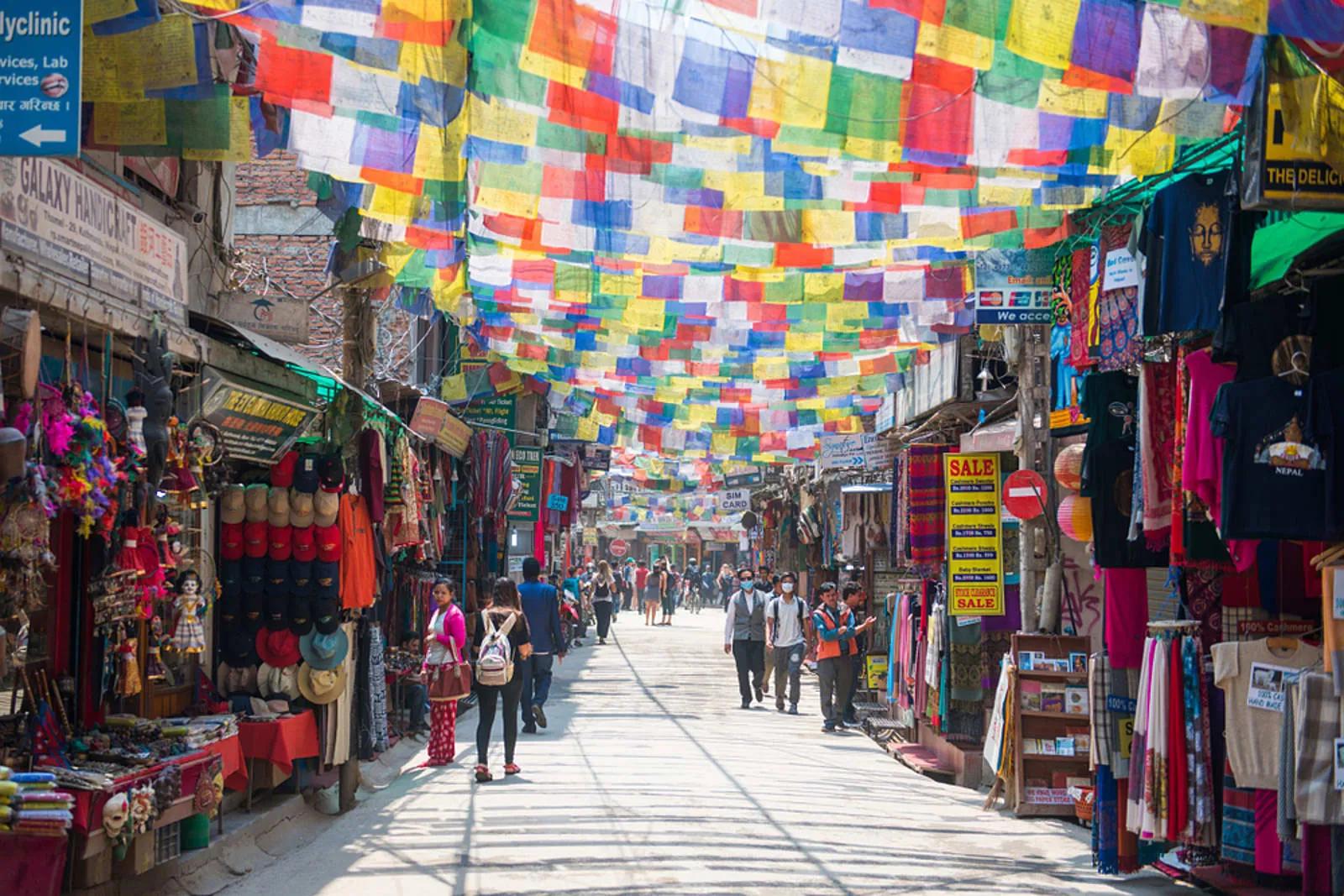
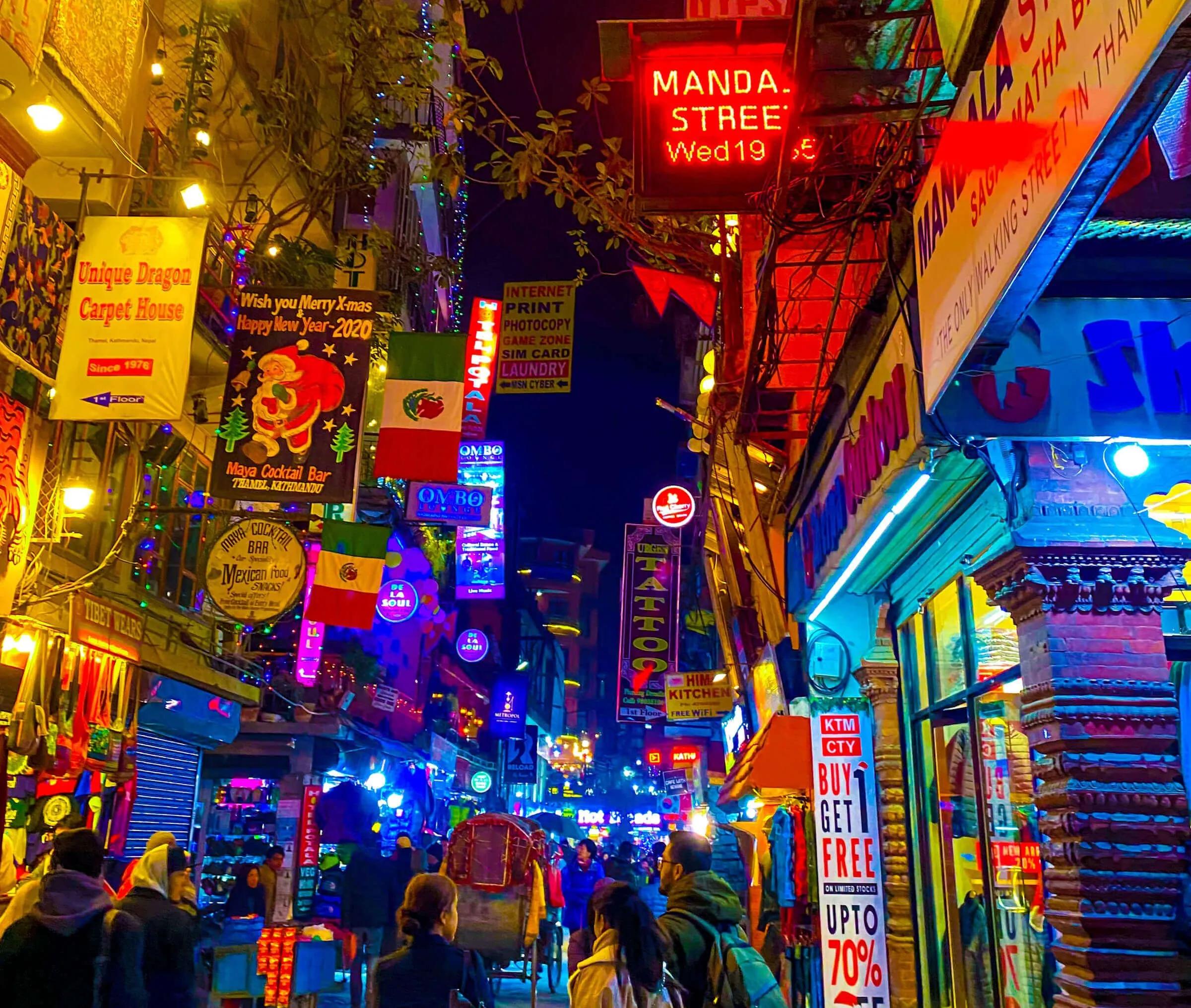
Accommodation during the Baden-Powell Scout Peak Expedition varies according to the stage of the journey. In Kathmandu, trekkers stay in comfortable tourist-standard hotels equipped with modern amenities such as private bathrooms, Wi-Fi, hot showers, and comfortable beds. These hotels provide a relaxing environment before and after the expedition.
Along the trekking route through the Langtang Valley, accommodation is provided in local teahouses or guesthouses. These mountain lodges offer simple yet comfortable rooms, usually on a twin-sharing basis. The teahouses are operated by local families and provide an excellent opportunity to experience Tamang culture and hospitality. Facilities become more basic as the altitude increases, with shared bathrooms and limited electricity in some locations.
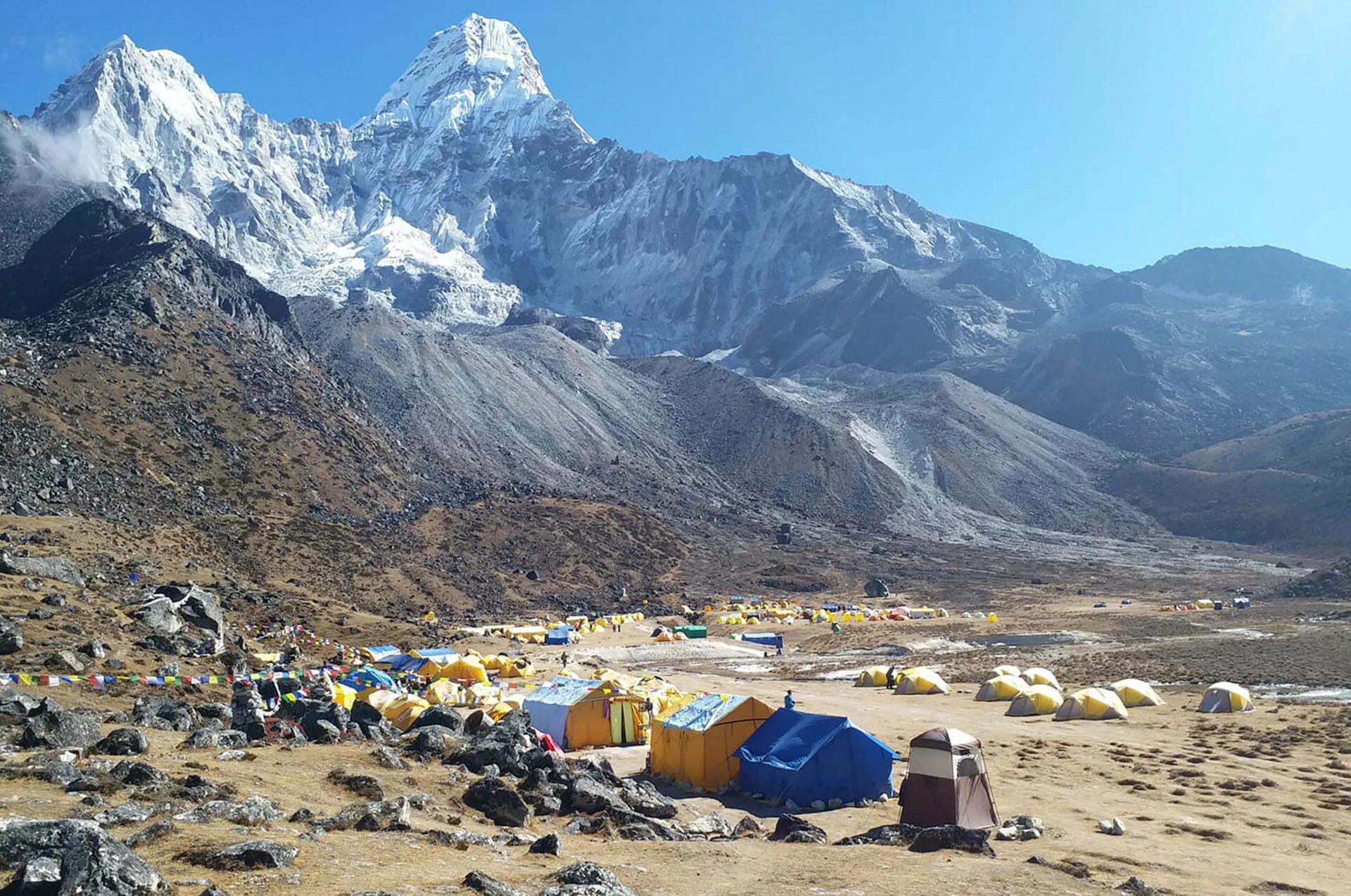
During the climbing phase at Base Camp and High Camp, accommodation is provided in expedition tents. These camps are established in remote alpine environments where no permanent lodges exist. Tented accommodation allows climbers to rest close to the climbing route while enjoying stunning mountain views and the full experience of a Himalayan expedition.
Meals During the Expedition
Nutritious meals are essential for maintaining energy levels during high-altitude trekking and climbing. Throughout the expedition, three meals a day - breakfast, lunch, and dinner - are provided. In Kathmandu, meals may include a combination of Nepali and international cuisine served in restaurants or hotels.
Along the trekking route, teahouses offer a variety of freshly prepared meals including Dal Bhat (rice, lentils, vegetables, and curry), noodles, fried rice, pasta, soups, potatoes, eggs, pancakes, bread, and seasonal vegetables. Dal Bhat is particularly popular among trekkers because it provides a balanced source of carbohydrates, protein, and energy for long trekking days.
At climbing camps, meals are prepared by the expedition cooking staff. These meals are designed to be nutritious, warm, and energy-rich to support climbers in cold and demanding conditions. Hot drinks such as tea, coffee, and soups are regularly served to help maintain hydration and body warmth at higher elevations.
Permits Required
Several permits are required to participate in the Baden-Powell Scout Peak Expedition. The most important permit is the peak climbing permit issued through the relevant Nepalese authorities for climbing Baden-Powell Scout Peak. In addition, trekkers must obtain a permit to enter Langtang National Park, which protects the unique ecosystems and wildlife of the region.
Depending on current government regulations, trekkers may also require a trekking information or registration permit. These permits help authorities monitor visitor movements and contribute to conservation efforts and trail maintenance. Most trekking and climbing agencies arrange all necessary permits on behalf of participants before the expedition begins, ensuring a hassle-free experience.
Guide and Climbing Support
Hiring a professional guide is strongly recommended and often essential for a safe and successful summit attempt. Experienced trekking guides lead participants through the Langtang Valley, manage logistics, monitor health conditions, and provide valuable insights into local culture and geography.
For the climbing section, certified climbing guides play a critical role in route selection, fixing ropes, assessing weather conditions, and ensuring safety on steep snow and ice slopes. Their expertise becomes particularly important during summit day when climbers navigate glaciers, crevasses, and technical sections near the summit. Support staff, including porters and camp crews, assist with carrying equipment, setting up camps, and preparing meals, allowing climbers to focus on the trek and ascent.
Drinking Water
Maintaining proper hydration is crucial throughout the expedition, particularly at high altitude where dehydration can increase the risk of altitude-related illnesses. Drinking water is available at teahouses and villages along the trekking route. However, untreated water from local taps, streams, or rivers should never be consumed directly.
Trekkers are advised to purify water using purification tablets, portable water filters, or UV sterilization devices. Many teahouses also sell boiled drinking water for a small fee. Carrying reusable water bottles or hydration systems with a total capacity of at least two liters is highly recommended. At higher camps, expedition staff usually provide boiled or treated water for drinking and meal preparation.
Travel Insurance
Comprehensive travel insurance is mandatory for anyone joining the Baden-Powell Scout Peak Expedition. Since the climb reaches nearly 6,000 meters, insurance coverage should specifically include high-altitude trekking and mountaineering activities. Standard travel insurance policies often exclude these activities, so it is important to verify coverage before purchasing a policy.
A suitable insurance plan should include emergency helicopter evacuation, medical treatment, hospitalization, rescue operations, trip interruption, trip cancellation, and repatriation. The remote nature of the Langtang region means that emergency evacuation by helicopter may be the fastest and safest option in the event of severe altitude sickness, injury, or illness. Trekkers should carry a copy of their insurance policy and emergency contact information throughout the expedition.
Transportation
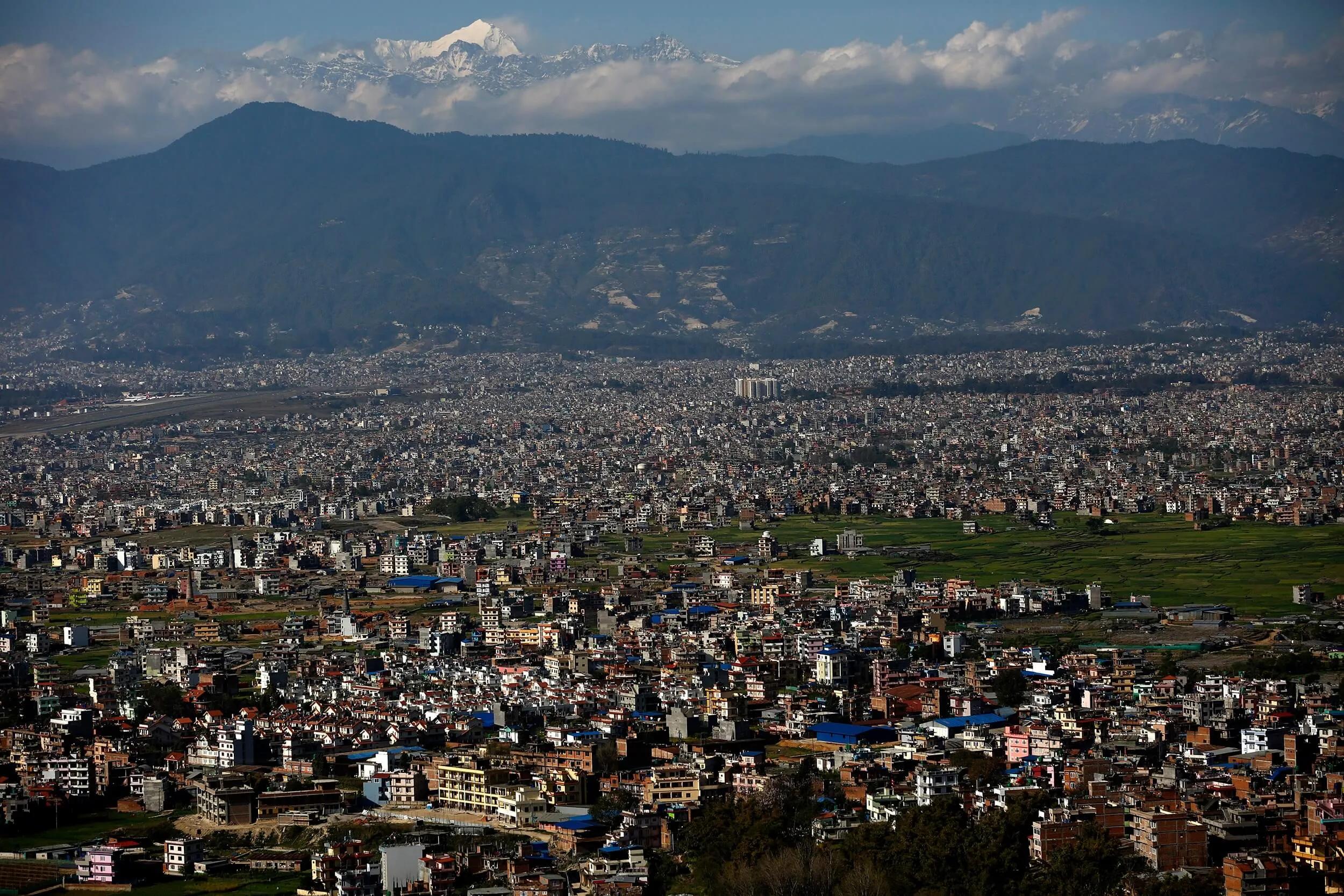
The expedition begins and ends in Kathmandu, Nepal's capital city. Transportation between Kathmandu and Syabrubesi is typically by private vehicle, jeep, or tourist bus, depending on group size and package arrangements. The scenic journey takes approximately seven to nine hours and passes through traditional villages, terraced farmland, rivers, and mountain landscapes.
Road conditions can vary depending on the season, especially after monsoon rains. Although the drive can be long and occasionally rough, it offers excellent views of the Himalayan foothills and provides an authentic introduction to rural Nepal. At the conclusion of the trek, participants return to Kathmandu by the same route.
Difficulty Level
The Baden-Powell Scout Peak Expedition is considered a moderately challenging to demanding Himalayan climbing adventure. While the trekking section follows established trails through the Langtang Valley, the climbing phase involves glacier travel, steep snow slopes, fixed ropes, and high-altitude camping. Climbers must be prepared for long trekking days, cold temperatures, and physically demanding summit attempts.
Participants do not necessarily need advanced mountaineering experience, but previous trekking experience at high altitude is highly beneficial. Good physical fitness, mental resilience, and adequate preparation significantly increase the chances of a successful and enjoyable expedition. Regular cardiovascular exercise, hiking, strength training, and endurance activities are recommended before arrival in Nepal.
Altitude Sickness
Altitude sickness is one of the primary concerns during the Baden-Powell Scout Peak Expedition due to elevations approaching 6,000 meters. As altitude increases, oxygen levels decrease, making it more difficult for the body to adapt. Common symptoms include headaches, nausea, dizziness, loss of appetite, fatigue, and difficulty sleeping.
The itinerary is carefully designed to allow gradual acclimatization, including an important acclimatization day at Kyanjin Gompa and a hike to Tserko Ri. Climbers are encouraged to maintain a slow pace, stay well hydrated, eat properly, and communicate any symptoms to their guide immediately. In severe cases, immediate descent is the most effective treatment. Experienced guides closely monitor participants throughout the expedition and are trained to respond appropriately to altitude-related health issues, helping to ensure a safe and successful climb.
Cancellation Policy
Cancellation by the Participant
If you decide to cancel your booking for the Baden Powell Scout Expedition please notify Alpine Club of Himalaya in writing (via email or official communication) as early as possible. The following cancellation charges apply:
- 60 days or more before trek start date: 20% cancellation fee of the total trip cost
- 30 to 59 days before trek start date: 50% cancellation fee of the total trip cost
- Less than 30 days before departure: No refund; 100% of the trip cost is non-refundable
These fees cover administrative costs, permits, pre-arranged logistics, and potential losses caused by late cancellations.
Cancellation by the Organizer
In the rare circumstance that Alpine Club of Himalaya must cancel the trek due to unforeseen or uncontrollable events such as extreme weather, natural disasters, or safety concerns in the region, you will be offered either:
- A full refund of all payments made
OR
- The option to reschedule your trek for a future available date at no additional cost
Your safety is our highest priority, and cancellations are only made when absolutely necessary.
Force Majeure Clause
Alpine Club of Himalaya cannot be held responsible for cancellations, delays, or extra expenses resulting from force majeure events, including but not limited to:
- Earthquakes, floods, landslides
- Political unrest, strikes, or border closures
- Epidemics, pandemics, or other health emergencies
- Airspace closures, airline cancellations, or flight delays
In such cases, participants are responsible for any additional personal costs such as extra accommodation, changed flights, or insurance claims. We strongly recommend that all trekkers purchase comprehensive travel insurance covering trip cancellations, medical emergencies, and force majeure events before joining the trek.