L
Lukas Schneider
Germany
May 2, 2026

This hike is ideal for beginners. The walk through forests and villages was peaceful, and the panoramic mountain views from Australian Camp were unforgettable. Everything was well organized and comfortable.
Destination
Nepal
Duration
2 Days
Best Weather
March, April, May, September, October & November
Accommodation
Hotel and Guesthouse
Meals
Breakfast, Lunch, Dinner
Transportation
Private vehicle
Group
Min. 1 Pax
Difficulty
Easy
Activities
Trekking
The Australian Camp Hike 2 Days is a simple and relaxed short trek near Pokhara, perfect if you want to enjoy nature without rushing. It follows an easy trail and gives you enough time to walk at your own pace, take breaks, and truly enjoy the surroundings.
The journey starts with a short drive from Pokhara to Kande. As you leave the city behind, the views begin to open up with terraced hills, small villages, and glimpses of the mountains in the distance. From Kande, the hike begins on a stone path that धीरे-धीरे climbs through green forest and farmland. The walk is not difficult, and even if you are new to hiking, it feels comfortable and manageable.
As you move higher, the air feels fresher and the scenery becomes wider. After a couple of hours, you reach Australian Camp, a quiet hilltop that suddenly opens up to big mountain views. Right in front of you, you can see peaks like Annapurna South, Machhapuchhre (Fishtail), Hiunchuli, and Lamjung Himal. The setting is open, calm, and far from the noise of the city.
Staying overnight is what makes this experience more special than a one-day hike. You don’t have to hurry back. You can sit, relax, walk around the area, and watch how the mountains change color in the evening light. The sunset here feels peaceful and unhurried.
The next morning is just as rewarding. If the weather is clear, you can wake up to soft light hitting the mountains during sunrise. It’s a quiet moment, with cool air and wide views all around.
After breakfast, you begin an easy walk back down to Kande, following the same trail through forests and fields. From there, a short drive takes you back to Pokhara.
Overall, this Australian Camp Pokhara hike is less about distance and more about the experience. It’s a gentle introduction to Annapurna foothill hiking, where you can enjoy mountain views, fresh air, and a peaceful overnight stay without needing long trekking days or prior experience.
The best time to do the Australian Camp Trek is during the spring (March to May) and autumn (September to November) seasons. During these months, the skies are generally clear, offering crystal-clear views of the Annapurna Massif, Machhapuchhre, Dhaulagiri, and Manaslu ranges. The weather is pleasant, with warm days and cool nights, making trekking comfortable. Spring also brings blooming rhododendrons and lush greenery along the trails, while autumn provides crisp air, excellent visibility, and a festive atmosphere in Nepal. Winter (December to February) is also suitable, though mornings and nights can be cold. The summer/monsoon season (June to August) is less ideal due to heavy rains, slippery trails, and limited visibility, but the landscapes are lush and vibrant.
The Australian Camp is considered an easy to moderate trek. The walking trails are well-maintained, with gradual ascents and descents through forests, terraced fields, and local villages. Daily walking hours range from 3 to 5 hours, which is manageable for beginners as well as families with children. Since the trek does not involve high-altitude passes or technical sections, it is accessible to trekkers with little or no previous trekking experience.
This trek does not demand extreme physical fitness, but a basic level of fitness is recommended to enjoy the journey comfortably. Trekkers should be able to walk for several hours a day on uphill and downhill trails. Light exercises, jogging, cycling, or short hikes before the trip can help prepare your body for the trek. No prior trekking experience is required, and anyone with a positive attitude, good health, and moderate stamina can complete this trek. Since the maximum altitude is relatively low compared to other treks in Nepal, there is minimal risk of altitude sickness. Comfortable trekking shoes, appropriate clothing, and a small backpack are sufficient for this short adventure.
The environment along the Australian Camp is a perfect combination of scenic landscapes, diverse ecosystems, and rich cultural encounters. Located near Pokhara in the Annapurna region, this short trek allows trekkers to enjoy panoramic Himalayan views, charming rural villages, and lush hillsides, making it an excellent introduction to Nepal’s natural and cultural beauty.
Flora
Fauna
Climate
Cultural Landscape
The Australian Camp Trek offers a fascinating mix of natural wonders and cultural immersion within just three days. From vibrant forests and terraced hillsides to warm village encounters and world-class Himalayan views, the trek provides an unforgettable glimpse into the beauty and diversity of Nepal’s mid-hill region.
One of the main highlights of the Australian Camp Trek is the opportunity to enjoy stunning Himalayan panoramas without venturing too far from Pokhara. Despite being a short trek, it rewards trekkers with breathtaking mountain vistas from both Australian Camp and Sarangkot.
During the Australian Camp Trek, accommodation is provided in teahouses or guesthouses along the route. These are small, family-run lodges offering basic but comfortable facilities such as twin-sharing rooms, clean bedding, and shared bathrooms. At Australian Camp, trekkers stay in cozy teahouses with excellent views of the Annapurna range, while Sarangkot also offers guesthouses and small hotels, some with upgraded facilities depending on your preference. Meals are served at the teahouses, with options including Nepali, Tibetan, Indian, and simple Western dishes.
The trek starts with a short drive from Pokhara to Phedi, which takes around 30-40 minutes. At the end of the trek, after descending from Sarangkot, you can either walk down to Pokhara or take a short drive back to the lakeside, depending on your energy and preference. All ground transportation related to the trek will be arranged by the Alpine Club of Himalaya for convenience and comfort.
WiFi is available at most teahouses and guesthouses along the trail, though the connection can sometimes be slow or require a small service fee. Electricity is available in all overnight stops, allowing trekkers to charge mobile phones, cameras, and other devices. Carrying a power bank is recommended as power supply may occasionally be limited or shared with other trekkers.
The Alpine Club of Himalaya provides experienced, friendly, and professional trekking guides who are well-trained in safety, first aid, and local culture. Guides will ensure you follow the right trail, arrange accommodations, and share insights about the environment, culture, and mountains. Since this is a relatively short and easy trek, hiring a porter guide (who can both guide and carry your backpack) is also an excellent option for travelers who want to trek light. For groups or families, separate guides and porters can be arranged to make the journey more comfortable.
For the Australian Camp Trek, trekkers need to obtain certain permits as the route falls under the Annapurna Conservation Area Project (ACAP). These permits help support local communities, maintain trekking trails, and preserve the environment and cultural heritage of the region.
Both permits can be obtained in Kathmandu or Pokhara before starting the trek. If you book with the Alpine Club of Himalaya, the company will arrange all necessary permits on your behalf, making the process hassle-free.
The Australian Camp Trek is considered a safe and beginner-friendly trekking route. The trails are well-marked, and the altitude is relatively low, which minimizes the risk of altitude sickness. However, as with any trek, safety precautions are important. Trekkers are advised to walk at a steady pace, stay hydrated, and use proper trekking shoes for comfort on uphill and downhill sections.
At the Alpine Club of Himalaya, your safety is our top priority. Our professional guides are trained in first aid and emergency response, ensuring you are well taken care of throughout the journey. Accommodation and food stops are chosen carefully to provide hygienic meals and secure lodging. In addition, the trekking area is close to Pokhara, meaning easy access to transportation, communication, and medical services if required. With our team’s support, you can trek confidently knowing you are in safe hands.
The Australian Camp Trek is one of the best short trekking options in Nepal, perfectly suited for travelers with limited time who still want to experience Himalayan beauty and local culture. Unlike longer treks, it requires no prior trekking experience and can be enjoyed by people of all ages, including families and first-time trekkers.
This trek offers a unique blend of natural beauty, cultural encounters, and panoramic Himalayan views in just three days. From witnessing golden sunrises over Annapurna and Machhapuchhre to walking through terraced farmlands, rhododendron forests, and traditional Gurung villages, the journey provides an authentic taste of Nepal’s rural charm. The proximity to Pokhara makes it easily accessible, without the need for long drives or domestic flights.
Choosing this trek with the Alpine Club of Himalaya ensures expert guidance, safe and comfortable arrangements, and a memorable experience tailored to your needs. It is the perfect trek for those seeking breathtaking views, light adventure, and cultural immersion in a short amount of time.
Over Annapurna an dmachhapuchhre to walking through terraced farmland, rhodondron forest and traditional gurung village, the journey providesd an aiuthentic taste of nepals rural charm. The proximity to pokhara makes it easy accessible
During the Australian Camp Trek, meals are served at the local teahouses and guesthouses. Trekkers can expect a mix of Nepali, Tibetan, Indian, and simple Western dishes. Breakfast usually includes options like bread, eggs, porridge, pancakes, or tea/coffee. Lunch and dinner are typically rice, lentils, seasonal vegetables, noodles, momos (dumplings), or pasta. The famous Nepali dish “Dal Bhat” is a staple on the trek, providing the necessary energy for walking. All meals are freshly prepared with local ingredients, offering a homely and authentic dining experience.
Safe drinking water is essential during the trek. Bottled water is available at teahouses along the route, but to reduce plastic waste, trekkers are encouraged to bring a reusable water bottle. Boiled water can be purchased from guesthouses, and using water purification tablets or portable filters is also recommended. Staying hydrated is key, especially while walking uphill and downhill through the forested trails.
All foreign travelers (except Indian nationals) require a visa to enter Nepal. Tourist visas can be obtained on arrival at Tribhuvan International Airport in Kathmandu or at Nepal’s border entry points. To obtain the visa, trekkers must present a valid passport with at least six months’ validity and recent passport-sized photos. Visa fees depend on the duration of stay, with multiple entry options available. It is advisable to carry a few photocopies of your passport and visa for permits and trekking paperwork.
Travel insurance is highly recommended for the Australian Camp Trek, even though it is a short and relatively safe trek. Comprehensive insurance should cover medical expenses, emergency evacuation, trip cancellations, and loss of baggage or valuables. While the trek does not reach extreme altitudes, having insurance provides peace of mind in case of accidents, illnesses, or unforeseen circumstances. The Alpine Club of Himalaya strongly advises trekkers to purchase insurance before traveling to Nepal.
Obtaining the TIMS card and ACAP permit is essential for a smooth, legal, and hassle-free trekking experience in the Annapurna region. These permits not only ensure compliance with local regulations but also contribute to the conservation and sustainable tourism of this spectacular Himalayan area.
For travelers who make spontaneous plans or prefer flexibility, Alpine Club of Himalaya Pvt. Ltd offers convenient last-minute booking options for the Australian Camp Trek. While we always recommend booking in advance to secure accommodations, guides, and permits, our team can arrange this trek even on short notice, depending on availability. With quick coordination, we ensure that logistics such as transportation from Pokhara, teahouse reservations, and necessary permits are taken care of smoothly. This option is ideal for travelers who decide at the last moment to enjoy a short yet scenic trek, allowing them to witness Himalayan views, cultural encounters, and the peaceful landscapes of the Annapurna region without missing out on the experience.
Before setting out on the Australian Camp, Alpine Club of Himalaya Pvt. Ltd provides a comprehensive online briefing to help trekkers prepare for the journey. This session covers detailed information on the trekking route, daily itinerary, packing essentials, safety measures, and practical tips for walking through rural trails. Trekkers will also receive guidance on required permits, cultural etiquette in local villages, expected weather conditions, and advice on maintaining fitness and hydration during the trek. The briefing is interactive, giving trekkers the chance to ask questions and clear any doubts in advance. With this preparation, travelers can feel confident, well-informed, and ready to fully enjoy their short Himalayan adventure.
Before starting the Australian Camp Trek, participants should be physically prepared for moderate trekking and changing weather conditions. While this trek is suitable for beginners and all age groups, trekkers should maintain a reasonable level of fitness to comfortably walk 3-6 hours per day over hilly and forested terrain. Following all safety instructions provided by Alpine Club of Himalaya Pvt. Ltd is essential for a safe and enjoyable journey.
The trek offers spectacular panoramic views of the Annapurna range, Machhapuchhre (Fishtail), Dhaulagiri, and surrounding hills. Trekkers will also enjoy lush rhododendron and pine forests, rolling hills, agricultural terraces, and traditional Gurung and Magar villages. Sunrise and sunset views from Australian Camp are exceptional, providing unforgettable photo opportunities and memorable Himalayan scenery.
Proper clothing and gear are essential for comfort and safety. Participants should bring layered clothing, a windproof jacket, trekking pants, warm hat and gloves, sturdy trekking boots, sunglasses, and a daypack for personal items and water. Personal medications, sunscreen, and sufficient hydration are recommended.
Alpine Club of Himalaya Pvt. Ltd provides experienced English-speaking guides, manages all logistics-including trekking permits (ACAP and TIMS), accommodation, meals, and transportation-ensuring trekkers can focus entirely on the journey, scenery, and local cultural experiences.
In rare cases where Alpine Club of Himalaya must cancel the trek due to extreme weather, landslides, or safety concerns:
Alpine Club of Himalaya is not liable for delays, cancellations, or extra costs caused by events beyond control, including natural disasters, political unrest, strikes, or transportation disruptions. Personal costs incurred due to these events-such as accommodation, transport, or insurance claims-are the participant’s responsibility.
Participants are strongly encouraged to purchase comprehensive travel insurance covering trekking, emergency evacuation, trip cancellations, and unforeseen events to ensure safety and peace of mind.
Your adventure begins early in the morning after breakfast at your hotel in Pokhara. At around 7:00 AM, your trekking guide will meet you and accompany you on a scenic drive to Kande, the starting point of the trek. The drive takes approximately one hour, following the winding roads that pass through beautiful countryside, terraced farmlands, and traditional villages. Along the way, you can enjoy magnificent views of the Pokhara Valley, the sparkling waters of Phewa Lake, and the distant snow-capped peaks of the Annapurna mountain range.
Upon reaching Kande, you will begin your trek towards Australian Camp. The trail is well-maintained and suitable for trekkers of all experience levels. As you ascend gradually, you will walk through lush rhododendron and oak forests, cultivated terraces, and charming Gurung settlements where you can observe the local lifestyle and traditional stone houses. The peaceful surroundings, fresh mountain air, and occasional sightings of colorful birds make the hike both enjoyable and refreshing.
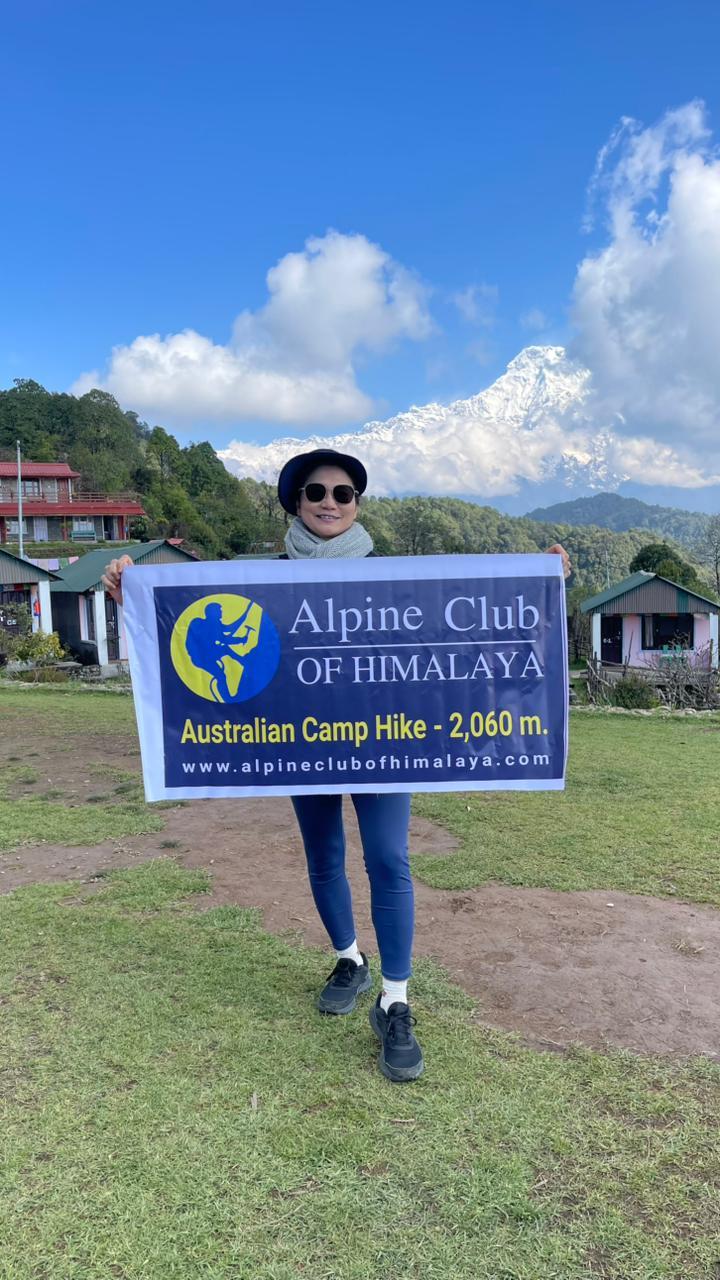
After approximately two hours of trekking, you will arrive at Australian Camp, situated at an elevation of 2,060 meters. This beautiful hilltop destination is renowned for its breathtaking panoramic views of the Annapurna Himalayas. From the camp, you can admire the majestic peaks of Annapurna South, Machhapuchhre (Fishtail), Hiunchuli, Lamjung Himal, and several neighboring mountains. On clear days, the sunrise and sunset over these snow-covered giants create unforgettable scenery.
After checking into your comfortable mountain lodge, you will enjoy a freshly prepared lunch while taking in the spectacular Himalayan panorama. The remainder of the afternoon is free for relaxation or a short walk around the nearby hills and forests. You can capture stunning photographs, interact with friendly locals, or simply unwind while appreciating the peaceful mountain atmosphere. As evening falls, enjoy a warm dinner at the lodge before spending a comfortable overnight stay surrounded by the tranquil beauty of the Annapurna foothills.
Max. Elevation
2060 m
Duration
2 Hours (hike)
Meals
Lunch
Private vehicle transfer from Pokhara to Kande and back to Pokhara.
Professional English-speaking trekking guide.
Guide's salary, meals, accommodation, and insurance.
1-night accommodation at a basic guest house in Australian Camp (twin-sharing basis).
Breakfast at Australian Camp.
All fuel charges and road taxes.
All applicable government taxes.
The Australian Camp Trek is a short and beginner-friendly trek in the Annapurna region. Since you will stay overnight at a mountain lodge, there is no need to carry camping equipment. Pack light while ensuring you have all the essentials for changing mountain weather.
Moisture-wicking trekking T-shirts (2)
Lightweight trekking pants (1–2 pairs)
Comfortable shorts (optional)
Thermal base layer (during winter and colder months)
Warm fleece or softshell jacket
Lightweight down jacket (recommended from October to March)
Waterproof and windproof jacket
Waterproof trekking pants or rain trousers
Comfortable underwear
Sports bra (if applicable)
Warm hat or beanie
Sun hat or wide-brimmed trekking hat
Lightweight gloves (winter season)
Buff, neck gaiter, or scarf
Sleepwear for the lodge
Comfortable trekking boots or hiking shoes with good grip
Lightweight sandals or slippers for the lodge
Moisture-wicking trekking socks (2–3 pairs)
Extra pair of regular socks
Daypack (20–30 liters)
Waterproof backpack cover
Dry bags or zip-lock bags for electronics and valuables
Small reusable shopping bag (optional)
Valid passport or copy of identification
Cash (Nepalese Rupees) for personal expenses
Mobile phone
Camera or action camera (optional)
Power bank
Charging cables
Universal travel adapter (if required)
Notebook and pen (optional)
Reusable water bottle (1–2 liters)
Insulated water bottle (recommended during winter)
Water purification tablets or portable water filter
Energy bars
Chocolate
Trail mix
Dried fruits
Electrolyte powder or hydration tablets
Toothbrush and toothpaste
Biodegradable soap
Face wash
Shampoo (travel size)
Quick-dry towel
Lip balm
Moisturizer
Sunscreen (SPF 30 or higher)
Hand sanitizer
Wet wipes
Toilet paper
Tissue paper
Personal hygiene products
Personal prescription medications
Adhesive bandages
Blister treatment (Compeed or moleskin)
Antiseptic cream
Pain relief medication
Anti-inflammatory medicine
Medication for stomach upset or diarrhea
Oral rehydration salts (ORS)
Antihistamines for allergies
Motion sickness tablets (if needed)
Insect repellent
Small roll of medical tape
Trekking poles (optional but recommended)
Sunglasses with UV protection
Headlamp or flashlight with spare batteries
Pocket knife or multi-tool (optional)
Small umbrella or lightweight rain poncho during the monsoon season
Binoculars for bird watching and mountain views
Lightweight travel pillow
Playing cards or small travel games
E-book reader or book
Journal
Portable tripod
Extra memory cards for cameras
Keep your backpack as light as possible, ideally under 5-7 kg, as this is a short trek.
Dress in layers so you can easily adjust to changing temperatures throughout the day.
Carry a waterproof jacket and backpack cover regardless of the season, as mountain weather can change quickly.
Stay hydrated by carrying at least 1-2 liters of drinking water and refill at available tea houses when necessary.
Store electronics, travel documents, and valuables in waterproof bags to protect them from rain and moisture.
Wear well-broken-in trekking shoes to prevent blisters and ensure a comfortable hiking experience.
Bring enough cash for personal expenses, snacks, beverages, and charging electronic devices at mountain lodges, as digital payment options may be limited.
L
Lukas Schneider
Germany
May 2, 2026
E
Emily Carter
United Kingdom
Jan 5, 2026
24/7 Support
Need help? we're at your service
Associated With


We Accept Cards

Office of the company registrar License: 66813/066/067 || Tourism Industry Division License:1142
All content and photography within our website is copyright & may not be reproduced without our permission.
Develop By: IT Sansaar