M
Michael Turner
Chicago, USA
Mar 26, 2026

The trek to Tilicho Base Camp and beyond is physically demanding, but our group felt well looked after with strong guiding and good food throughout.
Destination
Nepal
Duration
14 Days
Best Weather
March, April, May, September, October & November
Max Altitude
4949m
Accommodation
Hotel and Guesthouse
Meals
Breakfast, Lunch, Dinner
Transportation
Private vehicle / Flights
Group
Min 1 pax
Difficulty
Easy
Activities
Trekking
The Annapurna Tilicho Lake Trek is a spectacular Himalayan adventure that combines the classic Annapurna Circuit with a scenic side trip to Tilicho Lake, one of the highest lakes in the world. Located at around 4,949 meters (16,138 feet) in Nepal’s Annapurna region, Tilicho Lake is surrounded by dramatic Himalayan peaks, including Tilicho Peak and Nilgiri.
This 14-day trek takes you through diverse landscapes, from lush forests, flowing rivers, and traditional mountain villages to alpine meadows, rugged high-altitude valleys, glaciers, and snow-covered peaks. Along the trail, you can experience the traditional lifestyle and hospitality of the Manang people while enjoying spectacular views of the Annapurna range.
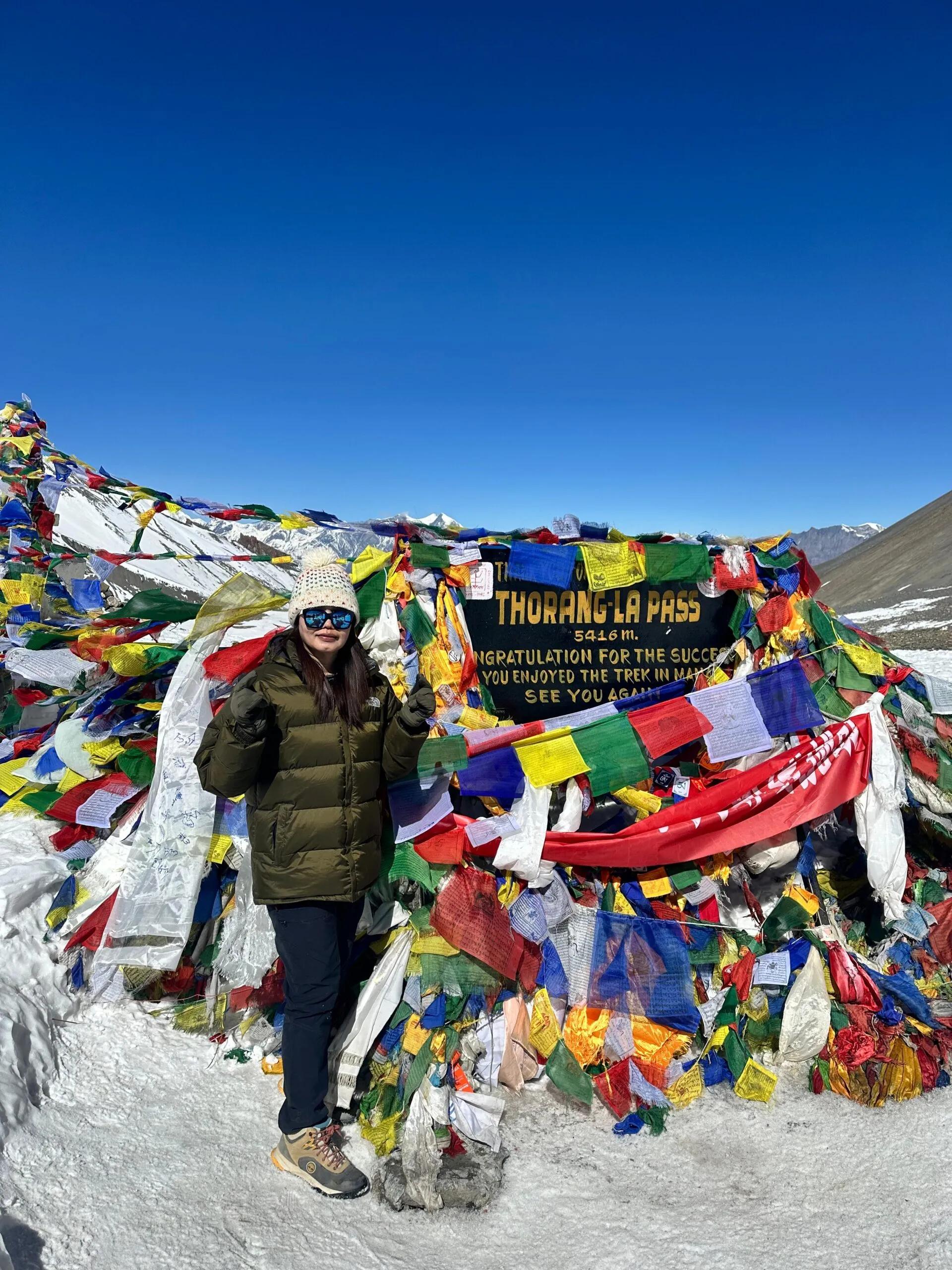
A major highlight of the journey is the challenging Thorong La Pass at 5,416 meters, one of the highest trekking passes in Nepal. The trek also takes you to the remote and peaceful surroundings of Tilicho Lake before continuing toward Muktinath, an important pilgrimage site.
For novice trekkers, the Annapurna Tilicho Lake Trek can be a rewarding introduction to high-altitude Himalayan trekking if you have good physical fitness, proper preparation, and are comfortable with long walking days. Previous trekking experience is helpful but not mandatory. With a gradual pace and experienced guide support, you can experience the combination of mountain scenery, local culture, remote landscapes, and high-altitude adventure that makes the Annapurna Tilicho Lake Trek memorable.
Trek Name: Annapurna with Tilicho Lake Trek
Duration: 14 Days
Maximum Altitude: 5,416 m at Thorong La Pass
Tilicho Lake Altitude: Approximately 4,949 m
Difficulty: Moderate to Challenging
Best Seasons: March–May and September–November
Walking Duration: Approximately 6–7 hours per day
Location: Annapurna Conservation Area
Accommodation: Hotels in Kathmandu and teahouses/lodges during the trek
Transportation: Ground transportation according to the itinerary
Organizer: Alpine Club of Himalaya
Group Size: Suitable for private and group departures
Major Attractions: Tilicho Lake, Thorong La Pass, Annapurna range, Manang Valley, Muktinath, Tilicho Peak, Nilgiri, and traditional mountain villages
Cultural Experience: Traditional lifestyle, culture, and hospitality of the Manang communities
|
Trekking Route |
Walking/Travel Time |
Altitude |
|
|
Kathmandu to Dharapani |
Drive |
1,860 m |
|
|
Dharapani to Chame |
5–6 hours |
2,610 m |
|
|
Chame to Upper Pisang |
5–6 hours |
3,300 m |
|
|
Upper Pisang to Manang |
5–6 hours |
3,540 m |
|
|
Manang to Siri Kharka |
4–5 hours |
4,060 m |
|
|
Siri Kharka to Tilicho Base Camp |
4–5 hours |
4,150 m |
|
|
Tilicho Lake and return |
5–6 hours |
4,949 m |
|
|
Siri Kharka to Yak Kharka |
4–5 hours |
4,018 m |
|
|
Yak Kharka to Thorong Phedi |
4–5 hours |
4,550 m |
|
|
Thorong Phedi to Muktinath via Thorong La |
8–9 hours |
5,416 m |
|
|
Muktinath to lower Mustang/Tatopani |
Drive |
— |
|
|
Tatopani to Pokhara |
Drive |
— |
Tilicho Lake is one of the most striking destinations in the Annapurna region. Its turquoise waters, high-altitude setting, and surrounding Himalayan peaks create an unforgettable mountain landscape. The trail also provides an opportunity to experience remote Himalayan settlements and the culture of the Manang communities.
The trek is rated moderate to challenging and is best suited to physically fit trekkers who are comfortable with long walking days, steep sections, rugged trails, and high-altitude conditions. Proper acclimatization and a gradual pace are important, particularly as the route reaches elevations close to 5,000 meters.
The best seasons for the Annapurna Tilicho Lake Trek are spring (March to May) and autumn (September to November). These periods generally provide clearer skies, more stable weather, and better mountain visibility.
Winter can bring heavy snow and freezing temperatures at higher elevations, while the monsoon season can create slippery trails, landslides, and poor visibility.
At Alpine Club of Himalaya, we organize well-planned and carefully guided treks to Tilicho Lake and the Annapurna Circuit. Our experienced local guides ensure your safety, proper acclimatization, and comfort throughout the journey. We take care of all trekking details so you can fully enjoy the mountains, the trail, and the experience.
Whether you are an experienced trekker or someone looking for a challenging yet rewarding Himalayan adventure, the Annapurna with Tilicho Lake Trek – 14 Days offers an incredible opportunity to connect with nature and explore one of Nepal’s most stunning regions.
The best time to visit Tilicho Lake for trekking is during the spring (March to May) and autumn (September to November) seasons. These months offer the most favorable weather conditions for trekking in the Annapurna region, including Tilicho Lake.
For the best experience, plan your Tilicho Lake Trek during spring or autumn, when the weather is favorable, and the natural beauty of the region is at its peak.
The Annapurna with Tilicho Lake Trek is rated as a moderate to challenging trek. It is suitable for trekkers who are physically fit and ready for high-altitude walking and changing trail conditions.
During this trek, you will reach a maximum altitude of around 4,949 meters (16,138 feet) at Tilicho Lake. At this elevation, altitude sickness can be a concern, which is why proper acclimatization and a gradual pace are very important. Our itinerary is designed to help your body adjust safely to the altitude.
On most days, you will trek for about 6 to 7 hours, walking on a mix of forest trails, rocky paths, steep uphill sections, and downhill routes. Some parts of the trail are narrow and rugged, especially on the way to Tilicho Lake.
This trek is achievable for fit and well-prepared trekkers. Previous trekking experience is helpful but not mandatory if you have good fitness, a positive mindset, and are comfortable with long walking days. With the support of experienced guides from Alpine Club of Himalaya, the trek is both safe and rewarding for those seeking a challenging Himalayan adventure.
To complete the Annapurna with Tilicho Lake Trek comfortably, trekkers should have a good level of physical fitness, especially strong cardiovascular endurance. The trek involves long walking days at high altitude, so your body needs to be well prepared.
Regular training before the trek is highly recommended. Activities such as brisk walking, hiking, stair climbing, cycling, jogging, or hill walking help build stamina and improve breathing at elevation. Strong leg muscles and overall endurance are important, as the trail includes steep climbs, descents, and noticeable altitude gain.
This trek is suitable for moderately fit individuals who are used to physical activity and long walks. However, it may not be ideal for first-time trekkers or those with medical conditions that could be affected by high altitude. With proper preparation, a steady pace, and guidance from Alpine Club of Himalaya, fit trekkers can successfully enjoy this challenging yet rewarding Himalayan adventure.
The Annapurna with Tilicho Lake Trek takes you through a wide range of natural landscapes, making every day on the trail unique and memorable. The journey begins in lush green forests, where you walk among rhododendron, pine, and oak trees. These lower sections are fresh, colorful, and full of natural beauty.
As you gain altitude, the scenery slowly changes into open alpine meadows and wide mountain valleys. Higher up, the trail becomes more rugged, with rocky paths and dry, high-altitude terrain. Near Tilicho Lake, the landscape feels almost desert-like, surrounded by towering Himalayan peaks and glaciers.
Along the way, you will pass through remote villages and settlements, where you can experience the traditional lifestyle, culture, and hospitality of the Manang people. The constantly changing environment—combined with stunning views of Annapurna, Tilicho Peak, and surrounding mountains—creates a truly immersive Himalayan trekking experience that is both challenging and breathtaking.
The Annapurna with Tilicho Lake Trek experiences changing weather and climate depending on the season and altitude. As the trek climbs from lower valleys to high mountain terrain, temperatures and conditions can shift quickly.
The best times to trek are spring (March to May) and autumn (September to November). During these seasons, the weather is generally clear, stable, and dry, offering excellent mountain views. Daytime temperatures usually range between 15°C to 20°C at lower elevations, while higher altitudes can be much colder, around -5°C to 5°C. Nights are especially cold near Tilicho Base Camp and Tilicho Lake, often dropping below freezing.
Winter (December to February) brings extreme cold, strong winds, and heavy snowfall, making the trek more challenging and sometimes unsafe. Monsoon season (June to August) is not recommended due to heavy rainfall, which can cause slippery trails, landslides, and poor visibility from cloud cover.
For the safest and most enjoyable experience, trekking in spring or autumn is highly recommended, when weather conditions are most favorable and the Himalayan scenery is at its best.
During the Annapurna with Tilicho Lake Trek, you will enjoy a mix of local Nepali food and simple international meals at teahouses and lodges along the trail. The meals are freshly prepared, filling, and designed to give you the energy needed for long trekking days.
The most common and popular meal is dal bhat, which includes rice, lentil soup, vegetables, and sometimes pickles. Other available options usually include vegetable curry, noodles, pasta, fried rice, potatoes, soups, and porridge. These meals are nutritious and well-suited for high-altitude trekking.
As you gain altitude, especially near Tilicho Base Camp and higher areas, food choices become more limited due to the remote location. Meals here are generally simpler, focusing on warm, easy-to-digest foods like soup, porridge, and boiled potatoes.
If you have dietary requirements or food restrictions, it is best to inform your guide in advance. Our team at Alpine Club of Himalaya will do their best to accommodate your needs and ensure you stay well-fed and energized throughout the trek.
In Kathmandu, accommodation is arranged on a sharing basis for groups of two or more people, typically in 3-star hotels in the Thamel area, which is the heart of Kathmandu’s tourist district. These hotels offer comfortable rooms with basic amenities, including hot water, Wi-Fi, and en-suite bathrooms.
For those trekking to Tilicho Lake, these accommodations serve as a base before and after the trek. The hotels provide a welcoming environment for relaxation, with easy access to restaurants, shops, and cultural sites in Kathmandu. For solo trekkers or those preferring private rooms, options are available at an additional cost.
Access to safe drinking water is an important part of the Annapurna with Tilicho Lake Trek. In the lower sections of the trail, water is usually available from local taps, springs, and streams. However, this water should always be treated or purified before drinking.
As you gain altitude, clean water sources become more limited, and it is essential to carry your own water purification tablets, filter bottle, or portable filter. These methods help ensure the water is safe and reduce the risk of illness during the trek.
Most teahouses and lodges along the route also sell bottled water, but the price increases significantly at higher elevations. To reduce plastic waste and support eco-friendly trekking, it is highly recommended to use a reusable water bottle along with a purification system.
With proper preparation and guidance from Alpine Club of Himalaya, staying hydrated on the Tilicho Lake Trek is safe, manageable, and environmentally responsible.
Access to safe drinking water is an important part of the Annapurna with Tilicho Lake Trek. In the lower sections of the trail, water is usually available from local taps, springs, and streams. However, this water should always be treated or purified before drinking.
As you gain altitude, clean water sources become more limited, and it is essential to carry your own water purification tablets, filter bottle, or portable filter. These methods help ensure the water is safe and reduce the risk of illness during the trek.
Most teahouses and lodges along the route also sell bottled water, but the price increases significantly at higher elevations. To reduce plastic waste and support eco-friendly trekking, it is highly recommended to use a reusable water bottle along with a purification system.
With proper preparation and guidance from Alpine Club of Himalaya, staying hydrated on the Tilicho Lake Trek is safe, manageable, and environmentally responsible.
Trekking to Tilicho Lake requires trekkers to adhere to several regulations, especially those related to environmental preservation and cultural respect. The Annapurna region is protected under the ACAP, and trekkers must stick to marked routes and avoid venturing into restricted or prohibited zones.
It is also important to respect the local culture of the Manang people, who reside in the area. When trekking through villages or near monasteries, trekkers should always ask for permission before taking photographs and should be mindful of the customs and religious practices of the communities. Environmental responsibility is crucial: trekkers must avoid littering, leaving waste, or damaging the natural environment, in line with the conservation efforts supported by the ACAP fees.
In summary, obtaining the TIMS and ACAP permits is an essential part of preparing for the Tilicho Lake Trek. These permits ensure that trekkers contribute to the sustainability and conservation of the Annapurna region while maintaining safety throughout the journey. By booking with a reputable agency, like Alpine Club of Himalaya, trekkers can streamline this process and focus on enjoying the stunning landscapes, local culture, and the adventure that awaits them in the heart of the Himalayas.
Travel insurance is a crucial requirement for anyone embarking on the Tilicho Lake Trek. Given the remote nature of the trail, trekking at high altitudes, and the possibility of unforeseen events such as injuries, illness, or natural disasters, having comprehensive travel insurance provides peace of mind. It should cover a wide range of incidents, including medical emergencies, evacuation costs (especially if you need to be airlifted due to altitude sickness or injury), and trip cancellations. It’s also advisable to ensure that your travel insurance covers high-altitude trekking, as not all standard policies include this. Alpine Club of Himalaya recommends securing travel insurance that includes medical evacuation and hospitalization coverage, as well as any necessary gear or equipment that could be damaged or lost. Always read the fine print to confirm that your insurer is aware of the specific risks associated with trekking at high altitudes and that your activities are covered.
For international trekkers, having a valid passport is essential to travel to Nepal for the Tilicho Lake Trek. Your passport must be valid for at least six months beyond the date of your arrival in Nepal. Regarding visa requirements, most travelers will need to obtain a tourist visa for entry into Nepal. Visas can be obtained either from your home country’s Nepalese embassy or on arrival at Tribhuvan International Airport in Kathmandu. Tourist visas are typically issued for 15, 30, or 90 days, and you will need to provide a valid passport and a recent passport-sized photograph. Additionally, a visa fee will need to be paid upon arrival. It’s essential to check the latest visa requirements before traveling, as regulations can change. Nepali visas are generally easy to obtain and can be extended if necessary, but ensure that all documents are in order before departure to avoid delays or complications. If you’re trekking with an agency like Alpine Club of Himalaya, they can assist with some of the paperwork for your visa and provide guidance on entry requirements.
Altitude sickness is a common concern when trekking at high elevations, particularly on challenging routes like the Tilicho Lake Trek. The trek takes you to altitudes of up to 4,949 meters (16,138 feet), where the oxygen level is significantly lower, and trekkers can experience symptoms like headaches, nausea, dizziness, or shortness of breath. To minimize the risks of altitude sickness, it’s essential to follow proper acclimatization procedures, such as gradually gaining altitude and taking rest days, like the acclimatization day in Manang.
Alpine Club of Himalaya provides expert guides who are trained in managing altitude sickness and ensuring your safety throughout the trek. If needed, we also arrange helicopter evacuation for quick rescue to Pokhara or Kathmandu in case of serious altitude-related emergencies.
Travel insurance that includes high-altitude trekking and emergency evacuation is highly recommended for all trekkers. Our guides will monitor your well-being, advise on symptoms, and provide assistance as needed to ensure a safe and enjoyable trekking experience. Proper preparation, such as staying hydrated, taking prescribed medications, and avoiding overexertion, can significantly reduce the chances of altitude sickness, making your Tilicho Lake Trek a memorable and safe adventure.
To confirm your booking the following payment policy applies:
By following these payment guidelines, your booking will be confirmed, and your trek will be reserved.
If you need to cancel your booking, cancellation charges will apply based on the number of days before your scheduled departure.
Please be aware that if you cancel your trek within 7 days of the departure date, you will forfeit the entire cost of the tour. If you find yourself needing to cancel during this time frame, we strongly recommend reaching out to us directly to discuss your situation.
If Alpine Club of Himalaya cancels the trip due to unforeseen circumstances, such as extreme weather conditions, natural disasters, or safety concerns, participants will receive a full refund or the option to reschedule for a later date.
In the event of a Force Majeure during the trek—such as natural disasters, extreme weather, political unrest, or unforeseen circumstances—the trek may be delayed, modified, or canceled for safety reasons. We will strive to provide alternative arrangements, but we are not liable for any additional costs incurred.
Trekkers will be notified promptly, and refunds or compensation will be considered on a case-by-case basis. Ensuring safety and well-being is our top priority during such events.
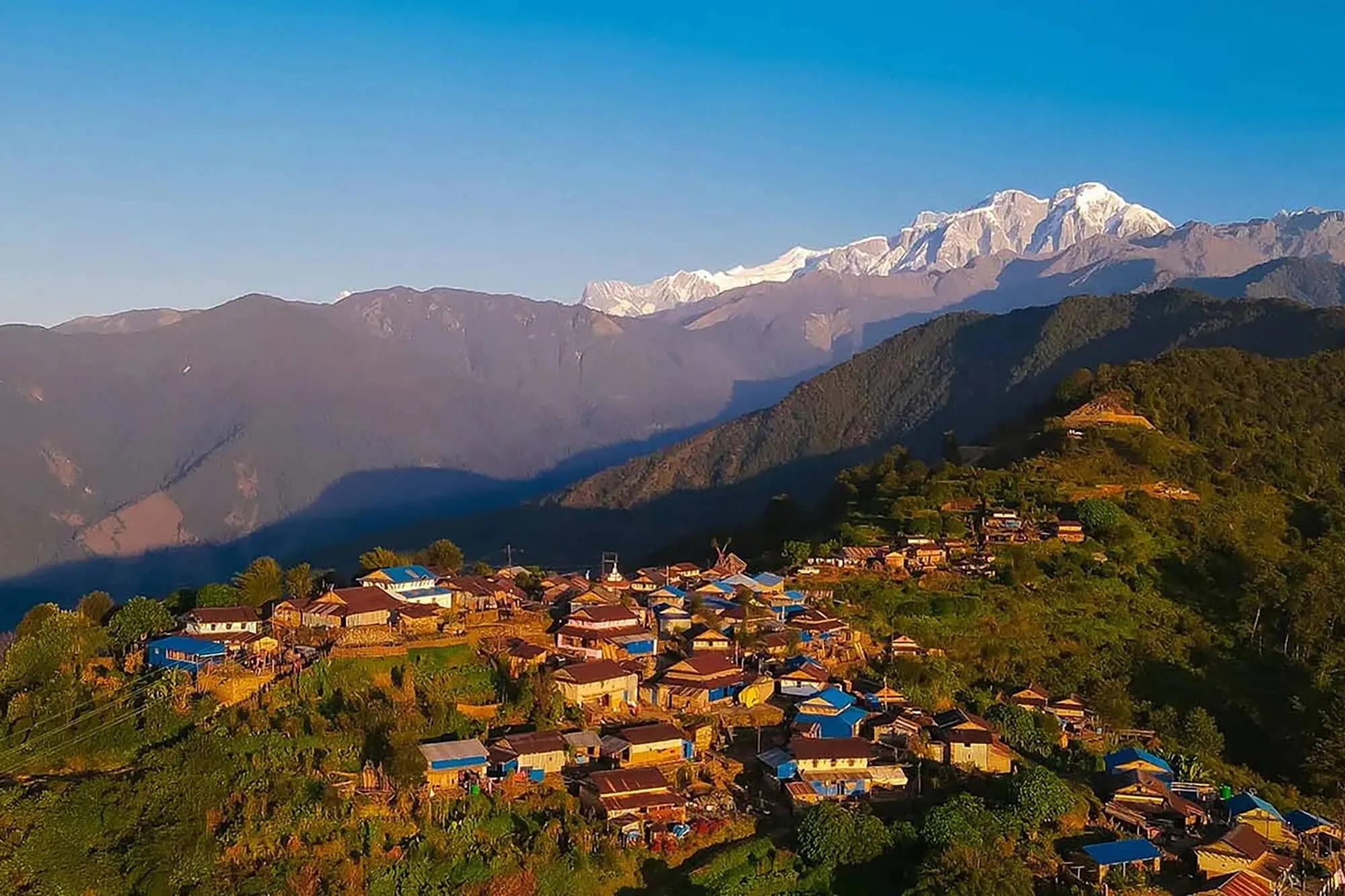
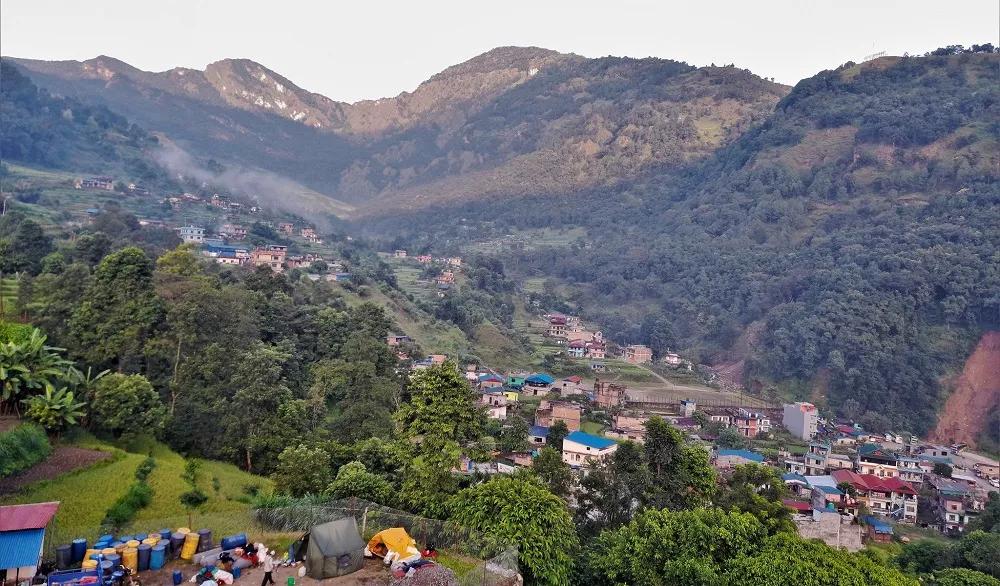
Your journey begins with a scenic drive of about 6 hours from Kathmandu to Besi Sahar, the classic starting point of the Annapurna Circuit Trek. The drive takes you through beautiful countryside, passing small villages, terraced fields, flowing rivers, and rolling hills of central Nepal.
As you leave the busy city behind, the landscape slowly becomes more rural and peaceful, offering a glimpse of everyday life in Nepal. Besi Sahar, located in the Lamjung District, is the main gateway to the Annapurna region. From here, the trekking adventure truly begins, setting the stage for the incredible journey ahead toward Tilicho Lake and the high Himalayas.
Max. Elevation
800m
Accommodation
Guesthouse
Meals
Lunch and dinner
Airport or hotel pickup in Kathmandu by private car, van, or jeep
Overland travel from Kathmandu to Dharapani via Besisahar
Private jeep available (minimum 2 trekkers), otherwise, shared bus and jeep arrangement
Experienced English-speaking trekking guide and porter (1 porter for every 2 trekkers)
Accommodation in teahouses or lodges throughout the trek, offering a comfortable place to rest each night
Full-board meals during the trek (breakfast, lunch, and dinner) with local and simple international food
Fresh seasonal fruits served during the trek for extra energy
All necessary trekking permits, including ACAP and TIMS
Guide’s salary, food, accommodation, and insurance fully covered
Trekking completion certificate as a souvenir of your achievement
Required trekking equipment available on request
Duffle bag provided for carrying trekking gear
First-aid medical kit available throughout the trek
Oximeter to monitor oxygen levels and pulse rate at high altitude
Jeep transfer from Jomsom to Pokhara
Private jeep requires a minimum of 2 trekkers
Deluxe tourist bus from Pokhara to Kathmandu for a comfortable return journey
All government taxes and service charges included
ACH trekking T-shirt and route map as a memory of your Himalayan adventure
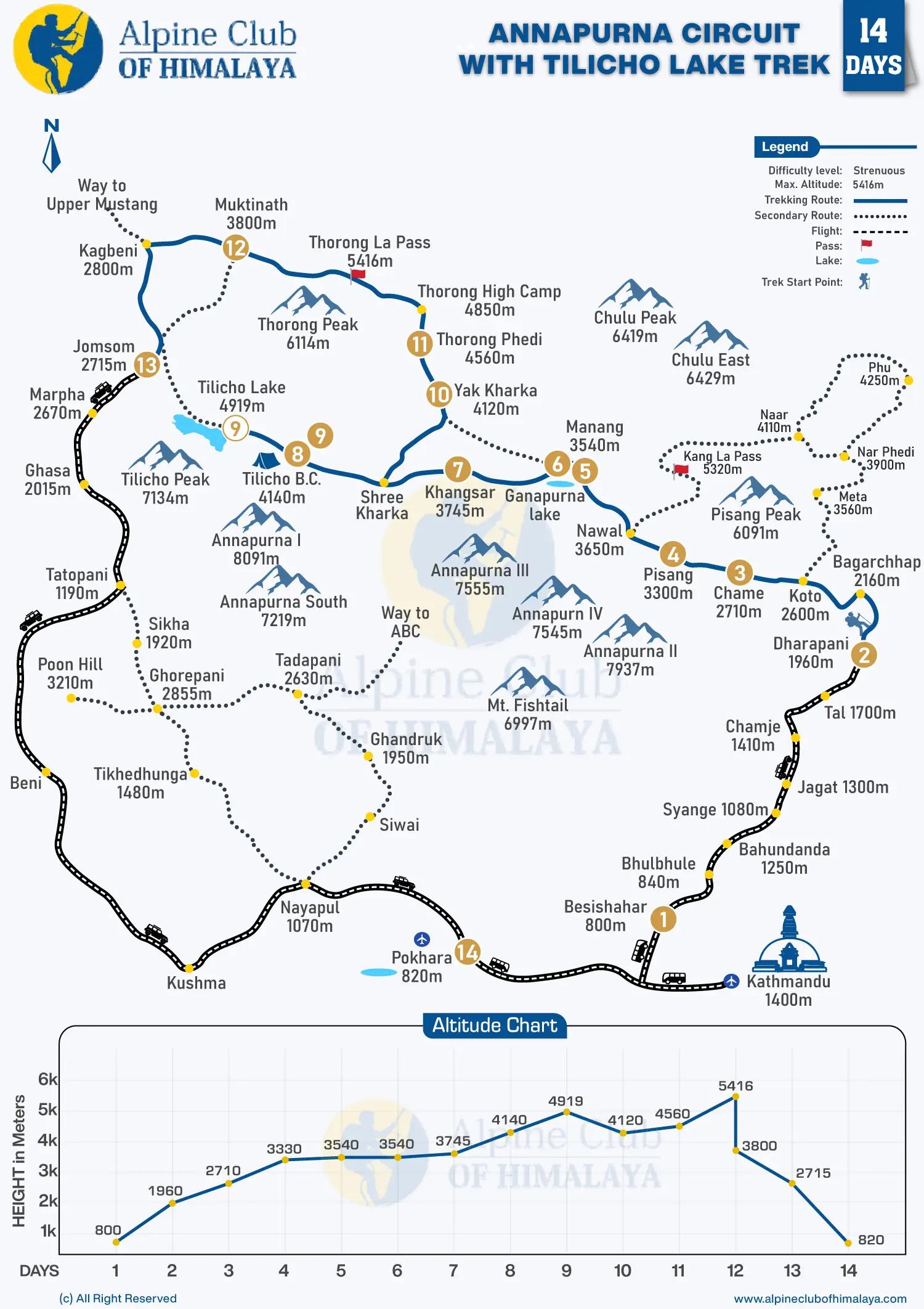
Click on map to view in fullscreen
By packing thoughtfully and bringing the right gear, you’ll ensure a more comfortable, safe, and enjoyable Annapurna and Tilicho trek experience. Make sure to keep your packing as light as possible while still being prepared for the high-altitude conditions and varying weather.
M
Michael Turner
Chicago, USA
Mar 26, 2026
G
Grace Thompson
Nov 14, 2025
D
Delphine Aubert
Strasbourg, France
Nov 8, 2025
A
Anjali Reddy
Hyderabad, India
Nov 2, 2025
24/7 Support
Need help? we're at your service
Associated With


We Accept Cards

Office of the company registrar License: 66813/066/067 || Tourism Industry Division License:1142
All content and photography within our website is copyright & may not be reproduced without our permission.
Develop By: IT Sansaar