The Ama Dablam Base Camp – Gokyo Lake Trek with Gokyo Ri is one of the most remarkable trekking adventures in Nepal, offering an unforgettable journey through the heart of the Everest region. Unlike the crowded trails of the traditional Everest Base Camp trek, this route combines majestic mountains, pristine glacial lakes, high-altitude passes, and the rich culture of the Sherpa people, all in a more serene and less-traveled environment. Organized by Alpine Club of Himalaya, this 16-day trek provides an extraordinary mix of adventure, natural beauty, and cultural immersion.
The trek is centered around Mt. Ama Dablam, often called the “Matterhorn of the Himalayas” due to its stunning spire-like shape. The peak has long been considered one of the most beautiful in the world and is sacred in local Sherpa culture. The trail also leads to the Gokyo Lakes, a series of turquoise glacial lakes regarded as some of the highest freshwater lakes in the world, and includes a climb to Gokyo Ri, offering panoramic views of Mount Everest, Cho-Oyu, Lhotse, and Makalu.
This trek also provides insight into the history and lifestyle of the Sherpa people, whose ancestors migrated from Tibet over centuries and settled in the Khumbu region. Sherpa villages along the route, such as Namche Bazaar, Pangboche, Thame, and Khumjung, still retain their traditional architecture, Buddhist monasteries, and centuries-old customs.
Lukla – Gateway to Everest
Lukla is a charming Sherpa town nestled amidst towering Himalayan peaks, adorned with fluttering prayer flags and traditional stone-and-wood houses. Famous for its short and challenging airstrip, flying into Lukla is considered an adventure in itself, offering dramatic views of mountains and deep valleys. Upon arrival, trekkers are welcomed with warm Sherpa hospitality, making it an ideal place to rest and prepare for the high-altitude journey ahead. Lukla serves as the perfect starting point for the trek, allowing trekkers to acclimatize gradually while soaking in the spectacular mountain scenery.
Phakding and Namche Bazaar
The trail from Lukla to Phakding follows the glacial Dudh Koshi River, winding through lush forests, suspension bridges, and small Sherpa villages. Phakding, a quiet riverside village, provides the first glimpse of the Himalayan valley lifestyle and offers a peaceful place to relax after the flight. Continuing upward, Namche Bazaar emerges as the heart of the Khumbu region. This bustling town serves as both a cultural and commercial hub, where trekkers can explore vibrant markets, observe traditional Sherpa life, and enjoy panoramic views of the surrounding peaks, including Ama Dablam and Thamserku. Alpine Club of Himalaya ensures that trekkers spend adequate time in Namche for proper acclimatization, helping reduce the risk of altitude sickness while preparing for higher elevations ahead.
Exploring Sagarmatha National Park
Sagarmatha National Park, a UNESCO World Heritage Site, is a protected wilderness of exceptional ecological and cultural significance. The park is home to diverse wildlife, including Himalayan tahr, musk deer, and snow leopards, and boasts an array of unique Himalayan flora such as rhododendron forests, juniper trees, and high-altitude alpine vegetation. Trekking through the park, visitors encounter a mix of landscapes—from lush valleys to rugged high-altitude deserts. The trails are dotted with ancient monasteries, chortens, mani walls, and prayer flags, offering a glimpse into the deep-rooted Buddhist traditions of the Sherpa people. This combination of natural beauty, wildlife, and cultural heritage makes Sagarmatha National Park a highlight of any Everest region trek.
Ama Dablam Base Camp:
The trek to Ama Dablam Base Camp, located at 4,590 meters, is one of the highlights of the journey. The base camp sits northeast of Pangboche village and offers trekkers spectacular close-up views of Ama Dablam, one of the most photographed mountains in the world. Historically, Ama Dablam was first climbed in 1961 by a team led by Sir Edmund Hillary, and it has since become a favorite peak for experienced mountaineers. The trail to the base camp winds through forests, rocky terrain, and small Sherpa villages, providing both natural beauty and cultural insight. Trekkers can enjoy panoramic vistas of surrounding peaks, including Lhotse, Nuptse, Tawache, and Kangtega.
Gokyo Lakes:
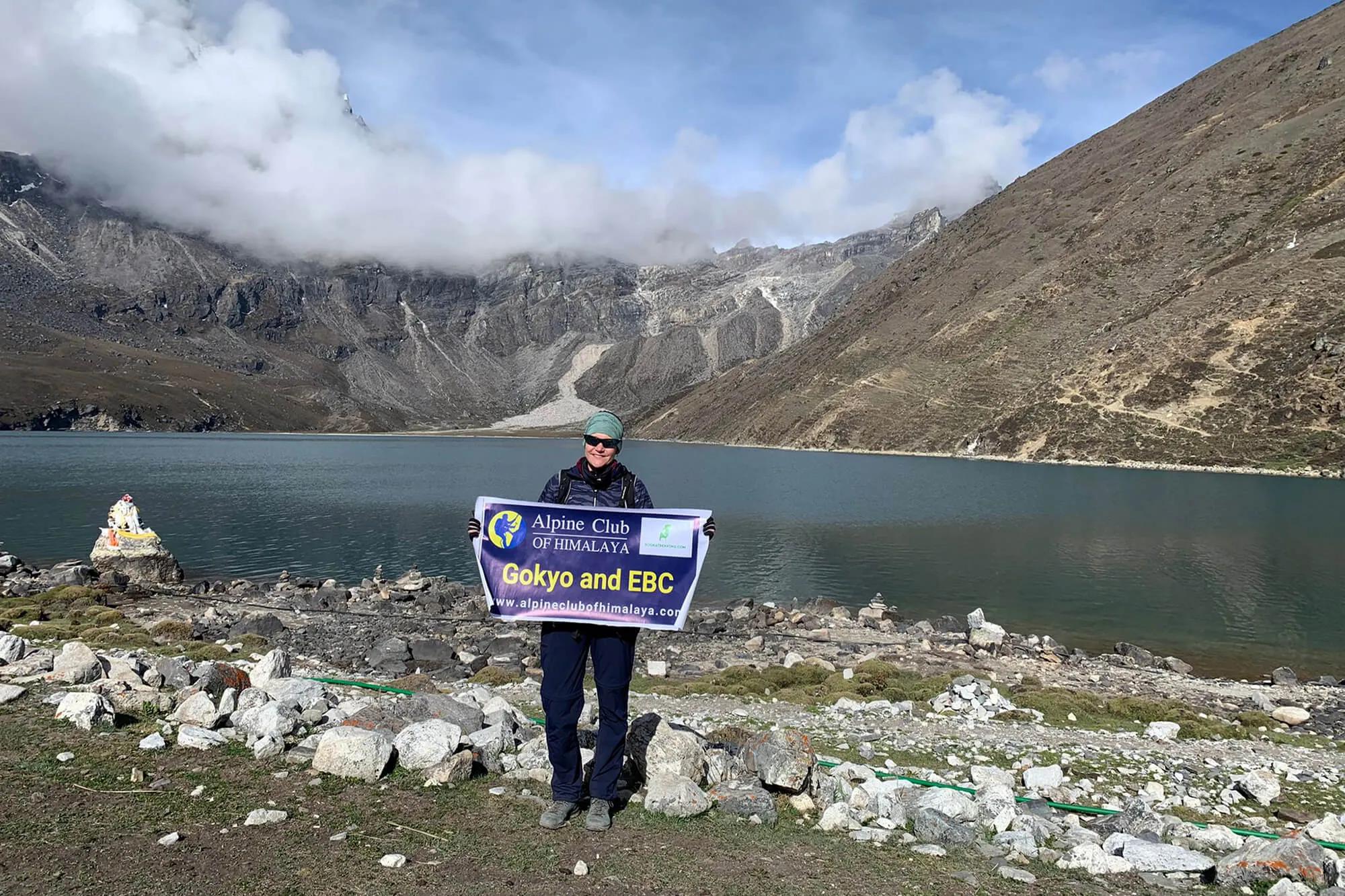
Gokyo Lakes are a group of five glacial lakes situated in a high-altitude valley. The largest, Thonak Lake, is 4,750 meters above sea level. These lakes hold religious significance for the local Sherpa and Tibetan Buddhist communities, who consider them sacred for purification rituals. The lakes are known for their calm, turquoise waters that perfectly reflect the surrounding snow-capped mountains, including Cho-Oyu and Gyachung Kang. Spending two nights in Gokyo allows trekkers to fully experience the tranquility, explore nearby glaciers, and capture the surreal landscape in photography. The area also offers opportunities for star-gazing in the exceptionally clear Himalayan night sky.
Gokyo Ri:
At 5,357 meters, Gokyo Ri is a prominent viewpoint offering sweeping vistas of the Everest region. From its summit, trekkers can see multiple 8,000-meter peaks, including Everest, Lhotse, Makalu, and Cho-Oyu, as well as the vast Ngozumpa Glacier, the longest glacier in Nepal. The ascent of Gokyo Ri is moderately challenging due to its steep trails, rocky ridges, and high altitude, but the views at sunrise or sunset make the effort worthwhile. The peak has historically been used by mountaineers and explorers as a vantage point for mapping and observing the Khumbu region.
Sherpa Culture and Villages:
The trail passes through numerous traditional Sherpa villages, each with its own history and significance.
- Namche Bazaar, the largest settlement, is the commercial hub and gateway to the Everest region.
- Pangboche is the oldest village in Khumbu, known for its ancient monastery and centuries-old prayer walls.
- Phortse is home to families of Everest summiteers, while Thame preserves old monasteries and rich cultural traditions.
- Khumjung, the largest village in the area, houses a school founded by Sir Edmund Hillary and is known for the legendary Yeti scalp preserved in the local monastery.
Trekkers experience the daily life, hospitality, and Buddhist traditions of the Sherpa people. Stone carvings, prayer flags, and mani walls along the trail add to the spiritual atmosphere and provide insight into centuries of religious practice and local customs.
Viewpoints and Photography:
This trek is a paradise for photographers and nature enthusiasts. Key viewpoints include:
- Everest View Hotel at Syangboche – a great introduction to Everest and surrounding peaks.
- Ama Dablam Base Camp – offering close-up views of one of the world’s most striking mountains.
- Gokyo Ri – providing panoramic views of Everest, Lhotse, Cho-Oyu, Makalu, and the Ngozumpa Glacier.
Sunrise and sunset vistas over the mountains, reflective lakes, and star-studded Himalayan skies make this trek highly rewarding for those seeking both adventure and photography opportunities.
Challenges:
The trek is physically demanding and involves long trekking days, high-altitude passes, and rugged terrain. Weather conditions can be unpredictable, with sudden snowstorms, icy trails, and strong winds. Trekkers must be prepared for extreme cold, fluctuating temperatures, and limited access to modern facilities in remote areas. Despite the challenges, the experience of witnessing pristine nature, untouched villages, and breathtaking mountain landscapes makes this trek unforgettable.
Best Time for Trekking
The ideal time to trek to Ama Dablam Base Camp and Gokyo Lake is during spring (March to May) and autumn (late September to November), when the weather is generally stable, skies are clear, and mountain views are at their best.
- Pre-Monsoon (Spring) – March to May: Clear skies, moderate temperatures, and blooming rhododendron forests make spring the most popular season for trekking. The vibrant flora and excellent visibility create perfect conditions for photography and enjoying the natural beauty of the Everest region.
- Post-Monsoon (Autumn) – Late September to November: Crisp air, stable weather, and unobstructed mountain views make autumn another ideal trekking season. This period offers stunning sunrises, sunsets, and panoramic views of snow-capped peaks.
- Winter – December to February: Trekking in winter is colder and more challenging due to possible snowfall and icy trails, but the region is less crowded. Clear skies often provide spectacular mountain vistas, making it rewarding for prepared trekkers.
- Monsoon – June to Early September: Heavy rainfall during the monsoon makes trails slippery, river crossings dangerous, and visibility poor. This season is generally not recommended for trekking in the Everest region.
Spring and autumn remain the most preferred seasons for experiencing the Ama Dablam Base Camp – Gokyo Lake Trek with the best combination of weather, views, and trekking conditions.
Physical Fitness and Trekking Requirements
Trekking to Ama Dablam Base Camp and Gokyo Lake is a physically demanding adventure that requires good fitness and stamina. Trekkers should be prepared for long walking days, uneven trails, steep ascents, and descents over rocky paths, suspension bridges, and high-altitude passes. A moderate level of aerobic fitness, strength, and endurance is necessary to enjoy the trek comfortably and safely.
Regular cardiovascular exercises such as running, cycling, or swimming can help improve stamina, while strength training for the legs, core, and back will prepare you for carrying backpacks and negotiating uneven terrain. Additionally, practice hikes with a weighted backpack can simulate actual trekking conditions and help your body adapt.
While previous trekking experience is beneficial, beginners can also complete the trek with proper preparation, careful pacing, and support from experienced guides. Alpine Club of Himalaya provides professional guidance and support throughout the trek, including pace management, advice on equipment, and emergency preparedness. Adequate fitness reduces fatigue, lowers the risk of injuries, and ensures a more enjoyable experience in the high-altitude environment of the Everest region.
Altitude Sickness and Acclimatization Preparation
High-altitude trekking in the Everest region involves ascending above 4,000 meters, where the risk of altitude sickness (Acute Mountain Sickness – AMS) becomes significant. Common symptoms include headache, nausea, dizziness, shortness of breath, and fatigue. While most trekkers experience mild symptoms, proper acclimatization is essential to prevent serious complications.
To minimize the risk, the Ama Dablam Base Camp – Gokyo Lake Trek includes strategic rest and acclimatization days, particularly in Namche Bazaar and other high-altitude villages. Gradual ascent is key: trekkers are advised to follow the “climb high, sleep low” principle, giving their bodies time to adjust to decreasing oxygen levels. Staying hydrated, eating a balanced diet, and avoiding alcohol or overexertion are important during acclimatization.
Alpine Club of Himalaya ensures trekkers receive guidance on recognizing early symptoms of altitude sickness and taking appropriate measures, including rest, medication if necessary, or descent. Proper acclimatization not only reduces health risks but also enhances endurance, energy, and overall trekking experience, allowing trekkers to fully enjoy the spectacular scenery of Ama Dablam, Gokyo Lake, and Gokyo Ri.
Difficulty Level
The Ama Dablam Base Camp – Gokyo Lake Trek with Gokyo Ri is considered a moderate to challenging trek due to its long trekking days, high-altitude trails, and rugged terrain. Trekkers will encounter steep ascents, rocky paths, suspension bridges, and glacier-fed streams. The trail also includes high-altitude passes like Renjo La, which can be physically demanding.
While prior trekking experience is helpful, the trek can be completed by anyone with good physical fitness, stamina, and determination. The combination of gradual ascent, multiple rest days, and professional support from Alpine Club of Himalaya ensures that trekkers can manage the challenges safely. This trek is ideal for adventure seekers, photographers, and those looking to explore the Everest region without the heavy crowds of the Everest Base Camp route.
Acclimatization Required
Proper acclimatization is essential for the Ama Dablam Base Camp – Gokyo Lake Trek due to high-altitude sections that reach above 5,300 meters at Gokyo Ri and 4,590 meters at Ama Dablam Base Camp. The trek includes planned acclimatization stops, particularly in Namche Bazaar and other high-altitude villages, to allow the body to adjust to lower oxygen levels.
Trekkers are advised to follow the “climb high, sleep low” principle, maintain adequate hydration, eat nutritious meals, and avoid overexertion. Symptoms of mild altitude sickness, such as headache, nausea, and fatigue, are common but manageable with proper rest. Alpine Club of Himalaya guides monitor trekkers closely and provide advice on recognizing and addressing altitude sickness, ensuring a safer and more enjoyable trekking experience.
Environment and Climate
The Ama Dablam Base Camp – Gokyo Lake Trek passes through some of the most spectacular and diverse environments in the Everest region. The lower trails are covered with lush forests of rhododendron, pine, and fir, providing a rich habitat for Himalayan birds and wildlife. As the trek ascends, the terrain transitions into alpine meadows, moraine trails, and glacial valleys, showcasing the raw beauty of high-altitude landscapes. Trekkers will also witness the massive Ngozumpa Glacier, the largest in Nepal, and crystal-clear turquoise lakes in Gokyo Valley.
The climate varies greatly along the route due to altitude differences. Lower elevations (Lukla, Phakding, Namche Bazaar) experience moderate temperatures, making trekking comfortable in spring and autumn. Higher altitudes (Ama Dablam Base Camp, Machhermo, Gokyo Ri) are cold, especially at night, with temperatures often dropping below freezing in winter. Weather in the Himalayas is unpredictable, with sudden snowfall, icy trails, and strong winds possible at any time, particularly at high passes like Renjo La.
Spring (March to May) and autumn (late September to November) provide the most stable weather, clear skies, and spectacular mountain views. Trekkers should be prepared for fluctuating conditions and carry appropriate clothing for both cold, windy, and sunny weather. Respecting the fragile Himalayan environment is essential; trekkers are encouraged to follow Leave No Trace principles, avoid littering, and minimize environmental impact in these pristine high-altitude regions.
Flight Options to Lukla for Everest Region Trek
- Direct Flight from Kathmandu to Lukla
The most common and fastest way to reach Lukla is by taking a direct mountain flight from Kathmandu’s Tribhuvan International Airport to Lukla’s Tenzing-Hillary Airport. This flight takes about 30-40 minutes and offers stunning aerial views of the Himalayas. However, it is highly weather-dependent and can be delayed or canceled due to fog, wind, or poor visibility.
- Flight from Ramechhap to Lukla
As an alternative to flying from Kathmandu, some trekkers choose to take a scenic road journey (approximately 5-6 hours) to Ramechhap Airport and then fly to Lukla from there. This option can sometimes have better weather conditions for flying and fewer cancellations. The flight from Ramechhap to Lukla also lasts around 30 minutes and provides spectacular mountain views.
- Overland Trekking Approach via Jiri or Salleri
For those who want to avoid flights or prefer a gradual start to their trek, it is possible to trek overland to Lukla from Jiri or Salleri. This approach adds several days to the journey but offers a rewarding experience through remote villages, lush forests, and diverse cultural settings before joining the main Everest trekking trail.
Meals
During thetrek, meals are provided in local teahouses along the trail. Breakfast typically includes options such as bread, eggs, porridge, muesli, pancakes, or Tibetan bread, often served with tea or coffee. Lunch and dinner usually offer a mix of Nepali and international dishes, including the famous Dal Bhat (rice, lentil soup, vegetables), noodles, pasta, fried rice, soups, and potato-based meals. In higher-altitude villages, menu variety can be more limited, but meals are always freshly prepared and warm. Eating well is important for maintaining energy during the trek, so we encourage trekkers to choose nutritious options and avoid skipping meals.
Drinking Water
Safe drinking water is essential at high altitudes. Bottled water is available for purchase in most villages, but prices increase as you go higher. To reduce plastic waste and save money, we recommend carrying a reusable water bottle and using water purification tablets, filters, or UV purifiers. Many teahouses also offer boiled water for a small fee. Staying hydrated is key to avoiding altitude-related problems, so trekkers should aim to drink at least 3–4 liters of water daily.
Accommodation
Accommodation on the trek is in traditional mountain teahouses, which are simple but comfortable. Rooms usually have twin beds with basic bedding, and shared bathrooms are common. Some teahouses offer hot showers for a small additional fee. In Namche Bazaar and a few other larger villages, you may find slightly more comfortable lodges with better amenities. At higher altitudes, facilities become more basic, but the warmth and hospitality of the hosts make the experience special. For large groups, we ensure advance reservations to secure suitable lodging along the route.
WiFi and Electricity
During the Ama Dablam Base Camp – Gokyo Lake Trek, access to electricity and internet services is limited due to the remote high-altitude environment. Most teahouses and lodges along the route provide basic electricity via solar panels or small generators, primarily for charging essential devices such as cameras, phones, or headlamps. Charging may come at a small fee, and power supply can be irregular, especially during bad weather or peak usage periods.
WiFi availability is very limited and typically found only in larger villages such as Namche Bazaar or Phakding. Even there, the connection can be slow and intermittent, so trekkers should not rely on it for heavy usage like video calls or streaming. It’s recommended to inform family or friends before the trek and use mobile data or satellite communication devices if necessary.
Trekkers are encouraged to carry power banks and extra batteries for cameras, GPS devices, and phones, as these are essential for both safety and convenience. Experiencing the trek without constant connectivity allows trekkers to fully enjoy the serene environment, breathtaking mountain views, and the cultural immersion in Sherpa villages.
Safety and Security
Safety is a top priority on the Ama Dablam Base Camp – Gokyo Lake Trek with Gokyo Ri. The Everest region is remote, with rugged terrain, high-altitude passes, and unpredictable weather. Alpine Club of Himalaya ensures all trekkers are accompanied by professional, licensed guides who are well-trained in navigation, first aid, and emergency procedures. The guides monitor the group closely for signs of altitude sickness, fatigue, or any other health concerns, making the trek safer and more enjoyable.
Evacuation Process
Emergency evacuation is carefully planned for the trek. Helicopter evacuations are available in case of serious illness or injury, particularly for altitude sickness, accidents, or sudden health emergencies. Alpine Club of Himalaya guides are trained to coordinate evacuation, provide first aid, and ensure rapid communication with rescue services if needed. Comprehensive preparation and local knowledge significantly enhance the safety of all trekkers.
Travel Insurance
Travel insurance is mandatory for high-altitude trekking in the Everest region. Policies should cover trekking up to at least 5,500 meters, including emergency helicopter evacuation, medical treatment, and trip cancellation or delays. Weather in the Everest region can disrupt flights or trekking schedules, making insurance essential for peace of mind. Trekkers should carry a printed copy of their insurance documents throughout the trek.
Passport and Visa
All foreign visitors, except for citizens of India, require a visa to enter Nepal. Most travelers can obtain a visa on arrival at Tribhuvan International Airport in Kathmandu or at certain land border crossings. You will need a passport valid for at least six months from your date of entry and a passport-size photograph for the visa application. Trekking in the Everest region also requires permits, including the Sagarmatha National Park Entry Permit and the Khumbu Pasang Lhamu Rural Municipality Permit, which will be arranged by Alpine Club of Himalaya.
Guide and Porter Services
Alpine Club of Himalaya provides professional, government-licensed guides with extensive knowledge of the Everest region’s terrain, culture, and safety protocols.
- For groups of more than 10 trekkers, an assistant guide joins to ensure personalized attention, smooth logistics, and enhanced safety.
- For every two trekkers, one porter is assigned to carry luggage and trekking gear, allowing you to focus on trekking and acclimatizing comfortably.
- All guides and porters are trained, familiar with the local terrain and culture, and equipped with first aid knowledge, ensuring a hassle-free and memorable trek experience.
Daily Activities
Each day on the trek combines trekking, rest, acclimatization, and cultural exploration.
Morning Activities:
- Guide: Wake trekkers, provide breakfast guidance, brief on the day’s route, highlight points of interest, pace the group according to fitness and acclimatization, and share knowledge about local culture, wildlife, and history.
- Porter: Carry luggage and trekking gear, prepare supplies, and ensure everything is ready for departure.
Midday Activities:
- Guide: Organize breaks for rest, hydration, and photography; arrange lunch stops; monitor trekkers for altitude sickness or fatigue; share insights about flora, fauna, and local culture.
- Porter: Continue transporting luggage, assist with extra gear, and prepare accommodation for arrival.
Evening Activities:
- Guide: Lead the group safely to the teahouse, check comfort and health, provide acclimatization tips, brief for the next day, and facilitate cultural experiences if possible.
- Porter: Deliver luggage to the correct rooms, assist with settling in, and coordinate with guide and teahouse staff for smooth operations.
Entry Permits and Trekking Authorization
To trek in the Everest region, several permits are required. These include:
- Sagarmatha National Park Entry Permit: Required to enter the national park area where Everest lies.
- Khumbu Pasang Lhamu Rural Municipality Permit: Mandatory for all trekkers entering the Khumbu region, replacing the older TIMS card.
These permits are checked at various checkpoints along the trail. Alpine Club of Himalaya handles all necessary permit arrangements on your behalf before the trek begins, ensuring a smooth and legal journey through the region.
Lukla Flights and Alternatives
The trek begins with an exhilarating flight to the world-famous Tenzing-Hillary Airport in Lukla, located at an altitude of 2,860 meters. This 25–35-minute scenic flight from Kathmandu is considered one of the most spectacular aerial journeys in the world, offering panoramic views of the Himalayan peaks before landing on Lukla’s dramatic mountain runway. For many trekkers, this thrilling flight provides an unforgettable introduction to the Khumbu region and marks the official start of their adventure to Everest and Gokyo.
Flights from Kathmandu to Lukla
During the off-season, mainly winter and monsoon months, direct flights operate from Tribhuvan International Airport (TIA) in Kathmandu to Lukla. Airlines such as Tara Air, Summit Air, and Sita Air service this route. Early-morning departures are preferred because they offer the clearest visibility and safest flying conditions. Since weather in Lukla can change rapidly, taking early flights significantly increases the likelihood of reaching Lukla on schedule.
Flights from Ramechhap to Lukla
During peak trekking seasons—spring (March–May) and autumn (September–November)—flights to Lukla often depart from Ramechhap Airport (Manthali Airport), about a 4–5 hour drive from Kathmandu. Trekkers typically leave Kathmandu around midnight to reach the airport in time for early-morning departures. Although this adds a travel leg, it reduces air traffic congestion from Kathmandu and increases the chances of smooth flight operations to Lukla.
Weather Delays and Flight Cancellations
Due to Lukla’s short runway and surrounding mountainous terrain, flights are highly dependent on weather conditions. Fog, wind, or poor visibility can cause delays or cancellations even during the best trekking months. Alpine Club of Himalaya strongly recommends keeping 1–2 buffer days at the end of the trek to avoid missing international flights. In case of long delays, our team assists with rescheduling flights or arranging helicopter transfers to ensure trekkers continue safely and on schedule.
Helicopter Options
For trekkers seeking more flexibility, Alpine Club of Himalaya offers helicopter services to and from Lukla. Helicopter flights bypass weather-related delays, provide faster transfers, and offer a unique bird’s-eye view of Everest, Ama Dablam, and surrounding peaks, making the journey itself an extraordinary adventure. Group-sharing options are also available, providing cost-effective alternatives.
Overland Alternatives – Trekking from Jiri or Salleri
For those wishing to avoid flights entirely, the overland route via Jiri or Salleri is an excellent option. This classic trail follows the original path used by early Everest expeditions before Lukla’s airstrip existed. Although it adds several days of trekking through terraced hills, Sherpa villages, and lush forests, it provides gradual acclimatization and a culturally immersive experience. Private jeeps and public buses connect Kathmandu with both Jiri and Salleri.
With Alpine Club of Himalaya, all aspects of your Lukla journey—whether by flight, helicopter, or overland—are managed with safety, comfort, and flexibility in mind.
Mountain Views During the Trek
From the very first steps after Lukla, trekkers are greeted by breathtaking Himalayan panoramas. The trail passes through the Dudh Koshi Valley, Sherpa villages like Phakding and Namche Bazaar, and high alpine terrain. Majestic peaks such as Mount Everest, Lhotse, Nuptse, Ama Dablam, Cho Oyu, and Thamserku dominate the skyline.
Namche Bazaar, set in a natural amphitheater, offers stunning views of surrounding peaks. Short acclimatization hikes here provide panoramic perspectives, including those from the Everest View Hotel, with sunrise vistas of Everest, Ama Dablam, and neighboring mountains that are truly unforgettable.
The highlight of the trek is the Gokyo Lake system, a series of turquoise lakes at over 5,000 meters, surrounded by towering peaks. A climb to Gokyo Ri offers a 360-degree panoramic view of the Himalayas, including Everest, Lhotse, and Makalu. Continuing on the main trail, trekkers reach Everest Base Camp, standing in awe beneath the world’s highest peak. For the ultimate perspective, a climb to Kala Patthar rewards trekkers with arguably the best view of Mount Everest and its surrounding giants.
Weather Conditions
Weather in the Everest region varies by season:
- Spring (March–May): Clear skies, mild temperatures, and blooming rhododendrons; ideal trekking conditions.
- Autumn (September–November): Stable weather, crisp mountain views, and moderate temperatures; peak trekking season.
- Summer/Monsoon (June–early September): Heavy rainfall, slippery trails, and cloud-covered peaks; not recommended.
- Winter (December–February): Cold temperatures with occasional snowfall; fewer crowds but requires proper preparation.
Daytime temperatures in spring and autumn are generally comfortable, but nights can be very cold. Layered clothing is essential due to sudden weather changes in the Himalayas.
Pickup and Drop Points from Kathmandu:
1 - Devo Boutique Hotel, Thamel, Kathmandu (or similar)
2 - Tribhuvan International Airport (TIA), Kathmandu
3 - Alpine Club of Himalaya Pvt. Ltd
4 - Within Thamel, Kathmandu
Final Notes
Before joining the Ama Dablam Base Camp – Gokyo Lake Trek with Gokyo Ri, it is essential to ensure that all your trekking gear is properly tested and well-fitted. Boots, jackets, sleeping bags, and other technical equipment should be worn and adjusted in advance, as untested or poorly fitted gear can lead to discomfort or safety issues at high altitude. It is also important to check your backpack’s load-bearing comfort, as you will be trekking through rugged terrains with varying elevations. Proper preparation, tested equipment, and open communication with Alpine Club of Himalaya will ensure a smooth, safe, and successful Himalayan adventure.
Cancellation Policy
Cancellation by the Participant
If a participant chooses to cancel their booking for the Ama Dablam Base Camp – Gokyo Lake Trek with Gokyo Ri, they must notify Alpine Club of Himalaya in writing (via email or official communication) as early as possible. The following cancellation charges apply:
• 60 days or more before the trip start date: A cancellation fee of 20% of the total trip cost will be deducted.
• 30 to 59 days before the trip start date: A cancellation fee of 50% of the total trip cost will be charged.
• Less than 30 days before departure: The entire trip cost is non-refundable.
These charges cover administrative costs, permit fees, pre-arranged logistics, and potential opportunity losses due to late cancellations.
Cancellation by the Organizer
In the rare event that Alpine Club of Himalaya must cancel the Ama Dablam Base Camp – Gokyo Lake Trek with Gokyo Ri due to unforeseen or uncontrollable circumstances (such as natural disasters, extreme weather, or regional safety concerns), participants will be offered the following options:
• A full refund of all payments made
• Or the option to reschedule the trek to a future available date
The company prioritizes the safety of all trekkers and will only cancel under unavoidable conditions.
Force Majeure Clause
Alpine Club of Himalaya is not liable for cancellations, delays, or extra costs arising from force majeure events, including but not limited to:
• Earthquakes, floods, or landslides
• Political unrest or border closures
• Epidemics, pandemics, or health emergencies
• Airspace shutdowns or airline disruptions
In such cases, participants are responsible for any additional personal costs, such as accommodation, flight rebooking, or travel insurance claims. It is strongly recommended that all trekkers have comprehensive travel insurance to cover these situations.